Unlocking peak performance often involves more than just physical training. This guide delves into the profound benefits of meditation before exercise, providing practical techniques to enhance focus, reduce stress, and optimize your training experience. By integrating these 11 short tips into your routine, you can cultivate a mental and physical state conducive to achieving your athletic goals.
This comprehensive resource explores various meditation styles, creating a conducive environment, setting intentions, and mastering breathing techniques to support your pre-training preparation. We’ll also discuss how to manage distractions, integrate meditation into your daily life, and utilize visualization and mindfulness during your workouts. Ultimately, this approach aims to elevate your overall training experience by improving mental clarity and physical preparedness.
Introduction to Meditation Before Training
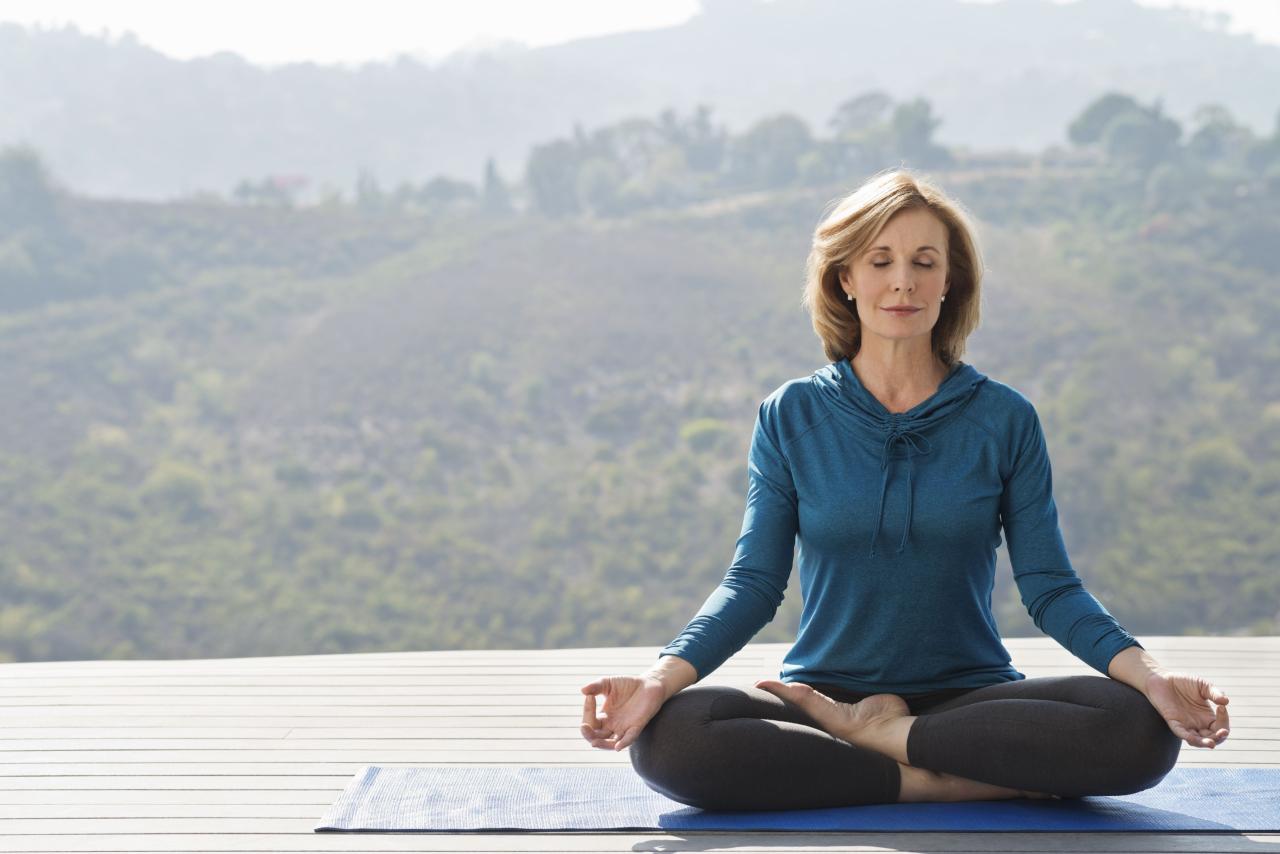
Meditation, a practice involving focusing the mind on a specific object, thought, or activity to train attention and awareness, has numerous benefits for both mental and physical well-being. By quieting the mind and cultivating a sense of calm, meditation can lead to reduced stress, improved focus, and increased self-awareness. These qualities are particularly valuable before physical training, as they can enhance performance and recovery.Meditation practices have ancient roots, appearing in various cultures and traditions worldwide.
Historical records reveal that meditation techniques have been employed for centuries to foster inner peace, improve health, and enhance spiritual understanding. Examples include Buddhist mindfulness practices, Hindu yoga traditions, and various indigenous spiritual practices. These practices demonstrate a long-standing recognition of the potential benefits of meditation.
Potential Advantages of Meditation Before Training
Meditation before training can offer several advantages, including improved focus, reduced anxiety, and enhanced physical performance. By calming the mind and body, meditation can help athletes to enter a state of mental readiness, which can translate to improved concentration, efficiency, and reduced stress. This mental clarity can be particularly beneficial in sports requiring precision and quick reaction times.
Physiological Responses to Meditation
Meditation practices induce a variety of physiological responses that contribute to their benefits. These include decreased heart rate, lowered blood pressure, and reduced muscle tension. These physiological changes can lead to improved cardiovascular health, reduced stress hormones, and enhanced overall well-being. Scientific research has shown that regular meditation can positively impact various physiological systems.
Historical Context of Meditation Practices
Meditation practices have a rich history, spanning diverse cultures and traditions. Early forms of meditation were often intertwined with spiritual or religious beliefs, serving to connect with a higher power or achieve enlightenment. Over time, these practices have evolved, adapting to various cultural contexts and incorporating diverse approaches. The ancient Indian traditions of yoga and mindfulness meditation, for example, have influenced contemporary meditation techniques.
Meditation Techniques and Potential Benefits
Understanding the different meditation techniques and their potential benefits can be helpful in choosing an approach that aligns with individual needs and goals.
| Meditation Technique | Potential Benefits |
|---|---|
| Mindfulness Meditation | Improved focus, reduced stress, enhanced self-awareness, improved emotional regulation |
| Transcendental Meditation | Reduced anxiety, improved cognitive function, increased creativity |
| Loving-Kindness Meditation | Increased compassion, improved interpersonal relationships, reduced feelings of loneliness |
| Yoga | Improved flexibility, balance, and strength, stress reduction, increased body awareness |
| Qigong | Improved energy flow, increased physical and mental well-being, improved balance and posture |
Creating a Conducive Environment
A conducive environment is paramount for effective meditation, particularly before training. A calm and focused atmosphere helps to quiet the mind and prepare the body for optimal performance. This pre-training meditative state fosters mental clarity, reduces anxiety, and promotes a sense of readiness for the physical challenges ahead.A well-structured environment fosters a deeper meditative experience, minimizing distractions and promoting a sense of tranquility.
This environment is essential for preparing both the mind and body for peak performance during training. Elements like lighting, temperature, and seating all contribute to creating an atmosphere conducive to a profound meditative experience.
Essential Elements of a Quiet and Comfortable Space
A quiet and comfortable space for meditation should prioritize minimizing distractions. This means carefully considering the elements that contribute to a peaceful atmosphere. Sound, light, and temperature play significant roles in creating the ideal environment. The choice of seating also significantly influences the meditative experience.
Minimizing Distractions
Minimizing distractions is crucial for a successful meditative practice. External factors like loud noises, bright lights, and other sensory inputs can disrupt the focus. Therefore, an environment free from these distractions is ideal. Careful consideration of these factors is vital for creating a calm and focused space.
Creating a Peaceful Atmosphere
Creating a peaceful atmosphere involves several key elements. Soft music, soothing scents, or even natural elements like plants can contribute to a sense of tranquility. The use of soft lighting, and a comfortable temperature can enhance the meditative experience. By incorporating these elements, practitioners can effectively establish a serene environment.
Optimal Lighting, Temperature, and Seating Arrangements
Appropriate lighting, temperature, and seating arrangements are essential for a comfortable and effective meditation practice. Soft, ambient lighting, such as warm-toned lamps or candles, creates a calming ambiance. The room temperature should be comfortable, neither too hot nor too cold, allowing for relaxation. Comfortable seating, such as a cushion or chair, that supports the body in a relaxed posture is important.
| Element | Description | Importance | Practical Tips |
|---|---|---|---|
| Lighting | Soft, warm-toned lighting, avoiding harsh or bright light sources. | Creates a calming and peaceful atmosphere, reducing visual stimulation. | Use warm-toned lamps, candles, or soft fairy lights. Dim overhead lights. |
| Temperature | A comfortable temperature, neither too hot nor too cold. | Promotes physical relaxation and prevents distractions from discomfort. | Adjust the thermostat to a pleasant temperature. Use blankets or layers as needed. |
| Seating | Comfortable seating that supports the body in a relaxed posture. | Reduces physical discomfort, allowing for better focus and relaxation. | Use a cushion, chair, or bench that supports the spine and allows for a natural posture. |
| Sound | Minimizing external noise or using calming background sounds. | Reduces distractions and promotes mental clarity. | Close windows and doors, use earplugs or white noise machines. |
Setting Intentions
Establishing clear intentions before meditation sets a focused direction for your training session. This intentional approach enhances your experience by aligning your mind and body toward specific goals. By defining what you want to achieve, you cultivate a more powerful and productive training session. This intentional focus creates a more positive and beneficial experience overall.
Importance of Intentions
Setting intentions before meditation is crucial for optimizing the training session. A clear intention provides a roadmap for your efforts, focusing your energy and attention. This focused intention reduces distractions and allows you to tap into your inner resources more effectively. By consciously setting goals, you cultivate a more productive and fulfilling experience, maximizing the benefits of the training session.
Defining Specific Training Goals
Formulating specific goals for the training session is paramount to a successful experience. These goals can range from physical enhancements to mental discipline. For instance, you could aim for improved strength, enhanced endurance, or increased flexibility. A specific goal, such as “increase my bench press by 5 pounds,” is far more effective than a vague goal like “get stronger.” This specificity enhances your ability to measure progress and stay motivated.
Examples of Specific Intentions
Here are some examples of specific intentions related to physical training:
- Increase the weight lifted in a specific exercise by a certain amount.
- Improve form and technique in a given exercise.
- Maintain a consistent heart rate during a workout.
- Complete a set of repetitions without compromising form.
- Achieve a new personal best in a particular activity.
- Enhance flexibility in a specific area of the body.
- Increase the duration of a given exercise.
- Maintain focus and mental clarity throughout the training session.
- Maintain proper breathing techniques during a workout.
- Increase the time to exhaustion in a particular exercise.
Methods for Defining and Articulating Intentions
Defining and articulating your personal intentions requires careful consideration. A simple yet effective method is to write down your intentions. This tangible representation allows you to visualize your goals and commit to them. Furthermore, speaking your intentions aloud can reinforce their importance and solidify your commitment. Using positive affirmations can also be a valuable tool in focusing on desired outcomes.
11 Short Tips for Effective Pre-Training Meditation
Preparing for a training session with a focused and calm mind can significantly enhance your performance. Meditation, practiced effectively before training, can foster mental clarity, reduce anxiety, and promote a positive mindset. This approach can improve concentration, reaction time, and overall well-being during the training session.Effective pre-training meditation doesn’t require extensive practice; brief, focused sessions can yield remarkable results.
These 11 tips offer practical strategies to integrate meditation into your routine, maximizing its benefits before your training.
11 Short Tips for Enhancing Pre-Training Meditation
A concise meditation practice, performed effectively before training, can greatly benefit performance. The following 11 tips offer strategies for optimizing a short meditation session, ensuring mental clarity and focus prior to your training.
| Tip Number | Description of the Tip |
|---|---|
| 1 | Establish a Dedicated Space: Designate a quiet, comfortable space free from distractions. This space can be a corner in your home, a quiet room at the gym, or even a park bench. Visualize this space as your personal sanctuary, promoting mental calmness and focus. |
| 2 | Set a Timer: Utilize a timer to maintain the focus and duration of your meditation. A short, focused session (5-10 minutes) is often more effective than a lengthy, wandering meditation. |
| 3 | Focus on Your Breath: Consciously direct your attention to your breath, observing the sensation of air entering and leaving your body. Notice the rise and fall of your chest or abdomen as you breathe in and out. This anchors your mind in the present moment. |
| 4 | Body Scan Meditation: Bring awareness to different parts of your body, systematically scanning from your toes to your head. Notice any tension or discomfort and release it through gentle awareness. This promotes physical relaxation. |
| 5 | Positive Affirmations: Incorporate positive affirmations related to your training goals. For example, “I am strong,” “I am focused,” or “I am capable.” These affirmations can instill confidence and enhance your self-belief. |
| 6 | Visualization Techniques: Visualize yourself successfully completing your training goals. Imagine yourself performing each task with precision, control, and grace. Visualizing success can increase your confidence and motivation. |
| 7 | Grounding Techniques: Connect with the present moment by focusing on physical sensations. Feel the contact of your feet on the floor, the clothes on your skin, or the gentle warmth of the air. This helps you stay anchored in the present. |
| 8 | Mindfulness of the Environment: Notice the sounds, sights, and smells around you. Engage your senses to fully experience your surroundings without judgment. This promotes presence. |
| 9 | Gentle Movement: Incorporate gentle stretching or movement before meditation. This can enhance physical relaxation and prepare the body for mental focus. |
| 10 | Mindful Posture: Maintain a comfortable and upright posture during meditation. This promotes alertness and prevents stiffness. A good posture enhances mental clarity. |
| 11 | Consistent Practice: Consistency is key. Aim for daily or frequent meditation practice, even if it’s just for a few minutes. Regular practice enhances mental resilience and focus. |
Breathing Techniques for Focus
Controlled breathing is a cornerstone of effective meditation, significantly impacting mental clarity and focus. By regulating the breath, practitioners can quiet the mind, reduce stress, and improve their overall physical and mental well-being, all of which contribute to enhanced performance during training. This section explores various breathing techniques and their benefits in the context of pre-training meditation.Understanding the connection between breath and physical performance is vital.
Controlled breathing can optimize oxygen intake, reduce muscle tension, and stabilize the nervous system, leading to better physical coordination, reaction time, and endurance. These advantages are particularly valuable for athletes and individuals engaging in physical activities.
Different Breathing Techniques
Different breathing techniques can facilitate distinct mental states. Each technique has its own unique effects on the body and mind, influencing focus and performance differently. Careful consideration of these differences is key to choosing a technique appropriate for pre-training meditation.
- Diaphragmatic Breathing: This technique focuses on engaging the diaphragm, the primary muscle for breathing. By consciously expanding the abdomen with each inhale, and relaxing it with each exhale, practitioners can promote a sense of calm and stability. This technique can be particularly effective for reducing anxiety and promoting relaxation before training.
- Box Breathing: Box breathing involves inhaling for a count of four, holding the breath for a count of four, exhaling for a count of four, and holding the breath again for a count of four. This rhythmic pattern creates a sense of structure and control, enhancing focus and concentration. Box breathing is ideal for athletes seeking to manage their stress response and improve their mental fortitude before physical exertion.
- Alternate Nostril Breathing (Nadi Shodhana): This ancient yogic practice involves inhaling through one nostril and exhaling through the other, creating a balanced flow of energy. It’s known to promote a sense of inner peace and tranquility, leading to improved mental clarity and reduced stress. Alternate nostril breathing is particularly effective for athletes seeking to calm their nervous system and maintain focus during high-pressure training situations.
- Mindful Breathing: This technique involves paying close attention to the sensations of the breath as it enters and leaves the body. It’s not about controlling the breath, but about observing it without judgment. Mindful breathing cultivates awareness, allowing practitioners to anchor their attention and develop a sense of presence. This approach is well-suited for individuals seeking a non-restrictive yet focused approach to pre-training meditation.
Impact of Controlled Breathing on Mental Clarity
Controlled breathing techniques have a profound impact on mental clarity. By regulating the breath, practitioners can reduce mental chatter, improve focus, and create a mental space conducive to optimal performance. The calm and stable state induced by controlled breathing allows the mind to process information more efficiently and make better decisions, which can lead to improved performance during training.
Relationship Between Breath and Physical Performance
The relationship between breath and physical performance is undeniable. Proper breathing techniques can improve oxygen intake, optimize energy levels, and reduce muscle tension. These factors directly influence physical performance, leading to better endurance, reaction time, and coordination. Practicing controlled breathing before training can create a physiological environment that facilitates optimal performance.
Specific Breathing Exercises for Pre-Training Meditation
The following exercises are specifically designed for pre-training meditation, aiming to optimize focus and performance.
- Diaphragmatic Breathing Exercise: Inhale deeply, expanding your abdomen as you fill your lungs. Exhale slowly, allowing your abdomen to contract. Repeat this exercise for 5 minutes, focusing on the sensation of the breath.
- Box Breathing Exercise: Inhale for 4 seconds, hold for 4 seconds, exhale for 4 seconds, and hold for 4 seconds. Repeat this cycle for 10 minutes, maintaining a steady rhythm.
- Alternate Nostril Breathing Exercise: Close your right nostril with your right thumb and inhale through your left nostril. Close your left nostril with your ring finger and pinky and exhale through your right nostril. Repeat this cycle for 10 minutes, focusing on the breath’s transition.
- Mindful Breathing Exercise: Sit comfortably and observe the sensation of your breath entering and leaving your body. Notice the rise and fall of your chest or abdomen. Do not attempt to change the breath, but simply observe it. Practice this exercise for 5 minutes.
Handling Distractions During Meditation
Meditation, while a practice of inner stillness, is often challenged by external and internal distractions. Recognizing these distractions and developing strategies to manage them is crucial for effective pre-training meditation. A well-managed meditative state can significantly enhance focus and mental clarity during your training session.Meditation, in its essence, is a journey of the mind. However, the mind, by its very nature, is prone to wander.
This wandering can manifest as thoughts, anxieties, sensations, or external stimuli. By understanding the nature of these distractions and employing specific techniques, you can regain control and sustain a focused meditative state.
Common Distractions During Meditation
Distractions during meditation can arise from various sources. External distractions include noises from the environment, physical discomfort, or visual stimuli. Internal distractions, on the other hand, can stem from racing thoughts, anxieties, or memories. Identifying the source of the distraction is the first step towards managing it effectively.
Techniques for Managing Distractions
Effectively managing distractions requires a multifaceted approach. The key is to acknowledge the distraction without judgment, gently redirecting your attention back to your chosen focus, whether it’s your breath, a mantra, or a visualization. This process is a continuous cycle of awareness and redirection.
Strategies for Maintaining Focus
Maintaining focus during meditation involves consistent practice and a proactive approach to handling distractions. Regular practice strengthens your ability to anchor your attention and resist the pull of wandering thoughts. Cultivating a sense of mindfulness, where you observe your thoughts and feelings without judgment, empowers you to detach from them and regain your focus.
Methods for Redirecting Attention
Redirecting your attention back to your chosen focus is a key skill in meditation. If your mind wanders, gently acknowledge the thought or sensation without engaging with it. Then, gently redirect your attention back to your breath, mantra, or visualization. This conscious redirection, practiced consistently, strengthens your ability to remain present and focused.
Table of Distraction Types and Mitigation Strategies
| Distraction Type | Mitigation Strategies |
|---|---|
| External Distractions (e.g., noise, temperature) | Choosing a quiet, comfortable space. Using earplugs or white noise machines. Adjusting the environment to create a more conducive atmosphere. |
| Internal Distractions (e.g., racing thoughts, anxiety) | Acknowledging the thought or feeling without judgment. Gently redirecting attention back to your breath or chosen focus. Practicing mindfulness techniques to observe thoughts without getting caught up in them. |
| Physical Sensations (e.g., itch, pain) | Acknowledging the sensation without judgment. Gently redirecting attention back to your breath. Using gentle body scans to bring awareness to the sensations without reacting. |
Mental Imagery and Visualization
Mental imagery, a powerful tool for athletes and individuals alike, involves creating vivid mental pictures of desired outcomes. This technique is particularly valuable in the context of pre-training meditation, as it allows individuals to mentally rehearse movements, visualize successful performances, and cultivate a sense of confidence and focus. By actively engaging with these mental representations, individuals can enhance their performance and approach the training session with greater preparedness.Visualization is not merely a fanciful exercise; it has a demonstrably positive impact on athletic performance.
Studies have shown that athletes who regularly employ visualization techniques often exhibit improved performance metrics, including speed, accuracy, and endurance. This improvement can be attributed to the activation of neural pathways associated with the desired actions, effectively strengthening the mental blueprint for success.
Techniques for Creating Vivid Mental Images
To effectively harness the power of mental imagery, it is crucial to cultivate vivid and detailed mental images. Clarity and detail are key elements in the creation of powerful mental representations. Focus on sensory details, including the sights, sounds, textures, smells, and even tastes associated with the desired outcome. For example, imagine the precise feel of the ball in your hand, the distinct sound of the whistle, or the taste of victory.
The more sensory details incorporated, the more robust and impactful the mental image becomes.
Utilizing Visualization to Improve Focus and Confidence
Visualization can be a powerful tool for enhancing focus and bolstering confidence before a training session. By mentally rehearsing successful performances, athletes can build confidence in their abilities and cultivate a belief in their potential. This can reduce anxiety and promote a more focused state of mind. By repeatedly visualizing positive outcomes, athletes can foster a stronger sense of self-belief, leading to increased motivation and a more confident approach to training.
Examples of Mental Imagery Techniques
- Specific Skill Rehearsal: Imagine yourself executing a particular skill with perfect form and technique. Focus on the precise movements, the sequence of actions, and the feeling of mastery. This technique allows you to practice a skill without physical exertion, strengthening your mental representation of the desired movement.
- Success Visualization: Mentally rehearse a successful training session or competition. Visualize yourself performing at your peak, achieving your goals, and feeling the satisfaction of accomplishment. This approach fosters a positive mindset and reinforces your belief in your capabilities.
- Success Scenario: Imagine yourself successfully overcoming a challenge or obstacle during a training session. Focus on the steps you will take to address the challenge, and visualize yourself executing them with precision and determination. This technique allows you to prepare for potential difficulties and build resilience.
- Environment Visualization: Visualize the specific training environment, including the field, court, or gym. Pay attention to the details, such as the lighting, the equipment, and the surrounding atmosphere. This helps to mentally prepare you for the training conditions and create a sense of familiarity.
- Positive Affirmations with Visualization: Combine positive affirmations with visualization. For example, visualize yourself executing a perfect jump shot while simultaneously affirming, “I am a confident and skilled athlete.” This technique strengthens the link between positive self-talk and successful performance.
Mindfulness During Training
Mindfulness, cultivated through meditation, significantly enhances performance during training. By focusing on the present moment, athletes can optimize their physical and mental responses, leading to improved results. This approach transcends simply focusing on the task; it fosters a deeper connection with the body and its capabilities.Mindfulness in training is not merely about awareness; it’s about integrating awareness into the execution of physical activities.
This integration leads to enhanced concentration, reduced anxiety, and a heightened sense of control over one’s actions. Athletes who practice mindfulness during training experience improved performance across various metrics, from reaction time to endurance.
Enhancing Mindfulness During Training
Meditation practices, particularly those focusing on present-moment awareness, develop the ability to observe thoughts and sensations without judgment. This cultivates a sense of detachment from internal chatter and external distractions, allowing athletes to focus more effectively on the present task. By developing this skill, athletes can better manage stress and anxiety, which often hinder peak performance.
Connection Between Mindfulness and Improved Performance
Mindfulness enhances performance by fostering a more integrated approach to physical exertion. By attending to the sensations of the body during exercise, athletes can better gauge their exertion levels and adjust their efforts accordingly. This allows for greater efficiency and prevents overexertion, leading to improved endurance and reduced risk of injury. Further, mindfulness can improve decision-making during demanding situations by promoting a clearer understanding of the present moment.
Techniques for Applying Mindfulness Principles During Physical Activities
Mindfulness techniques can be seamlessly integrated into training routines. A simple technique involves focusing on the breath during exercise, noticing the sensation of air entering and leaving the lungs. Another method involves paying close attention to the movement of muscles and joints as they perform exercises. By bringing awareness to these bodily sensations, athletes can better understand their limits and optimize their movements.
Benefits of Mindfulness During Physical Exertion
Practicing mindfulness during physical exertion offers numerous benefits. It leads to a deeper understanding of one’s physical limitations and capabilities, allowing for personalized adjustments in training. This can reduce the risk of injury by recognizing early warning signs of fatigue or strain. Mindfulness also promotes a greater sense of control and focus during training, translating to improved performance in competition.
Mindfulness Techniques and Their Application During Training
| Mindfulness Technique | Application During Training |
|---|---|
| Body Scan Meditation | Identifying and acknowledging tension in different parts of the body during exercises, adjusting form accordingly. |
| Mindful Breathing | Focusing on the breath during high-intensity workouts to maintain focus and manage exertion levels. |
| Observational Awareness | Paying attention to the sensations of movement and the body’s responses during training to optimize performance and prevent injuries. |
| Guided Imagery | Using mental images to visualize successful movements and desired outcomes during training sessions, boosting confidence and performance. |
| Mindful Movement | Concentrating on the specific movements involved in each exercise, improving technique and precision. |
Post-Meditation Reflection

Post-meditation reflection is a crucial step in maximizing the benefits of your pre-training meditation practice. It allows you to gain valuable insights into your mental state and identify areas for improvement, enhancing your overall performance. By consciously analyzing your experience, you can fine-tune your meditation technique and create a more effective pre-training routine.Reflection acts as a bridge between the meditative state and the subsequent training session.
It’s a period for mindful review, enabling you to connect the calmness and focus cultivated during meditation with the demands of your training. This introspection fosters a deeper understanding of your mental processes, ultimately leading to improved performance.
Importance of Analyzing the Meditation Session
Analyzing the meditation session provides a platform for self-assessment. Identifying patterns, challenges, and successes during meditation allows you to adapt your techniques and refine your practice. This process strengthens your self-awareness and promotes a more profound understanding of your mental landscape. The focus on the effectiveness of the meditation allows for more targeted and efficient training.
Methods for Evaluating Meditation Effectiveness
Several methods can be used to evaluate the effectiveness of a meditation session. Self-reporting, using a simple scale to rate focus, calmness, and clarity, provides a quantifiable measure of the session’s impact. Paying attention to any physical sensations, such as increased energy or reduced tension, is another valuable metric. Observing the presence or absence of distractions during meditation is also an important aspect of assessing effectiveness.
This analysis allows you to adapt your meditation routine based on the observed results.
Journaling Techniques for Meditation Reflection
Journaling is an excellent tool for documenting your meditation experience. Detailed notes about the session’s duration, your feelings before and after, any distractions encountered, and the overall effectiveness provide a valuable record for future reference. Record specific thoughts and feelings to gain deeper insights. By consistently journaling, you can track your progress and identify patterns that help optimize your pre-training meditation practice.
This documentation fosters a better understanding of personal responses to meditation.
Example Reflection Table
| Reflection Point | Discussion Points |
|---|---|
| Duration of Meditation | Was the duration sufficient for achieving desired focus? Did the session feel rushed or excessively long? |
| Mental State Before Meditation | How anxious or stressed were you before the session? Did you feel a connection between your pre-meditation state and your meditation experience? |
| Presence of Distractions | What were the primary distractions during the session? How effectively did you manage them? |
| Physical Sensations | Did you experience any physical sensations during meditation, such as tension or relaxation? How did these impact your focus? |
| Overall Effectiveness | Did the meditation session contribute to a sense of calm and focus? Did you notice any positive changes in your mental state? |
Final Review
In conclusion, this guide provides a structured approach to meditation before training. By mastering these techniques, you can cultivate mental clarity, manage stress, and enhance focus, leading to improved athletic performance. The 11 short tips, detailed breathing exercises, and strategies for handling distractions will empower you to create a personalized pre-training routine that aligns with your individual needs. This holistic approach to preparation will undoubtedly contribute to a more fulfilling and effective training journey.