Unlocking the power of mindfulness before your Pilates practice can elevate your experience to new heights. This guide delves into the profound benefits of meditation, offering practical techniques to enhance focus, reduce stress, and cultivate a deeper connection with your body and mind before each session.
By integrating a pre-Pilates meditation routine, you’ll cultivate a state of calm awareness that will translate into improved physical performance and a more enriching overall practice. Explore different meditation styles, discover tailored techniques, and learn how to seamlessly integrate this practice into your daily schedule.
Introduction to Meditation Before Pilates
Incorporating meditation into a pre-Pilates routine can significantly enhance the overall experience and outcomes. This preparatory practice fosters a state of mental clarity and physical calm, setting the stage for a more effective and enjoyable Pilates session. By quieting the mind and grounding the body, practitioners can improve focus, reduce stress, and cultivate a deeper connection with their physical selves.Meditation, at its core, involves focusing attention on a specific object, thought, or sensation, allowing distracting thoughts to pass without judgment.
This focused attention trains the mind to be more present and less reactive, which is particularly beneficial before engaging in a physical activity like Pilates. By cultivating mental stillness, practitioners can better access their inner strength and control their body’s responses during the workout.
Mental Preparation for Pilates
Effective Pilates practice relies heavily on mental engagement. Maintaining focus and control during the various exercises requires a clear mind and a calm body. Meditation acts as a powerful tool to prepare the mind for the physical demands of Pilates. This mental preparation can lead to improved form, increased strength, and reduced risk of injury. It allows for a more mindful and controlled execution of each exercise, ultimately enhancing the effectiveness of the workout.
Meditation Styles for Pre-Pilates
A variety of meditation styles can be employed before a Pilates session, each offering unique benefits. The choice of style often depends on individual preferences and the desired outcome. The following table provides a comparison of popular meditation styles, highlighting their focus, benefits, and suitability for pre-Pilates practice.
| Meditation Style | Focus | Benefits |
|---|---|---|
| Mindfulness Meditation | Present moment awareness; focusing on sensations, thoughts, and emotions without judgment. | Enhanced focus, reduced stress, improved body awareness. This style is particularly useful for cultivating a sense of calm before the physical demands of Pilates. |
| Loving-Kindness Meditation | Cultivating feelings of compassion and kindness towards oneself and others. | Emotional regulation, improved well-being, reduced anxiety. This approach can help foster a sense of inner peace and acceptance, preparing the mind for the physical practice. |
| Body Scan Meditation | Systematically bringing awareness to different parts of the body, noticing sensations without judgment. | Body awareness, pain management, stress reduction. This can help identify areas of tension and prepare the body for movement in a more mindful and intentional way. |
| Guided Meditation | Following instructions provided by a guide, often focusing on specific themes or sensations. | Reduced anxiety, improved concentration, enhanced relaxation. Guided meditations can be particularly helpful for beginners or those seeking a structured approach to meditation. |
Techniques for Meditation Before Pilates
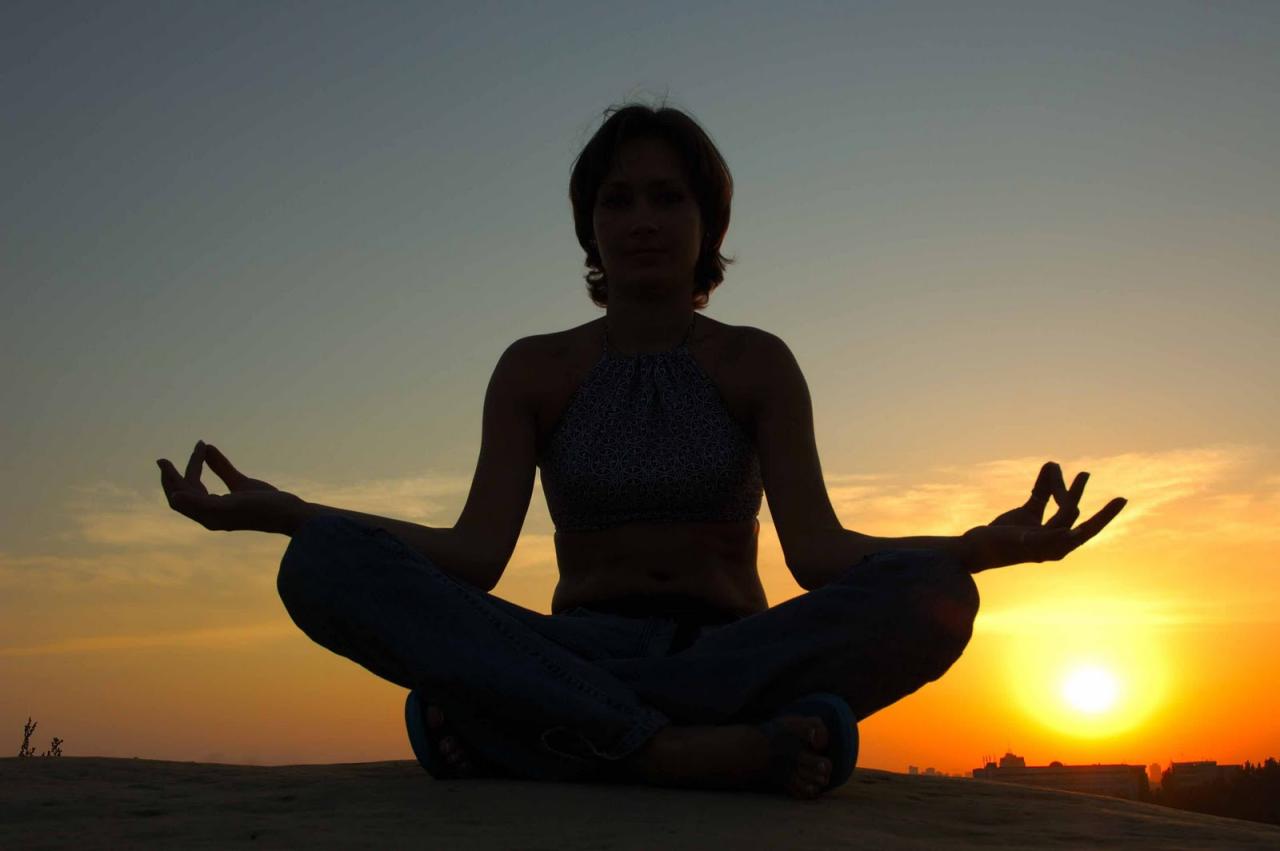
Embarking on a Pilates session with a calm and focused mind can significantly enhance your experience. Preparing your mental state through meditation before Pilates can foster greater body awareness, improve concentration, and reduce pre-exercise stress. This approach creates a more receptive state for the physical demands of Pilates, leading to a deeper connection with your body and a more fulfilling practice.Effective pre-Pilates meditation techniques offer a structured pathway to inner peace, enabling you to fully immerse yourself in the physical and mental aspects of your Pilates session.
This section will Artikel practical techniques and strategies to optimize your meditation practice before Pilates.
A 5-Minute Pre-Pilates Meditation
This guided meditation sequence is designed to gently prepare you for your Pilates session, promoting focus and a sense of calm.Find a comfortable seated position, either on a cushion or chair, ensuring your spine is straight but relaxed. Close your eyes gently and take a few deep, conscious breaths, inhaling deeply and exhaling slowly. Focus on the sensation of your breath entering and leaving your body.
1. Breath Awareness (1 minute)
Concentrate solely on the rhythm of your breath. Notice the coolness of the air entering your nostrils, the subtle expansion of your chest, and the warmth of the air leaving your body. Allow your thoughts to drift away without judgment.
2. Body Scan (1 minute)
Bring your attention to different parts of your body, starting with your toes and moving upwards. Notice any sensations, tension, or discomfort without trying to change them. Acknowledge each part and let your awareness flow through your body.
3. Affirmations (1 minute)
Repeat a positive affirmation silently to yourself, such as “I am strong and capable,” or “I am present in this moment.” Repeat this affirmation several times. Focus on the feeling the affirmation evokes rather than just the words.
4. Visualization (1 minute)
Visualize yourself moving through your upcoming Pilates exercises with ease and grace. Imagine the physical sensations of the movements, and feel a sense of confidence and control.
5. Release and Transition (1 minute)
Take a few more deep breaths and slowly bring your awareness back to your surroundings. Gently wiggle your fingers and toes, and slowly open your eyes.
Focusing Attention Techniques
Various techniques can help maintain focus during meditation. These techniques can help you to anchor your attention and to reduce distractions, ultimately leading to a more profound meditative experience.Breath awareness is a fundamental technique, focusing on the natural rhythm of your breath. Body scan meditation involves systematically bringing your awareness to different parts of your body, noting any sensations without judgment.
These techniques foster a deeper connection with the present moment.
Affirmations in Meditation
Affirmations are positive statements that can reinforce positive thoughts and beliefs. In the context of meditation before Pilates, affirmations can cultivate a sense of confidence and empowerment, promoting a more positive attitude toward the practice. Use affirmations tailored to enhance your Pilates experience, such as “I am strong and flexible,” or “I am capable of achieving my goals.”
Music and Soundscapes for Enhanced Meditation
Music and soundscapes can play a significant role in setting the mood and atmosphere for your meditation. The appropriate selection can deepen your focus and enhance your overall experience.
| Music Type | Mood | Benefits |
|---|---|---|
| Instrumental music | Calming | Reduces stress, improves focus |
| Nature sounds | Relaxing | Reduces anxiety, promotes tranquility |
| Guided meditations | Specific themes | Targets specific needs, e.g., stress relief |
Preparing the Body and Mind for Pilates
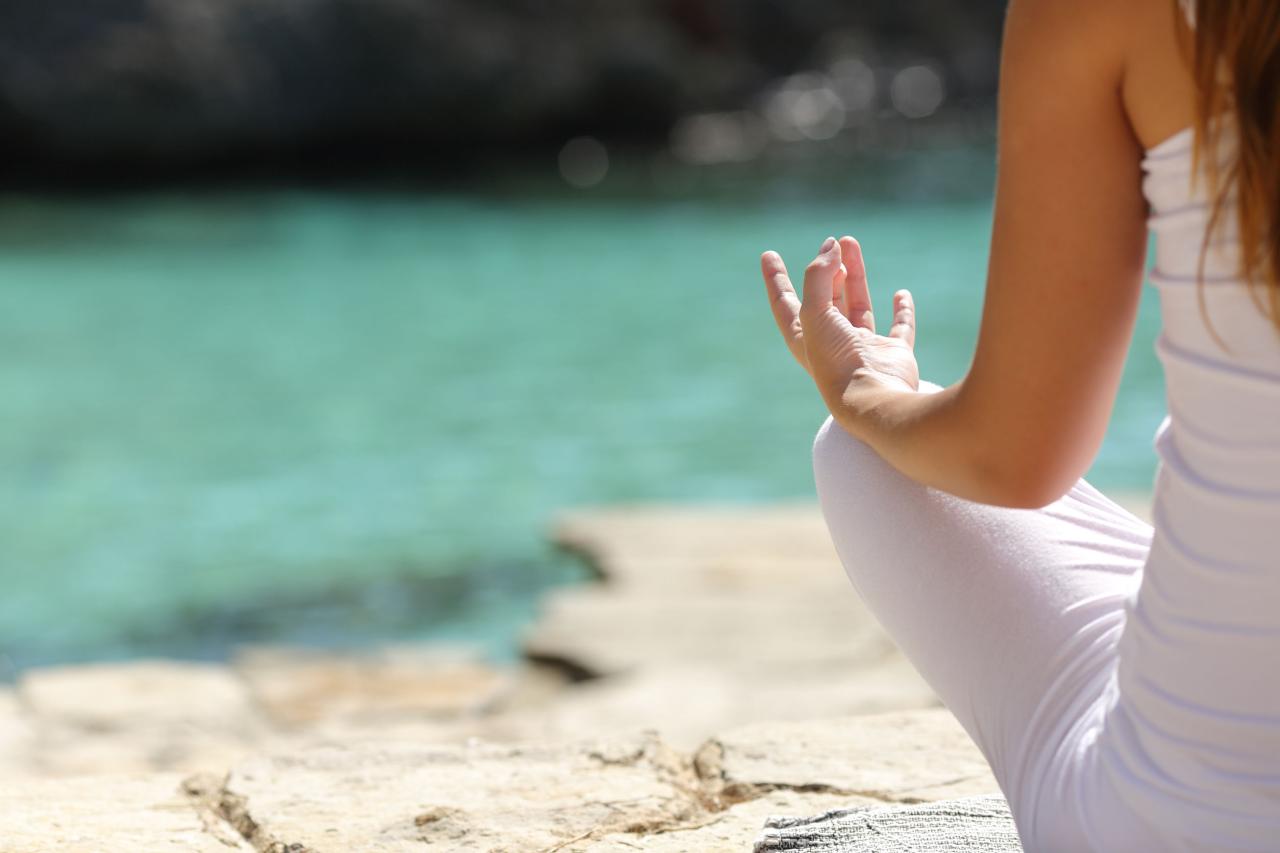
Preparing for a Pilates session goes beyond simply donning your attire. A mindful approach to physical and mental relaxation sets the stage for a more effective and enjoyable workout. By integrating meditation and progressive muscle relaxation, you cultivate a deeper connection with your body, fostering both physical and mental well-being.Physical relaxation, coupled with mental stillness, allows the body to release tension and prepare for the precise movements of Pilates.
This integration creates a harmonious environment where your body is receptive to the exercise, enhancing the benefits and reducing the risk of injury. Mindful movement, a key element of both Pilates and meditation, further deepens this connection, promoting a balanced approach to both physical and mental health.
Significance of Physical Relaxation
Physical relaxation is fundamental to a successful Pilates practice. When the body is tense, it hinders the flow of energy and inhibits optimal performance. Muscle tension restricts movement, leading to discomfort and potentially compromising form. Relaxation, conversely, allows muscles to lengthen and release, enhancing flexibility, balance, and range of motion. This relaxed state is crucial for executing Pilates exercises with precision and grace.
Mindful Movement and Meditation
The connection between mindful movement and meditation lies in the shared emphasis on awareness. Meditation cultivates present-moment awareness, a skill that extends seamlessly into mindful movement. When performing Pilates, mindful awareness of each muscle group, breath, and intention is paramount. This mindful approach fosters a deeper understanding of your body’s responses, allowing you to tailor your movements to your specific needs.
This alignment between mental focus and physical action creates a more integrated and effective workout.
Managing Stress and Anxiety
Meditation plays a significant role in managing stress and anxiety before a Pilates session. The practice of focusing on the breath and releasing thoughts allows the mind to quiet down, reducing the physiological effects of stress hormones like cortisol. This reduction in anxiety translates into a more receptive state of mind, fostering greater focus and clarity during the Pilates session.
A calm and centered mind allows you to fully engage with the exercises, promoting greater physical and mental well-being.
Preparing the Body for Meditation and Pilates
A simple method to prepare your body for both meditation and Pilates involves a few key steps. First, find a comfortable seated position, either on a cushion or chair. Ensure your spine is straight and your shoulders are relaxed. Next, gently close your eyes and bring your attention to your breath. Notice the sensation of the air entering and leaving your body.
As you focus on your breath, gently scan your body, noticing any areas of tension. With each exhalation, release any tension you find. Continue this gentle scanning process until you feel a sense of relaxation spreading throughout your body.
Progressive Muscle Relaxation in Pre-Pilates Meditation
Progressive muscle relaxation is a powerful technique to further enhance the physical relaxation process. This technique involves systematically tensing and releasing different muscle groups in the body. Begin by tensing a specific muscle group, such as your hands, for a few seconds. Then, release the tension, focusing on the feeling of relaxation. Repeat this process for other muscle groups, such as your arms, shoulders, chest, and legs.
Gradually, this process promotes a sense of deep relaxation throughout the body, which enhances focus and reduces stress. By integrating this into your pre-Pilates meditation routine, you cultivate a state of profound physical and mental readiness.
Integrating Meditation into a Pre-Pilates Routine
Integrating mindful meditation into your pre-Pilates routine can significantly enhance your practice. By quieting the mind and centering the body, meditation fosters a deeper connection with your physical self, promoting improved focus, posture, and overall well-being. This prepared state of mind and body translates directly into a more enriching and effective Pilates workout.A well-structured pre-Pilates meditation routine prepares you for the physical demands of the workout, reducing stress and promoting a more positive and engaging experience.
This can result in improved physical performance, increased body awareness, and a deeper connection with your body during the Pilates exercises.
Incorporating Different Types of Meditation
Various meditation techniques can be seamlessly integrated into a pre-Pilates routine. Different types of meditation cater to various needs and preferences, facilitating a tailored approach. Mindfulness meditation, focused on the present moment, is particularly beneficial for promoting body awareness. Guided meditations can provide structure and support, ideal for beginners or those seeking a more structured approach. Alternatively, loving-kindness meditation can foster feelings of compassion and acceptance, which can be crucial for developing a positive mindset for the workout.
Creating a Daily Schedule
A consistent schedule for your pre-Pilates meditation can be highly beneficial. A structured daily routine aids in establishing a mindful practice.
- Morning Routine (7:00 AM – 7:30 AM): This period allows for a calm and focused start to the day. Start with a 5-minute mindfulness meditation, followed by a 10-minute Pilates session. This creates a seamless transition to the day ahead, integrating physical and mental well-being.
- Evening Routine (6:00 PM – 6:30 PM): For those with evening Pilates classes, this structured time slot provides an opportunity for a 10-minute loving-kindness meditation, followed by a 15-minute guided meditation, promoting relaxation and mental clarity.
Impact on Physical Performance
Meditation has a demonstrable impact on physical performance in Pilates. Studies suggest that meditation can reduce stress hormones, improve focus, and enhance body awareness, all crucial factors for successful Pilates practice. Improved focus translates to more precise execution of Pilates exercises, while heightened body awareness fosters a deeper connection with your body, leading to improved posture and alignment.
Comparing Meditation Durations
Different meditation durations can yield varying benefits. A shorter meditation (5-10 minutes) can be highly effective for quickly centering the mind and body. Longer sessions (15-20 minutes) provide a more profound experience, fostering greater relaxation and mental clarity, potentially enhancing the overall experience and physical performance.
Transitioning from Meditation to Pilates
A smooth transition from meditation to Pilates is key to maximizing the benefits. Gradually shift your attention from the meditative state to the physical sensations of your body. Focus on deep breaths, allowing the calmness and awareness cultivated during meditation to carry over into the Pilates routine. A simple body scan can be used, bringing awareness to each part of your body.
Visualizing the movements and intentions of the exercises can further integrate the mental and physical aspects of the practice.
Troubleshooting Common Challenges
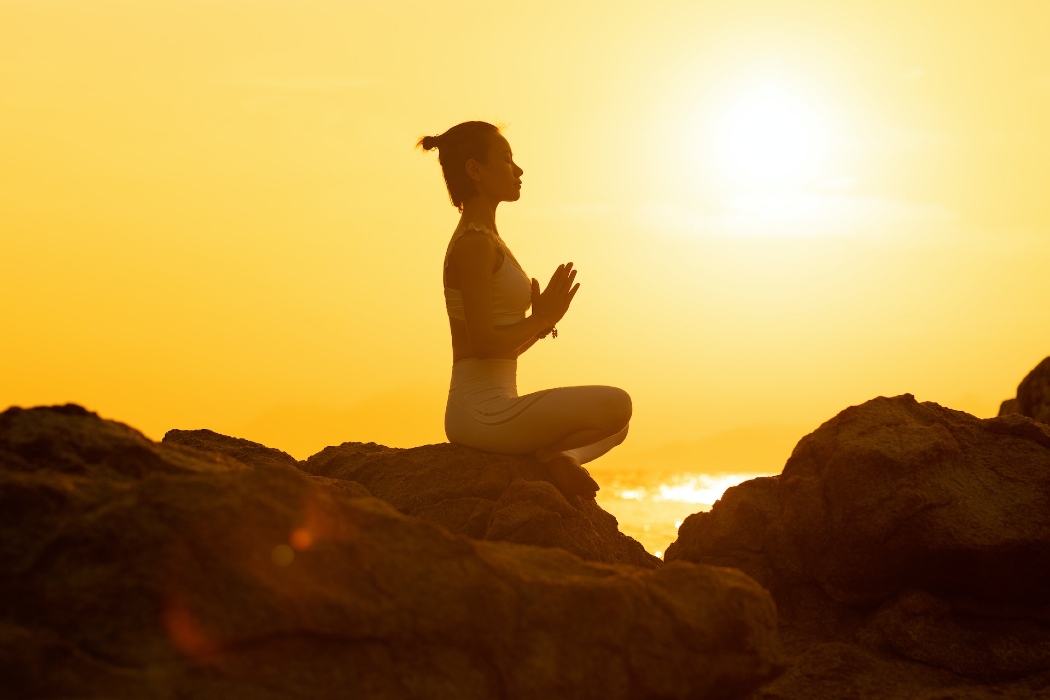
Embarking on a meditation practice, particularly before a demanding physical activity like Pilates, can present various hurdles. Understanding these common obstacles and developing strategies to overcome them is crucial for a positive and productive experience. This section will explore techniques for managing distractions, addressing negative thoughts, and adjusting your practice to accommodate different fitness levels.Effective meditation is not a one-size-fits-all endeavor.
Individual experiences vary, and acknowledging these differences allows for a more tailored approach. By recognizing potential challenges and implementing appropriate solutions, you can cultivate a deeper connection with your mind and body, ultimately enhancing your Pilates practice.
Restlessness and Distractions
Maintaining focus during meditation, especially before a physically demanding activity like Pilates, can be challenging. External and internal stimuli, such as noises, thoughts, or physical discomfort, can easily disrupt concentration.Strategies for managing distractions include establishing a dedicated meditation space, minimizing external noise, and employing mindful awareness techniques. By acknowledging the presence of distractions without judgment, and gently redirecting your attention back to your breath or chosen focus, you can cultivate greater control over your mental state.
Practice is key, as developing this ability to redirect focus takes time and effort.
Managing Negative Thoughts
Negative thoughts are a natural part of the human experience. They can arise during meditation, and these thoughts should not be suppressed, but rather acknowledged and released. Recognizing negative thoughts as fleeting mental events, without judgment, is crucial.Employing techniques like cognitive restructuring, where you reframe negative thoughts into more positive or neutral perspectives, can help. Alternatively, you can practice letting go of negative thoughts by focusing on a mantra or your breath.
These techniques are aimed at detaching from the negative thought pattern and fostering a sense of calm and clarity.
Adjusting for Different Fitness Levels
Meditation practices can be adapted to suit various fitness levels. Beginners might find longer sessions challenging. Gradually increasing the duration of your meditation practice, starting with shorter sessions and progressively extending the time, can be a suitable approach. Adjusting the focus of your meditation is another important factor. For instance, focusing on your breath or a calming image might be more suitable for beginners than abstract concepts.
The goal is to find a practice that feels comfortable and supportive, fostering a positive experience.
Common Meditation Errors and How to Avoid Them
Several common errors can hinder the effectiveness of your pre-Pilates meditation practice. One frequent error is clinging to the feeling of a ‘perfect’ meditation. This can lead to frustration and discouragement. Instead, approach meditation with acceptance and a willingness to learn, recognizing that imperfection is part of the process.Another common error is comparing your practice to others.
Focus on your own progress and journey rather than seeking external validation. Each individual’s path is unique, and comparison can lead to disappointment. Focusing on your personal growth, rather than external benchmarks, will enhance your practice.
- Judging your practice: Avoid critical self-evaluation during meditation. Instead, cultivate a sense of self-compassion and acceptance.
- Expecting immediate results: Meditation is a practice that requires patience and consistency. Recognize that progress takes time and effort.
- Failing to establish a regular routine: Consistency is crucial for developing a deeper connection with your mind and body. Establish a regular meditation schedule, even if it’s just for a few minutes each day.
Variations and Considerations
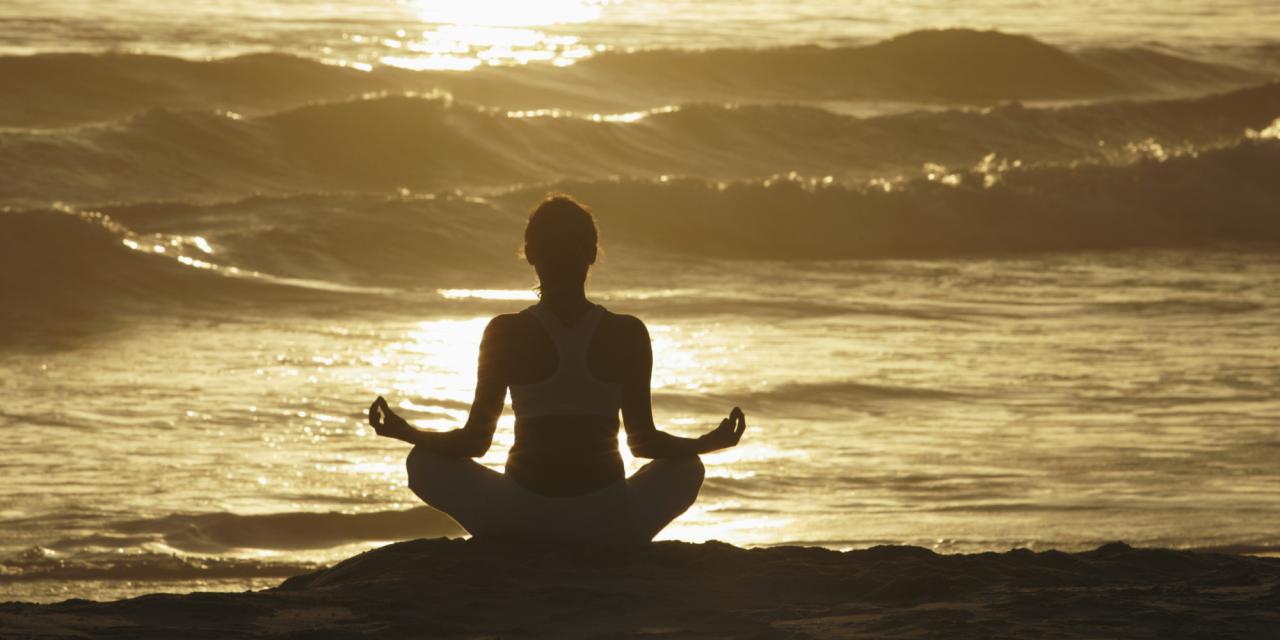
Adapting your pre-Pilates meditation practice to suit individual needs and preferences is crucial for maximizing its benefits. This section explores tailoring the practice for diverse situations, including physical limitations, specific goals, and varying times of day. Furthermore, incorporating visualization and intention setting can significantly enhance the effectiveness of this preparatory routine.
Adapting for Diverse Needs
Individuals with physical limitations can modify the poses and duration of the meditation practice to accommodate their needs. For example, those with mobility issues might find seated meditation more accessible, and shorter sessions more manageable. Visualizations can be adjusted to focus on healing, comfort, or relaxation specific to the physical limitations.
Incorporating Visualization
Visualization techniques can enhance the benefits of meditation before Pilates. This involves creating a mental image of a positive experience, such as feeling the body relax and prepare for the workout, or picturing a specific movement with effortless grace. For example, visualizing the flow of energy throughout the body can help to cultivate a sense of connection and preparedness.
Intention Setting
Intention setting in pre-Pilates meditation involves clearly defining the desired outcome of the session. This might be improved focus, reduced anxiety, or a sense of calm and readiness. Clearly articulating the intention strengthens the mind-body connection and guides the meditation toward a specific purpose. For instance, setting an intention to improve balance and coordination before a Pilates session can positively influence performance and focus during the workout.
Modifying for Different Times of Day
The effectiveness of meditation can be influenced by the time of day. Morning meditation might focus on energizing the body and mind, while evening meditation could be more restorative and calming. Morning routines might include visualization of a vibrant and active body, while evening sessions might emphasize relaxation and a sense of calm.
Summary of Meditation Effects
| Aspect of Well-being | Impact of Meditation |
|---|---|
| Stress Levels | Reduced stress, leading to a calmer and more focused state of mind, facilitating better absorption of Pilates exercises. |
| Focus and Concentration | Improved focus and concentration, allowing for a more mindful and effective Pilates session. |
| Physical Tension | Reduced physical tension, improving the body’s readiness for movement and flexibility. |
| Emotional Regulation | Enhanced emotional regulation, leading to a more positive and resilient approach to the Pilates workout. |
Last Point
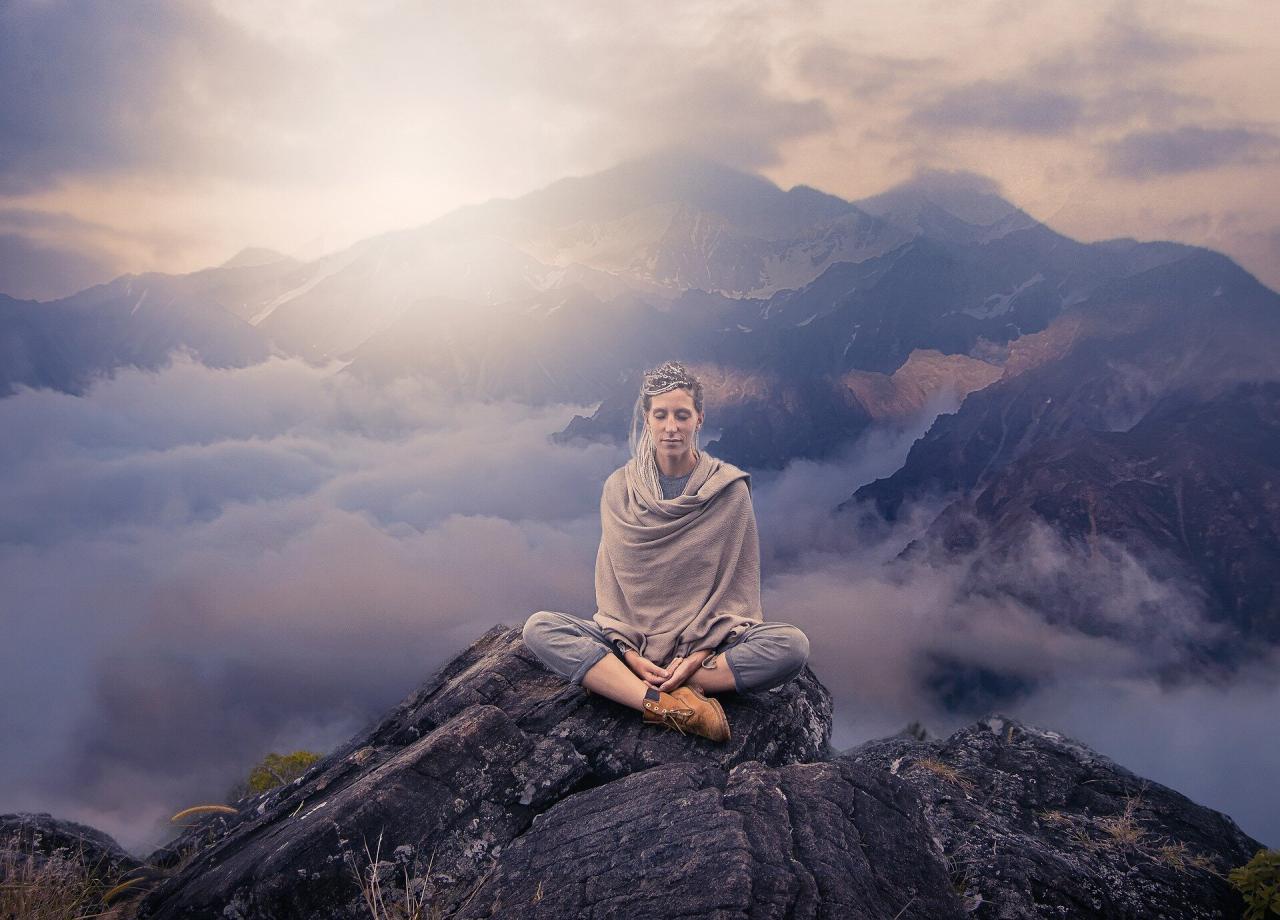
In conclusion, mastering the art of meditation before Pilates empowers you to approach each session with heightened focus, reduced stress, and a profound sense of well-being. This guide provides a comprehensive roadmap for integrating meditation into your pre-Pilates routine, equipping you with the tools to optimize your physical and mental performance. Embrace the transformative power of mindfulness to unlock a more fulfilling and effective Pilates experience.