Unlocking mental resilience and peak performance is crucial for athletes. This guide delves into the transformative power of meditation, providing practical, actionable techniques tailored specifically for athletes. Discover how mindfulness can enhance focus, concentration, and overall well-being, leading to improved athletic performance.
We’ll explore various meditation types, offering a comparative analysis of their benefits. This guide will equip you with 14 actionable tips to seamlessly integrate meditation into your pre-game, post-game, and training routines. Learn how to adapt these techniques to your individual needs and preferences, overcoming potential obstacles along the way.
Introduction to Meditation for Athletes
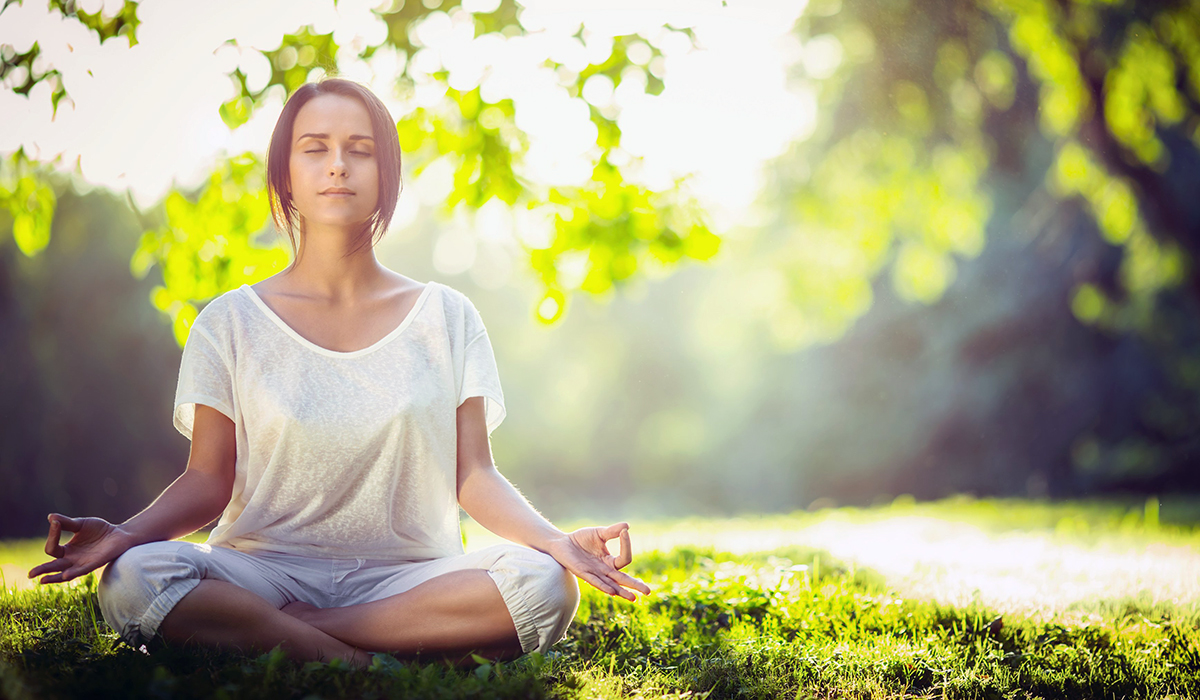
Meditation, a practice involving focusing the mind on a specific object, thought, or activity, offers a multitude of benefits for athletes. It’s increasingly recognized as a valuable tool for enhancing mental resilience, improving focus, and ultimately, optimizing performance. By quieting the mind’s chatter, athletes can cultivate a deeper understanding of their inner selves, leading to greater control over their thoughts and emotions.The practice of mindfulness, a key component of meditation, is particularly crucial in sports.
Mindfulness cultivates present-moment awareness, allowing athletes to fully engage with their surroundings and bodily sensations. This heightened awareness translates to sharper focus, improved concentration, and enhanced decision-making during critical moments of competition. By training the mind to remain centered in the present, athletes can navigate challenges and pressures with greater composure and effectiveness.
Different Types of Meditation for Athletes
Meditation encompasses various techniques, each with its own unique approach to focusing the mind. Different types of meditation can be beneficial for athletes depending on their specific needs and goals. Mindfulness meditation, for instance, fosters a non-judgmental awareness of thoughts and sensations, while focused attention meditation involves concentrating on a specific object or sensation. These, along with other techniques, provide a diverse range of tools to enhance performance and mental well-being.
Benefits of Different Meditation Types for Athletes
Different meditation techniques offer unique advantages for athletes. A structured comparison highlights the specific benefits each type provides.
| Meditation Type | Benefits |
|---|---|
| Mindfulness | Improved focus and concentration, reduced stress and anxiety, enhanced self-awareness, and increased emotional regulation. Athletes can better manage pressure and maintain composure during competition by understanding their internal states. |
| Focused Attention | Heightened concentration and attention span, enabling athletes to better execute complex movements and strategies. This type of meditation cultivates the ability to remain focused on a task, even amidst distractions. |
| Loving-Kindness Meditation | Promotes feelings of compassion and empathy, which can contribute to a more positive and supportive team environment. Developing kindness towards oneself and others fosters a stronger sense of community. |
| Body Scan Meditation | Increased awareness of bodily sensations, allowing athletes to identify and address physical tension or discomfort. This can lead to improved physical performance and recovery. |
Quick Tips for Athletes
Incorporating meditation into an athletic routine can significantly enhance performance and well-being. These 14 quick tips offer practical strategies for athletes of all levels to integrate meditation into their daily lives, tailored to specific pre-game, post-game, and training contexts. This approach emphasizes the customization of these tips to individual needs and preferences for optimal results.These tips are designed to be easily integrated into an athlete’s existing schedule, offering a practical and accessible path to mindfulness and enhanced performance.
The examples provided demonstrate how these techniques can be adapted for different training phases and personal preferences.
Practical Application of Meditation Tips
Effective meditation integration requires a flexible and adaptable approach. Athletes should experiment with different techniques and find what resonates most with their individual needs and preferences. Consistency is key, and the benefits of meditation will become more apparent over time with regular practice.
14 Quick Meditation Tips for Athletes
These tips offer a practical and actionable guide for athletes looking to incorporate meditation into their routine. They are designed to be adaptable to various contexts and personal preferences.
| Tip # | Description | Application | Potential Challenges |
|---|---|---|---|
| 1 | Mindful Breathing Exercises: Focus on the sensation of each breath entering and leaving the body. | Pre-game: Calming anxiety and promoting focus. Post-game: Reflecting on performance and recovery. Training: Maintaining concentration during strenuous activities. | Maintaining focus during busy pre-game routines. Difficulty quieting racing thoughts. |
| 2 | Body Scan Meditation: Systematically bring awareness to different parts of the body, noting sensations without judgment. | Post-game: Addressing muscle soreness and promoting relaxation. Training: Identifying areas needing attention and promoting flexibility. | Potential discomfort or pain recognition. Difficulty focusing on specific body areas. |
| 3 | Guided Imagery: Visualize successful performances or calming environments. | Pre-game: Cultivating confidence and reducing pre-performance anxiety. Training: Visualizing optimal technique and strategies. | Difficulty visualizing clearly. Negative thoughts intruding on the visualization. |
| 4 | Gratitude Practice: Reflect on things you are thankful for. | Post-game: Acknowledging accomplishments and appreciating the experience. Daily: Cultivating a positive mindset. | Identifying specific things to be grateful for. Difficulty maintaining a positive outlook. |
| 5 | Loving-Kindness Meditation: Extend feelings of love and kindness towards oneself and others. | Pre-game: Promoting emotional regulation and self-compassion. Daily: Fostering positive relationships. | Difficulty extending feelings of kindness. Difficulty maintaining a compassionate attitude. |
| 6 | Focus on the Present Moment: Engage fully in the task at hand, without dwelling on the past or worrying about the future. | Training: Maintaining focus on technique and avoiding distractions. Pre-game: Reducing pre-performance anxiety. | Difficulty letting go of past mistakes or future concerns. Distractions from external sources. |
| 7 | Progressive Muscle Relaxation: Tense and release different muscle groups, promoting physical and mental relaxation. | Pre-game: Reducing physical tension and promoting relaxation. Post-game: Supporting recovery and reducing muscle soreness. | Difficulty identifying muscle tension. Potential discomfort during muscle relaxation. |
| 8 | Mindful Movement: Paying attention to the sensations in the body while performing exercises. | Training: Enhancing awareness of body mechanics and promoting better technique. | Difficulty focusing on sensations during movement. Potential distraction during training. |
| 9 | Anchoring Techniques: Using physical cues to bring you back to the present moment when your mind wanders. | All scenarios: Quickly regaining focus and reducing mental distractions. | Identifying suitable physical anchors. Difficulty re-focusing. |
| 10 | Self-Compassion: Treating yourself with kindness and understanding, especially during challenging moments. | All scenarios: Fostering a positive and supportive inner dialogue. | Difficulty extending self-compassion. Difficulty accepting imperfections. |
| 11 | Setting Intentions: Clearly defining your goals and intentions for the day, session, or event. | Pre-game: Focusing on specific goals. Training: Focusing on specific skills and techniques. | Difficulty prioritizing and setting specific intentions. Difficulty maintaining focus on intentions. |
| 12 | Body Awareness: Cultivating a sense of body awareness during meditation. | Pre-game: Checking in with physical sensations. Training: Improving proprioception. | Difficulty connecting with body awareness. Difficulty focusing on body sensations. |
| 13 | Listening to Guided Meditations: Following audio instructions for structured meditation sessions. | All scenarios: Finding a structure for meditation practice. | Finding suitable guided meditations. Difficulty adhering to the guided format. |
| 14 | Creating a Dedicated Meditation Space: Designate a quiet, comfortable area for regular practice. | Daily: Ensuring consistent space for practice. | Difficulty finding a quiet space. Lack of space or resources. |
Practical Techniques and Exercises
Embarking on a meditation journey can be a transformative experience, especially for athletes. By incorporating specific techniques into their routine, athletes can enhance their mental focus, manage stress, and improve overall well-being. These practices, when coupled with the right breathing exercises, can become powerful tools for performance enhancement and recovery.These techniques provide a framework for athletes to cultivate inner peace and resilience, leading to a more holistic approach to their training and competition.
By understanding and practicing these methods, athletes can navigate the pressures of their sport with greater composure and clarity.
Body Scan Meditation
Body scan meditation is a powerful technique for cultivating awareness of the physical sensations in the body. It involves systematically bringing attention to different parts of the body, observing any sensations without judgment. This practice helps athletes develop a greater sense of body awareness, which is crucial for optimizing performance and injury prevention.
Detailed Steps:
- Find a Comfortable Position: Find a quiet space where you can sit or lie down comfortably. Ensure your posture is relaxed but upright, avoiding any tension or discomfort. Close your eyes gently.
- Focus on Your Breath: Bring your attention to your breath. Notice the sensation of the air entering and leaving your nostrils, chest, or abdomen. Allow your breath to be natural and unforced.
- Begin the Scan: Bring your awareness to your toes. Notice any sensations—tingling, warmth, pressure, or nothing at all. Observe these sensations without judgment, simply acknowledging their presence.
- Move Upward: Gradually move your attention up your body, one part at a time. This could include your feet, ankles, calves, knees, thighs, hips, abdomen, back, chest, shoulders, arms, hands, fingers, neck, face, and head. Be mindful of any sensations in each area.
- Acknowledge Sensations: Notice the sensations without trying to change them. Simply observe the sensations as they arise and pass. Recognize the presence of any tension or discomfort, but don’t try to eliminate it. Accept the sensations as part of your experience.
- Continue the Scan: Continue moving your attention up your body, noticing sensations in each area. If your mind wanders, gently guide your attention back to your breath and the sensation in the body part you are focusing on.
- Complete the Scan: Continue this process until you’ve scanned your entire body. When you’re ready, slowly return your attention to your breath.
- Return to Awareness: Open your eyes gradually and bring your awareness back to the present moment. Take a few moments to observe your surroundings and how you feel.
Loving-Kindness Meditation
Loving-kindness meditation, also known as Metta meditation, involves cultivating feelings of loving-kindness and compassion towards oneself and others. This practice promotes emotional well-being and fosters a sense of interconnectedness. It can be especially beneficial for athletes who face intense competition and pressure.
Guided Practice:
- Self-Compassion: Begin by directing loving-kindness towards yourself. Imagine wishing yourself happiness, health, and peace. Acknowledge your own strengths and vulnerabilities.
- Extend to Others: Extend this loving-kindness to a loved one, a neutral acquaintance, and then to a challenging person or situation. Focus on wishing them well-being, happiness, and peace.
- Embrace Inclusivity: Gradually extend this loving-kindness to all beings, including yourself, loved ones, strangers, and even challenging people. Cultivate a sense of interconnectedness with all living things.
- Maintain the Focus: Maintain a focused and calm state of mind while cultivating these feelings. If your mind wanders, gently redirect it back to the feelings of loving-kindness.
- Application in Sports: Apply these feelings of compassion to your training and competition. This can help manage pressure, build resilience, and maintain a positive mindset during challenging situations.
Incorporating Meditation into Existing Routines
Integrating meditation into a busy athletic lifestyle requires thoughtful planning and a flexible approach. Many athletes struggle to find time for this practice, but the benefits, including stress reduction, improved focus, and enhanced recovery, are well worth the effort. By strategically incorporating meditation into existing routines, athletes can reap these rewards without significant disruption to their training schedule.Understanding the common obstacles that prevent athletes from integrating meditation into their daily lives is key to overcoming them.
This involves recognizing the pressures of demanding training schedules, the desire to maximize workout time, and the potential for feelings of guilt or inadequacy when prioritizing mental well-being. By acknowledging these hurdles, athletes can develop tailored strategies to seamlessly integrate meditation into their lives.
Identifying Common Obstacles
Athletes often face time constraints and perceive meditation as a time-consuming activity that conflicts with their training schedule. Furthermore, a lack of understanding of how to incorporate meditation into existing routines can lead to procrastination or feelings of inadequacy. The belief that meditation is an esoteric practice that doesn’t align with their athletic identity can also pose a barrier.
Strategies for Overcoming Obstacles
Successfully integrating meditation into an athlete’s routine requires a strategic approach. Flexibility and adaptability are crucial, as athletes’ schedules and needs vary significantly. Here are some key strategies to consider:
- Prioritizing and Scheduling: View meditation as a non-negotiable part of your routine, much like training or recovery. Scheduling specific, short meditation sessions throughout the day, like a pre-workout or post-workout mindfulness exercise, can help create a routine. These sessions can be as short as 5-10 minutes. This proactive scheduling can help combat the perception of meditation as a time-consuming activity.
- Mini-Meditations: Short bursts of mindfulness can be just as beneficial as longer sessions. These mini-meditations, incorporating techniques like deep breathing exercises or a few minutes of focused attention, can be incorporated into pre-workout routines or during travel time. These brief practices can improve focus and reduce anxiety.
- Integrating into Existing Routines: Athletes can weave meditation into existing activities. For example, during a warm-up, focus on the sensations of movement or, while waiting in line, practice mindful breathing. This integration makes meditation less of a separate activity and more of a natural extension of the athlete’s daily routine.
- Seeking Support: Connecting with other athletes who practice meditation can foster a supportive environment and provide valuable insights and strategies. A coach or therapist familiar with athletic demands could also provide guidance on integrating meditation into an athlete’s life.
Examples of Integration into Routines
Integrating meditation into pre-workout, post-workout, and recovery routines can significantly enhance performance and well-being.
- Pre-Workout: A 5-minute meditation session focusing on body awareness and breath work can center the athlete, reduce pre-game anxiety, and improve focus on the upcoming workout.
- Post-Workout: A 10-minute meditation session dedicated to relaxation and gratitude can aid muscle recovery and promote mental rejuvenation. Mindful stretching can be incorporated into the meditation, improving flexibility and range of motion.
- Recovery: A 15-minute meditation session during downtime or travel can help athletes manage stress, reduce muscle tension, and promote a sense of calm and restoration. Visualizing a successful performance or visualizing the recovery process can help enhance the effectiveness of this practice.
Flexible Strategies
A flexible approach is paramount to maintain consistency and ensure the sustainability of meditation in an athlete’s life.
- Adapting to Schedule Changes: Flexibility is key. If a training session runs longer than anticipated, adjust the meditation session accordingly, perhaps shortening it or incorporating it into another part of the day. This adaptability ensures meditation remains a priority, even with schedule changes.
- Using Different Techniques: Experiment with different meditation techniques, such as walking meditation, loving-kindness meditation, or body scan meditation, to find what works best for the individual athlete. This experimentation can help ensure the athlete finds a practice that is enjoyable and effective.
- Finding a Supportive Environment: Athletes may find it helpful to meditate in a dedicated space, or they might find a supportive environment in a quiet corner of their home. This environment should be conducive to focus and relaxation.
Visual Aids and Imagery
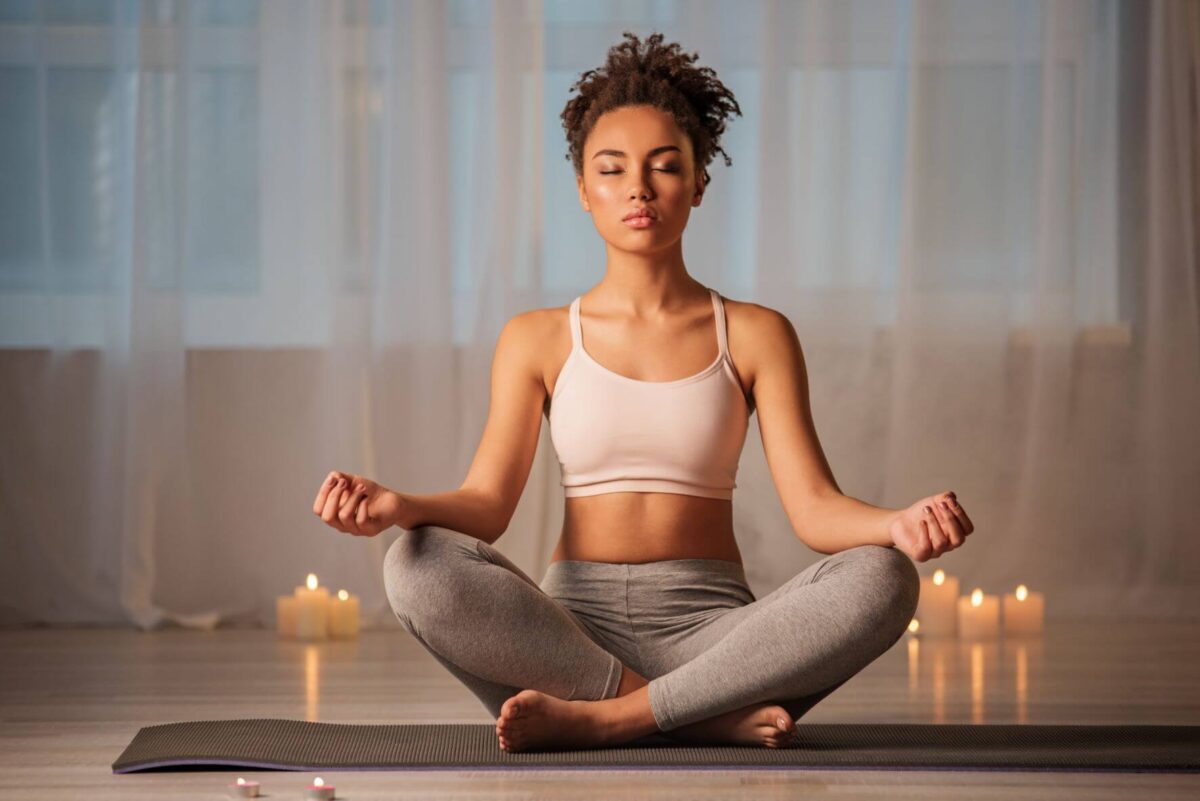
Visualization exercises are powerful tools for athletes seeking to enhance focus, manage stress, and cultivate a sense of calm. By vividly picturing desired outcomes, athletes can create mental blueprints for success, promoting positive self-talk and a stronger connection with their physical and mental performance. These techniques are particularly beneficial for athletes facing high-pressure situations, such as competition or intense training sessions.Imagery is a key component of mental training, allowing athletes to rehearse and refine their skills in their minds, thus improving performance and reducing anxiety.
This process builds confidence, reinforces positive habits, and provides a valuable resource for managing stress and maintaining composure. Visualizing success can be instrumental in transforming abstract concepts into concrete actions, leading to improved athletic outcomes.
Techniques for Enhancing Focus and Relaxation
Visualization exercises involve creating detailed mental images of desired outcomes, such as a successful free throw, a smooth landing during a jump, or a confident stride during a race. These mental simulations strengthen neural pathways associated with the desired actions, making them more automatic and reliable during actual performance.
- Creating Vivid Mental Images: The more vivid and detailed the mental image, the more effective the visualization exercise. Focusing on specific sensory details—sights, sounds, smells, textures, and feelings—enhances the experience and strengthens the mental connection. Imagine the feel of the basketball in your hands, the roar of the crowd, or the precise placement of your feet on the track.
- Rehearsing Successful Performances: Mentally rehearsing successful performances allows athletes to build confidence and reduce anxiety. This can involve visualizing the entire event, from preparation to execution, and envisioning a positive outcome. For instance, a gymnast could mentally practice their routine, focusing on precise movements and a smooth transition from one element to another.
- Managing Stress and Anxiety Through Imagery: Visualization exercises can help athletes manage stress and anxiety by creating a sense of calm and control. Athletes can use mental imagery to create a peaceful environment. For example, imagine a serene beach, a calming forest, or a peaceful mountain scene. This can help athletes relax and focus during moments of stress.
Different Imagery Techniques for Calmness
Using specific imagery can be crucial for maintaining composure during competition or intense training. Different techniques can be employed to induce a feeling of calm.
- Using Nature Imagery: Visualizing tranquil natural scenes, such as a calm lake or a dense forest, can induce a state of relaxation. The sights, sounds, and sensations of nature can help athletes center themselves, reducing anxiety and improving focus. This can involve picturing the gentle lapping of water, the rustling of leaves, or the warmth of sunlight on the skin.
- Visualization of Success: Visualizing a successful performance can build confidence and reduce pre-competition anxiety. This could involve seeing yourself executing a perfect jump shot, winning a race, or performing a challenging maneuver flawlessly. Athletes should focus on the specific details that define success. For instance, a tennis player could visualize the perfect serve, the strategic placement of the ball, and the satisfying sound of the ball hitting the court.
- Using Positive Affirmations with Imagery: Combining positive self-talk with vivid imagery can create a powerful mental blueprint for success. An athlete might visualize themselves performing a technique with effortless grace while simultaneously affirming their capabilities. For example, an athlete could imagine their foot making precise contact with the ground during a sprint while repeating “I am strong, I am powerful, I am capable.”
Using Vivid Mental Imagery for Visualization Exercises
Vivid mental imagery is key to effective visualization exercises. Detailed imagery strengthens the mental connection between the visualization and the desired outcome.
- Emphasizing Sensory Details: Focusing on the five senses—sight, sound, smell, touch, and taste—is critical for creating vivid mental images. For instance, imagine the feeling of the ground beneath your feet as you run, the feel of the water against your body during a swim, or the scent of the air on a clear day.
- Incorporating Emotions: Linking emotions to the visualization enhances the impact. Feel the joy of victory, the calm before a competition, or the pride in achieving a personal best. The feeling of exhilaration, pride, or satisfaction can be an effective element.
- Creating a Personal Imagery Routine: Developing a consistent visualization routine can help athletes build a strong mental connection with their desired outcomes. The routine can be adjusted based on personal preferences and specific needs. This routine can be personalized for various situations, from competition preparation to overcoming challenges during training.
Maintaining Consistency and Motivation
Establishing a consistent meditation practice is crucial for reaping its benefits. Consistency allows the mind to settle into a meditative state more readily, and to build upon the progress made over time. However, maintaining this consistency can be challenging, requiring dedication and strategies for overcoming obstacles.Consistency in meditation, like any new habit, necessitates a structured approach. A sustainable routine is built on manageable steps, rather than overwhelming ambitions.
Motivation is essential, but it can fluctuate. Developing strategies to navigate these fluctuations and maintain a positive mindset is key to long-term success. Understanding the importance of patience and self-compassion during this process is also vital for sustained practice.
Establishing a Consistent Practice
Developing a consistent meditation practice requires thoughtful planning and a realistic approach. A crucial element is creating a dedicated space and time. This space should be quiet, comfortable, and free from distractions. Scheduling a specific time each day, even if it’s just 5-10 minutes, helps to integrate meditation into the daily routine. Regularity, rather than intensity, is the key.
Start small and gradually increase the duration of your sessions as your commitment grows.
Strategies for Maintaining Motivation
Maintaining motivation requires proactive strategies. Setting realistic goals is fundamental. Small, achievable goals are more motivating than large, daunting ones. Tracking progress through a journal or app can provide a sense of accomplishment and encourage continued practice. Visualizing the benefits of meditation, such as reduced stress or improved focus, can also bolster motivation.
Sharing your practice with others, creating a supportive community, can provide encouragement and accountability.
Overcoming Challenges to Consistency
Consistency is not without its challenges. Life inevitably throws obstacles in the path of any routine. Understanding that setbacks are normal and part of the learning process is crucial. Recognizing the reasons for missing a session—whether it’s a busy schedule, a lack of motivation, or an unexpected event—is the first step in addressing the issue. Flexibility is key; adjust your schedule or duration as needed, rather than letting missed sessions derail the entire practice.
It’s important to remember that progress is not linear; it’s a journey of ups and downs.
The Importance of Patience and Self-Compassion
Developing a sustainable meditation routine requires patience. Meditation is not about achieving enlightenment overnight; it’s a gradual process of learning and growth. It’s essential to be patient with oneself, accepting that there will be days when the mind wanders or focus is elusive. Cultivating self-compassion means treating oneself with kindness and understanding, recognizing that meditation, like any skill, takes time to develop.
Avoid harsh self-criticism; focus on progress, not perfection.
Maintaining a Positive Mindset
Maintaining a positive mindset towards meditation is vital. Viewing meditation as a tool for self-improvement and well-being fosters a positive attitude. Focus on the benefits you experience, such as reduced stress or improved focus. Celebrating small victories, no matter how subtle, reinforces positive reinforcement and encourages continued practice. Remembering that meditation is a personal journey, allowing room for flexibility and adaptation, helps maintain a positive perspective.
Addressing Common Challenges
Embarking on a meditation practice, even for athletes, can present various hurdles. Understanding and proactively addressing these challenges is crucial for sustained success. This section explores common obstacles and provides practical strategies for overcoming them.Navigating the mental landscape can be challenging, particularly for athletes accustomed to focused physical exertion. However, with a clear understanding of potential roadblocks and the right tools, athletes can cultivate a consistent meditation practice that fosters mental clarity and resilience.
Identifying Potential Challenges
Athletes, like all individuals, may encounter obstacles in their meditation journey. These obstacles can stem from ingrained habits, pre-existing anxieties, or simply a lack of familiarity with the practice. Common challenges include distractions, negative thoughts, and resistance to the stillness required for meditation.
Managing Distractions
Distractions, both internal and external, are frequent companions during meditation. External distractions might involve environmental noises, while internal distractions could manifest as racing thoughts or intrusive memories.
- Recognizing and Acknowledging Distractions: A key element in managing distractions is to acknowledge their presence without judgment. Simply noticing the distraction and labeling it (“a buzzing sound,” “a worry about the next game”) can help detach from it.
- Shifting Focus: Once a distraction is acknowledged, gently redirect your focus back to your breath or chosen anchor point. This process might require repetition, but consistency builds mental discipline.
- Creating a Conducive Environment: Optimize your meditation space for minimal distractions. This could involve using noise-canceling headphones, choosing a quiet room, or creating a calming atmosphere with soft lighting and soothing music.
Addressing Negative Thoughts
Negative thoughts, often rooted in past experiences or anxieties about the future, can be pervasive during meditation. These thoughts are not necessarily indicators of mental illness; they are simply part of the human experience.
- Non-Judgmental Observation: Treat negative thoughts as fleeting clouds passing across the sky. Observe them without getting entangled in their content. Acknowledge their presence, but don’t engage with them.
- Reframing Negative Thoughts: If a negative thought arises, consider reframing it in a more positive or neutral light. Instead of dwelling on “I’m not good enough,” focus on “I’m working hard to improve.” This process requires conscious effort but strengthens mental resilience.
- Thought-Stopping Techniques: Certain techniques, like mentally repeating a mantra or focusing on a specific object, can be used to interrupt negative thought patterns. Consistency in practice builds proficiency in these techniques.
Dealing with Resistance to Meditation
Resistance to meditation can stem from a variety of sources, including a perceived lack of time, discomfort with stillness, or a fear of confronting uncomfortable emotions.
- Understanding Resistance: Resistance is a natural part of the process. Recognize that it is a sign that you are confronting aspects of yourself that may not be comfortable.
- Gradual Integration: Begin with short meditation sessions and gradually increase the duration as your comfort level grows. Starting small allows for manageable progress.
- Cultivating Patience and Self-Compassion: Meditation is a journey, not a destination. Be patient with yourself and celebrate every step of progress. Avoid comparing your journey to others’ progress.
Addressing Thoughts and Feelings During Meditation
During meditation, various thoughts and feelings may arise. These experiences are normal and shouldn’t be viewed as failures.
- Accepting the Experience: Recognize that thoughts and feelings are transient. Acknowledge their presence without judgment, and gently redirect your focus back to your chosen anchor point, such as your breath or a mantra.
- Developing Emotional Regulation Skills: If intense emotions arise, practice grounding techniques to regain composure. Deep breathing exercises or mindful body scans can help.
- Seeking Support: If challenges persist, consider consulting a mental health professional. They can provide guidance and support in navigating emotional difficulties.
Resources and Further Exploration
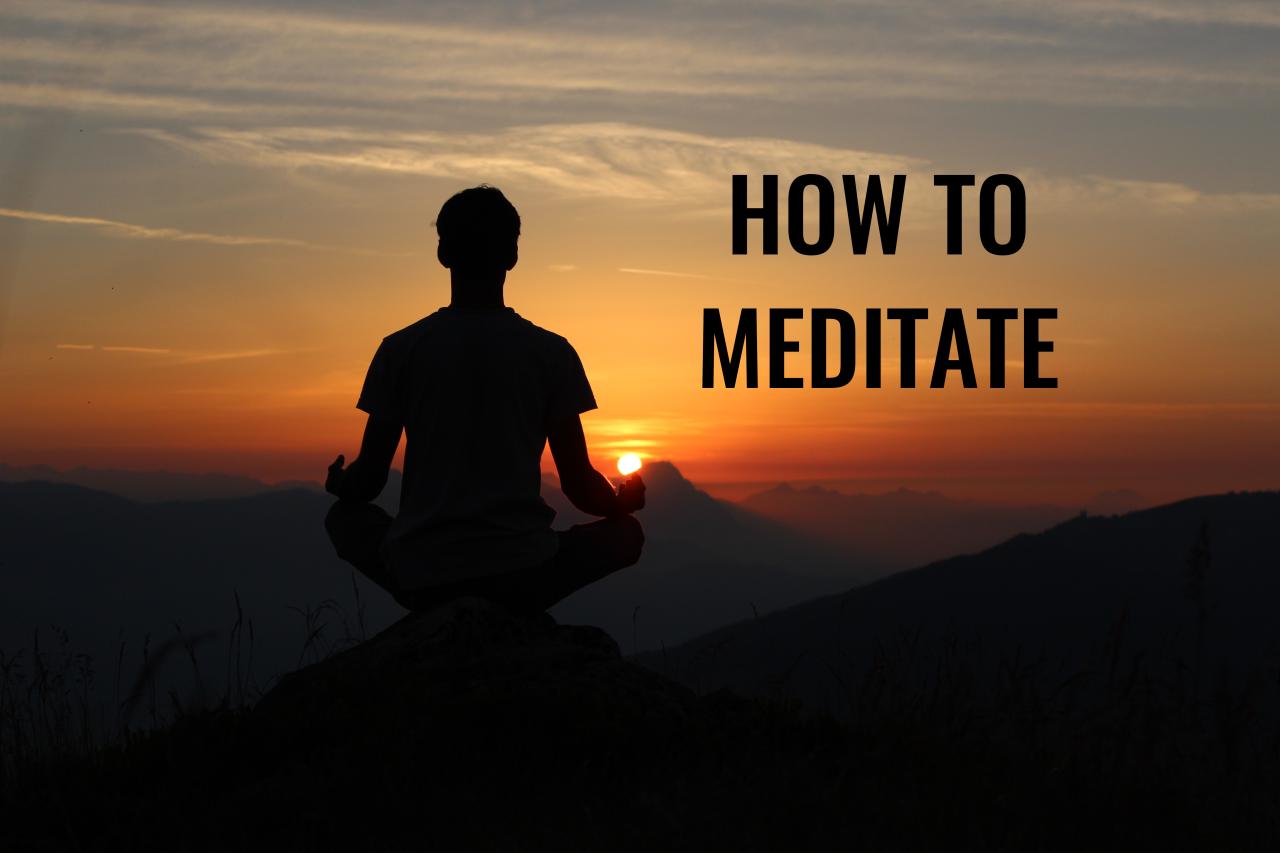
Embarking on a meditation journey is a rewarding process, and continued learning can significantly enhance your practice. This section Artikels valuable resources to deepen your understanding and support your ongoing commitment to mindfulness.Expanding your knowledge beyond this guide will allow you to tailor your meditation practice to your specific needs and goals as an athlete. This section provides a variety of resources, from readily available apps to in-depth courses, to help you continue your exploration of meditation.
Recommended Meditation Apps
Exploring meditation apps can be an excellent way to integrate guided practices into your daily routine. These platforms offer a wide array of programs designed for different needs and preferences, making it easy to find something that resonates with you.
- Headspace: A popular choice known for its user-friendly interface and comprehensive guided meditations. It offers various programs, including specific sessions for stress reduction, sleep improvement, and focus enhancement.
- Calm: Another highly regarded app that prioritizes relaxation and sleep. Calm features a soothing interface and a vast library of guided meditations, music, and nature sounds designed to promote relaxation and mindfulness.
- Insight Timer: This app offers a vast collection of free meditations from diverse instructors. It’s a good option for discovering different styles and approaches to meditation.
- Simple Habit: This app focuses on practical, concise guided meditations that can easily fit into busy schedules. It offers shorter sessions, ideal for incorporating mindfulness into your daily life.
Recommended Meditation Websites
Beyond apps, various websites offer valuable resources for learning more about meditation. These platforms often provide articles, videos, and other resources to support your journey.
- Mindful.org: This website provides comprehensive articles and resources on mindfulness and meditation, offering a deeper understanding of the concepts and techniques involved.
- Greater Good Magazine: Published by UC Berkeley, this magazine features research-based articles, interviews, and insights into the science of well-being, including meditation. It offers a more in-depth exploration of the psychological benefits of mindfulness.
Online Courses and Workshops
For a more structured approach, consider enrolling in online courses or workshops specifically tailored for athletes. These courses provide a more in-depth exploration of the practical application of meditation techniques in athletic performance.
- Coursera, edX, Udemy: These platforms often host courses from universities and organizations focused on mindfulness and meditation, potentially providing a deeper theoretical framework for athletes.
- Specific Meditation Retreats/Workshops: Search for workshops or retreats that are designed specifically for athletes or those interested in mindfulness for performance enhancement. These often provide opportunities for practical application and feedback from experienced practitioners.
Recommended Books
Books provide a valuable way to delve deeper into the theory and practice of meditation. They offer insights into the history, philosophy, and practical applications of mindfulness.
- “Wherever You Go, There You Are” by Jon Kabat-Zinn: A classic text on mindfulness-based stress reduction, offering a comprehensive understanding of mindfulness and its applications in daily life.
- “Mindfulness for Beginners” by Bhante Gunaratana: A beginner-friendly introduction to mindfulness and meditation, suitable for those new to the practice.
- “The Athlete’s Way” by Rick Hanson: While not exclusively about meditation, this book offers valuable insights into mental skills training and mindfulness practices that can benefit athletes.
Concluding Remarks
In conclusion, this comprehensive guide has provided a structured approach to incorporating meditation into your athletic life. By understanding the different types of meditation, mastering practical techniques, and incorporating them into your existing routines, you can cultivate mental resilience, enhance focus, and ultimately improve your performance. We’ve addressed common challenges and provided valuable resources for continued learning. Embrace the journey towards a more mindful and successful athletic experience.