Breathing is fundamental to life, yet often overlooked in our daily routines. This guide delves into the powerful connection between meditation and breathing, offering a structured approach to enhance your respiratory system and overall well-being. Discover how mindful breathwork can significantly improve your ability to manage stress, anxiety, and even physical conditions through the practice of meditation.
Through a series of insightful steps, we will explore the science behind breathing, practical techniques, and strategies for integrating these practices into your daily life. We’ll cover everything from basic techniques to more advanced practices, ensuring you have a comprehensive understanding of how to meditate to improve your breathing.
Introduction to Meditation and Breathing
Meditation, at its core, is a practice focused on training the mind to achieve a state of awareness and calmness. A key component of many meditation styles is breath awareness, as the breath serves as a tangible anchor for the mind, guiding it away from distracting thoughts and emotions. By observing the natural rhythm of the breath, practitioners cultivate a sense of presence and connection to the present moment.Various meditative techniques utilize the breath as a focal point.
These practices, while sharing a common thread of mindfulness, can vary significantly in their approach and emphasis. Understanding these different styles can aid in choosing a practice that best suits individual needs and preferences. Different types of breathing techniques are also utilized, offering diverse methods for managing stress and improving overall well-being.
Different Types of Meditation Practices Focusing on Breathing
Different meditation practices employ various techniques to focus on the breath. These practices can be categorized into styles that emphasize different aspects of breath awareness.
- Mindful Breathing Meditation: This practice involves a direct focus on the sensation of the breath entering and leaving the body. The practitioner observes the rise and fall of the chest or abdomen, the coolness of the air entering the nostrils, and the warmth of the air leaving. By simply observing these sensations without judgment, practitioners cultivate a heightened awareness of the present moment.
- Pranayama: This ancient practice from Yoga tradition involves specific breathing techniques designed to regulate the breath and cultivate energy flow within the body. Different pranayama techniques, such as alternate nostril breathing (Nadi Shodhana), are practiced to promote physical and mental well-being. These techniques are often incorporated into yoga sequences to enhance their effectiveness.
- Vipassanā Meditation: This practice emphasizes mindful awareness of bodily sensations, including the breath. The practitioner observes the breath, sensations in the body, and thoughts and emotions without attachment. Through non-judgmental observation, practitioners gain insight into the impermanent nature of experience.
Physiological Benefits of Focused Breathing Techniques
Focused breathing techniques have a profound impact on the physiological systems of the body. Regular practice can result in a range of benefits.
“Controlled breathing can significantly lower stress hormones and increase parasympathetic nervous system activity, promoting relaxation.”
The consistent practice of focused breathing can lead to improvements in cardiovascular health, reduced anxiety, and improved sleep quality. Scientific research supports the efficacy of these techniques in stress management and overall well-being. For example, studies have demonstrated that focused breathing can lower blood pressure and heart rate, particularly in individuals experiencing high stress levels.
Comparison of Meditation Styles and Breathing Emphasis
The table below provides a concise comparison of various meditation styles and their emphasis on breathing techniques.
| Meditation Style | Breathing Emphasis | Description |
|---|---|---|
| Mindful Breathing | Direct focus on the breath | Cultivates present moment awareness by observing the breath. |
| Pranayama | Specific breathing techniques | Emphasizes regulated breath to enhance energy flow and well-being. |
| Vipassanā | Mindful observation of breath and sensations | Focuses on non-judgmental awareness of breath and other sensations. |
Understanding the Breath
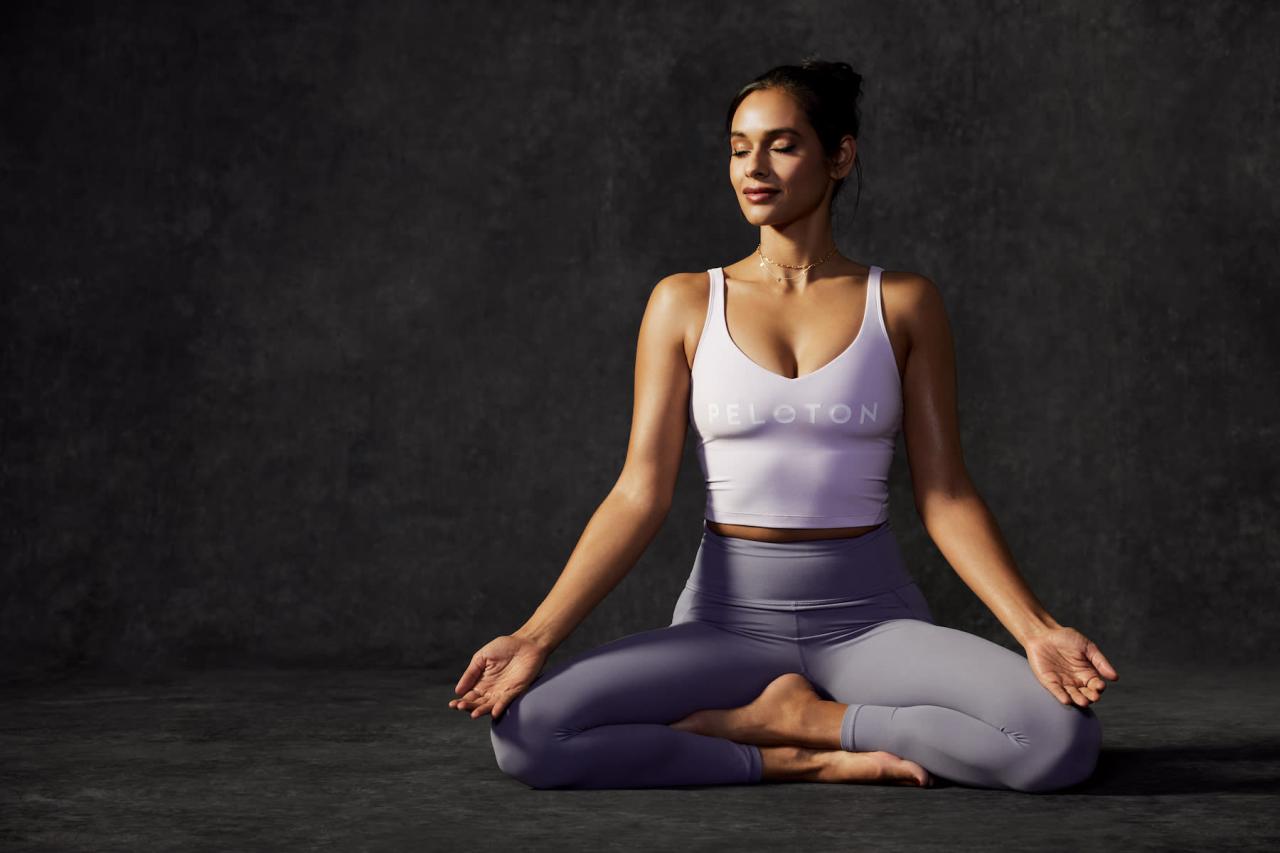
Understanding the mechanics of breathing is fundamental to effective meditation. A conscious awareness of the breath’s journey through the respiratory system allows practitioners to cultivate a deeper connection with the present moment. This knowledge enables a more focused and controlled approach to meditation, leading to enhanced benefits.The respiratory system, crucial for life, plays a significant role in meditation.
Understanding its structure and function enhances our ability to direct and refine our breath during practice. A clear comprehension of the mechanics of inhalation and exhalation, coupled with various breathing patterns, provides the foundation for a more profound meditative experience.
Anatomy of the Respiratory System
The respiratory system comprises several essential components that facilitate the intake and expulsion of air. The process begins with the nose and mouth, which act as entry points for air. The air then travels through the pharynx and larynx, eventually reaching the trachea. The trachea branches into two bronchi, leading to the lungs. The lungs are composed of millions of tiny air sacs called alveoli, where the exchange of oxygen and carbon dioxide takes place.
The diaphragm and intercostal muscles play a vital role in expanding and contracting the chest cavity, enabling the process of breathing.
Mechanics of Inhalation and Exhalation
Inhalation, the act of breathing in, involves the contraction of the diaphragm and intercostal muscles. This contraction expands the chest cavity, creating a lower pressure inside the lungs than the surrounding atmosphere. As a result, air rushes into the lungs to equalize the pressure. Exhalation, the act of breathing out, is the reverse process. The diaphragm and intercostal muscles relax, causing the chest cavity to contract and the pressure inside the lungs to increase.
This higher pressure forces air out of the lungs.
Breathing Patterns in Meditation
Different breathing patterns are employed in meditation to achieve specific objectives. These patterns, when practiced consistently, can promote relaxation, focus, and a sense of well-being. Some patterns are designed to regulate the breath, while others aim to cultivate awareness.
Table of Breathing Exercises
| Breathing Exercise | Purpose | Duration (minutes) |
|---|---|---|
| Diaphragmatic Breathing | Promotes relaxation and reduces stress. By focusing on the movement of the diaphragm, practitioners develop a sense of calm and grounding. | 5-15 |
| Alternate Nostril Breathing (Nadi Shodhana) | Balances the energies of the right and left nostrils, promoting mental clarity and focus. This technique is often used in yoga and meditation. | 5-20 |
| Ujjayi Breath (Victorious Breath) | Creates a sense of internal warmth and calm. The subtle constriction of the throat creates a gentle, oceanic sound during inhalation and exhalation. This practice can be used to regulate the nervous system. | 10-20 |
| Counting Breath | Develops concentration and mindfulness by focusing on the count of each inhalation and exhalation. | 5-15 (can be extended as needed) |
Techniques for Improving Breathing During Meditation
Mastering the art of breathing during meditation is crucial for a profound and enriching experience. It allows us to cultivate a sense of calm and focus, enhancing the overall benefits of the practice. Proper breathing techniques are not merely about inhaling and exhaling; they are about connecting with our inner selves through mindful awareness of the breath.
A Step-by-Step Guided Breathing Meditation Technique
This technique emphasizes mindful awareness of each breath, promoting a sense of calm and focus. Begin by finding a comfortable seated position, spine erect but not rigid. Close your eyes gently. Bring your attention to your breath, noticing the sensation of the air entering and leaving your nostrils. Feel the gentle rise and fall of your abdomen or chest.
If your mind wanders, gently redirect your attention back to your breath. Continue this practice for a set period, such as 5-10 minutes, allowing the breath to guide your focus. With regular practice, you will discover a deeper connection to your body and mind.
Incorporating Mindful Awareness into the Breath
Mindful awareness involves paying close attention to the sensations associated with each breath without judgment. Observe the coolness of the air entering your nostrils, the slight expansion in your chest or abdomen, and the warmth of the exhaled air. Notice the subtle variations in the breath’s rhythm and depth. Be aware of any tension in your body and consciously release it with each exhale.
This heightened awareness fosters a deeper connection with the present moment. Engage with the breath as a source of grounding and focus.
Posture’s Importance in Breathing During Meditation
Maintaining a proper posture during meditation is paramount for optimal breathing. A straight spine allows for the full expansion of the lungs, facilitating deeper and more efficient breaths. A slumped posture, on the other hand, can restrict lung capacity, making breathing shallow and less effective. Experiment with different seated positions to find one that is comfortable and promotes a natural, upright posture.
By maintaining good posture, you support a more relaxed and focused state of mind.
Adjusting Breathing Techniques for Different Physical Conditions
Individuals with specific physical conditions may require adjustments to their breathing techniques. For example, individuals with respiratory issues may benefit from focusing on slower, deeper breaths. This allows for a more controlled and regulated breathing pattern. Consult with a healthcare professional or a qualified yoga instructor to determine the best breathing techniques for specific physical conditions. It’s crucial to prioritize safety and consult a professional for personalized advice.
Table of Breathing Exercises and Their Benefits
| Breathing Exercise | Benefits |
|---|---|
| Diaphragmatic Breathing | Reduces stress, improves digestion, and promotes relaxation. |
| Alternate Nostril Breathing (Nadi Shodhana) | Balances the nervous system, calms the mind, and enhances focus. |
| Ujjayi Breath | Produces a calming effect, reduces anxiety, and enhances physical and mental energy. |
| Circular Breathing | Promotes mental clarity, focus, and emotional balance. |
| Box Breathing | Reduces stress and anxiety, improves focus, and enhances concentration. |
Common Challenges and Solutions
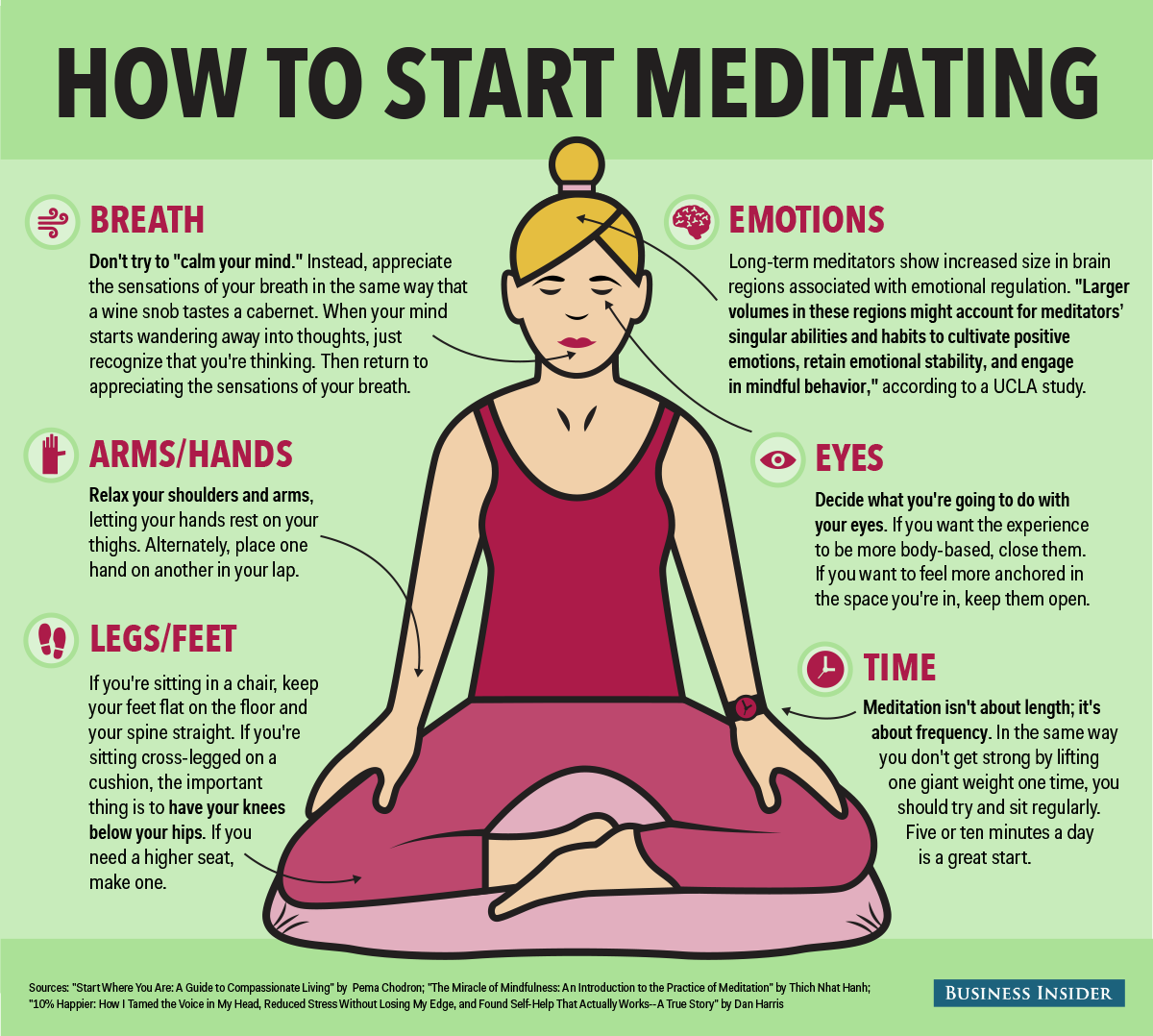
Embarking on a meditation practice, particularly focusing on breath awareness, can present various hurdles. Understanding these challenges and developing strategies to overcome them is crucial for sustained progress. This section explores common obstacles and offers practical solutions to facilitate your journey towards improved breathing through meditation.
Identifying Common Challenges
Maintaining consistent focus on the breath during meditation can be challenging. Distractions, both internal and external, can disrupt the meditative state, leading to wandering thoughts and a loss of connection with the breath. Physical discomfort, such as posture-related aches or restlessness, can also impede the meditative process. Furthermore, a lack of patience and the expectation of immediate results can discourage practitioners.
Emotional fluctuations and a perceived lack of progress can further complicate the experience. These challenges are common and, with understanding and the right strategies, can be effectively addressed.
Strategies for Overcoming Challenges
Cultivating a mindful approach to these obstacles is essential. The first step involves acknowledging and accepting the presence of these distractions as a natural part of the process. Regular practice, combined with self-compassion, is key. Developing strategies to manage distractions, like employing techniques to redirect the mind back to the breath, is crucial. Using mindfulness techniques to acknowledge and release discomfort, such as body scans, can also be helpful.
The Role of Patience and Persistence
Improving breathing through meditation is a journey, not a destination. Recognizing the gradual nature of progress is fundamental. Patience and persistence are essential components of success. Individuals should avoid comparing their progress to others and instead focus on their own personal growth. Understanding that setbacks are part of the learning process and reframing them as opportunities for growth is vital.
Setting realistic goals and celebrating small victories along the way fosters motivation and encouragement.
Table of Common Meditation Challenges and Solutions
| Challenge | Solution |
|---|---|
| Distracting Thoughts | Gently redirect attention back to the breath; acknowledge thoughts without judgment and gently return to the present moment. |
| Physical Discomfort | Adjust posture, use props (e.g., cushions, blankets) to ensure comfort. Incorporate brief, mindful body scans to release tension. |
| Lack of Patience | Embrace the gradual nature of progress; celebrate small victories. Focus on the present moment rather than anticipated results. |
| Emotional Fluctuations | Acknowledge and accept emotions without judgment. Practice mindfulness to observe emotions without getting carried away by them. |
| Loss of Focus | Regular practice builds focus. Employ anchoring techniques (e.g., a mantra or visual cue) to bring awareness back to the breath. |
Integrating Breathing into Daily Life
Mindful breathing is not confined to meditation cushions; its principles can enrich every aspect of daily life. By consciously integrating mindful breathing techniques, individuals can experience a profound impact on their well-being, stress levels, and overall quality of life. This section will explore practical ways to incorporate these techniques into your daily routine, demonstrating how consistent practice can lead to a more balanced and resilient existence.Consistent practice of mindful breathing techniques cultivates a heightened awareness of the body’s natural rhythms.
This heightened awareness translates into a greater ability to manage stress and anxiety, leading to improved focus, emotional regulation, and overall well-being.
Incorporating Mindful Breathing into Everyday Activities
Mindful breathing can be seamlessly integrated into various daily activities, transforming seemingly mundane tasks into opportunities for self-awareness and relaxation. Simple techniques like pausing for a few breaths before responding to an email or taking a few deep breaths during a stressful conversation can make a significant difference.
Impact of Consistent Practice on Overall Well-being
Consistent practice of mindful breathing demonstrates a positive correlation with improved overall well-being. Studies have shown that regular practice can lead to reduced symptoms of anxiety and depression, improved sleep quality, and increased feelings of calm and focus. These improvements extend beyond the immediate experience, contributing to a more resilient and balanced approach to daily life.
Role of Breathing in Managing Stress and Anxiety
Breathing plays a crucial role in managing stress and anxiety. The autonomic nervous system, which controls the body’s response to stress, is directly influenced by breathing patterns. Slow, deep breaths activate the parasympathetic nervous system, promoting relaxation and reducing the body’s stress response. This direct connection underscores the importance of mindful breathing as a tool for managing stress and anxiety.
Designing a Personalized Breathing Routine for Stress Reduction
Creating a personalized breathing routine for stress reduction involves identifying specific stressors and tailoring techniques to address them. Individuals may find that certain types of breathing exercises, like box breathing or alternate nostril breathing, are more effective for particular situations. Regular practice, coupled with awareness of personal triggers, can transform breathing into a powerful stress management tool.
Tips for Incorporating Mindful Breathing into Daily Tasks
| Daily Task | Mindful Breathing Technique | Description |
|---|---|---|
| Commuting | Deep Belly Breathing | Inhale deeply, feeling the air filling your belly, exhale slowly, focusing on releasing tension. |
| Waiting in Line | Box Breathing | Inhale for four seconds, hold for four seconds, exhale for four seconds, hold for four seconds. Repeat. |
| Before Meetings | Alternate Nostril Breathing | Alternate inhaling and exhaling through each nostril, focusing on the rhythm and flow of the breath. |
| Working at a Computer | Short, Slow Breaths | Take short, slow breaths, focusing on the sensation of each inhale and exhale, to prevent stiffness and improve focus. |
| Feeling Overwhelmed | Diaphragmatic Breathing | Focus on the expansion and contraction of the diaphragm, feeling the belly rise and fall with each breath. |
Exploring Advanced Practices
Having established a foundational understanding of breath awareness and basic meditation techniques, we now delve into more sophisticated practices. These advanced methods offer deeper exploration and refinement of your connection with the breath, potentially unlocking further benefits in your meditation journey.Advanced techniques build upon the foundation of basic practices, allowing for a more profound experience. They often involve integrating various elements, such as visualization, energy centers (chakras), and specific sounds (mantras), to cultivate a more immersive and enriching meditative state.
This exploration delves into the potential for expanded awareness and personal growth through refined breathwork.
Visualization Techniques
Visualization, when integrated with breathing exercises, can significantly enhance the meditative experience. Visual imagery can create a vivid and compelling inner world, fostering deeper relaxation and focus. Imagine a serene landscape, a calming color, or a guiding light; these mental pictures can become anchors for your attention during meditation. The process of visualization can also enhance self-awareness and promote emotional regulation.
Integrating Chakras into Breathing
Many meditative traditions incorporate the concept of chakras, energy centers aligned along the spine. These energy points are believed to influence various aspects of physical and emotional well-being. By consciously directing your breath to these chakras, practitioners aim to balance and harmonize energy flow. This alignment can lead to increased clarity, emotional stability, and overall well-being. For example, focusing on the heart chakra while breathing deeply can promote feelings of compassion and love.
Utilizing Mantras
Mantras, sacred sounds or phrases, play a crucial role in certain meditative traditions. They act as focal points for the mind, helping to quiet the inner chatter and create a sense of peace. The repetitive nature of mantras can induce a meditative state, often accompanied by a feeling of calmness and clarity. These mantras can be spoken aloud or silently repeated in the mind, further supporting the meditative process.
Examples of mantras include “Om,” “Aum,” or other specific phrases from various traditions.
Advanced Meditation Techniques Table
| Technique | Description | Application |
|---|---|---|
| Visualization Meditation | Focuses on creating mental images to enhance relaxation and awareness. | Promoting emotional regulation, reducing stress, cultivating a sense of peace. |
| Chakra-Based Breathwork | Directs breath to specific energy centers (chakras) along the spine to harmonize energy flow. | Enhancing clarity, promoting emotional stability, cultivating well-being. |
| Mantra Meditation | Involves the repetition of a sacred sound or phrase to quiet the mind and promote focus. | Inducing a meditative state, cultivating calmness, fostering a sense of inner peace. |
Illustrative Examples
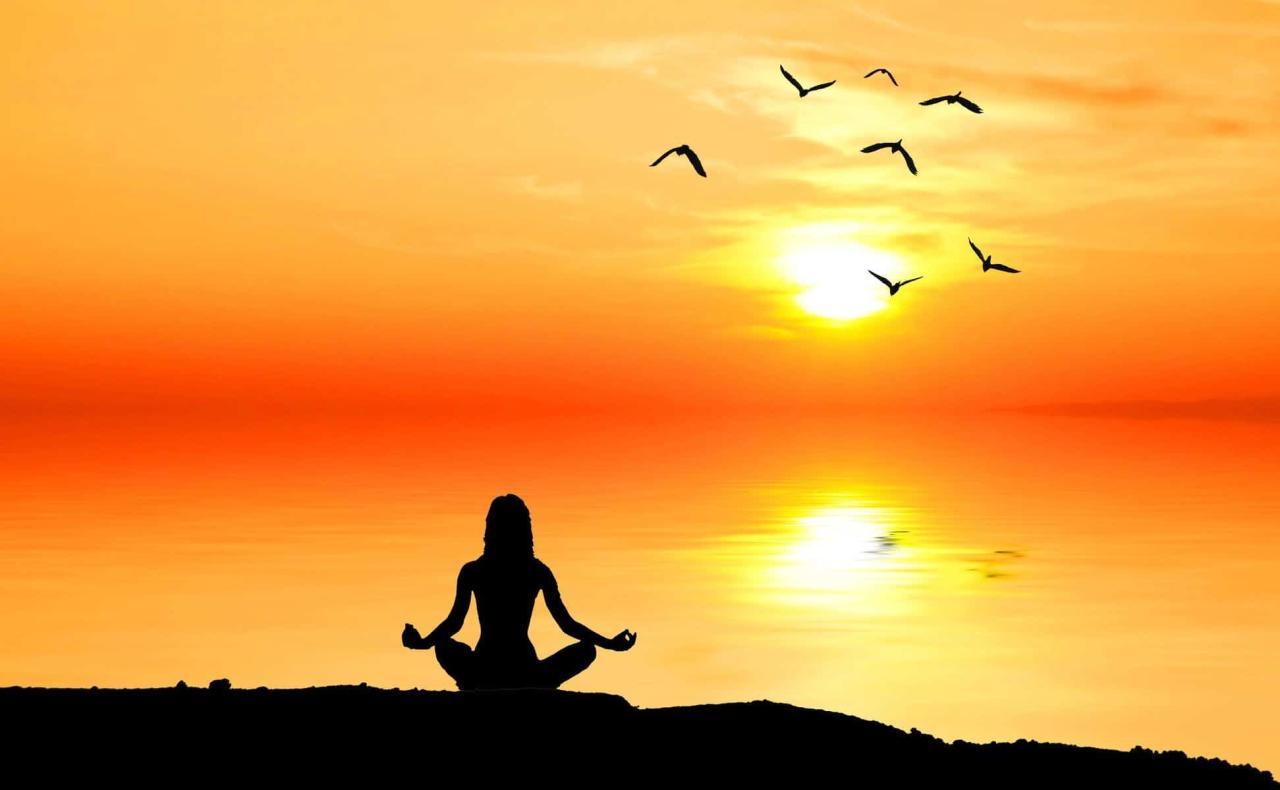
Embarking on a meditative journey to enhance your breathing involves practical application and mindful selection of techniques and environments. This section provides specific examples of how to utilize various poses, props, and settings to support your breathing exercises.Understanding how different elements can contribute to a deeper connection with your breath is crucial for achieving a more fulfilling and effective meditative practice.
Meditative Poses for Breathing Exercises
Different poses can affect the body’s alignment and consequently, the breath’s flow. Selecting an appropriate posture is vital for optimal breathing during meditation.
- Seated Meditation: This is a common and versatile posture, suitable for beginners and experienced practitioners. A cushion or a chair can support the spine’s alignment, enabling a relaxed yet alert posture. Maintaining a straight back promotes a clear airway and allows for effortless breathing.
- Standing Meditation: This pose can be powerful for fostering a sense of groundedness and body awareness. Maintain a tall posture, feet shoulder-width apart, and focus on the natural rhythm of your breath as you stand. This pose might be better suited for individuals who find prolonged sitting challenging.
- Reclining Meditation: Ideal for relaxation and releasing tension, this pose is best performed on a firm surface with a bolster or blanket supporting the back and neck. This posture can be particularly helpful for those experiencing physical discomfort or stress. Ensure the position allows for easy breathing and minimizes strain on the body.
Using Props to Enhance Breathing in Meditation
Incorporating props can enhance the effectiveness of meditation, particularly when focusing on breathing.
- Meditation Cushions/Bolsters: These props offer support for the spine, allowing for a comfortable and stable posture. Proper support reduces strain, promotes relaxation, and allows for sustained focus on the breath. A cushion or bolster can also be beneficial for those experiencing lower back pain.
- Blankets/Throws: These can provide comfort and warmth, aiding in relaxation and promoting a sense of security during meditation. They can be particularly helpful in creating a calming atmosphere, fostering a deeper connection with the breath. Consider the temperature and personal preference when choosing blankets.
- Weighted Blankets: These blankets provide deep pressure touch, which can be incredibly calming for some individuals. The weight can encourage relaxation, potentially reducing anxiety and improving focus on the breath.
Creating a Quiet and Comfortable Space
Finding a dedicated space is essential for effective meditation.
- Location Selection: Choose a quiet room or outdoor area free from distractions. A dedicated space fosters a sense of peace and tranquility, facilitating a deeper connection with the breath. Consider factors like noise levels, temperature, and personal preferences when selecting the location.
- Environmental Factors: Maintain a clean and clutter-free environment to minimize distractions. Ambient lighting, such as soft lamps or natural light, can also enhance the meditative experience. Ensure the space is comfortable and conducive to focus.
Benefits of Different Environments for Meditation and Breathing
The environment significantly influences the meditative experience, impacting the focus on breathing.
- Nature: Practicing meditation in a natural setting, such as a park or forest, can provide a calming and grounding experience. The sounds of nature, the sights, and the fresh air can all enhance focus and reduce stress. The rhythmic sounds of nature can create a soothing background for the breath.
- Quiet Room: A quiet, dedicated room in your home can offer a controlled environment, minimizing distractions and maximizing focus. The absence of external noise can facilitate a deeper connection with the breath. Consistent practice in a quiet space fosters a sense of routine.
The Significance of Breath Awareness in Daily Routine
“Breathing is the bridge that connects our inner and outer worlds. Paying attention to the breath in daily life enhances awareness and cultivates presence.”
The awareness of your breath, cultivated through meditation, can be integrated into everyday activities, fostering a greater sense of presence and grounding.
Concluding Remarks
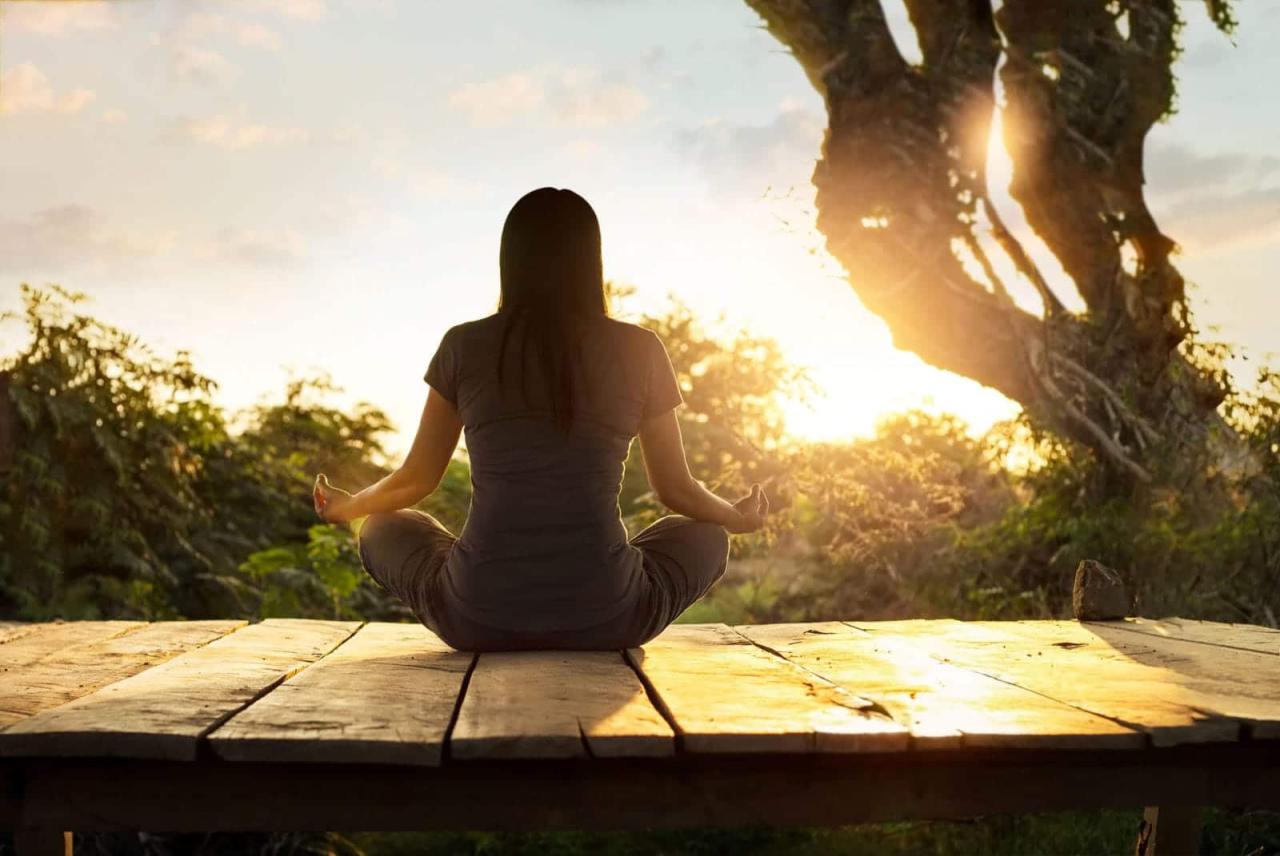
In conclusion, mastering the art of mindful breathing through meditation is a journey of self-discovery and personal growth. By understanding the intricate connection between breath and mind, and incorporating the techniques presented in this guide, you can unlock a deeper sense of calm, focus, and well-being. Remember that consistency is key, and patience is essential on your path to improving your breathing through meditation.
This guide provides the tools; now it’s time for you to embark on your personal journey.