Running and meditation, seemingly disparate practices, can converge into a powerful synergy. This guide explores the art of integrating meditation into your running routine, unlocking a deeper connection with your physical and mental well-being. Discover how to harness the benefits of both practices for a more enriching and fulfilling experience.
This comprehensive guide will walk you through the fundamentals of running meditation, from defining its core principles to practical application strategies. You’ll learn various techniques to enhance focus, manage distractions, and cultivate a mindful connection with your body and surroundings during your runs.
Introduction to Running Meditation
Running meditation is a unique practice that blends the physical exertion of running with the mental discipline of meditation. Unlike traditional running, which primarily focuses on physical exertion and performance, running meditation prioritizes the experience of the present moment. It involves paying mindful attention to the sensations of running, the rhythm of the breath, and the surrounding environment, while gently releasing distracting thoughts.This practice offers a potent combination of physical and mental benefits.
By integrating mindful awareness into the act of running, individuals can enhance their overall well-being, improve their focus, and cultivate a deeper connection with their bodies and minds. This mindful approach to running goes beyond simply covering distance; it’s about experiencing the journey itself with heightened awareness. Different perspectives highlight the complementary nature of running and meditation.
Some view running as a physical activity that prepares the body and mind for the meditative state, while others see meditation as a tool to enhance the runner’s focus and enjoyment during their run.
Defining Running Meditation
Running meditation is a mindful practice that integrates running with meditative principles. It involves running while focusing on the present moment, noticing bodily sensations, breath patterns, and the environment without judgment. Crucially, this differs from regular running in its emphasis on awareness and non-judgmental observation, rather than solely on speed or distance. The goal is to cultivate a sense of calm, focus, and connection with the present experience.
Benefits of Running Meditation
Incorporating meditation into a running routine can offer numerous benefits. Physically, it can improve cardiovascular health, enhance endurance, and promote better body awareness. Mentally, it can reduce stress, improve focus, enhance emotional regulation, and foster a greater sense of inner peace. The integration of mindful awareness during running creates a powerful synergy, fostering physical well-being and mental clarity.
Complementing Running and Meditation
The practices of running and meditation complement each other in profound ways. Running provides a physical outlet for energy, while meditation offers a mental space for quiet reflection and emotional processing. Together, they create a holistic approach to self-care, promoting a deeper understanding of one’s physical and mental states. The mindful awareness cultivated during running meditation can be applied to other areas of life, enhancing focus and reducing stress in daily activities.
Synergy Table
| Aspect of Running | Aspect of Meditation | Synergy | Examples |
|---|---|---|---|
| Physical exertion | Mindfulness of bodily sensations | Physical activity can prepare the body for a deeper meditative state. | Noticing the rhythm of the feet on the ground, the sensation of breath. |
| Rhythm and flow | Focus on breath awareness | The rhythmic movement of running can support the focus on the breath. | Synchronizing steps with the breath. |
| Environmental awareness | Mindful observation of surroundings | Paying attention to the sights, sounds, and smells of the environment. | Observing the trees, listening to the birds, feeling the wind. |
| Mental distractions | Non-judgmental awareness of thoughts | Recognizing and releasing distracting thoughts without getting caught up in them. | Letting go of worries or anxieties that arise during the run. |
Techniques for Running Meditation
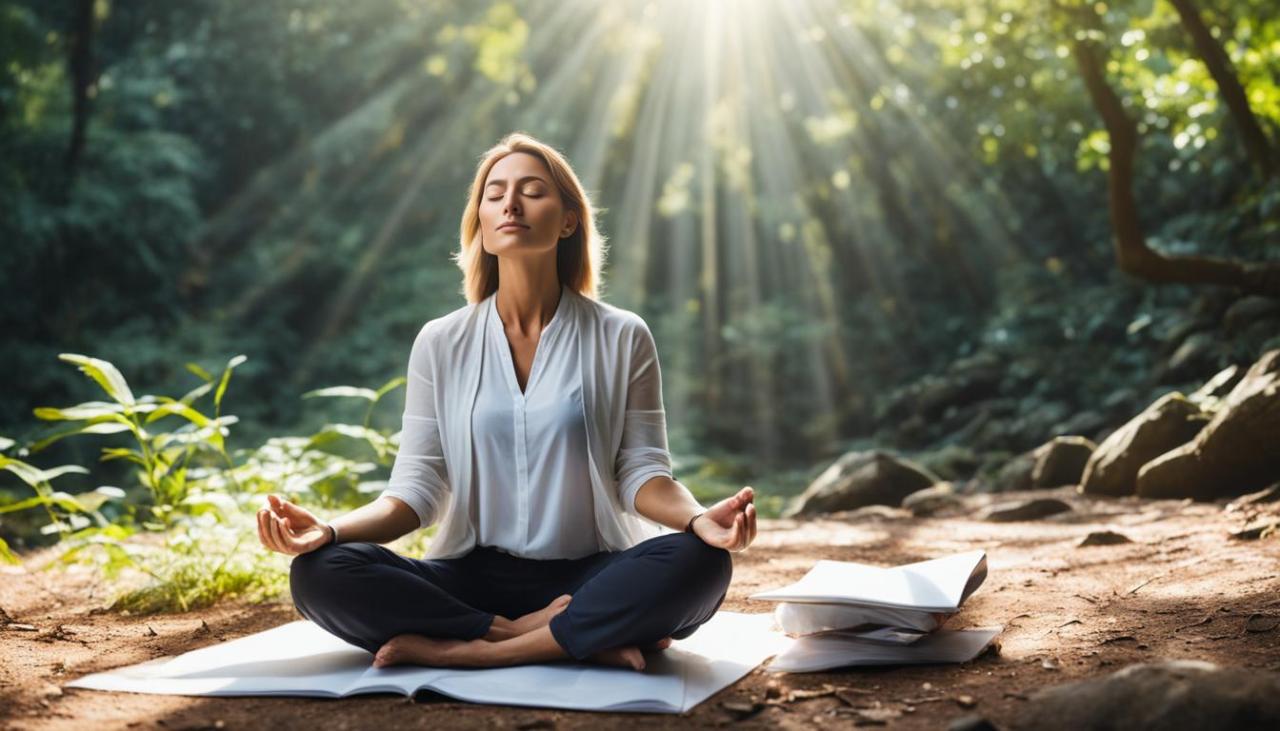
Integrating meditation into your running routine can significantly enhance your overall experience. It allows you to connect with your inner self, reduce stress, and improve focus, making your runs more mindful and rewarding. This section will explore various techniques to seamlessly incorporate meditation into your running practice.Understanding that running can be a physically demanding activity, it is essential to develop techniques that can be integrated into the routine effectively.
This is crucial for cultivating a deeper connection with the experience.
Focusing on Breath
Breathing exercises are fundamental to many meditation practices. During running, focusing on your breath can anchor you in the present moment and help manage physical sensations. Regular awareness of your breath can reduce anxiety and improve your ability to sustain focus during your run. Incorporating breath awareness into your running routine can help regulate your heart rate and improve your overall physical and mental well-being.
Body Awareness
Mindful body awareness involves paying attention to the sensations in your body without judgment. As you run, notice the subtle shifts in your muscles, the rhythm of your stride, and the feeling of your feet hitting the ground. This technique cultivates a deeper understanding of your physical state, enabling you to better adapt to your body’s needs during the run.
This awareness can lead to improved performance and injury prevention.
Mindfulness
Mindfulness involves paying attention to the present moment without judgment. In the context of running, this means observing your thoughts, feelings, and sensations without getting carried away by them. This technique can help you detach from stressful thoughts and worries that may arise during your run, allowing you to appreciate the experience fully.
Loving-Kindness Meditation
Loving-kindness meditation involves directing feelings of compassion and kindness toward yourself and others. During a run, you can extend this practice by sending loving-kindness to yourself, your fellow runners, or even complete strangers. This practice fosters a sense of interconnectedness and promotes positive emotions. It can be a powerful tool for managing stress and cultivating empathy.
Walking Meditation
Walking meditation can be easily integrated into a running routine, especially during warm-up or cool-down periods. It involves walking mindfully, focusing on the sensations of each step. This practice enhances body awareness and can help transition your focus from the external environment to internal sensations. You can also apply walking meditation principles to your running form.
Visualization
Visualization involves creating mental images of yourself performing a task effectively. In running meditation, visualization can involve picturing yourself running smoothly, effortlessly, and powerfully. This practice builds mental resilience and helps you visualize yourself achieving your running goals. It can be a powerful tool for overcoming mental barriers and pushing personal limits.
Shifting Attention
Learning to shift your attention from external stimuli to internal sensations is crucial for effective running meditation. For instance, if you notice a distracting sound or a passing person, gently redirect your focus back to your breath, your body sensations, or a chosen mantra. This skill strengthens your ability to remain present and centered during your run.
| Meditation Technique | Description | Importance | Example of Application During Running |
|---|---|---|---|
| Breath Awareness | Focusing on the sensation of your breath as it enters and leaves your body. | Reduces stress and improves focus. | Notice the coolness of the air entering your nostrils, the expansion of your chest with each inhale. |
| Body Awareness | Paying attention to physical sensations without judgment. | Improves body awareness, prevents injuries. | Feel the ground beneath your feet, the movement of your legs and arms. |
| Mindfulness | Observing thoughts and feelings without getting carried away. | Reduces stress and enhances present moment experience. | Notice a thought arise, acknowledge it, and gently return to your breath. |
| Visualization | Creating mental images of yourself performing a task effectively. | Builds mental resilience, promotes goal achievement. | Visualize yourself effortlessly maintaining a steady pace. |
Finding Your Flow State
Entering a flow state during running meditation involves aligning your mental and physical state to achieve a heightened sense of presence and focus. This state, characterized by deep engagement and effortless action, allows for a profound connection with the present moment and enhances the meditative experience. This mindful integration of running and meditation creates a synergistic effect that fosters both physical and mental well-being.Achieving a flow state during running meditation requires conscious effort and consistent practice.
It’s not about achieving perfection but rather about developing a mindful awareness of your body and mind in motion. This involves tuning into subtle sensations, observing your thoughts without judgment, and maintaining a steady pace and rhythm. The key is to cultivate a balance between effort and ease, allowing your body and mind to harmonize during the run.
Strategies for Cultivating Flow State
Developing strategies for achieving a flow state requires conscious effort and consistent practice. These strategies involve preparing both your physical and mental state prior to the run, focusing on maintaining a consistent pace, and detaching from thoughts during the run. Preparation includes a mindful warm-up and a focus on your breath, setting the stage for a smooth transition into a meditative state.
Mindfulness Exercises for Presence and Detachment
Mindful exercises play a crucial role in cultivating presence and detachment during running meditation. These exercises involve focusing on the sensations of your body, such as the rhythmic pounding of your feet, the movement of your limbs, and the gentle rise and fall of your breath. By directing your attention to these physical sensations, you create a tangible anchor in the present moment, minimizing distractions from thoughts.
Maintaining Focus and Awareness
Maintaining focus and awareness is essential for maintaining a consistent pace and rhythm during running meditation. It involves a combination of awareness and active engagement with the running itself. You can use various techniques to sustain awareness. Focusing on your breath and body, maintaining a consistent pace, and setting clear intentions are key components. Regular practice helps to build mental resilience and allows you to stay present amidst the distractions of daily life.
Table: Flow State Indicators, Strategies, Mindfulness Exercises, and Focus Maintenance
| Flow State Indicator | Strategies | Mindfulness Exercises | Tips for Maintaining Focus |
|---|---|---|---|
| Deep engagement with the run | Prepare mentally and physically before starting. Establish a clear intention for the run. | Focus on the physical sensations of running, such as the feel of your feet hitting the ground, the rhythm of your breathing. | Maintain a consistent pace and rhythm, without pushing too hard. Allow yourself to adjust the pace if needed. |
| Effortless action | Develop a sense of awareness of your body in motion. Let go of any self-judgment or striving. | Notice the thoughts that arise without judgment, letting them pass like clouds in the sky. | Stay connected to your breath and body. Use your breath as an anchor. |
| Sense of presence | Establish a clear intention for the run. Set a specific goal or purpose for the run. | Direct your attention to the present moment, noticing the sensations of the run without any distractions. | Acknowledge and accept any distractions, gently redirecting your focus back to the run. |
| Detachment from thoughts | Practice letting go of judgment and striving. Cultivate a sense of acceptance. | Notice the thoughts as they arise and pass. Don’t try to suppress them. | Maintain a balanced state between effort and ease, allowing your body and mind to work in harmony. |
Breathing Techniques for Runners
Proper breathing is crucial for runners, especially during meditation. It plays a significant role in regulating heart rate, maintaining focus, and facilitating a deeper connection with the present moment. Conscious breathing can significantly improve the overall running experience, enhancing performance and well-being. By incorporating mindful breathing techniques into your running routine, you can create a more enriching and meditative experience.Effective breathing techniques are not just about inhaling and exhaling; they are about becoming aware of the breath’s rhythm and using it to manage physical and mental states.
This awareness is essential during running meditation, as it helps maintain concentration and control over the pace and intensity of the run. These techniques provide a pathway to enhance the meditative experience and create a profound connection with your body’s rhythm.
Importance of Diaphragmatic Breathing
Diaphragmatic breathing, also known as abdominal breathing, is a fundamental technique in running meditation. It involves engaging the diaphragm, the primary muscle of respiration, to draw air deep into the lungs. This type of breathing promotes relaxation and reduces stress, which are essential components of a successful meditative run. By focusing on the expansion and contraction of the abdomen, runners can achieve a sense of calm and control, crucial for maintaining focus during their run.
Breathing Exercises for Runners
Several breathing exercises can be incorporated into running meditation. Each exercise focuses on different aspects of the breath, allowing for tailored adjustments to individual needs and preferences.
- Controlled Inhale and Exhale: This exercise involves consciously regulating the length and depth of each breath. Inhale slowly and deeply through the nose, feeling the air filling your lungs. Exhale slowly and completely through your mouth, releasing any tension. Practice this technique during your runs, focusing on a consistent rhythm, whether slow or fast, for the duration of your run.
This technique helps regulate the pace of your run and creates a sense of control.
- Box Breathing: In this technique, each phase of the breath (inhale, hold, exhale, hold) is equal in duration. Inhale for a count of four, hold for a count of four, exhale for a count of four, and hold for a count of four. This rhythmic pattern helps to calm the mind and regulate the body, and can be used to manage anxiety or stress during a run.
- Alternate Nostril Breathing (Nadi Shodhana): This ancient practice involves alternately breathing through each nostril. It is performed while seated, but the principles of breath awareness can be applied to running. This technique is known to balance the energy channels in the body, promoting a sense of calm and focus, and can be helpful for managing stress during a run.
How Breathing Techniques Enhance Focus and Concentration
Proper breathing techniques enhance focus and concentration during running meditation by creating a sense of inner stillness and awareness. By paying attention to the breath, runners can cultivate a state of mindfulness, reducing distractions and promoting a deeper connection with the present moment. The rhythmic nature of breathing can also synchronize with the rhythm of running, creating a harmonious flow state.
This heightened awareness helps runners stay present, reducing mental chatter and distractions, which are common challenges in running meditation.
Table of Breathing Techniques for Runners
| Breathing Technique | Description | Application in Running | Benefits During Running |
|---|---|---|---|
| Controlled Inhale and Exhale | Consciously regulate the length and depth of each breath. | Incorporate into the rhythm of running, maintaining a consistent pace. | Regulates pace, creates a sense of control, reduces stress. |
| Box Breathing | Inhale, hold, exhale, hold – equal duration for each phase. | Use to manage pace and intensity during intervals or hills. | Calms the mind, regulates the body, manages anxiety. |
| Alternate Nostril Breathing | Alternately breathe through each nostril. | Practice breath awareness throughout the run, focusing on the sensation of the breath. | Balances energy channels, promotes calm and focus, manages stress. |
Handling Distractions and Challenges
Running meditation, while offering profound benefits, can be challenging. The dynamic nature of running, coupled with the internal monologue and physical sensations, can introduce distractions that disrupt the meditative state. Understanding these common challenges and developing strategies to navigate them is key to fostering a consistent and enriching practice.
Common Challenges and Distractions
Runners face a variety of distractions while attempting to meditate during their runs. Racing thoughts, both pleasant and unpleasant, can hijack the focus. Physical sensations such as pain, fatigue, or discomfort can be significant barriers. External distractions like traffic, conversations, or even the environment itself can easily derail the meditative process. Recognizing these potential hurdles allows runners to proactively develop coping mechanisms.
Strategies for Managing Distractions
Effective strategies for managing distractions during running meditation involve acknowledging their presence without judgment, and redirecting attention back to the breath and the present moment. Developing a mental “anchor” for refocusing is crucial. This anchor could be the rhythm of the breath, the feeling of the feet striking the ground, or the sensation of the wind on the skin.
Mindfulness Exercises for Running Meditation
Mindfulness practices can be powerful tools in managing distractions. Regular practice of body scan meditations helps runners to become more aware of their physical sensations, both pleasant and unpleasant, without judgment. This awareness allows for a more compassionate and accepting approach to any discomfort or pain that may arise. Mindful breathing exercises, focusing on the sensation of the breath entering and leaving the body, can help anchor the mind during moments of distraction.
Comparison of Handling Distractions in Structured Meditation vs. Running
While the core principles of mindfulness remain consistent, there are notable differences in handling distractions between a structured meditation session and running meditation. In a structured session, one can often pause, return to the breath, and re-establish focus with more deliberate intention. During a run, the constant movement and changing sensory input demand more dynamic adjustments. One must learn to gently redirect the attention without becoming overly forceful or striving for perfection.
Table: Managing Distractions in Running Meditation
| Distraction | Strategies for Coping | Mindfulness Exercises | Examples of Reframing |
|---|---|---|---|
| Racing Thoughts | Acknowledge the thoughts without judgment, gently redirect attention to the breath or body sensations. | Mindful breathing, body scan | “My thoughts are just thoughts; they do not define me.” |
| Pain/Discomfort | Observe the pain with curiosity and compassion, acknowledging its presence without resistance. | Body scan meditation | “This pain is part of the experience; I can still be present.” |
| Fatigue | Accept the fatigue as a natural part of the process. Focus on small, manageable steps. | Mindful movement, focusing on the present moment | “I’m feeling tired, but I can still appreciate the experience of running.” |
| External Distractions | Acknowledge the distraction without judgment, gently return attention to the internal experience. | Mindful awareness of surroundings, without attachment | “The noise is there, but I choose to focus on my breath.” |
Practical Application and Implementation
Integrating running meditation into your daily routine is a journey, not a sprint. Consistency is key to experiencing the full benefits. This section provides a structured guide and a sample schedule to help you seamlessly incorporate this practice into your life. Remember, personalization is crucial; adjust the schedule to fit your individual needs and preferences.Effective integration of running meditation requires a mindful approach.
Begin with shorter sessions and gradually increase duration and frequency as you become more comfortable. This approach allows your body and mind to adapt, preventing burnout and ensuring a sustainable practice.
Structured Guide for Integration
Establishing a routine is essential for integrating running meditation into daily life. Begin by identifying a time and place conducive to your practice. This could be a quiet trail, a familiar park, or even your neighborhood. The key is consistency. Choose a time that aligns with your schedule, and dedicate that time exclusively to your running meditation practice.
Sample Schedule for Running Meditation
Consistent practice is paramount for building lasting benefits. This sample schedule provides a starting point, remember to tailor it to your own needs and preferences.
| Day | Running Duration | Meditation Focus |
|---|---|---|
| Monday | 20 minutes | Grounding and breath awareness |
| Tuesday | 30 minutes | Body scan meditation while running |
| Wednesday | Rest | Rest and reflection |
| Thursday | 25 minutes | Focus on positive affirmations |
| Friday | 35 minutes | Mindfulness of surroundings |
| Saturday | 40 minutes | Exploration of emotions |
| Sunday | 30 minutes | Mindfulness of pace and rhythm |
Tips for Sustainable Habit Formation
Consistency and mindfulness are crucial for making running meditation a sustainable habit.
- Consistency over Intensity: Start with shorter sessions and gradually increase the duration and frequency. Focus on consistent practice rather than striving for overly ambitious goals.
- Finding Your Rhythm: Pay attention to your body’s response. If you feel tired or overwhelmed, adjust your schedule. Listen to your body’s cues.
- Mindful Adjustments: Be prepared to adjust your schedule. Life happens; unexpected events or changes in your routine can require adjustments to your running meditation sessions. Flexibility is essential.
- Connecting with Community: Joining a running group or online forum can provide support and motivation to stay consistent with your practice. Sharing experiences and encouragement with others can be extremely helpful.
- Reward Yourself: Acknowledge and reward yourself for consistent practice. This reinforces positive behavior and motivates you to continue. Small rewards, like a healthy meal or a relaxing activity, can significantly impact motivation.
Running Meditation Environments
Running meditation, like any form of meditation, benefits significantly from a supportive environment. The surroundings can profoundly influence focus and the overall experience. A tranquil and familiar space can foster a deeper connection with the present moment, while a stimulating or distracting environment may make it more challenging to maintain focus. Careful consideration of the environment is key to maximizing the benefits of running meditation.The impact of the environment extends beyond just providing a calming atmosphere.
A well-chosen location can also help to tailor the meditation experience to specific needs. Whether seeking a meditative calm or a more active focus, the environment plays a crucial role in achieving the desired state. Different environments can also present unique challenges, which in turn offer opportunities to refine and strengthen the meditation practice.
Choosing the Right Environment
Various locations can facilitate running meditation, each with its own set of advantages and disadvantages. Understanding these nuances allows runners to select the environment best suited to their individual needs and goals.
Impact of Surroundings on Focus
The environment significantly affects focus during running meditation. A serene park with minimal distractions, for example, fosters a sense of calm and encourages deeper concentration. Conversely, a bustling city street, while offering a unique experience, can be overwhelming and distracting. The key is to choose an environment that supports the desired focus and mindfulness.
Adapting Meditation Techniques to Varying Environments
Adjusting meditation techniques to match the environment is crucial for success. In a quiet park, focusing on breathwork and body awareness can deepen the meditation experience. In a more active environment, like a trail, the focus might shift to observing the surroundings while maintaining mindful breathing.
Comparing Effectiveness in Different Locations
The effectiveness of running meditation varies across locations. A park, with its trees and pathways, provides a calming and predictable environment, which can enhance the meditation experience. A trail, with its varying terrain and natural obstacles, can present more challenges, potentially increasing focus and determination. A treadmill, while offering consistent conditions, may lack the sensory input of outdoor running, potentially impacting the connection with the environment.
Environment Comparison Table
| Environment | Pros | Cons | Meditation Adjustments |
|---|---|---|---|
| Park | Serene, predictable, often visually appealing, promotes calmness. | Potential for distractions from people or dogs, less challenging terrain may lead to a lack of engagement for experienced runners. | Focus on breathwork, body awareness, and the natural beauty around you. |
| Trail | Challenging terrain enhances focus, natural surroundings offer visual stimulation, opportunities for exploration. | Varied terrain can lead to uneven pace, potential for tripping or injury, greater environmental distractions. | Adjust pace to the terrain, pay close attention to foot placement, and accept the natural changes in the environment. |
| Treadmill | Consistent environment, allows for controlled pace, ideal for inclement weather, and less prone to distractions. | Lack of natural sensory input, potentially less engaging for runners who seek a connection with nature, and may feel less challenging than outdoor running. | Focus on breathwork, body awareness, and visual imagery, and try to incorporate mental challenges, like problem-solving, or planning. |
| City Street | Provides a unique and active experience, can foster resilience and determination. | High level of distractions (traffic, noise, people), requires greater focus and mental discipline. | Focus on breathwork, body awareness, and using the surroundings as an element of observation. |
Integrating Music and Sounds
Music and ambient sounds can significantly enhance the running meditation experience, providing a framework for focus and emotional regulation. Careful selection of audio can create a supportive atmosphere that deepens the meditative state and enhances the overall enjoyment of the run.Integrating carefully chosen audio elements into a running meditation routine allows for a more dynamic and engaging experience. The right music or soundscape can not only enhance focus but also help to regulate mood and maintain a consistent pace, thereby facilitating a deeper meditative state.
Utilizing Music for Focus and Mood
Selecting appropriate music and ambient sounds can greatly influence the running meditation experience. Different genres and styles of music evoke different emotional responses, and this emotional response can be a powerful tool for managing focus and mood during a run. For instance, uplifting music can boost motivation and energy, while calming music can promote relaxation and reduce stress.
Incorporating Music into the Routine
To maintain focus during a running meditation, it is crucial to select music and sounds that do not become distracting. The key is to choose audio that complements the meditative state, rather than competing with it. Low volume and subtle sounds are generally preferred. Using headphones is often recommended for better sound quality and to minimize external noise interference.
Music Selection Table
| Music Type | Description | Mood Effect | Example |
|---|---|---|---|
| Ambient/Instrumental | Music with minimal vocals or lyrics, focusing on instrumental melodies and atmospheric sounds. | Calming, focused, relaxing | Classical music, new age music, nature sounds |
| Upbeat Instrumental | Music with a fast tempo and positive energy, without distracting lyrics. | Motivating, energized, focused | Upbeat electronic music, certain genres of jazz |
| Nature Sounds | Sounds of nature, such as rain, forest ambience, or ocean waves. | Calming, grounding, connecting with nature | Sounds of rain, birdsong, flowing water |
| Guided Meditation Music | Music specifically designed to support meditation, often incorporating nature sounds and soothing instrumental melodies. | Deep relaxation, focus, guided awareness | Music tracks from meditation apps or specialized albums |
Final Wrap-Up
In conclusion, incorporating meditation into your running routine can transform your experience. This guide has provided a roadmap to finding your flow state, mastering breathing techniques, and navigating challenges. By implementing the practical strategies and insights presented, you can cultivate a sustainable and enriching practice that promotes both physical and mental well-being. Embrace the transformative potential of running meditation and experience the profound connection between your mind and body.