Unlocking the power of mindful breathing within meditation practice can lead to profound benefits. This comprehensive guide explores various breathing techniques, from the foundational to the advanced, providing practical steps to seamlessly integrate them into your daily routine. Discover how controlled breathing can enhance focus, reduce stress, and cultivate a deeper meditative state.
The guide delves into the fundamentals of meditation and breathing drills, outlining different techniques, postures, and the importance of focus. It then progresses through practical applications, addressing common distractions and challenges, and culminating in advanced techniques and case studies.
Introduction to Meditation and Breathing Drills
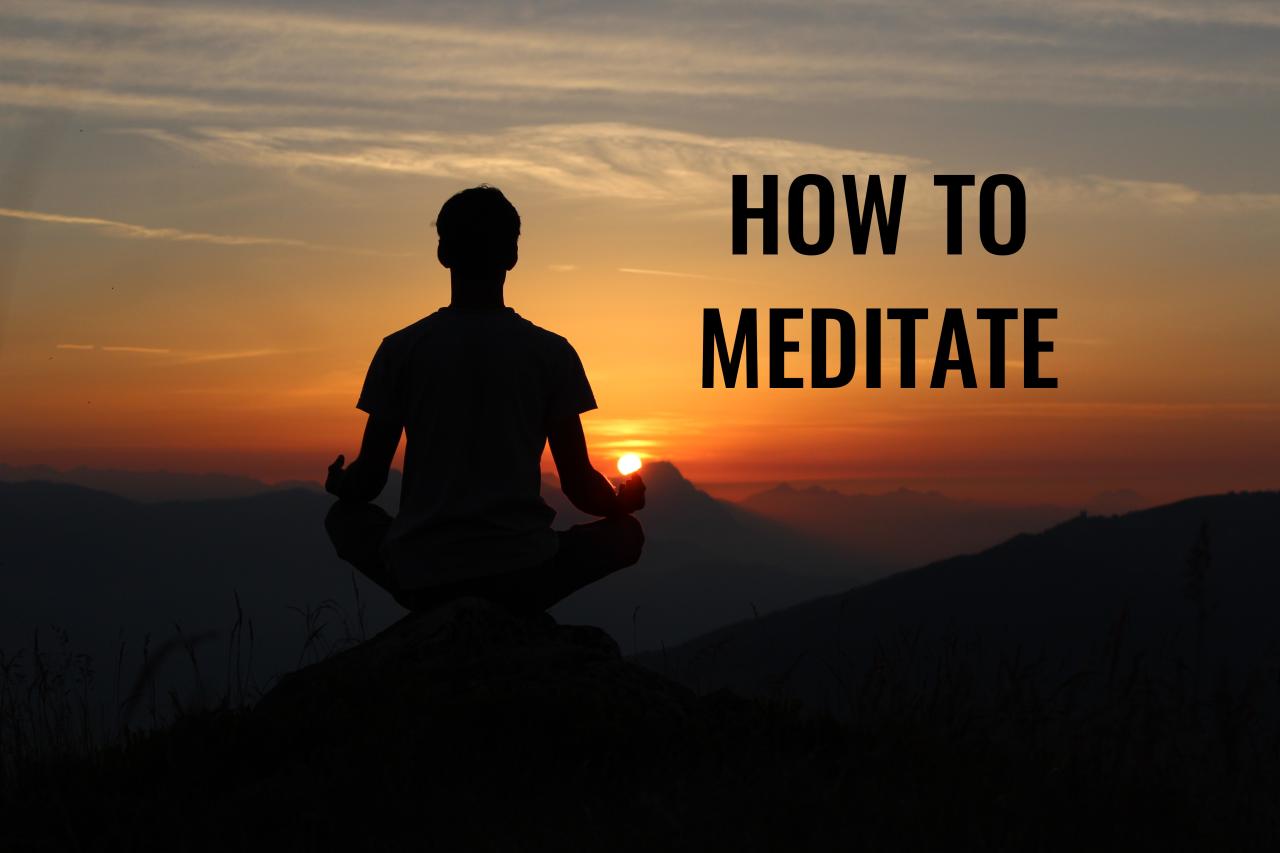
Meditation is a practice that involves training the mind to focus and achieve a state of mental clarity and emotional balance. It offers a multitude of benefits, encompassing stress reduction, improved focus, enhanced self-awareness, and emotional regulation. Various types of meditation cater to different needs and preferences, each with its own unique approach to achieving a meditative state.Different meditation techniques focus on different aspects of the mind and body.
Breathing drills are a crucial component of many meditation practices, as the breath acts as a powerful anchor to the present moment. By focusing on the breath, practitioners can cultivate mindfulness and calm the mind, thereby creating a more conducive environment for deeper meditation. Understanding the diverse breathing techniques and postures associated with meditation is essential for a meaningful and effective practice.
Meditation and its Benefits
Meditation encompasses a wide range of practices, from mindfulness meditation to transcendental meditation. Mindfulness meditation, for instance, encourages paying attention to thoughts and sensations without judgment, fostering a non-reactive awareness. Transcendental meditation, on the other hand, employs specific mantras to induce a state of profound relaxation and inner peace. These diverse techniques, while different in their methods, share a common goal: to cultivate a state of mental clarity and emotional well-being.
Breathing Techniques in Meditation
Breathing exercises are integral to many meditation practices, serving as a focal point for concentration and a tool for calming the mind. Diaphragmatic breathing, a technique involving deep, conscious breaths into the diaphragm, is a popular choice. Alternate nostril breathing, a technique using specific breath patterns through each nostril, is another common method. The focus on the breath allows practitioners to anchor themselves in the present moment, thereby reducing stress and promoting a sense of calm.
Importance of Focusing on Breath
Focusing on the breath is central to meditation. By observing the sensation of each inhale and exhale, practitioners cultivate mindfulness. This focus helps to quiet the incessant chatter of the mind, promoting a state of calm and clarity. It’s through this awareness of the breath that the practitioner can learn to detach from distracting thoughts and feelings, allowing a deeper connection with the present moment.
Meditation Postures for Breathing Drills
Various postures are suitable for meditation, each affecting the body’s alignment and overall experience. The seated posture, often using cushions or chairs, allows for a stable and relaxed spine. Lying down, though less common for meditation, can be useful for beginners to find a comfortable state of relaxation. The standing posture, though less common, can be used to build focus and mindfulness in the present moment.
Choosing a posture that supports comfort and facilitates a calm state is key.
Comparison of Breathing Techniques
| Breathing Technique | Description | Example |
|---|---|---|
| Diaphragmatic Breathing | Involves deep, conscious breaths into the diaphragm, expanding the abdomen. | Inhale deeply, feeling the belly rise, then exhale slowly, allowing the belly to fall. |
| Alternate Nostril Breathing | Involves inhaling through one nostril and exhaling through the other, alternating sides. | Inhale through the right nostril, exhale through the left, then inhale through the left and exhale through the right. |
| Ujjayi Breath | Involves a gentle constriction of the throat, creating a “ocean wave” sound during breathing. | Inhale and exhale through the nose, constricting the throat to produce a soft, “hissing” sound. |
Integrating Breathing Drills into Meditation Practice
Integrating breathing drills into your meditation practice can significantly enhance your focus and deepen your experience. By systematically incorporating controlled breathing exercises, you cultivate a stronger connection with your breath, allowing you to navigate distractions more effectively and achieve a more profound state of mental clarity. This approach also provides a structured path for those new to meditation, offering a tangible anchor to focus on.A key aspect of integrating breathing drills is understanding that it’s not about forcing a particular outcome.
Instead, it’s about developing a mindful relationship with the breath, allowing the practice to unfold naturally. This approach fosters a greater sense of self-awareness and control, enabling you to adapt your techniques to suit your individual needs and progress.
Transitioning from Initial Focus to Breathing Drills
Smooth transitions are crucial for maintaining the flow and continuity of your meditation practice. Begin by establishing a stable foundation of focused awareness. After a few minutes of simply observing your breath, gently shift your attention to the specific sensations of inhalation and exhalation. This subtle shift initiates the incorporation of breathing drills without disrupting your initial state of concentration.
Role of Breath Awareness in Maintaining Focus
Breath awareness acts as a powerful anchor during meditation. As you engage in breathing drills, the focus on the breath becomes a constant reference point, helping to redirect your attention when it wanders. This awareness of the breath acts as an internal compass, guiding you back to the present moment, thereby enhancing concentration. Maintaining a consistent awareness of the breath allows for a more profound exploration of the meditative state.
Techniques for Incorporating Breathing Drills into Meditation Routines
Different breathing drills can be integrated into various stages of your meditation routine. For example, a simple alternate nostril breathing technique can be employed during the initial focus stage to enhance concentration. As you progress, more complex drills can be introduced, like box breathing or the 4-7-8 technique, for deeper relaxation and focused attention. The specific technique and timing depend on your individual needs and the stage of your meditation journey.
Importance of Gradual Progression in Breathing Drills
Gradual progression is essential in mastering breathing drills. Jumping from simple techniques to complex ones too quickly can be overwhelming and counterproductive. Begin with basic breathing exercises and progressively introduce more advanced techniques as your focus and awareness improve. This gradual approach ensures a sustainable and effective integration into your meditation practice, minimizing potential discomfort or frustration.
Over time, this consistent practice will allow you to refine your techniques and adapt them to your individual needs.
Steps for Incorporating Breathing Drills into Meditation
| Level | Breathing Drill | Duration | Focus |
|---|---|---|---|
| Beginner | Natural Breathing | 5-10 minutes | Observing the natural rhythm of the breath |
| Beginner | Alternate Nostril Breathing (Nadi Shodhana) | 5-10 minutes | Focusing on the alternation between nostrils |
| Intermediate | Box Breathing (4-4-4-4) | 10-15 minutes | Controlling the duration of each breath phase |
| Intermediate | 4-7-8 Breathing Technique | 10-15 minutes | Controlling inhalation, hold, and exhalation |
| Advanced | More complex Pranayama techniques | 15-20 minutes | Intensifying focus and controlling energy flow |
“Consistent practice with breathing drills can lead to a deeper understanding of your body’s responses and a more profound meditative experience.”
Types of Breathing Drills for Meditation
Breathing drills, when incorporated into a meditation practice, can significantly enhance its effectiveness. These techniques, focusing on the breath, offer a tangible anchor for the mind, helping to cultivate focus and awareness. Different breathing drills cater to various needs and preferences, each with unique physiological and psychological benefits.Various breathing drills, like Ujjayi breath, Box breathing, and Alternate Nostril Breathing, have been practiced for centuries, drawing from different traditions.
These techniques are designed to regulate the breath, promoting calmness and clarity. They can help manage stress, anxiety, and improve overall well-being. Understanding the distinct characteristics of each drill and their respective effects is essential for selecting the most suitable practice for individual needs.
Ujjayi Breath
Ujjayi breath, often called the “Victorious Breath,” is a gentle, conscious breathing technique. This method involves inhaling and exhaling through the nose, creating a subtle constriction in the back of the throat, producing a soft, ocean-like sound. This technique promotes a sense of calm and focus.The physiological effects of Ujjayi breath are notable. The controlled constriction in the throat helps regulate the breath, slowing down the respiratory rate.
This reduced rate of breathing can lead to a decreased heart rate, lower blood pressure, and a calming effect on the nervous system. It’s often used to reduce anxiety and promote relaxation.
- Inhale: Gently inhale through your nose, feeling the air expand your lungs.
- Exhale: Exhale slowly through your nose, creating a subtle constriction in the back of your throat. This constriction produces the characteristic “oceanic” sound.
- Maintain: Maintain a steady rhythm, focusing on the sensation of the breath and the sound it produces. Continue for a desired duration, typically 5-10 minutes.
Box Breathing
Box breathing, also known as square breathing, is a structured breathing technique that involves inhaling, holding, exhaling, and holding the breath in equal intervals. It’s a powerful tool for managing stress and anxiety.The technique’s physiological effects include the regulation of the autonomic nervous system. The controlled intervals of inhalation, holding, and exhalation help to calm the body’s stress response.
This technique can help reduce feelings of panic and promote a sense of calm and control.
- Inhale: Inhale slowly and evenly for a count of four.
- Hold: Hold your breath for a count of four.
- Exhale: Exhale slowly and evenly for a count of four.
- Hold: Hold your breath for a count of four.
- Repeat: Repeat this cycle for a desired duration.
Alternate Nostril Breathing (Nadi Shodhana)
Alternate nostril breathing, also known as Nadi Shodhana, is a pranayama technique that involves inhaling through one nostril, exhaling through the other, and alternating. This practice is believed to balance the energy channels (nadis) in the body.The physiological effects of alternate nostril breathing are often attributed to its ability to regulate the parasympathetic nervous system. By focusing on the breath, practitioners can induce a sense of calm and clarity, potentially leading to improved focus and concentration.
- Starting Position: Sit comfortably, spine erect. Place the right hand on the right knee, with the index and middle fingers resting on the right nostril. The thumb and ring finger will rest on the left nostril.
- Inhalation: Close the right nostril with the ring finger and thumb, and inhale deeply through the left nostril.
- Exhalation: Close the left nostril with the index and middle fingers, and exhale slowly through the right nostril.
- Repeat: Repeat this cycle, inhaling through the left and exhaling through the right, and then inhaling through the right and exhaling through the left, for a desired duration.
Summary Table
| Breathing Drill | Benefits |
|---|---|
| Ujjayi Breath | Reduces anxiety, promotes relaxation, regulates heart rate and blood pressure. |
| Box Breathing | Manages stress, improves focus, regulates the autonomic nervous system. |
| Alternate Nostril Breathing | Balances energy channels, promotes calmness, enhances focus. |
Handling Distractions and Challenges During Meditation
Meditation, while offering numerous benefits, can be challenging for beginners. Distractions are a common hurdle, and understanding how to navigate these obstacles is crucial for a fulfilling meditation practice. Learning to recognize and manage these disruptions allows practitioners to cultivate a deeper connection with their inner selves.Practicing breathing drills alongside meditation introduces a new layer of focus. External and internal distractions can disrupt the rhythm of the breath, making it harder to maintain concentration.
This section provides strategies for effectively managing these distractions and fostering a more consistent meditation experience.
Common Distractions During Meditation
A wide array of factors can divert attention during meditation. These distractions can stem from internal thoughts, external noises, or physical sensations. Recognizing these common triggers is the first step towards managing them.
- Wandering Thoughts: Mental chatter, worries, and anxieties are common distractions. These thoughts can arise spontaneously and pull the mind away from the focus of the meditation practice.
- External Noises: Sounds from the environment, such as traffic, conversations, or appliances, can easily disrupt the meditative state. The sensitivity to external noises varies between individuals.
- Physical Discomfort: Aches, pains, or an uncomfortable posture can create a sense of unease and distraction, hindering the practice. Finding a comfortable position and managing any physical discomfort is important.
- Restlessness: A feeling of agitation or impatience can arise during meditation. This restlessness can make it difficult to maintain focus and concentration.
- Emotional Responses: Strong emotions, such as sadness, anger, or joy, can unexpectedly emerge and divert attention from the breathwork.
Strategies for Managing Distractions During Breathing Drills
Developing strategies for managing distractions is vital for navigating the complexities of meditation. These methods aim to redirect the mind back to the breath and maintain focus.
- Gentle Re-Focusing: When thoughts arise, acknowledge them without judgment. Gently redirect your attention back to the breath, the sensation of the air moving in and out of your body. This practice helps to develop a sense of detachment from distracting thoughts.
- Environmental Considerations: Choosing a quiet space free from external noises is beneficial. If external noise is unavoidable, consider using calming sounds or white noise to minimize disruptions.
- Postural Adjustments: Maintaining a comfortable and supportive posture is key. Adjusting your position as needed can alleviate physical discomfort and promote relaxation.
- Mindfulness of Restlessness: Acknowledge restlessness without judgment. Recognize it as a natural part of the process and gently redirect your attention to the breath.
- Emotional Regulation Techniques: If emotions arise, use techniques like deep breathing or a brief mindfulness exercise to regulate them. This allows for a calmer state of mind and a smoother transition back to the meditation practice.
Handling Restlessness or Discomfort During Meditation Sessions
Restlessness and discomfort are common challenges during meditation. Understanding these sensations and responding appropriately is essential for a sustained practice.
- Acceptance of Sensations: Acknowledge the sensations of restlessness or discomfort without judgment. Recognize that these feelings are temporary and will pass.
- Gentle Movement: If physical discomfort is significant, gently adjust your posture or position to alleviate the sensation. This might involve shifting your body slightly or changing your sitting position. Remember, not every meditation session needs to be perfectly still.
- Mindful Movement: If restlessness persists, engage in a brief period of gentle movement, such as stretching or a few mindful movements. This can help release tension and redirect focus.
Practical Advice for Overcoming Challenges During Meditation and Breathing Drills
Implementing practical advice is vital for cultivating a successful meditation practice. These tips will help practitioners navigate common challenges.
- Consistency is Key: Regular practice, even for short periods, is more effective than infrequent, lengthy sessions. Establish a consistent routine to build momentum and consistency.
- Patience and Self-Compassion: Meditation is a process, and progress may not be immediate. Practice self-compassion and patience, recognizing that distractions and challenges are normal occurrences. Don’t be discouraged by setbacks.
- Seeking Guidance: Consider seeking guidance from experienced practitioners or resources for additional support. This could involve joining a meditation group or consulting a qualified instructor.
Summary Table of Common Distractions and Strategies
| Common Distractions | Strategies for Overcoming Distractions |
|---|---|
| Wandering Thoughts | Gentle Re-Focusing |
| External Noises | Environmental Considerations |
| Physical Discomfort | Postural Adjustments |
| Restlessness | Mindfulness of Restlessness |
| Emotional Responses | Emotional Regulation Techniques |
Enhancing the Meditation Experience with Breathing Drills
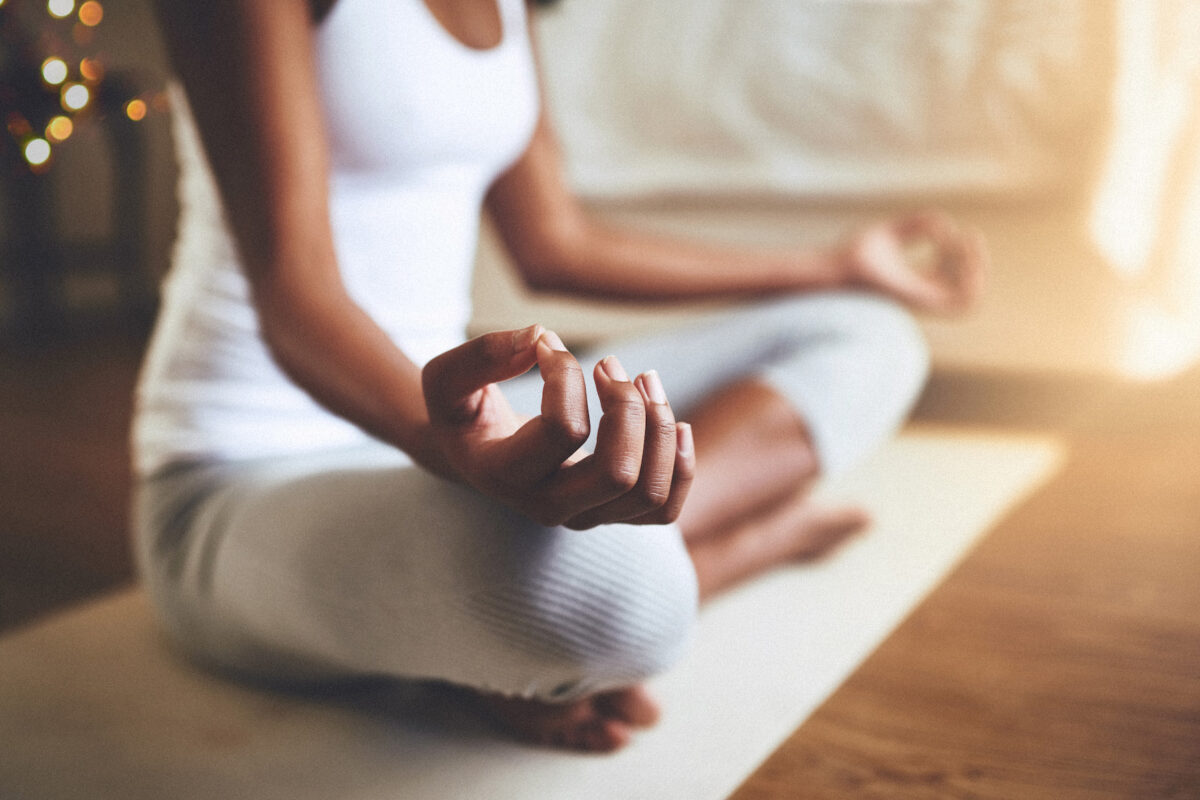
Breathing drills are not merely a supplementary technique in meditation; they are a cornerstone for deepening the meditative state. By carefully controlling the breath, practitioners can cultivate a heightened awareness, sharper focus, and a profound sense of calm, leading to a more enriching and fulfilling meditative experience. This section will delve into specific techniques for harnessing the power of breath to elevate the meditation journey.
Deepening the Meditative State Through Breathing
Mastering controlled breathing is crucial for achieving a deeper meditative state. Slow, deliberate breaths, coupled with mindful awareness of the breath’s journey, allow the mind to settle and quieten. Focusing solely on the breath’s rhythm and sensation helps to anchor the mind, detaching it from the constant stream of thoughts and anxieties. This focus creates a sense of groundedness, a pathway to a more profound and lasting connection with the present moment.
Enhancing Focus and Concentration with Breathing Drills
Breathing drills are powerful tools for enhancing focus and concentration. Specific techniques, like alternate nostril breathing, can train the mind to remain centered and resist distractions. By directing attention to the subtle sensations of each inhale and exhale, the mind learns to maintain focus and resist wandering thoughts, which are a significant barrier to concentration. This sustained focus, honed through regular practice, becomes a valuable asset in all aspects of life.
Stress Reduction and Relaxation Through Breathing Drills
Breathing drills offer a potent approach to stress reduction and relaxation. Techniques like box breathing and deep diaphragmatic breathing can activate the parasympathetic nervous system, promoting a state of calm and tranquility. This physiological shift, triggered by conscious control of breath, directly counteracts the body’s stress response, leading to a profound sense of relaxation. This effect is noticeable in reduced anxiety, improved sleep quality, and a general sense of well-being.
Adapting Breathing Drills to Individual Needs and Preferences
Breathing drills should be tailored to individual needs and preferences. What works for one person may not suit another. Beginners may find simple techniques like deep abdominal breathing more manageable, while more experienced practitioners may benefit from more complex techniques. The key is to experiment and find a method that resonates personally, allowing for a comfortable and effective practice.
Consistency and patience are paramount in this process.
Tips for Beginners Effectively Using Breathing Drills in Meditation
Consistent practice is key to successfully integrating breathing drills into meditation. Begin with a comfortable and quiet space, and a technique suited to your level of experience. Establish a regular schedule, dedicating a specific time each day to practice. Be patient with yourself; results take time and consistency. Record your progress, if desired, to monitor your improvement.
- Start Slowly: Begin with simple techniques, such as deep abdominal breathing, and gradually progress to more complex ones as you become more comfortable.
- Maintain Regularity: Establish a consistent practice schedule to reap the benefits of breathing drills. Even short sessions contribute significantly.
- Listen to Your Body: Pay close attention to your body’s signals during practice. Adjust the technique or duration as needed to ensure comfort and prevent strain.
- Find a Suitable Space: Choose a quiet and comfortable environment free from distractions to optimize your practice.
- Be Patient and Persistent: Results from breathing drills take time and consistent effort. Don’t get discouraged if you don’t see immediate changes.
Advanced Techniques and Applications
Breathing drills, when practiced diligently, transcend simple relaxation techniques. They offer a pathway to profound self-awareness and empower individuals to navigate challenging situations with greater resilience. This section delves into advanced techniques, exploring their application in specific contexts and highlighting the intricate connection between breathwork and mindfulness.
Advanced Breathing Techniques
Breathing techniques beyond the foundational ones can significantly enhance the meditative experience. These advanced practices often involve more complex patterns, extended durations, and subtle adjustments in the body’s posture and awareness. Learning and mastering these techniques requires patience, consistent practice, and a keen awareness of one’s body’s response. The aim is to cultivate a deeper connection with the breath and its influence on the mind and body.
Applications in Specific Situations
Breathing drills are not confined to the meditative cushion. Their applications extend to various life situations, offering practical tools for managing stress, anxiety, and promoting better sleep. By mastering the techniques, individuals can develop a personalized toolkit for coping with daily challenges.
- Managing Anxiety: Specific breathing patterns, such as box breathing, can effectively calm the nervous system, reducing anxiety symptoms. Slow, controlled inhalations and exhalations help regulate the heart rate and promote a sense of tranquility. By practicing these techniques regularly, individuals can develop a greater capacity to manage anxiety triggers and maintain emotional equilibrium in stressful situations.
- Improving Sleep: Relaxing breathing techniques, like alternate nostril breathing, can induce a state of deep relaxation, conducive to improved sleep quality. By slowing down the breath and focusing on the sensation of the air entering and leaving the body, individuals can quiet the mind and prepare the body for restful sleep. This method encourages a transition to a parasympathetic state, promoting relaxation and sleep onset.
Breathwork and Mindfulness in Meditation
The relationship between breathwork and mindfulness in meditation is symbiotic. Mindfulness practices, at their core, focus on present-moment awareness, and the breath serves as an invaluable anchor for this awareness. By observing the breath, individuals cultivate an awareness of thoughts, emotions, and sensations as they arise and pass. This mindful observation of the breath enhances self-awareness and fosters a non-judgmental attitude towards internal experiences.
Integrating Breathing Drills into Mindful Movement
Mindful movement practices, such as yoga and tai chi, can be powerfully enhanced through the integration of breathing drills. The rhythmic coordination of breath with movement deepens the connection between the body and mind, promoting a more profound state of presence. This integration allows for a more holistic approach to well-being, combining the physical and mental benefits of both practices.
- Yoga: Breathing drills can be seamlessly incorporated into yoga sequences. For example, holding a pose while synchronizing the breath with the movement amplifies the body’s awareness and deepens the meditative aspect of the practice. The connection between the breath and the posture fosters a more profound sense of presence and mindfulness.
- Tai Chi: The slow, deliberate movements of tai chi can be further enriched by mindful breathwork. By focusing on the breath while performing each movement, practitioners can cultivate a deeper awareness of their body and its relationship with the environment. This mindful approach to tai chi fosters a sense of peace and balance, extending the benefits beyond the physical realm.
Advanced Breathing Techniques and Applications Table
| Breathing Technique | Description | Application in Meditation | Potential Benefits |
|---|---|---|---|
| Box Breathing | Inhale, hold, exhale, hold, repeat. | Calming the nervous system, reducing anxiety, focusing attention. | Reduced anxiety, improved focus, stress management. |
| Alternate Nostril Breathing | Inhaling through one nostril, exhaling through the other, alternating. | Promoting relaxation, regulating energy flow, improving sleep quality. | Improved relaxation, regulated energy, better sleep. |
| Diaphragmatic Breathing | Deep breathing using the diaphragm, expanding the abdomen. | Increasing oxygen intake, calming the mind, promoting relaxation. | Increased oxygen, reduced stress, improved relaxation. |
| Ujjayi Breath | Soft, constricted throat breathing. | Creating a sense of calm, focus, and grounding. | Enhanced focus, increased energy, grounded presence. |
Illustrative Examples and Case Studies
Breathing drills, when integrated effectively into a meditation practice, offer tangible benefits in managing various challenges. This section provides illustrative examples and case studies to demonstrate the practical application of these techniques in real-life scenarios. Understanding how breathing drills can be applied to different situations provides a more comprehensive understanding of their potential.
Managing Anxiety with Breathing Drills
Individuals experiencing anxiety often benefit from focused breathing techniques. A common scenario involves a person feeling overwhelmed by a stressful work deadline. Using a technique like the box breathing method, where each phase of inhalation, hold, and exhalation is equal in duration, can help to ground the individual and regulate their nervous system. Consciously focusing on the physical sensations of the breath—the rise and fall of the chest or abdomen—diverts attention from the anxious thoughts.
Regular practice of such drills can lessen the intensity of anxious feelings and promote a sense of calm.
Enhancing Focus with Breathing Drills
Breathing exercises can also be instrumental in improving focus and concentration. Imagine a student preparing for an important exam. By incorporating a simple alternate nostril breathing technique, they can enhance their cognitive clarity and attention span. The rhythmic nature of the breath creates a sense of internal stability, reducing mental distractions and promoting a more focused state of mind.
This sustained focus can lead to improved performance and reduced feelings of overwhelm.
Case Study: Improving Sleep Quality
A case study involving a participant with chronic insomnia demonstrated the positive impact of breathing drills on sleep quality. The participant consistently practiced a 4-7-8 breathing technique, focusing on slow, deep breaths. The results showed a significant reduction in pre-sleep anxiety and a marked increase in sleep duration and quality. The technique’s effectiveness was observed over a period of several weeks, with improvements becoming evident as the practice became more consistent.
Benefits of Combining Breathing Drills with Mindfulness Practices
Combining breathing drills with mindfulness practices creates a powerful synergy. Mindfulness emphasizes non-judgmental awareness of present-moment experiences. By focusing on the breath as a point of focus during meditation, individuals cultivate mindfulness and become more attuned to their inner state. This integrated approach enables a deeper level of self-awareness, allowing for greater control over emotional responses and reactions.
The combined effects are greater than the sum of their individual components.
Examples of Breathing Drill Applications
- Stress Management: Using box breathing to manage stress during presentations, public speaking, or challenging conversations. The rhythmic pattern of breath can calm the nervous system and reduce anxiety.
- Performance Enhancement: Employing alternate nostril breathing to improve focus and concentration during athletic activities, artistic performances, or complex tasks.
- Pain Management: Applying diaphragmatic breathing to manage chronic pain conditions by promoting relaxation and reducing muscle tension.
- Emotional Regulation: Using 4-7-8 breathing to calm down and regulate strong emotions like anger or frustration.
- Preparation for Exams: Implementing ujjayi breathing to enhance concentration and reduce pre-exam anxiety.
Last Recap
This guide has provided a structured approach to integrating breathing drills into your meditation practice. By understanding the diverse techniques, their physiological effects, and how to overcome potential challenges, you can cultivate a more profound and enriching meditative experience. Remember that consistency and mindful practice are key to achieving lasting benefits.