Unlock your inner powerhouse with the transformative power of meditation. This comprehensive guide delves into the practical techniques and scientific underpinnings of how meditation can significantly enhance your energy levels, priming you for peak performance during workouts. Discover the secrets to harnessing mindfulness for a more dynamic and effective exercise experience.
From simple mindfulness exercises to advanced visualization techniques, this guide provides actionable strategies for incorporating meditation into your pre-workout routine. We’ll explore how different meditation styles can optimize your energy for various workout types, from high-intensity cardio to focused strength training. Learn how to maintain focus and energy during your meditation sessions and how to incorporate this practice into your weekly workout schedule for long-term benefits.
Techniques for Meditating Before Workouts
Preparing for a workout with a focused and energized mind can significantly enhance your performance and overall experience. Meditation, practiced before exercise, can help calm the nervous system, sharpen focus, and promote a sense of inner peace, setting the stage for an effective and enjoyable workout. This approach fosters a more mindful and connected experience, leading to improved physical and mental well-being.By cultivating a calm and centered state of mind before exercise, you can tap into your body’s natural energy reserves and optimize your physical capabilities.
This mindful preparation empowers you to approach your workout with greater awareness and purpose, ultimately leading to improved results.
Specific Meditation Techniques for Pre-Workout
Various meditation techniques can be employed before exercise. Mindfulness meditation, focusing on the present moment, can help you ground yourself and reduce pre-workout anxiety. Body scan meditation, where you systematically bring awareness to different parts of your body, can promote relaxation and awareness of physical sensations, which is particularly helpful for physical preparation. Loving-kindness meditation, which involves cultivating feelings of compassion and goodwill towards oneself and others, can foster a sense of inner peace and positivity, enhancing your overall well-being.
Step-by-Step Guide for a 5-Minute Pre-Workout Meditation
This structured approach provides a simple framework for a 5-minute pre-workout meditation session.
- Find a comfortable position: Either seated on a cushion or chair, or lying down. Ensure your posture is upright but relaxed. This allows for ease of breathing and minimizes physical discomfort.
- Focus on your breath: Gently bring your attention to your breath. Notice the sensation of the air entering and leaving your nostrils, chest, or abdomen. Allow your breath to be natural and unforced.
- Body scan: Gradually bring awareness to different parts of your body. Notice any tension or discomfort, and gently release it with each exhalation. Start with your toes, moving upwards to your head.
- Visualization: Visualize yourself performing your workout. See yourself moving with strength, grace, and energy. Feel the power and determination within you. Visualize the positive results of your workout.
- Set an intention: Mentally affirm your intention for the workout. Whether it’s improving strength, increasing endurance, or simply enjoying the movement, clearly define your purpose.
- Release and transition: Gently bring your awareness back to the present moment, releasing the visualization and intention. Slowly open your eyes and prepare for your workout.
Adjusting Meditation Duration Based on Workout Intensity
The duration of your pre-workout meditation should be tailored to the intensity and duration of your workout. A shorter session (e.g., 3-5 minutes) is suitable for light or moderate workouts, while a longer session (e.g., 7-10 minutes) is appropriate for more intense or prolonged activities. Consider the time needed to transition to the workout. Experiment to find what works best for you.
Incorporating Visualization Techniques into Pre-Workout Meditation
Visualization techniques can significantly enhance the effectiveness of pre-workout meditation. By vividly imagining yourself performing the workout with strength, focus, and energy, you can build confidence and motivation. Visualizing the desired outcome, such as achieving a personal best or completing a challenging set, can create a powerful mental blueprint for success. Focus on the positive sensations associated with achieving your goals.
Visualization is a powerful tool to tap into your inner potential.
Guided Meditation Audio Resources for Energy Boosting Workouts
Numerous guided meditation audio resources are available online and through various apps. These resources offer a structured approach to meditation, guiding you through different stages of the practice. When selecting resources, consider those specifically focused on energy boosting for workouts. These sessions may include elements of mindfulness, visualization, and affirmations to enhance your physical and mental preparedness.
- Insight Timer: A popular platform with a vast library of guided meditations, including specific sessions for pre-workout energy boosts.
- Calm: A well-regarded app with guided meditations that incorporate elements of visualization and positive affirmations.
- Headspace: Provides guided meditations that focus on various aspects of well-being, including those tailored for pre-workout preparation.
Connecting Meditation to Workout Types

Meditation, when strategically integrated with workout routines, can significantly enhance performance and recovery. By tailoring the type and duration of meditation to the specific demands of different workouts, individuals can optimize their energy levels, focus, and overall experience. This approach leverages the power of mental preparation to complement physical exertion.Understanding how various meditation styles impact different workout types is crucial for maximizing results.
Choosing the right meditation approach can improve focus during intense cardio sessions, cultivate inner strength for strength training, or foster a deeper connection with the body during yoga.
Effectiveness of Different Meditation Styles
Different meditation styles offer unique benefits, making them suitable for specific workout types. Mindfulness meditation, characterized by present-moment awareness, can be particularly effective for high-intensity cardio workouts. The focus on the present reduces distractions and promotes a sense of flow. In contrast, focused breathing meditation, emphasizing controlled breathwork, can be beneficial for strength training. This approach aids in concentration, enabling sustained effort and improved muscle engagement.
Yoga, which combines physical postures with breathwork, is inherently meditative. It fosters body awareness and promotes relaxation, making it an ideal complement to a yoga workout.
Optimal Meditation Type and Duration
The optimal meditation type and duration depend heavily on the workout goals. For high-intensity cardio, a 5-minute mindfulness meditation can be sufficient. This approach promotes present-moment awareness, allowing athletes to focus on the task at hand without mental distractions. For strength training, a 10-minute focused breathing meditation is more appropriate. The increased duration allows for deep concentration, fostering mental fortitude and sustained effort.
Endurance workouts might benefit from a 15-minute meditation focused on cultivating a calm and steady energy.
Tailoring Meditation Practices
Tailoring meditation practices to address specific workout needs is essential for optimizing performance. For instance, individuals aiming for enhanced focus during workouts should incorporate meditations emphasizing concentration. For improved endurance, practices fostering calm and steady energy might be beneficial. Individuals seeking to enhance power output could benefit from meditation techniques that cultivate inner strength and determination.
Integration with Specific Workout Routines
Meditation can be seamlessly integrated into various workout routines. For example, before a yoga session, a few minutes of guided meditation focused on body awareness can enhance the connection between mind and body. In a running routine, a brief mindfulness meditation before starting can foster a sense of calm and focus, aiding in maintaining pace and endurance throughout the run.
Table of Meditation Strategies for Different Exercise Intensities
| Workout Type | Recommended Meditation | Duration |
|---|---|---|
| High-intensity Cardio | Mindfulness Meditation | 5 minutes |
| Strength Training | Focused Breathing Meditation | 10 minutes |
| Yoga | Yoga Nidra (deep relaxation) | 15 minutes |
Maintaining Energy Levels During Meditation
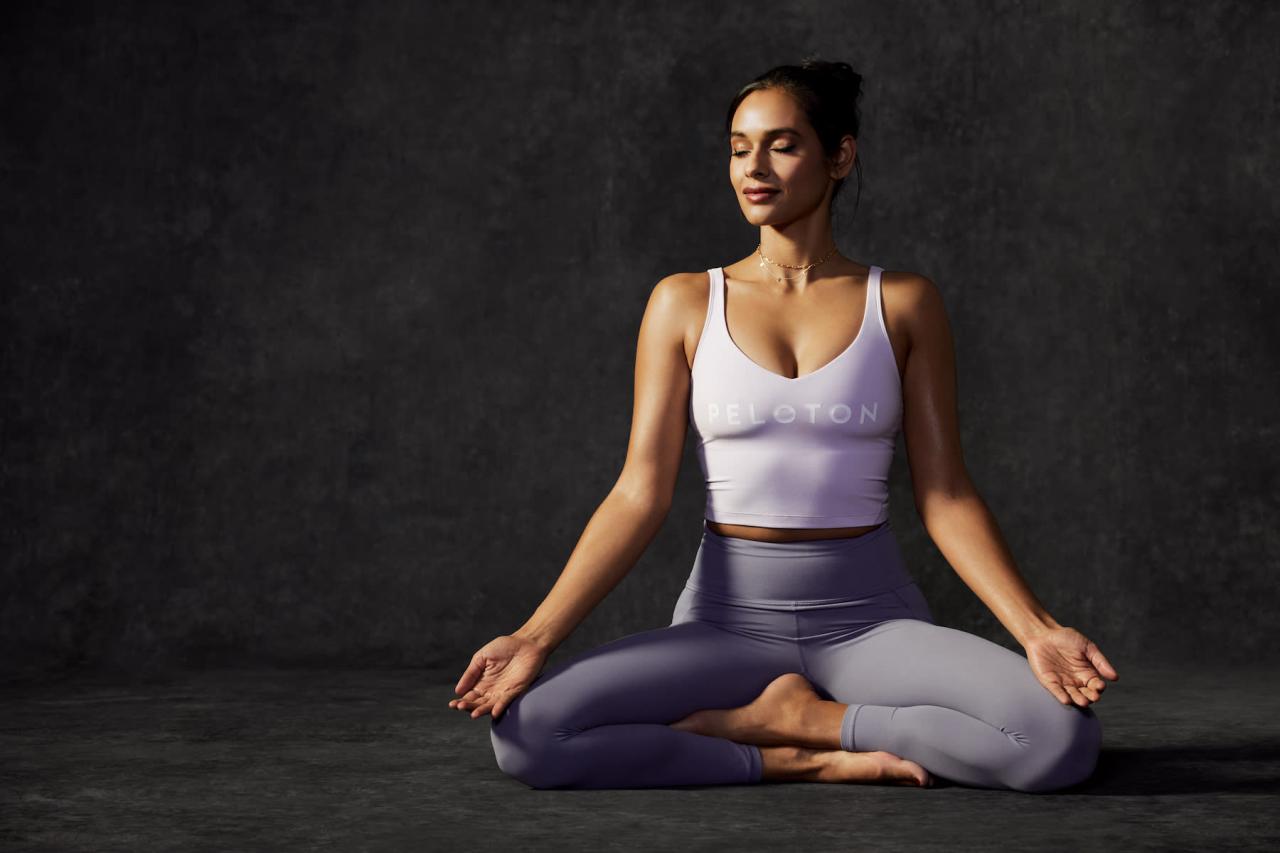
Maintaining focus and energy during meditation is crucial for a productive pre-workout session. Sustained concentration allows for deeper relaxation and a more profound connection with your body, optimizing the energy you bring to your workout. This focus translates into a more effective and satisfying workout.Effective pre-workout meditation requires not just a quiet space, but also a strategy to combat potential distractions and maintain a consistent state of mind.
Understanding these factors is key to achieving a truly beneficial meditative experience.
Techniques for Maintaining Focus
Sustaining focus during meditation is an essential aspect of reaping its benefits. Various techniques can help you stay present and engaged. These methods help bridge the gap between the meditative state and the energetic preparedness for your workout.
- Mindful Breathing: Consciously focusing on the breath is a fundamental technique. Notice the sensation of each inhale and exhale, observing the rise and fall of your chest or abdomen. This anchors you in the present moment, pulling your attention away from wandering thoughts. By regularly practicing this, you can strengthen your ability to redirect your attention, which is vital for maintaining focus throughout your session.
A wandering mind is common, but with consistent practice, you can learn to gently guide your attention back to your breath.
- Body Scan Meditation: A body scan involves systematically bringing awareness to different parts of your body. Notice any sensations, such as tension or relaxation, without judgment. This technique fosters a deeper connection with your physical state, helping to release physical tension that might be hindering your focus.
- Guided Meditation: Guided meditations provide verbal instructions and prompts to keep your mind engaged. These can be particularly useful when dealing with restlessness or distractions. They offer a framework for your focus, and help you remain centered in your practice.
Strategies for Overcoming Challenges
Meditation, while beneficial, can present challenges. Addressing these head-on will enhance your overall experience and help you sustain a productive pre-workout routine.
- Distractions: Distractions are common during meditation. Acknowledge their presence without judgment. Gently redirect your attention back to your chosen focus, be it your breath or a specific mantra. Practicing mindfulness in everyday life can strengthen your ability to resist distractions.
- Restlessness: Restlessness can manifest as fidgeting, a feeling of unease, or an inability to still your mind. Try a body scan meditation to identify the source of this restlessness. If physical tension is contributing, simple stretching before meditation can help alleviate this. Remember that a certain degree of restlessness is normal, and consistent practice will help you manage it more effectively.
Staying Present and Alert
Maintaining alertness during meditation is essential for maximizing its benefits. Techniques for achieving this state of focused awareness are key to maximizing your pre-workout preparation.
- Setting Intentions: Begin your meditation with a clear intention. Focusing on your intention, such as preparing for a successful workout, can provide a strong anchor for your mind.
- Visualizations: Visualization techniques, such as imagining yourself performing your workout with peak energy and focus, can help keep your mind engaged and focused on your goals.
Importance of Consistent Practice
Consistency in your meditation practice is vital for long-term energy enhancement. Regularity reinforces the positive effects of meditation on your physical and mental well-being.
- Building a Sustainable Routine: Incorporate meditation into your daily routine as you would any other important activity. Start with shorter sessions and gradually increase the duration as your practice grows stronger. Finding a time that works best for you is essential for long-term adherence.
Incorporating Meditation into a Workout Schedule

Integrating meditation into your workout routine can significantly enhance your energy levels and overall performance. By establishing a consistent practice, you can optimize your body’s preparation for physical activity, leading to improved focus, reduced stress, and a more enjoyable workout experience. A well-structured schedule, carefully tailored to your individual needs, can seamlessly integrate meditation into your existing lifestyle.A structured approach to incorporating meditation before workouts not only optimizes energy levels but also promotes mental clarity and focus.
This allows you to approach your workout with a more positive and productive mindset. Further, integrating rest and recovery into your schedule is crucial for sustained energy levels, both before, during, and after exercise. This structured approach ensures that your body has the necessary time to replenish its resources and prepare for future workouts.
Sample Weekly Schedule
A sample weekly schedule incorporating pre-workout meditation sessions can be a helpful guide. This schedule is a template, and it is crucial to tailor it to your specific needs and workout intensity.
- Monday: Light cardio (30 minutes) with 10 minutes of gentle meditation before. Focus on breath awareness and body scan.
- Tuesday: Strength training (60 minutes) with 15 minutes of focused meditation to cultivate mental clarity and focus before the workout.
- Wednesday: Rest day. Prioritize relaxation and restorative activities to replenish energy levels.
- Thursday: Yoga session (60 minutes) with 10 minutes of mindfulness meditation before to increase body awareness and flexibility.
- Friday: High-intensity interval training (HIIT) (45 minutes) with 15 minutes of energizing meditation to build mental fortitude and enhance focus before the workout.
- Saturday: Long-distance run (90 minutes) with 20 minutes of meditation focused on building endurance and mental resilience before the workout.
- Sunday: Active recovery (30 minutes) with 10 minutes of calming meditation to facilitate muscle recovery and reduce stress after the workout.
Integrating Meditation into Existing Routines
Successfully integrating meditation into an existing workout routine requires careful planning. This process involves a thoughtful examination of your current schedule and a willingness to adapt. Don’t try to fit too much into one day.
- Prioritize: Identify the most important workout sessions and allocate the necessary time for pre-workout meditation. A 10-15 minute session can make a significant difference.
- Schedule Flexibility: If your routine involves early morning workouts, consider shifting your meditation to the hour before. This allows your body to prepare for the physical activity while minimizing disruption to your daily schedule.
- Optimize Timing: Choose a time that works best for you and stick to it as closely as possible to ensure consistency.
- Consider Alternatives: If your routine doesn’t allow for a full meditation session, a brief mindfulness exercise before your workout can be a valuable alternative.
Role of Rest and Recovery
Adequate rest and recovery are essential for maintaining energy levels before, during, and after workouts. They are vital components for optimal performance and injury prevention. Proper rest allows the body to repair tissues, replenish energy stores, and improve overall physical and mental well-being.
- Pre-Workout: Sufficient rest ensures your body is adequately prepared for the demands of the workout. This leads to better performance and reduces the risk of injury.
- During Workout: Pay attention to your body’s signals. If you feel fatigued, take short breaks or modify the intensity of your workout to prevent exhaustion.
- Post-Workout: Restorative practices such as stretching, light cardio, or yoga after your workout are crucial for muscle recovery and preventing delayed-onset muscle soreness.
Adjusting the Schedule
Adjusting the schedule to accommodate different workout days and intensities involves a flexible approach.
- Workout Intensity: Adjust the duration of your meditation sessions based on the intensity of your workout. Higher-intensity workouts may benefit from longer meditation sessions to enhance focus and mental fortitude.
- Rest Days: Ensure sufficient rest days to allow your body to recover fully. This will help prevent overtraining and maintain optimal energy levels.
- Workout Type: Adapt the type of meditation to suit the specific workout. For example, a mindfulness meditation may be suitable before yoga, while a focused meditation might be more appropriate before a high-intensity interval training session.
Personalized Workout Schedule Template
This template provides a framework for creating a personalized workout schedule incorporating meditation.
| Day | Workout | Duration | Pre-Workout Meditation | Duration | Post-Workout Activity |
|---|---|---|---|---|---|
| Monday | Light Cardio | 30 min | Gentle Meditation | 10 min | Stretching |
| Tuesday | Strength Training | 60 min | Focused Meditation | 15 min | Light Cardio |
| Wednesday | Rest | Full Day | N/A | N/A | Restorative Activities |
This template is a starting point; feel free to modify it based on your individual needs and preferences.
Understanding the Science Behind Meditation and Energy
Meditation’s profound impact on energy levels extends far beyond the realm of subjective experience. It engages complex neurological and physiological mechanisms that influence hormone regulation, stress response, and ultimately, our capacity for physical exertion. This section delves into the scientific underpinnings of how meditation can enhance energy for workouts.
Neurological Mechanisms of Increased Energy
Meditation practices, particularly focused attention and mindfulness techniques, have been shown to affect brain activity. Studies demonstrate a reduction in activity in the amygdala, the brain region associated with fear and stress responses. This decrease correlates with a reduction in the production of stress hormones like cortisol. Conversely, meditation fosters increased activity in the prefrontal cortex, the brain region responsible for executive functions, attention, and emotional regulation.
This heightened activity supports improved focus and mental clarity, which are essential for optimal workout performance.
Physiological Impact on Hormone Regulation
Meditation significantly influences hormone regulation. Chronic stress disrupts the delicate balance of hormones, including cortisol, adrenaline, and testosterone. Meditation’s ability to reduce stress has a direct impact on these hormones. Reduced cortisol levels contribute to improved energy levels and a sense of calm, enabling a more effective workout. Conversely, an increase in testosterone, associated with muscle growth and repair, can be a beneficial consequence of stress reduction via meditation.
Stress Reduction and Energy Levels
Meditation’s capacity to reduce stress is a key factor in enhancing energy for workouts. Chronic stress depletes energy reserves and impairs physical performance. Meditation promotes a state of relaxation and mental calmness, mitigating the negative effects of stress on the body. This reduced stress allows the body to allocate more energy towards physical activity, resulting in improved endurance and enhanced performance during workouts.
Impact on the Body’s Natural Energy Cycles
Meditation’s impact extends to the body’s natural energy cycles. By regulating the autonomic nervous system, meditation can promote balance between the sympathetic (fight-or-flight) and parasympathetic (rest-and-digest) responses. This balance allows the body to function optimally, preventing overexertion and optimizing energy usage during workouts. Meditation techniques can support a more consistent and predictable energy release, avoiding sudden dips or crashes that can hinder performance.
Scientific Evidence Supporting Meditation’s Benefits
Numerous studies have investigated the relationship between meditation and workout performance. Research suggests that meditation can enhance focus, reduce anxiety, and improve mood, all of which contribute to a more effective workout. One study published in the Journal of Sports Sciences found that meditators exhibited improved endurance and reduced perceived exertion during exercise compared to a control group.
Another study in the Journal of Applied Physiology showed that mindfulness meditation positively impacted heart rate variability, indicating a more balanced autonomic nervous system response.
Key Physiological Changes Induced by Meditation
| Physiological Change | Impact on Energy Levels |
|---|---|
| Reduced Cortisol Levels | Increased energy, reduced fatigue |
| Increased Prefrontal Cortex Activity | Improved focus, mental clarity |
| Balanced Autonomic Nervous System | Optimized energy usage, reduced stress |
| Improved Heart Rate Variability | Enhanced cardiovascular efficiency |
| Reduced Amygdala Activity | Reduced anxiety, improved mood |
Conclusion
In conclusion, integrating meditation into your workout routine is a powerful strategy for optimizing energy levels and enhancing your overall performance. By understanding the science behind meditation, utilizing tailored techniques, and consistently practicing, you can unlock a deeper connection between your mind and body, leading to more effective workouts and a greater sense of well-being. Embrace the transformative potential of meditation to achieve your fitness goals and experience a more energized and fulfilling workout experience.