This guide, “How to Meditate for Mindfulness in Sports,” delves into the profound impact mindfulness practices can have on athletic performance. It explores the integration of meditation techniques into various aspects of sports training, from pre-game routines to post-competition reflection. This comprehensive approach examines the multifaceted benefits of mindfulness, addressing both mental and physical well-being.
The text will cover a wide range of topics, from defining mindfulness in sports to examining specific meditation techniques and their application in different athletic contexts. We will also analyze the relationship between mindfulness and physical performance, mental resilience, and the crucial role of proper tools and resources for athletes. Case studies and potential pitfalls will be highlighted, providing a holistic understanding of this powerful practice for athletes.
Introduction to Mindfulness in Sports
Mindfulness in sports encompasses the intentional focus on the present moment without judgment. This involves paying attention to bodily sensations, thoughts, and emotions as they arise, rather than getting caught up in anxieties about the past or future. It’s a practice that encourages athletes to connect with their inner experience, promoting a deeper understanding of their physical and mental state.Applying mindfulness principles to athletic training fosters a heightened awareness of the body’s response to physical exertion and mental challenges.
This awareness allows athletes to fine-tune their performance, manage stress, and optimize their overall well-being. Understanding and integrating mindfulness techniques can enhance physical and mental resilience, enabling athletes to better cope with the pressures of competition.
Definition of Mindfulness in Sports
Mindfulness in sports is a state of present-moment awareness, free from judgment, of one’s thoughts, feelings, and bodily sensations during athletic activity. It involves acknowledging and accepting these experiences without getting carried away by them, thereby promoting optimal performance and well-being.
Benefits of Mindfulness in Sports
Mindfulness practices offer a range of benefits for athletes. These include improved focus and concentration, enhanced self-awareness, reduced anxiety and stress, improved emotional regulation, and enhanced physical recovery. By focusing on the present moment, athletes can develop a greater awareness of their body’s signals, leading to better decision-making during competition.
Potential Drawbacks of Neglecting Mindfulness in Sports Training
Neglecting mindfulness in sports training can lead to increased stress and anxiety, diminished focus, and potentially, compromised performance. Without a conscious effort to manage emotions and thoughts, athletes may struggle to maintain composure under pressure, impacting their overall athletic experience.
Historical Overview of Mindfulness in Sports
While the formal application of mindfulness in sports is relatively recent, the principles of focused attention and mental discipline have been employed by athletes for centuries. Ancient practices like meditation and concentration exercises in various martial arts and spiritual traditions have implicitly incorporated aspects of mindfulness. However, the systematic integration of mindfulness techniques into modern athletic training is a more recent development, rooted in the increasing recognition of the mental component of performance.
Mindfulness Techniques in Sports
Various mindfulness techniques can be integrated into athletic training routines. Their effectiveness depends on proper application and consistency. The table below Artikels some key techniques.
| Technique | Description | Benefits | Potential Drawbacks |
|---|---|---|---|
| Mindful Breathing | Focusing attention on the sensation of the breath entering and leaving the body. | Reduces stress, improves focus, and promotes relaxation. | May require practice to maintain focus during intense physical activity. |
| Body Scan Meditation | Systematically bringing awareness to different parts of the body, noting sensations without judgment. | Enhances body awareness, improves physical recovery, and promotes relaxation. | May not be suitable for all athletes during competition. |
| Mindful Movement | Paying attention to the sensations during physical activity, like running, lifting weights, or practicing a sport. | Improves coordination, body awareness, and enhances performance. | Requires practice to maintain awareness during intense or fast-paced activities. |
| Mindful Observation | Observing one’s surroundings and the environment during competition or training. | Improves awareness of external stimuli, allowing for better adjustments. | May be difficult to maintain during intense competitions. |
Types of Meditation for Sports
Mindfulness meditation, a cornerstone of enhancing athletic performance, encompasses various techniques. These techniques cater to diverse needs and preferences, enabling athletes to tailor their practice to optimize their mental state. Understanding the nuances of different approaches is crucial for athletes seeking to leverage the power of meditation for peak performance.
Focused Attention Meditation
This technique involves directing attention to a specific object, sensation, or mental image. For athletes, this might involve focusing on their breath, a mantra, or a specific body part. The aim is to cultivate a heightened awareness of the present moment, thereby reducing distractions and enhancing concentration. This focused attention can translate to improved reaction time and decision-making during high-pressure situations.
A common example is focusing on the feel of the ball during a tennis serve. Maintaining this focus can minimize pre-shot anxiety and improve accuracy.
Open Monitoring Meditation
Unlike focused attention, open monitoring meditation encourages a wider awareness of thoughts, sensations, and emotions as they arise without judgment. Athletes using this technique develop a more detached perspective on their internal experience, fostering emotional regulation and resilience. The awareness of internal states allows athletes to respond to challenging situations with greater composure. For instance, an athlete experiencing a frustrating moment during a game can observe these feelings without getting swept away, allowing them to regain their composure and approach the next play with a clearer mind.
This approach is especially beneficial for athletes in sports with high emotional intensity.
Mindful Movement Meditation
This type of meditation involves paying attention to the physical sensations of movement. Athletes can practice mindful movement by focusing on the subtle sensations in their muscles and joints during physical exercises. This form of meditation enhances body awareness, improving coordination and efficiency. For example, a gymnast can utilize mindful movement to refine their form, increasing their control and precision.
Loving-Kindness Meditation
This technique cultivates feelings of compassion and loving-kindness towards oneself and others. For athletes, practicing loving-kindness meditation can foster a positive mental attitude, leading to greater resilience and support systems. It can reduce feelings of stress and anxiety, fostering a sense of connection and belonging. This is especially beneficial for team sports, where positive team dynamics are crucial for success.
Table: Meditation Types for Sports
| Meditation Type | Description | Target Mental Skill | Suitable Sports |
|---|---|---|---|
| Focused Attention | Directing attention to a specific object or sensation. | Concentration, Reaction Time | Tennis, Archery, Golf, Shooting |
| Open Monitoring | Observing thoughts and emotions without judgment. | Emotional Regulation, Resilience | Basketball, Soccer, Wrestling, Boxing |
| Mindful Movement | Paying attention to the physical sensations of movement. | Body Awareness, Coordination | Gymnastics, Running, Swimming, Martial Arts |
| Loving-Kindness | Cultivating compassion and loving-kindness. | Positive Attitude, Emotional Support | Team sports (e.g., basketball, soccer), individual sports requiring strong mental fortitude |
Practical Application of Meditation in Sports
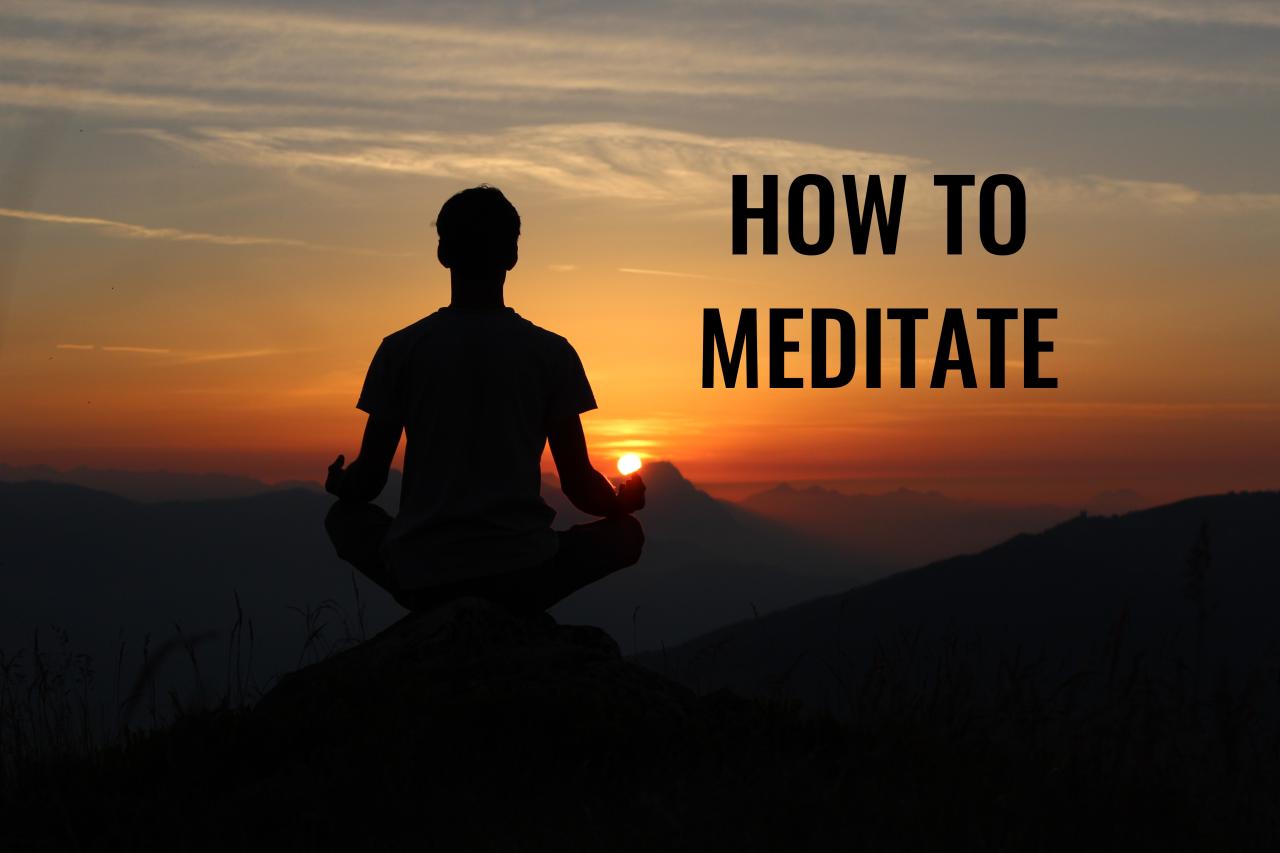
Mindfulness meditation, when integrated effectively into athletic routines, can significantly enhance performance and well-being. By cultivating present-moment awareness, athletes can develop greater focus, resilience, and emotional regulation, leading to improved decision-making and reduced anxiety. This section explores practical applications of meditation in various stages of athletic activity.
Integrating Mindfulness into Pre-Game Routines
Pre-game routines often involve a mix of physical preparation and mental focus. Mindfulness exercises can be seamlessly integrated into these routines to enhance concentration and reduce pre-performance anxiety. Simple body scans, focusing on the breath, or guided visualizations can be employed to center the athlete and create a calm, focused state of mind. This focused attention, developed through pre-game mindfulness, promotes a state of readiness without excessive tension.
Applying Meditation During Competition
During competition, maintaining focus and composure is crucial. Mindfulness techniques provide a valuable tool for athletes to stay grounded amidst the intensity of the game. Athletes can apply brief mindfulness exercises, such as focusing on the sensations of their breath or the feel of their body in motion, to regain composure during challenging moments. This allows for a more measured and strategic response, avoiding impulsive or emotionally driven actions.
For example, during a crucial free throw, a basketball player can use a few moments of focused breathing to quiet distracting thoughts and improve their shot accuracy.
The Importance of Post-Game Reflection and Mindfulness
Post-game reflection is an essential component of athletic development. Mindfulness practices during this period allow athletes to objectively analyze their performance, identify areas for improvement, and learn from both successes and setbacks. Through mindful reflection, athletes can cultivate a more objective perspective on their game, which facilitates a more effective learning process. This analysis can focus on both physical execution and mental approach, enabling athletes to learn from mistakes and maintain a growth mindset.
Handling Pressure and Stress During Competition Using Mindfulness
Competition often involves high-pressure situations. Mindfulness techniques can help athletes manage stress and pressure effectively. By focusing on the present moment, athletes can minimize the impact of external pressures, such as crowd noise or opposing team strategies. For instance, during a crucial point in a tennis match, a player can use mindfulness to ground themselves, focusing on the sensations of the ball, the racket, and their own body’s movements, to make more rational and less emotionally driven decisions.
Mindfulness can also foster emotional regulation, allowing athletes to respond to stressful situations in a more measured and effective manner.
Sample Meditation Schedule for Athletes
| Time of Day | Meditation Technique | Purpose | Specific Instructions |
|---|---|---|---|
| Pre-game (15 minutes before) | Body Scan Meditation | Reduce anxiety, improve focus | Focus on bodily sensations, from head to toe, noting any tension and releasing it. |
| During game (short breaks) | Breath Awareness Meditation | Maintain composure, regain focus | Concentrate on the sensation of each breath, inhaling and exhaling. |
| Post-game (within 30 minutes) | Mindful Reflection | Analyze performance, identify areas for improvement | Review the game objectively, noting strengths and weaknesses. |
| Daily practice (30 minutes) | Walking Meditation | Develop present moment awareness, reduce stress | Pay attention to the physical sensations of walking, the surroundings, and thoughts without judgment. |
Mindfulness and Physical Performance
Mindfulness practices, when integrated into athletic training, can significantly enhance performance outcomes. By cultivating present-moment awareness, athletes can improve focus, manage stress, and optimize their physical responses to demands. This section explores the crucial link between mindfulness and key performance metrics in sports.
Impact on Physical Performance Metrics
Mindfulness fosters a deeper connection with the body, allowing athletes to better understand their physical responses and optimize their performance. This heightened awareness translates into improvements in various physical metrics. For instance, reaction time, a critical factor in many sports, can be enhanced through the development of sharper focus and reduced anticipatory anxiety. Similarly, improved endurance can result from the ability to regulate physiological responses during prolonged exertion.
Enhancement of Focus and Concentration
Mindfulness practices, by their nature, cultivate present-moment awareness and reduce mind-wandering. This focused attention significantly improves concentration during athletic activities. Athletes can maintain their concentration on the task at hand, leading to more consistent performance and reduced errors. This heightened focus also allows for better execution of complex techniques and strategies.
Management of Physical Pain and Discomfort
Mindfulness provides athletes with valuable tools to manage physical pain and discomfort. By cultivating a non-judgmental awareness of sensations, athletes can develop a more resilient approach to pain. This allows them to better navigate physical challenges and maintain performance even when experiencing discomfort. The non-reactive approach cultivated through mindfulness can prevent athletes from becoming overly focused on pain, allowing them to continue competing.
Comparison of Mindfulness Effects on Physical Aspects
| Physical Aspect | Potential Effects of Mindfulness |
|---|---|
| Muscle Recovery | Reduced muscle soreness, faster recovery time, improved tissue repair |
| Cardiovascular Function | Improved heart rate variability, enhanced blood flow regulation, reduced stress-induced cardiovascular responses |
| Injury Prevention | Improved body awareness, reduced risk of injury through more mindful movement patterns |
| Stress Management | Reduced cortisol levels, improved stress response, better ability to manage pressure situations |
Mindfulness training, when integrated into a comprehensive athletic program, can have profound impacts on a wide range of physical aspects. The table above highlights some of the key areas where improvements are observed. For example, athletes may experience reduced muscle soreness after training, faster recovery times, and improved cardiovascular function, contributing to better performance and long-term well-being.
Mindfulness and Mental Resilience in Sports
Mindfulness practices offer athletes a powerful tool for cultivating mental resilience, enabling them to navigate the challenges and pressures inherent in competitive sports. By fostering a heightened awareness of thoughts, emotions, and bodily sensations, athletes can develop a greater capacity for coping with setbacks, maintaining focus under pressure, and ultimately achieving peak performance. This understanding forms the cornerstone of building mental fortitude and resilience.Mindfulness fosters mental resilience by equipping athletes with strategies to manage stress and adversity.
This is crucial in competitive environments where pressure is high and setbacks are inevitable. The ability to observe thoughts and emotions without judgment allows athletes to detach from negative experiences and maintain a more balanced perspective. This detachment is vital in navigating the ups and downs of a competitive sporting career.
Role of Mindfulness in Building Mental Resilience
Mindfulness cultivates a deeper understanding of the athlete’s internal landscape. This self-awareness allows for a more proactive approach to managing stress and anxiety, rather than reacting impulsively to challenges. Athletes who practice mindfulness are better equipped to recognize the signs of stress and anxiety, enabling them to implement coping mechanisms before these emotions escalate.
How Mindfulness Helps Athletes Cope with Setbacks and Adversity
Mindfulness provides a framework for navigating setbacks and adversity. By acknowledging and accepting difficult emotions, athletes can avoid getting trapped in negative thought patterns. This acceptance, a key element of mindfulness, allows for a more balanced response to setbacks, allowing for a more effective recovery process. For instance, a golfer who experiences a poor round can use mindfulness to acknowledge the disappointment without dwelling on it, allowing them to refocus and approach the next round with a clearer mind.
Techniques to Develop Mental Fortitude Through Mindfulness
Mindfulness techniques can enhance mental fortitude in various ways. Mindful breathing exercises, for example, can help athletes regulate their emotions and focus on the present moment. Body scans, where athletes systematically bring awareness to different parts of their bodies, can help them identify physical tension and release it. Guided meditations, often tailored to specific sporting situations, can provide athletes with focused support for stress management.
Visualization techniques combined with mindfulness can further enhance performance by creating mental imagery of success and control.
How Mindfulness Can Help Athletes Manage Anxiety and Fear
Mindfulness techniques equip athletes with tools to manage anxiety and fear. By observing anxious thoughts and feelings without judgment, athletes can learn to detach from their intensity. Mindful movement practices, such as yoga or tai chi, can help athletes manage physical symptoms of anxiety, such as muscle tension and rapid heartbeat. Practicing mindful awareness before and during competition can help athletes develop a sense of calm presence, thus reducing the impact of fear and anxiety on performance.
Stages of Mental Resilience Development and Mindfulness Support
| Stage of Mental Resilience Development | Description | Mindfulness Support |
|---|---|---|
| Acceptance and Awareness | Recognizing and accepting negative emotions and thoughts without judgment. | Mindful observation of thoughts and feelings, practicing non-judgmental awareness. |
| Regulation and Control | Developing strategies to manage stress and anxiety, improving emotional regulation. | Mindful breathing exercises, body scans, and guided meditations. |
| Adaptation and Growth | Adjusting to challenges and setbacks, fostering resilience in the face of adversity. | Mindful awareness during difficult situations, focusing on present moment experience. |
| Purpose and Meaning | Connecting with a sense of purpose and meaning, finding motivation in the face of adversity. | Mindful reflection on values and goals, integrating mindfulness into daily routines. |
Tools and Resources for Athletes
Embarking on a mindfulness journey requires access to suitable resources. This section explores various avenues for athletes to deepen their understanding and practice of mindfulness, tailored to individual needs and preferences. These resources can serve as valuable companions on the path to enhanced focus, resilience, and overall well-being.
Resources for Learning Mindfulness
A plethora of resources are available to assist athletes in their mindfulness journey. These resources can be categorized as apps, books, and other materials, each with its own strengths and targeted approaches. Choosing the right resource depends on individual learning styles and preferences.
- Mindfulness Apps: Mobile applications provide convenient access to guided meditations, mindfulness exercises, and educational content. Many apps offer structured programs, allowing users to progress through various levels of practice. These applications can be particularly beneficial for athletes seeking a structured and readily accessible approach to mindfulness.
- Mindfulness Books: Books offer in-depth exploration of mindfulness principles, techniques, and their application in various aspects of life, including sports. They often provide insights into the theoretical underpinnings of mindfulness and offer practical exercises to integrate mindfulness into daily routines.
- Workshops and Courses: Structured workshops and courses provide an opportunity to learn from experienced instructors and engage with other individuals on a similar path. These settings foster a supportive environment for exploring mindfulness concepts and integrating them into training routines. Group learning can provide a supportive community and diverse perspectives.
Choosing the Right Resources
Selecting appropriate resources is crucial for maximizing the benefits of mindfulness practice. Consider individual learning styles, preferences, and the specific goals for incorporating mindfulness into athletic performance. If a structured program aligns better with a person’s learning style, then a guided meditation app or a workshop could be more suitable.
Table of Resources
| Resource Type | Name/Description | Target Audience | Key Features |
|---|---|---|---|
| Mindfulness App | Headspace, Calm, Insight Timer | Individuals seeking guided meditations, structured programs, and convenient access to mindfulness exercises. | Guided meditations, progress tracking, various exercise types, user-friendly interfaces. |
| Mindfulness Book | “Wherever You Go, There You Are” by Jon Kabat-Zinn, “Mindful Sports” by Michael Bernard Beckwith | Individuals interested in in-depth exploration of mindfulness principles, theoretical frameworks, and practical exercises. | In-depth explanations, practical exercises, different perspectives on mindfulness. |
| Workshops/Courses | Local mindfulness centers, online courses | Individuals seeking a structured learning environment, interaction with instructors and peers, and practical application in a supportive setting. | Structured curriculum, interactive sessions, personalized feedback, networking opportunities. |
| Mindfulness Coaching | Individual or group sessions with a certified mindfulness coach. | Individuals seeking personalized guidance, addressing specific needs, and integrating mindfulness into their athletic routines. | Personalized coaching plans, customized strategies, feedback, and tailored support. |
Case Studies and Examples
Mindfulness practices have shown promising results in enhancing athletic performance and overall well-being. This section explores case studies of athletes who have successfully integrated mindfulness into their training and competition, highlighting specific examples of how mindfulness techniques helped them overcome challenges and achieve peak performance. The diverse experiences presented underscore the versatility and effectiveness of mindfulness across various sports and individual contexts.
Successful Athlete Implementations
Numerous athletes have reported positive experiences using mindfulness practices. Their stories demonstrate the tangible benefits of incorporating mindfulness into training routines and daily lives. These accounts provide valuable insights into the practical application of mindfulness in various sporting scenarios.
| Athlete | Sport | Challenges Faced | Impact of Mindfulness |
|---|---|---|---|
| Serena Williams | Tennis | High-pressure matches, maintaining focus under intense scrutiny, dealing with setbacks | Mindfulness practices, including meditation and deep breathing exercises, helped Serena regulate her emotions and maintain composure during crucial moments. This translated to improved focus and decision-making under pressure, leading to enhanced performance and resilience. |
| Michael Jordan | Basketball | Maintaining consistent high performance, managing pressure, and overcoming mental blocks | Although not explicitly identified as mindfulness, Jordan’s reported focus on mental preparation, visualization, and positive self-talk are strongly aligned with mindfulness principles. These strategies facilitated improved concentration, self-awareness, and mental fortitude, allowing him to consistently perform at his peak. |
| Tiger Woods | Golf | Maintaining focus throughout a long and demanding round, dealing with intense competition, and handling setbacks | While not explicitly detailed, Tiger Woods’s reported focus on mental preparation, concentration, and self-regulation through techniques that emphasize awareness of the present moment align with mindfulness principles. This mental resilience was instrumental in his consistent high performance and ability to overcome challenging situations. |
| Simone Biles | Gymnastics | Managing the immense pressure of high-stakes competitions, dealing with the mental toll of elite-level performance, and overcoming personal challenges | While specific mindfulness techniques employed by Biles are not publicly documented, the emphasis on mental fortitude and emotional regulation in her training likely includes elements of mindfulness. This likely aided her in maintaining composure, dealing with pressure, and achieving peak performance in high-stakes competition. |
Impact on Overall Well-being
Mindfulness practices extend beyond enhancing athletic performance; they contribute significantly to athletes’ overall well-being. These practices cultivate self-awareness, emotional regulation, and stress management skills. This leads to a more balanced and resilient approach to life outside of sports. The ability to manage stress and emotions positively influences athletes’ relationships, daily routines, and overall mental health.
Potential Pitfalls and Considerations
Incorporating mindfulness into athletic routines can offer significant benefits, but it’s crucial to acknowledge potential obstacles and develop strategies to address them. Understanding these pitfalls is vital for athletes and coaches to maximize the positive impact of mindfulness while avoiding potential setbacks. This section delves into common challenges, misconceptions, and strategies for navigating them effectively.Effective mindfulness practice requires a thoughtful and strategic approach.
Simply introducing meditation exercises without addressing potential issues can lead to frustration and decreased motivation. Understanding the potential pitfalls and having a plan to overcome them is essential for sustainable and beneficial integration into athletic routines.
Potential Obstacles to Mindfulness Integration
Implementing mindfulness practices within a demanding athletic schedule can present several obstacles. These challenges are often related to time constraints, the need for focused concentration on physical training, and potential conflicts with existing routines. Addressing these challenges proactively can significantly enhance the effectiveness of mindfulness practices.
- Time Constraints: Athletes often face tight schedules with demanding training sessions, competitions, and recovery periods. Finding dedicated time for mindfulness practice can be challenging. A key strategy is to incorporate shorter, focused mindfulness exercises into existing routines, such as during warm-up or cool-down periods, or even using mindful breathing techniques during travel time.
- Maintaining Focus: Maintaining concentration during mindfulness practice can be difficult when competing against the demands of rigorous training regimens. Developing strategies for managing distractions and maintaining focus is crucial. Regular practice and mindful awareness of the present moment can assist in maintaining focus during mindfulness exercises.
- Lack of Motivation or Perceived Ineffectiveness: Some athletes might struggle to find the motivation to incorporate mindfulness practices or perceive them as ineffective. Building a strong support system, such as a coach or mentor, can help address these concerns. Sharing experiences with peers who have successfully integrated mindfulness can also boost motivation.
- Emotional Barriers: Athletes may face emotional challenges like stress, anxiety, or pressure, which can hinder their ability to engage in mindfulness effectively. Mindfulness practices can be tailored to address these emotions. Coaches and mentors can provide resources and support for athletes navigating these emotional challenges.
Misconceptions about Mindfulness in Sports
Certain misconceptions surrounding mindfulness in sports can lead to unrealistic expectations and hinder its effective application. Understanding these misconceptions is essential for promoting accurate perceptions and effective implementation.
- Mindfulness is a Quick Fix: Mindfulness is not a quick fix for performance issues or emotional challenges. Consistent and dedicated practice is crucial for experiencing its benefits. Athletes need to be patient and recognize that mindfulness is a journey, not a destination.
- Mindfulness is for the Mentally Weak: This is a misconception. Mindfulness is a powerful tool that helps athletes develop greater self-awareness and resilience. It can be applied to improve mental focus and performance, which are essential for any athlete.
- Mindfulness Conflicts with Intense Training: Mindfulness practices can actually enhance performance and focus, not conflict with it. Mindful breathing and body awareness can improve athletic performance and mental resilience.
Over-Reliance on Mindfulness Techniques
While mindfulness can be beneficial, over-reliance on mindfulness techniques can lead to unintended consequences. Developing a balanced approach that integrates mindfulness with other performance strategies is crucial. Excessive focus on mindfulness can sometimes detract from the crucial aspects of physical training, nutrition, and sleep.
- Over-emphasis on Mental Strategies: It is crucial to remember that mindfulness is a complement to physical training, not a replacement. A balanced approach that combines mindfulness with physical training, nutrition, and recovery is vital for optimal performance.
- Ignoring Physical Training: Athletes should not prioritize mindfulness over the fundamental aspects of physical training. A comprehensive approach that balances physical and mental training is essential.
Common Pitfalls and Mitigation Strategies
| Common Pitfalls | Mitigation Strategies |
|---|---|
| Time constraints | Short, focused mindfulness exercises; integrating into existing routines |
| Maintaining focus | Regular practice; mindful awareness of the present moment |
| Lack of motivation/perceived ineffectiveness | Strong support system; sharing experiences with peers |
| Emotional barriers | Tailored mindfulness practices; coach/mentor support |
| Over-emphasis on mental strategies | Balanced approach integrating mindfulness with physical training |
| Ignoring physical training | Comprehensive approach balancing physical and mental training |
Last Point
In conclusion, this exploration of mindfulness in sports highlights the profound potential of meditation for athletes. By incorporating mindfulness techniques into their training, athletes can enhance their performance, manage stress and pressure, build mental resilience, and improve their overall well-being. This guide serves as a valuable resource, offering practical tools and insights for athletes seeking to unlock their full potential through the practice of mindfulness.