Harnessing the power of meditation during exercise offers a unique approach to enhancing both physical and mental well-being. This guide delves into the practical techniques and considerations necessary for seamlessly integrating meditation into your workout routine, from understanding the fundamentals to mastering advanced strategies.
This comprehensive exploration covers various meditation styles, practical techniques for incorporating them into diverse exercises, preparation strategies, and techniques for maintaining focus. We will also examine how different environments and settings influence the meditation experience, along with troubleshooting common challenges. The result is a practical resource for anyone seeking to elevate their exercise and mindfulness practice.
Introduction to Meditation During Exercise
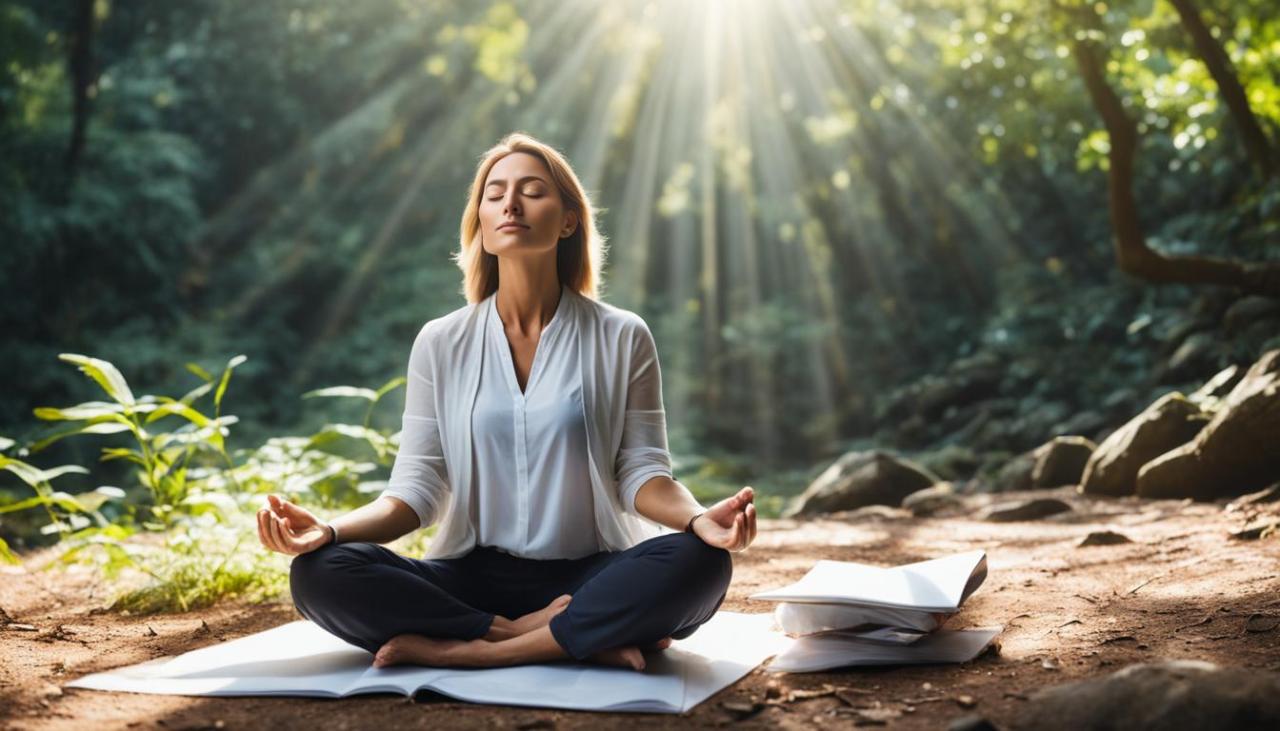
Meditation, at its core, is a practice focused on training the mind to achieve a state of calmness and awareness. It involves focusing attention on a specific object, thought, or sensation, thereby quieting the incessant chatter of the mind. Benefits often include reduced stress, improved focus, and heightened self-awareness. This practice can be particularly beneficial when integrated with physical activity.Mindfulness, a key component of meditation, is the ability to pay attention to the present moment without judgment.
In the context of exercise, mindfulness involves being fully present in the sensations of your body as you move, fostering a deeper connection with your physical experience. Integrating mindfulness into your workout enhances your awareness of your body’s responses, allowing for a more effective and enjoyable workout.
Potential Benefits of Combining Meditation and Exercise
Combining meditation and exercise offers a synergistic approach to well-being. This approach can lead to a multitude of benefits, including enhanced physical performance, improved mental clarity, and a stronger sense of self-awareness. For instance, a study published in the Journal of Sport and Exercise Psychology found that individuals who practiced mindfulness meditation during exercise reported lower levels of perceived exertion and higher levels of enjoyment compared to those who did not meditate.
Different Types of Meditation Suitable for Exercise
Several meditation styles are well-suited to complement exercise. Choosing the right style depends on individual preferences and goals. These styles can range from focusing on the breath to cultivating compassion. Finding a style that resonates with you is crucial for a positive experience.
Comparison of Meditation Styles for Exercise
| Meditation Style | Focus | Benefits | Considerations |
|---|---|---|---|
| Mindfulness Meditation | Present moment awareness of sensations during exercise, such as breath, body posture, and movement. | Improved focus during workouts, reduced stress and anxiety, heightened body awareness, and increased enjoyment. | Requires consistent practice to develop present moment awareness. May require some adjustment to fit within the structure of an exercise routine. |
| Loving-Kindness Meditation | Cultivating feelings of love, kindness, and compassion towards oneself and others, while exercising. | Enhanced emotional well-being, increased resilience to stress, and a more positive outlook. | May require more time commitment to cultivate these feelings consistently during exercise, especially in the beginning. |
Practical Techniques for Meditation During Exercise
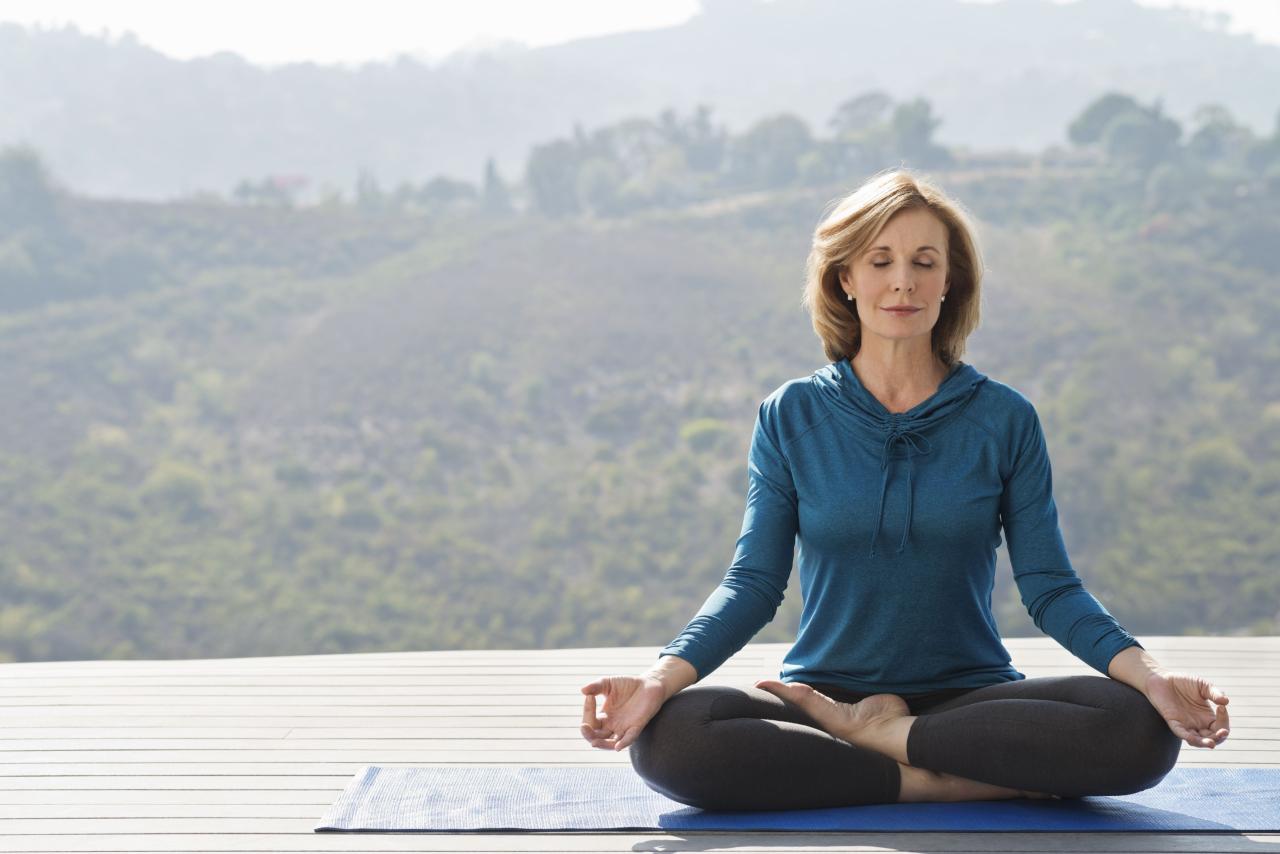
Incorporating meditation into exercise can significantly enhance the overall experience, fostering a deeper connection with your body and mind. This practice allows you to cultivate mindfulness, improve focus, and manage stress, while simultaneously optimizing your physical performance. The following sections detail how to integrate meditation into various forms of exercise.Effective meditation during exercise requires a shift in perspective.
It’s not about stopping the physical activity, but rather about becoming more present in the experience. This presence allows for a richer understanding of your body’s responses and sensations during movement, and it fosters a greater appreciation for the present moment.
Running
Running, a popular form of cardiovascular exercise, can benefit greatly from mindful meditation. By focusing on your breath and the sensations in your body, you can transform a routine activity into a mindful experience. This enhances both physical and mental well-being.
- Focusing on your breath is key. As you run, pay close attention to the rhythm of your inhale and exhale. Notice the sensations of air entering and leaving your lungs, and allow your awareness to rest on the subtle shifts in your body.
- Engage in a body scan. Bring awareness to the sensations in your legs, feet, and core. Notice the subtle tension and release in these areas, observing them without judgment. This fosters a deeper connection with your body’s physical responses.
- Acknowledge your thoughts. As thoughts arise, simply acknowledge their presence without getting caught up in them. Gently redirect your focus back to your breath or the sensations in your body.
Yoga
Yoga provides an ideal platform for integrating meditation. The postures and breathing techniques inherent in yoga create a natural environment for mindfulness. This enhances the physical and mental benefits of the practice.
- Body Scan Meditation during Yoga Poses: Begin by focusing on the sensations in your feet, and gradually move your awareness upwards through your body. Note any tension, discomfort, or relaxation in each part. Release tension as you move through different postures.
- Connecting Breath and Movement: Pay close attention to how your breath influences your movement. Observe how the inhalation and exhalation correlate with the physical effort required in each posture. This synchronicity enhances your mindful connection to the practice.
- Mindful Transitions: During the transitions between poses, maintain a mindful awareness of your body and breath. This fosters a greater sense of presence and control over your body and mind.
Strength Training
Strength training, often viewed as a purely physical activity, can be enhanced through mindful meditation. This approach fosters a deeper connection with the movements and sensations during exercise.
- Focus on Muscle Engagement: As you lift weights, pay attention to the muscles you’re working. Notice the sensations of contraction and release, and focus on the specific muscle group being engaged. This helps you to perform each exercise with greater precision and control.
- Acknowledge the Effort: Observe the physical effort you are exerting during the exercise. Acknowledge the sensations of exertion, strain, and fatigue without judgment. This self-awareness can help you to push your limits while maintaining a sense of control.
- Mindful Rest Periods: Use the rest periods between sets to cultivate mindfulness. Notice the sensations in your body, and focus on your breath. This promotes recovery and reduces feelings of stress.
Mindful Walking
Mindful walking transforms a common activity into a mindful experience. By paying attention to the sensations in your body and your surroundings, you can cultivate a greater sense of presence.
- Awareness of Footfalls: Notice the sensation of each footfall on the ground. Pay attention to the subtle shifts in weight and pressure as you walk. This creates a deeper connection to your physical movement.
- Observation of Surrounding Environment: Pay attention to the sights, sounds, and smells around you. Notice the details of your surroundings without judgment. This anchors you to the present moment.
- Mindful Pace and Rhythm: Maintain a mindful awareness of your walking pace and rhythm. Observe the rhythm of your breath as it relates to your walking pace. This connection promotes a harmonious balance between mind and body.
Techniques for Meditation During Exercise
| Exercise | Meditation Technique | Steps |
|---|---|---|
| Running | Focusing on breath | 1. Inhale deeply; 2. Exhale slowly; 3. Repeat |
| Yoga | Body Scan Meditation | 1. Focus on each body part; 2. Acknowledge sensations; 3. Release tension |
| Strength Training | Focus on muscle engagement | 1. Feel the contraction; 2. Feel the release; 3. Repeat |
| Mindful Walking | Awareness of surroundings | 1. Observe your surroundings; 2. Notice sounds; 3. Acknowledge sensations |
Preparing for Meditation During Exercise
Effective meditation during exercise hinges on careful preparation. A well-structured approach optimizes the experience, fostering deeper connection with the present moment and enhancing the overall exercise routine. Proper preparation sets the stage for a mindful and enriching experience.
Optimal Time of Day
The optimal time for incorporating meditation during exercise is a matter of personal preference and schedule. However, aligning the session with a time when you feel most energized and focused can maximize its benefits. If your energy levels are naturally higher in the morning, integrating meditation during a morning workout can be highly beneficial. Evening workouts paired with meditation can promote relaxation and aid in winding down before sleep.
Ultimately, the best time is when you can consistently dedicate the necessary time and attention.
Mind and Body Preparation
Preparing your mind and body is crucial for a successful meditation session during exercise. Start by ensuring you’re adequately hydrated. A full stomach can impede your comfort and focus during the session. Warm-up exercises prepare your muscles for the activity, reducing the risk of injury and allowing your body to transition smoothly into the meditative state. A mindful warm-up, focusing on the sensations in your body, is a gentle introduction to meditation’s principles.
Proper attire and footwear suitable for your chosen exercise form will ensure comfort and freedom of movement.
Setting Intentions
Setting intentions before starting a meditation session during exercise can significantly enhance its impact. Clearly defining your intention, whether it’s focusing on stress reduction, enhancing concentration, or improving physical endurance, provides a clear direction for the session. A clear intention can serve as a focal point during moments of distraction, keeping your attention grounded. For example, if your intention is to enhance concentration, focus on the present moment and the sensations of your body during the exercise.
Finding a Comfortable Position
Finding a comfortable position is essential for effective meditation during exercise. The position should allow for ease of movement and free breath. A stable and supportive position prevents unnecessary distractions and promotes a deeper connection with your body. For example, in yoga, different poses are designed to improve posture and promote body awareness. Choose a position that allows you to feel balanced and grounded during your exercise routine.
Checklist for Exercise Meditation Preparation
- Ensure adequate hydration.
- Eat a light meal or snack, if needed, avoiding a full stomach.
- Perform a mindful warm-up routine, focusing on body sensations.
- Wear comfortable and appropriate attire and footwear.
- Establish a clear intention for the session.
- Select a comfortable and stable position suitable for the exercise.
Adjusting Technique Based on Exercise Intensity
The intensity of the exercise will influence the meditation technique. During low-intensity activities, a deeper focus on breath awareness and body sensations is possible. High-intensity exercises may require a more focused attention on maintaining the flow of the exercise and connecting with the physical sensations. A shift in the meditation technique, in response to the intensity, keeps the mind focused and enhances the experience.
For example, during a gentle yoga flow, the focus might be on the sensations of each pose, while during a high-intensity interval training (HIIT) workout, the focus might be on the rhythm and flow of the exercise.
Maintaining Focus During Meditation While Exercising
Maintaining focus during exercise meditation can be challenging, as the physical activity and the mental process of meditation often compete for attention. However, with practice and the right techniques, you can effectively manage distractions and cultivate a deeper connection with your inner self during physical activity. Consistent practice can lead to enhanced focus, stress reduction, and a more enriching exercise experience.Maintaining focus requires a conscious effort to direct your attention towards a specific object or sensation, such as your breath.
This involves training your mind to resist distractions and gently redirecting your attention back to the chosen focus whenever your mind wanders. This process, while seemingly simple, requires consistent practice and self-awareness.
Strategies for Maintaining Focus
Consistent practice is key to improving focus during exercise meditation. Strategies for maintaining focus involve recognizing and addressing potential distractions, and developing techniques for redirecting attention back to the breath. This allows you to fully experience the benefits of exercise and meditation.
- Mindful Breathing Techniques: Deep, conscious breathing is fundamental to meditation and exercise. Proper breathing techniques can calm the mind and body, reduce stress, and enhance focus. During exercise, focus on inhaling and exhaling deeply, paying attention to the sensation of the breath entering and leaving your body. This mindful awareness of the breath can help anchor you in the present moment.
- Identifying and Addressing Distractions: Recognize that distractions are a natural part of the process. When your mind wanders, acknowledge the thought without judgment and gently guide your attention back to your chosen focus. Common distractions during exercise meditation can include thoughts about the past, worries about the future, or physical sensations like muscle fatigue. Identifying these distractions helps you approach them with awareness and compassion.
- Progressive Muscle Relaxation: This technique involves consciously tensing and releasing different muscle groups in the body. By focusing on the sensations of tension and relaxation, you can create a sense of calm and stability during exercise. This mindful approach helps to ground you and lessen the tendency for your mind to wander.
Techniques for Managing Distractions
Effective distraction management involves a proactive approach to recognizing potential distractions and developing strategies to counteract them. This proactive approach helps to maintain focus and gain greater control over your mind during exercise meditation.
- Acknowledge and Release: When a thought or sensation arises, acknowledge its presence without judgment. Recognize that the thought is simply passing through your mind. Visualize the thought as a cloud passing across the sky. Gently redirect your attention back to your chosen focus, such as your breath.
- Positive Self-Talk: Positive affirmations can help you maintain focus during exercise meditation. Encourage yourself with supportive and encouraging statements. For example, tell yourself, “I am capable of focusing on my breath,” or “My mind is calm and present.” This practice reinforces a positive mental attitude and reduces the impact of negative thoughts.
Importance of Breathing Techniques
Breathing plays a vital role in both exercise and meditation. Effective breathing techniques can calm the mind and enhance focus. During exercise, proper breathing can help regulate energy levels and maintain stamina.
“Mindful breathing is a powerful tool for managing stress and enhancing focus during exercise meditation.”
Proper breathing during exercise meditation helps regulate your energy levels and maintain your focus. It provides a powerful anchor to the present moment, enabling you to experience both the physical and mental benefits of the activity.
Redirecting Attention to the Breath
Redirecting attention back to the breath is a crucial aspect of maintaining focus during exercise meditation. Regular practice of this technique can help develop mental discipline and increase self-awareness.
- Gentle Return: When your mind wanders, gently redirect your attention back to the sensation of your breath. Notice the rise and fall of your chest or abdomen, the air entering and leaving your nostrils. Don’t judge yourself for the wandering mind, simply return your focus.
Importance of Self-Compassion
Self-compassion is crucial for maintaining focus during exercise meditation. Recognize that distractions are normal and that your mind will wander. Treat yourself with kindness and understanding.
- Self-Kindness: Acknowledge that you are human and that your mind will naturally wander. Avoid harsh self-criticism. Treat yourself with the same kindness and understanding you would offer a friend facing a similar challenge. Remind yourself that focus is a skill that improves with practice.
Examples of Positive Self-Talk
Positive self-talk can significantly improve focus during exercise meditation. Choose statements that are encouraging and supportive.
- Examples: “I am capable of focusing on my breath,” “I am strong and resilient,” “This is a good opportunity to practice self-awareness,” “My mind is calm and present,” and “I am enjoying this exercise.” These positive affirmations can help you stay focused and motivated.
Integrating Meditation into Different Exercise Environments
Integrating meditation into your exercise routine can significantly enhance your overall well-being and experience. This process is highly adaptable to various settings, from the tranquil outdoors to the bustling gym. Understanding the nuances of each environment is key to maximizing the benefits of this integrated practice.
Meditating Outdoors
The natural environment offers a unique opportunity for mindful exercise. Outdoor spaces, filled with the sounds of nature, can be profoundly calming. Engaging in meditation during outdoor exercise allows you to connect with the surrounding environment, fostering a sense of peace and grounding. Finding a quiet spot, away from distractions, is crucial for optimal results. This could be a secluded park bench, a shaded grove, or a trail less travelled.
Focus on the sights, sounds, and sensations of the environment. Feel the wind in your hair, the sun on your skin, and listen to the chirping of birds. This heightened awareness of the natural world can deepen your meditation and enhance your appreciation for the beauty of nature.
Meditating in a Gym
While the gym might seem an unlikely place for meditation, incorporating it into your workout can be highly beneficial. The structured environment and readily available equipment can facilitate a focused practice. The controlled setting of a gym offers an opportunity for routine and structure, which can support your meditative focus. To maximize your experience, choose a quieter time of day, or a less populated area within the gym.
Consider utilizing a treadmill or stationary bike for a structured activity while simultaneously practicing meditation. Maintain a steady pace and rhythm, syncing your breathing with your movement. Be mindful of the equipment and surroundings to avoid distractions and injuries.
Finding a Quiet Space for Exercise Meditation
Quiet spaces are essential for effective meditation, regardless of the environment. Whether outdoors or in a gym, finding a quiet space, free from distractions, is critical. This quiet space allows you to focus on your breath and your internal state without external interruptions. It could be a corner of the gym away from the crowds, a peaceful spot in the park, or even a dedicated meditation room.
Finding your own personal sanctuary during your workout will allow you to fully immerse yourself in the practice. If the space you choose isn’t naturally quiet, consider using noise-canceling headphones or calming music.
Incorporating Meditation into Group Exercise Classes
Group exercise classes offer a social aspect to your workouts, but can also provide a conducive environment for incorporating meditation. Many instructors incorporate brief meditation exercises into their classes to improve focus, reduce stress, and increase overall well-being. This integration fosters a sense of community and shared experience. Find classes that offer a blend of physical activity and mindfulness practices.
Meditation during group exercise can provide a shared space for connection and relaxation, creating a sense of harmony between the physical and mental.
Comparing Meditation Effectiveness Across Environments
The effectiveness of meditation during exercise varies depending on the setting. While the tranquil outdoors can provide a profound sense of peace and connection, the gym environment might present more challenges due to noise and crowds. However, both environments can offer unique advantages. The table below summarizes the potential benefits and challenges of meditating in different exercise settings.
| Environment | Advantages | Challenges |
|---|---|---|
| Outdoors | Fresh air, nature’s sounds, increased connection with nature, potential for profound relaxation. | Distractions from the environment (e.g., other people, loud noises, weather changes). |
| Gym | Structured environment, equipment for specific workouts, potentially a scheduled quiet time. | Noise, crowds, potential distractions from equipment and other users. |
Troubleshooting Common Challenges During Meditation and Exercise
Integrating meditation into exercise routines can be a rewarding experience, but challenges are inevitable. This section details strategies to address common obstacles, fostering a more consistent and enjoyable meditative practice during physical activity.
Restlessness During Meditation
Restlessness during meditation, particularly during exercise, is a common experience. It often stems from a disconnect between the mind’s desire for stillness and the body’s physical energy. Acknowledging this disconnect and adopting strategies to redirect focus are crucial. Techniques such as focusing on the breath, a specific body part, or a mantra can anchor the mind and gradually reduce restlessness.
Furthermore, gentle body movements, like stretching or light walking, can subtly release pent-up energy without disrupting the meditative state. Consistent practice helps develop the capacity to observe and redirect wandering thoughts, fostering a stronger connection between the mind and body.
Coping with Physical Discomfort During Exercise Meditation
Physical discomfort, such as muscle soreness or fatigue, can disrupt the meditative state. It’s essential to acknowledge discomfort without judgment. Techniques such as mindful awareness of the sensations, focusing on the breath, or adjusting the exercise intensity can facilitate a more comfortable experience. It’s crucial to understand that discomfort is often temporary and that the body can adapt.
Listening to the body’s signals and making adjustments are critical to maintaining a balanced and sustainable practice. If discomfort persists, it is important to modify or pause the meditation exercise.
Managing Thoughts During Meditation
Thoughts are a natural part of the human experience, and they will inevitably arise during meditation, even during exercise. The key is not to resist these thoughts, but rather to observe them without judgment. Imagine thoughts as clouds passing through the sky; acknowledge their presence, and gently redirect the focus back to the chosen point of attention. Techniques such as focusing on the breath or a mantra can aid in this process.
This approach of non-judgmental observation fosters mental clarity and reduces the tendency to get caught up in the narrative of thoughts.
Overcoming Boredom During Extended Meditation Periods
Boredom during extended meditation periods, particularly during exercise, can be a significant hurdle. To combat boredom, consider incorporating variations in the exercise or meditation technique. Varying the pace, intensity, or focus of the exercise can introduce novelty and prevent monotony. Alternatively, explore different meditation techniques, such as visualization or body scans. Progressive deepening of focus during meditation is a key component of cultivating mindful awareness.
Furthermore, setting realistic goals and breaking down extended periods into smaller, manageable segments can increase motivation and prevent discouragement.
Common Obstacles to Incorporating Meditation During Exercise and How to Address Them
Integrating meditation into an exercise routine presents certain obstacles. Lack of time, limited awareness, or difficulty finding a suitable environment are common examples. Time management strategies, such as scheduling short meditation sessions throughout the day, can be helpful. Building awareness through consistent practice and seeking supportive resources, like guided meditation apps or groups, can alleviate difficulties. Finding a quiet and comfortable environment for meditation is crucial.
If a suitable environment is not available, explore alternative approaches, such as focusing on the breath or a mantra while exercising outdoors or in a public space.
Addressing Time Constraints
Time constraints can be a significant barrier to incorporating meditation during exercise. One approach is to dedicate short, focused meditation periods to your routine. Even five to ten minutes of mindful movement can significantly enhance your experience. Consider incorporating meditation during warm-up or cool-down periods of exercise. These short periods can be remarkably effective in cultivating mindfulness and reducing stress.
Advanced Techniques and Considerations
Embarking on a journey of meditation during exercise requires a deeper understanding of advanced techniques. Beyond the foundational principles, exploring guided imagery, music selection, visualization, and mantra use can elevate your practice and deepen its impact. Furthermore, integrating progressive muscle relaxation and prioritizing post-exercise recovery are crucial for long-term benefits.This exploration delves into these advanced aspects, offering a nuanced understanding of how to enhance your exercise meditation experience.
Guided Meditation During Exercise
Guided meditations offer a structured approach to focus during exercise. A skilled guide’s voice can provide a calming presence, helping you navigate the physical demands of your workout while maintaining mental clarity. This external guidance can be particularly beneficial for beginners, facilitating a smoother transition into the practice.
Role of Music in Enhancing Exercise Meditation
Music plays a significant role in enhancing the meditative state during exercise. Appropriate music selection can influence your mood, energy levels, and focus. Motivational music can inspire and energize during workouts, while calming music can induce a more tranquil state, suitable for mindful movements.
Visualization Techniques in Exercise Meditation
Visualization techniques can further enhance the meditative experience during exercise. By visualizing serene environments, successful outcomes, or positive affirmations, you can maintain focus and cultivate a more positive mindset. This technique can also be employed to visualize the ideal form during physical activities. This mental imagery can support physical coordination and technique.
Examples of Mantras During Exercise Meditation
Mantras are repeated sounds or phrases that can aid in concentration during exercise. Simple mantras like “peace,” “strength,” or “balance” can be effectively used to ground your awareness and sustain focus. More complex mantras or affirmations can further personalize your practice. For example, repeating “I am strong” during a challenging workout can enhance resilience and determination.
Importance of Rest and Recovery After Exercise Meditation
Adequate rest and recovery after exercise meditation are paramount. Your body requires time to replenish its energy stores and repair any micro-tears in muscles. Rest allows your mind to process the experience, facilitating the integration of the meditative practice into your daily life. Sufficient rest promotes physical and mental restoration, essential for optimal well-being.
Progressive Muscle Relaxation Techniques in Exercise Meditation
Progressive muscle relaxation (PMR) techniques can be seamlessly integrated into exercise meditation. This involves tensing and releasing different muscle groups, bringing awareness to physical sensations and promoting a sense of calm. As you move through your workout, incorporating PMR can enhance your mindfulness of your body’s response to physical exertion. This process can reduce stress and anxiety associated with exercise.
Summary
In conclusion, integrating meditation into your exercise routine can significantly improve your overall well-being. This guide provides a roadmap for incorporating meditation into different types of workouts, environments, and levels of experience. By understanding the techniques, preparation, and strategies for maintaining focus, you can unlock the full potential of exercise and meditation for a healthier, more balanced lifestyle.