Athletes consistently strive for peak performance, seeking every edge to elevate their game. This guide delves into the powerful practice of meditation, exploring how it can significantly enhance focus and concentration on the field, court, or track. From understanding the various types of meditation to practical applications and overcoming common challenges, we’ll provide a comprehensive roadmap to integrating meditation into your athletic routine.
This comprehensive resource examines the benefits of meditation for athletes, offering a clear explanation of how different meditation techniques can be utilized to enhance focus, manage stress, and ultimately, optimize athletic performance. We will explore methods for incorporating meditation into pre-game, training, and post-game routines, providing practical steps and adaptable strategies for individuals and teams.
Introduction to Meditation for Sports Focus
Meditation, a practice rooted in ancient traditions, has gained significant traction in modern sports performance enhancement. It offers athletes a powerful tool to cultivate focus, manage stress, and improve overall well-being, contributing to better athletic outcomes. The benefits extend beyond mental acuity, affecting physical resilience and emotional regulation crucial for peak performance.The integration of meditation into sports training programs is not a new phenomenon.
Historically, athletes in various cultures have used meditative practices to enhance their concentration and mental fortitude. From ancient yogic traditions to contemporary mindfulness exercises, the core principles of meditation have been instrumental in optimizing athletic performance across different eras and disciplines. This exploration delves into the diverse types of meditation and their applications in the realm of sports.
Different Types of Meditation Suitable for Athletes
Meditation encompasses a wide spectrum of techniques, each offering unique benefits. Understanding these variations can help athletes choose the style best suited to their individual needs and goals. Different forms of meditation target specific aspects of mental and emotional regulation.
Meditation Techniques for Sports Focus
Various meditation techniques can be instrumental in enhancing focus and performance in sports. Choosing the right technique is crucial for optimal results. A comparison of key meditation methods is presented below.
| Technique | Description | Benefits | Challenges |
|---|---|---|---|
| Mindfulness Meditation | This technique involves focusing on the present moment without judgment. Athletes cultivate awareness of their thoughts, feelings, and bodily sensations, allowing them to observe these without getting caught up in them. It involves paying attention to sensations like breathing, body posture, and sounds around them. | Improved attention span, reduced stress, enhanced self-awareness, and increased emotional regulation. Mindfulness helps athletes stay grounded and composed under pressure. | Requires consistent practice to develop a mindful state. Maintaining focus on the present moment can be challenging, particularly during intense competition. |
| Focused Attention Meditation | This technique involves concentrating on a single point of focus, such as the breath, a mantra, or a visual image. Athletes cultivate sustained concentration and mental clarity. | Improved concentration, enhanced attention, and reduced mental chatter. This is valuable for athletes needing to focus on specific tasks or strategies. | Maintaining focus can be difficult, especially when dealing with distractions or pressure. A strong sense of discipline and consistent practice are essential. |
| Loving-Kindness Meditation | This technique involves cultivating feelings of love, compassion, and kindness toward oneself and others. Athletes cultivate a sense of interconnectedness and emotional balance. | Improved emotional regulation, reduced anxiety, increased empathy, and a greater sense of well-being. It fosters positive relationships and reduces stress. | Developing genuine feelings of compassion and kindness can be challenging, particularly when facing personal struggles or competition-related stress. Consistent practice is necessary to cultivate these feelings. |
Methods for Practicing Meditation in Sports
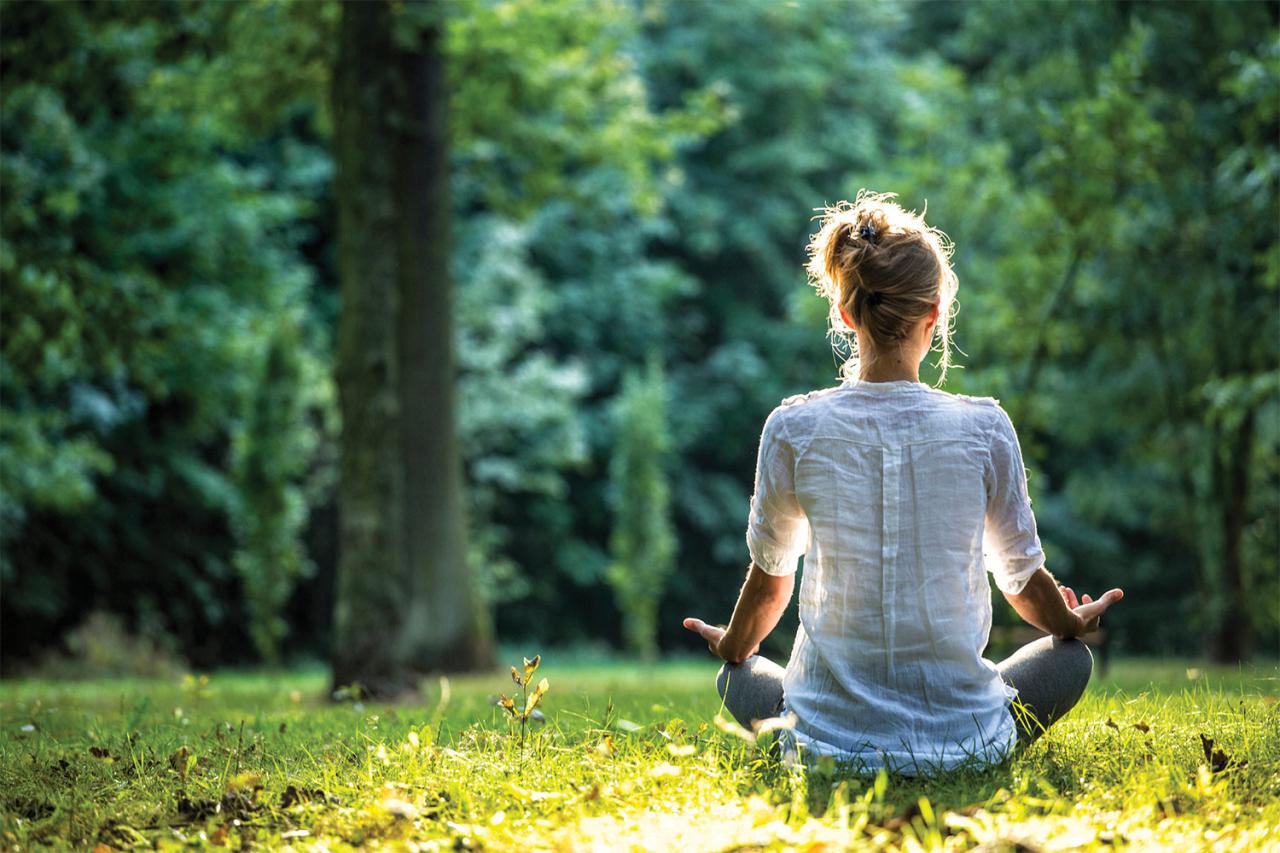
Integrating meditation into a sports routine can significantly enhance focus, resilience, and overall performance. This approach fosters mental clarity, allowing athletes to better manage pressure and maintain composure during demanding situations. By understanding various methods for incorporating meditation, athletes can personalize their practice for optimal results.Effective meditation techniques can improve mental toughness and self-awareness, contributing to better decision-making and stress management during competition.
Furthermore, consistent practice can enhance emotional regulation, allowing athletes to handle setbacks and maintain a positive mindset, regardless of the outcome.
Pre-Game Meditation Routines
Pre-game meditation routines are crucial for setting a focused and composed mental state. These practices are designed to calm the mind, reduce anxiety, and enhance concentration before competition. A well-structured pre-game routine provides athletes with a mental anchor, ensuring they are ready to perform at their best.
- Mindfulness-Based Breathing: This method involves focusing on the natural rhythm of the breath. By observing the sensation of inhaling and exhaling, athletes can anchor themselves in the present moment, reducing racing thoughts and promoting a sense of calm. This technique can be practiced in any environment, making it adaptable to pre-game settings.
- Guided Imagery: This technique involves visualizing a successful performance. Athletes can visualize themselves executing key plays or overcoming challenges, reinforcing positive mental imagery and boosting confidence. This practice can be customized to the specific needs and challenges of each sport, allowing for targeted mental preparation.
- Body Scan Meditation: This technique involves systematically bringing awareness to different parts of the body, noticing any tension or discomfort and releasing it. By focusing on physical sensations, athletes can identify and manage pre-game anxiety or physical tension. This process fosters a deep connection between mind and body, promoting relaxation and focus.
Integrating Meditation into Training Schedules
Incorporating meditation into training schedules can significantly improve athletic performance. This practice enhances mental focus, reduces stress, and promotes recovery, ultimately contributing to better performance. Scheduling meditation sessions within training regimens can improve the overall athlete experience.
- Morning Meditation: A morning meditation session can set a positive tone for the entire day. This practice helps athletes cultivate a calm and focused state of mind, promoting optimal cognitive function throughout the training session.
- Post-Workout Meditation: Following a workout, meditation can facilitate muscle recovery and reduce post-exercise soreness. This technique encourages relaxation and promotes a sense of calm, aiding in the recovery process and preventing overtraining.
- Incorporating Meditation Breaks: Short meditation breaks throughout training can help athletes maintain focus and avoid mental fatigue. These breaks provide a moment of respite, allowing athletes to refresh their minds and return to training with renewed energy and attention.
Adapting Meditation for Different Sports and Needs
Meditation practices can be tailored to suit the unique demands and requirements of various sports. The intensity and duration of meditation can be adjusted to match the individual needs and preferences of each athlete. This customization is essential for maximizing the benefits of meditation.
- High-Intensity Sports: Athletes in high-intensity sports might benefit from shorter, more focused meditation sessions, emphasizing mindfulness and concentration. This approach helps maintain a clear mental state during intense competition.
- Endurance Sports: For endurance athletes, meditation practices can promote mental resilience and manage the mental fatigue associated with prolonged physical exertion. This can involve practices like loving-kindness meditation to cultivate emotional well-being.
- Individual Needs: Athletes should adapt their meditation practices to their specific needs. Individual preferences and sensitivities should be considered to create a tailored practice that enhances performance and well-being.
Step-by-Step Guide to Pre/Post-Workout Meditation
This guide Artikels a step-by-step process for incorporating meditation into pre- and post-workout routines.
- Find a Quiet Space: Choose a quiet and comfortable environment free from distractions. This could be a dedicated meditation room or even a corner of your home.
- Assume a Comfortable Posture: Sit or lie down in a relaxed position, ensuring your spine is straight but not rigid.
- Focus on Your Breath: Bring your attention to the sensation of your breath entering and leaving your body. Notice the rise and fall of your chest or abdomen.
- Acknowledge Thoughts: Recognize thoughts as they arise without judgment. Gently redirect your attention back to your breath.
- Continue for Desired Duration: Continue the practice for the specified duration.
Meditation Durations for Pre-Game, Post-Game, and In-Game
| Scenario | Duration (minutes) | Description |
|---|---|---|
| Pre-Game | 5-15 | Focus on mindfulness and calming the mind before competition. |
| Post-Game | 5-10 | Reflect on the performance, and promote recovery. |
| In-Game | Short, 1-2 minutes | Brief moments for regaining focus during breaks or timeouts. |
Mental Strategies for Sports Meditation
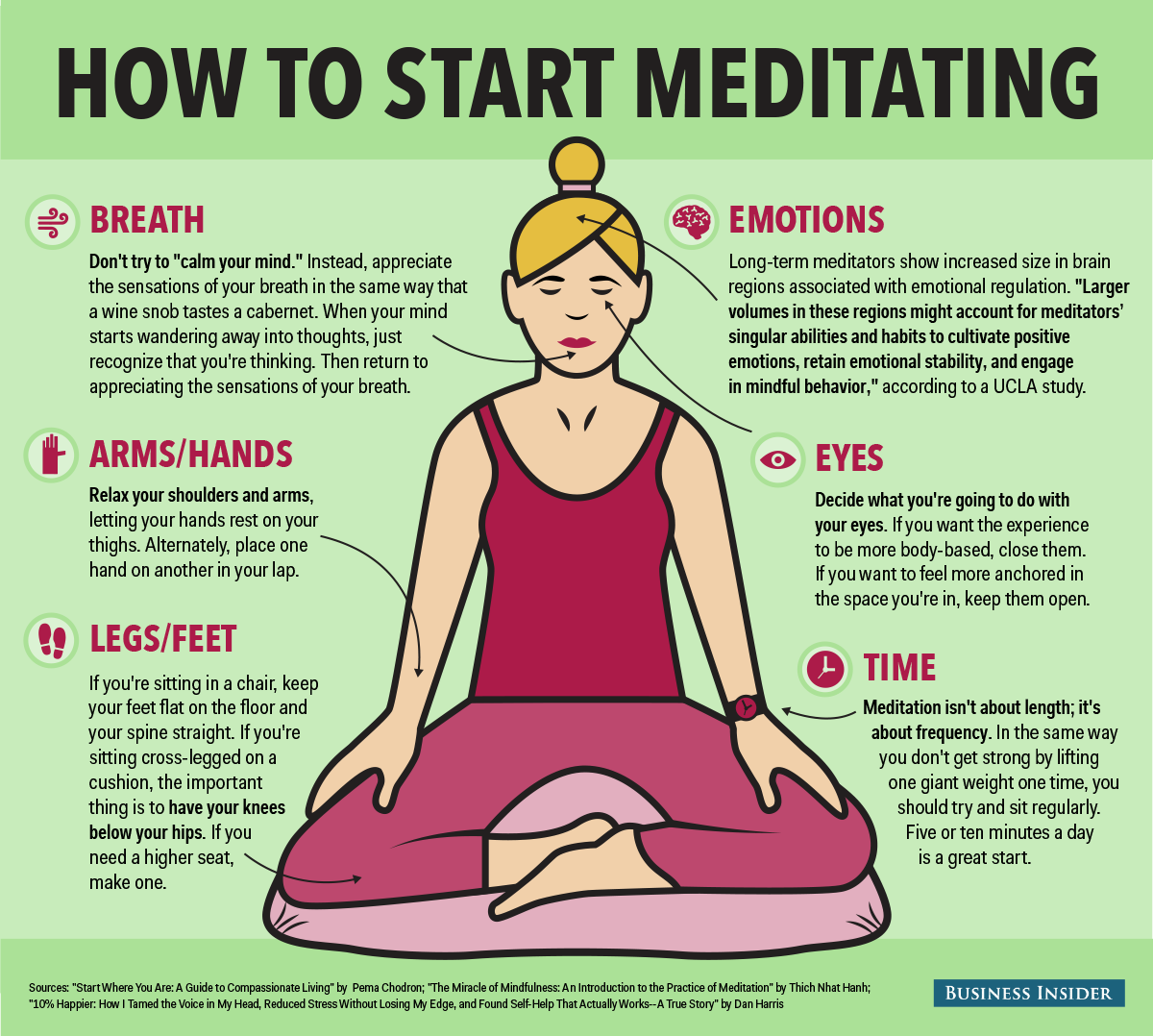
Cultivating mental focus and resilience is crucial for optimal athletic performance. Meditation provides a powerful tool to manage the mental landscape of competition, allowing athletes to navigate distractions and anxieties effectively. By incorporating specific mental strategies into their meditation practice, athletes can enhance their performance and achieve peak mental states.Effective meditation for sports performance involves not only the physical practice but also a conscious engagement with the mental processes.
This includes identifying and addressing common mental distractions, developing strategies for stress management, and utilizing visualization techniques to enhance performance. These strategies can be integrated into existing meditation routines to create a holistic approach to mental wellness and peak performance.
Common Mental Distractions in Athletes
Athletes face a multitude of distractions during competition, ranging from external factors like crowd noise and opponent strategies to internal factors like self-doubt and fear of failure. These distractions can disrupt focus and negatively impact performance. Recognizing these distractions is the first step towards mitigating their impact.
- External Distractions: Crowd noise, opponent movements, referee decisions, and environmental factors can all act as potent distractions. For instance, a loud cheer from the crowd might disrupt a crucial moment in a game.
- Internal Distractions: Self-doubt, fear of failure, anxiety, and racing thoughts are significant internal distractions that can significantly impact performance. A player might doubt their ability to execute a crucial play, leading to hesitation and poor execution.
Overcoming Mental Distractions During Meditation
Addressing mental distractions during meditation involves actively acknowledging and redirecting the mind. Techniques like mindfulness meditation, which involves focusing on the present moment, can help athletes cultivate a heightened awareness of distractions and detach from their influence.
- Mindfulness Meditation: By focusing on the present moment, athletes can observe their thoughts and feelings without judgment, allowing them to detach from the distracting thoughts and return their attention to the task at hand.
- Cognitive Restructuring: This technique involves identifying negative or unhelpful thoughts and replacing them with more positive and realistic ones. For example, if an athlete is plagued by self-doubt, they can actively reframe their thoughts to focus on past successes and their ability to perform.
Managing Stress and Anxiety Before and During Competitions
Stress and anxiety are common among athletes, often leading to decreased performance and increased susceptibility to errors. Meditation provides powerful tools to manage these emotions.
- Progressive Muscle Relaxation: This technique involves systematically tensing and releasing different muscle groups, promoting physical relaxation and reducing tension that contributes to anxiety.
- Deep Breathing Exercises: Deep, controlled breathing can calm the nervous system and regulate the body’s response to stress. This technique is particularly useful in moments of high tension during a competition.
Comparing Mindfulness-Based Stress Reduction with Other Meditation Approaches
Mindfulness-based stress reduction (MBSR) emphasizes present-moment awareness and non-judgmental observation of thoughts and feelings. Other meditation approaches, like Transcendental Meditation (TM), focus on achieving a state of deep relaxation and transcendence. Each approach offers unique benefits, but the principles of cultivating mental clarity and emotional regulation are shared.
Utilizing Visualization During Meditation for Performance Enhancement
Visualization, a powerful mental imagery technique, can be integrated into meditation to enhance athletic performance. This involves mentally rehearsing successful performances, visualizing positive outcomes, and mentally preparing for challenges.
- Mental Rehearsal: Mentally practicing specific movements or strategies can improve motor skills and reduce anxiety. Visualizing a successful free throw, for example, can boost confidence and reduce performance anxiety.
- Positive Visualization: Visualizing positive outcomes and desired performances can build confidence and motivation. This can include visualizing a win or a successful game plan.
Practical Application and Examples
Applying meditation techniques to enhance focus in sports requires a practical approach. This section details real-world examples, case studies, and strategies for incorporating meditation into athletic training programs, highlighting the role of coaches in supporting athletes’ practice.Athletes across various disciplines have recognized the benefits of meditation for mental acuity and performance enhancement. These examples demonstrate the efficacy of incorporating these techniques into training routines.
Real-World Examples of Athletes Using Meditation
Many professional athletes incorporate meditation into their pre-game routines. For instance, some golfers use mindfulness exercises to maintain focus during critical moments of the game, while basketball players employ meditation to manage anxiety and maintain concentration throughout the entire game. Similarly, elite swimmers utilize visualization and focused breathing techniques to enhance their mental strength and maintain peak performance.
These examples showcase the adaptable nature of meditation practices in diverse sports.
Case Studies Demonstrating the Effectiveness of Meditation
Numerous case studies have examined the impact of meditation on athletic performance. One notable study on tennis players showed a significant improvement in their serve accuracy and overall court strategy after integrating meditation into their training. Similarly, a study involving football players revealed a reduction in pre-game anxiety and an increase in decision-making speed following a structured meditation program.
These studies highlight the measurable positive effects of meditation on athletic performance.
Incorporating Meditation into a Sports Team’s Training Program
Integrating meditation into a sports team’s training program can be achieved gradually. A team could start with brief mindfulness exercises during warm-up sessions. These sessions can progress to longer guided meditation practices during downtime. Regularity is crucial. Consistency is key for optimal results.
The Role of Coaches in Supporting Athletes’ Meditation Practices
Coaches play a vital role in supporting athletes’ meditation practices. Coaches can provide resources and encouragement, create a supportive environment for meditation, and educate athletes on the benefits of mindfulness. Furthermore, coaches can integrate mindfulness into pre-game and post-game strategies, fostering a holistic approach to athlete development. Coaches can act as mentors, guiding athletes through their meditation journeys.
Potential Improvements in Various Sports Due to Meditation
| Sport | Potential Improvements |
|---|---|
| Basketball | Improved focus during gameplay, enhanced decision-making, reduced pre-game anxiety, and improved shooting accuracy. |
| Football | Enhanced concentration during plays, improved reaction time, decreased pre-game tension, and improved strategic thinking. |
| Tennis | Improved focus during rallies, enhanced serve accuracy, improved court strategy, and reduced anxiety during critical points. |
| Swimming | Enhanced focus during races, improved stroke technique, reduced pre-race anxiety, and improved mental resilience. |
Maintaining Consistency and Adapting Practices
Consistency in meditation practice, like any new habit, requires mindful planning and adaptation. Establishing a routine and adjusting techniques to fit individual needs is key to long-term success in incorporating meditation into an athlete’s life. This process allows for sustained benefits in focus and mental resilience.Adapting meditation techniques is essential for athletes to maintain their progress and experience continued growth in mental fortitude.
It’s not about finding a “one-size-fits-all” approach but rather tailoring the practice to their unique needs, circumstances, and progress. This approach ensures the practice remains relevant and effective.
Strategies for Maintaining Consistency
Consistency in meditation practice requires deliberate scheduling and integration into daily routines. This proactive approach ensures that the practice becomes a natural part of the athlete’s lifestyle. Building a routine around existing commitments and schedules is crucial. For example, athletes could dedicate 15 minutes each morning before their training session or during their lunch break.
- Establishing a dedicated time and space. Scheduling meditation time as a non-negotiable appointment can make it a priority. This allocated time should be free from distractions, creating a sanctuary for mental focus.
- Pairing meditation with existing routines. Linking meditation to existing routines, such as before or after training, helps create an automatic trigger for the practice. For instance, an athlete might practice mindfulness before their warm-up routine, creating a smooth transition into their training.
- Seeking support and accountability. Sharing the commitment with a friend, family member, or coach can provide encouragement and motivation to maintain consistency. This shared goal can make the practice more enjoyable and sustainable.
Adapting Meditation Techniques
Recognizing individual needs and progress is crucial for adapting meditation techniques. Different meditation techniques suit different individuals and situations. For instance, a beginner might find guided meditation more helpful, while an experienced meditator might prefer silent introspection.
- Adjusting technique based on progress. As athletes progress, they may need to adjust the type or complexity of the meditation practice. For example, someone initially comfortable with guided imagery might later shift to more focused attention or mindful movement meditation.
- Incorporating diverse techniques. Experimenting with different meditation techniques, such as loving-kindness meditation or body scan meditation, can enhance the overall practice and target specific needs, like stress reduction or improved focus.
- Listening to the body’s cues. Athletes should pay attention to how their body reacts to different meditation techniques. If a particular technique is causing discomfort or stress, it should be adjusted or replaced. This personalized approach allows the practice to remain a positive and supportive experience.
Adjusting Duration and Frequency
The duration and frequency of meditation should be adaptable based on training demands and personal progress. A highly demanding training schedule might necessitate adjusting meditation sessions, ensuring they don’t compromise performance or recovery.
- Adjusting session length according to schedule. Athletes should adjust the duration of their meditation sessions based on their training load and schedule. Shorter sessions can be effective if they’re consistent, while longer sessions can be scheduled on less demanding days.
- Maintaining frequency despite training intensity. Even with a high training volume, athletes should strive to maintain a consistent meditation frequency. Short, daily sessions can be more beneficial than infrequent, lengthy sessions.
- Prioritizing recovery and avoiding overtraining. Meditation should be seen as a tool to enhance recovery and well-being. Overtraining can negatively impact mental and physical health. The athlete should prioritize proper rest and recovery, ensuring meditation does not exacerbate fatigue.
Integrating Meditation into Lifestyle
Integrating meditation into an athlete’s daily life requires careful planning and consistent effort. It can be incorporated into various parts of the day, ensuring it becomes a natural part of their routine.
- Using meditation during travel or downtime. Meditation can be practiced during commutes, travel time, or downtime, offering moments of mental clarity and stress reduction.
- Combining meditation with other self-care practices. Meditation can be integrated with other self-care practices, such as healthy eating, sufficient sleep, and regular exercise, to create a holistic approach to well-being.
- Making meditation a part of pre-game or pre-competition routines. Incorporating meditation into pre-game or pre-competition routines can help athletes center themselves, reduce anxiety, and improve focus.
“Meditation is a journey, not a destination.”
Troubleshooting Common Challenges
Maintaining a consistent meditation practice, especially within the demanding context of athletic training, can present various hurdles. Understanding these challenges and developing strategies to overcome them is crucial for reaping the full benefits of meditation for sports focus. This section explores common obstacles athletes may encounter and provides practical solutions for navigating these difficulties.Addressing challenges head-on fosters a stronger, more resilient practice, ultimately enhancing athletic performance and well-being.
Identifying Potential Challenges
Athletes face a diverse range of challenges when integrating meditation into their routines. These may stem from pre-existing mental health conditions, time constraints, or a lack of understanding regarding the process. In some cases, individuals may find it difficult to quiet the mind or maintain focus during practice.
Strategies for Overcoming Obstacles
Consistency is key in cultivating any positive habit, and meditation is no exception. Establishing a dedicated time and space for practice, regardless of schedule demands, is paramount. This dedicated time can be a critical factor in developing the mental discipline necessary for success in sports. Creating a routine, like any other habit, will require consistent effort and dedication.
- Time Management: Scheduling meditation sessions as part of a daily or weekly routine, even if it’s just for 5-10 minutes, can significantly enhance consistency. Consider incorporating meditation into existing routines, such as before bed or during a pre-practice warm-up. The crucial element is to ensure that the meditation time is scheduled and adhered to as much as possible.
- Mental Distractions: Athletes often encounter a constant barrage of thoughts related to training, competition, or personal life. Techniques such as focusing on the breath or a specific mantra can help redirect attention and reduce mental chatter. Practicing mindfulness in daily activities, such as eating or walking, can also enhance the ability to stay present in meditation.
- Resistance to Change: Some athletes may resist incorporating meditation due to preconceived notions or a lack of understanding of its benefits. Open communication with coaches, teammates, or mental health professionals can facilitate a supportive environment and foster a better understanding of meditation’s potential benefits.
Addressing Difficulties in Focusing
Maintaining focus during meditation, particularly for athletes with heightened levels of activity and stress, can be challenging. This difficulty is not unique to athletes and is something that anyone can experience during meditation practice.
- Mind Wandering: When the mind wanders, gently redirect attention back to the chosen focus, whether it’s the breath, a mantra, or a visualization. Acknowledge the wandering thought without judgment and return to the chosen point of focus.
- Physical Discomfort: Adjusting posture or finding a more comfortable position can mitigate physical discomfort. If discomfort persists, consider practicing in a different environment or altering the posture slightly. Maintaining a relaxed and comfortable posture is essential for focusing during meditation.
- Lack of Patience: Achieving focus takes time and practice. Avoid frustration if initial sessions are less focused. Patience and persistence are crucial for developing the skill of maintaining concentration.
Adjusting Techniques for Different Preferences
Different individuals respond better to various meditation techniques. Tailoring techniques to individual preferences and needs is crucial for fostering a positive experience.
- Guided Meditation: Guided meditations provide structure and direction, making them particularly helpful for beginners or individuals struggling to maintain focus. Guided meditations are particularly useful for those who find it difficult to focus without external guidance.
- Mindfulness Meditation: Focus on the present moment, observing thoughts and feelings without judgment. This approach can be beneficial for athletes seeking to reduce stress and enhance awareness. Mindfulness meditation encourages a non-judgmental awareness of thoughts and sensations.
- Movement Meditation: Incorporating gentle movement, such as walking or Tai Chi, can be beneficial for those who find traditional seated meditation challenging. This approach can be particularly useful for athletes who prefer a more active form of meditation.
Overcoming Resistance to Meditation
Resistance to incorporating meditation into a sports routine can stem from various factors, including a lack of understanding, perceived time constraints, or a general reluctance to try new approaches.
- Seeking Support: Connect with coaches, teammates, or mental health professionals who can offer encouragement and guidance. Creating a supportive environment can make a significant difference in adopting a new practice.
- Starting Small: Begin with short meditation sessions and gradually increase the duration as comfort and focus develop. Building a habit gradually is key to making it sustainable.
- Focusing on Benefits: Highlight the potential benefits of meditation for improved focus, stress management, and overall well-being. Understanding the potential benefits of meditation can motivate athletes to overcome initial resistance.
Ending Remarks
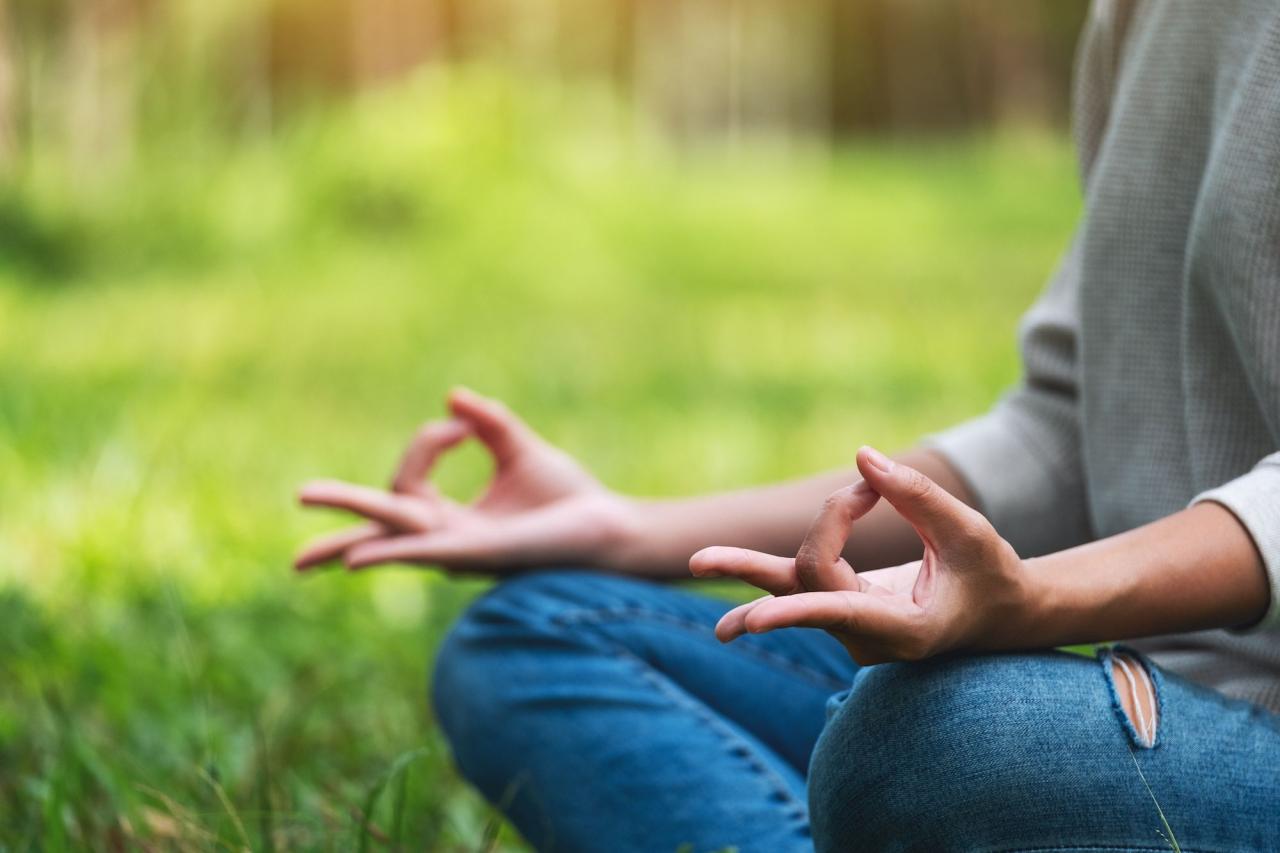
In conclusion, this exploration of meditation for sports focus reveals a powerful synergy between mental discipline and physical prowess. By understanding the diverse applications of meditation and implementing practical strategies, athletes can cultivate a heightened sense of focus, resilience, and overall performance. We’ve presented a practical guide to help you navigate the process of incorporating meditation into your athletic journey, empowering you to unlock your full potential.