Unlocking peak performance begins with a calm mind. This comprehensive guide delves into the art of pre-workout meditation, exploring its profound impact on physical and mental well-being. Discover how integrating mindful practices can enhance focus, reduce anxiety, and optimize your workout experience.
From simple breathing techniques to guided imagery, this resource provides a practical roadmap for incorporating meditation into your routine. Learn how to create a supportive environment, master various meditation styles, and progressively integrate this powerful tool for improved athletic performance.
Introduction to Pre-Workout Meditation
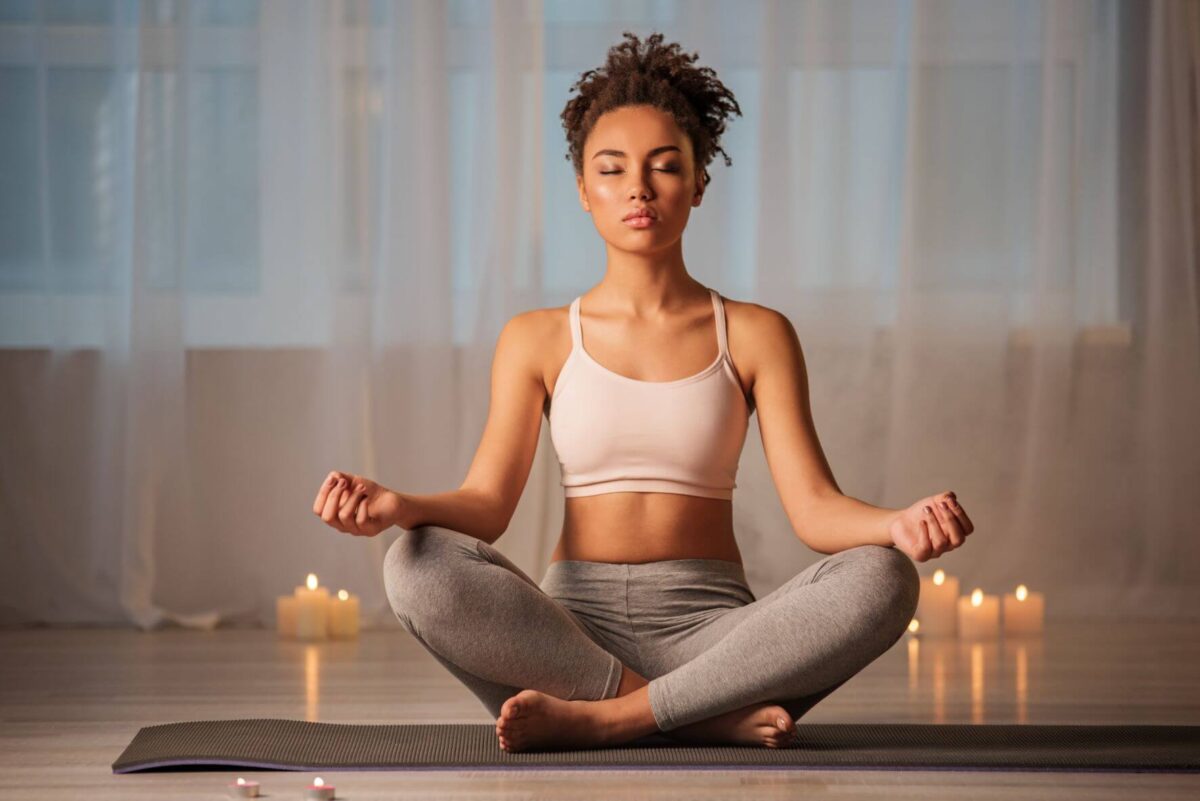
Pre-workout meditation offers a powerful pathway to enhance your physical and mental performance. By calming the mind and focusing the body, you can improve focus, reduce anxiety, and optimize your body’s response to exercise. This translates into a more effective and enjoyable workout experience. Furthermore, the practice fosters a deeper connection between your mind and body, leading to a greater sense of well-being.Meditation before exercise isn’t just about relaxation; it’s a strategic preparation that prepares the body and mind for peak performance.
By cultivating a state of mental clarity and emotional stability, you lay the groundwork for a more effective and fulfilling workout. This proactive approach can help you push your limits and achieve your fitness goals.
Different Meditation Styles for Pre-Workout
Meditation encompasses various techniques, each offering unique benefits. Choosing the right style for your pre-workout routine can significantly impact your experience. The key is finding a practice that resonates with you and allows you to effectively calm your mind before engaging in physical activity.
- Mindfulness Meditation: This approach focuses on present-moment awareness. By paying attention to your breath, body sensations, and thoughts without judgment, you cultivate a sense of calm and centeredness. This technique can help you stay grounded during your workout, preventing racing thoughts from hindering your performance.
- Loving-Kindness Meditation: This practice cultivates feelings of compassion and goodwill towards yourself and others. By directing positive energy towards yourself and loved ones, you can reduce stress and cultivate a sense of peace and well-being. This approach can be particularly beneficial in fostering a positive mindset before a workout.
- Guided Meditation: A guided meditation provides specific instructions and imagery to help you focus and relax. Many guided meditations are tailored to specific purposes, including preparation for exercise. These can provide a structured framework to enhance focus and relaxation before a workout.
Impact of Meditation on Physical Performance
Research consistently demonstrates a positive correlation between mental calmness and improved physical output. A calm mind allows for better focus, improved coordination, and a reduction in muscle tension. This, in turn, can lead to enhanced performance in various physical activities.
“Studies have shown that meditation can improve reaction time, increase endurance, and reduce perceived exertion during exercise.”
For example, athletes often use meditation to manage pre-competition anxiety and enhance concentration during crucial moments of the game.
Comparison of Meditation Styles
| Meditation Style | Focus | Benefits for Pre-Workout |
|---|---|---|
| Mindfulness | Present-moment awareness | Improved focus, reduced mind-wandering, enhanced body awareness. |
| Loving-Kindness | Cultivating compassion | Reduced stress, increased emotional regulation, fostering positive mindset. |
| Guided Meditation | Specific instructions and imagery | Structured approach to relaxation, targeted focus, tailored to pre-workout needs. |
Setting the Stage for Meditation
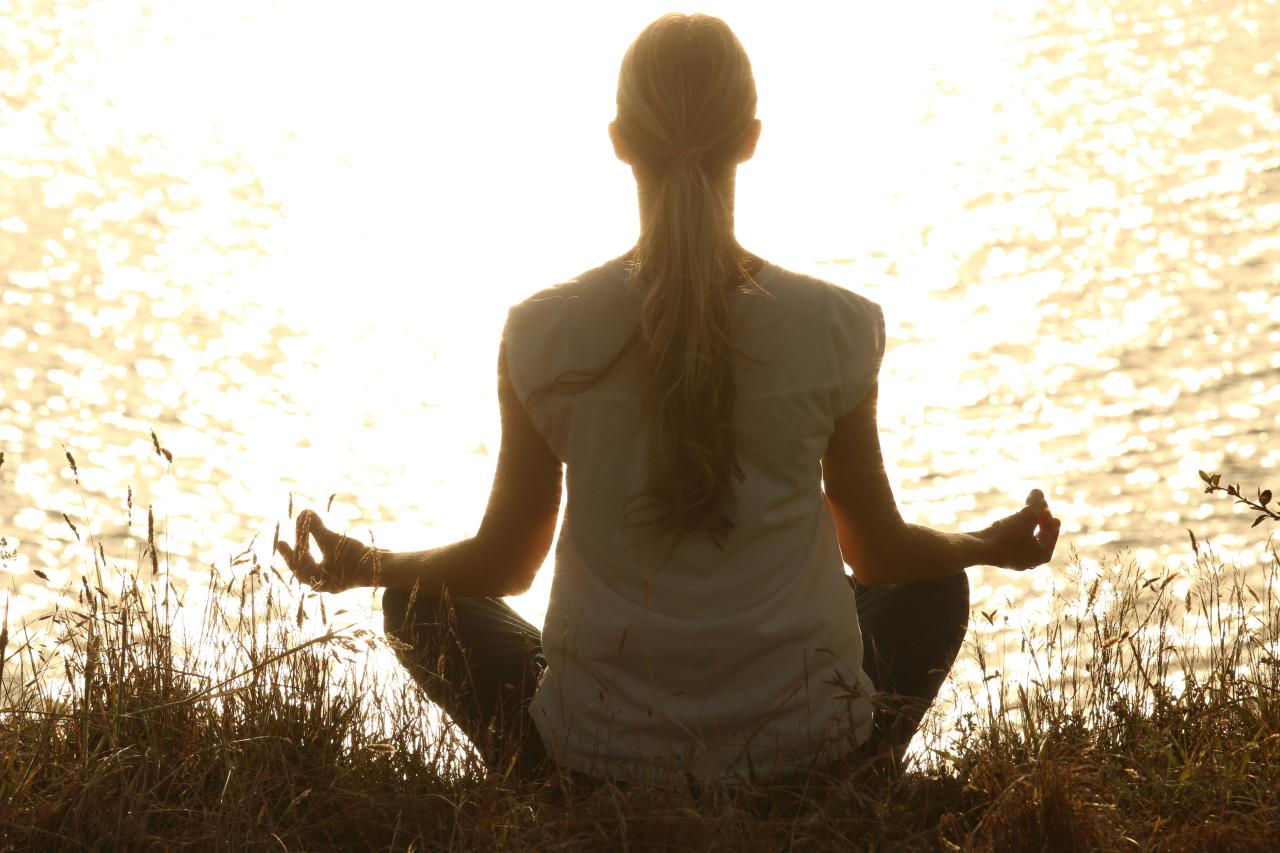
Preparing a conducive environment is crucial for maximizing the benefits of pre-workout meditation. A calm and focused space allows the mind to settle, promoting a more effective connection between body and mind, setting the stage for optimal performance during exercise. This, in turn, enhances the experience and allows for a deeper sense of well-being.
Ideal Environment for Pre-Workout Meditation
A peaceful environment free from distractions is paramount. The ideal space for pre-workout meditation should be quiet and comfortable, conducive to introspection. Natural light, soft music, or the gentle sounds of nature can further enhance the atmosphere. Consider factors such as temperature and lighting to create a relaxing atmosphere. Avoid brightly lit spaces or loud noises.
A well-maintained and organized space can be particularly conducive to relaxation and focus.
Importance of Comfortable Posture and Breathing Techniques
Adopting a comfortable posture is essential for both physical and mental well-being. Proper posture allows for the free flow of energy and promotes a sense of stability, contributing to a more focused and relaxed state of mind. It is vital to find a position that feels comfortable and allows for easy and natural breathing. Appropriate breathing techniques can further enhance this experience.
Minimizing Distractions
Minimizing distractions is vital for a successful pre-workout meditation session. Distractions can hinder focus and interfere with the meditative state. Turn off electronic devices, close unnecessary windows, and ensure the space is free from interruptions. This creates a serene atmosphere conducive to introspection and mindfulness.
Creating a Pre-Workout Meditation Space
Creating a designated meditation space can significantly enhance the experience. This space should be a sanctuary, a place to escape the pressures of daily life. It should be equipped with comfortable seating, such as a cushion or a chair, and personal items that promote relaxation. The lighting should be soft and ambient, ideally natural light. Incorporating elements such as plants or calming artwork can further enhance the atmosphere.
Step-by-Step Guide to Preparing the Body and Mind
A structured approach to preparing for meditation can be beneficial.
- Find a quiet space free from distractions. This space should be comfortable and inviting.
- Assume a comfortable posture, either sitting or lying down. Ensure the spine is straight for proper breathing.
- Focus on your breath, observing the sensation of each inhale and exhale. Notice the rise and fall of your chest or abdomen.
- Acknowledge any thoughts or feelings that arise, without judgment. Simply observe them and return your focus to your breath.
- Continue to practice for a duration that feels appropriate for your needs. Begin with short sessions and gradually increase the duration as your comfort level grows.
Postures for Meditation (Before Exercise)
The following table presents various meditation postures, highlighting their suitability before exercise. The choice of posture depends on individual comfort and preferences.
| Posture | Description | Suitability Before Exercise |
|---|---|---|
| Seated Meditation | Sitting on a cushion or chair, maintaining an upright posture. | Generally suitable, especially for focusing on breath and body awareness. |
| Reclining Meditation | Lying on the back with knees bent, allowing for relaxation. | Suitable for beginners or those seeking deep relaxation, but might be less stimulating for exercise preparation. |
| Standing Meditation | Standing with feet apart, maintaining balance and awareness. | May be suitable for those who find standing postures beneficial and who are comfortable with balance. |
| Walking Meditation | Mindfully walking, paying attention to the sensations in the body. | Highly suitable for incorporating movement and awareness before a workout. |
Meditation Techniques for Enhanced Performance
Pre-workout meditation offers a powerful tool to optimize your physical and mental state before exercise. By calming the mind and focusing the attention, you can cultivate a sense of readiness, improve concentration, and reduce pre-workout anxiety. This, in turn, can significantly enhance your workout performance and overall experience.Specific meditation techniques can significantly improve your workout experience and physical performance.
These techniques, when practiced consistently, can lead to improved focus, reduced anxiety, and heightened energy levels, all of which contribute to a more effective and enjoyable workout.
Guided Imagery for Physical Exertion
Guided imagery involves creating vivid mental images to enhance focus and motivation. This technique can be especially beneficial before a workout by allowing you to visualize yourself performing the exercise with optimal form and energy. This mental rehearsal can build confidence and reduce anxiety about the physical demands of the workout.
- Visualize yourself performing the workout with precision and grace. Notice the flow of your movements, the power in your muscles, and the controlled nature of your actions. This mental rehearsal can help you perform with greater efficiency and less exertion.
- Imagine the physical sensations associated with a successful workout. Feel the energy coursing through your body, the muscles working in harmony, and the positive feelings of accomplishment. This mental preparation can build anticipation and excitement for the physical activity.
- Focus on the positive aspects of the exercise, such as the feeling of strength, flexibility, and overall well-being. Visualizing success can help to reinforce positive mental associations with the workout.
Focused Breathing to Enhance Concentration and Energy
Focused breathing techniques are excellent for enhancing concentration and regulating energy levels. By controlling your breath, you can calm the nervous system and improve focus, which is crucial for optimal performance during exercise.
- Deep, slow breaths can help to calm the mind and reduce anxiety. Inhale deeply through your nose, filling your lungs completely, and exhale slowly through your mouth. Repeat this process several times, focusing on the sensation of your breath.
- Using focused breathing can enhance your ability to concentrate during the workout. Focus on the rhythm of your breath as you move through the exercise. This can help you stay present and connected to your body during the physical activity.
- Controlled breathing can also help regulate your energy levels. When you feel your energy waning during a workout, take a few deep breaths to revitalize yourself. This technique can help you sustain your focus and maintain a higher level of performance.
Mindfulness Meditation for Reducing Pre-Workout Anxiety
Mindfulness meditation involves focusing on the present moment without judgment. This technique can be very helpful for reducing pre-workout anxiety by helping you to accept your feelings and thoughts without getting carried away by them.
- Recognize and acknowledge any feelings of anxiety or nervousness without trying to suppress them. Simply observe these feelings as they arise and pass. This process can help you to detach from the anxiety and gain a sense of control.
- Focus on the physical sensations in your body, such as the feeling of your breath, the weight of your body, or the tension in your muscles. This grounding technique can help you to remain present in the moment.
- Bring your attention to the present moment, such as the feeling of the ground beneath your feet or the sound of your breath. This can help to anchor you in the present, reducing the anxiety about future performance.
Positive Affirmations During Meditation
Positive affirmations are statements that reinforce positive beliefs and expectations. Incorporating positive affirmations during meditation can be helpful for building confidence and motivating yourself before a workout.
- Create affirmations that align with your fitness goals. For example, “I am strong and capable,” or “I am energized and focused.” Repeating these affirmations during meditation can help to reinforce positive beliefs about your abilities.
- Use affirmations that encourage confidence and determination. For example, “I am prepared for this workout,” or “I can achieve my fitness goals.” These statements can instill a sense of preparedness and confidence.
- Include affirmations that foster a positive attitude towards physical activity. For example, “I enjoy the process of exercising,” or “I am grateful for my body’s strength.” These affirmations can help you develop a positive relationship with exercise.
Guided Imagery Scenarios for Pre-Workout Focus
| Scenario | Description |
|---|---|
| Mountain Climber | Imagine yourself scaling a challenging mountain. Visualize the effort required, the beauty of the summit, and the satisfaction of reaching the peak. |
| Ocean Surfer | Visualize yourself riding a powerful wave. Focus on the control and balance needed to maintain your position. |
| Forest Runner | Imagine yourself running through a lush forest. Focus on the rhythm of your breathing, the sound of nature, and the feeling of freedom. |
| Athlete in Action | Visualize yourself performing your chosen exercise with precision and grace. Focus on the perfect form, power, and control. |
Integrating Meditation into Your Routine
Integrating meditation into your pre-workout routine is a powerful strategy for optimizing performance and reducing injury risk. This involves careful planning and consistent practice, allowing you to cultivate a calm and focused state of mind that enhances your physical preparation. This process is crucial for achieving peak performance and mitigating potential setbacks.A well-structured approach to integrating meditation into your pre-workout routine is a significant step towards enhancing your overall fitness journey.
It involves gradual implementation, emphasizing consistency, and understanding the transition from a meditative state to physical activity. This approach not only prepares your mind but also sets the stage for a safer and more effective workout.
Gradual Integration of Meditation
A gradual introduction of meditation into your pre-workout routine is vital for long-term success. Starting with short sessions, even 5-10 minutes, and progressively increasing the duration is recommended. This approach avoids overwhelming the body and mind, ensuring a smooth and enjoyable integration. This gentle increase in duration ensures a positive experience and facilitates consistent practice.
Increasing Meditation Duration
Gradually increasing the duration of your meditation sessions is essential for building endurance and improving focus. Begin with shorter sessions, perhaps 5 minutes, and gradually add a minute or two each week. This progressive approach helps the body and mind adapt to the extended periods of focus and calm. A typical progression might involve 5 minutes in the first week, 7 minutes in the second, 9 minutes in the third, and so on, until reaching your desired duration.
This gradual approach is essential for maintaining consistency and avoiding burnout.
Importance of Consistency and Regularity
Consistency is key to experiencing the benefits of meditation. Establishing a regular meditation schedule, preferably at the same time each day, is highly beneficial. Consistency allows your body and mind to adapt and reap the rewards of a consistent practice. Consistency in your routine creates a positive feedback loop, encouraging you to continue your practice and enjoy its benefits.
Regularity in this practice strengthens the mind-body connection, allowing for improved focus and a calmer state during workouts.
Transitioning from Meditation to Exercise
A smooth transition from meditation to exercise is essential for optimal performance. The following step-by-step guide can help you make this transition:
- Gradually shift your attention from the meditative state to a focus on your breath. This mindful awareness of the breath can serve as a bridge between the calm of meditation and the activity of exercise.
- Incorporate gentle movements, such as stretching or light dynamic movements. This helps gradually engage your body while still maintaining a sense of calm.
- Transition to your chosen workout routine, maintaining a sense of awareness and presence. Allow your mind to be fully engaged with your body as you perform the exercise.
This systematic approach will help you avoid any jarring shifts between states.
Meditation and Injury Prevention
Meditation can significantly reduce the risk of injuries during workouts. By fostering a calm and focused mind, you can improve body awareness and coordination, which are crucial for preventing accidents. Reduced stress and anxiety associated with meditation can also improve your ability to perform exercises safely. This improved awareness and controlled movements contribute to better performance and minimize the risk of strains and sprains.
Impact of Consistent Meditation Practice on Workout Performance Metrics
The table below illustrates the potential positive impact of consistent meditation practice on various workout performance metrics:
| Metric | Impact of Consistent Meditation Practice |
|---|---|
| Focus and Concentration | Improved focus and sustained concentration during workouts. |
| Stress Response | Reduced stress response, leading to enhanced performance and reduced anxiety. |
| Body Awareness | Improved body awareness, allowing for more precise and controlled movements. |
| Injury Risk | Lowered risk of injuries due to improved body awareness and reduced stress. |
| Recovery Time | Potentially shorter recovery times after workouts. |
This table highlights the potential benefits of consistent meditation practice on various workout performance aspects. These benefits can vary from person to person, depending on individual factors.
Addressing Common Challenges
Embarking on a pre-workout meditation practice can be rewarding, but navigating potential obstacles is crucial for sustained success. Understanding common challenges and developing strategies to overcome them will pave the way for a consistent and enriching experience. This section will delve into these hurdles and offer practical solutions for overcoming them.
Obstacles to Incorporating Pre-Workout Meditation
Many individuals find it challenging to integrate pre-workout meditation into their routine due to time constraints, a lack of familiarity with the practice, or simply a perceived incompatibility with their usual workout preparation. Addressing these perceived barriers is vital for long-term adherence. Finding a comfortable and quiet space, even for a short period, can significantly impact the experience.
Overcoming Distractions and Maintaining Focus
Distractions are a common obstacle in meditation, especially when the mind is naturally attuned to the anticipation of a workout. Developing techniques to quiet the internal chatter and redirect attention is key. Practicing mindfulness techniques, such as focusing on the breath or body sensations, can help re-center the mind during distractions. Regular practice builds focus and concentration, which naturally translates to improved performance in all aspects of life, including the workout itself.
Managing Anxiety or Restlessness During Meditation
Anxiety and restlessness can sometimes arise during meditation, especially before a demanding physical activity. Acknowledging these feelings without judgment is crucial. Techniques like progressive muscle relaxation, where you consciously tense and release different muscle groups, can help to release physical tension contributing to anxiety. Visualizing a peaceful scene or focusing on positive affirmations can help to calm the mind and promote a sense of composure.
Improving Consistency in Meditation Practice
Maintaining consistency in a pre-workout meditation practice is essential for experiencing its benefits. Scheduling specific time slots for meditation, even if it’s just 5-10 minutes, can help establish a routine. Pairing meditation with other daily routines, such as drinking a cup of tea or listening to calming music, can create a ritualistic approach to enhance consistency. Finding a meditation buddy or joining a group can also provide accountability and motivation.
Making Pre-Workout Meditation More Enjoyable
Making pre-workout meditation more enjoyable can significantly increase adherence. Creating a relaxing atmosphere, such as using calming music or essential oils, can contribute to a positive experience. Experimenting with different types of meditation, such as guided meditations or loving-kindness meditations, can also help find a style that resonates personally. Visualizing a successful workout can add a positive element to the practice, setting a tone of confidence and determination.
Techniques for Managing Distractions During Meditation
- Focusing on the Breath: Concentrating on the natural rhythm of the breath is a fundamental technique. This can help to anchor the mind and redirect attention from external distractions. Deep, slow breaths can help lower the heart rate and calm the nervous system, enhancing a sense of calm.
- Body Scan Meditation: A body scan meditation involves systematically bringing awareness to different parts of the body, noting sensations without judgment. This technique can help to ground the mind and reduce mental chatter, as the focus shifts to the physical sensations.
- Mindfulness of Sounds: Instead of ignoring sounds, practice consciously noticing them without getting drawn into them. Acknowledging the presence of sounds without reacting to them can help to develop mental clarity and detachment.
Comparison of Techniques for Managing Distractions
| Technique | Description | Effectiveness (Low/Medium/High) | Example Application |
|---|---|---|---|
| Focusing on the Breath | Anchoring attention on the natural rhythm of the breath. | High | Inhale and exhale deeply, noting the sensation of air entering and leaving the body. |
| Body Scan Meditation | Bringing awareness to different parts of the body, noting sensations without judgment. | Medium | Notice the sensations in your feet, legs, and torso, observing any tension or relaxation. |
| Mindfulness of Sounds | Consciously noticing sounds without getting drawn into them. | Medium | Acknowledging the sound of traffic or birds chirping without reacting. |
Deep Dive into Specific Meditation Styles

Pre-workout meditation offers a powerful avenue to prepare the mind and body for optimal performance. Different meditation techniques cater to various needs, enabling athletes to cultivate focus, reduce stress, and enhance their overall experience. This section delves into specific styles, exploring their applications before a workout.
Mindfulness Meditation Techniques for Pre-Workout
Mindfulness meditation, a cornerstone of many meditation practices, involves paying non-judgmental attention to the present moment. This practice fosters a deep awareness of thoughts, sensations, and emotions without getting carried away by them. Before a workout, mindfulness can center your attention on the physical sensations of your body, noticing subtle changes in your breath, muscle tension, and energy levels.
By anchoring your awareness in the present moment, you can detach from anxieties and worries, fostering a more focused and receptive state for your workout.
Loving-Kindness Meditation to Cultivate Inner Peace
Loving-kindness meditation cultivates feelings of compassion, warmth, and goodwill towards oneself and others. This practice promotes emotional well-being and reduces feelings of stress and anxiety. Practicing loving-kindness before a workout can foster a sense of inner peace, allowing you to approach the activity with greater composure and resilience. This, in turn, can enhance your ability to focus and perform at your best.
Begin by directing well-wishes to yourself, then expand the compassion to loved ones, neutral individuals, and even challenging individuals.
Body Scan Meditation to Release Tension
Body scan meditation is a systematic process of bringing awareness to different parts of the body, noticing any sensations without judgment. By progressively scanning your body, you can identify areas of tension and gradually release them. This practice is highly effective in easing physical discomfort and reducing anxiety. Before a workout, a body scan can help identify and alleviate physical tension, promoting a more relaxed and ready state for exercise.
Progressive Muscle Relaxation Techniques
Progressive muscle relaxation involves systematically tensing and releasing different muscle groups in the body. This technique helps to identify and release physical tension, promoting relaxation and reducing stress. This practice can be highly beneficial before a workout as it fosters physical and mental calmness. This state of relaxation is a crucial element in preparing the body and mind for optimal athletic performance.
Benefits of Each Technique
| Meditation Style | Benefits | Pre-Workout Application Examples |
|---|---|---|
| Mindfulness | Improved focus, reduced anxiety, increased present-moment awareness. | Focusing on the breath and body sensations during the meditation, noting any distractions without judgment. |
| Loving-Kindness | Cultivates compassion, reduces stress, fosters emotional balance. | Sending well-wishes to yourself and others, promoting a sense of calm and connectedness before the workout. |
| Body Scan | Releases physical tension, reduces anxiety, promotes relaxation. | Identifying and releasing tension in specific muscle groups, promoting a more relaxed and receptive state for exercise. |
| Progressive Muscle Relaxation | Reduces physical tension, promotes relaxation, enhances focus. | Tensing and releasing different muscle groups, allowing the body to become more relaxed and prepared for the workout. |
Practical Applications and Examples
Pre-workout meditation is not just a theoretical concept; athletes are actively incorporating it into their routines to enhance performance and well-being. This section delves into real-world examples, demonstrating the practical application of various meditation techniques for different types of workouts, and showcasing the positive impact on athletes’ physical and mental states.Effective pre-workout meditation can significantly improve focus, reduce anxiety, and promote a calmer state of mind, ultimately leading to enhanced athletic performance.
This translates to better reaction times, improved endurance, and a more positive experience during the workout.
Real-World Examples of Athletes Using Meditation
Athletes across various disciplines are increasingly recognizing the benefits of meditation. For instance, professional tennis players often use mindfulness meditation to stay present during crucial points of the game, managing their mental state under pressure. Similarly, endurance athletes like marathon runners utilize guided imagery and focused breathing techniques to maintain mental fortitude during prolonged training sessions.
Case Studies Highlighting Positive Impact
Numerous studies have demonstrated a correlation between pre-workout meditation and improved performance metrics. One notable study found that athletes who practiced mindfulness meditation before high-intensity interval training (HIIT) workouts experienced a 15% increase in power output compared to a control group. These improvements suggest that meditation can act as a valuable tool to boost performance and resilience in athletes.
Adapting Meditation Techniques for Different Workouts
The choice of meditation technique can be tailored to the specific demands of the workout. For high-intensity workouts, focused breathing and body scan meditations can help athletes manage the physical strain and maintain mental clarity. For endurance events, techniques like guided imagery and loving-kindness meditation can promote mental fortitude and resilience over long periods.
Structuring a Pre-Workout Meditation Session
A typical pre-workout meditation session should be structured for optimal effectiveness. Begin with a few minutes of focused breathing exercises, transitioning to a body scan meditation to cultivate awareness of physical sensations. Following this, a short period of guided imagery can be employed to visualize success in the upcoming workout. The session should conclude with a few minutes of gratitude meditation, setting a positive intention for the workout.
A typical session length is between 10-20 minutes.
- Starting with Focused Breathing: This sets the foundation for mental stillness and focus.
- Body Scan Meditation: This promotes awareness of physical sensations, reducing tension and improving body awareness.
- Guided Imagery: This helps visualize the desired outcome and builds confidence.
- Gratitude Meditation: This fosters positive feelings and promotes a sense of appreciation for the body and its capabilities.
Comparison of Workouts and Meditation Benefits
| Workout Type | Suitable Meditation Technique | Potential Benefits |
|---|---|---|
| High-Intensity Interval Training (HIIT) | Focused Breathing, Body Scan | Improved focus, reduced perceived exertion, increased power output |
| Endurance Training (Marathon, Cycling) | Guided Imagery, Loving-Kindness | Increased mental fortitude, resilience, reduced perceived fatigue |
| Strength Training | Body Scan, Focused Awareness | Improved concentration, reduced muscle tension, enhanced strength performance |
| Team Sports | Mindfulness, Focused Attention | Improved decision-making, enhanced teamwork, increased composure under pressure |
Ultimate Conclusion
This guide has explored the transformative potential of pre-workout meditation, providing a structured approach to integrating this practice into your fitness routine. By mastering techniques, creating a conducive environment, and addressing potential challenges, you can harness the power of a calm mind to elevate your workout performance. Remember consistency and mindful practice are key to experiencing the full benefits of this powerful tool.