Unlock the power of post-workout rejuvenation with a concise 6-minute meditation. This practice seamlessly integrates mindfulness into your fitness routine, fostering a profound sense of calm and well-being after physical exertion. By focusing on the breath and releasing tension, you can cultivate a deeper connection between your mind and body, ultimately optimizing your recovery and enhancing your overall fitness experience.
This comprehensive guide explores various meditation techniques tailored for immediate post-workout practice. From focused attention to loving-kindness meditation, we’ll delve into the specific benefits of each style and provide actionable steps to integrate them into your daily routine.
Introduction to Post-Workout Meditation

Unleash the full potential of your fitness routine by incorporating post-workout meditation. This practice isn’t just about relaxation; it’s a powerful tool for optimizing your recovery, reducing stress, and enhancing your overall well-being. Discover how mindfulness can complement your physical efforts and create a holistic approach to fitness.Post-workout meditation provides a unique opportunity to connect with your body’s needs and address the mental and emotional aspects of your exercise.
By fostering mindfulness, you can better manage stress, promote deeper relaxation, and accelerate muscle recovery. This approach recognizes that true fitness involves more than just physical exertion; it encompasses a harmonious balance of physical and mental well-being.
Benefits of Post-Workout Meditation
Mindfulness practices after exercise can significantly contribute to a more complete and effective fitness regimen. Integrating meditation into your routine can lead to a myriad of benefits, such as reduced muscle soreness and improved recovery times. By focusing on the present moment, you can also reduce feelings of stress and anxiety, which often accompany physical exertion.
Mindfulness in Recovery and Stress Reduction
Mindfulness, a core component of post-workout meditation, plays a crucial role in facilitating recovery and stress reduction. When you’re mindful, you’re fully present in the experience, without judgment. This allows your body to release physical tension and your mind to quiet down, leading to a sense of calm and well-being.
Physical and Mental Well-being Connection
The connection between physical and mental well-being is undeniable. Regular exercise is essential for physical health, but mental well-being is equally crucial for maintaining optimal performance and resilience. Meditation offers a complementary approach to enhance this connection. By practicing mindfulness during and after workouts, you’re actively promoting a harmonious balance between your mind and body. This balance can translate to improved performance in your workouts and increased overall quality of life.
Research shows that individuals who incorporate mindfulness into their routines tend to experience a greater sense of control over their physical and mental states. They are better equipped to manage stress and improve their recovery process. This holistic approach to fitness can lead to a more sustainable and fulfilling exercise routine.
Techniques for Post-Workout Meditation
Effective post-workout meditation involves a few key techniques. Firstly, choose a quiet and comfortable space. Secondly, focus on your breath, noticing the sensation of the air entering and leaving your body. Thirdly, acknowledge any physical sensations without judgment. Finally, gently bring your attention back to your breath if your mind wanders.
These techniques can help you to integrate meditation into your routine seamlessly.
Choosing a Meditation Style for Post-Workout
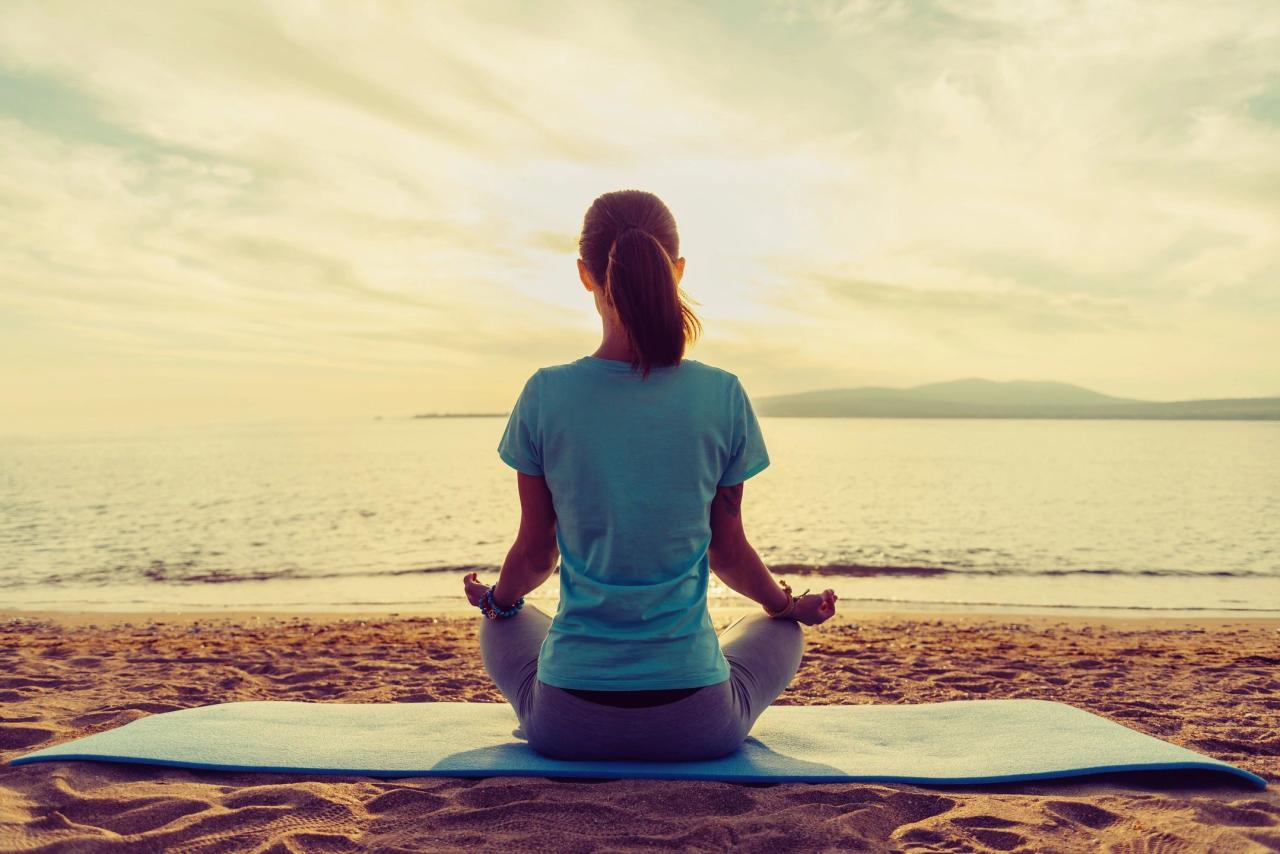
Post-workout meditation offers a powerful opportunity to enhance recovery and mental well-being. Selecting the right meditation style can significantly impact the effectiveness of your practice, optimizing its benefits for your body and mind. This section explores various techniques suitable for the immediate post-workout period, highlighting their impact on recovery and providing practical examples for a 6-minute session.
Different Meditation Techniques
Various meditation techniques can be integrated into your post-workout routine, each with unique characteristics and potential benefits. Understanding these differences allows you to tailor your practice to your specific needs and preferences.
Focused Attention Meditation
Focused attention meditation involves concentrating on a single point of reference, such as your breath, a mantra, or a visual image. This technique promotes mental clarity and reduces racing thoughts, which are common after physical exertion. By focusing on a single point, the mind quiets down, allowing the body to begin its restorative processes. This approach can be particularly helpful for athletes seeking to regain mental focus and reduce stress.
Open Monitoring Meditation
Open monitoring meditation involves observing thoughts, feelings, and sensations without judgment. This practice fosters acceptance and awareness of the present moment. After a workout, open monitoring can help you process the physical sensations of recovery, such as muscle soreness or fatigue, without getting caught up in negative thoughts or anxieties. This approach can aid in the transition from intense physical activity to a more relaxed state of mind.
Loving-Kindness Meditation
Loving-kindness meditation involves cultivating feelings of compassion and goodwill towards oneself and others. This practice promotes emotional well-being and reduces stress hormones. Post-workout, loving-kindness meditation can help foster a sense of self-acceptance and gratitude for the body’s resilience. This approach promotes positive emotions and facilitates a smoother transition to relaxation.
Techniques Adaptable to a 6-Minute Session
Short, focused meditation sessions are highly effective, especially immediately after a workout. The following techniques are particularly well-suited for a 6-minute session:
- Focused Attention on Breath: Focus solely on the sensation of your breath entering and leaving your body. Notice the rise and fall of your chest or abdomen. This simple technique can calm the mind and body, promoting relaxation.
- Open Monitoring of Body Sensations: Gently observe any physical sensations without judgment. Notice any tension, soreness, or relaxation in different parts of your body. This practice can aid in awareness of the body’s recovery process.
- Loving-Kindness to Yourself: Direct well-wishes and positive feelings towards yourself. Repeat phrases like “May I be well,” “May I be happy,” and “May I be safe.” This can promote self-compassion and emotional regulation after exertion.
Comparison of Meditation Techniques
| Technique | Description | Benefits | Duration |
|---|---|---|---|
| Focused Attention | Concentrating on a single point (e.g., breath, mantra). | Reduces racing thoughts, promotes clarity. | Adaptable to 6 minutes. |
| Open Monitoring | Observing thoughts and sensations without judgment. | Fosters acceptance, promotes awareness of recovery process. | Adaptable to 6 minutes. |
| Loving-Kindness | Cultivating compassion and goodwill towards oneself and others. | Promotes emotional well-being, reduces stress. | Adaptable to 6 minutes. |
Practical Steps for 6-Minute Post-Workout Meditation

Post-workout meditation offers a powerful opportunity to integrate the physical and mental benefits of exercise. This practice allows for a smooth transition from the active state of exercise to a calmer, more centered state, promoting relaxation and recovery. By focusing on the breath and body sensations, you can effectively manage stress, reduce muscle soreness, and enhance your overall well-being.A short, focused meditation session can be a valuable tool for anyone seeking to optimize their recovery and mental clarity after physical exertion.
This structured approach will guide you through a 6-minute practice, designed to be easily integrated into your post-workout routine.
Preparing the Body and Mind
Preparing your body and mind for a short meditation session is crucial for maximizing its benefits. A relaxed posture and a quiet environment are essential for establishing a sense of calm. Begin by finding a comfortable seated position on a cushion or a chair. Ensure your spine is straight but not rigid, allowing for natural curvature. Close your eyes gently, or soften your gaze, and bring your attention to your breath.
This initial step helps you transition from the energetic state of exercise to a state of mindful relaxation.
Focusing on the Breath
The breath serves as an anchor for your attention during meditation. This method of focusing on the breath helps calm the mind and reduce stress. Notice the sensation of the breath entering and leaving your body. Observe the rise and fall of your chest or abdomen as you inhale and exhale. If your mind wanders, gently redirect your attention back to the breath without judgment.
This process of returning your attention is key to cultivating a sense of mental clarity.
Releasing Tension in the Body
Physical tension often lingers after a workout. Consciously scan your body, noticing any areas that hold tension. Release any unnecessary tension by gently stretching or moving the affected areas. Deep, mindful breaths can help relax the muscles and release physical stress. Imagine the tension melting away with each exhale.
Cultivating Awareness of Physical Sensations and Emotions
Paying attention to the sensations in your body, such as muscle relaxation, warmth, or coolness, enhances the effectiveness of the meditation. Similarly, noticing any emotions, such as feelings of satisfaction, accomplishment, or even mild discomfort, without judgment, is crucial. Acknowledge these sensations and emotions without getting carried away by them. This mindful observation helps you connect with the present moment more deeply.
6-Minute Guided Meditation Session
| Step | Description | Duration (approx.) |
|---|---|---|
| 1 | Find a comfortable seated position, spine straight but relaxed. Gently close your eyes or soften your gaze. Focus on the sensations of your body. | 1 minute |
| 2 | Bring your attention to your breath. Notice the sensation of the air entering and leaving your body. Follow the rise and fall of your chest or abdomen with each breath. | 2 minutes |
| 3 | Begin a body scan. Notice any areas of tension in your body. Gently release the tension by stretching or shifting position, if needed. | 1 minute |
| 4 | Observe any physical sensations or emotions arising in the present moment. Acknowledge them without judgment. | 1 minute |
| 5 | Continue focusing on your breath. Gently redirect your attention back to the breath if your mind wanders. | 1 minute |
Incorporating Post-Workout Meditation into a Routine
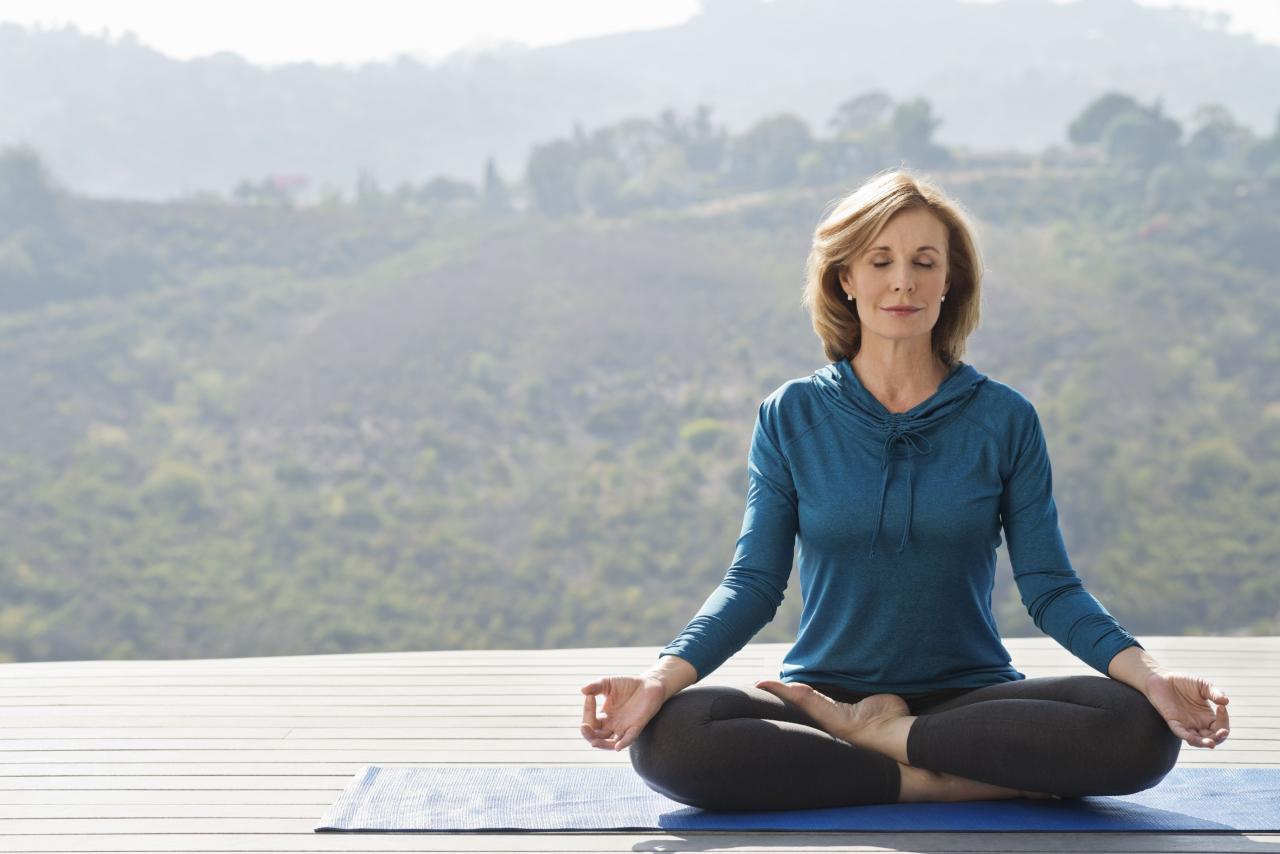
Integrating a 6-minute post-workout meditation into your daily routine can significantly enhance your overall well-being and fitness journey. This practice, when seamlessly woven into your schedule, can foster a deeper connection with your body and mind, promoting recovery, stress reduction, and improved focus.Consistent practice fosters mental clarity, which can positively impact your daily tasks and interactions. This improved mental state can translate into better performance in your workouts, as well as in other aspects of your life.
Scheduling the 6-Minute Meditation
Understanding how to fit a 6-minute meditation into your existing schedule is key to making it a sustainable habit. This section provides strategies for integrating meditation into diverse workout routines, ensuring a smooth transition.The optimal time for post-workout meditation is immediately after your workout. This allows your body to transition from physical activity to mental relaxation, making the most of the benefits.
If your schedule does not permit immediate meditation, aim for a timeframe within 30 minutes after your workout.
Integrating Meditation into Different Workout Schedules
Different workout schedules necessitate tailored approaches to integrating meditation. Flexibility is key to making meditation a permanent fixture in your routine.
- Morning Workout Routine: If you prefer a morning workout, schedule your 6-minute meditation immediately after your session. This will set a calm and focused tone for the rest of your day.
- Evening Workout Routine: For evening workouts, the 6-minute meditation can help you unwind after a day’s activities and prepare for a restful night’s sleep.
- Busy Weekday Schedule: Even with a packed schedule, you can find time for a 6-minute meditation. Prioritize it in your schedule, just as you would other important appointments. If necessary, squeeze it in during your lunch break or between other tasks.
Adapting the Meditation Practice for Various Fitness Levels
A 6-minute meditation can be adapted to accommodate individuals at all fitness levels. The key is to focus on the present moment and to be kind to yourself.
- Beginner: Beginners may find it challenging to sit still for the entire 6 minutes. Break the meditation into shorter segments, perhaps 2 minutes at a time, with short breaks in between. Gradually increase the duration as your ability to focus improves.
- Intermediate: Individuals with intermediate fitness levels can maintain focus for the entire 6-minute duration. They can deepen their practice by exploring different meditation techniques, such as focusing on their breath or visualizing calming imagery.
- Advanced: Advanced practitioners can further deepen their meditation by incorporating more complex techniques, such as mindfulness of thoughts or body scan meditations. The advanced practitioner may also incorporate elements from other practices, like yoga or qigong, to enhance the experience.
Example Meditation Schedules for Various Workouts
This table demonstrates how to incorporate the 6-minute meditation into different workout routines. The schedule aims to maximize the benefits of the practice while respecting individual schedules.
| Workout Routine | Meditation Schedule |
|---|---|
| Morning Yoga | Immediately following yoga session |
| Evening Strength Training | Within 30 minutes of strength training |
| Lunchtime Run | Immediately following the run |
| Weekend Hiking | Within 30 minutes of the hike |
Addressing Potential Challenges and Benefits
Post-workout meditation, while offering numerous advantages, may present certain hurdles for consistent implementation. Understanding these potential challenges and developing strategies to overcome them is crucial for long-term success. This section explores the difficulties, provides practical solutions, and highlights the profound physiological and psychological benefits of incorporating this practice into your routine.By acknowledging and proactively addressing potential obstacles, individuals can foster a sustainable meditation practice that enhances their overall well-being.
Potential Challenges in Maintaining Consistency
Maintaining a consistent post-workout meditation routine can be challenging due to various factors. Time constraints, a lack of motivation after a strenuous workout, and the initial discomfort of a new practice can all contribute to inconsistencies. Furthermore, the mental and physical demands of daily life often compete with the desire to incorporate meditation.
Strategies to Overcome Challenges
Several strategies can effectively address the obstacles associated with maintaining a consistent post-workout meditation practice.
- Prioritization and Scheduling: Treating post-workout meditation as a non-negotiable part of your routine is key. Scheduling specific time slots, even for short durations, can help establish consistency. This can be as simple as setting a timer for five minutes immediately after your workout. Finding a quiet space and time, such as a dedicated corner in your home, can help to establish this new habit.
- Gradual Implementation: Starting with short meditation sessions, such as 2-3 minutes, is a helpful approach. Gradually increasing the duration as you become more comfortable and experienced can improve adherence and build positive associations with the practice. Consider the time of day and location where you feel most comfortable and ready to practice.
- Finding a Meditation Buddy: Having a meditation partner can provide accountability and motivation. Encouraging one another can help maintain consistency and create a supportive environment. Even a virtual meditation buddy can be highly effective.
- Mindfulness in Everyday Life: Practicing mindfulness techniques throughout the day, such as paying attention to your breath or bodily sensations, can enhance your overall awareness and set the stage for more effective meditation sessions.
Long-Term Benefits of Post-Workout Meditation
Incorporating post-workout meditation offers a multitude of long-term benefits that extend beyond immediate relaxation. Regular practice fosters a stronger mind-body connection, leading to improved stress management, emotional regulation, and overall well-being.
Physiological and Psychological Benefits
The physiological benefits of post-workout meditation include reduced heart rate and blood pressure, improved sleep quality, and enhanced stress resilience. These benefits contribute to a sense of calm and clarity, fostering a more positive emotional outlook.Psychological benefits include increased self-awareness, improved focus, and a reduction in anxiety and depression. Studies show that consistent meditation practice can strengthen cognitive function and improve emotional regulation, which can positively impact daily life.
Testimonials and Real-Life Examples
Numerous individuals have reported experiencing positive transformations through post-workout meditation. For instance, a fitness enthusiast noted a significant reduction in post-workout muscle soreness and an improvement in overall mood. Another individual reported improved sleep quality and a greater sense of calm after incorporating this practice into their routine.
Addressing Challenges Table
| Challenge | Description | Solution |
|---|---|---|
| Lack of Time | Feeling overwhelmed by time constraints after a workout. | Schedule short, 2-3 minute meditation sessions immediately after exercise. Prioritize and plan your schedule to include this time. |
| Lack of Motivation | Feeling unmotivated to meditate after a demanding workout. | Associate meditation with positive feelings and rewards. Start with a brief session and gradually increase the duration. Create a conducive atmosphere for meditation. |
| Mental Distractions | Finding it hard to focus during meditation after physical exertion. | Practice mindfulness throughout the day to enhance focus. Use guided meditation apps or resources for support. Maintain a regular schedule. |
Illustrative Examples of Guided Meditation
Post-workout meditation offers a powerful opportunity to transition from physical exertion to mental calm. By guiding your mind and body through a structured process, you can enhance recovery, reduce stress, and improve overall well-being. This section presents illustrative examples of guided meditation scripts designed specifically for this purpose.
Sample 6-Minute Guided Meditation Script for Post-Workout
This script focuses on calming the mind and body after exercise, promoting relaxation and restoration.
“Find a comfortable seated position. Allow your body to settle into the chair, feeling the support beneath you. Bring your awareness to your breath, noticing the gentle rise and fall of your chest or abdomen. Observe the sensation of the air entering and leaving your body without judgment. Now, gently bring your attention to your muscles. Notice any tension lingering in your shoulders, neck, or back. With each slow, conscious breath, release that tension, letting it melt away like snow in the sun. Visualize the tension draining from your body, leaving you feeling lighter and more relaxed. Continue this awareness for several minutes, allowing your body to completely unwind. Now, turn your attention to your thoughts. Notice them, acknowledge them, but do not engage with them. Simply observe their passing like clouds in the sky. Return your attention to your breath, and feel the calmness spread throughout your body. Feel the peace and tranquility settling in. Continue to breathe deeply, feeling the benefits of this post-workout meditation. Now, gently bring yourself back to your surroundings, feeling refreshed and renewed. Slowly blink your eyes open.”
Sample Script Using Visualization Techniques for Stress Reduction
This script incorporates visualization to reduce stress and promote mental clarity after exercise.
“Find a comfortable position. Close your eyes gently. Take a few deep breaths, inhaling deeply and exhaling slowly. Imagine yourself standing at the edge of a tranquil beach. The soft, warm sand is beneath your feet. The gentle lapping of waves against the shore creates a soothing rhythm. Visualize the ocean’s color, its shades of blue and turquoise. Imagine the sun warming your skin, creating a feeling of peace and contentment. Picture the feeling of the salty air against your skin, and the scent of the sea breeze. As you breathe deeply, visualize the stress and tension from your workout gradually dissolving into the ocean waves. Feel the waves carry away any lingering anxiety or fatigue. Allow the soothing sounds of the ocean and the warmth of the sun to envelop you. Continue to breathe deeply, visualizing yourself completely relaxed and refreshed. Feel the peace and tranquility within you. Slowly, bring your attention back to your surroundings, feeling refreshed and renewed.”
Visualization Exercises
This table illustrates various visualization exercises that can be used for stress reduction.
| Exercise | Description | Benefits |
|---|---|---|
| Ocean Visualization | Visualize yourself standing on a beach, feeling the warmth of the sun and the sound of waves. | Reduces stress, promotes relaxation, and fosters a sense of calm. |
| Forest Visualization | Imagine yourself in a serene forest, surrounded by towering trees and the sounds of nature. | Reduces anxiety, fosters a sense of peace, and promotes mental clarity. |
| Mountaintop Visualization | Visualize yourself standing atop a mountain, feeling the vastness and tranquility of the surroundings. | Promotes a sense of freedom, reduces stress, and fosters a feeling of empowerment. |
End of Discussion
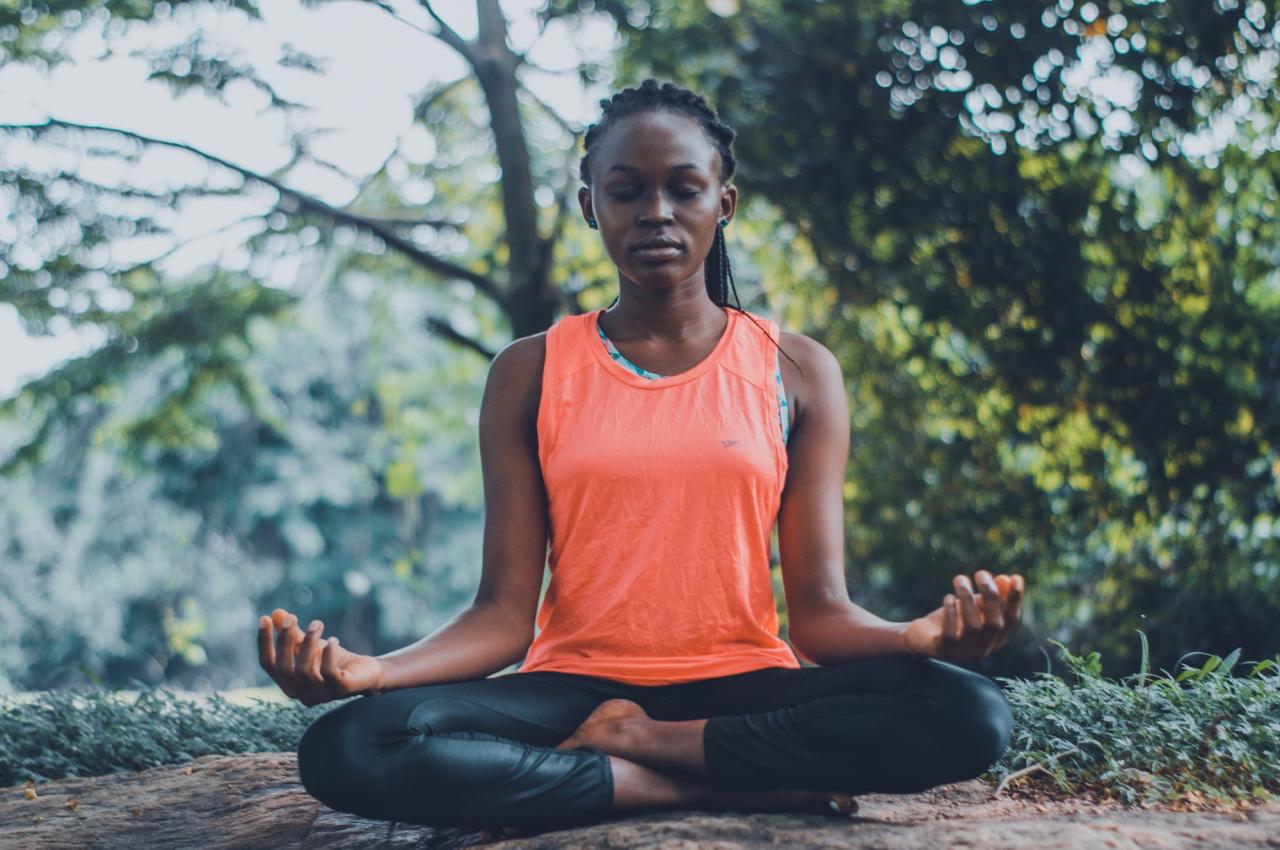
In conclusion, incorporating a short post-workout meditation into your routine can significantly enhance your recovery process and overall well-being. By choosing a suitable technique and following the provided steps, you can cultivate a deeper connection between your physical and mental state. This guide offers practical tools and insights to transform your fitness journey, ensuring a more balanced and enriching experience.
Remember that consistency is key to reaping the long-term benefits of this powerful practice.