Unlocking peak performance in basketball extends beyond physical training. This comprehensive guide delves into the transformative power of meditation, offering 18 practical steps to cultivate mental focus, reduce stress, and enhance overall athletic performance. By understanding the physiological benefits and implementing tailored meditation techniques, basketball players can gain a crucial edge on the court.
This guide will explore various meditation types suitable for athletes, providing a structured approach to incorporating meditation into their daily routine. From mindful breathing exercises to strategies for managing pressure during games, players will learn how to cultivate mental resilience and achieve peak performance both on and off the court.
Introduction to Meditation for Athletes
Meditation, a practice of focusing the mind, offers a multitude of benefits for athletes, particularly basketball players. It can enhance mental acuity, reduce stress, and improve overall performance. By cultivating mental clarity and emotional regulation, athletes can gain a significant edge in their game. The practice of meditation can have a profound effect on the body’s physiological responses, leading to improved physical and mental resilience.Meditation’s effects extend beyond the mental realm, impacting the physiological processes vital for athletic performance.
Reduced stress hormones like cortisol allow for better cognitive function, enhanced focus, and improved sleep quality. These physiological changes directly translate into better performance on the court, leading to sharper decision-making, quicker reflexes, and increased endurance.
Benefits of Meditation for Basketball Players
Meditation provides basketball players with a powerful tool to manage the pressures and anxieties associated with competition. The mental clarity fostered through regular meditation allows players to remain calm under pressure, making crucial decisions with composure during games. By developing greater self-awareness, athletes can better recognize and manage their emotional responses, leading to more effective strategies and improved performance.
Physiological Effects of Meditation on Athletes
Meditation has demonstrably positive effects on the physiological responses of athletes. Studies show that regular meditation can lower heart rate, blood pressure, and levels of stress hormones. These physiological benefits directly translate to improved physical performance, as lower stress levels contribute to better energy management and reduced muscle tension. This allows athletes to maintain peak performance throughout prolonged periods of competition.
Managing Anxiety and Pressure During Games
Meditation offers a practical method for basketball players to manage the inherent anxiety and pressure associated with competitive games. By focusing on the present moment, athletes can reduce their mental chatter and self-doubt, enabling them to perform with greater confidence and focus. This mental clarity can lead to improved decision-making, increased efficiency on the court, and greater resilience during challenging situations.
Table: Meditation Benefits for Basketball Players
| Benefit | Description | Example in Basketball |
|---|---|---|
| Enhanced Mental Focus | Improved concentration and attention span, enabling better decision-making under pressure. | Maintaining focus on the next play, even when facing a strong defensive pressure. |
| Reduced Stress and Anxiety | Lowering stress hormones and improving emotional regulation, leading to calmer responses during games. | Staying calm and collected during a critical free throw, instead of panicking. |
| Improved Performance | Better physical and mental resilience, resulting in enhanced athletic output. | Maintaining composure and focus throughout the entire game, leading to consistent high-level performance. |
| Increased Self-Awareness | Developing a deeper understanding of one’s thoughts, feelings, and bodily sensations, allowing for more effective self-regulation. | Recognizing when one’s own emotions are negatively impacting performance, and actively working to regain focus. |
Types of Meditation Suitable for Basketball Players
Understanding the nuances of various meditation techniques can significantly enhance a basketball player’s performance. By tailoring the approach to their specific needs, athletes can leverage the mental benefits of meditation to improve focus, manage stress, and optimize their overall game strategy. Different types of meditation cater to diverse goals and preferences, allowing players to choose methods that best resonate with their individual styles and routines.
Mindfulness Meditation
Mindfulness meditation encourages the cultivation of present-moment awareness. It involves focusing on the sensations of the body, thoughts, and emotions without judgment. For basketball players, this practice fosters heightened awareness of their physical sensations during a game, enabling quicker reactions and improved decision-making. It helps them stay grounded amidst the intensity of competition, preventing mental distractions and promoting a calm response to pressure.
Players can adapt this technique by practicing during downtime between practices or games, focusing on the sensations of their breath, body posture, and the feeling of the basketball.
Focused Attention Meditation
Focused attention meditation involves concentrating on a single point of reference, such as the breath, a mantra, or a visual image. This type of meditation strengthens mental focus and concentration, which are crucial for basketball players. They can apply this practice to improve their ability to stay on task during drills, training sessions, or games. Players can adjust their focus on specific aspects of the game, like their shooting form or defensive strategies, to further enhance their concentration and precision.
Loving-Kindness Meditation
This practice cultivates feelings of compassion, love, and kindness toward oneself and others. It involves directing positive intentions towards oneself, loved ones, neutral individuals, and even challenging individuals. For basketball players, loving-kindness meditation promotes emotional regulation and reduces stress. By extending compassion to teammates, coaches, and opponents, they create a more positive and supportive environment, leading to improved teamwork and a less adversarial atmosphere.
This practice can be integrated into daily routines by taking a few minutes to visualize positive intentions towards all individuals involved in the sport.
Transcendental Meditation (TM)
Transcendental Meditation (TM) is a specific technique involving the use of a personally guided mantra. It facilitates a state of deep rest and relaxation, promoting mental clarity and stress reduction. Basketball players can use TM to manage stress and anxiety related to pressure situations during games or competitions. It promotes a sense of calm and centeredness, allowing players to maintain their composure and focus even in high-pressure situations.
Players can practice TM during their daily routines, using the guided mantra for achieving a deeper state of relaxation and mental clarity.
Table of Meditation Types for Basketball Players
| Meditation Type | Description | Focus Area | Example Technique |
|---|---|---|---|
| Mindfulness Meditation | Cultivating present-moment awareness | Sensory awareness, emotional regulation | Focusing on the sensations of breathing, body posture, and the basketball |
| Focused Attention Meditation | Concentrating on a single point | Mental focus, concentration | Focusing on shooting form, defensive strategies |
| Loving-Kindness Meditation | Cultivating compassion and kindness | Emotional regulation, stress reduction | Visualizing positive intentions toward teammates, coaches, and opponents |
| Transcendental Meditation (TM) | Achieving a state of deep rest | Mental clarity, stress reduction | Using a personally guided mantra |
Practical Steps for Implementing Meditation
Incorporating meditation into a demanding athletic routine, like that of a basketball player, requires a strategic approach. This section provides a step-by-step guide, emphasizing the importance of consistency, suitable timing, and a comfortable posture, alongside specific mindful breathing techniques to enhance focus and performance. Consistency is key to experiencing the full benefits of meditation.Effective meditation is not just about finding quiet time; it’s about cultivating a practice that integrates seamlessly with the athlete’s overall well-being.
This section details the practical steps to successfully integrate this valuable practice into a basketball player’s daily life.
Establishing a Consistent Routine
A consistent routine is crucial for reaping the benefits of meditation. Establishing a regular meditation schedule, similar to training sessions, promotes habit formation and allows the body and mind to adapt to the practice. This regularity is vital for experiencing the calming effects of meditation and its positive impact on athletic performance.
- Schedule Dedicated Time: Allocate a specific time each day for meditation, ideally at the same time, to cultivate a routine. This could be in the morning before practice, during a break, or before sleep. The key is consistency, not the specific time.
- Duration: Begin with shorter sessions, such as 5-10 minutes, and gradually increase the duration as the practice becomes more ingrained. Aim for 15-20 minutes daily, but adjust based on individual needs and availability.
- Consistency is Paramount: Regularity is more important than length. Even short, daily sessions are beneficial. The consistency fosters a deeper connection with the practice and promotes long-term well-being.
Finding a Suitable Time and Place
Choosing the right environment significantly impacts the effectiveness of meditation. A quiet and comfortable space free from distractions is essential for optimal focus.
- Quiet Space: Identify a quiet room, corner, or outdoor area where you can minimize external interruptions. Even a few minutes of uninterrupted time can make a difference.
- Minimizing Distractions: Turn off electronic devices, close doors, and let others know you need uninterrupted time. This helps maintain focus and a peaceful environment.
- Comfort and Personalization: Ensure the chosen space is comfortable. Soft lighting, calming music, or a favorite blanket can enhance the meditative experience.
Choosing a Comfortable Posture
The physical posture during meditation can significantly affect its effectiveness. A comfortable and stable posture promotes relaxation and focus.
- Seated Position: A chair or cushion is suitable for a seated posture. Ensure the spine is straight, shoulders relaxed, and the body is aligned.
- Crucial Considerations: Maintain a balanced and stable posture to avoid unnecessary tension. Proper posture is vital for maintaining focus and preventing physical discomfort.
- Alternative Poses: Lying down can be a relaxing alternative, especially for beginners. Ensure a supportive surface to avoid discomfort.
Mindful Breathing Techniques
Mindful breathing is a cornerstone of meditation. These techniques help focus attention and promote relaxation.
- Focusing on the Breath: Bring your attention to the sensation of each breath—inhaling and exhaling. Notice the rise and fall of your chest or abdomen. This practice helps ground you in the present moment.
- Count the Breaths: A simple technique is to count each inhale and exhale. Start with one and gradually increase the count as you become more proficient. This encourages awareness and focus.
- Exhale to Release Tension: Pay close attention to the sensation of the exhale. Consciously releasing tension with each exhale can promote a sense of calm and relaxation.
- Examples for Basketball Players: During practice, players can utilize mindful breathing before free throws, or during timeout to center themselves and reduce pre-shot anxiety. Mindful breathing also facilitates the ability to calm down during crucial moments.
Implementing Meditation Step-by-Step
- Find a quiet space and comfortable posture.
- Close your eyes gently and bring your attention to your breath.
- Notice the sensation of the air entering and leaving your body.
- Observe your thoughts and emotions without judgment.
- If your mind wanders, gently redirect your focus back to your breath.
- Continue the practice for the desired duration.
Mindfulness in Action
Applying mindfulness techniques to basketball, particularly during practice and games, can significantly enhance performance and well-being. By cultivating present-moment awareness, athletes can improve focus, manage stress, and respond more effectively to the dynamic demands of the game. This focused attention allows for better decision-making, improved reaction time, and a greater sense of control amidst the pressure.Mindfulness in action isn’t about eliminating distractions entirely; rather, it’s about acknowledging distractions without judgment and gently redirecting focus back to the task at hand.
This skill is invaluable for basketball players facing constant stimuli, from teammates’ actions to opponents’ movements, and the ever-present pressure of competition. By developing a mindful approach, players can cultivate a more resilient and adaptable mindset on the court.
Applying Mindfulness During Practice
Mindful practice sessions foster a deeper understanding of the game. Players can observe their body mechanics, their breathing patterns, and their mental state without judgment. This heightened awareness allows for targeted adjustments and improvements in technique. For example, during shooting drills, a player practicing mindfulness can focus on the feel of the ball in their hands, the subtle movements of their arms and legs, and the rhythm of their breath, leading to more consistent and accurate shots.
Applying Mindfulness During Games
Mindfulness during games allows athletes to navigate the intense pressure and constant changes of play. Players can observe the flow of the game without getting swept up in the emotions of the moment. This detachment can help players respond more effectively to game situations, both in terms of strategy and execution. For instance, during a crucial free throw, a player using mindfulness can focus on their breathing, visualizing a successful shot, and disengaging from any external noise or pressure.
Mindfulness Techniques for Critical Moments
Mindful strategies are essential for dealing with pressure-filled moments. Players can employ specific techniques to manage distractions and maintain focus. Deep breathing exercises, for example, can ground players in the present moment, calming racing thoughts and promoting composure. Visualization techniques, where players mentally rehearse successful outcomes, can also bolster confidence and reduce anxiety.
Examples of Mindfulness in Action
| Situation | Mindfulness Technique |
|---|---|
| Free throws | Focus on the breath, visualize a successful shot, and detach from external distractions. |
| Crucial plays (e.g., a crucial rebound) | Observe the physical sensations, focus on the present moment, and disengage from thoughts of past mistakes or future outcomes. |
| Opponent’s aggressive play | Acknowledge the opponent’s actions without judgment, maintain composure, and focus on one’s own strategy. |
| Team’s mistakes | Acknowledge the mistake without getting carried away with negative emotions, and focus on the next play. |
Building a Meditation Routine for Peak Performance
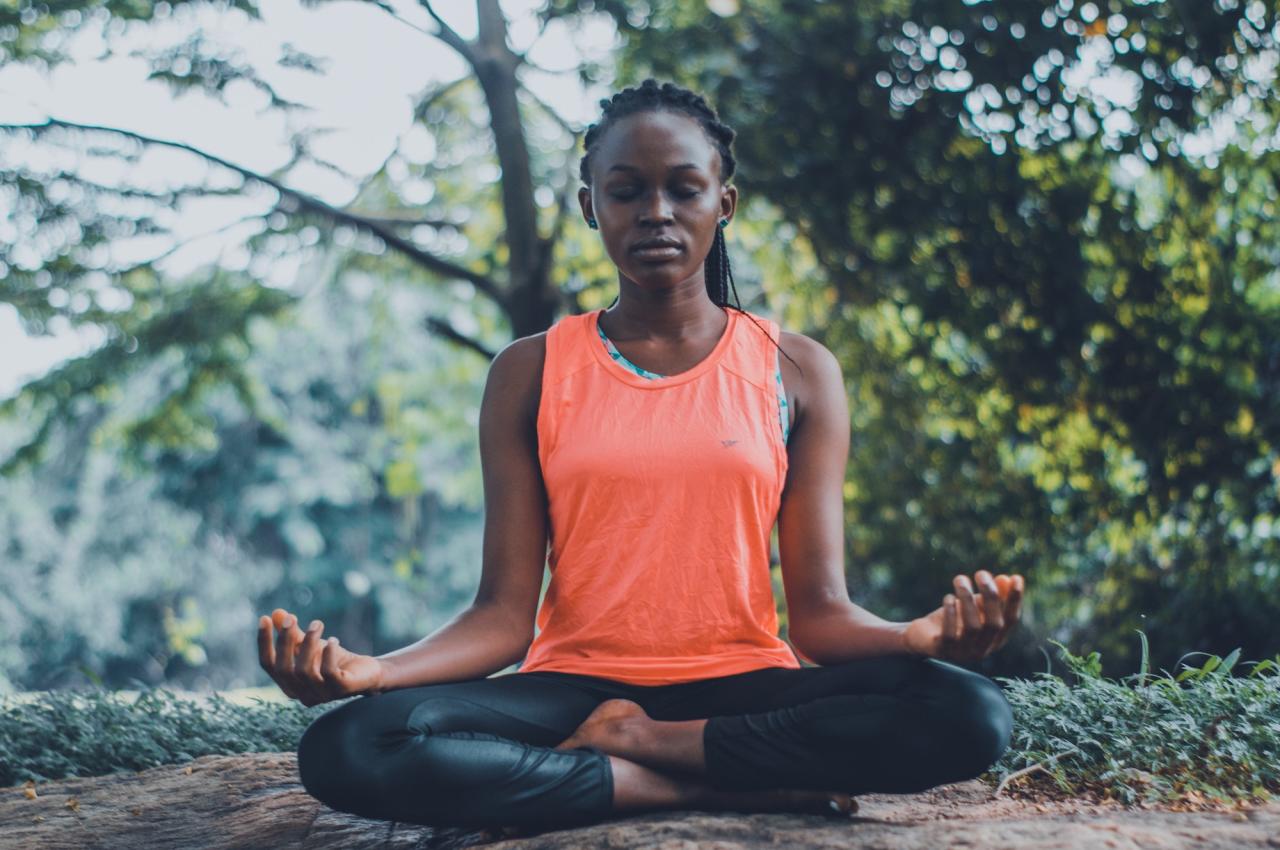
Establishing a consistent meditation practice is crucial for basketball players seeking to enhance their performance and well-being. A structured routine fosters mental clarity, emotional regulation, and improved focus, all vital components of peak athletic performance. By integrating meditation into their daily schedule, athletes can develop a deeper understanding of their minds and bodies, ultimately leading to greater control and efficiency on the court.
Importance of Regularity
A regular meditation schedule provides a consistent platform for mental training. Similar to physical training, mental discipline requires regularity to see results. Consistent practice strengthens the mind’s ability to focus, reduce stress, and improve emotional resilience. This is especially valuable in the high-pressure environment of competitive basketball. Establishing a routine allows athletes to cultivate a state of mental readiness, enhancing their performance under pressure.
Gradual Progression
Initiating a meditation routine should be gradual. Begin with short sessions, typically 5-10 minutes, and gradually increase the duration as the body and mind adapt. Adding a few minutes each week or two allows the body to adjust to the new practice and helps avoid burnout. Listening to the body’s signals and adjusting the schedule accordingly is key to long-term adherence.
For instance, a player might start with 5 minutes of meditation daily and gradually increase it to 15 minutes over a month.
Setting Realistic Goals and Maintaining Motivation
Setting realistic goals is paramount to maintaining motivation. Instead of aiming for hours of meditation immediately, focus on achievable daily or weekly targets. Tracking progress, whether through a journal or an app, can provide a sense of accomplishment and reinforce motivation. Recognizing and celebrating milestones, no matter how small, can keep the momentum going. For example, rewarding oneself with a small treat or a relaxing activity after achieving a weekly meditation goal can be a motivating factor.
Sample Weekly Schedule
A sample weekly schedule can provide a framework for integrating meditation into an athlete’s routine. This example prioritizes consistency over intensity, allowing the player to gradually incorporate meditation into their schedule.
| Day | Time | Activity |
|---|---|---|
| Monday | 6:00 AM | 5 minutes of mindfulness meditation |
| Tuesday | 7:00 PM | 10 minutes of focused breathing meditation |
| Wednesday | 6:00 AM | 5 minutes of mindfulness meditation |
| Thursday | 7:00 PM | 10 minutes of focused breathing meditation |
| Friday | 6:00 AM | 10 minutes of walking meditation |
| Saturday | 7:00 PM | 15 minutes of visualization meditation |
| Sunday | 9:00 AM | 15 minutes of guided meditation |
Motivational Strategies
Maintaining a consistent meditation routine requires strategic motivation. One effective strategy is to associate meditation with a positive experience, like a warm cup of tea or listening to calming music. Visualization techniques, where athletes imagine themselves performing flawlessly on the court, can also bolster motivation and focus. Positive self-talk, affirmations, and reminders of the benefits of meditation can be helpful tools for staying motivated.
“Consistency is key to unlocking the full potential of meditation. Treat it as an integral part of your training regime, and you will see profound benefits.”
Overcoming Challenges and Maintaining Consistency
Cultivating a consistent meditation practice, even for athletes with demanding schedules, is crucial for unlocking its potential benefits. Maintaining this routine, however, can present challenges. Understanding these obstacles and employing effective strategies for overcoming them is key to reaping the rewards of meditation.Developing a consistent meditation practice requires a proactive approach. This involves acknowledging potential obstacles and devising strategies to address them.
Patience, self-compassion, and a realistic understanding of the process are essential components of success. By understanding the common hurdles and equipping oneself with the necessary tools, athletes can cultivate a lasting and impactful meditation practice.
Common Obstacles to Maintaining a Meditation Practice
Establishing a regular meditation practice can be challenging for athletes, particularly those with busy schedules and demanding training regimens. These obstacles often stem from conflicting priorities and the need to manage various aspects of life effectively. Recognizing these hurdles is the first step towards overcoming them.
- Time Constraints: Athletes frequently face limited time due to rigorous training schedules, physical therapy, and recovery sessions. Juggling these demands with a meditation practice can seem overwhelming.
- Distractions: The mental demands of intense athletic training and competition can lead to lingering thoughts and anxieties. These distractions can interfere with focus and make maintaining a consistent meditation practice difficult.
- Lack of Motivation: Maintaining consistent motivation throughout the training process can be challenging. This includes periods of burnout, injury, or reduced performance, which can negatively affect an athlete’s overall motivation to engage in activities such as meditation.
- Physical Discomfort: Physical discomfort during meditation, such as stiff joints, can hinder the practice. This discomfort can disrupt focus and make it harder to maintain a meditative state.
- Perfectionism: The drive to excel in athletics often extends to the practice of meditation, leading to an unrealistic expectation of immediate results or perfect focus. This perfectionist mindset can be a source of frustration and prevent consistency.
- Negative Self-Talk: Inner critic voices and negative self-talk can interfere with focus and create a resistance to engaging in meditation. This can manifest as self-doubt or fear of failure.
Strategies for Overcoming Challenges
Addressing the challenges associated with a consistent meditation practice is crucial. Employing practical strategies to navigate these obstacles can transform a seemingly insurmountable task into a manageable routine.
- Time Management: Allocate specific, short blocks of time for meditation. Even 5-10 minutes daily can be highly beneficial. Prioritizing meditation as a crucial element of training and recovery can help establish it as a non-negotiable part of the routine.
- Mindfulness Techniques: Employing mindfulness techniques to manage distractions can enhance focus during meditation. This includes acknowledging distractions without judgment and gently redirecting attention back to the breath or chosen focus.
- Establishing a Routine: Create a dedicated space and time for meditation. Consistency is key to building a sustainable practice. This routine can be as simple as dedicating 10 minutes each morning to practice.
- Physical Comfort Measures: Use comfortable seating or cushions, and incorporate gentle stretching or movement before meditation to ease any physical discomfort.
- Self-Compassion and Patience: Recognize that progress takes time and that occasional lapses in practice are normal. Adopt a compassionate and understanding attitude towards oneself, focusing on the journey rather than perfection.
- Positive Self-Talk: Replace negative self-talk with positive affirmations. Focus on the benefits of meditation and celebrate small victories.
Integrating Meditation into Training
Integrating meditation into a basketball player’s training regimen can significantly enhance their performance and overall well-being. By weaving meditation into pre-game, post-game, and practice routines, players can cultivate mental focus, reduce anxiety, and build resilience, leading to improved decision-making and a more positive playing experience. This approach promotes a holistic approach to training, addressing not just physical conditioning but also mental fortitude.
Pre-Game Meditation Integration
Pre-game meditation provides a crucial opportunity to calm the mind and center the body before competition. A focused, tranquil state enhances concentration and reduces pre-game jitters, allowing players to approach the game with clarity and composure. This mental preparation can significantly impact performance by minimizing anxiety and maximizing focus on the task at hand.
- Establish a Routine: Players should establish a consistent pre-game meditation routine, ensuring they allocate a specific time for meditation before each game. This creates a predictable pattern, allowing the mind to naturally transition into a meditative state. This could be as short as 5 minutes.
- Focus on Breathwork: Employing focused breathwork techniques during pre-game meditation can help calm the nervous system. Deep, slow breaths can reduce the physiological effects of stress, improving focus and reducing anxiety.
- Visualize Success: Visualization exercises are effective in pre-game meditation. Players can visualize themselves executing successful plays, making crucial shots, and performing at their peak. This mental rehearsal can increase confidence and improve performance.
Post-Game Meditation Integration
Post-game meditation offers an opportunity to process the game’s emotions and reflect on performance. This period facilitates emotional regulation, allowing players to analyze their strengths and weaknesses and adjust strategies for future games. This is also crucial for mental recovery.
- Acknowledge Emotions: Allow yourself to acknowledge and process the emotions that arise after a game. Whether the result was victory or defeat, acknowledging these feelings can aid in emotional regulation and prevent the buildup of negative emotions.
- Review Performance: Engage in a brief review of the game. Identify areas of strength and areas where improvement is needed. This can help develop a proactive approach for future games.
- Gratitude Practice: Reflect on the positive aspects of the game. Acknowledging the support of teammates, coaches, and family can create a positive mindset for future challenges.
Meditation Integration During Practice
Integrating meditation into practice sessions allows players to maintain focus and concentration during repetitive drills and exercises. This can improve overall performance and reduce mental fatigue.
- Short Breaks: Incorporate brief meditation breaks into practice sessions. These breaks can be as short as 2 minutes and can help players reset their minds and refocus on the tasks at hand. These can be used during time-outs, between sets of drills, or during downtime.
- Mindful Movement: During drills, pay attention to the physical sensations of movement. By focusing on the physical sensations, the player can improve coordination and body awareness. This will enhance their physical response during the game.
- Focus on the Present: During practice, remind yourself to focus on the present moment. Avoid dwelling on past mistakes or future concerns. This practice will improve their focus during the game.
Integration Examples
| Category | Example |
|---|---|
| Pre-Game | 5 minutes of focused breathwork followed by 2 minutes of visualization of successful plays. |
| Post-Game | 3 minutes of acknowledging emotions, followed by 2 minutes of reviewing the game, and 1 minute of gratitude practice. |
| Practice | 2 minutes of mindful movement during a break between sets of shooting drills, followed by 1 minute of focusing on the present moment. |
Tools and Resources for Meditation

Embarking on a meditation journey, particularly for athletes like basketball players, is greatly facilitated by the right tools and resources. These resources provide structured guidance, support, and motivation, crucial for consistent practice and optimal results. Choosing appropriate resources ensures a smooth and effective learning process.Understanding the wide array of available resources is key to finding the best fit for individual needs and preferences.
From accessible apps to insightful books, a wealth of information empowers athletes to integrate meditation into their training routines and enhance their overall performance.
Meditation Apps for Athletes
Numerous apps cater specifically to athletes, providing guided meditations tailored to stress reduction, focus enhancement, and improved sleep. These apps often feature a library of meditations, progress tracking, and personalized recommendations, creating a convenient and user-friendly experience. Some apps also incorporate mindfulness exercises directly applicable to athletic performance.
- Calm: Offers a comprehensive library of guided meditations, including specialized sessions for athletes seeking improved focus and stress management. Its user-friendly interface and various features contribute to a supportive environment for regular practice.
- Headspace: Provides a vast collection of guided meditations, mindfulness exercises, and sleep stories. Its structured programs and progress tracking encourage consistent practice and help athletes build a daily meditation routine.
- Insight Timer: Known for its extensive library of free meditations, Insight Timer boasts a diverse range of instructors and styles. Its user-friendly search functionality allows athletes to find meditations specifically designed for sports performance or stress reduction.
Meditation Websites and Online Courses
Beyond apps, various websites offer structured online courses and guided meditations, often with more in-depth information about the science behind meditation and its application to athletic performance. These platforms provide a wealth of information and resources, accessible at any time.
- The Mindful Athlete: A dedicated website offering articles, videos, and resources specifically for athletes seeking to enhance performance through mindfulness practices. It provides practical tips and techniques, fostering a deeper understanding of how mindfulness can impact athletic success.
Meditation Coaches and Instructors
Working with a qualified meditation coach or instructor, particularly one specializing in sports performance, can significantly enhance the learning process and personalized approach to meditation. Such coaches can provide customized strategies and support, fostering consistency and deepening the understanding of mindfulness principles.
- Finding a Sports Psychologist/Performance Coach: A sports psychologist or performance coach often integrates meditation techniques into their training programs. This integrated approach can provide a more holistic strategy to improve performance and mental well-being.
Books on Meditation and Mindfulness for Basketball Players
Several books explore the benefits of meditation and mindfulness for athletes, providing insights into how these practices can enhance performance, reduce stress, and improve overall well-being. These books can be valuable resources for basketball players seeking to deepen their understanding of these practices.
- “Mindfulness for Athletes” by [Author Name]: This book likely delves into specific mindfulness exercises and techniques tailored to the unique demands of athletic performance. It may offer practical guidance and exercises for basketball players to improve focus, concentration, and resilience.
- “The Athlete’s Way” by [Author Name]: This book could address the psychological and mental aspects of sports performance, including the role of meditation and mindfulness in enhancing athletic performance and well-being.
Ending Remarks
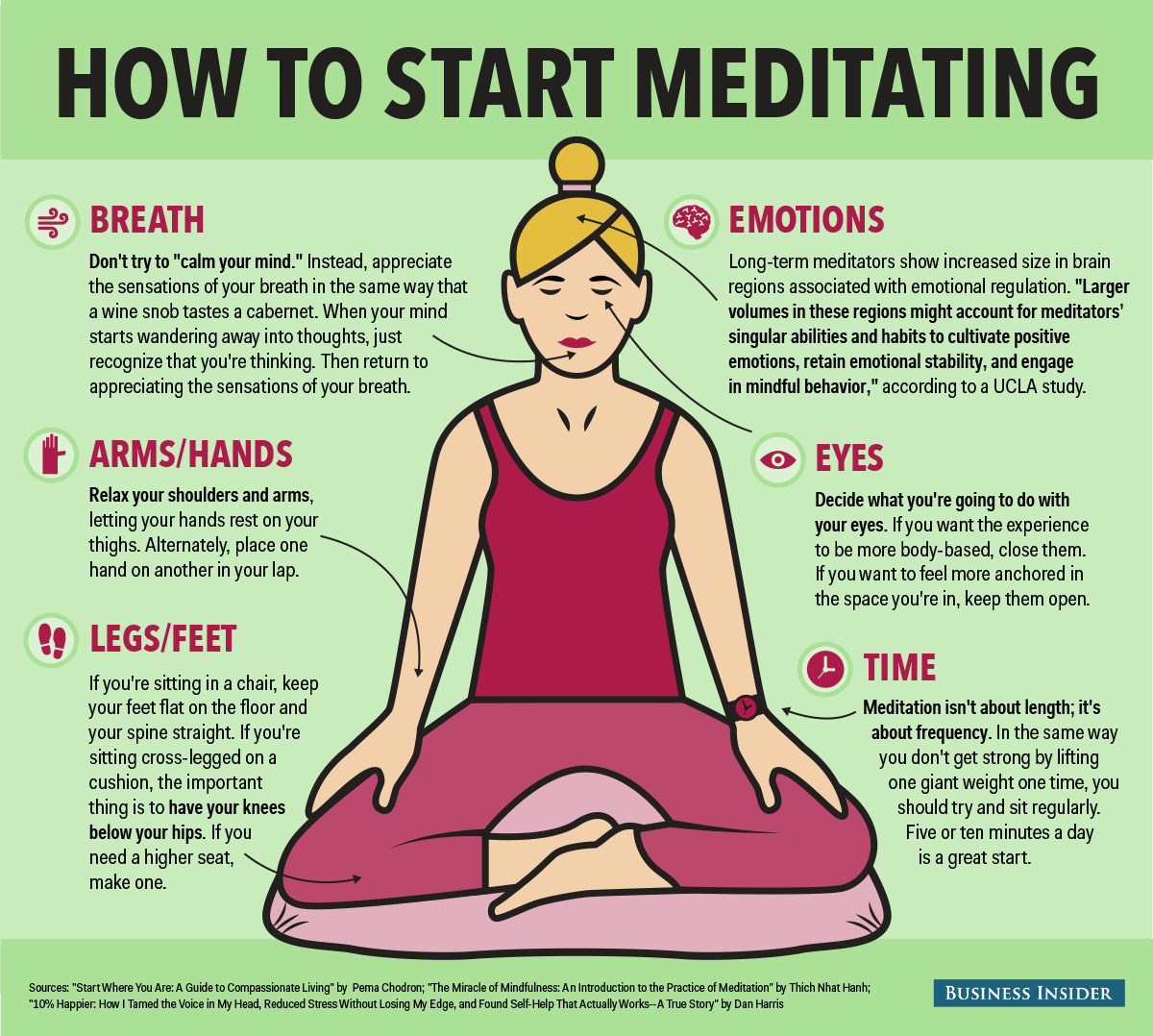
In conclusion, this guide has presented a structured approach to integrating meditation into a basketball player’s routine. By mastering the techniques Artikeld, athletes can cultivate mental focus, reduce stress, and enhance their overall performance. Consistency, self-compassion, and a tailored approach are key to achieving the desired results. The journey to peak performance is a continuous process, and this guide empowers players to embark on this transformative path.