Preparing for a jog with a focused and relaxed mind can significantly enhance your performance and overall experience. This comprehensive guide delves into the practice of meditation before running, exploring its numerous benefits and providing practical steps for integration into your routine. From understanding different meditation techniques to creating a personalized schedule, you’ll discover how to cultivate a tranquil state of mind that empowers your physical activity.
Incorporating meditation into your pre-jog routine can foster a deeper connection with your body and mind. It’s a powerful tool for stress reduction, improved focus, and enhanced enjoyment of your run.
Introduction to Meditation Before Jogging

Incorporating meditation into your pre-jog routine can significantly enhance your overall experience and performance. This practice allows for a mental and physical preparation that transcends simple stretching, fostering a deeper connection with your body and mind. The benefits extend beyond just feeling good; they can lead to improved focus, reduced stress, and heightened awareness, ultimately leading to a more enjoyable and effective workout.Meditation before a jog is a proactive approach to optimize your physical and mental state.
It’s not simply about relaxing; it’s about cultivating a sense of calm and focus that carries over into your jog, promoting a smoother, more productive workout. This approach fosters a more mindful and controlled experience, allowing you to better tap into your physical and mental resources.
Benefits of Meditation Before Jogging
Meditation, practiced before a jog, offers a multitude of advantages that positively impact your physical and mental wellbeing. By quieting the mind and centering your attention, you create a more conducive environment for both the physical exertion and the mental clarity required for an effective workout.
Types of Meditation Suitable for Pre-Jogging Routines
Various meditation techniques can be tailored to pre-jog routines. Mindfulness meditation, focused on present-moment awareness, is particularly well-suited. This involves paying attention to your breath, body sensations, and surroundings without judgment. Another useful approach is loving-kindness meditation, which cultivates feelings of compassion and goodwill toward yourself and others. These practices can be adapted to fit the time constraints of a pre-jog routine, enabling you to find the technique that best suits your needs.
Physiological and Psychological Advantages
Meditation before jogging has demonstrable physiological and psychological benefits. Physiologically, it can help to regulate heart rate and blood pressure, reducing the stress response often associated with exercise. Psychologically, meditation promotes mental clarity, focus, and emotional regulation, thereby creating a more positive and controlled approach to your jog. The reduction in stress hormones like cortisol can also contribute to a more efficient workout.
This, in turn, can enhance performance by promoting a more focused and less reactive state of mind during your jog.
Key Benefits of Meditation in Relation to Jogging Performance
| Benefit | Explanation | Impact on Jogging |
|---|---|---|
| Reduced Stress | Meditation helps to lower cortisol levels, the stress hormone. | Reduced feelings of anxiety and tension during the jog, allowing for a more relaxed and enjoyable experience. |
| Improved Focus | Meditation enhances concentration and attention span. | Increased ability to maintain a steady pace and resist distractions, potentially leading to improved performance and endurance. |
Practical Steps for Pre-Jog Meditation
Preparing for a jog with a mindful meditation practice can significantly enhance your experience. This structured approach promotes relaxation, focus, and a deeper connection with your body, setting the stage for a more enjoyable and effective run. It also aids in reducing stress and anxiety before physical activity.Finding a calm and focused state before exercise is crucial. This pre-run meditation allows you to connect with your inner self, improving your awareness and preparing you for the physical demands ahead.
Finding a Quiet Space
Creating a tranquil environment for meditation is vital. A dedicated space, free from distractions, will significantly enhance your focus and allow you to fully immerse yourself in the practice. This space could be a corner of your home, a quiet park bench, or even a secluded area in your workplace. Key elements include minimizing external noise, light, and visual distractions.
A 5-Minute Beginner’s Breathwork Sequence
This structured sequence guides you through a five-minute breathwork meditation, perfect for beginners. Focus on the rhythm of your breath, allowing your mind to settle and your body to relax.
- Find a comfortable seated position, either on a cushion or chair, with your spine straight but not rigid. Ensure your feet are flat on the floor or resting comfortably. Close your eyes gently, or keep them softly focused on a point in front of you.
- Begin by noticing your natural breath. Observe the sensation of the air entering and leaving your body. Don’t try to change your breath; simply observe it.
- Bring your awareness to your inhale and exhale. Notice the fullness of your breath as you inhale, and the release as you exhale.
- Gradually extend the duration of your breaths, focusing on a smooth and steady rhythm. If your mind wanders, gently redirect your attention back to your breath.
- Continue for five minutes, allowing your body and mind to settle into a calmer state.
Guided Meditation Script for Relaxation and Focus
This script provides a structured approach to a pre-jog meditation. It helps calm the mind and prepare the body for physical activity.
“Close your eyes gently, and allow yourself to sink into this moment. Notice the gentle rise and fall of your chest with each breath. Imagine a soft, warm light enveloping your body, releasing any tension or stress. Now, bring your attention to your feet. Feel the connection to the ground beneath you. Feel the grounding sensation, and let it extend throughout your body. Focus on your breath, a steady rhythm of life. Visualize yourself as energized, ready for your run. Now, gently bring your awareness back to the present moment. You are calm, focused, and ready to begin your jog.”
Posture and Body Awareness
Maintaining proper posture during meditation promotes physical comfort and mental clarity. Body awareness enhances the connection between your mind and body, enhancing the benefits of the practice.
- Sit upright with a straight spine, but avoid stiffness. Imagine a string pulling you up from the crown of your head.
- Relax your shoulders and arms, letting them hang naturally.
- Keep your jaw relaxed, and your tongue resting gently on the roof of your mouth.
- Maintain a gentle awareness of your body, noticing any sensations without judgment. Feel the weight of your body on the chair or floor.
Incorporating Meditation into a Pre-Jog Routine
A step-by-step approach to incorporating meditation into your pre-jog routine is crucial for optimal results.
- Choose a time and location for your meditation practice. Select a time that works best with your schedule and choose a calm, quiet environment.
- Set aside 5-10 minutes for your meditation. Consistency is key.
- Follow the guided meditation or breathwork sequence.
- After your meditation, gently stretch your body. This will prepare you for your jog.
- Begin your jog.
Techniques and Methods for Meditation
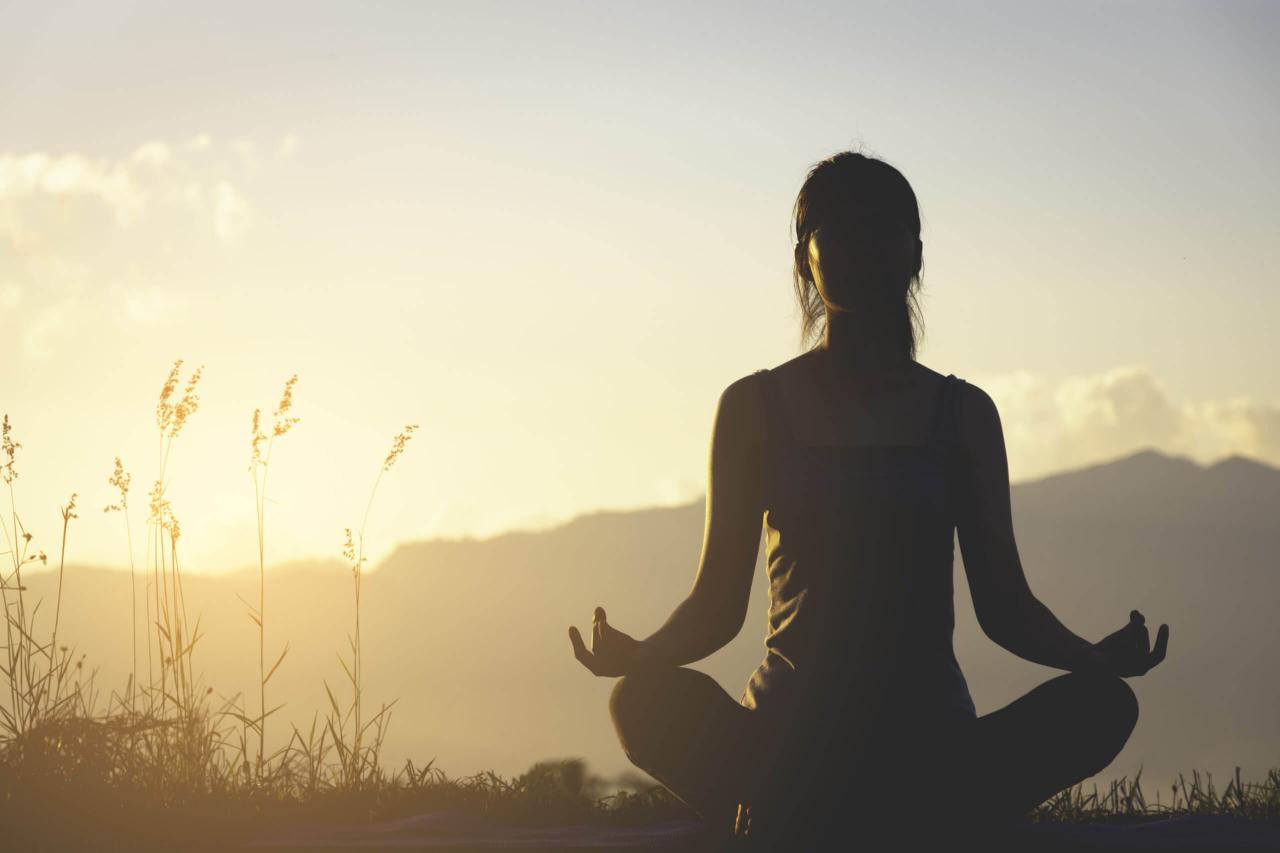
Pre-jog meditation offers a powerful way to prepare your mind and body for a successful run. Different meditation techniques can help you achieve a sense of calm and focus, promoting better performance and enjoyment. This section will explore various approaches, emphasizing their benefits for runners.
Exploring Different Meditation Techniques
Various meditation techniques offer unique benefits for runners. Understanding these differences allows you to select a method that aligns with your personal needs and goals. Mindfulness, loving-kindness, and transcendental meditation are popular choices.
- Mindfulness Meditation: This technique focuses on present-moment awareness. By paying attention to sensations, thoughts, and emotions without judgment, practitioners cultivate a deeper understanding of their internal experience. For runners, mindfulness meditation can help them stay grounded during the run, improving their ability to manage discomfort and maintain a steady pace. It fosters a greater connection with the body, enabling runners to tune into their inner cues and respond effectively to changes in their physical state.
- Loving-Kindness Meditation (Metta): This practice cultivates feelings of love, compassion, and kindness toward oneself and others. By focusing on well-wishing, practitioners develop a sense of interconnectedness and empathy. For runners, loving-kindness meditation can promote a sense of inner peace and resilience, which is essential during challenging runs. It fosters a positive mental attitude and reduces feelings of self-criticism or anxiety.
- Transcendental Meditation (TM): This technique involves the use of specific mantras to induce a state of deep relaxation and mental clarity. The practice aims to transcend everyday thoughts and achieve a state of effortless awareness. For runners, TM can aid in reducing stress and anxiety, allowing for greater focus and improved performance during their runs.
Comparing Meditation Approaches for Runners
Different meditation approaches cater to different needs and preferences. A runner might find one technique more effective than another for their particular goals.
| Technique | Description | Focus | Benefits for Runners |
|---|---|---|---|
| Mindfulness | Present-moment awareness; observing thoughts and sensations without judgment. | Sensations, thoughts, emotions | Improved body awareness, reduced discomfort, enhanced focus, better pacing. |
| Loving-Kindness | Cultivating feelings of love, compassion, and kindness toward oneself and others. | Positive emotions, empathy | Enhanced inner peace, increased resilience, reduced self-criticism, positive mental attitude. |
| Transcendental Meditation | Using specific mantras to induce deep relaxation and mental clarity. | Mental clarity, deep relaxation | Reduced stress and anxiety, improved focus, enhanced performance, increased mental well-being. |
The Role of Breathwork in Pre-Jog Meditation
Breathwork is a crucial component of many meditation techniques, including those for runners. Conscious breathing can significantly impact physical and mental states.
Focusing on the Breath
Focusing on the breath during meditation involves several key steps. First, find a comfortable posture. Then, bring your attention to the sensation of the breath entering and leaving your body. Notice the rise and fall of your chest or abdomen. Don’t strive to control the breath, simply observe it.
If your mind wanders, gently redirect your attention back to the breath.
Releasing Tension and Stress
Meditation is a powerful tool for releasing tension and stress. By focusing on the present moment and releasing negative thoughts, runners can cultivate a sense of calm and well-being, contributing to a more enjoyable and effective running experience. Meditation helps reduce the physiological responses to stress, including elevated heart rate and blood pressure, allowing the body to relax and recover.
Preparing for a Run with Meditation
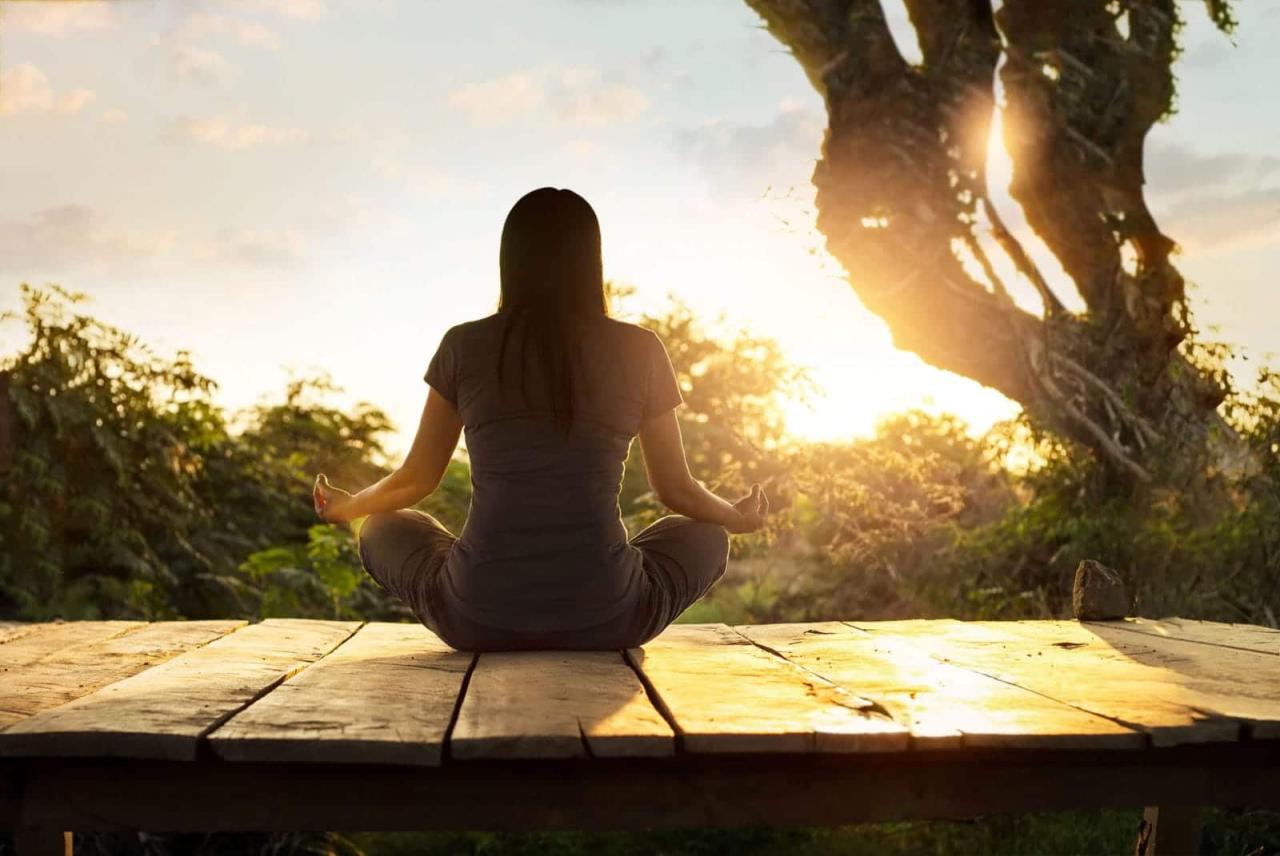
Meditation before a jog can significantly enhance your overall experience. It allows you to transition smoothly from a relaxed state to focused activity, reducing stress and anxiety while promoting mental clarity and physical readiness. By quieting the mind and preparing the body, meditation fosters a deeper connection with your physical self, setting the stage for a more effective and enjoyable run.Meditation acts as a bridge between relaxation and exertion.
It helps to regulate the body’s physiological responses, such as heart rate and breathing, allowing for a smoother transition into physical activity. This preparation reduces the risk of injury and maximizes the benefits of your run. Furthermore, a meditative state promotes a sense of calm focus, which can be particularly beneficial for runners experiencing anxiety or pre-run jitters.
Mind and Body Preparation for Running
Preparing the mind and body for a run through meditation involves several key steps. Meditation before exercise helps to create a mental space conducive to focus and endurance. This focused state can be particularly useful for runners seeking to improve their performance or simply enjoy their run more.
Effects of Meditation on Mental and Physical State
Meditation before jogging has demonstrable effects on both your mental and physical state. Mentally, it can reduce pre-run anxiety and promote a sense of calm focus, enhancing concentration and reducing distractions. Physically, it can help regulate heart rate and breathing, leading to a more efficient and controlled start to the run. This regulation can be particularly important for individuals with pre-existing conditions.
These benefits contribute to a more positive and productive running experience.
Step-by-Step Guide for Pre-Run Meditation
This structured approach can be easily incorporated into your routine, creating a consistent and effective pre-run practice. Each step is designed to gradually prepare you for the run, building a mental and physical foundation.
- Find a Comfortable Position: Find a quiet space where you can sit or lie down comfortably without distractions. This could be a dedicated meditation corner in your home or a quiet corner of a park. Ensure that you’re comfortable and supported, allowing your body to relax.
- Focus on Your Breath: Gently bring your attention to your breath. Notice the sensation of the air entering and leaving your body. This simple act anchors you in the present moment, allowing you to detach from thoughts that might be racing. Observe your breath without judgment.
- Body Scan Meditation: Gently bring your attention to different parts of your body. Notice any tension or discomfort and release it. This body scan meditation can help to release physical tension, creating a more relaxed state for running.
- Visualization Exercise: Visualize yourself running smoothly and effortlessly. Picture the landscape, the feeling of the ground beneath your feet, and the rhythmic movement of your body. This visualization technique helps to build confidence and mental readiness for the run.
- Set Intentions: Establish clear intentions for your run. This might include enjoying the experience, improving your performance, or simply feeling good. Holding these intentions in your mind can help you maintain focus and direction during the run.
- Gentle Transition: Gradually transition from the meditative state to the physical activity of jogging. Take a few deep breaths, and when you feel ready, gently begin your run.
Significance of Consistent Meditation Practice
Developing a consistent meditation practice before jogging, like any skill, requires dedication and patience. Regular practice builds mental resilience and allows you to cultivate a deeper connection with your body and mind. This, in turn, creates a stronger foundation for your runs. The benefits of consistency are cumulative, leading to greater focus, reduced stress, and improved performance over time.
Role of Visualization in Meditation Before Jogging
Visualization is a powerful tool in meditation, particularly before jogging. It involves creating mental images of yourself successfully completing the run, visualizing the journey, and feeling the positive emotions associated with achievement. This mental rehearsal can enhance your confidence and mental fortitude, making you better prepared for the physical demands of the run. Consistent visualization practice before jogging can lead to better performance and a more enjoyable experience.
Meditation and Running Performance
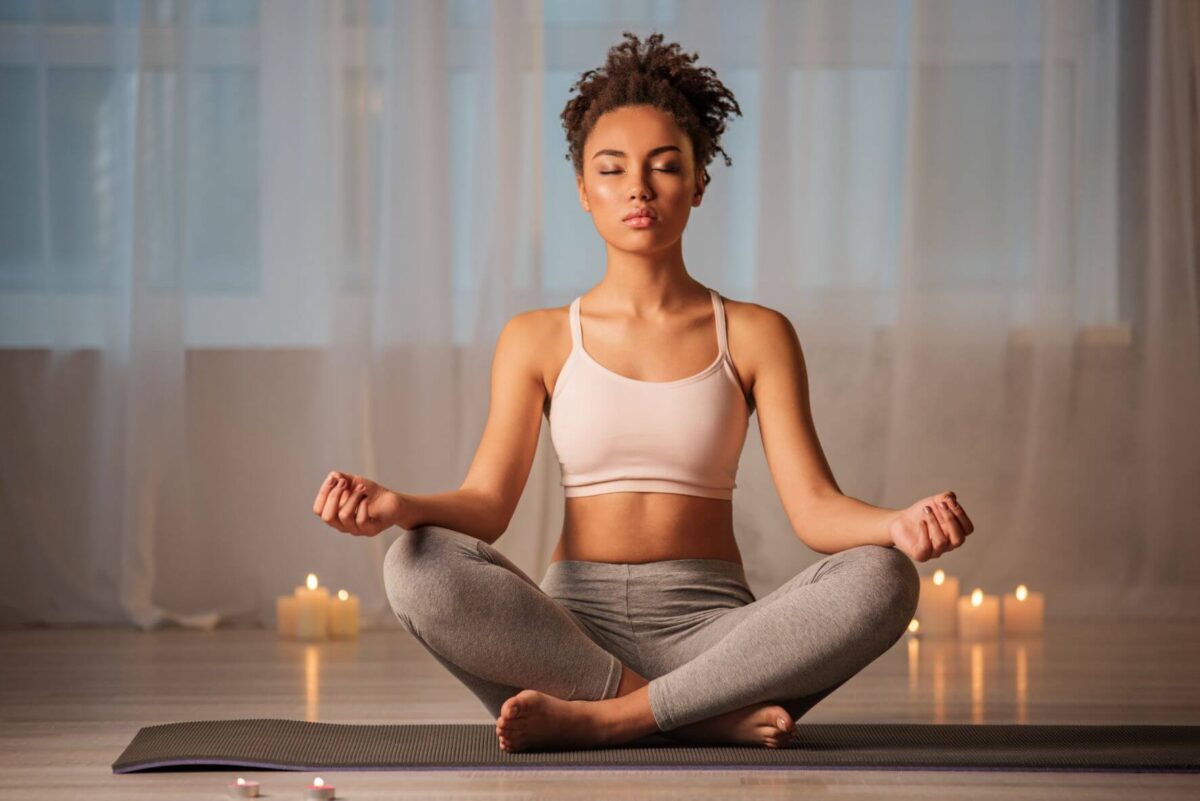
Meditation, a practice focused on training the mind, offers a powerful tool for enhancing athletic performance, particularly in running. It fosters a profound connection between the mind and body, leading to improved focus, reduced stress, and heightened physical resilience. This connection is key to unlocking optimal performance and achieving peak physical and mental states.By cultivating a calm and focused state of mind, runners can harness their inner resources to perform at their best, whether it’s achieving a personal best or simply enjoying a more satisfying run.
Meditation complements physical training by creating a mental space that facilitates improved technique, endurance, and overall well-being.
Evidence Supporting the Correlation
Research suggests a strong correlation between meditation and improved athletic performance. Studies have shown that meditators exhibit enhanced attention and focus, crucial elements in maintaining a consistent pace and executing strategic moves during a race. This enhanced cognitive function translates to better decision-making and smoother execution of physical movements. Furthermore, meditation’s impact on reducing anxiety and stress can contribute to a more composed and controlled performance, allowing athletes to manage challenging situations more effectively.
Examples of Athletes Using Meditation
Numerous athletes across various disciplines have integrated meditation into their training routines, reporting significant improvements in performance. For instance, some marathon runners have used meditation to manage pre-race anxiety, enabling them to maintain a steady pace and overcome fatigue. Similarly, endurance athletes utilize meditation to enhance their mental resilience, helping them push past perceived limits and sustain their efforts over long distances.
Elite cyclists have reported using meditation to improve focus during grueling races, sustaining concentration even in adverse conditions.
Impact on Reducing Anxiety and Stress
Meditation provides a powerful tool for managing pre-race anxiety and stress. By cultivating a state of inner peace, runners can effectively mitigate the negative effects of stress hormones like cortisol. This allows for a more calm and composed mindset, improving decision-making and performance during the run. Meditation’s ability to reduce stress hormones can also lead to improved sleep quality, which is crucial for recovery and preparation for subsequent runs.
Overcoming Challenges in Maintaining a Meditation Practice
Maintaining a consistent meditation practice can present challenges, particularly for individuals new to the practice. Finding dedicated time amidst busy schedules is often a hurdle. Consistency is key, and incorporating short, regular meditation sessions into the daily routine can be helpful. Another challenge is overcoming distractions. Learning techniques to manage thoughts and emotions, as well as focusing on the present moment, is essential for success.
Addressing these challenges requires commitment and patience, but the benefits of a regular practice are significant.
Improving Focus and Concentration
Meditation cultivates focus and concentration, which can be immensely beneficial during a run. By training the mind to stay present and avoid distractions, runners can maintain a clear mental picture of their goals and strategies. This improved focus translates to a more efficient and effective running experience, as runners are less likely to be sidetracked by external factors.
This heightened awareness of the present moment allows for greater responsiveness to changing conditions during the run.
Adapting Meditation to Different Jogging Conditions
Effective pre-jog meditation is not a one-size-fits-all approach. The surrounding environment and your personal preferences significantly impact how you can best integrate meditation into your routine. Adapting techniques to various running conditions is crucial for maintaining focus and reaping the benefits of meditation before a run.
Adjusting for Different Running Environments
The environment significantly influences your meditative state. A tranquil park offers a different atmosphere than a bustling city street or a challenging trail. Recognizing these differences allows you to tailor your meditation practice accordingly. This adaptability enhances focus and minimizes distractions.
Meditation in Parks
Parks provide a serene backdrop, ideal for focusing on breathwork and mindfulness. Visualization exercises focusing on the natural beauty of the park can be particularly effective. Imagine the gentle swaying of trees, the rustling of leaves, or the chirping of birds. This enhances the experience and strengthens the meditative state.
Meditation on Trails
Trails, with their varied terrain and natural obstacles, can be challenging for maintaining focus. Instead of dwelling on the physical demands of the run, focus on the present moment, the sensation of your feet on the ground, and the rhythm of your breathing. Employing a mantra that reflects the trail’s characteristics—such as “steady,” “strong,” or “resilient”—can also aid in maintaining focus.
Meditation in City Streets
City streets, despite the noise and distractions, offer opportunities for focused attention. Practice acknowledging and accepting these distractions without judgment. By simply observing the sights and sounds around you, without getting carried away by them, you can strengthen your ability to remain present and focused. Choose a specific point of focus, such as a streetlight or a particular building, and direct your attention to it.
Maintaining Focus During Outdoor Meditation
Maintaining focus during outdoor meditation requires conscious effort. Identify potential distractions in advance and develop strategies to mitigate their impact. For instance, if you know there will be loud traffic, acknowledge it without reacting to it. Use your awareness to gently redirect your attention to your breath or a chosen focal point.
Strategies for Maintaining Awareness
Maintaining awareness during outdoor meditation is a crucial aspect of a successful pre-jog routine. Developing strategies to maintain focus on the present moment, without being overwhelmed by external stimuli, is vital. Using a mental anchor, such as a specific sensation or a phrase, can help guide your focus.
Incorporating Meditation into a Tight Schedule
Even with limited time, you can incorporate meditation into your pre-jog routine. A 5-10 minute meditation session can still provide significant benefits. Consider meditating while waiting for your warm-up routine, or during a short walk before the actual run. Finding even a few minutes can significantly enhance your experience and performance.
Troubleshooting and Common Mistakes
Maintaining a consistent pre-jog meditation practice requires understanding potential pitfalls and developing strategies to overcome them. This section Artikels common obstacles and provides practical solutions for a smoother, more beneficial experience.Troubleshooting is crucial because inconsistent practice can lead to diminished results and a discouragement to continue. Recognizing these challenges and employing appropriate solutions fosters a more positive and effective approach to pre-run meditation.
Common Distractions During Meditation
Sustaining focus during meditation, particularly before a physical activity like jogging, can be challenging. Mind wandering, thoughts about upcoming tasks, or even anxieties related to the run itself can disrupt the meditative state. Acknowledging these distractions as a normal part of the process is key. Learning to redirect attention without judgment is a critical skill in this regard.
- Identifying and Labeling Thoughts: Instead of getting caught up in the thought stream, observe each thought as it arises, labeling it (“worrying about the meeting,” “planning the route”). This awareness helps distance you from the thought’s content and allows your focus to return to your chosen anchor point (breath, mantra, body sensation). For example, if a thought about an upcoming work deadline arises, acknowledge it as a “work-related thought” and gently redirect your attention to your breath.
- Mindfulness Techniques: Practicing mindfulness techniques, such as observing sensations in the body or paying close attention to the environment, can help anchor your attention. When your mind wanders, gently guide your focus back to the chosen anchor point without judgment or criticism. Repeated practice strengthens your ability to maintain concentration.
- Shortening Meditation Duration: If you find it difficult to maintain focus for the desired duration, start with shorter meditation sessions. Gradually increase the time as your concentration improves. Consistency is more important than length in the initial stages. For example, if you initially struggle with a 10-minute session, begin with 5 minutes and incrementally increase the duration.
Addressing Discomfort or Pain During Meditation
Physical discomfort, such as tight muscles or aches, can significantly impact the meditative state. Addressing these issues proactively is essential to prevent disruption and maintain a positive experience. Be mindful of any sensations, but do not dwell on them.
- Gentle Movement: If you experience physical discomfort, gently adjust your posture. Minor movements, like shifting your hips or legs, can alleviate tension without breaking the meditative state. For example, if your lower back feels stiff, try shifting your hips slightly to find a more comfortable position.
- Mindful Body Scan: Engage in a brief body scan to identify the source of discomfort. Notice the sensation without judgment and gently release any tension in the affected area. This awareness helps to address the issue without becoming overly focused on it. For example, if you notice tightness in your shoulders, acknowledge the sensation and gently relax those muscles.
- Modifying Posture: Experiment with different seating positions. A cushion or chair can significantly alter comfort levels. Proper posture is crucial for maintaining a calm and focused state. Finding a position that supports your spine and allows for natural breathing is key. If you’re sitting on the floor, using a meditation cushion can offer more support and promote better posture.
Adjusting Meditation Based on Body Needs
Individual needs and preferences should inform the structure of the pre-jog meditation. Your body’s unique responses to different conditions should be considered when structuring the session.
- Dynamic vs. Static Meditation: Consider the type of run you’re preparing for. A longer, more intense run might benefit from a slightly more dynamic meditation, focusing on movement awareness and energy. Conversely, a shorter run might be supported by a more static approach, emphasizing calm and focus. For example, a brisk morning run might benefit from a more active, mindful meditation that focuses on energizing body sensations, while a cool-down run might require a more relaxing, reflective approach.
- Varying Meditation Techniques: Experiment with different meditation techniques to find what works best for you. Explore techniques like progressive muscle relaxation or body scans to address specific physical needs. This experimentation can enhance your ability to respond to different physical conditions. For example, a technique like progressive muscle relaxation can be helpful in releasing tension in specific muscle groups before a run.
Incorporating Meditation into a Running Schedule
Integrating meditation into your running routine can significantly enhance your overall experience and performance. By weaving mindful moments into your weekly schedule, you create a holistic approach to fitness, promoting both physical and mental well-being. This structured approach allows you to reap the benefits of both activities, creating a powerful synergy.A consistent meditation practice, paired with regular running, can foster a deeper connection with your body and mind, leading to improved focus, stress reduction, and a heightened sense of overall well-being.
The benefits extend beyond the immediate experience, contributing to long-term mental and physical health.
Sample Weekly Schedule
This sample schedule provides a framework for integrating meditation into your existing running routine. Adjust the durations and times to fit your individual needs and preferences. Consistency is key; aim for regularity rather than intense, infrequent sessions.
- Monday: Active Recovery Run (30 minutes) followed by 10 minutes of guided meditation focusing on body awareness. This helps to restore energy and address any muscle soreness after a run.
- Tuesday: Strength Training (60 minutes) with 5 minutes of mindful movement and breathwork before and after to enhance focus and recovery.
- Wednesday: Long Run (60-90 minutes) followed by 15 minutes of deep relaxation meditation to aid in muscle recovery and stress reduction.
- Thursday: Interval Training (45 minutes) combined with 5 minutes of focused attention meditation before and after, to improve concentration and reduce feelings of fatigue.
- Friday: Easy Run (30 minutes) followed by 10 minutes of visualization meditation to improve mental resilience and set intentions for the week ahead.
- Saturday: Rest or Active Recovery (e.g., light yoga or stretching) and 20 minutes of loving-kindness meditation to cultivate inner peace and compassion.
- Sunday: Rest day. Spend 30 minutes practicing a meditation technique of your choice, allowing for deep relaxation and mental restoration.
Benefits of Integrating Meditation into a Running Schedule
This table illustrates the potential advantages of incorporating meditation into your running schedule. The benefits are multifaceted, impacting both your physical and mental well-being.
| Day | Time | Activity | Benefits |
|---|---|---|---|
| Monday | Post-Run | 10 min guided meditation | Muscle recovery, stress reduction, energy restoration |
| Tuesday | Before/After Strength Training | 5 min mindful movement & breathwork | Enhanced focus, improved recovery, reduced muscle tension |
| Wednesday | Post-Long Run | 15 min deep relaxation meditation | Muscle recovery, stress reduction, improved sleep quality |
| Thursday | Before/After Interval Training | 5 min focused attention meditation | Improved concentration, reduced fatigue, enhanced focus |
| Friday | Post-Easy Run | 10 min visualization meditation | Improved mental resilience, setting intentions, reduced stress |
| Saturday | Morning/Afternoon | 20 min loving-kindness meditation | Cultivate inner peace, compassion, and emotional well-being |
| Sunday | Morning/Afternoon | 30 min chosen meditation | Deep relaxation, mental restoration, stress relief |
Final Review

This guide has provided a comprehensive overview of how to meditate before jogging, highlighting the significant benefits for both mental and physical well-being. By incorporating the techniques and strategies Artikeld, you can cultivate a more mindful and productive running experience. Remember, consistency is key to realizing the full potential of this practice. Experiment with different approaches, listen to your body, and enjoy the journey of transforming your pre-run routine.