Unlocking the transformative power of meditation through a structured daily practice can lead to significant improvements in well-being. This guide provides a comprehensive approach to meditation, covering everything from establishing a routine to mastering 10 key rules for daily workouts. Learn how to navigate common challenges and deepen your practice to achieve lasting peace and focus.
We will explore various meditation types, detailing their unique techniques and benefits. A structured daily schedule, tailored to diverse lifestyles, will be presented, along with a detailed comparison of morning and evening routines. Furthermore, the core principles behind 10 essential rules for successful daily meditation workouts will be elucidated, including the critical role of mindfulness.
Introduction to Meditation
Meditation is a practice where an individual trains the mind to focus and redirect thoughts. Its purpose is to cultivate a calm and stable mental state, fostering inner peace and well-being. Benefits extend to improved focus, reduced stress, and enhanced emotional regulation. By quieting the mind, meditation allows for a deeper understanding of oneself and the world around us.Different types of meditation offer varied approaches to achieving this mental state.
Understanding these differences can help individuals choose the method most suitable for their needs and preferences. The key to a successful meditation practice lies in consistent application and the discovery of techniques that resonate with individual experiences.
Types of Meditation
Meditation encompasses a range of techniques, each with unique characteristics. Different methods target various aspects of the mind and body, enabling practitioners to explore and cultivate diverse facets of their inner world. The core principle remains the same—to focus the mind and achieve a state of tranquility.
- Mindfulness Meditation: This involves focusing on the present moment without judgment. Practitioners observe thoughts and feelings as they arise, acknowledging them without getting carried away by them. This cultivates awareness and acceptance of experiences.
- Transcendental Meditation (TM): This technique involves the use of specific mantras, which are repeated silently. By focusing on the mantra, practitioners aim to transcend their thoughts and achieve a state of deep relaxation. It’s often practiced twice a day for 20 minutes.
- Loving-Kindness Meditation (Metta): This type fosters feelings of love, compassion, and kindness towards oneself and others. By directing positive energy, practitioners cultivate a sense of connection and empathy.
- Yoga Meditation: This integrates physical postures (asanas) with breath control and mental focus. It combines the physical and mental benefits of yoga with the calming effects of meditation. This practice often involves holding poses for extended periods, promoting flexibility and relaxation.
Structure of a Daily Meditation Practice
A daily meditation practice should incorporate several key components. Establishing a routine can greatly enhance the experience and consistency. Consistency in timing and environment plays a crucial role in integration into daily life.
- Finding a Dedicated Space: A quiet, comfortable space free from distractions is ideal. This could be a corner in a home, a designated room, or even a tranquil outdoor area. A space that evokes peace and tranquility is best.
- Setting a Schedule: Consistency is key. Choosing a specific time each day, such as first thing in the morning or before bed, helps establish a routine. It is essential to choose a time that fits into one’s schedule.
- Setting an Intention: Defining a specific goal for the meditation session can help focus the practice. This could be to reduce stress, improve focus, or cultivate compassion.
- Mindful Breathing: Paying close attention to the breath is a foundational aspect of most meditation practices. Focusing on the sensation of the breath entering and leaving the body can help anchor the mind in the present moment.
Meditation Types Overview
| Meditation Type | Techniques | Benefits | Duration Recommendation |
|---|---|---|---|
| Mindfulness | Focusing on the present moment, observing thoughts and feelings without judgment. | Improved focus, reduced stress, increased self-awareness. | 10-20 minutes, gradually increasing. |
| Transcendental | Repeating a personal mantra silently. | Reduced stress, improved sleep, increased creativity. | 20 minutes twice daily. |
| Loving-Kindness | Generating feelings of love, compassion, and kindness towards oneself and others. | Increased empathy, reduced negativity, improved emotional well-being. | 10-20 minutes, daily. |
| Yoga | Combining physical postures (asanas) with breath control and mental focus. | Improved flexibility, strength, balance, and mental clarity. | 30-60 minutes, depending on the specific practice. |
Meditation Environments
Various environments can support a meditation practice. Choosing a setting that promotes tranquility and reduces distractions is essential.
- Home: A dedicated corner, a quiet room, or even a balcony can serve as a tranquil space for meditation at home. Minimizing distractions like electronic devices is crucial.
- Nature: Parks, gardens, or beaches offer serene environments. The sounds of nature can create a calming atmosphere.
- Dedicated Meditation Centers: These centers often provide a structured environment conducive to meditation, with trained instructors and a focus on mindfulness practices. These are valuable for those seeking guidance and support.
Establishing a Daily Routine
Establishing a consistent meditation practice hinges significantly on integrating it into your daily routine. A structured approach ensures that meditation becomes a habitual and meaningful part of your life, rather than a sporadic activity. This routine not only provides a framework for regular practice but also allows you to optimize the benefits of meditation.A well-defined routine facilitates mindful integration of meditation into your daily life, leading to better focus, reduced stress, and enhanced overall well-being.
It allows your body and mind to anticipate the practice, making it easier to transition into a meditative state.
Creating a Consistent Schedule
A consistent schedule for meditation is essential for reaping its numerous benefits. It allows your body and mind to anticipate the practice, facilitating a smoother transition into a meditative state. This predictability cultivates a positive feedback loop, strengthening the habit and reinforcing its positive impact. The key is finding a time that works best for your individual lifestyle and commitments.
Sample Daily Meditation Schedules
Different lifestyles necessitate tailored meditation schedules. The following examples provide adaptable frameworks:
- Busy Professional: A 10-minute morning meditation before work and a 5-minute evening meditation before bed can be highly effective for those with demanding schedules. This allows for brief but impactful practice sessions.
- Student: A 15-minute meditation session after classes or during a break can be an ideal time slot. The shorter duration accommodates a student’s busy academic schedule while still providing benefits.
- Homemaker: A 20-minute meditation session during a quiet moment in the morning or evening can work well for homemakers. A period of quiet during the day can allow for a longer meditation, providing space for reflection.
Importance of Consistency
Consistency in meditation practice is paramount to its effectiveness. Regularity fosters a stronger connection between your mind and body, creating a pathway for deeper self-awareness and emotional regulation. The benefits compound over time, as your mind and body become accustomed to the practice. Inconsistency diminishes the impact of meditation.
Morning vs. Evening Meditation
The following table contrasts morning and evening meditation routines, highlighting their advantages and disadvantages:
| Routine | Advantages | Disadvantages |
|---|---|---|
| Morning Meditation | Improved focus and concentration for the day ahead. Increased energy levels. Setting a positive tone for the day. | May be difficult to wake up early for. May disrupt a morning routine. |
| Evening Meditation | Reduced stress and anxiety before sleep. Promotes relaxation and better sleep quality. Opportunity for reflection on the day. | May be challenging to fit in after a busy day. Might lead to difficulty falling asleep if done too close to bedtime. |
Meditation Duration Options
The optimal meditation duration varies based on individual needs and goals.
- Short Meditations (5-10 minutes): Suitable for busy individuals seeking a quick stress reliever or a brief mindful moment. Ideal for incorporating into daily routines without significant time commitment.
- Medium Meditations (10-20 minutes): Provides a deeper connection with oneself, allowing for greater exploration of thoughts and emotions. Well-suited for individuals seeking a more substantial practice session.
- Longer Meditations (20+ minutes): Facilitates a deeper state of relaxation and introspection. Ideal for those seeking profound self-awareness and a heightened sense of peace and calm.
Understanding the 10 Rules for Daily Meditation Workouts
Embarking on a daily meditation practice can be transformative, yet consistency requires structure. These ten rules serve as a practical guide, offering a framework for cultivating a sustainable and enriching meditative journey. By understanding the core principles and mindful application of each rule, practitioners can optimize their sessions and experience deeper levels of mental clarity and well-being.These rules are not rigid prescriptions, but rather adaptable guidelines.
They are designed to encourage mindful awareness, fostering a deeper connection with the present moment, which is central to all effective meditation techniques. Adjusting these rules to suit individual needs and preferences is perfectly acceptable; the key is to discover a system that fosters long-term engagement and benefits.
Core Principles of the 10 Rules
The ten rules for daily meditation workouts are grounded in the core principles of mindfulness, focus, and intention. Each rule contributes to a successful meditation practice by promoting self-awareness, fostering concentration, and cultivating a sense of purpose in the practice. Mindfulness, at the heart of each rule, encourages practitioners to engage with the present moment without judgment, allowing for a deeper understanding of thoughts, feelings, and bodily sensations.
Application of Mindfulness in Each Rule
Mindfulness plays a critical role in each of the ten rules. By cultivating mindful awareness, practitioners develop a greater capacity for self-regulation and self-understanding. Mindful attention to posture, breath, and sensations during meditation cultivates a deeper connection with the present moment. This mindful approach is crucial for effectively applying each rule to different meditation types. Whether practicing focused attention, loving-kindness, or body scan meditation, mindfulness remains a constant thread.
Detailed Description of the 10 Rules
These ten rules form a structured framework for daily meditation workouts. Each rule contributes to a more fulfilling and effective meditation practice.
- Establishing a Dedicated Space: Choosing a quiet, undisturbed area fosters a sense of calm and encourages focus. This space, whether a corner of a room or a dedicated meditation room, becomes a sanctuary for introspection. Mindful selection of the space ensures a conducive environment for meditation, free from distractions.
- Setting a Specific Time: Scheduling meditation into your daily routine creates a sense of commitment and prioritization. This dedicated time, whether first thing in the morning or before bed, helps integrate meditation into your lifestyle. Mindful scheduling ensures you allocate time for this important practice.
- Comfortable Posture: A relaxed yet alert posture is essential for maintaining focus and preventing discomfort. This rule encourages mindful awareness of the body, promoting a sense of grounding and stability. Mindful adjustment of posture helps ensure a comfortable and attentive posture.
- Focused Breathing: Mindful attention to the breath anchors the mind in the present moment. This rule encourages a connection with the body and promotes relaxation. Mindful observation of the breath fosters a sense of calm and clarity.
- Observing Thoughts and Emotions: Non-judgmental observation of thoughts and emotions is a crucial aspect of mindfulness. This rule encourages acceptance and understanding without getting caught up in reactive patterns. Mindful observation helps develop a sense of detachment from emotional fluctuations.
- Mindful Body Scan: Paying attention to sensations in different parts of the body promotes awareness and relaxation. This rule encourages a connection with the physical self, reducing stress and tension. Mindful body scan helps cultivate a deeper connection with the body and its sensations.
- Progressive Relaxation Techniques: Consciously relaxing different muscle groups promotes physical and mental well-being. This rule encourages mindful awareness of the body’s tension and release. Mindful progressive relaxation helps alleviate physical and mental stress.
- Positive Affirmations: Repeating positive statements cultivates a positive mindset and enhances self-belief. This rule encourages mindful intention setting, fostering a sense of optimism and well-being. Mindful affirmation helps cultivate a positive inner dialogue.
- Journaling and Reflection: Recording insights and experiences from meditation promotes self-understanding and introspection. This rule encourages mindful analysis of the meditation process, helping identify patterns and themes. Mindful journaling helps track progress and cultivate self-awareness.
- Consistency and Patience: Regular practice, even for short periods, is key to experiencing the benefits of meditation. This rule emphasizes mindful commitment to the practice, recognizing that progress takes time and patience. Mindful consistency and patience helps to cultivate long-term well-being.
Practical Applications of the 10 Rules
Applying the 10 rules of daily meditation practice isn’t about rigid adherence to a formula, but rather about adapting these principles to suit your individual needs and circumstances. Understanding how to integrate these rules into various situations empowers you to make meditation a consistent and meaningful part of your life, rather than a chore. This section demonstrates practical applications of the rules, offering examples and strategies for managing stress and anxiety through consistent meditation practice.
Integrating the Rules into Daily Life
The 10 rules are not isolated concepts; they are interconnected, forming a holistic approach to meditation. Successfully applying these rules in daily life involves mindful awareness and a willingness to adapt. By integrating these rules, you can cultivate a more balanced and resilient approach to stress and anxiety, transforming challenges into opportunities for growth.
Practical Examples of Meditation Sessions
To illustrate the practical application of the 10 rules, consider these examples of daily meditation sessions:
- Morning Routine (Rule 1-3): Wake up 15 minutes earlier for a quiet meditation session. Focus on the present moment, acknowledging your thoughts and feelings without judgment (Rule 1). Visualize your day unfolding positively (Rule 2). Set clear intentions for the day, grounding yourself in a sense of purpose (Rule 3).
- Commuting to Work (Rule 4-6): During your commute, focus on your breath. Notice the sensations of your body in the present moment, observing your thoughts and emotions without getting carried away (Rule 4). Engage in mindful listening, paying attention to the sounds around you (Rule 5). Practice gratitude for the present moment (Rule 6). This helps to quiet the mind and prepare you for the day ahead.
- Lunch Break (Rule 7-9): Take a short meditation break during lunch. Find a quiet space, close your eyes, and focus on your breath. Observe the thoughts and emotions arising in your mind without judgment (Rule 7). Acknowledge any stress or anxiety, allowing it to be present without resistance (Rule 8). Practice self-compassion and kindness towards yourself (Rule 9).
This helps to de-stress and improve focus for the afternoon.
- Evening Routine (Rule 10): Before bed, dedicate 10 minutes to meditation. Reflect on the day’s events, acknowledging both positive and negative experiences without judgment (Rule 10). Release any tension or stress you’re carrying, allowing your mind to rest and prepare for sleep.
Managing Stress and Anxiety with the Rules
The 10 rules offer a structured framework for managing stress and anxiety. By consistently practicing these rules, you develop emotional resilience, learning to respond to stressful situations with greater composure. Stress and anxiety are often associated with a racing mind and negative thought patterns. Meditation, by focusing on the present moment, helps to break this cycle. The rules provide specific tools for acknowledging these feelings without judgment, promoting a sense of calm and control.
Overcoming Meditation Challenges
Challenges are inevitable in any new practice. Applying the 10 rules can provide strategies for overcoming obstacles. If your mind wanders, gently redirect your focus to your breath or a chosen mantra (Rule 1, 4). If you experience discomfort or pain, adjust your posture or find a more comfortable position (Rule 2). If frustration arises, remind yourself of the purpose of meditation and maintain patience (Rule 3).
Remember, progress, not perfection, is the goal.
Practical Application Table
| Rule Number | Rule Description | Practical Example | Situation |
|---|---|---|---|
| 1 | Mindful Awareness | Focusing on the breath, observing thoughts without judgment. | Morning meditation, commuting |
| 2 | Physical Comfort | Adjusting posture, finding a comfortable position. | Any meditation session, especially prolonged ones |
| 3 | Intention Setting | Defining a clear purpose for meditation. | Setting intentions for the day, before bed |
| 4 | Present Moment Focus | Observing sensations in the body, focusing on breath. | Commuting, lunch break |
| 5 | Mindful Listening | Paying attention to the sounds around you. | Commuting, everyday life |
| 6 | Gratitude Practice | Acknowledging positive aspects of the present moment. | Commuting, daily life |
| 7 | Thought Observation | Observing thoughts without judgment. | Any meditation session |
| 8 | Stress Acceptance | Acknowledging stress without resistance. | Lunch break, dealing with challenging situations |
| 9 | Self-Compassion | Practicing kindness towards oneself. | During challenging sessions, daily life |
| 10 | Reflection & Release | Reflecting on the day’s events, releasing tension. | Evening meditation, before sleep |
Addressing Common Challenges in Meditation
Embarking on a meditation journey can be rewarding, yet it’s essential to acknowledge that obstacles may arise. Understanding these common challenges and employing strategies to overcome them is crucial for consistent and effective practice. This section explores common hurdles and presents ways the 10 rules for daily meditation workouts can assist in navigating them.Many individuals encounter difficulties maintaining focus during meditation, often succumbing to distractions.
The 10 rules, with their emphasis on consistent practice, mindful posture, and focused attention, provide a structured approach to address these challenges.
Common Challenges in Meditation
A variety of factors can hinder a smooth meditation practice. These difficulties, from restlessness to intrusive thoughts, are common experiences for beginners and seasoned practitioners alike. Recognizing these obstacles is the first step towards overcoming them.
Strategies for Maintaining Focus
Maintaining concentration during meditation is a crucial aspect of the practice. Strategies for maintaining focus are multifaceted and require consistent effort. These techniques involve active engagement with the present moment, allowing for a mindful and uninterrupted practice.
- Mindful Breathing: Concentrating on the breath is a fundamental technique. By focusing on the sensation of each inhale and exhale, practitioners can anchor their awareness in the present moment, gradually quieting the mind and reducing distractions.
- Body Scan Meditation: This technique involves systematically bringing awareness to different parts of the body, noting sensations without judgment. This approach grounds the practitioner in the physical present, facilitating a more focused and stable mental state.
- Guided Imagery: Using visualization techniques can be beneficial for maintaining focus. Practitioners can imagine a serene scene or a calming object, thus directing their attention and thoughts away from distracting elements.
- Establishing a Dedicated Space: Creating a designated meditation space, free from clutter and distractions, can foster a sense of calm and serenity. This environment sets the stage for a more focused practice.
Techniques for Managing Distractions
Distractions are inevitable during meditation, but techniques for managing them can significantly improve the quality of the practice.
- Acknowledging Distractions: Instead of resisting or fighting distractions, acknowledge their presence without judgment. This non-reactive approach allows distractions to pass without disrupting the meditation.
- Gentle Return to Focus: When distractions arise, gently redirect your attention back to your chosen focus, such as your breath or a mantra. This gentle guidance helps maintain continuity and composure.
- Practicing Self-Compassion: Meditation is a journey, not a destination. Embrace moments of wandering thoughts with self-compassion, recognizing that it is a natural part of the process.
- Using a Meditation Timer: Setting a timer can create a structured environment, providing a sense of purpose and limiting the time spent on meditation. This structure can minimize the potential for overthinking.
Common Distractions and Strategies
Several factors can disrupt a meditation session. Addressing these common distractions with appropriate strategies can enhance the overall meditation experience.
| Distraction | Strategies |
|---|---|
| External Noises | Finding a quiet space, using earplugs, or white noise machines can mitigate external disturbances. |
| Physical Discomfort | Adjusting posture, using cushions or supports, and ensuring proper attire can alleviate physical discomfort. |
| Intrusive Thoughts | Acknowledge the thoughts without judgment and gently redirect focus back to the breath or chosen anchor point. |
| Emotional Responses | Practice mindfulness to observe emotions without getting swept away by them. Cultivate a sense of acceptance. |
Deepening Your Meditation Practice
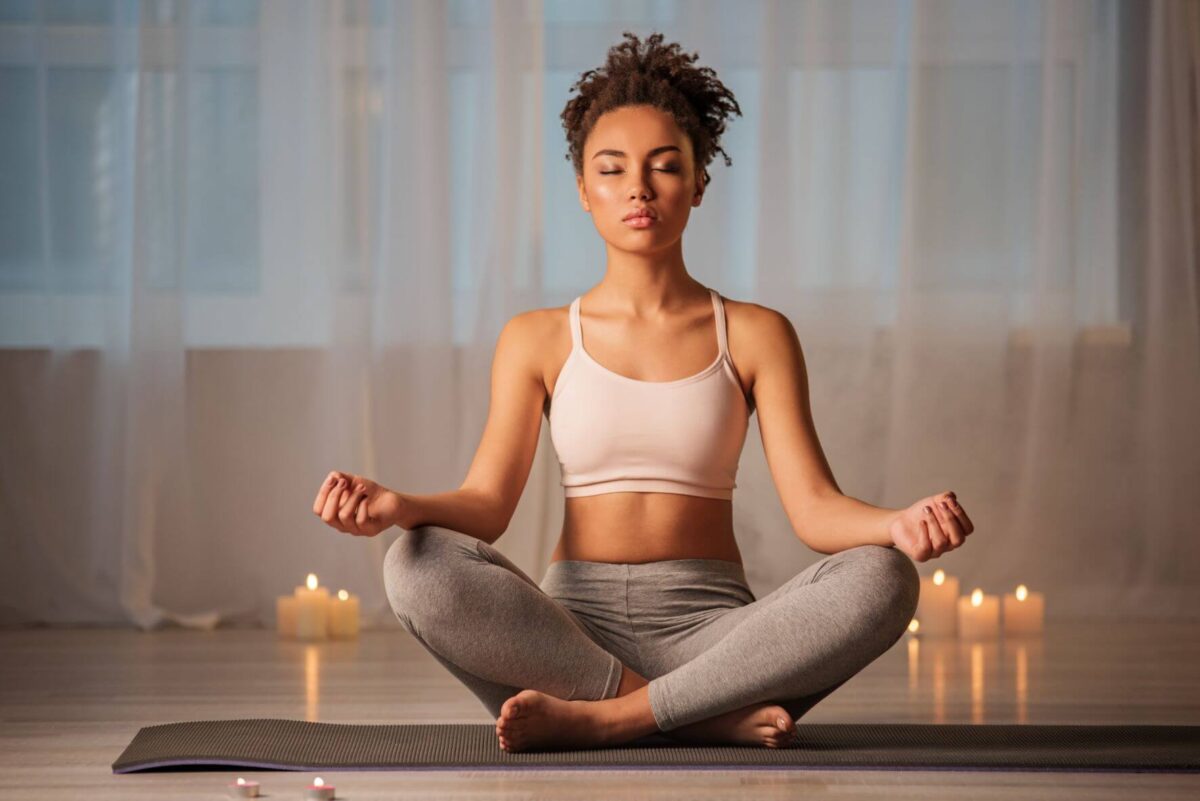
Embarking on a journey of deepening your meditation practice involves exploring advanced techniques that go beyond the foundational principles. This journey is not just about increasing the duration of your sessions but also about enhancing your awareness and understanding of the inner self. This exploration delves into sophisticated methods to cultivate a deeper connection with your inner state.Advanced techniques for meditation practice often require a more dedicated and consistent approach, built upon a solid foundation of regular practice.
The benefits of these practices can be substantial, allowing for greater clarity, emotional regulation, and an expanded sense of self-awareness.
Advanced Meditation Techniques
A deeper exploration of meditation often involves incorporating advanced techniques. These techniques build upon the fundamental practices, aiming for greater mindfulness, emotional balance, and spiritual growth. Each technique has its own unique approach and potential benefits, so choosing one that resonates with your personal goals and inclinations is crucial.
- Mindful Movement Meditation: This practice integrates movement, such as yoga or tai chi, with the principles of mindfulness. It allows for the cultivation of awareness during physical activity, fostering a deeper connection between the body and mind. Mindful movement meditation can be particularly beneficial for individuals seeking to manage stress and anxiety, as the focused attention on the present moment can be deeply grounding.
- Loving-Kindness Meditation: This practice cultivates feelings of love, compassion, and kindness toward oneself and others. It involves focusing on specific individuals, starting with yourself, and wishing them well. This can lead to increased empathy and emotional balance, fostering a greater sense of connection with humanity. The practice can be particularly helpful for individuals seeking to cultivate a more positive and compassionate outlook on life.
- Guided Visualization Meditation: Guided visualizations offer a structured way to explore the power of imagery and imagination in meditation. These visualizations can involve calming scenes, spiritual landscapes, or specific intentions. Guided visualizations can be especially useful for managing stress and anxiety, fostering a sense of peace and serenity. This method can be easily customized to suit individual needs and preferences.
Incorporating Visualizations
Visualizations, often employed in guided meditation, can significantly enhance the practice. Visualizing peaceful scenes or positive affirmations can help to reinforce positive thoughts and emotions, fostering a more profound sense of well-being.
- Visualizing a Peaceful Scene: Imagine a serene beach, a lush forest, or a tranquil mountaintop. Focus on the details—the soft sand, the rustling leaves, the clear mountain air. Allowing yourself to fully immerse in the scene through your senses can induce a sense of calmness and serenity, making it an effective tool for stress reduction.
- Visualizing Positive Affirmations: Visualize yourself embodying positive attributes, such as confidence, resilience, or inner peace. This can help to reinforce these qualities in your mind, fostering a more positive self-image and encouraging self-acceptance.
The Role of Mantras
Mantras, repetitive sounds or phrases, can play a significant role in deepening meditation practice. They provide a focal point for the mind, helping to quiet the internal chatter and promote a state of tranquility.
- Using Mantras in Meditation: Mantras can be a powerful tool in meditation, acting as a mental anchor. Repeating a mantra silently or aloud can help to calm the mind and create a sense of focus, leading to a more profound meditative experience.
- Examples of Mantras: “Om,” “Namaste,” or personalized affirmations like “I am calm and peaceful” can all serve as effective mantras. The specific mantra you choose is less important than the intention behind it.
Meditation Practices with Affirmations and Visualizations
Combining affirmations and visualizations within meditation can create a powerful synergy. The visualizations provide a tangible representation of the affirmations, strengthening their impact on the subconscious mind.
- Example 1: Affirmation and Visualization for Self-Confidence: Visualize yourself confidently addressing a large group of people. Simultaneously, repeat affirmations like “I am confident and capable.” This practice reinforces the positive affirmation within the visual context, leading to a stronger sense of self-belief.
- Example 2: Affirmation and Visualization for Stress Reduction: Visualize a calming scene, such as a serene garden or a tranquil beach. Repeat affirmations such as “I am calm and peaceful.” This combination can be very effective in managing stress and promoting a sense of inner peace.
Table of Advanced Meditation Techniques
| Technique | Benefits | Application |
|---|---|---|
| Mindful Movement Meditation | Stress reduction, body-mind connection, increased awareness | Incorporating movement like yoga or tai chi with mindfulness |
| Loving-Kindness Meditation | Increased empathy, emotional balance, compassion | Focusing on wishing well to oneself and others |
| Guided Visualization Meditation | Stress management, emotional regulation, relaxation | Using imagery and guided prompts |
Maintaining Motivation and Consistency

Cultivating a consistent meditation practice requires more than just initial enthusiasm. Maintaining motivation and overcoming plateaus are crucial aspects of long-term success. This section explores strategies for sustaining your commitment, adapting to different moods, and nurturing self-compassion throughout your journey.Sustaining motivation and consistency in daily meditation practice necessitates a proactive approach. Consistency is not about perfection, but about establishing a regular habit.
Regularity fosters a deeper connection with the practice, allowing you to experience its benefits more profoundly.
Strategies for Maintaining Motivation
Consistent practice involves establishing a routine and integrating meditation into your daily life. Consistency is key to experiencing the profound benefits of meditation. This includes scheduling specific times for meditation, incorporating it into your daily routine, and making it a non-negotiable part of your self-care regimen.
- Establishing a Routine: Creating a consistent schedule for meditation, similar to other daily commitments like work or exercise, helps to integrate it into your lifestyle. Setting a specific time and location, and making it a non-negotiable appointment with yourself, helps solidify the practice. This creates a predictable structure for your mind and body, associating meditation with a specific time and place.
- Setting Realistic Goals: Avoid overwhelming yourself with lofty expectations. Start with short, achievable meditation sessions and gradually increase the duration as your practice evolves. Begin with a few minutes, and gradually increase the duration as you build stamina and consistency.
- Finding a Meditation Partner or Group: Sharing your journey with others can provide encouragement and accountability. Consider joining a meditation group or finding a meditation partner to support each other’s practice.
- Tracking Progress: Keeping a journal or using a meditation app to track your sessions can help you visualize your progress and stay motivated. This can be as simple as noting the duration of your sessions, or more detailed with reflections on how you felt before, during, and after each session.
Overcoming Plateaus in Meditation
Plateaus in meditation practice are common and often temporary. They can be attributed to various factors, including stress, lack of focus, or feeling that the practice isn’t yielding desired results. Recognizing and understanding these plateaus is a crucial step in overcoming them.
- Identifying the Cause: Take time to reflect on why your practice may be feeling stagnant. Possible factors include external stressors, internal anxieties, or a lack of engagement with the techniques. Assess whether the current practice is still relevant or if adjustments are necessary.
- Adjusting Your Technique: Experiment with different types of meditation, such as mindfulness walking, loving-kindness meditation, or guided meditations, to re-ignite your interest. Exploring different styles of meditation can reinvigorate the practice.
- Seeking Guidance: Consider consulting a meditation instructor or therapist to gain fresh perspectives and strategies for overcoming the plateau. This can provide tailored guidance and support.
Adjusting Meditation Practices for Different Moods and Situations
Meditation is not a one-size-fits-all approach. Recognizing and adapting to your current mood and circumstances can enhance your practice. The ability to adjust your practice is a sign of adaptability and flexibility.
- Mindful Awareness of Moods: Acknowledge and accept your current emotional state without judgment. Recognize that your emotions are transient and that meditation can be a tool for navigating them.
- Adjusting Duration and Technique: If you are feeling stressed, a shorter, more focused meditation might be more effective than a longer, more open-ended practice. Adjust your approach to fit your current emotional state.
- Incorporating Meditation into Daily Activities: Use brief moments of downtime to practice mindfulness, such as while waiting in line or during a commute. Integrating meditation into everyday activities can enhance your ability to stay grounded in the present moment.
The Importance of Self-Compassion
Self-compassion is essential for maintaining a consistent meditation practice. It involves treating yourself with kindness and understanding, particularly during challenging times. This aspect of the practice allows you to develop a greater capacity for empathy and compassion towards yourself.
- Understanding Imperfection: Recognize that setbacks and lapses in practice are normal. View them as opportunities for learning and growth, rather than failures.
- Cultivating Self-Kindness: Practice self-acceptance and acknowledge your efforts. Avoid harsh self-criticism or judgment during moments of difficulty.
- Treating Yourself with the Same Kindness You Offer Others: Extend the same understanding and compassion to yourself that you would offer to a friend facing a similar challenge. This is a powerful technique in maintaining a positive attitude towards your practice.
Inspirational Quotes
“Meditation is not a way to stop thinking, but a way of changing your relationship with your thoughts.” – Unknown
“Meditation is the practice of letting go of what you are not.” – Unknown
“The purpose of meditation is to help you discover and live from the deepest part of yourself.” – Unknown
Illustrative Examples of Meditation in Action

Embarking on a meditation journey requires practical application and understanding of the process. This section delves into real-world scenarios to illustrate how the ten rules for daily meditation workouts can be effectively integrated into daily life, highlighting various benefits and outcomes.This exploration demonstrates how meditation can positively impact different facets of life, from stress management to enhanced focus and concentration, and underscores the transformative power of mindful practice.
A Sample Meditation Session
A typical 20-minute meditation session, incorporating the ten rules, might begin with finding a quiet space, ideally free from distractions. The practitioner sits comfortably, either on a cushion or a chair, with a straight spine and relaxed shoulders. The practitioner closes their eyes gently, focusing on their breath, noticing the sensation of air entering and leaving their nostrils.
Mindful awareness of the body is cultivated, observing sensations of tension or relaxation without judgment. The practitioner brings attention to the sounds around them, noting their presence without getting drawn into them. Thoughts may arise, and the practitioner gently redirects their attention back to the breath. The session concludes with a few moments of reflection, noticing the state of mind and body.
This process, consistent with the ten rules, encourages a sense of calm and inner peace.
Stress Management through Meditation
Imagine a professional encountering a demanding deadline at work. Feeling overwhelmed and stressed, they apply the ten rules of meditation. They find a quiet corner, settle into a comfortable position, and focus on their breath. Acknowledging the stressful thoughts and feelings without judgment, they return their focus to the present moment. They notice the sensations in their body, allowing any tension to dissipate.
Throughout the session, they engage with the sounds and sensations around them. This mindful practice helps them regain composure and approach the task with a clearer mind. The consistent application of the meditation routine provides a toolbox for managing stress and fostering resilience in challenging situations.
Physical Health Benefits of Meditation
Meditation, when practiced regularly, can contribute to physical health. For instance, studies suggest a correlation between meditation and lower blood pressure. Individuals experiencing chronic pain might find that meditation helps alleviate symptoms by reducing stress hormones and promoting relaxation. Furthermore, meditation has been linked to improved sleep quality, allowing for better physical recovery and reduced fatigue. These benefits, rooted in the mindful awareness cultivated through meditation, contribute to a healthier lifestyle.
Improving Focus and Concentration with Meditation
A student preparing for an exam finds themselves struggling with distractions. Using the ten rules, they embark on a meditation session. They find a quiet study space, adopt a comfortable posture, and focus on their breath. Identifying and acknowledging distracting thoughts, they gently guide their attention back to the present moment. By consistently practicing mindfulness, they strengthen their ability to concentrate and filter out irrelevant information.
This improves their ability to study effectively, leading to better academic performance.
A Fictional Character: Anya’s Journey
Anya, a young artist, experiences creative blocks and anxiety. She seeks solace in meditation, applying the ten rules. Initially, Anya struggles with controlling her wandering thoughts, often getting distracted by her anxieties. However, with consistent practice, she learns to observe her thoughts without judgment. The quiet space she creates becomes a sanctuary, and the sensations of her breath and body become anchors in her turbulent emotions.
Meditation helps her process her feelings and tap into her creativity. She starts noticing the subtle details in her surroundings and incorporates them into her artwork. This consistent practice allows Anya to transform her challenges into opportunities, fostering a deeper connection with herself and her art.
Outcome Summary
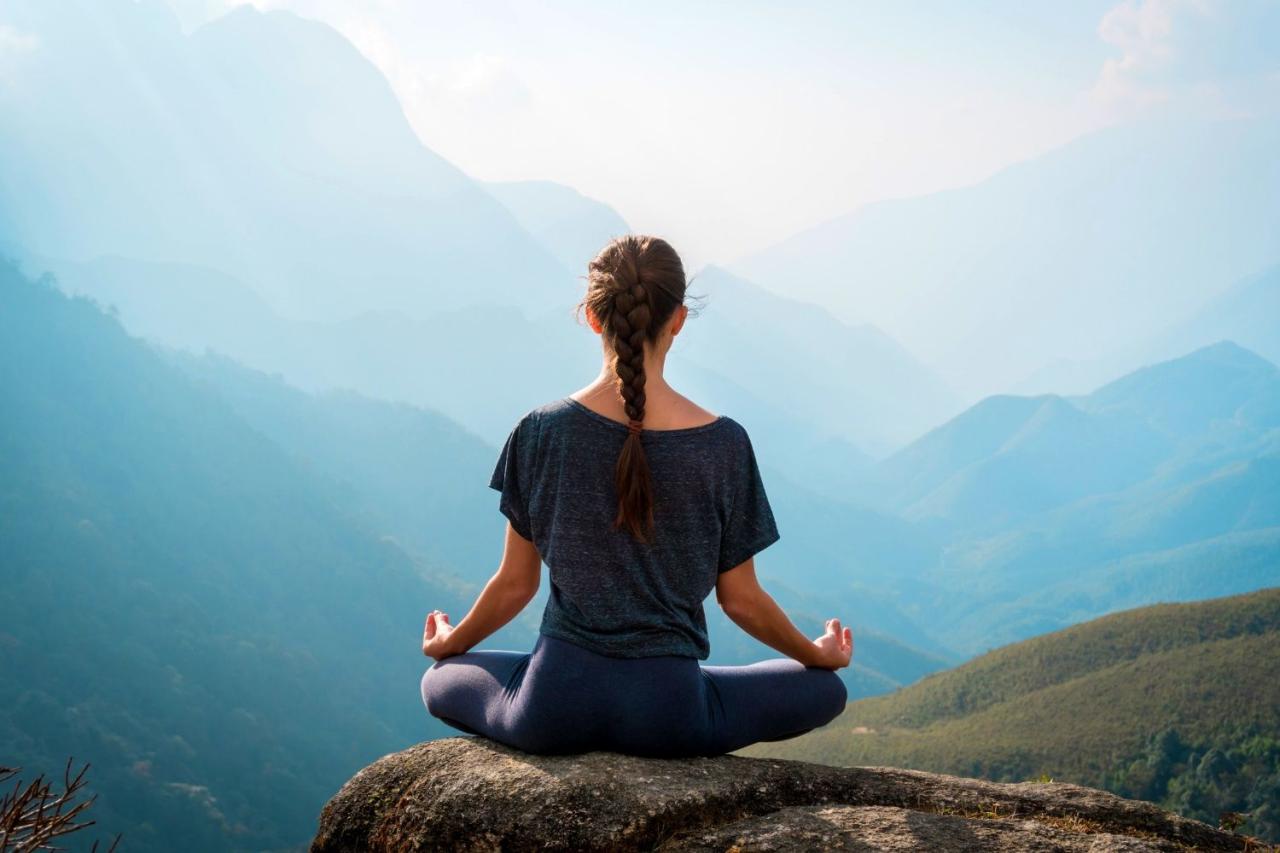
In conclusion, this guide has provided a roadmap to integrate meditation into your daily life, offering practical strategies and techniques for navigating the challenges that may arise. By understanding the 10 rules and incorporating them into your practice, you can cultivate a consistent meditation routine, manage stress and anxiety, and ultimately deepen your connection with yourself. Remember, consistency and self-compassion are key to reaping the full benefits of meditation.