Unlocking the profound connection between meditation and yoga is now within reach. This comprehensive guide, “How to Meditate for Yoga Using 29 Mindful Tips,” provides a structured approach to seamlessly integrating meditation into your yoga practice. We explore various techniques, from mindful breathing to visualizations, empowering you to cultivate a deeper sense of presence and well-being through the practice of yoga.
Discover how to harness the power of mindful awareness to enhance your yoga experience. This guide delves into the intricacies of meditation, offering practical steps and insightful techniques to navigate the complexities of mind and body. By exploring the profound synergy between meditation and yoga, you will develop a deeper understanding of your inner self and your practice.
Introduction to Meditation for Yoga
Meditation, a cornerstone of yoga practice, is a mental discipline focused on cultivating awareness and inner peace. It involves training the mind to focus on a specific object, thought, or sensation, such as the breath, a mantra, or a visual image. This process fosters a state of deep relaxation and heightened self-awareness, ultimately leading to improved mental and physical well-being.Incorporating meditation into a yoga routine enhances the overall benefits of the practice.
It allows practitioners to delve deeper into the poses, fostering a greater understanding of their bodies and minds. This, in turn, leads to a more profound connection between the physical and mental aspects of self, and a heightened awareness of the present moment.
Benefits of Meditation in Yoga
Meditation offers a multitude of benefits that complement and enhance the physical and mental aspects of yoga. These benefits include reduced stress and anxiety, improved focus and concentration, increased self-awareness, and enhanced emotional regulation. By cultivating a calm and centered mind, individuals can better manage stress and navigate life’s challenges with greater resilience.
Different Types of Meditation Relevant to Yoga
Yoga encompasses a variety of meditation techniques, each with its unique focus and benefits. Mindfulness meditation, for example, involves paying attention to the present moment without judgment, while loving-kindness meditation cultivates feelings of compassion and goodwill towards oneself and others. Other forms, such as transcendental meditation and vipassanā meditation, also have their place in the broader context of yoga practice.
These diverse approaches cater to various individual needs and preferences.
- Mindfulness Meditation: This involves focusing on the present moment, observing thoughts and sensations without judgment. It fosters awareness of the body, breath, and emotions as they arise, allowing for a deeper understanding of one’s inner state.
- Loving-Kindness Meditation: This practice cultivates feelings of love, compassion, and kindness towards oneself and others. It often involves repeating phrases or affirmations that express goodwill and support. This form of meditation promotes emotional balance and fosters positive interpersonal relationships.
- Transcendental Meditation: This involves the use of specific mantras, often given by a certified instructor, to facilitate a state of deep relaxation and heightened awareness. This technique aims to transcend everyday thought patterns and achieve a deeper level of inner peace.
- Vipassanā Meditation: This ancient practice emphasizes self-observation, focusing on bodily sensations, thoughts, and emotions to gain insight into their nature. It promotes an understanding of impermanence and non-self, fostering a sense of liberation and equanimity.
History of Meditation in Yoga Traditions
Meditation has been an integral part of yoga traditions for centuries. Early texts and practices show that meditation was viewed as a crucial element for achieving self-realization and liberation from suffering. Over time, various schools and lineages of yoga have developed unique approaches to meditation, reflecting the diverse perspectives and experiences of practitioners. The practice of meditation has been passed down through generations, evolving and adapting to different contexts and cultures.
Comparison Between Yoga Postures (Asanas) and Meditation Practices
While asanas focus on the physical body, meditation focuses on the mind. However, both practices are deeply interconnected. Asanas can cultivate physical stability and awareness, which can then translate into a greater capacity for mental focus and stillness during meditation. Conversely, meditation can promote relaxation and clarity, which can enhance the effectiveness and enjoyment of asana practice.
The benefits of both practices are synergistic, working together to create a holistic approach to well-being.
| Aspect | Yoga Postures (Asanas) | Meditation Practices |
|---|---|---|
| Focus | Physical body alignment, strength, flexibility, balance | Mindfulness, inner stillness, awareness of thoughts and sensations |
| Goal | Improved physical health, flexibility, strength, and balance | Enhanced mental clarity, emotional regulation, stress reduction |
| Impact | Increased physical awareness, stability, and control | Increased mental awareness, emotional stability, and inner peace |
Mindful Breathing Techniques
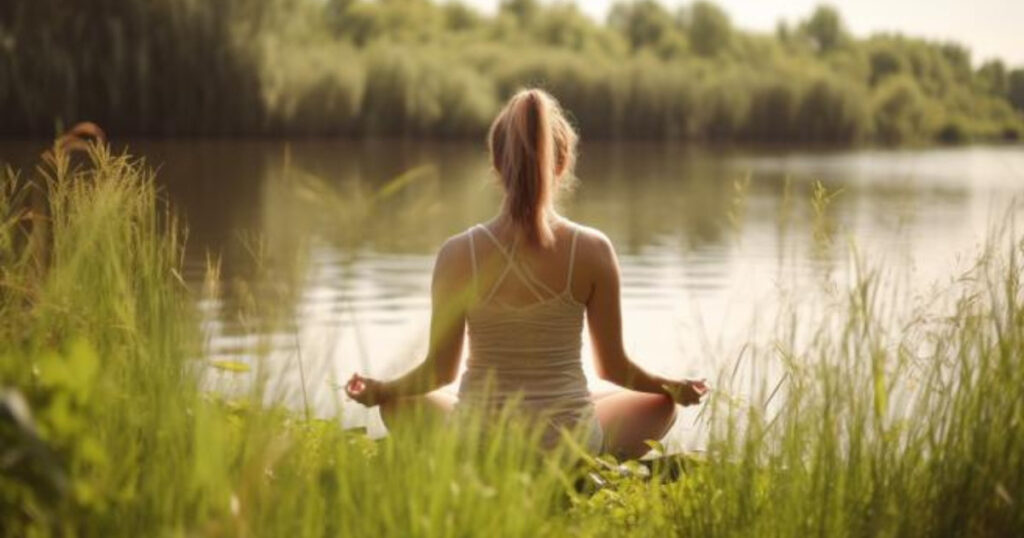
Mindful breathing, a cornerstone of yoga practice, is more than just inhaling and exhaling. It’s a conscious engagement with the breath, fostering a connection between the physical and mental realms. This awareness can profoundly impact stress levels, emotional regulation, and overall well-being. Through these techniques, practitioners cultivate a deeper understanding of their bodies and minds.
Mindful Breathing Techniques
Mindful breathing techniques are diverse practices focused on enhancing awareness and control over the breath. These techniques, when incorporated into yoga practice, create a more profound connection with the body and mind.
- Diaphragmatic Breathing: This technique involves engaging the diaphragm, the primary muscle of respiration, to facilitate deep, full breaths. It is crucial for proper oxygen intake and relaxation. By consciously engaging the diaphragm, the breath becomes more complete and calming, minimizing shallow chest breathing. Diaphragmatic breathing is fundamental for maintaining physical and mental balance.
- Ujjayi Breath: Also known as the victorious breath, this technique involves a subtle constriction of the throat, creating a soft, oceanic sound with each breath. This creates a sense of warmth and focus, calming the nervous system. The gentle resistance in the throat generates a soothing internal hum, creating a calming atmosphere and encouraging focus.
- Alternate Nostril Breathing (Nadi Shodhana): This ancient technique involves inhaling through one nostril and exhaling through the other, alternating sides. It is believed to balance the energies of the body, promoting clarity and focus. This rhythmic exchange of breath through the nostrils is a powerful tool for stress reduction and mental clarity.
- Beholding Breath: This practice emphasizes observation without judgment. It focuses on noticing the sensations of the breath without attempting to control or modify it. This technique encourages acceptance and awareness, allowing practitioners to detach from mental chatter and embrace the present moment.
- Circular Breathing: Involves moving the breath in a circular motion around the body. This method emphasizes the breath’s energy and its movement through the body, promoting relaxation and overall well-being. This method focuses on the breath as a force that can be consciously directed, leading to a heightened sense of physical and mental awareness.
Physiological Effects of Mindful Breathing
Mindful breathing profoundly impacts the body’s physiological responses. The parasympathetic nervous system, responsible for rest and digestion, is activated through controlled breathing. This activation reduces heart rate, lowers blood pressure, and promotes relaxation. The reduction in stress hormones like cortisol and the increase in relaxation hormones like oxytocin contribute to a calmer state of mind.
Step-by-Step Guide for Mindful Breathing in Yoga
- Find a comfortable seated or lying position. Maintain an upright spine, but avoid tension.
- Close your eyes gently, or soften your gaze.
- Become aware of your breath, noticing the sensation of the air entering and leaving your nostrils.
- Pay attention to the rise and fall of your chest or abdomen with each breath.
- Maintain a steady, consistent rhythm in your breath.
- Continue this practice for a few minutes, allowing your mind to settle into the present moment.
Connection Between Breath and Posture in Yoga
Posture in yoga and breath are intrinsically linked. Correct posture facilitates a more efficient flow of breath, while mindful breathing supports the maintenance of proper alignment and stability. The breath provides the energy and stability to hold poses, while the postures provide a framework for deepening the breath. Proper alignment allows for the breath to move freely, enhancing the experience of yoga.
Breathing Exercises, Benefits, and Yoga Postures
| Breathing Exercise | Benefits | Relating Yoga Postures | Notes |
|---|---|---|---|
| Diaphragmatic Breathing | Relaxation, stress reduction, improved posture | Standing poses, backbends, forward folds | Focuses on deep abdominal engagement |
| Ujjayi Breath | Focus, concentration, increased energy | Balancing poses, arm balances, inversions | Creates internal warmth and focus |
| Alternate Nostril Breathing | Balance, clarity, stress relief | Seated meditation, restorative poses | Balances energy channels |
| Beholding Breath | Mindfulness, acceptance, emotional regulation | All yoga poses, meditation | Non-judgmental observation of the breath |
| Circular Breathing | Body awareness, relaxation, energizing | Dynamic sequences, arm balances, backbends | Focuses on breath’s energy movement |
Body Awareness & Postural Alignment
Cultivating body awareness is fundamental to a fulfilling meditation practice, especially within the context of yoga. A keen understanding of your body’s sensations, positions, and limitations allows you to engage more deeply with your internal state. This awareness forms a bridge between the physical and mental realms, enhancing the effectiveness of your yoga postures and deepening your meditative experience.
By connecting body awareness with specific yoga postures, you can create a richer and more profound connection to yourself.Postural alignment in meditation is crucial for maintaining comfort, promoting stability, and fostering a sense of groundedness. Proper alignment not only enhances physical well-being but also contributes to mental clarity and emotional stability. The alignment of your body in a meditative posture directly impacts the flow of energy within you, thereby affecting your overall experience.
Importance of Body Awareness in Meditation
Body awareness is essential for recognizing and managing physical sensations, both subtle and pronounced. This understanding aids in identifying potential physical stressors that might be affecting your mental state. By becoming attuned to bodily cues, you can address discomfort and adjust your posture to create a more conducive environment for meditation.
Connecting Body Awareness with Yoga Postures
Yoga postures, or asanas, are designed to promote strength, flexibility, and balance. By incorporating body awareness into these postures, you can refine your alignment, deepening your connection to the present moment. Each asana offers unique opportunities for exploring the body’s limits and potentials.
Elaboration on Postural Alignment During Meditation
Maintaining correct postural alignment during meditation is critical. It ensures proper blood flow, energy circulation, and reduces the risk of physical strain. Appropriate posture enables the mind to focus more easily on the present moment. This posture also facilitates a deeper connection between the body and the breath.
Techniques for Enhancing Body Awareness During Yoga
These techniques are designed to heighten your sensory awareness of your body, enhancing your connection to the present moment. By consciously attending to these details, you cultivate a profound understanding of yourself.
- Mindful Movement: Slowly and deliberately move through each posture, observing the sensations in your body. Notice the stretch in your muscles, the pressure on your joints, and any subtle shifts in your balance. This conscious movement cultivates a deeper awareness of your physical state.
- Breath-Body Connection: Pay close attention to how your breath affects your body. Notice how your chest, abdomen, and other parts of your body expand and contract with each inhale and exhale. This connection enhances your ability to perceive the subtle changes in your physical sensations.
- Progressive Muscle Relaxation: Systematically tense and release different muscle groups in your body. This process helps you become acutely aware of the subtle differences between tension and relaxation, facilitating a deeper connection with your physical self.
- Sensory Observation: Consciously observe the sensations in your body without judgment. Notice the pressure of the floor on your feet, the stretch in your hamstrings, and the subtle warmth radiating from your hands. This mindful observation deepens your sensory awareness.
- Guided Body Scan Meditation: Engage in a guided body scan meditation. A facilitator will lead you through a systematic exploration of your body, highlighting specific areas and encouraging you to observe the sensations in those areas. This structured approach fosters a more profound awareness of your body’s state.
Relationship Between Yoga Postures and Body Awareness
The table below illustrates the correlation between various yoga postures and body awareness, including corresponding meditation techniques. It demonstrates how yoga postures can be used to enhance your body awareness.
| Yoga Posture | Body Awareness Focus | Meditation Technique | Example |
|---|---|---|---|
| Mountain Pose (Tadasana) | Standing posture, grounding, and balance | Mindful breath, awareness of body parts | Notice the weight distribution on your feet, the length of your spine, and the stillness in your body. |
| Warrior II Pose (Virabhadrasana II) | Strength, stability, and balance | Focusing on breath, stability in legs, and arm alignment | Feel the strength in your legs, the stretch in your hips, and the stability in your torso. |
| Triangle Pose (Trikonasana) | Stretching, flexibility, and spinal elongation | Connecting breath to stretch, observing sensations in limbs and spine | Feel the stretch in your sides, the elongation of your spine, and the stability in your legs. |
| Child’s Pose (Balasana) | Relaxation, release, and spinal decompression | Deep breathing, awareness of sensations in hips and shoulders | Feel the release in your hips, the relaxation in your shoulders, and the lengthening of your spine. |
| Cobra Pose (Bhujangasana) | Backbend, spinal strengthening, and core engagement | Mindful breath, awareness of spinal movements | Feel the stretch in your chest, the strengthening of your back muscles, and the activation of your core. |
Developing Focus & Concentration
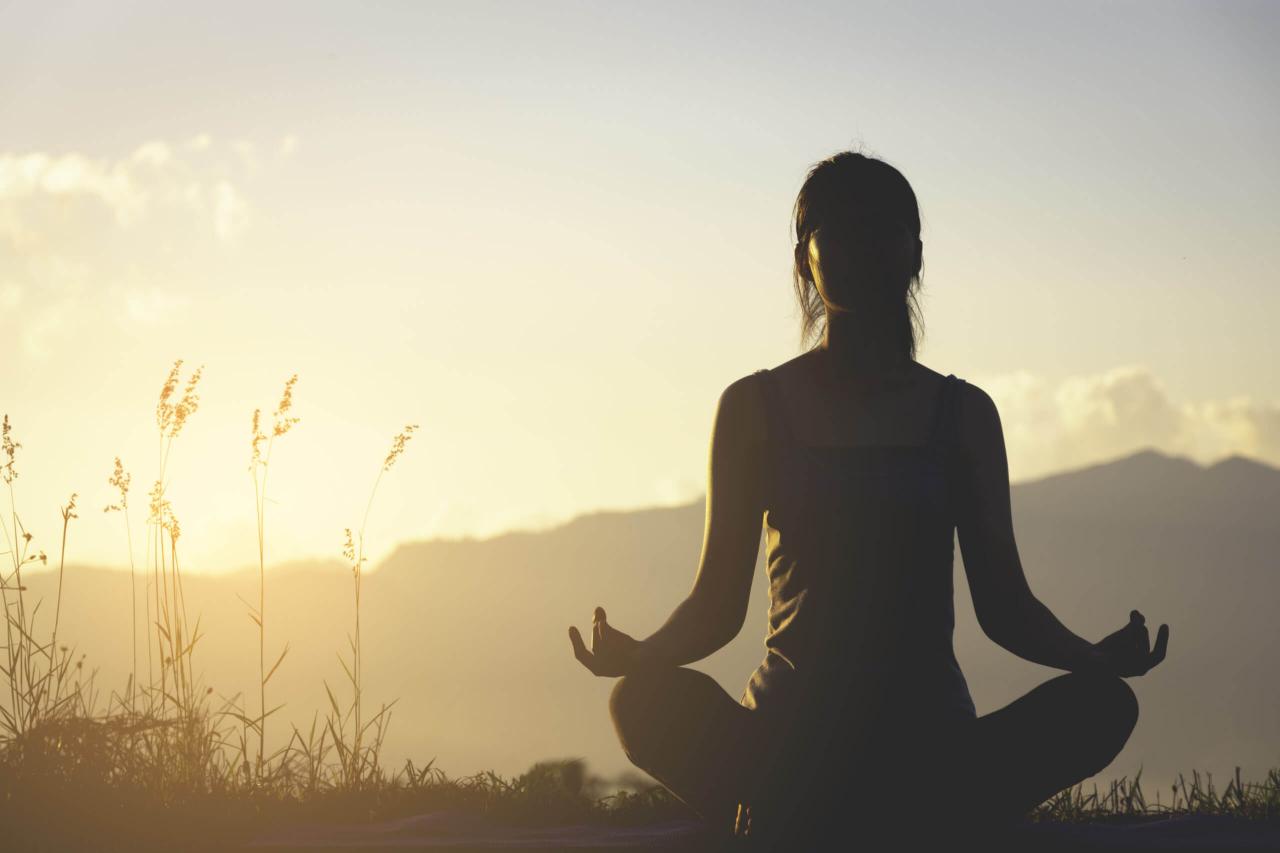
Cultivating focus and concentration is crucial for a fulfilling yoga practice. These mental attributes are not innate; they are skills that can be honed through dedicated practice and mindful techniques. A strong focus during yoga allows practitioners to deepen their connection with their bodies and minds, leading to a more profound and enriching experience.Developing focus and concentration during meditation is a journey of self-discovery.
It involves training the mind to quiet the incessant chatter of thoughts and emotions, and to direct attention towards a specific object, such as the breath, a mantra, or a visual image. This focused attention strengthens mental discipline and clarity, making it easier to navigate daily life with greater presence and composure.
Methods for Improving Focus and Concentration During Yoga
Developing focus and concentration is a gradual process, requiring consistent effort and patience. Various methods can be employed to improve focus and concentration during yoga practice.
- Mindful Breathwork: Consciously observing the breath, its rhythm, and sensations in the body can anchor the mind and cultivate focus. This technique cultivates awareness and reduces the mind’s tendency to wander. Practicing deep, conscious breathing exercises before and during yoga sessions can improve concentration during asanas and meditation.
- Visualisation Techniques: Focusing on a specific visual image, such as a calming scene or a vibrant colour, can help anchor the mind and prevent distractions. This technique helps to ground the mind and maintain focus during practice.
- Sound Meditation: Utilizing a mantra or a guided meditation with sound can engage different parts of the brain and promote focus. Sound-based meditation can be particularly effective for individuals who find it challenging to focus on other sensory input.
- Body Scan Meditation: Systematically bringing awareness to different parts of the body, noticing sensations without judgment, can help build body awareness and improve focus. This technique helps to connect with the physical body and deepen the practice.
- Movement-Based Meditation: Incorporating slow, mindful movements into the meditation practice, such as gentle yoga postures, can engage both the mind and body. This technique fosters a sense of presence and awareness, improving focus and concentration.
Role of Concentration in Enhancing the Yoga Experience
Concentration plays a vital role in enhancing the yoga experience. It allows practitioners to fully engage with each posture, promoting stability and balance. This mental discipline deepens the connection between the mind and body, leading to a more profound understanding of oneself. By focusing on the present moment, practitioners can experience a greater sense of peace and well-being.
Connection Between Focus and Breath Control in Yoga
Breath control, or pranayama, is intrinsically linked to focus in yoga. A steady and mindful breath anchors the mind, helping to redirect wandering thoughts and emotions. The rhythm of the breath becomes a focal point, grounding the practitioner and promoting mental clarity. Maintaining a steady breath also enhances physical stability and balance during asanas, further strengthening the mind-body connection.
Meditation Techniques for Enhancing Focus
| Meditation Technique | Yoga Postures | Benefits | Notes |
|---|---|---|---|
| Mindful Breathing | Mountain Pose (Tadasana), Child’s Pose (Balasana), Corpse Pose (Savasana) | Improved focus, reduced stress, enhanced awareness | Focus on the rhythm and sensations of the breath |
| Visualisation | Tree Pose (Vrksasana), Warrior II Pose (Virabhadrasana II), Eagle Pose (Garudasana) | Increased concentration, enhanced mental clarity, improved stability | Visualise a calming image or colour |
| Mantra Meditation | Lotus Pose (Padmasana), Half Lotus Pose (Ardha Padmasana), Easy Pose (Sukhasana) | Reduced anxiety, improved emotional regulation, enhanced mindfulness | Repeat a chosen mantra silently or aloud |
| Body Scan Meditation | Supported Reclining Spinal Twist, Supported Child’s Pose, Savasana | Improved body awareness, enhanced self-compassion, reduced tension | Focus on sensations in different parts of the body |
Cultivating Mindfulness
Mindfulness meditation, a cornerstone of yoga practice, cultivates a heightened awareness of the present moment. This awareness extends beyond simply observing thoughts and sensations; it encompasses a deep understanding and acceptance of experiences without judgment. By incorporating mindfulness into yoga, practitioners develop a profound connection with their bodies, emotions, and surroundings.
Core Principles of Mindfulness Meditation
Mindfulness meditation is fundamentally about observing thoughts, feelings, and sensations without getting carried away by them. It fosters non-judgmental awareness, allowing experiences to arise and pass without interference. This approach encourages acceptance and cultivates a sense of equanimity, regardless of the internal or external stimuli. A key principle is recognizing that thoughts and emotions are impermanent, constantly changing.
Mindfulness and Yoga Awareness
Mindfulness significantly enhances awareness in yoga by enabling practitioners to deepen their connection with their bodies during postures. By focusing on sensations, such as the pressure of the ground, the stretch in muscles, and the breath, practitioners gain a more profound understanding of their physical limitations and capabilities. This enhanced awareness allows for a more precise and controlled execution of poses, minimizing risk and maximizing benefits.
It also helps practitioners to notice subtle shifts in their bodies, promoting greater flexibility and balance.
Non-Judgmental Awareness During Yoga
Non-judgmental awareness is crucial in yoga. It involves observing thoughts and feelings without labeling them as “good” or “bad,” “right” or “wrong.” This detachment from judgment allows practitioners to experience their emotions and sensations fully without becoming entangled in their interpretations. This practice prevents emotional reactivity and promotes a sense of calm and acceptance, creating a more harmonious and balanced experience during practice.
Mindfulness Scenarios in Yoga Poses
- Mountain Pose (Tadasana): Focus on the contact points of your feet with the floor, the subtle sensations in your ankles, and the lengthening of your spine. Notice the breath entering and leaving your body without judgment. Observe any thoughts or feelings that arise, acknowledging them without getting carried away.
- Warrior II Pose (Virabhadrasana II): Pay close attention to the alignment of your body, the stretch in your legs, and the stability in your hips. Notice the sensations in your arms and the expansion of your chest. Be mindful of any tension or discomfort, accepting it without judgment.
- Triangle Pose (Trikonasana): Focus on the sensations in your extended arm, the stretch in your hips, and the alignment of your torso. Notice the subtle shifts in your body as you deepen the stretch. Observe any thoughts or feelings that arise, acknowledging them without judgment.
- Child’s Pose (Balasana): Feel the support of the ground beneath you. Focus on the relaxation in your hips, thighs, and shoulders. Allow your breath to slow and deepen. Notice any sensations of release and comfort, accepting them without judgment.
- Bridge Pose (Setu Bandha Sarvangasana): Pay attention to the pressure on your back, the stretch in your chest, and the gentle lift of your hips. Notice the connection between your breath and your movement. Be mindful of any discomfort or tension, observing it without judgment.
Mindfulness Exercises and Yoga Postures
Practicing mindfulness during yoga enhances body awareness, posture, and focus. The following table demonstrates the connections between mindfulness exercises and yoga postures, outlining their effects.
| Mindfulness Exercise | Related Yoga Posture | Effects | Specific Mindfulness Focus |
|---|---|---|---|
| Focusing on breath | All postures | Reduces stress, promotes relaxation, improves focus | Inhale and exhale; rhythm and quality |
| Body scan | All postures | Enhances body awareness, improves posture, reduces tension | Sensations in different parts of the body |
| Observing thoughts and feelings | All postures | Promotes emotional regulation, reduces reactivity, fosters acceptance | Thoughts and feelings without judgment |
| Non-judgmental observation | All postures | Reduces self-criticism, promotes acceptance, enhances body awareness | Experiencing sensations without labeling |
Managing Distractions & Emotions
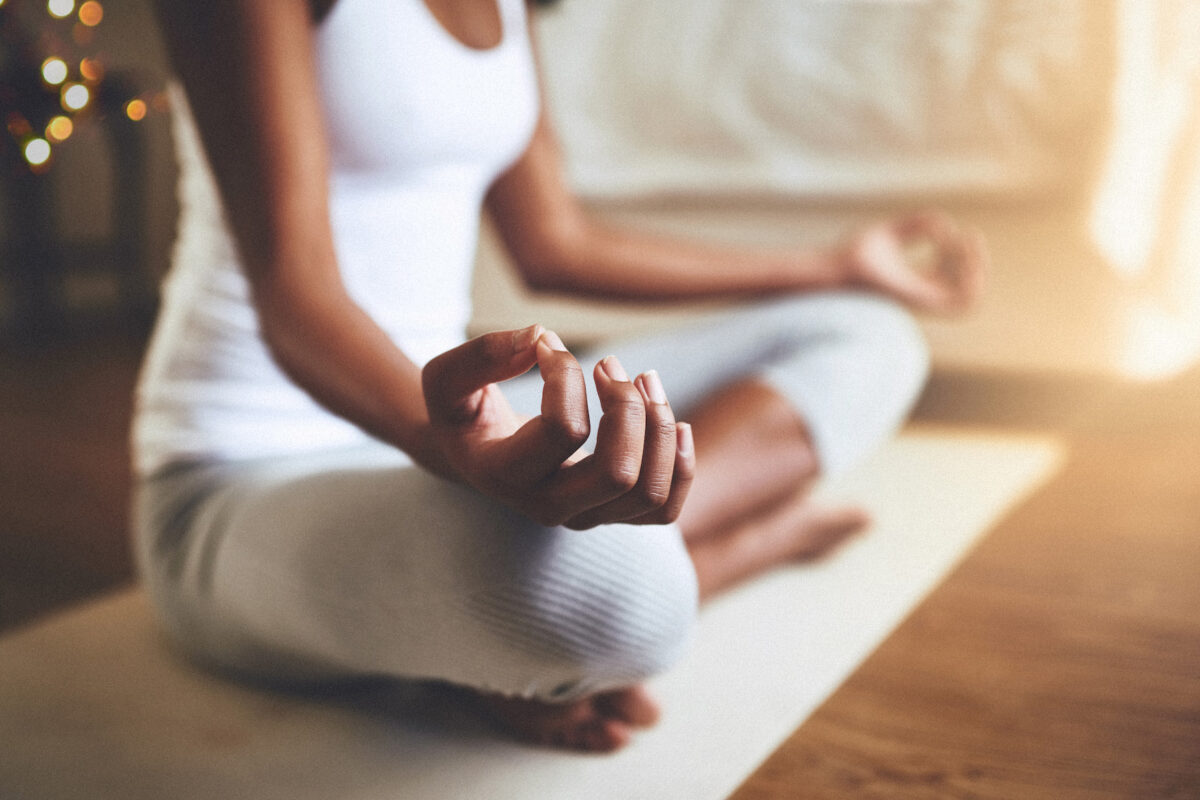
Meditation, a cornerstone of yoga practice, often involves navigating internal landscapes of thoughts, sensations, and emotions. Successfully navigating these internal landscapes is key to experiencing the full benefits of yoga. This section will delve into practical strategies for managing distractions and emotional challenges, fostering a deeper connection with the self during your yoga journey.Emotional experiences, whether positive or negative, can significantly impact our ability to focus during meditation.
By understanding the interplay between distractions, emotions, and meditation, practitioners can cultivate greater self-awareness and resilience. This, in turn, leads to a more enriching and fulfilling yoga practice.
Methods for Managing Distractions During Meditation
Effective meditation requires a focused mind. Distractions, whether external or internal, can disrupt the meditative state. Recognizing these distractions and employing appropriate techniques to mitigate their impact is essential for a productive practice. These methods can be applied within a yoga context, fostering a more profound connection between the mind and body.
- Mindful Observation: Acknowledge distractions without judgment. Recognize the thought or sensation as it arises, observing its nature without getting carried away by it. This awareness helps detach from the distraction, allowing the mind to return to the focus of meditation. For instance, if a buzzing sound from a nearby phone intrudes, notice the sound, acknowledge its presence, and gently redirect your attention back to your breath.
- Reframing Distractions: Instead of resisting distractions, consciously reframe them. Consider the distraction’s origin and nature. If your mind wanders to a to-do list, acknowledge the feeling of needing to address it, but redirect your attention to the present moment. This can be done by accepting the thought without judgment and returning to your breath or focus.
- Progressive Relaxation Techniques: Systematic relaxation of the body can help reduce the intensity of distracting physical sensations. Focusing on the body, one part at a time, allows you to release tension and bring awareness to the present moment. For example, by progressively relaxing your shoulders, arms, and torso, you can minimize physical distractions and promote mental clarity.
- Creating a Conducive Environment: A quiet and comfortable environment minimizes external distractions. Minimizing external noise, light, and other sensory stimuli creates a conducive atmosphere for meditation. A dimly lit room, comfortable clothing, and minimizing environmental noise can contribute to a more peaceful meditative state.
- Using Anchors: Develop a personal anchor or point of focus to guide your attention back to the present moment. This anchor can be your breath, a mantra, a visualization, or a physical sensation. If your mind wanders, gently guide it back to the anchor.
Approaching Emotional Challenges During Yoga Practice
Yoga practice often encompasses a range of emotions. Recognizing and managing these emotions, both positive and negative, is crucial for a meaningful and fulfilling experience. Acknowledging and accepting these emotional fluctuations is a key aspect of the practice.
- Acceptance and Non-Judgment: Allow yourself to experience the full spectrum of emotions without judgment. Acknowledging the emotion without getting swept away by it is essential. For instance, if feelings of frustration arise during a challenging pose, acknowledge the frustration, but don’t let it control your reaction. Simply accept it and gently redirect your attention to the present moment.
- Emotional Regulation Strategies: Cultivating self-awareness is key to emotional regulation. Understanding your emotional triggers and responses enables you to proactively manage them. If you notice a recurring pattern of feeling overwhelmed during specific yoga poses, you can practice coping mechanisms to manage these triggers. Techniques like grounding exercises or mindfulness meditations can be used to regulate your emotions.
- Connecting with Your Breath: Returning to your breath is a powerful tool for grounding yourself during emotional moments. Deep, conscious breathing connects you to the present moment and helps to calm your nervous system. If feelings of anxiety arise, focusing on your breath can help you anchor yourself and regain composure.
Connection Between Meditation and Emotional Regulation
Meditation and emotional regulation are intrinsically linked. Regular meditation practice can enhance self-awareness and emotional intelligence. Through consistent practice, practitioners gain a deeper understanding of their emotional responses and develop strategies for managing them effectively.
- Increased Self-Awareness: Meditation cultivates self-awareness by enabling you to observe your thoughts and emotions without judgment. This increased self-awareness allows for a clearer understanding of emotional triggers and responses, empowering you to manage them effectively.
- Stress Reduction: Meditation can reduce stress and anxiety by calming the nervous system. This reduction in stress promotes emotional balance and stability. For example, studies have shown that regular meditation practice can decrease cortisol levels, a hormone associated with stress.
Techniques for Dealing with Distractions in a Yoga Context
Yoga poses and breathing techniques can be incorporated into meditation to enhance focus and manage distractions. These techniques can be adapted to suit different levels of experience and individual needs.
- Yoga Poses: Specific yoga poses can be utilized to ground the body and mind, reducing distractions. These poses can include restorative poses, balancing poses, or grounding poses, helping you maintain a calm and focused state during meditation. For instance, Child’s Pose can provide a sense of groundedness and stillness, facilitating a deeper connection with your breath.
- Breathing Exercises: Incorporating mindful breathing techniques into yoga practice enhances the meditative state. By focusing on the breath, practitioners can anchor their attention and reduce distractions. Practices such as Ujjayi breath or alternate nostril breathing can be used to manage distractions and create a calm environment for meditation.
Examples of How Meditation Helps Manage Stress and Anxiety During Yoga
Meditation can be a powerful tool for managing stress and anxiety during yoga. Consistent practice can help individuals develop coping mechanisms for navigating challenging emotions.
- Stress Reduction: Meditation can help reduce the physical and mental symptoms of stress, such as racing thoughts, muscle tension, and rapid heartbeat. This reduction in stress symptoms enables practitioners to engage in their yoga practice more effectively and with a greater sense of ease.
- Anxiety Management: Meditation can be used to manage anxiety during yoga by providing a tool for recognizing and redirecting anxious thoughts. Practicing meditation before or during a yoga session can help ground practitioners and maintain focus, reducing the impact of anxiety.
Mindful Movement & Transitions
Mindful movement is a crucial component of yoga practice, extending beyond the physical postures to encompass the mental and emotional realms. It’s not merely about moving from one pose to another, but about engaging all senses and awareness during each transition. This conscious approach fosters a deeper connection with the body, cultivates focus, and ultimately enhances the meditative experience within a yoga session.Mindful transitions are integral to the practice of yoga because they provide opportunities for introspection and self-awareness.
Each movement becomes a meditation in itself, allowing practitioners to experience the present moment fully. This heightened awareness translates into a richer experience of the poses themselves and strengthens the connection between the physical and mental aspects of the practice.
Importance of Mindful Transitions in Yoga
Mindful transitions are not simply a means of moving from one posture to another; they are a vital component of the yoga practice. They provide a bridge between poses, allowing for a smooth flow of energy and a deeper connection with the body. By focusing on the sensations of each movement, practitioners cultivate a heightened awareness of their physical being, which is foundational for deeper meditation.
This awareness, in turn, allows for greater control over the mind and emotions, ultimately leading to a more profound meditative experience.
Guide for Mindful Movement Transitions
This guide Artikels key principles for mindful movement transitions in yoga. Each transition should be performed with deliberate awareness, focusing on the sensations within the body. A slow, controlled approach, coupled with a sense of intention, enhances the experience and cultivates a deeper connection with the body’s natural rhythms.
- Begin each transition with a deep breath, allowing the body to settle into the present moment.
- Engage in a gentle, controlled movement from one pose to another, paying attention to the subtle sensations in your muscles and joints.
- Maintain a steady gaze, anchoring your focus on a specific point or your breath to avoid distraction.
- Feel the energy flow as you move, allowing it to guide your transitions. Notice any blockages or resistance.
- Avoid rushing or forcing the movements. Patience and gentleness are key to mindful transitions.
Demonstrating Mindful Transitions to Deepen Meditation
Mindful transitions serve as micro-meditations, enriching the overall yoga experience. By focusing on the nuances of each movement, practitioners develop a heightened awareness of their body’s response to physical cues. This awareness translates directly to greater mental clarity and focus, essential components for deepening meditation during yoga. A continuous flow of awareness throughout the practice enhances the meditative quality of the poses.
- Observe the sensations in your hands as you transition from downward-facing dog to plank pose.
- Feel the stretch in your hamstrings as you move from forward fold to warrior pose.
- Notice the subtle shift in your spine as you transition from seated meditation to tree pose.
Table of Transitions, Movements, and Meditation Practices
This table illustrates how mindful transitions between yoga postures, specific mindful movements, and corresponding meditation practices can be integrated.
| Yoga Posture | Mindful Movement | Corresponding Meditation Practice | Notes |
|---|---|---|---|
| Downward-Facing Dog to Plank | Gradually shift weight forward, feeling the stretch in the hamstrings and the engagement of core muscles. | Focus on the breath and the sensations of the core engagement, cultivating a sense of stability. | Maintain a steady gaze and a slow, controlled movement. |
| Warrior II to Triangle Pose | Extend one arm and reach the other hand down to the floor, maintaining a stable base. | Focus on the stretch and lengthen the spine, deepening the connection to the earth. | Align the hips and shoulders and feel the stretch. |
| Seated Meditation to Tree Pose | Slowly rise from a seated position, placing one foot on the inner thigh, grounding the energy. | Focus on the sensation of the grounded foot and the stability in the posture. | Find stillness in the balance. |
Visualizations & Imagery
Visualization, a powerful tool in meditation, involves creating mental images or scenarios. This technique engages the imagination to cultivate a deeper connection with oneself and the present moment. It allows for exploring emotions, experiences, and aspirations in a safe and controlled environment, enhancing self-awareness and emotional regulation.Visualization in meditation is not merely a passive act of contemplation but an active process of engaging with mental imagery.
By actively forming mental pictures and sensations, practitioners can cultivate a sense of presence and connection to their desired outcomes, thus improving focus and concentration, reducing stress, and enhancing overall well-being. This active engagement distinguishes visualization from simple daydreaming.
Role of Visualization in Yoga Practice
Visualization significantly enhances the yoga practice by providing focus and intentionality. It allows practitioners to connect with the desired outcome of each pose, promoting deeper engagement with the body and mind. This mental imagery can aid in maintaining proper alignment, fostering greater strength and flexibility, and creating a more mindful and fulfilling experience.
Visualizations for Yoga Poses
The following visualizations can be integrated into yoga poses, enhancing the experience and deepening the connection between mind and body:
- Mountain Pose (Tadasana): Visualize roots extending from your feet, anchoring you firmly to the earth. Imagine a golden light radiating from your crown chakra, connecting you to the universe. This imagery fosters a sense of stability and grounding, promoting a sense of centeredness.
- Warrior II Pose (Virabhadrasana II): Visualize a powerful warrior, strong and focused. Feel the energy coursing through your body, strengthening your limbs and core. Imagine the outstretched arms as wings, reaching out to embrace the sky. This mental image can aid in maintaining balance and alignment, while fostering a sense of strength and power.
- Triangle Pose (Trikonasana): Imagine a mountain range extending from the earth, reaching up to the sky. Feel the stretch in your sides, and visualize the line of energy connecting you from the base of the mountain to the peak. This imagery can help in deepening the stretch and enhancing the feeling of connection.
- Downward-Facing Dog (Adho Mukha Svanasana): Visualize your body as a strong, inverted V, connecting your hands and feet to the earth. Feel the lengthening of the spine and the stretch in your hamstrings and calves. Imagine the energy flowing freely throughout your body, releasing tension and promoting flexibility.
- Cobra Pose (Bhujangasana): Visualize a serpent uncoiling, stretching and reaching towards the sun. Feel the expansion in your chest and the gentle lengthening of your spine. Imagine a warm, golden light filling your body, promoting a sense of openness and rejuvenation.
Connection Between Visualization and Posture in Yoga
Visualizing the ideal posture in a yoga pose enhances the ability to maintain proper alignment. By creating a mental image of the desired form, practitioners can more effectively guide their physical body into the correct position. This connection between mental imagery and physical alignment strengthens the mind-body connection, leading to improved focus, stability, and overall well-being.
Significance of Sensory Imagery in Meditation
Sensory imagery, an essential aspect of visualization, involves engaging all the senses in the visualization process. It enriches the experience by incorporating sounds, smells, tastes, and tactile sensations. By integrating these elements, practitioners can cultivate a more immersive and profound connection with the visualization. For example, visualizing a peaceful forest might include the sounds of birds chirping, the scent of pine needles, and the feeling of soft grass beneath your feet.
This multi-sensory approach enhances the effectiveness and depth of the meditation.
Connecting with the Present Moment
Yoga, at its core, is a practice that encourages mindful engagement with the present moment. Through various techniques, including meditation, practitioners cultivate a deeper awareness of their physical sensations, thoughts, and emotions as they unfold in the here and now. This heightened presence enhances the experience of each posture and movement, leading to a richer, more meaningful practice.Meditation, as a foundational element of yoga, plays a crucial role in fostering present moment awareness.
By quieting the mind and focusing on the breath, practitioners create space for sensations and thoughts to arise and pass without judgment. This non-judgmental observation allows for a deeper connection to the present, enabling a more holistic and fulfilling yoga experience.
How Meditation Fosters Present Moment Awareness in Yoga
Meditation cultivates present moment awareness by training the mind to focus on the immediate experience. Through consistent practice, the mind becomes less reactive to thoughts and emotions, allowing practitioners to observe them without getting carried away by them. This non-reactive state of mind creates a space for a deeper connection to the physical body, promoting a greater sense of presence.
Examples of Connecting with the Present Moment During Yoga
Connecting with the present moment in yoga involves actively engaging with the sensations of the body and the breath. Here are five examples:
- Focusing on the breath: Consciously noticing the sensation of the breath entering and leaving the body, without judgment, is a key element of present moment awareness. This focus anchors the mind in the present, pulling it away from past worries or future anxieties.
- Sensing the body in posture: Paying attention to the subtle shifts in weight distribution, the stretch in muscles, and the pressure points on the body during each pose helps to ground the practitioner in the present moment. This awareness heightens the experience of the posture, moving beyond a mere physical movement to a conscious experience.
- Observing thoughts and emotions: When thoughts or emotions arise, acknowledging their presence without getting caught up in them is essential for maintaining presence. This awareness of mental states allows practitioners to observe them as fleeting experiences without judgment, maintaining a connection to the present.
- Acknowledging sounds and surroundings: Being aware of the sounds around you, such as the gentle sounds of your breath, the rustling of leaves, or the chirping of birds, brings a sense of groundedness in the present moment. This awareness creates a connection to the environment, enriching the practice.
- Feeling the connection between movement and breath: Connecting the rhythm of your breath to the flow of your movements, whether in a sequence of postures or in a mindful flow, anchors the practice in the present. This awareness brings a sense of fluidity and integration to the practice.
Relationship Between Presence and Posture in Yoga Practice
A strong connection to the present moment directly influences the quality of one’s yoga practice. Presence allows for a more accurate and mindful alignment in postures, leading to a deeper understanding of the body and its limitations. The mind-body connection fostered by presence promotes a deeper engagement with the practice, reducing distractions and enhancing the benefits of the poses.
How Meditation Helps Anchor One to the Present
Meditation trains the mind to focus on the present moment. Through consistent practice, practitioners cultivate a non-judgmental awareness of thoughts and emotions, preventing them from pulling the mind away from the present. This ability to remain grounded in the present moment is invaluable for a more profound and meaningful yoga experience.
Yoga Poses, Mindful Awareness Practices, and Relationship to the Present Moment
The table below demonstrates how different yoga poses can be approached with mindful awareness practices, strengthening the connection to the present moment.
| Yoga Pose | Mindful Awareness Practice | Relationship to the Present Moment | Example of Focus |
|---|---|---|---|
| Mountain Pose (Tadasana) | Focusing on the breath, feeling the feet on the ground, noticing sensations in the body | Grounding in the present through body awareness, creating a stable foundation for the practice. | Notice the subtle pressure of your feet against the floor, feel the rise and fall of your abdomen with each breath. |
| Warrior II Pose (Virabhadrasana II) | Observing the alignment of the body, feeling the stretch in the muscles, connecting breath to movement. | Engaging with the physical sensations of the pose while maintaining awareness of the breath, deepening the connection to the present moment. | Focus on the stretch in your outer hip and the extension of your arms, feeling the stability of your legs. |
| Tree Pose (Vrksasana) | Maintaining balance, feeling the connection between the ground and the body, observing thoughts and emotions. | Developing concentration and stability while acknowledging mental states, reinforcing the connection to the present. | Notice the subtle shift of your weight, observe if thoughts arise about maintaining balance, acknowledge them without judgment. |
| Child’s Pose (Balasana) | Relaxing into the pose, feeling the release in the back, noticing sensations of peace and calm. | Allowing the body to release tension, cultivating a sense of peace and presence, connecting with the present moment’s stillness. | Focus on the sensations of release in your hips and lower back, feel the ground supporting you. |
Integrating Meditation into Your Yoga Practice
Integrating meditation seamlessly into your yoga practice enhances the benefits of both disciplines. By cultivating a mindful connection between movement and stillness, you can deepen your understanding of your body and mind, fostering greater flexibility, resilience, and overall well-being. This integration allows you to explore the profound interplay between physical postures and mental awareness, creating a holistic approach to self-care.This guide will detail how to effectively integrate meditation into your yoga routine, tailor practices to individual needs, and provide examples of specific class integrations, along with transition techniques and a sample flow.
Tailoring Meditation to Individual Yoga Needs
Individual needs dictate the specific approach to integrating meditation within a yoga practice. Consider the duration of your practice, your current level of experience with both yoga and meditation, and your personal goals. For beginners, shorter meditation sessions are more beneficial. Experienced practitioners can gradually increase the duration and complexity of their meditations.
- For those seeking relaxation and stress reduction, incorporate a focus on deep breathing and body scan meditation techniques into restorative or gentle yoga sequences. This approach can facilitate a deep sense of calm and reduce anxiety.
- If your goal is to enhance concentration and focus, consider incorporating a mindful awareness meditation during active poses. This can promote mental clarity and improve attention span.
- For those seeking deeper self-discovery, guided meditations can support introspection and emotional regulation during specific yoga postures, such as seated poses or savasana.
Examples of Meditation Practices Integrated into Specific Yoga Classes
Various yoga classes can incorporate meditation techniques to enhance their effectiveness. Here are examples demonstrating the integration:
- Hatha Yoga: Incorporate a brief 5-minute body scan meditation before and after a Hatha flow sequence to enhance body awareness and relaxation. This allows practitioners to connect with the physical sensations of each pose and release tension.
- Vinyasa Flow: Integrate a 2-minute mindful breathing meditation between transitions to cultivate focus and prevent momentum from overwhelming the mind. This mindful approach during transitions will ensure smooth transitions between postures.
- Yin Yoga: Incorporate a 10-minute guided visualization meditation into a Yin Yoga session to promote emotional release and cultivate a sense of inner peace. This technique fosters a deep connection with the present moment and encourages the release of emotional blockages.
Transitioning Between Meditation and Yoga Postures
Smooth transitions between meditation and yoga postures are crucial. Establish a consistent transition process to minimize mental disruption and maintain focus.
- Gradually transition from a seated meditation to a standing posture by gently moving your body with awareness. This avoids sudden movements.
- After a series of poses, find a comfortable seated position and transition into a mindful breathing meditation. The intention is to maintain a seamless flow of consciousness.
- Transition from active poses to a resting posture like Savasana with a focus on conscious relaxation, breathing deeply and acknowledging the physical sensations of the body.
Sample Yoga Flow Incorporating Meditation Techniques
This sample flow demonstrates the integration of meditation into a yoga sequence.
| Pose | Meditation Technique | Duration |
|---|---|---|
| Child’s Pose | Mindful body scan | 2 minutes |
| Downward-Facing Dog | Mindful breathing | 3 minutes |
| Warrior II | Focused attention on breath | 2 minutes |
| Tree Pose | Grounding meditation | 3 minutes |
| Savasana | Guided visualization | 5 minutes |
Last Recap
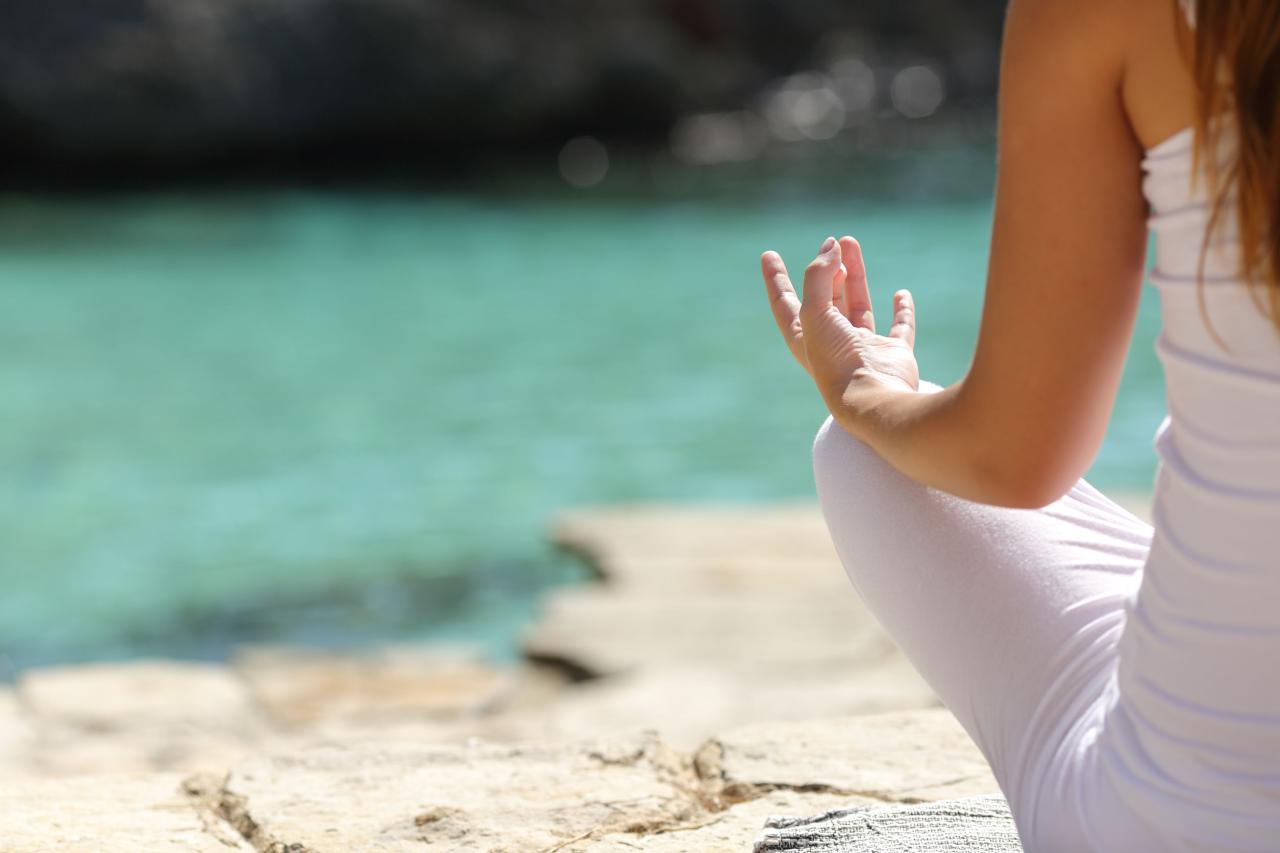
This exploration of “How to Meditate for Yoga Using 29 Mindful Tips” has highlighted the powerful interplay between these two ancient practices. By integrating mindful techniques into your yoga routine, you can elevate your practice to a new level of awareness, focus, and emotional regulation. Embark on this journey of self-discovery and experience the transformative potential of mindful meditation within your yoga practice.