Physical activity is vital for well-being, but effective recovery is equally important. This comprehensive guide delves into the art of cool-down meditation, demonstrating how integrating mindful practices can optimize your post-workout recovery. Discover the profound benefits of various meditation techniques, from simple breathing exercises to advanced mindfulness practices, designed to ease muscle tension, calm the mind, and enhance overall well-being after physical exertion.
We’ll explore different types of meditation, tailored to various physical activities, and equip you with practical steps to seamlessly transition from your workout to a state of deep relaxation. From understanding the physical and mental aspects of cool-down meditation to practical exercises and troubleshooting common challenges, this guide is your key to unlocking a more effective and fulfilling post-workout experience.
Introduction to Cool-Down Meditation
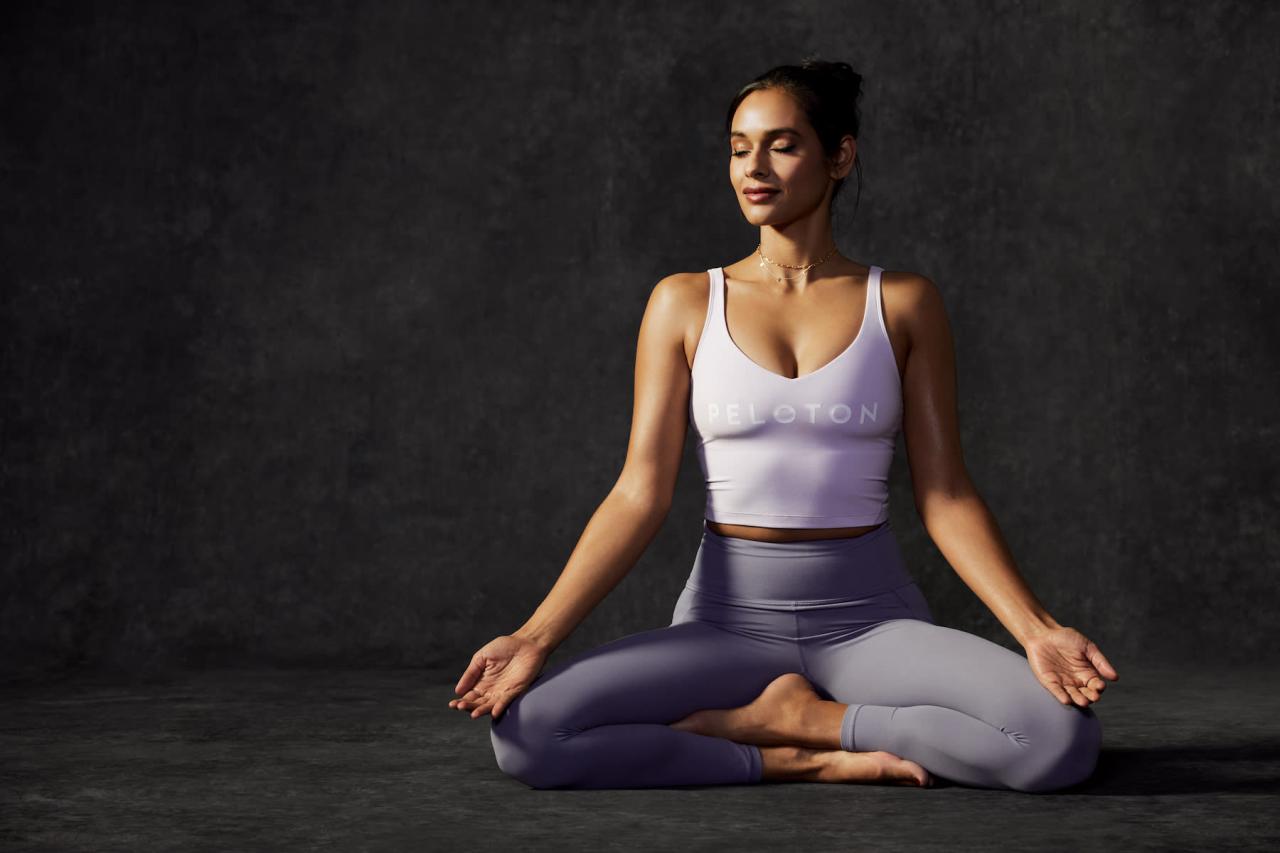
Cool-down meditation is a practice designed to transition from physical activity to a state of calm and relaxation. It aids in recovery by reducing stress on the body and mind, promoting better sleep, and enhancing overall well-being. This mindful practice can be easily integrated into a post-workout routine, complementing the physical exertion with mental restoration.A cool-down period is crucial after any physical activity.
It allows the body to gradually return to its resting state, preventing muscle soreness and promoting efficient recovery. Meditation during this period helps regulate the body’s physiological responses, such as heart rate and breathing, thus facilitating a smoother transition and reducing the risk of injury.
Cool-Down Meditation Benefits
Cool-down meditation offers numerous advantages. It reduces post-exercise muscle tension and promotes relaxation, contributing to a more restorative recovery. By focusing on the breath and body sensations, individuals can alleviate stress and anxiety, fostering a sense of calm and well-being. Moreover, this practice can improve sleep quality, enhancing overall physical and mental health.
Importance of Cool-Down Period
The cool-down period following physical activity is essential for the body’s recovery. During this period, the body gradually returns to its resting state, allowing blood flow to redistribute and preventing muscle stiffness. A proper cool-down also reduces the risk of post-exercise soreness and injuries. Incorporating meditation into this phase enhances the restorative process, promoting better sleep and reducing stress levels.
Common Activities and Meditation Techniques
The table below presents a selection of common activities and corresponding meditation techniques for an effective cool-down:
| Activity | Meditation Technique |
|---|---|
| Running | Focus on the sensation of the body slowing down, noticing the gradual return of breath to normal rhythm. Visualize releasing tension from the muscles. |
| Yoga | Incorporate restorative poses that encourage relaxation and deep breathing. Pay attention to the feeling of the body sinking into the floor. |
| Weightlifting | Incorporate gentle stretching or static holds. Focus on the release of tension in the muscles. Notice the calming effect of slowing the heart rate. |
| Cycling | Gradually decrease the intensity of the ride. Focus on the sensation of the body returning to stillness. Notice the return of normal breathing patterns. |
Types of Meditation for Cool-Down
Following physical activity, incorporating a cool-down meditation routine can significantly enhance recovery and well-being. A structured cool-down period allows the body to gradually return to its resting state, reducing muscle soreness and promoting mental calmness. Various meditation techniques are particularly effective during this phase, offering unique psychological benefits for optimal recovery.
Mindfulness Meditation
Mindfulness meditation cultivates present-moment awareness, focusing on sensations, thoughts, and emotions without judgment. It fosters a sense of detachment from stressful thoughts and feelings, promoting emotional regulation. During a cool-down, mindfulness encourages acceptance of the body’s physical state, acknowledging any sensations of relaxation or lingering tension.
- Become aware of your breath, noticing the sensation of air entering and leaving your lungs. Observe the rise and fall of your chest or abdomen.
- Bring attention to bodily sensations, such as the weight of your limbs, the feeling of your clothing against your skin, or any subtle aches or pains.
- Acknowledge thoughts and emotions as they arise without getting carried away by them. Gently redirect your attention back to your breath or bodily sensations.
Psychological benefits of mindfulness during cool-down include reduced stress hormones, improved focus, and a greater sense of calm.
Body Scan Meditation
Body scan meditation systematically directs attention to different parts of the body, noticing any sensations, tension, or discomfort. This technique promotes relaxation and awareness of physical sensations, which can help alleviate muscle tension and promote overall well-being. During a cool-down, it can be particularly beneficial for releasing physical stress accumulated during exercise.
- Begin by finding a comfortable seated or lying position.
- Bring your attention to your toes, noticing any sensations, warmth, tingling, or tension.
- Gradually move your attention up your body, exploring each part – feet, ankles, calves, knees, thighs, abdomen, chest, back, arms, hands, neck, and head.
- Acknowledge any sensations without judgment, allowing them to be present without trying to change them.
This technique can reduce muscle tension, promote relaxation, and enhance body awareness.
Loving-Kindness Meditation
Loving-kindness meditation cultivates feelings of compassion, warmth, and goodwill towards oneself and others. During a cool-down, it promotes a sense of interconnectedness and positivity, helping to foster a feeling of peace and well-being. This practice can be particularly helpful in promoting emotional balance after a challenging workout.
- Start by directing loving-kindness towards yourself, wishing yourself happiness, health, and peace.
- Extend this feeling to a loved one, wishing them well-being and happiness.
- Expand the feeling to a neutral person, wishing them well-being and peace.
- Finally, extend this feeling to a difficult person or a challenging situation, wishing them well-being and peace.
This practice promotes feelings of empathy, compassion, and positivity, reducing feelings of stress and promoting emotional regulation.
Progressive Muscle Relaxation
Progressive muscle relaxation involves systematically tensing and releasing different muscle groups in the body. This technique helps release physical tension, promoting relaxation and reducing stress. During a cool-down, it can be particularly helpful in releasing muscle tension accumulated during exercise.
- Begin by finding a comfortable seated or lying position.
- Identify a muscle group, such as your toes.
- Gradually tense the muscle group for a few seconds.
- Release the tension and notice the feeling of relaxation.
- Continue this process for other muscle groups, moving up the body from toes to head.
This technique promotes physical relaxation, reduces muscle tension, and promotes a sense of calm.
| Technique | Description | Steps |
|---|---|---|
| Mindfulness | Present moment awareness | Focus on breath, sensations, thoughts |
| Body Scan | Systematic body awareness | Explore sensations in each body part |
| Loving-Kindness | Cultivating compassion | Wish well-being to self, others |
| Progressive Muscle Relaxation | Release muscle tension | Tense and release muscle groups |
Physical Aspects of Cool-Down Meditation
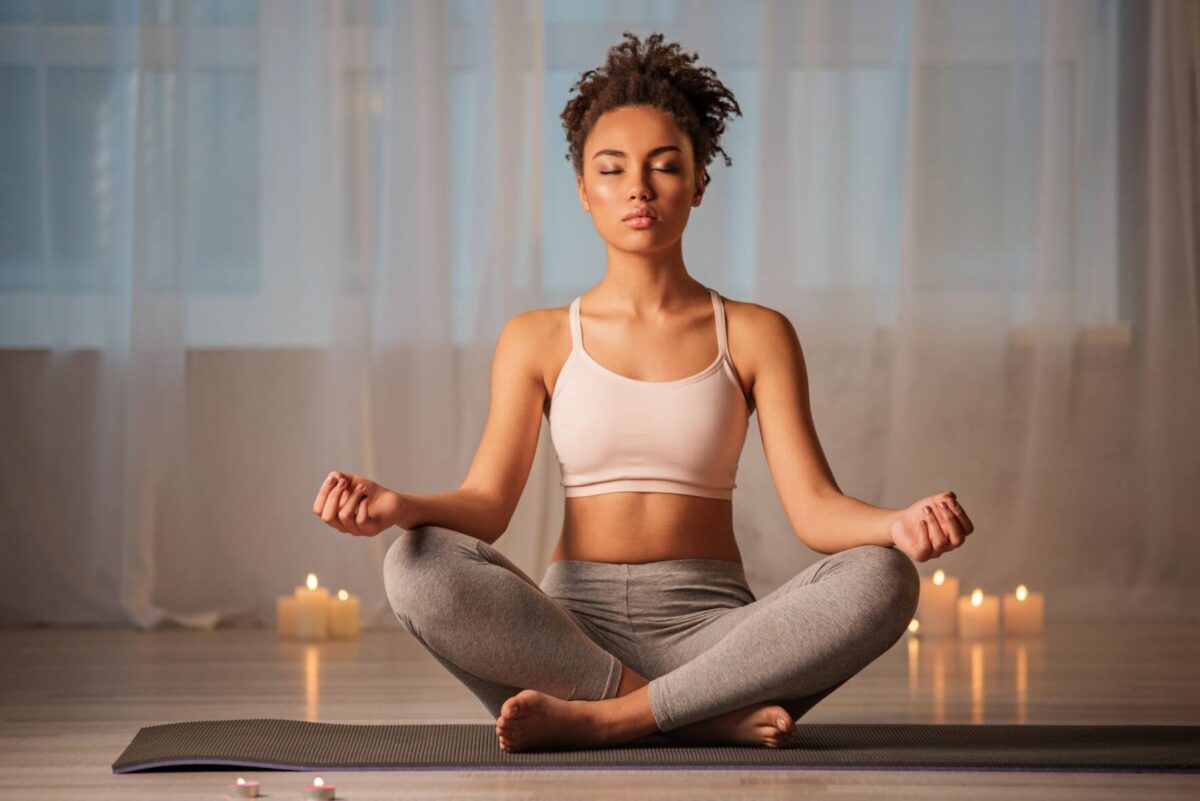
Cool-down meditation offers a powerful complement to physical activity by actively promoting relaxation and recovery. By focusing on physical sensations and conscious breathing, practitioners can ease muscle tension, enhance flexibility, and promote overall well-being. This process is crucial for preventing delayed-onset muscle soreness and optimizing post-exercise recovery.Cool-down meditation helps to transition the body from a state of exertion to one of rest and repair.
This gentle shift is facilitated by a combination of mindful awareness, controlled breathing, and progressive muscle relaxation techniques. These techniques are designed to reduce physical stress and promote a sense of calm, allowing the body to effectively recover from the demands of exercise.
Muscle Tension Reduction and Relaxation
Cool-down meditation techniques directly address muscle tension by encouraging conscious awareness of physical sensations. By bringing attention to areas of tightness or discomfort, practitioners can begin to release physical stress. This awareness can lead to a gradual relaxation of muscles, reducing the risk of muscle soreness and stiffness. Guided imagery, focusing on a sense of warmth and release, can further support this process.
Breathing Techniques for Physical Recovery
Controlled breathing is fundamental to physical recovery during meditation. Slow, deep breaths promote a parasympathetic response, a physiological state associated with rest and relaxation. This response helps to lower heart rate and blood pressure, aiding in the restoration of energy levels. Proper breathing techniques, such as diaphragmatic breathing, also facilitate oxygenation of muscles, promoting repair and recovery.
Enhancing Flexibility and Range of Motion
Cool-down meditation can positively impact flexibility and range of motion. Gentle stretches, combined with focused awareness of body positions, help to lengthen muscles and increase their elasticity. This conscious movement, often paired with mindful breathing, improves the body’s ability to move freely and comfortably. This is particularly helpful for athletes seeking to maintain and improve their performance.
Table of Relaxation Techniques
| Body Part | Tension | Relaxation Technique | Benefits |
|---|---|---|---|
| Neck and Shoulders | Tightness, stiffness, headaches | Gentle rotations, shoulder shrugs, and conscious release of tension in the muscles. Deep breaths focusing on the area. | Reduced pain, improved posture, reduced tension headaches. |
| Lower Back | Stiffness, pain, discomfort after activity | Gentle spinal twists, and conscious release of tension in the lower back. Focus on the breath moving through the area. | Reduced pain, improved posture, increased spinal mobility. |
| Calves and Hamstrings | Tightness, stiffness, pain after exercise | Gentle stretches of the calves and hamstrings, holding each stretch for 20-30 seconds. Notice the feeling of the muscles lengthening. | Increased flexibility, improved range of motion, reduced muscle soreness. |
| Hips and Thighs | Stiffness, discomfort, tightness | Gentle hip circles and leg swings, combined with deep breathing, focusing on the stretch in the hip area. | Improved flexibility and range of motion in the hips and thighs, reduced stiffness. |
Mental Aspects of Cool-Down Meditation
Cool-down meditation, practiced after physical exertion, offers a powerful transition from the active phase to a state of mental restoration. This practice allows the body and mind to integrate the physical experience, reduce stress and anxiety, and promote a sense of calm and peacefulness, essential for overall well-being. The mental benefits are significant, extending beyond immediate relaxation to long-term stress management.Effective cool-down meditation involves more than just sitting quietly; it’s a conscious process of shifting focus from the physical exertion to the inner experience.
This transition is facilitated by specific techniques and mindful awareness, which are key to experiencing the full benefits of the practice.
Managing Stress and Anxiety
Cool-down meditation plays a crucial role in mitigating stress and anxiety, particularly after intense physical activity. The physiological changes associated with exercise, such as elevated heart rate and increased adrenaline, can leave individuals feeling on edge. Meditation helps to regulate the nervous system, slowing the heart rate and reducing the release of stress hormones like cortisol. This process fosters a sense of calm and control, allowing the body to return to a state of equilibrium.
The focused attention inherent in meditation helps to quiet the racing thoughts that often accompany stress and anxiety.
Promoting Calm and Peacefulness
Cool-down meditation cultivates a sense of calm and peacefulness by promoting a state of mental stillness. By directing attention inward, practitioners can observe their thoughts and emotions without judgment. This non-reactive observation fosters a sense of detachment from the anxieties and worries of daily life, creating a space for inner peace. The gentle rhythm of the breath, a key element of meditation, further aids in inducing a calming state.
This sense of calm can extend beyond the meditation session, contributing to a more balanced and peaceful outlook on life.
Transitioning from Physical Activity to Meditation
The transition from physical activity to a meditative state requires a mindful approach. Begin by slowing down the pace of your movements. Deep, conscious breaths can signal the shift from exertion to relaxation. Pay attention to how your body feels, noticing the subtle sensations of muscle relaxation. Gradually direct your attention inward, focusing on the sensations of your breath and the calmness that begins to arise.
Visualizing a serene image or repeating a calming mantra can also aid this transition.
Mental Benefits of Cool-Down Meditation
The mental benefits of cool-down meditation are multifaceted and extend beyond immediate relaxation. This practice contributes to improved emotional regulation, reduced stress levels, enhanced focus, and improved sleep quality. Regular practice can cultivate a sense of inner peace and resilience, allowing individuals to better navigate the challenges of daily life.
- Improved Emotional Regulation: Cool-down meditation fosters a non-judgmental awareness of emotions, enabling individuals to respond to stressful situations with greater composure and emotional intelligence.
- Reduced Stress Levels: Regular meditation practice can help lower cortisol levels, a key stress hormone, and create a more balanced stress response system.
- Enhanced Focus and Concentration: The focused attention cultivated during meditation translates into improved focus and concentration in daily activities.
- Improved Sleep Quality: The calming effects of cool-down meditation can promote relaxation and restful sleep.
- Increased Self-Awareness: By observing thoughts and emotions without judgment, cool-down meditation can deepen self-understanding and acceptance.
Practical Application and Exercises
Integrating cool-down meditation into your routine can significantly enhance your overall well-being. By incorporating these techniques into your daily fitness regimen, you can experience a smoother transition from activity to relaxation, leading to reduced muscle soreness, improved mental clarity, and a more positive overall experience. This section will provide a sample routine and practical tips for effective integration.
Sample Cool-Down Routine
A well-structured cool-down routine incorporates gradual decreases in intensity and focuses on restoring the body and mind to a calmer state. The following table provides a sample routine designed for a moderate-intensity workout. Adjust the times and activities to suit your individual needs and preferences.
| Time | Activity | Meditation |
|---|---|---|
| 0-2 minutes | Light stretching (e.g., arm circles, leg swings) | Mindful stretching. Focus on the sensations in your muscles as you stretch, observing the release of tension without judgment. |
| 2-5 minutes | Slow walking or light cardio | Body scan meditation. Bring awareness to different parts of your body, noticing any lingering tension and releasing it with each exhale. |
| 5-7 minutes | Deep breathing exercises | Guided deep breathing meditation. Follow a guided audio or visual script focusing on slow, deep inhalations and exhalations. |
| 7-10 minutes | Quiet seated position | Mindfulness meditation. Bring awareness to your breath, thoughts, and sensations without judgment. |
Integrating Cool-Down Meditation into a Daily Fitness Routine
Successfully integrating cool-down meditation into your daily routine requires mindful planning and consistent effort. Begin by scheduling a specific time for your workout and cool-down, treating it as an important part of your day. This creates a routine that your body and mind can anticipate.
- Consistency is key. Aim for a daily cool-down meditation practice, even if it’s just for a few minutes. Regular practice builds a positive habit and allows for gradual progress.
- Start small. Begin with shorter meditation sessions and gradually increase the duration as you become more comfortable. A 5-minute session can be highly beneficial.
- Find a quiet space. Create a dedicated space for your cool-down meditation, free from distractions. This could be a quiet corner of your home or a local park.
- Be patient with yourself. Don’t get discouraged if your mind wanders during meditation. Simply acknowledge the wandering and gently redirect your focus back to your breath or chosen point of focus. It’s a process of training the mind.
- Combine with other activities. Incorporate cool-down meditation into other parts of your day, such as before bed or after a stressful event. This helps cultivate a sense of calm throughout your daily life.
Practical Tips for Beginners
For beginners, incorporating cool-down meditation into their lives can seem daunting. However, with the right approach, it can become a seamless part of your daily routine. Beginners often find it helpful to start with shorter sessions, focusing on the present moment, and gradually increasing the duration of their practice.
- Use guided meditations. Guided meditations can provide a structure and focus for beginners, making it easier to stay present and engaged.
- Focus on your breath. Your breath is a constant anchor in meditation. Bring your attention back to your breath whenever your mind wanders.
- Embrace imperfection. Meditation is not about achieving perfection; it’s about cultivating awareness and acceptance.
- Be kind to yourself. Don’t judge your progress or compare yourself to others. Focus on your own journey and celebrate small victories.
Common Challenges and Solutions
Embarking on a cool-down meditation practice can be a rewarding journey, yet it’s crucial to acknowledge potential obstacles. Understanding these challenges and possessing effective strategies to overcome them will significantly enhance the benefits derived from this practice. This section delves into common hurdles and provides practical solutions for a smoother meditation experience, ensuring a positive impact on both physical and mental well-being.
Identifying Potential Challenges
Individuals may encounter various challenges while meditating during cool-down, particularly after strenuous physical activity. These challenges can stem from both physical and mental states. The body may be still recovering from exertion, while the mind might struggle to quiet the lingering effects of the workout. Moreover, varying levels of physical activity necessitate tailored meditation approaches.
Addressing Challenges with Solutions
Navigating these hurdles requires a flexible and adaptable approach. Strategies for overcoming challenges include adjusting meditation duration, employing specific breathing techniques, and incorporating visualization or guided imagery.
Adjusting Techniques for Varying Activity Levels
The intensity of physical activity directly impacts the suitability of specific meditation techniques. For low-intensity activities, a shorter meditation period might suffice, focusing on relaxation and gentle mindfulness. Higher-intensity activities necessitate a longer cool-down period and potentially more active meditation practices, such as progressive muscle relaxation. The key lies in aligning the chosen meditation approach with the physical exertion level.
Table of Common Challenges and Solutions
| Challenge | Solution |
|---|---|
| Difficulty focusing due to lingering physical exertion | Begin with shorter meditation sessions (e.g., 5-10 minutes). Focus on body scan meditation, paying attention to sensations without judgment. Gradually increase duration as the body recovers. |
| Racing thoughts or intrusive thoughts | Employ mindful breathing techniques, gently redirecting attention back to the breath. Acknowledge the thoughts without engaging in them, returning to the present moment. Consider using guided meditations or mantras for support. |
| Physical discomfort or stiffness | Adjust the posture to a more comfortable position, such as lying down or sitting in a relaxed chair. Incorporate gentle body scan meditation, focusing on releasing tension in specific muscle groups. |
| Feeling of restlessness or impatience | Remind yourself of the purpose of the cool-down meditation—to restore balance and calm. Maintain a gentle and compassionate attitude toward yourself, understanding that it takes practice to quiet the mind. Engage in body scan meditation, noticing sensations and accepting them without judgment. |
| Feeling of being overwhelmed by a high-intensity workout | Prioritize a longer cool-down period, extending the meditation session accordingly. Focus on deep breathing exercises to facilitate relaxation. Incorporate progressive muscle relaxation to systematically release physical tension. |
Illustrative Examples of Cool-Down Meditations
Cool-down meditations are essential for transitioning from physical activity to a state of relaxation and mental clarity. These practices help to calm the nervous system, reduce stress, and promote a sense of well-being after engaging in strenuous activity. They offer a structured approach to integrate mindfulness into your daily routine.Different cool-down meditations utilize various techniques to achieve this transition, catering to individual needs and preferences.
These examples provide a practical understanding of how to incorporate these practices into your daily life, enhancing your overall well-being.
Guided Imagery Meditation
This meditation involves using vivid imagery to transport the mind to a peaceful and serene environment. This technique can be highly effective in reducing stress and anxiety by engaging the imagination.
- Initial Setting: Find a comfortable seated position, close your eyes, and take a few deep breaths to center yourself. Engage your senses and visualize a calming place, such as a beach, a forest, or a mountaintop. Notice the details: the sound of the waves, the rustling leaves, or the crisp mountain air. Focus on the sights, sounds, and sensations to immerse yourself in this imaginary environment.
- Exploration and Sensations: Continue to explore this environment, visualizing the colors, textures, and smells of the place. Imagine yourself interacting with the surroundings, such as walking along the beach or sitting beneath a towering tree. Allow yourself to feel the peace and tranquility of this place.
- Anchoring and Release: Gradually bring your awareness back to your physical body. Notice the sensations of your breath, the warmth of your hands, and the feeling of the ground beneath you. Continue to breathe deeply and slowly release any tension or stress that might remain. Hold onto this feeling of peace and relaxation as you transition back to your daily activities.
The rationale behind this structure is to gradually shift focus from the physical activity to the mental realm. The guided imagery allows for a transition that fosters a sense of calmness and peace. Potential benefits include stress reduction, improved mood, and a heightened sense of well-being.
Mindful Breathing Meditation
This technique focuses on the breath as an anchor to ground the mind. By paying close attention to the natural rhythm of your breath, you can cultivate a sense of presence and calm.
- Initiation: Find a comfortable seated or lying position. Close your eyes gently and bring your attention to your breath. Notice the sensation of the air entering and leaving your nostrils or the rise and fall of your abdomen. Avoid forcing your breath; simply observe it.
- Awareness and Observation: Allow yourself to fully experience the sensation of each breath. Notice the subtle changes in your breath – the length of each inhale and exhale, the coolness of the air, the subtle expansion and contraction of your body. Acknowledge any thoughts or feelings that arise without judgment, gently redirecting your attention back to your breath.
- Integration and Release: As you continue to observe your breath, you’ll likely notice thoughts wandering. That’s okay. Gently redirect your attention back to your breath without judgment. Maintain this awareness for several minutes, and slowly begin to bring your attention to your surroundings as you transition out of the meditative state.
The structure is designed to anchor the mind in the present moment, reducing the tendency to dwell on the past or worry about the future. Potential benefits include stress reduction, improved focus, and a greater sense of inner peace.
Progressive Muscle Relaxation Meditation
This technique involves systematically tensing and relaxing different muscle groups in the body. By focusing on these physical sensations, you can release tension and promote relaxation.
- Tensing and Relaxing: Starting with your toes, tense a specific muscle group for a few seconds, and then release it, noticing the difference in sensation. Continue systematically through your body, tensing and releasing each muscle group, from your feet to your head. Pay close attention to the sensations of tension and release in each muscle group.
- Focus and Awareness: Maintain a calm and focused state of mind throughout the process. Observe the physical sensations of the muscles and the shift from tension to relaxation. If your mind wanders, gently redirect your attention back to the sensation of the muscles.
- Integration and Release: As you continue this process, you’ll likely notice a sense of physical relaxation and mental calmness. Bring your attention back to your body and slowly transition back to your surroundings. Maintain a sense of calm as you return to your daily activities.
This structure systematically reduces physical tension, which can indirectly affect mental tension. Potential benefits include muscle relaxation, reduced anxiety, and improved sleep quality.
| Meditation Type | Duration (approx.) | Focus | Key Benefits |
|---|---|---|---|
| Guided Imagery | 5-10 minutes | Sensory imagery | Stress reduction, improved mood, enhanced well-being |
| Mindful Breathing | 5-15 minutes | Breath awareness | Stress reduction, improved focus, inner peace |
| Progressive Muscle Relaxation | 10-20 minutes | Muscle tension/release | Muscle relaxation, reduced anxiety, improved sleep |
Last Word
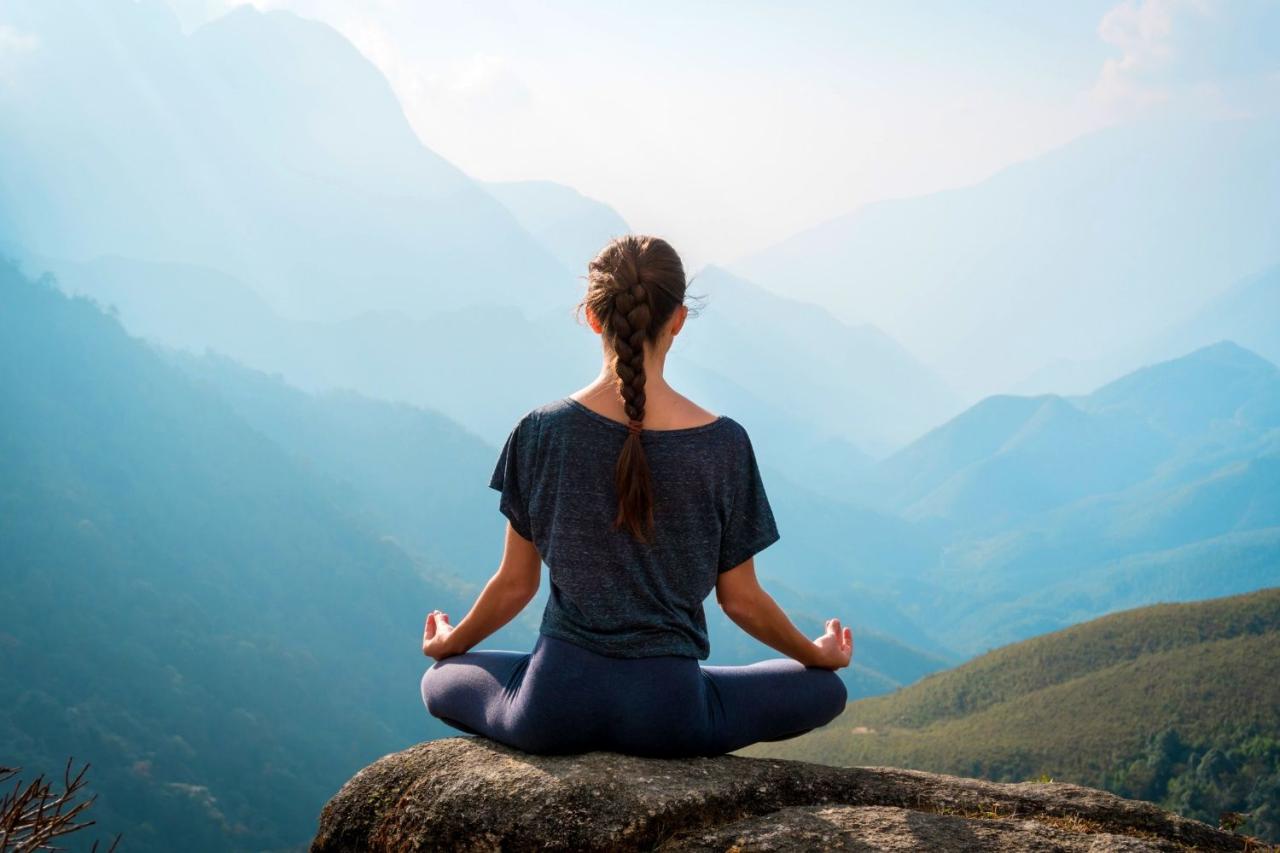
In conclusion, incorporating cool-down meditation into your routine is a powerful way to maximize your recovery after physical activity. This guide has explored various meditation techniques, emphasizing the importance of mindful breathing, progressive muscle relaxation, and body scan meditations to ease muscle tension, manage stress, and promote a sense of calm. By understanding the physical and mental aspects of cool-down, and by practicing the practical exercises Artikeld, you can cultivate a more holistic and rejuvenating post-workout experience, leading to improved performance and overall well-being.
Remember, consistency is key to unlocking the full potential of cool-down meditation.