This comprehensive guide delves into the fascinating practice of integrating meditation into your swimming routine. Learning how to meditate while swimming can offer a unique way to enhance both your physical and mental well-being. This exploration combines the physical benefits of aquatic exercise with the mental clarity of meditative techniques, providing a pathway to a more balanced and fulfilling experience.
We’ll explore various techniques, from basic mindfulness to advanced visualization, and address practical considerations such as safety, environment, and common challenges. The guide will provide a structured approach for beginners to experienced practitioners, enabling you to seamlessly incorporate meditation into your swimming sessions.
Introduction to Meditation While Swimming
Meditation, at its core, is a practice focused on training the mind to achieve a state of mental clarity and emotional balance. This involves focusing attention on a specific object, thought, or activity, such as the breath, to cultivate awareness and reduce distracting thoughts. It’s a technique that has been used for centuries across diverse cultures to promote inner peace and well-being.Combining meditation with swimming offers a unique synergistic approach to self-improvement.
The rhythmic, flowing nature of swimming complements the stillness sought in meditation, creating a harmonious union of physical and mental activity. This fusion can lead to deeper relaxation, enhanced focus, and a greater sense of interconnectedness with the surrounding environment. The repetitive movements of swimming, coupled with the mental focus required in meditation, can foster a profound sense of calm and clarity.
Potential Benefits of Combining Meditation and Swimming
The integration of meditation and swimming offers a multitude of potential benefits, extending beyond the individual practice of each activity. Swimming’s physical exertion, combined with the mental discipline of meditation, can lead to significant improvements in overall well-being.
- Improved Focus and Concentration: The repetitive motions of swimming, when coupled with focused breathing and mental stillness during meditation, can sharpen the mind’s ability to concentrate. This heightened focus can positively impact daily tasks, leading to enhanced productivity and efficiency.
- Reduced Stress and Anxiety: The physical exertion of swimming releases endorphins, which have mood-boosting effects. Simultaneously, the meditative state achieved during swimming can help manage stress and anxiety by calming the nervous system. This combination fosters a sense of relaxation and emotional balance.
- Enhanced Self-Awareness: The mindful approach required in both swimming and meditation promotes a deeper understanding of oneself. Swimming allows for introspection and self-reflection within a physical activity, while meditation further refines this awareness by examining thoughts and emotions without judgment.
Historical and Cultural Context of Water and Meditation
Many cultures throughout history have recognized the profound connection between water and spiritual practice. The act of bathing, swimming, or simply being near water has often been associated with purification and renewal. The rhythmic nature of water has been a source of inspiration and meditation for countless individuals across various cultures and eras.
- Ancient Practices: In many ancient traditions, water was considered a sacred element, often associated with cleansing and spiritual renewal. Ritual bathing and immersion in water were integral parts of various spiritual practices. The fluidity and cyclical nature of water have inspired contemplation and meditation for millennia.
- Modern Interpretations: Contemporary practices often incorporate water into meditative rituals, acknowledging its inherent calming and meditative properties. The immersion in water can foster a sense of unity and connection with the natural world.
Comparison of Mental States Achievable Through Swimming and Meditation
| Mental State | Swimming | Meditation | Swimming + Meditation |
|---|---|---|---|
| Focus | Maintaining rhythm and technique | Concentrating on a single point | Sustained focus and clarity |
| Relaxation | Physical release through exertion | Mental stillness and calmness | Deep physical and mental relaxation |
| Awareness | Body awareness through movement | Mindfulness of thoughts and emotions | Heightened awareness of both body and mind |
| Emotional Regulation | Release of tension through physical activity | Regulation of emotions through mindful observation | Integrated emotional balance through physical and mental engagement |
Techniques for Integrating Meditation into Swimming
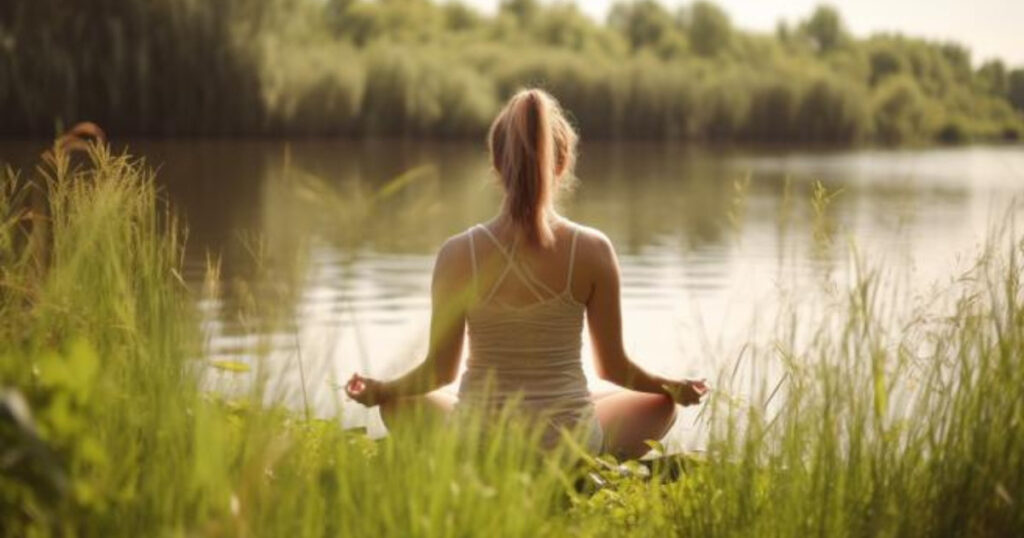
Integrating meditation into swimming can significantly enhance your experience, fostering a deeper connection with your body and the water. This approach allows you to move beyond a purely physical activity and embrace a more mindful and holistic practice. By combining the rhythmic flow of swimming with meditative techniques, you can improve focus, reduce stress, and gain a new appreciation for the serenity of the water.
Mindfulness Meditation Techniques
Mindfulness meditation, at its core, involves paying attention to the present moment without judgment. This approach is particularly well-suited to swimming as it encourages awareness of your body’s sensations in the water. Focusing on the rhythmic movement of your strokes, the resistance of the water, and the feeling of your breath can be immensely beneficial. To effectively integrate mindfulness into your swimming, you must cultivate a non-reactive awareness of the sensations without trying to change them.
Focused Attention Meditation
Focused attention meditation centers on a specific object or sensation to anchor your mind. While swimming, you can focus on your breath, a particular part of your body, or even the sensation of the water on your skin. This practice cultivates concentration and mental clarity, which can be invaluable during challenging swimming sessions. Sustained focus can help to quiet the mental chatter and promote a sense of calm.
Structured Guide for Beginners
This table provides a structured approach for beginners to incorporate meditation into various swimming strokes.
| Swimming Stroke | Meditation Focus | Key Actions |
|---|---|---|
| Freestyle | Breathing rhythm, arm movements, and body position. | Maintain a consistent breathing pattern, focus on the feeling of the water pushing against your body as your arms move through it. Feel the gentle resistance of the water and the effortlessness of your movements. |
| Backstroke | Body position, water resistance, and the feeling of the water flowing around you. | Focus on maintaining a straight body position, feel the water’s gentle pressure as it glides past your back. Feel the support of the water, and focus on the rhythm of your kick and arm movements. |
| Breaststroke | The rhythm of your leg movements and the feel of the water against your body. | Pay attention to the rhythmic, powerful movements of your legs, and how the water moves around your body as you execute the stroke. Observe the resistance, the power, and the flow. |
| Butterfly | The fluidity of the movements, the feel of the water, and the breath. | Focus on the powerful yet flowing movements of your arms and legs, feel the water’s resistance as you propel yourself forward. Maintain a calm and steady breath. |
Maintaining Focus and Concentration
Maintaining focus and concentration while swimming requires consistent practice and a degree of mental discipline. Here are some techniques to help:
- Anchoring the Mind: Choose a focal point, such as a specific sensation or part of your body. Return your attention to this point when your mind wanders.
- Mindful Breathing: Pay attention to the rhythm of your breath. Inhale and exhale slowly and deeply, noticing the sensation of the air moving in and out of your lungs. This can help to ground you in the present moment.
- Visualizing: Visualize a peaceful scene or a positive affirmation to help calm your mind and maintain a positive outlook. This technique can be extremely useful when you are in a challenging part of your swim.
- Progressive Muscle Relaxation: Gradually tense and release different muscle groups in your body. This can help to release physical tension and promote a sense of calm and focus.
Mental and Physical Benefits
Integrating meditation into your swimming routine offers a powerful synergy, enhancing both mental clarity and physical well-being. This combined approach can lead to improved focus, reduced stress, and enhanced physical endurance, creating a holistic improvement in your overall health and performance.
Positive Effects of Meditation on Mental Clarity and Emotional Well-being
Meditation cultivates a heightened sense of mental clarity by quieting the incessant chatter of the mind. Regular practice fosters emotional regulation, allowing individuals to respond to stressful situations with greater composure and resilience. This inner peace translates into improved focus, better decision-making, and a greater sense of overall well-being. Studies have shown that meditation can decrease anxiety and depression, leading to a more positive and balanced emotional state.
Physiological Effects of Swimming on the Body and Mind
Swimming is a multifaceted exercise that profoundly impacts both the physical and mental aspects of health. The full-body workout strengthens muscles, improves cardiovascular health, and enhances flexibility. Furthermore, the rhythmic nature of swimming promotes relaxation, reducing stress hormones and fostering a sense of calm. The buoyancy of water also reduces the stress on joints, making it an accessible and beneficial exercise for individuals of all ages and fitness levels.
The controlled and repetitive movements also stimulate the body’s natural relaxation response.
Comparison of Meditation and Swimming Effects
Meditation and swimming, practiced individually, yield significant benefits. Meditation promotes mental clarity, emotional regulation, and stress reduction, while swimming enhances physical fitness, cardiovascular health, and overall well-being. When combined, meditation and swimming create a powerful synergy. The calm focus fostered through meditation enhances the body’s natural response to physical exertion during swimming, while the physical exertion of swimming can heighten the mind’s ability to concentrate during meditation.
The combination of mental and physical engagement fosters a greater sense of overall balance and well-being.
Improved Physical Endurance and Mental Resilience through Combined Practice
Meditation while swimming allows for a unique interplay of mental and physical activities. The meditative state can help maintain focus and concentration during prolonged swimming sessions, potentially increasing endurance. The repetitive nature of swimming movements, combined with the calming effects of meditation, cultivates mental resilience. This combined approach builds both physical and mental strength, allowing swimmers to push their boundaries while maintaining composure and focus.
This can be particularly valuable in competitive swimming or endurance events.
Summary of Mental and Physical Benefits
| Aspect | Meditation | Swimming | Meditation While Swimming |
|---|---|---|---|
| Mental Clarity | Reduced mental chatter, improved focus | N/A | Enhanced focus during prolonged exertion |
| Emotional Well-being | Reduced anxiety, improved emotional regulation | N/A | Enhanced composure and resilience during physical activity |
| Physical Endurance | N/A | Increased cardiovascular health, muscle strength, flexibility | Potentially increased endurance through focus and calm |
| Mental Resilience | Improved ability to cope with stress | N/A | Enhanced ability to maintain composure during physical challenges |
| Stress Reduction | Promotes relaxation response | Reduces stress hormones | Potentiates the body’s natural relaxation response |
Environmental Considerations
Cultivating a serene and conducive environment is crucial for a successful meditation session in the water. Optimizing the surroundings allows for a deeper connection with the present moment and facilitates a more profound meditative experience. The pool’s attributes, water conditions, and personal safety protocols all contribute to a tranquil and secure practice.A well-chosen environment, carefully considered, will significantly enhance the meditative experience, fostering a state of mental clarity and physical relaxation.
Optimal Pool Environment
The ideal pool environment for meditation encompasses several key factors. Temperature, lighting, and the overall atmosphere of the pool greatly impact the meditative process. A moderate water temperature is generally preferred, neither excessively hot nor frigid. A cool, comfortable temperature promotes a sense of calm and reduces distractions. Dim lighting, often found in spa-like settings, can further enhance relaxation and introspection.
A serene and quiet atmosphere, free from excessive noise, is also highly beneficial. Consider pools with minimal splashing, and avoid loud or boisterous areas. The presence of a calming backdrop, such as soothing music or natural sounds, can also support the meditative state.
Water Conditions and Meditation
Different water conditions can affect the meditative state. Gentle currents, for instance, can provide a subtle but constant stimulation, grounding the practitioner in the present moment. However, strong currents can disrupt focus, making it more challenging to maintain a meditative state. Similarly, gentle waves, common in natural water bodies, can be incorporated into the meditation practice as a subtle reminder of nature’s rhythm.
Conversely, choppy or turbulent waves may become a distraction. An understanding of how different water conditions impact the practice is essential for a successful experience.
Safety Precautions
Ensuring personal safety during meditation in water is paramount. This necessitates a thorough understanding of the surroundings and the appropriate safety measures. Never meditate alone in a body of water, especially in unfamiliar locations. Always inform someone of your plans and the location of your meditation session. Wear appropriate swimwear that allows for freedom of movement and maintains buoyancy.
This allows for greater comfort and mobility, crucial for maintaining a meditative state. In public pools or natural water bodies, be mindful of other swimmers and their activities. Avoid areas with high traffic or potential hazards.
Finding Quiet Spaces in Public Pools
Finding a quiet space for meditation in public pools or natural water bodies requires a bit of strategy. Start by checking for less crowded areas, such as quieter sections of the pool or lanes with fewer swimmers. Early mornings or late evenings often offer a more tranquil experience. Look for a spot where you can immerse yourself in the water without being disturbed by the activities of others.
Respect the space of other swimmers and maintain a respectful distance.
Maintaining Personal Safety Procedure
To maintain personal safety during a meditation session in water, a structured procedure is essential. Before entering the water, ensure you are in good physical condition and free from any health concerns that might be exacerbated by water activities. Have a clear exit strategy in mind, and communicate your plans to a companion. Monitor your breathing and body awareness to identify any discomfort or signs of distress.
If needed, take breaks from meditation or immediately exit the water. Carry a whistle or signaling device for emergencies.
Practical Exercises and Examples
Integrating meditation into your swimming routine can significantly enhance your overall experience. By combining the physicality of swimming with the mental focus of meditation, you can unlock a deeper connection with your body and mind. This section details practical exercises and examples to help you incorporate meditation into your swimming sessions.
Breathing Techniques for Meditation While Swimming
Effective breathing techniques are crucial for integrating meditation into your swimming practice. Consistent, controlled breathing anchors your focus and promotes a sense of calm. Proper breathing allows for optimal oxygen intake, reducing fatigue and promoting mental clarity.
- Inhale and Exhale Synchronized with Stroke Cycles: Coordinate your breath with your swimming strokes. For example, in freestyle, inhale during the recovery stroke and exhale during the propulsive stroke. This synchronization creates a rhythmic pattern that aids focus.
- Diaphragmatic Breathing: Engage your diaphragm for deeper, more controlled breaths. This technique involves expanding your abdomen as you inhale and contracting it as you exhale. It enhances relaxation and calms the nervous system.
- Breath Awareness: Pay attention to the sensation of your breath as it enters and leaves your body. Notice the coolness of the air entering your nostrils, the expansion of your chest, and the warmth of the air as it leaves. This conscious awareness fosters mindfulness.
Meditation Positions During Swimming
Meditation while swimming should complement the fluidity of the water and the movements of your stroke.
- Freestyle: During freestyle, maintain a natural, relaxed posture in the water. Focus on your breathing techniques and visualize a calm and serene environment. Imagine the water flowing around you like a gentle embrace.
- Backstroke: In backstroke, you have a broader perspective. Visualize yourself gliding through the water, your thoughts drifting away. Feel the support of the water and focus on the rhythmic pattern of your strokes and breathing.
- Butterfly: The powerful strokes of butterfly require a strong core. Maintain a stable body position, and focus on the rhythmic interplay of your arms and legs. As you swim, imagine each stroke as a step towards mental clarity and peace.
Examples of Meditation While Swimming in Different Settings
The environment in which you swim can influence your meditation experience. Open water swimming offers a sense of connection with nature, while pool swimming allows for more structured practice.
- Open Water: In open water, focus on the surrounding environment. Observe the natural beauty around you. Feel the freedom of the water as you move through it. Let the natural sounds of the water and surroundings become a part of your meditation practice.
- Pool: In a pool, you can focus on your body’s movements and sensations. Feel the resistance of the water and the support of the pool walls. Observe the rhythmic pattern of your breathing and strokes, and maintain a calm and centered state of mind.
Practical Exercise Procedure
A structured procedure will help you integrate meditation into your swimming routine.
- Warm-up: Begin with a light warm-up swim to prepare your body for the session. This prepares your muscles for movement and relaxation.
- Breathing Technique Practice: Spend 5-10 minutes practicing your chosen breathing technique on land. This builds your foundation for applying the technique in the water.
- Meditation while Swimming: Choose a specific meditation position (e.g., freestyle) and integrate your chosen breathing technique with your stroke. Focus on the sensation of the water and your breathing. Visualize a calm and serene environment. Maintain this for 10-15 minutes. Start with shorter durations and gradually increase the time.
- Cool-down: Finish with a gentle cool-down swim to gradually transition back to a relaxed state.
Common Challenges and Solutions
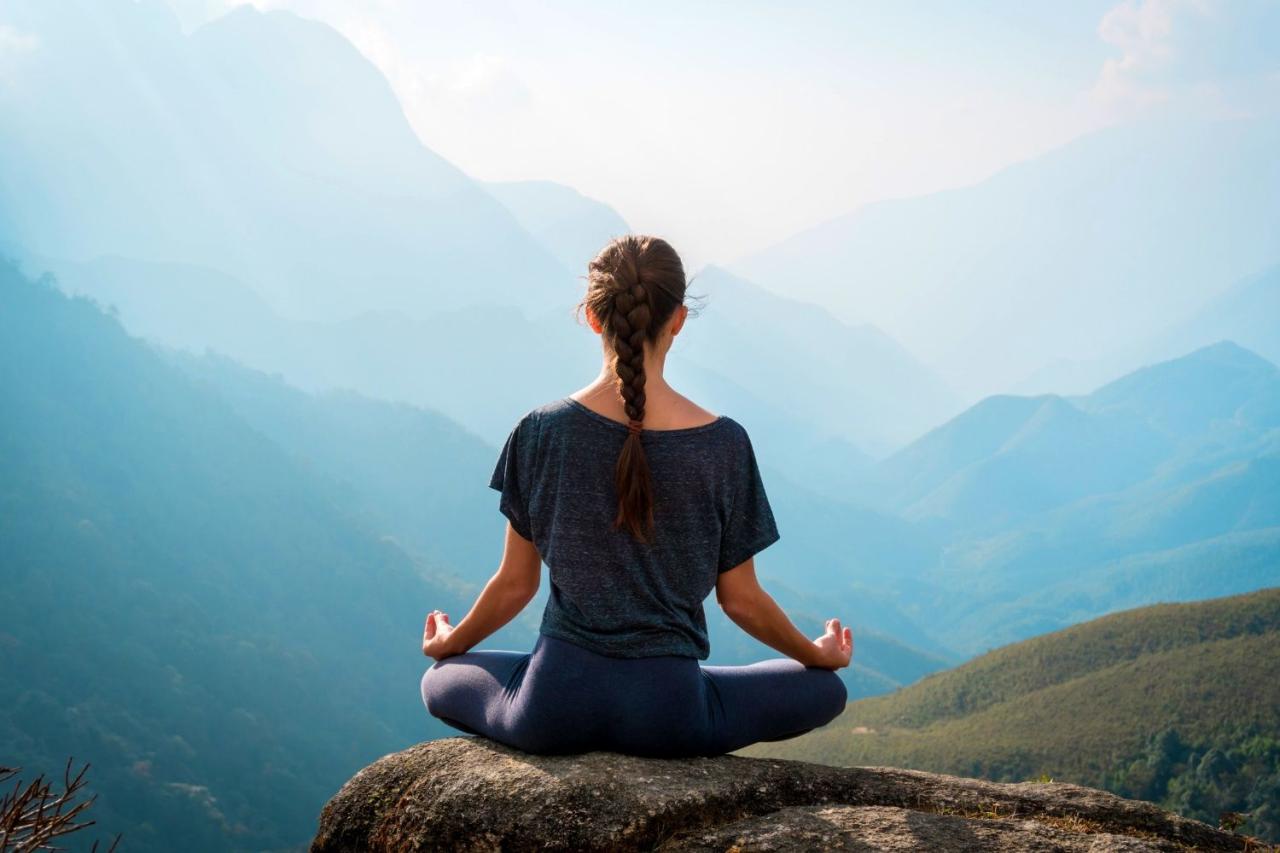
Integrating meditation into swimming, while offering numerous benefits, presents certain challenges. Understanding these hurdles and employing effective strategies are crucial for a positive and fulfilling experience. This section Artikels common obstacles and practical solutions to help practitioners achieve a deeper connection with their inner peace while in the water.
Distractions During Meditation
Maintaining focus during a meditative swim is often difficult due to external and internal distractions. Environmental noises, fellow swimmers, or thoughts unrelated to the practice can easily disrupt the flow. Recognizing these potential interruptions is the first step towards mitigating their impact.
- Minimizing External Distractions: Choosing a time and location with minimal distractions is vital. Early mornings or off-peak hours at the pool can provide a quieter environment. Earplugs or noise-canceling headphones can effectively reduce external sounds, creating a more conducive space for introspection. Finding a secluded lane or pool area can also aid in this process.
- Managing Internal Distractions: The mind often wanders during meditation, pulling attention away from the present moment. This is a natural part of the process. Instead of fighting these thoughts, acknowledge them gently and redirect your focus back to the breath, the sensation of the water, or the movement of your body. Practicing mindfulness techniques beforehand can help in strengthening focus and managing internal chatter.
Physical Discomfort and Maintaining Posture
Swimming, while a healthy activity, can sometimes lead to physical discomfort, especially when combined with prolonged meditation. Maintaining proper posture and balance is crucial to prevent strain and injuries. A flexible and adaptable approach is essential to navigate these challenges effectively.
- Posture Adjustments: Adjusting posture while swimming, and maintaining it during meditation, requires mindful awareness. Pay attention to your body’s alignment throughout the strokes. If you feel any discomfort, adjust your position or breathe deeply to release any tension. Consider practicing basic body awareness and postural exercises before your meditative swims to improve body awareness.
- Balance and Stability: Maintaining balance in the water, especially when focusing on meditation, can be tricky. Concentrate on your breathing and the rhythm of your strokes. Visualize a stable and centered body image in the water. Building core strength through exercises like Pilates or yoga can contribute to better balance and stability in the water.
Coping with Unexpected Distruptions
Unexpected interruptions during a meditation session, such as a sudden noise or a momentary loss of balance, are inevitable. Developing a strategy for handling these disruptions is essential to maintaining the practice’s continuity.
- Responding to Interruptions: Acknowledge the disruption without judgment. Take a few deep breaths to regain composure. Gently redirect your focus back to the breath or the feeling of the water. This proactive response can help to prevent the interruption from significantly impacting the meditation. A few seconds of focused attention can help you return to the meditative state.
Illustrations and Visual Aids
Visual aids are crucial for understanding and effectively applying the principles of meditation while swimming. These tools can transform abstract concepts into tangible representations, enhancing comprehension and engagement. By using various formats, such as images, diagrams, and infographics, this section provides a visual roadmap for integrating meditation into swimming routines.
Visual Representations of Meditation Poses While Swimming
The following images illustrate diverse meditation poses adaptable to different swimming styles. Visualizing these positions aids in understanding their application within a swimming context.
- Freestyle Meditation: A swimmer in a relaxed freestyle stroke, eyes gently closed, arms and legs flowing smoothly, with the focus on breath control and body awareness. The image should depict a serene expression and a balanced posture.
- Backstroke Meditation: A swimmer in a backstroke position, eyes closed, with hands gently resting on the water. The image should highlight a sense of calmness and connection with the water, emphasizing a focused gaze.
- Butterfly Meditation: A swimmer in a butterfly stroke, with a serene face and eyes closed, hands relaxed on the water. The image should showcase the fluidity and precision of the stroke while maintaining a calm state of mind.
- Breaststroke Meditation: A swimmer in a breaststroke position, eyes closed, with a calm facial expression and rhythmic breathing. The image should portray the combination of controlled movement and inner peace.
Visualization of Benefits
A graphic representation, potentially an infographic, can effectively demonstrate the intertwined benefits of meditation and swimming. This could include interconnected circles representing physical well-being, mental clarity, stress reduction, and improved focus, all linked to the image of a person swimming. This visual aid should show how swimming and meditation work together to achieve holistic well-being.
Diagram of Integrating Meditation into a Swimming Routine
A flowchart or step-by-step diagram would illustrate how to integrate meditation into a swimming routine. This diagram should guide the swimmer through the process of preparing mentally, choosing a meditation pose, and maintaining focus throughout the swim. 
Flowchart for Maintaining Concentration and Reducing Stress
A flow chart visually Artikels the steps for maintaining concentration and reducing stress while swimming. The flowchart should use a series of interconnected boxes or shapes to depict the process, such as identifying stressors, selecting a meditation technique, implementing the technique, monitoring progress, and making adjustments. The arrows indicate the flow of the process. 
Infographic on Mental and Physical Effects
An infographic should clearly display the combined effects of meditation and swimming on mental and physical well-being. It could present data in a visually appealing way, using icons, charts, or graphs, to showcase improvements in stress levels, mood, sleep quality, and cardiovascular health. The infographic should include examples, such as a 20% reduction in stress levels after a 30-minute meditation swim.
Advanced Techniques
Swimming meditation, while offering a profound connection with the body and mind, can be further enhanced with advanced techniques. These methods provide a deeper level of introspection and allow for more targeted focus, benefiting both experienced meditators and those seeking a more intensive practice. By integrating these strategies into their swimming routines, individuals can harness the power of visualization, guided imagery, and focused attention for enhanced well-being and performance.
Guided Meditation
Guided meditation, a technique where a voice provides instructions and prompts, offers a structured approach to introspection during swimming. It guides the mind toward specific intentions, promoting a deeper connection with the present moment. This can be particularly beneficial for those new to meditation or for those seeking a more focused practice while swimming. A guided meditation session can be tailored to specific goals, such as reducing anxiety, improving focus, or enhancing self-awareness.
These sessions can be found through various online resources or recorded tracks.
Visualization
Visualization techniques involve creating mental images to achieve specific outcomes or enhance focus. While swimming, this could involve visualizing oneself performing a particular stroke with perfect technique or maintaining a calm and focused state in challenging situations. Visualizing a serene environment, such as a tranquil beach or a crystal-clear mountain stream, can promote relaxation and reduce stress during the swim.
Experienced meditators can visualize themselves overcoming mental or physical obstacles.
Focused Attention
Focused attention techniques concentrate on a single point of reference, such as the sensation of water on the skin, the rhythm of breathing, or the feeling of each stroke. By maintaining a singular focus, individuals can cultivate mindfulness and reduce distractions. This practice can enhance awareness of the body’s sensations, promoting a deeper connection with the present moment.
While swimming, this could involve concentrating on the feel of the water against the body, the rhythm of the stroke, or the sensations of breathing. It’s essential to maintain this focus without judgment or criticism.
Addressing Specific Issues
Adjusting the focus of meditation while swimming allows for addressing specific concerns. For example, if anxiety is a concern, the focus can be directed towards calming the breath and the body’s sensations. Visualization can be used to imagine a peaceful scene. If improving focus is the goal, attention can be directed towards the precise rhythm of the stroke, creating a mental anchor.
Imagery and Visualization Techniques
Imagery and visualization techniques can be used to enhance the experience and promote mental well-being during meditation while swimming. For example, visualizing oneself swimming effortlessly and powerfully can boost confidence and self-belief. Visualization of a calm and serene environment can induce a state of relaxation and reduce stress. Visualization can also be used to mentally rehearse a challenging swim or overcome obstacles.
The more vivid and detailed the imagery, the more effective the technique will be. By combining imagery with specific emotions and feelings, individuals can deepen the impact of the visualization.
Conclusive Thoughts
In conclusion, this guide has Artikeld a practical approach to meditating while swimming, demonstrating the synergistic benefits of combining these two practices. By understanding the techniques, considerations, and challenges, you can cultivate a harmonious and enriching experience. The detailed approach ensures that both beginners and experienced practitioners can find value and benefit from integrating meditation into their swimming routines.