Unlocking peak performance in sports often goes beyond physical training. This guide explores how meditation, a powerful mental discipline, can enhance athletic abilities by improving focus, resilience, and overall well-being. Discover the diverse techniques and practical strategies for integrating meditation into your training routine, ultimately optimizing your athletic potential.
From mindfulness to focused attention, various meditation types cater to different athletic needs. Learn how to manage stress, improve concentration, and foster mental toughness through guided practices and practical examples. This comprehensive resource empowers athletes of all levels to cultivate mental strength and achieve exceptional results on and off the field.
Introduction to Meditation in Sports Performance
Meditation, a practice rooted in various traditions, has transcended its spiritual origins to become a valuable tool for enhancing athletic performance. By fostering mental clarity and emotional regulation, meditation can equip athletes with the tools to manage stress, improve focus, and ultimately achieve peak performance. This approach offers tangible benefits, moving beyond abstract concepts to directly impact athletic capabilities.Meditation cultivates a profound connection between the mind and body, leading to significant physiological and psychological advantages for athletes.
These advantages translate into improved athletic outcomes, enabling athletes to push their limits and reach new levels of performance. The integration of meditation into training regimens can be a transformative element, fostering mental resilience and physical prowess.
Physiological Benefits of Meditation for Athletes
Meditation practices, through focused attention and relaxation techniques, induce physiological changes that benefit athletic performance. These changes encompass a reduction in heart rate variability, improved cardiovascular function, and a decreased inflammatory response. Such physiological improvements contribute to enhanced endurance, recovery time, and overall physical well-being, crucial elements for athletic success.
Psychological Benefits of Meditation for Athletes
Meditation cultivates psychological benefits that contribute to enhanced athletic performance. These include improved concentration, stress management, and emotional regulation. A calm and focused mind allows athletes to better execute strategies, manage pressure situations, and maintain composure under duress. This mental resilience directly impacts performance in high-stakes competitive environments.
Different Types of Meditation Practices for Athletes
Various meditation techniques cater to diverse needs and preferences. Mindfulness meditation, focused attention meditation, and loving-kindness meditation are among the popular approaches. Mindfulness involves observing thoughts and sensations without judgment, fostering present-moment awareness. Focused attention meditation cultivates concentration on a specific object, such as breath or a mantra, enhancing mental focus. Loving-kindness meditation promotes feelings of compassion and empathy, contributing to emotional balance and resilience.
Comparison of Meditation Techniques
| Meditation Technique | Focus | Potential Benefits for Sports Performance | Examples of Effectiveness |
|---|---|---|---|
| Mindfulness Meditation | Present moment awareness | Improved focus, reduced anxiety, enhanced self-awareness | Golfers maintaining composure during pressure situations, tennis players reacting more quickly to opponent’s movements |
| Focused Attention Meditation | Concentration on a specific object | Enhanced concentration, improved reaction time, heightened sensory awareness | Archers achieving greater accuracy, swimmers maintaining a consistent pace |
| Loving-Kindness Meditation | Cultivating compassion and empathy | Improved emotional regulation, reduced stress, increased resilience | Team sports athletes fostering better teamwork and support, individuals recovering from injury with more positive outlook |
“Consistent meditation practice can lead to a noticeable improvement in athletes’ performance, impacting everything from their ability to focus on the task at hand to their overall well-being.”Dr. [Name of a relevant expert, if available].
Types of Meditation for Sports
Meditation, a practice rooted in ancient traditions, has proven increasingly valuable in enhancing athletic performance. Beyond its calming effects, various meditation techniques can directly improve focus, composure, and team dynamics, all crucial elements in achieving peak athletic performance. Different types of meditation cater to specific needs, helping athletes optimize their mental state for optimal results.
Mindfulness Meditation
Mindfulness meditation cultivates present-moment awareness, a key skill for athletes. It involves focusing on the sensations in the body, thoughts passing through the mind, and emotions arising without judgment. Athletes can utilize this practice to enhance focus and concentration during athletic activities. For instance, during a crucial game play, a mindful athlete can recognize and acknowledge racing thoughts without getting swept away by them, maintaining concentration on the task at hand.
By tuning into their breath, physical sensations, and the present moment, athletes can improve their ability to stay grounded and engaged during demanding performances.
Focused Attention Meditation
Focused attention meditation involves directing attention to a specific object, sound, or sensation. This technique can significantly impact an athlete’s ability to maintain composure under pressure. Through consistent practice, athletes can strengthen their capacity to concentrate on specific tasks, which is vital during high-stakes sporting events. For example, a golfer can use focused attention meditation to maintain composure during a crucial putt, directing their focus solely on the swing and the ball’s trajectory.
This skill is directly transferable to other sports requiring precision and concentration.
Loving-Kindness Meditation
Loving-kindness meditation, also known as metta meditation, fosters feelings of compassion and goodwill towards oneself and others. This practice is particularly valuable in reducing anxiety and improving team cohesion. By cultivating feelings of warmth and acceptance, athletes can foster a supportive and harmonious team environment. This approach helps athletes navigate challenging situations with greater resilience, fostering a more positive and supportive team dynamic.
In team sports, loving-kindness meditation can help build a stronger sense of camaraderie, promoting unity and shared goals.
Key Differences Between Meditation Types
| Meditation Type | Focus | Benefits for Athletes |
|---|---|---|
| Mindfulness Meditation | Present-moment awareness; non-judgmental observation of thoughts and sensations | Improved focus, concentration, reduced overthinking during athletic activities. |
| Focused Attention Meditation | Sustained concentration on a single point of focus (e.g., breath, object) | Enhanced composure under pressure, improved precision and execution during high-stakes events. |
| Loving-Kindness Meditation | Cultivating feelings of compassion and goodwill towards oneself and others | Reduced anxiety, improved team cohesion, fostered supportive and harmonious team environment. |
Integrating Meditation into Training Routines
Integrating mindful practices into athletic training routines can significantly enhance performance and well-being. By incorporating focused attention techniques, athletes can cultivate mental resilience, improve focus during competition, and enhance recovery processes. A structured approach to meditation integration allows athletes to reap the benefits of these practices consistently and effectively.
Sample Weekly Meditation Schedule for Athletes
A well-designed weekly meditation schedule allows athletes to establish a consistent practice, optimizing its impact on their performance. This structured approach ensures the integration of meditation across various aspects of training and recovery.
- Monday: Focus on cultivating awareness during stretching and light cardio. This initial practice introduces the concept of mindful movement, linking physical activity with mental focus. Short, 5-10 minute sessions are beneficial to build the habit.
- Tuesday: Mindful breathing and body scan meditation. This session centers on regulating the breath and becoming acutely aware of bodily sensations. A 15-minute session helps athletes connect with their physical state and reduce stress.
- Wednesday: Visualization meditation. Athletes visualize themselves performing at their peak, focusing on specific movements and techniques. A 10-minute session helps build confidence and mental imagery crucial for performance.
- Thursday: Active meditation during strength training. This involves focusing on the sensations of each exercise, linking the physical movement with mental awareness. A 15-minute session can improve focus and increase strength and endurance.
- Friday: Loving-kindness meditation. This practice promotes feelings of compassion and kindness towards oneself and others. A 10-minute session helps reduce stress and foster a positive mental attitude.
- Saturday: Restorative meditation, focusing on relaxation and recovery. This practice can take place before or after competition and aims to allow the body to release tension and restore energy. A 20-minute session can improve sleep and recovery.
- Sunday: A combination of relaxation techniques, encompassing mindfulness exercises, visualization, and deep breathing. A 15-minute session can be performed at any time during the day and serves as a preventative measure against burnout.
Incorporating Meditation Breaks into Training Sessions
Strategic meditation breaks within training sessions can improve focus, reduce stress, and promote better recovery.
- Pre-Workout Meditation: A short (5-10 minutes) session before a workout can help athletes focus their minds on the task at hand, reducing distractions and promoting a more productive training session. This focuses on setting intentions and calming the mind.
- Mid-Workout Meditation Breaks: Short 2-3 minute meditation breaks throughout a training session can help athletes recover from intense exercises and prevent mental fatigue. These breaks could involve mindful breathing exercises to reduce muscle tension and enhance concentration.
- Post-Workout Meditation: A brief (5-10 minute) session after a workout can aid in recovery by promoting relaxation and reducing muscle soreness. This can be done while stretching or cooling down, enhancing physical recovery and reducing the impact of strenuous training on the body.
Importance of Consistency in Meditation Practice
Consistency in meditation practice is crucial for reaping its benefits in sports performance.
- Building Mental Resilience: Consistent practice builds mental resilience, allowing athletes to better handle pressure and stress during competition.
- Improved Focus and Concentration: Regular meditation sharpens focus and concentration, enhancing performance during training and competition.
- Enhanced Emotional Regulation: A consistent practice helps athletes manage emotions effectively, leading to improved decision-making and reduced anxiety.
Step-by-Step Guide to Incorporating Meditation into a Daily Routine
Establishing a consistent meditation practice can significantly benefit athletes.
- Choose a Time and Location: Select a time and location conducive to your schedule and where you can minimize distractions. A quiet space, free from interruptions, is ideal.
- Find a Comfortable Posture: Sit or lie down in a comfortable position that allows for good posture and relaxation. Maintain a relaxed posture, not stiff or rigid.
- Focus on Your Breath: Pay attention to the sensation of your breath entering and leaving your body. Follow the breath as it moves in and out, without judgment.
- Acknowledge Thoughts and Emotions: Thoughts and emotions will arise. Acknowledge their presence without getting carried away by them. Return to focusing on your breath.
- Practice Regularly: Consistency is key. Aim for daily practice, even if it’s for a short duration. Start with 5-10 minutes and gradually increase the time as you become more comfortable.
Mental Skills Development through Meditation
Meditation offers a powerful toolkit for athletes to cultivate mental resilience and enhance performance. By focusing on the present moment, athletes can develop a greater awareness of their thoughts and emotions, leading to improved self-regulation and enhanced concentration. This heightened mental clarity translates directly into better decision-making, stress management, and ultimately, improved athletic performance.Developing mental toughness is a key component of high-performance athletics.
Through consistent meditation practice, athletes can build emotional regulation, resilience, and self-awareness, all of which are crucial for handling the pressures of competition. The ability to maintain composure under pressure, bounce back from setbacks, and approach challenges with a positive mindset are significantly strengthened through meditation.
Emotional Regulation and Resilience
Meditation cultivates emotional intelligence by enabling athletes to recognize and manage their emotional responses. Regular practice helps athletes identify triggers for negative emotions and develop strategies for responding constructively to challenging situations. This fosters resilience, allowing athletes to cope with setbacks and maintain a positive outlook, which is essential for sustaining motivation and performance. This, in turn, leads to a more robust mental framework, improving the ability to navigate stress and adversity.
Stress and Anxiety Management
Meditation provides valuable tools for athletes to manage stress and anxiety, particularly before and during competitions. By focusing on the breath and present moment, athletes can quiet the racing thoughts that contribute to pre-game anxiety. This practice builds a mental framework that promotes composure and helps maintain focus during high-pressure situations. Mindfulness techniques learned through meditation empower athletes to approach challenges with a sense of calm and control, significantly reducing stress and anxiety levels.
Self-Awareness and Confidence
Meditation promotes self-awareness by encouraging introspection and observation of internal states. Through regular practice, athletes gain a deeper understanding of their thoughts, feelings, and motivations. This self-awareness fosters a stronger sense of self-efficacy and confidence, empowering athletes to trust their abilities and make informed decisions. This deeper understanding of one’s own mental and emotional landscape empowers athletes to approach challenges with greater self-assurance.
Developing Mental Toughness and Focus
Meditation strategies are instrumental in developing mental toughness and focus. Techniques like mindful breathing, body scan meditation, and focused attention exercises cultivate a sharper awareness of the present moment. This heightened awareness leads to improved concentration, enabling athletes to stay focused on the task at hand, whether during training or competition. These exercises are effective in developing the ability to filter out distractions and maintain concentration, essential for optimal performance in demanding sports environments.
Meditation fosters mental discipline and resilience, allowing athletes to overcome challenges and maintain focus.
Meditation and Physical Performance
Meditation, a practice focused on training attention and awareness, extends its benefits beyond mental well-being to encompass significant improvements in physical performance for athletes. By cultivating a calm and focused mind, athletes can enhance their reaction times, decision-making abilities, and overall physical recovery. This exploration delves into the intricate link between meditation and improved physical attributes, highlighting the potential of this ancient practice for optimizing athletic performance.
Impact on Reaction Time and Decision-Making
Meditation cultivates a heightened state of present-moment awareness. This heightened awareness translates to quicker reaction times during critical moments in a game. By training the mind to focus on the present without judgment, athletes can respond more swiftly to stimuli and make more informed decisions under pressure. This improved focus is demonstrably linked to enhanced performance in sports demanding quick reflexes and strategic thinking, such as tennis, basketball, and mixed martial arts.
Effects on Physical Recovery and Injury Prevention
Meditation fosters a state of deep relaxation, promoting better physical recovery. Reduced stress hormones, such as cortisol, contribute to faster muscle repair and reduced inflammation, crucial factors in injury prevention. Regular meditation practice can aid in managing muscle soreness and stiffness, allowing athletes to return to training more quickly and minimizing the risk of chronic injuries. Studies suggest that meditation can also improve sleep quality, a critical component of athletic recovery.
Connection to Improved Sleep Quality
Athletes often experience sleep disruptions due to pre-game anxieties, training regimens, and physical stress. Meditation, by reducing mental chatter and promoting relaxation, can significantly improve sleep quality. A more restful sleep allows athletes to recover from strenuous training, enhance muscle growth, and improve cognitive function, all critical elements for peak performance. Meditation’s ability to quiet the mind before bed can contribute to a more restorative sleep experience, leading to a noticeable improvement in overall athletic output.
Comparison to Other Relaxation Techniques
While various relaxation techniques, such as progressive muscle relaxation and deep breathing exercises, are beneficial, meditation often provides a more comprehensive approach. Meditation fosters a deeper level of relaxation and awareness, leading to more profound improvements in both mental and physical well-being. Meditation’s ability to integrate mindfulness into daily life extends its benefits beyond immediate relaxation to include long-term stress management, further contributing to the holistic approach to athletic performance.
The multifaceted nature of meditation often leads to more significant and sustained improvements in various aspects of physical recovery compared to other techniques.
Practical Application Examples
Translating the benefits of meditation into tangible improvements in athletic performance requires practical application. Real-world examples demonstrate how athletes across various disciplines integrate meditation into their training routines and reap the rewards. This section explores case studies, illustrates adaptable techniques, and highlights the positive impact on specific athletic skills.
Real-World Examples of Athletes Using Meditation
Many professional athletes now incorporate meditation into their training regimens, recognizing its value in enhancing focus, managing stress, and promoting overall well-being. These athletes often report improved performance metrics and a greater sense of control over their mental state.
| Athlete | Sport | Benefits Reported |
|---|---|---|
| Serena Williams (Tennis) | Tennis | Improved focus and composure under pressure, enhanced mental resilience |
| Michael Phelps (Swimming) | Swimming | Enhanced concentration and mental toughness, leading to improved race strategies |
| Stephen Curry (Basketball) | Basketball | Improved shot accuracy and consistency, reduced anxiety during crucial moments |
| Simone Biles (Gymnastics) | Gymnastics | Enhanced mental clarity, improved focus during routines, and reduced pre-performance anxiety |
Case Studies of Athletes Benefiting from Meditation
Numerous athletes have documented the positive impact of incorporating meditation into their training routines. Studies on athletes often show a correlation between meditation practice and improvements in performance metrics, though individual experiences and results vary.
For instance, a case study of a group of elite golfers showed a significant improvement in their putting accuracy after a 12-week meditation program. Another study with professional tennis players revealed a decrease in match anxiety and an increase in serve accuracy following a structured meditation program. These findings underscore the potential of meditation to enhance specific athletic skills.
Adapting Meditation to Different Sports and Individual Needs
Meditation techniques can be tailored to the specific demands and needs of different sports and individual athletes. Flexibility in approach is crucial for effective integration.
- Individualized Meditation Plans: A personalized approach considers the athlete’s unique needs, sport-specific requirements, and preferred meditation styles. For instance, a marathon runner might focus on mindfulness meditation to enhance endurance, while a basketball player might find guided visualization beneficial for improving shooting accuracy.
- Sport-Specific Adaptations: Meditation can be adapted to the unique demands of a particular sport. For example, a high-pressure sport like professional tennis might benefit from techniques that foster resilience under pressure. Likewise, a sport demanding sustained endurance, like cycling or marathon running, may find benefits in focusing on breath awareness and present moment experience.
Impact of Meditation on Specific Athletic Skills
The impact of meditation extends beyond general well-being, demonstrably affecting specific athletic skills.
- Shooting Accuracy: Meditation can help athletes achieve a sharper focus during critical moments, enhancing their ability to execute precise movements. Visualization techniques are particularly helpful in practicing and visualizing successful shots, thus enhancing consistency and accuracy.
- Endurance: Breath-awareness meditation cultivates a deeper understanding of the body’s physiological responses during extended exertion. This can lead to improved endurance by developing greater awareness and control over breathing patterns, allowing athletes to sustain effort over time. The ability to remain present in the face of physical fatigue is crucial for performance in endurance-based sports.
- Reaction Time: Meditation can enhance mental clarity and concentration, allowing athletes to process information more quickly. This directly translates to faster reaction times in sports requiring quick responses, such as basketball, tennis, and martial arts.
Overcoming Challenges and Common Mistakes
Embarking on a meditation practice, particularly for athletes aiming to enhance performance, can present various hurdles. Understanding these challenges and employing effective strategies to navigate them is crucial for sustained success. This section will address common obstacles, potential pitfalls, and actionable advice to maintain motivation and consistency in your meditation journey.Challenges in adopting a regular meditation practice often stem from the perceived time commitment and the difficulty in establishing a routine.
Furthermore, initial discomfort or a lack of immediate tangible results can discourage athletes from continuing. Overcoming these challenges necessitates a proactive approach, incorporating flexibility and understanding into the process.
Common Challenges Faced by Athletes
Meditation, while beneficial, can present specific hurdles for athletes. Many athletes find it challenging to quiet the mind amidst the constant demands of training, competition, and recovery. The pressure to perform can make focusing on the present moment difficult. The mental chatter associated with performance anxiety and self-criticism can significantly interfere with the meditative state.
- Time Constraints: Juggling demanding training schedules, competitions, and recovery periods can make finding dedicated time for meditation challenging. Athletes may feel they lack the time to incorporate meditation into their routine.
- Lack of Immediate Results: The benefits of meditation are often subtle and not immediately apparent. Athletes, used to seeing quick results from physical training, may find it difficult to recognize the progress made through meditation. This can lead to feelings of frustration and a lack of motivation to continue. A shift in perspective is necessary; recognizing that mental training, like physical training, requires time and consistency to yield significant results.
- Mental Distractions: Athletes often struggle to quiet the mental chatter related to performance anxieties, self-criticism, and pre-game or pre-competition anxieties. This mental noise can make it difficult to achieve a state of focus and relaxation necessary for meditation.
- Physical Discomfort: Some athletes may experience physical discomfort, such as stiffness or tension, during meditation. Addressing these physical issues through appropriate warm-up or cool-down exercises, or even seeking guidance from a physical therapist, can significantly improve the comfort level during meditation sessions.
Overcoming Challenges and Maintaining Motivation
Addressing the challenges inherent in a meditation practice requires a flexible approach. Implementing strategies for time management, setting realistic expectations, and cultivating positive self-talk are essential for sustaining motivation.
- Time Management Strategies: Allocate short, dedicated time slots for meditation, even 5-10 minutes daily, rather than attempting longer sessions initially. Integrating meditation into existing routines, such as before or after workouts, can help build consistency. Scheduling meditation sessions in a similar way to other important appointments can be helpful.
- Realistic Expectations: Understand that meditation is a journey, not a destination. Acknowledge that initial sessions may not be perfect. Focus on the process rather than the outcome, and celebrate every successful meditation session, no matter how short.
- Cultivating Positive Self-Talk: Replace negative self-talk with positive affirmations. Focus on acknowledging progress and celebrating achievements. Positive self-talk is essential for building confidence and fostering a supportive inner dialogue.
Potential Mistakes in Meditation Practice
Certain errors in practice can hinder the effectiveness of meditation for athletes. Recognizing these potential pitfalls is vital for optimizing the benefits of meditation.
- Expecting Immediate Mastery: Meditation is a skill that develops with practice. Athletes should avoid expecting immediate mastery and instead focus on consistency and gradual improvement.
- Lack of Patience: Meditation requires patience. Athletes should avoid getting discouraged by initial challenges or perceived slow progress. Maintaining a consistent approach is crucial for seeing results.
- Ignoring Proper Technique: Utilizing proper techniques and postures during meditation is crucial for maximizing effectiveness. Consulting a meditation instructor or seeking guidance from a qualified professional can be beneficial in learning and refining techniques.
Conclusion and Next Steps
Embarking on a journey of integrating meditation into sports performance unlocks a powerful toolkit for athletes seeking to elevate their game. This exploration has highlighted the profound impact meditation can have on mental resilience, focus, and ultimately, athletic success. By understanding the various types of meditation, and their application within training routines, athletes can tailor their practice to achieve specific performance goals.The benefits of meditation extend beyond the mental realm, impacting physical performance as well.
A clear understanding of these interwoven connections allows athletes to approach training and competition with a more holistic perspective, fostering a deeper connection between mind and body.
Key Benefits of Meditation for Athletes
Meditation offers a diverse range of benefits, enhancing athletic performance in numerous ways. These advantages encompass improved focus and concentration, leading to sharper decision-making during critical moments of competition. Furthermore, meditation fosters emotional regulation, enabling athletes to manage stress and anxiety, thereby reducing pre-performance jitters and maintaining composure under pressure. Meditation also cultivates mental resilience, enabling athletes to bounce back from setbacks and persevere through challenging training periods.
Future Directions for Research
Further research is warranted to investigate the long-term effects of meditation on athletic performance across various sports and demographics. Studies examining the specific neurophysiological mechanisms underlying meditation’s impact on athletes could provide valuable insights into optimizing training protocols. Investigating the interplay between meditation, nutrition, and sleep patterns in athletes could also provide valuable data for holistic performance enhancement.
Resources for Athletes
Numerous resources are available to support athletes seeking to integrate meditation into their training routines. Online platforms offer guided meditation sessions tailored to sports performance, providing practical tools for athletes to incorporate meditation into their daily lives. Books and articles by experts in sports psychology and meditation provide further insights and practical strategies for athletes seeking a deeper understanding.
Local meditation centers or certified instructors offer personalized guidance and support in exploring meditation techniques.
Actionable Advice for Integrating Meditation
Integrating meditation into a personalized sports performance strategy requires a thoughtful and systematic approach. Athletes should begin with short, regular meditation sessions, gradually increasing the duration and frequency as their practice evolves. Experimenting with different meditation techniques is crucial to identify those that resonate most effectively with individual needs and preferences. Journaling about meditation experiences and noting any observed improvements in performance can provide valuable insights into personal responses to the practice.
Seeking guidance from a qualified sports psychologist or meditation instructor can provide tailored advice and support to address any specific challenges encountered during the process.
Closing Notes
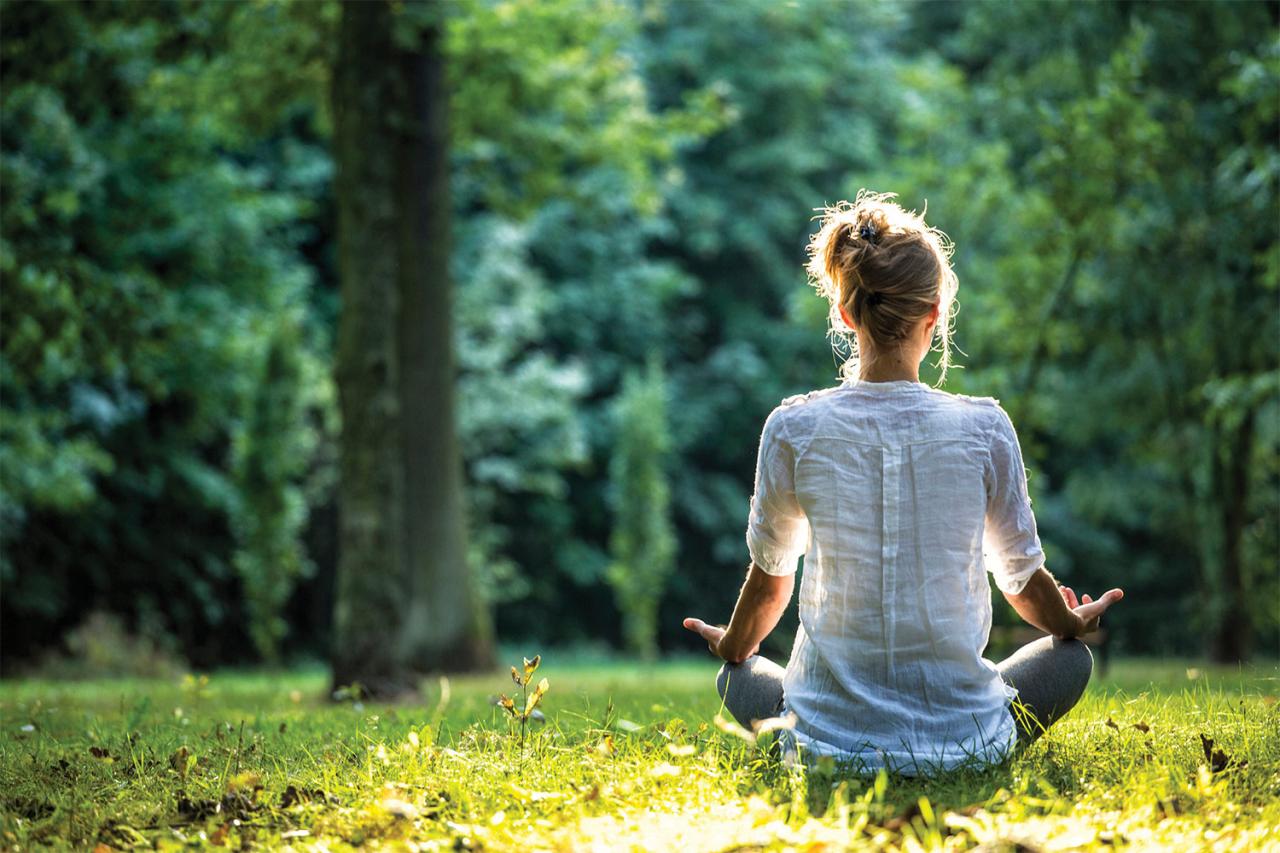
In conclusion, this exploration of meditation for sports performance highlights the profound impact mental training can have on athletic success. By understanding the diverse techniques, integrating them into training, and overcoming potential challenges, athletes can unlock their full potential. Embrace the transformative power of meditation and experience a significant elevation in performance, resilience, and overall well-being.