Post-workout relaxation is crucial for recovery and overall well-being. This guide delves into the powerful practice of meditation, specifically tailored for the unique needs of your body after a gym session. We’ll explore various techniques, from simple mindfulness to guided visualizations, and provide practical strategies to seamlessly integrate meditation into your post-workout routine. Discover how to transform your post-exercise experience from mere recovery to a deeply restorative practice that enhances your mental and physical wellness.
After a challenging workout, your body and mind are primed for restoration. Meditation, a practice of focused attention and awareness, can provide a profound opportunity to ease muscle tension, reduce stress, and calm the racing thoughts that often accompany intense physical activity. This guide offers a comprehensive roadmap to unlock the benefits of post-workout meditation, making it a valuable addition to your fitness regimen.
Introduction to Post-Workout Meditation for Relaxation
Integrating meditation into your post-workout routine can significantly enhance your recovery and overall well-being. The physical and mental benefits are numerous, and the integration of these practices can be a powerful tool for managing stress and promoting a sense of calm.Following a strenuous workout, your body undergoes physiological changes. These changes often include elevated heart rate, increased blood pressure, and elevated stress hormones.
Meditation, with its ability to promote relaxation, can effectively counter these responses. This process aids in the body’s natural recovery by lowering stress hormones, facilitating muscle repair, and promoting a sense of calm and well-being.
Benefits of Post-Workout Meditation
Meditation following a workout allows your body to transition from a heightened state of activity to a state of rest and repair. This transition is crucial for muscle recovery and overall physical and mental well-being. The practice fosters a state of deep relaxation that can alleviate muscle tension, promote better sleep, and reduce stress.
Types of Meditation Suitable for Post-Workout Relaxation
Various meditation techniques are suitable for post-workout relaxation. Choosing the right one depends on individual preferences and needs. Different styles offer unique approaches to relaxation and focus, allowing you to select the method that best complements your needs.
Choosing the Right Meditation Technique
Selecting the most suitable meditation technique is crucial for optimizing post-workout relaxation. Consider your personal preferences and what resonates with you. A technique that feels engaging and accessible will be more likely to sustain your practice. If you’re new to meditation, starting with a simple and structured approach is often recommended. Explore different styles to discover what works best for you.
Comparison of Meditation Styles for Post-Workout Relaxation
| Meditation Style | Description | Suitability for Post-Workout Relaxation |
|---|---|---|
| Mindfulness | Focusing on the present moment, observing thoughts and sensations without judgment. | High. The focus on the present moment aligns well with the physical sensations experienced after a workout. |
| Body Scan | Systematically bringing awareness to different parts of the body, noticing sensations without trying to change them. | High. This technique is particularly effective for releasing muscle tension and promoting relaxation after physical exertion. |
| Loving-Kindness | Cultivating feelings of compassion and kindness towards oneself and others. | Moderate. While potentially beneficial for reducing stress and promoting well-being, it might not be as immediately focused on the physical sensations of post-workout recovery as mindfulness or body scan. |
Preparing for Post-Workout Meditation
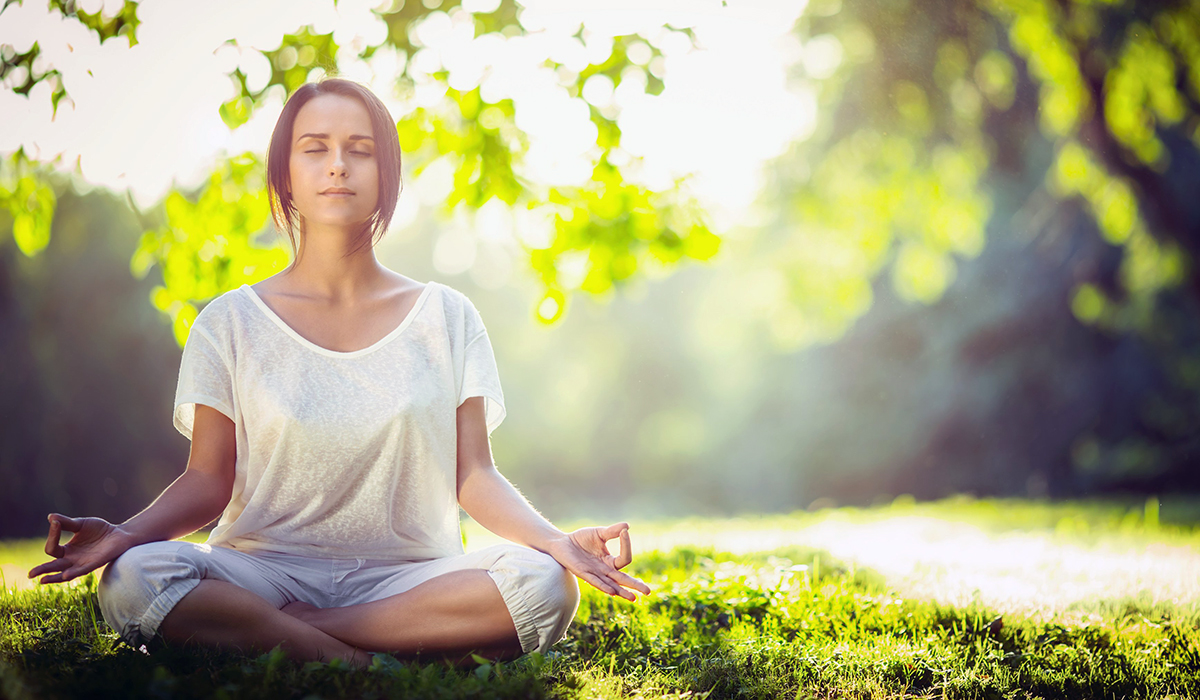
A crucial step in maximizing the benefits of post-workout meditation is proper preparation. This involves creating an environment conducive to relaxation, adopting a suitable posture, and employing techniques to calm both the mind and body. By meticulously preparing, practitioners can deepen their meditative experience and reap the full restorative potential of the practice.Optimal preparation sets the stage for a profound and fulfilling meditation session.
A well-structured approach ensures the body and mind are ready to receive the benefits of the practice. This section Artikels the key aspects of preparation, from environmental considerations to mindful breathing techniques.
Optimal Environment
A tranquil and quiet environment is essential for a successful meditation session. Minimizing distractions allows the mind to focus inward, facilitating a deeper state of relaxation. The ideal space should be free from loud noises, abrupt movements, or disruptive stimuli. Soft lighting, soothing scents (such as lavender or sandalwood), and a comfortable temperature contribute to a calming atmosphere.
Consider using a meditation cushion or blanket for added comfort.
Ideal Posture and Physical Positioning
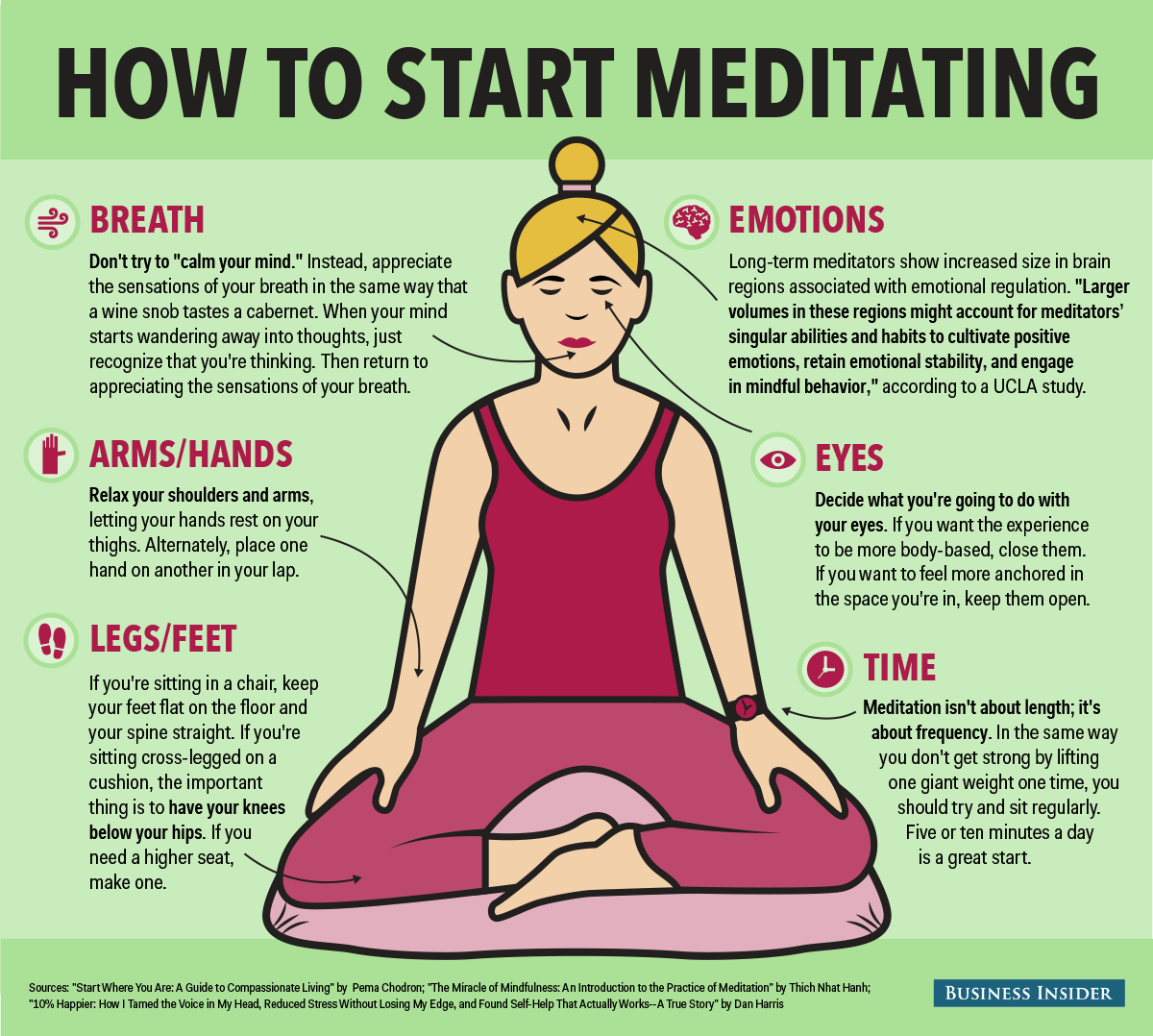
Maintaining a comfortable and stable posture is vital for a productive meditation session. This promotes physical relaxation and reduces tension. A seated position, preferably on a cushion or chair with a straight back, is generally recommended. Ensure your body is aligned, with your spine straight and shoulders relaxed. The hands can be placed gently on your lap or knees.
Maintaining a relaxed posture prevents discomfort and allows for a more focused meditative experience.
Importance of Relaxation Techniques
Mindful relaxation techniques prepare the body and mind for meditation. These techniques help release physical tension accumulated during the workout and quiet the mental chatter. Progressive muscle relaxation, where you systematically tense and release different muscle groups, is a powerful technique for physical relaxation. Deep breathing exercises, which focus on slow, controlled inhalations and exhalations, can calm the nervous system and prepare the mind for introspection.
Adjusting Breathing Techniques for Post-Workout Relaxation
Breathing techniques are crucial for post-workout relaxation, as they directly impact the body’s physiological state. Post-exercise, the body is often in a heightened state of arousal, making controlled breathing paramount. Focus on slow, deep breaths, inhaling deeply through your nose and exhaling slowly through your mouth. The breath should be rhythmic and gentle. This type of breathing regulates heart rate, reduces stress hormones, and promotes a sense of calm.
Step-by-Step Guide for Preparation
A structured approach to preparing for post-workout meditation can significantly enhance the practice. This guide offers a step-by-step process:
- Find a quiet space free from distractions. Dim the lights and consider using soft music or calming scents.
- Assume a comfortable seated posture. A cushion or chair with a straight back can aid in maintaining proper alignment.
- Engage in progressive muscle relaxation. Start by tensing and releasing different muscle groups, gradually working your way through the body.
- Practice deep breathing exercises. Inhale deeply through your nose, hold for a moment, and exhale slowly through your mouth. Repeat this several times, focusing on the rhythm of your breath.
- Shift your attention inward, observing your thoughts and feelings without judgment. Allow yourself to be present in the moment.
By meticulously preparing, practitioners can deepen their meditative experience and reap the full restorative potential of the practice. This structured approach creates an optimal environment for relaxation, allowing the mind and body to fully benefit from the meditative state.
Guided Meditation Practices for Post-Workout Relaxation
Post-workout meditation offers a powerful opportunity to transition from the physical exertion of a gym session to a state of deep relaxation. This process can enhance recovery, reduce muscle soreness, and promote mental clarity. By focusing on your breath and body sensations, you can effectively manage stress and improve your overall well-being.
Examples of Guided Meditations for Post-Workout Relaxation
Guided meditations specifically designed for post-workout relaxation are readily available online. These recordings often incorporate elements like progressive muscle relaxation, visualization, and sensory awareness, tailoring the experience to the unique needs of an athlete. Popular platforms and apps frequently offer a curated selection of these types of sessions. They provide a structured framework to guide users through the process of releasing physical tension and calming the mind.
A 5-Minute Guided Meditation Script
This script provides a concise framework for a post-workout relaxation meditation:
- Begin by finding a comfortable seated or lying position. Allow your body to settle into a relaxed posture.
- Take three deep, conscious breaths, noticing the sensation of the air entering and leaving your body. Focus on the rise and fall of your chest or abdomen.
- Bring your awareness to your feet. Notice any sensations, such as warmth, tingling, or pressure. Allow any tension in your feet to melt away with each exhale.
- Move your awareness up your body, gradually scanning each part: ankles, calves, knees, thighs, hips, abdomen, back, shoulders, arms, hands, neck, and face. With each part, notice any sensations and gently release any tension you may be holding there.
- Visualize a calming scene, like a peaceful beach or a serene forest. Feel the warmth of the sun on your skin or the gentle breeze on your face. Imagine the scene in vivid detail.
- Continue to focus on your breath, and with each inhale, imagine tranquility and calmness filling your body. With each exhale, release any lingering stress or tension.
- Remain in this state of relaxation for a few moments, gently bringing your awareness back to the present moment.
- When you’re ready, slowly open your eyes and return to your surroundings.
Comparison of Guided Meditation Audio Tracks
Comparing different guided meditation audio tracks reveals varying approaches to pacing, language style, and specific techniques. Some tracks may emphasize visualization more strongly, while others focus primarily on progressive muscle relaxation. The length of the track, the voice of the guide, and the music or ambient sounds incorporated can significantly influence the experience. Quality recordings often feature a soothing, calming voice that helps to deepen relaxation.
Visualization Techniques in Post-Workout Meditation
Visualization plays a crucial role in post-workout meditation. It allows you to create mental images of a relaxing scene, evoking feelings of peace and tranquility. This can effectively shift your focus from physical sensations to a mental space of calm. A clear and detailed mental image can facilitate a stronger relaxation response. For instance, visualizing a sun-drenched beach with gentle waves can evoke feelings of calmness and peace.
Progressive Muscle Relaxation in Post-Workout Meditation
Progressive muscle relaxation is a powerful technique for releasing physical tension. It involves systematically tensing and relaxing different muscle groups, bringing awareness to the subtle sensations of tension and release. By consciously relaxing these areas, you can help to calm the nervous system and promote deep relaxation. This technique is particularly helpful after physical exertion as it targets areas where physical strain might be concentrated.
Sensory Awareness and Relaxation
Sensory awareness involves paying attention to the sensations in your body without judgment. This can include noticing the feel of your clothes against your skin, the temperature of the air, or the sounds around you. By bringing conscious awareness to these sensory inputs, you can enhance your sense of grounding and relaxation. Sensory awareness helps ground you in the present moment, which is a key component of relaxation.
Integrating Meditation into a Post-Workout Routine
Incorporating meditation into your post-workout routine can significantly enhance your recovery and overall well-being. It allows you to transition from the physical exertion of exercise to a state of calm and mental clarity, optimizing your body’s ability to repair and rejuvenate. This process also fosters a sense of mindfulness and promotes stress reduction, which can have a positive impact on your daily life.Scheduling a dedicated time for post-workout meditation helps solidify this practice into your routine, making it a consistent part of your self-care regimen.
This structured approach fosters a positive association between exercise and relaxation, making it easier to maintain this healthy habit.
Different Ways to Incorporate Meditation
Establishing a consistent meditation practice after your workout can be achieved through various methods. These include scheduling a specific time immediately following your workout, integrating it into your existing daily schedule, or fitting it into a post-workout stretching routine.
Scheduling a Specific Time
A dedicated time slot for post-workout meditation offers numerous benefits. It helps to establish a routine, making meditation an integral part of your self-care practice. This consistency helps you reap the full benefits of the practice, such as improved mental clarity, reduced stress, and enhanced relaxation.
Examples of Different Schedules
The ideal schedule for incorporating post-workout meditation depends on your individual workout routine and daily schedule. Here are a few examples:
- For individuals with a morning workout, a short 10-minute meditation session immediately after their workout can be highly effective in setting a calm tone for the rest of the day.
- Those who exercise during their lunch break can incorporate a 5-10 minute meditation session after their workout to transition into their afternoon tasks with a clear mind.
- An evening workout can be followed by a 15-minute meditation session, aiding in winding down from the day’s activities and preparing for a restful night’s sleep.
Creating a Timetable
A sample timetable illustrating the integration of post-workout meditation into a typical day is shown below. This schedule is adaptable to accommodate various workout times and individual preferences.
| Time | Activity |
|---|---|
| 7:00 AM | Wake up, light stretching, and a short mindfulness exercise |
| 7:30 AM | Workout |
| 7:45 AM | 10-minute post-workout meditation |
| 8:00 AM | Breakfast and preparation for the day |
| … | … |
| 8:00 PM | Evening workout |
| 8:15 PM | 15-minute post-workout meditation |
| 8:30 PM | Dinner and relaxation |
Maintaining Consistency
Maintaining consistency in a post-workout meditation routine requires commitment and mindful planning. Finding a quiet space and committing to a set time slot, even for short durations, can help. Building a positive association between exercise and relaxation can also reinforce this routine.
Overcoming Challenges and Common Mistakes

Embarking on a post-workout meditation practice can be rewarding, yet navigating the initial hurdles is common. This section Artikels potential challenges and provides practical strategies for a smoother and more effective meditation experience. Understanding these issues will empower you to approach your practice with greater awareness and resilience.Difficulties in integrating meditation into a post-workout routine stem from the physiological and mental shifts that occur after physical exertion.
The body may be restless, the mind still energized, or the schedule demanding. Addressing these challenges proactively can make a significant difference in your success.
Common Challenges in Post-Workout Meditation
Integrating meditation into a post-workout routine requires careful consideration of the unique physiological and psychological state following exercise. The body may experience lingering muscle tension or heightened energy levels, making it challenging to settle into a meditative state. Conversely, mental fatigue, while seemingly counterintuitive, can also present a barrier.
- Restlessness and Difficulty Settling: Post-workout, the body often retains a heightened state of alertness. This can manifest as restlessness, making it difficult to maintain a still posture or quiet the mind. Techniques like focusing on gentle body scans, progressive muscle relaxation, or mindful breathing can help manage this.
- Mental Distractions: The mind may be racing with thoughts related to the workout, upcoming tasks, or simply everyday anxieties. Learning to acknowledge these thoughts without judgment is crucial. Meditation techniques such as anchoring the mind on the breath or a specific mantra can aid in redirecting attention.
- Lack of Time: Fitting meditation into an already busy schedule can be challenging, especially after a demanding workout. Short, 5-10 minute meditations can be just as effective as longer sessions. Scheduling these brief sessions into your routine is a valuable strategy.
- Anxiety and Overthinking: The physical exertion and emotional release during exercise can sometimes lead to anxiety or overthinking during meditation. Approaching these thoughts with compassion and acceptance, acknowledging their presence without getting carried away, is crucial. Mindful awareness techniques can help to acknowledge and release these anxieties without judgment.
Strategies to Overcome Distractions and Maintain Focus
Sustaining focus during meditation, particularly post-workout, demands proactive strategies. These techniques help to redirect the mind and maintain a connection with the present moment.
- Mindful Breathing: Focusing on the breath is a powerful tool for anchoring the mind. Paying attention to the sensation of each inhale and exhale can help quiet the mental chatter. This technique is particularly effective when restlessness or anxiety is present.
- Anchoring on a Mantra or Visual: Repeating a mantra or focusing on a visual image can help to center the mind. This provides a consistent point of reference to redirect attention when thoughts arise. This can be especially helpful in managing post-workout energy levels.
- Progressive Muscle Relaxation: Tensing and releasing different muscle groups systematically can help release physical tension that may be contributing to restlessness. This technique, often used in conjunction with mindfulness, helps the body relax and the mind calm.
- Gradual Increase in Duration: Starting with shorter meditation sessions and gradually increasing the duration can make the practice more sustainable. A 5-minute session post-workout is perfectly acceptable, and building up from there can improve consistency.
Common Mistakes to Avoid
Recognizing and avoiding common pitfalls can lead to a more enriching meditation experience.
- Expecting Immediate Results: Meditation is a practice, not a performance. Be patient and understanding with yourself. Consistent practice, even in short intervals, will yield results over time. Expect to experience fluctuations in your practice and remain patient.
- Judgment of Thoughts: Thoughts are natural and inevitable during meditation. Avoid judging these thoughts as “good” or “bad.” Acknowledge their presence and gently redirect your focus back to your chosen anchor.
- Pushing Through Discomfort: If restlessness or anxiety becomes overwhelming, it’s perfectly acceptable to pause the meditation. Take a few deep breaths and return to the practice when you feel more centered. Listen to your body’s cues and respond appropriately.
Addressing Restlessness or Anxiety During Meditation
Recognizing and responding effectively to restlessness or anxiety is a crucial aspect of post-workout meditation. These strategies help manage these common challenges.
- Body Scan Meditation: Bring awareness to different parts of your body, noticing any sensations without judgment. This can help release physical tension and promote relaxation.
- Mindful Movement: Gentle movements like stretching or slow walking can be incorporated into the meditation routine to help release pent-up energy without disrupting the practice.
- Acceptance and Non-Judgment: Recognize that these feelings are temporary and a natural part of the process. Accept them without resistance, and gently redirect your focus back to your anchor point.
Solutions to Common Challenges in Post-Workout Meditation
Addressing these issues effectively can enhance the overall experience.
- Consistency and Patience: Regular practice, even in short durations, is more beneficial than infrequent, long sessions. Be patient with yourself as progress takes time and may not always be linear.
- Creating a Dedicated Space: Designate a quiet, comfortable space for meditation. This creates an environment conducive to focus and relaxation.
- Adapting Techniques: Experiment with different techniques to discover what works best for you after your workout. Adjusting the focus or duration of the meditation as needed will enhance your practice.
Deepening the Benefits of Post-Workout Meditation
Post-workout meditation offers more than just relaxation; it’s a powerful tool for enhancing the positive effects of exercise and improving overall well-being. By integrating mindful practices into your recovery routine, you can amplify the physical and mental benefits of your workouts, creating a more holistic approach to fitness. This section explores strategies to maximize the benefits of post-workout meditation and cultivate lasting well-being.Deepening the effects of post-workout meditation involves more than just a brief session.
It’s about integrating mindful awareness into the entire recovery process, fostering a deeper connection with your body and mind. This approach allows for a more profound experience, enabling you to reap the long-term rewards of incorporating this practice into your life.
Maximizing Relaxation and Stress Reduction
Post-workout meditation, when practiced with intention and awareness, significantly enhances relaxation and stress reduction. Techniques like focusing on the breath, body scans, and guided imagery can effectively target areas of tension accumulated during exercise. The mind-body connection established during meditation can facilitate a more complete release of physical and mental stress, allowing the body to recover more effectively.
Maintaining Post-Workout Benefits
Maintaining the benefits of post-workout meditation goes beyond simply ending the session. Consistent practice, even for a few minutes daily, can cultivate a state of mental clarity and emotional regulation that extends throughout the day. This consistent practice allows for the integration of these benefits into daily life, promoting mental resilience and stress management. For instance, integrating mindful awareness into everyday tasks, like eating or commuting, can foster a more present and less reactive state of being.
Connection to Overall Well-being
Post-workout meditation strengthens the connection between mind and body, leading to improved overall well-being. By cultivating a sense of calm and self-awareness, meditation fosters emotional balance and resilience. This mental clarity, coupled with the physical recovery facilitated by exercise, contributes to a more harmonious and fulfilling life. The benefits extend beyond physical health, influencing emotional regulation and mental clarity, fostering a more positive and balanced lifestyle.
Meditation and Physical Recovery
Meditation plays a significant role in recovery from physical exertion. It promotes relaxation and reduces muscle tension, which aids in quicker recovery and reduces post-workout soreness. The focus on breath and body awareness during meditation can also improve blood flow and oxygen delivery to muscles, contributing to faster repair and recovery. By facilitating relaxation and reducing tension, meditation helps your body effectively recover from the demands of exercise.
Long-Term Effects of Incorporation
Incorporating post-workout meditation into a routine yields substantial long-term benefits. Regular practice fosters a stronger mind-body connection, promoting emotional regulation, stress management, and overall well-being. This consistent practice cultivates a more balanced and resilient approach to life, making you better equipped to handle stress and challenges, both physically and mentally. The long-term effects extend to improved sleep quality, increased focus, and a more positive outlook on life.
Ending Remarks
In conclusion, integrating meditation into your post-workout routine can significantly enhance your recovery process and overall well-being. By understanding the physiological benefits, selecting appropriate techniques, and establishing a consistent practice, you can harness the power of meditation to effectively manage stress, reduce muscle soreness, and cultivate a deeper sense of inner peace. This guide has provided a detailed exploration of how to meditate for relaxation after your gym session, empowering you to experience the transformative benefits of this ancient practice in your modern life.