Unlocking peak performance before your workout starts with mindful preparation. This guide delves into the powerful practice of meditation, specifically tailored to boost motivation and focus before hitting the gym. Discover how integrating simple meditation techniques can significantly enhance your pre-workout experience, leading to more effective and enjoyable exercise sessions.
From understanding the physiological benefits of meditation to practical techniques for setting intentions, grounding yourself, and using affirmations, this comprehensive approach will equip you with the tools to maximize your pre-workout mindset. We’ll explore various meditation styles and breathing exercises to help you navigate pre-workout anxieties and cultivate a positive, focused energy before your workout.
Introduction to Meditation for Motivation Before Exercise

Meditation, a practice focused on training the mind, offers numerous benefits, including enhanced focus, reduced stress, and improved emotional regulation. These advantages can translate directly into increased motivation and a more positive mindset before a workout, leading to a more effective and enjoyable exercise experience. It’s a valuable tool for anyone seeking to optimize their pre-workout mental state.Meditation, in essence, involves cultivating a state of mental clarity and stillness.
This quiet focus, often achieved through various techniques, can significantly impact an individual’s psychological state, making it an ideal preparation for physical activity. This process of calming the mind can translate into increased determination and enthusiasm for exercise.
Different Types of Meditation for Motivation
Meditation encompasses a variety of techniques, each with its unique approach to achieving mental clarity. Different types of meditation can be tailored to different individuals and preferences, allowing for a personalized approach to maximizing pre-workout motivation.
- Mindfulness Meditation: This practice involves focusing on the present moment without judgment. By directing attention to sensations, thoughts, and emotions as they arise, individuals can develop a greater awareness of their internal state, leading to increased self-regulation. This heightened awareness can contribute to a more focused and determined approach to exercise.
- Loving-Kindness Meditation: This practice cultivates feelings of warmth, compassion, and kindness towards oneself and others. Cultivating these positive emotions can create a sense of inner peace and well-being, which can positively influence motivation for physical activity. By directing compassion inward, individuals can develop a stronger sense of self-worth and confidence, fueling their drive to exercise.
- Transcendental Meditation (TM): This technique involves the use of specific, personally assigned mantras. The practice is designed to promote a state of deep relaxation and mental clarity, often resulting in reduced stress and improved focus. This inner peace can significantly improve motivation to engage in physical activity.
Physiological Effects of Meditation on Motivation
Meditation’s impact on the body and mind is multifaceted, leading to physiological changes that positively affect motivation for exercise.
Meditation can regulate the body’s stress response, leading to lower levels of cortisol, the hormone associated with stress.
These physiological changes contribute to a more relaxed and focused state of mind, making it easier to approach exercise with determination and enthusiasm. Furthermore, meditation can improve emotional regulation, leading to a more positive and resilient mindset, enabling individuals to overcome potential challenges during workouts.
Comparison of Meditation Styles and Their Impact on Motivation
The following table highlights the potential impact of different meditation styles on motivation before exercise:
| Meditation Style | Potential Impact on Motivation |
|---|---|
| Mindfulness Meditation | Improved focus and awareness, leading to a more purposeful and dedicated approach to exercise. |
| Loving-Kindness Meditation | Increased self-compassion and positive emotions, fostering a supportive inner environment for exercise. |
| Transcendental Meditation | Reduced stress and improved mental clarity, creating a calm and focused mindset conducive to exercise. |
Setting Intentions and Focus
Setting clear intentions before a workout session can significantly enhance your motivation and performance. This focused approach allows you to channel your energy towards specific goals, leading to a more productive and satisfying exercise experience. By consciously directing your mind, you can unlock untapped potential and achieve desired outcomes.Intention setting is a powerful tool for transforming your workout from a routine task to a purposeful endeavor.
It’s about aligning your actions with your aspirations, whether it’s building strength, improving endurance, or enhancing flexibility. By visualizing the desired outcome and dedicating your energy to achieving it, you’re more likely to experience heightened motivation and ultimately, success.
Defining Pre-Workout Intentions
To maximize the benefits of your workout, clearly defining your intentions before meditation is crucial. These intentions act as guiding principles, ensuring your energy and focus are channeled effectively. Formulating intentions is not about setting rigid targets, but rather about establishing a clear direction for your physical and mental efforts. The intention should be specific and measurable.
For instance, instead of “improve strength,” aim for “increase my bench press by 5 pounds in this workout.”
Techniques for Focusing on Desired Outcomes
Several techniques can help you focus on your intended workout outcomes during meditation. Visualization is a powerful tool. Visualize yourself successfully performing the exercises you’ve planned. Imagine the feeling of achieving your goals – the strength in your muscles, the endurance in your stamina, or the flexibility in your movements. This visualization fosters a mental image of success, reinforcing your motivation.
Connecting Intentions and Motivational Goals
There’s a strong correlation between setting intentions and achieving motivational goals. When you set clear intentions, you’re effectively creating a roadmap for your actions. This roadmap provides a sense of purpose and direction, making it easier to stay motivated throughout your workout. This clarity helps you navigate challenges and stay focused on your objectives. By aligning your actions with your desired outcome, you build momentum and significantly enhance the likelihood of reaching your goals.
This connection is especially important for maintaining long-term motivation.
Step-by-Step Guide for Incorporating Intention Setting
This guide provides a structured approach to integrating intention setting into your pre-workout meditation routine.
- Mindfulness and Grounding: Begin with a few minutes of mindful breathing, focusing on the present moment. Ground yourself in your body, noticing any sensations without judgment.
- Setting Your Intention: Clearly articulate your intention for the workout. Focus on specific outcomes and desired improvements. Example: “I intend to increase my pull-up reps by 2 this workout.” Be concise and positive.
- Visualization: Visualize yourself performing the exercises with the desired outcome. Imagine yourself achieving your goal – feeling the strength, endurance, or flexibility. Focus on the positive sensations.
- Commitment and Affirmation: Affirm your commitment to the intention. Repeat positive affirmations, like “I am capable of achieving my goals.” This reinforcement further strengthens your resolve and motivation.
- Release and Preparation: Release any lingering doubts or anxieties. Mentally prepare for the workout with a feeling of readiness and anticipation.
- Transition: Gradually transition from the meditative state to a state of readiness for your workout.
Grounding and Mindfulness Techniques
Cultivating a sense of grounding and mindfulness before exercise can significantly enhance your workout experience. These techniques create a mental and physical connection, helping you feel centered and prepared to engage in your routine. By focusing on the present moment, you can reduce pre-workout anxiety and stress, leading to improved focus and a more positive experience.
Grounding Techniques for Physical Centering
Grounding techniques aim to connect you with the present moment through sensory experiences. This physical connection helps to calm the mind and reduce feelings of anxiety or stress. These techniques are particularly helpful in anchoring you to the here and now, which can be especially beneficial when facing pre-workout jitters.
- Deep Breathing Exercises: Deep, conscious breathing is a powerful grounding technique. Inhale slowly and deeply through your nose, filling your lungs completely. Hold the breath for a few seconds, then exhale slowly through your mouth, releasing any tension. Repeat this cycle several times, focusing on the sensation of the breath entering and leaving your body. This helps to slow your heart rate and calm your nervous system.
- Body Scan Meditation: Bring your awareness to different parts of your body, noticing any sensations without judgment. Start with your toes and gradually move up your body, paying attention to tension or relaxation in each area. This practice fosters a connection to your physical self and helps you become more aware of any physical discomfort that might be contributing to anxiety.
- Sensory Awareness: Engage your senses. Notice the feeling of your feet on the ground, the texture of your clothing against your skin, the sounds around you. This mindful awareness anchors you in the present moment, minimizing distractions and promoting a sense of calm.
Mindfulness During Meditation for Staying Present
Mindfulness, a core component of meditation, is about being present in the moment without judgment. It’s about observing thoughts and feelings as they arise without getting carried away by them. This practice can be incredibly helpful in managing pre-workout anxiety or stress by creating a sense of detachment from anxious thoughts.
- Non-judgmental Observation: Notice your thoughts and feelings without labeling them as good or bad. Simply acknowledge their presence and let them pass. This practice allows you to observe your internal landscape without getting entangled in the content of your thoughts.
- Anchoring to the Present: Use your breath as an anchor to the present moment. When your mind wanders, gently guide your attention back to your breath. This simple act of returning to the breath can help you cultivate a sense of presence and focus.
- Cultivating Awareness of Sensations: Pay attention to the physical sensations in your body, such as the rise and fall of your chest with each breath, or the feeling of your clothing on your skin. This cultivates a deeper connection to your physical experience and can be incredibly helpful in calming the mind before exercise.
Mindfulness for Managing Pre-Workout Anxiety or Stress
Mindfulness practices can effectively manage pre-workout anxiety or stress. By focusing on the present moment and observing thoughts and feelings without judgment, you can detach from the anxiety and cultivate a sense of calm and control. This detachment allows for a more focused and productive workout.
- Recognizing Anxiety as a Sensation: Recognize that anxiety is a physical sensation, much like any other feeling. By acknowledging its presence without judgment, you can reduce its power to overwhelm you. For example, noticing a racing heart as a physical sensation rather than a sign of impending doom.
- Creating a Sense of Control: Mindfulness fosters a sense of control over your internal experience. This allows you to navigate your thoughts and feelings in a more measured and composed manner. By practicing observing thoughts without judgment, you can take charge of your emotional response.
Guided Meditation Script for Grounding and Mindfulness
This guided meditation script focuses on grounding and mindfulness techniques to prepare for your workout.
Find a comfortable seated position. Close your eyes gently. Bring your awareness to your breath. Notice the sensation of the air entering and leaving your body. Now, bring your attention to your feet. Feel the connection to the ground beneath you. Notice any sensations in your feet, ankles, and legs. Continue this process, moving your awareness up your body, noticing any tension or relaxation in each part. Allow your thoughts to come and go, and gently redirect your attention back to your breath. Visualize yourself standing tall, strong, and focused. Visualize the energy flowing through you. Now, set your intention for your workout. Feel the energy of your intention. Feel the positive energy surrounding you. With each breath, feel yourself becoming more grounded, more focused, and more prepared for your workout.
Positive Affirmations and Visualization

Positive affirmations and visualization techniques can significantly bolster pre-workout motivation. By focusing on positive self-talk and mental imagery, individuals can cultivate a stronger sense of readiness and enhance their performance during exercise. This mental preparation is a powerful tool for achieving workout goals and maintaining consistent fitness routines.
Positive Affirmations for Enhanced Motivation
Positive affirmations are statements designed to reinforce positive beliefs and thoughts. They are powerful tools that can reprogram our subconscious mind to align with our desired outcomes. By regularly repeating affirmations, we can cultivate a more positive and motivated mindset, which can translate to increased effort and improved results during workouts.
- Focusing on strengths and capabilities during workouts can enhance performance. Affirmations such as “I am strong and capable,” “I have the energy to push myself,” and “I am in control of my body” are powerful motivators.
- Statements focused on the desired outcome can also contribute to a positive mindset. For example, “I will complete my workout with focus and determination,” “I am proud of my dedication,” and “I am confident in my ability to achieve my fitness goals” can increase motivation and focus during the workout.
- Affirmations related to overcoming challenges can help build resilience and determination. Examples include “I can overcome any obstacle,” “I am persistent and resilient,” and “I am committed to my fitness journey.” These can help an individual navigate potential setbacks during exercise.
Examples of Positive Affirmations for Specific Workout Goals
The following examples provide a range of positive affirmations tailored to different workout goals:
- Increased Strength: “I am growing stronger with each repetition,” “My muscles are responding to my training,” “I am capable of lifting heavier weights.”
- Improved Endurance: “My stamina is increasing with every workout,” “I have the endurance to complete my workout,” “I am capable of pushing my limits.”
- Weight Loss: “I am losing weight and feeling healthier,” “My body is responding positively to my workout plan,” “I am committed to a healthier lifestyle.”
- Enhanced Flexibility: “My body is becoming more flexible with each stretch,” “I am feeling more limber and agile,” “I am improving my range of motion.”
Visualizing Successful Workout Outcomes
Visualization is a powerful tool for achieving desired outcomes. During meditation, visualizing successful workout outcomes can enhance motivation and focus. This mental imagery helps to build confidence and expectation, which can increase the likelihood of achieving the desired results.
- Visualize yourself successfully completing your workout routine, focusing on the feeling of accomplishment and satisfaction. Imagine yourself pushing your limits and exceeding your expectations. This visual reinforcement can bolster your motivation during the workout itself.
- Visualize yourself feeling strong and energized during the workout. Imagine the positive physical sensations, such as the warmth in your muscles or the increased energy in your body. This mental imagery can contribute to a more positive and empowering workout experience.
Comparing Affirmation Types
The effectiveness of different types of affirmations can vary depending on individual needs and goals. The table below provides a comparative overview:
| Affirmation Type | Focus | Potential Benefits | Example |
|---|---|---|---|
| Strength-focused | Building physical and mental strength | Increased confidence, enhanced performance | “I am strong and capable,” “I am pushing my limits.” |
| Endurance-focused | Improving stamina and resilience | Improved endurance, enhanced workout duration | “I have the endurance to complete my workout,” “My stamina is increasing.” |
| Outcome-focused | Achieving specific workout goals | Improved focus, increased motivation | “I will complete my workout with focus and determination,” “I am proud of my dedication.” |
Breathing Techniques for Energy and Focus
Breathing is a fundamental aspect of life, often overlooked in the pursuit of peak performance. Consciously managing your breath, particularly during meditation, can significantly impact your energy levels, focus, and overall experience before exercise. By incorporating specific breathing techniques into your pre-workout routine, you can cultivate a state of calm focus that enhances your performance and reduces pre-exercise stress.Effective breathing techniques are powerful tools for regulating the body’s physiological responses.
Deep, controlled breathing can lower heart rate, reduce muscle tension, and calm the nervous system, setting the stage for a more productive workout. These techniques are especially beneficial before exercise, as they help manage stress and anxiety, allowing you to approach your workout with greater mental clarity and physical preparedness.
Various Breathing Techniques
Different breathing techniques offer unique benefits. Understanding these variations can help you tailor your practice to your specific needs and preferences.
- Diaphragmatic Breathing: This technique involves deep, slow inhalations that fill the lungs from the diaphragm upward, followed by controlled exhalations. This method promotes relaxation and reduces stress by engaging the parasympathetic nervous system, which is responsible for calming the body. It enhances focus and awareness by stabilizing the breath, facilitating a more profound meditative experience. This technique is excellent for beginners seeking a simple yet effective method to regulate their breath and calm their minds before exercise.
- Box Breathing: Also known as square breathing, this technique involves inhaling for a count of four, holding the breath for a count of four, exhaling for a count of four, and holding the breath again for a count of four. This rhythmic pattern creates a sense of stability and control, promoting mental clarity and reducing anxiety. Box breathing is particularly beneficial for maintaining focus and composure before an intense workout.
- Alternate Nostril Breathing (Nadi Shodhana): This ancient yogic practice involves inhaling through one nostril, exhaling through the other, and alternating between nostrils. This technique promotes balance and reduces stress by stimulating the parasympathetic nervous system. The rhythmic nature of the breathing encourages focus and helps to calm the mind, making it an ideal preparation for a physical workout.
Importance of Deep and Controlled Breathing
Deep and controlled breathing is crucial during meditation for motivation because it directly impacts the body’s physiological state. Slow, deep breaths trigger the release of oxygen into the bloodstream, fueling the muscles and enhancing physical performance. Simultaneously, they help to calm the nervous system, reducing stress and anxiety, thereby fostering a positive mental attitude and motivation. This relaxed and focused state can significantly contribute to a more effective and enjoyable workout.
Breathing Techniques for Stress and Anxiety Management
Breathing techniques are powerful tools for managing stress and anxiety. By focusing on the breath, you shift your attention away from anxious thoughts and toward the present moment. The rhythmic nature of breathing can help regulate your heart rate and blood pressure, reducing feelings of panic and promoting a sense of calm. This is particularly beneficial before a workout, as it can help you to approach the exercise with a more relaxed and focused mind.
Guided Meditation Script: Breathing Techniques for Motivation
This script demonstrates a guided meditation using different breathing techniques to cultivate motivation before exercise.
“Find a comfortable seated position. Close your eyes gently and bring your awareness to your breath. Begin with diaphragmatic breathing, inhaling deeply into your abdomen, allowing your belly to rise. Exhale slowly, feeling your belly fall. Continue this for several breaths.Now, transition to box breathing. Inhale for four counts, hold for four, exhale for four, and hold again for four. Notice the rhythm and how it grounds you in the present moment. Repeat this for a few cycles.Next, practice alternate nostril breathing. Inhale through your right nostril, exhale through your left. Continue alternating for several breaths, observing the subtle changes in your breath. Focus on the sensation of the air entering and leaving your nostrils.As you continue these breathing techniques, visualize yourself performing your workout with strength, focus, and determination. Feel the energy coursing through your body. Feel the motivation growing stronger with each breath. Maintain this visualization and focused breathing until you are ready to begin your workout.”
Integrating Meditation into a Pre-Workout Routine

Integrating mindfulness practices into your pre-workout routine can significantly enhance your performance and overall experience. By cultivating mental clarity and focus before exercise, you can optimize your energy levels, improve concentration, and approach your workout with a more positive and productive mindset. This process allows you to tap into your inner resources for optimal physical and mental well-being.
Methods for Incorporating Meditation into a Pre-Workout Routine
A variety of methods can seamlessly integrate meditation into your pre-workout routine. Choosing the method that best suits your preferences and schedule is key. Consider your personal needs and experiment to find what works best for you.
- Prioritizing Meditation Before the Gym: Starting your day with a dedicated meditation session before preparing for the gym can set a positive tone for the entire day. This creates a calm and focused mental state before engaging in physical activity, allowing you to approach your workout with a clear mind.
- Incorporating Meditation During Your Commute: If your commute involves travel time, meditation can be a useful tool to prepare for your workout. It provides a moment of peace and quiet to center yourself before reaching the gym.
- Integrating Meditation During a Short Break: A short meditation session during a pre-workout break, for example, a 10-minute break before starting your workout, can help reset and refocus your energy levels.
- Pairing Meditation with Warm-up Exercises: Meditation can be integrated with your warm-up routine. A few minutes of meditation before stretching or light cardio can effectively prepare your mind and body for the workout ahead.
Timetable for Integrating Meditation into a Typical Workout Schedule
The following timetable offers a flexible framework for integrating meditation into a typical workout schedule. Adjust the timings to fit your personal schedule.
| Time | Activity | Duration |
|---|---|---|
| 7:00 AM | Wake Up & Meditation | 10 minutes |
| 7:10 AM | Morning Routine | 30 minutes |
| 7:40 AM | Commute to Gym | 15 minutes |
| 7:55 AM | Pre-Workout Meditation | 5 minutes |
| 8:00 AM | Workout | 60 minutes |
Ideal Duration for Pre-Workout Meditation Sessions
The optimal duration for pre-workout meditation sessions depends on individual needs and preferences. A 5-10 minute session is generally recommended as a starting point, offering sufficient time to calm the mind and prepare the body for exercise. Longer sessions might be suitable for those seeking a deeper level of mental preparation. It is important to listen to your body and adjust the duration according to your needs.
Flow Chart for Integrating Meditation into a Pre-Workout Routine
The following flow chart demonstrates the steps to integrate meditation into a pre-workout routine: 
Overcoming Challenges in Pre-Workout Meditation
Embarking on a pre-workout meditation practice can be a powerful tool for enhancing performance and mental focus. However, individuals may encounter various challenges during this process. Understanding these obstacles and implementing effective strategies can significantly improve the meditation experience and unlock its full potential.Navigating the mental landscape before exercise requires proactive strategies. Individuals may find themselves struggling with distractions, restlessness, or a lack of focus.
By acknowledging these common hurdles and implementing tailored solutions, individuals can cultivate a more profound and rewarding pre-workout meditation experience.
Identifying Common Challenges
Individuals often face distractions during pre-workout meditation. External factors like noise, thoughts about the workout, or anxieties about the day can disrupt the meditative state. Internal factors, such as physical discomfort or a lack of clear intentions, can also contribute to difficulties in maintaining focus. Recognizing these potential challenges is the first step towards overcoming them.
Strategies for Overcoming Distractions
Distractions are inevitable, but they can be managed effectively. A key strategy involves acknowledging the distractions without judgment. Instead of resisting them, gently redirect attention back to the chosen focus, whether it be breathwork, visualization, or a mantra. Creating a dedicated space for meditation can help minimize external disruptions. Minimizing distractions through noise-canceling headphones, a quiet room, or a mindful choice of exercise time can enhance focus.
Managing Restlessness or Fidgeting
Restlessness and fidgeting are common during meditation, particularly for individuals new to the practice. This discomfort can be addressed by incorporating physical grounding techniques into the meditation practice. These techniques may include consciously noticing the contact points between the body and the ground, or focusing on the sensation of the body in the chair or on the floor.
Another helpful technique is to gently acknowledge the sensations of restlessness without judgment and redirect focus to the breath. This process of mindful acknowledgment helps reduce the intensity of the sensation and allows for a smoother transition back to the meditative state.
Maintaining Focus and Motivation
Maintaining focus and motivation throughout the entire meditation session can be challenging, particularly when the mind wanders. This is a natural aspect of the process. The key is not to judge these wanderings but to gently guide the attention back to the chosen focus, such as the breath, the intention for the workout, or a positive affirmation. Consistency is key.
Regular practice, even if it’s just for a few minutes each day, strengthens the ability to maintain focus and builds momentum. Remembering the benefits of pre-workout meditation can also help maintain motivation. Visualizing a successful workout, feeling energized and prepared, or recalling past experiences of improved performance through meditation can be valuable motivators.
Sample Meditation Scripts for Pre-Workout Motivation
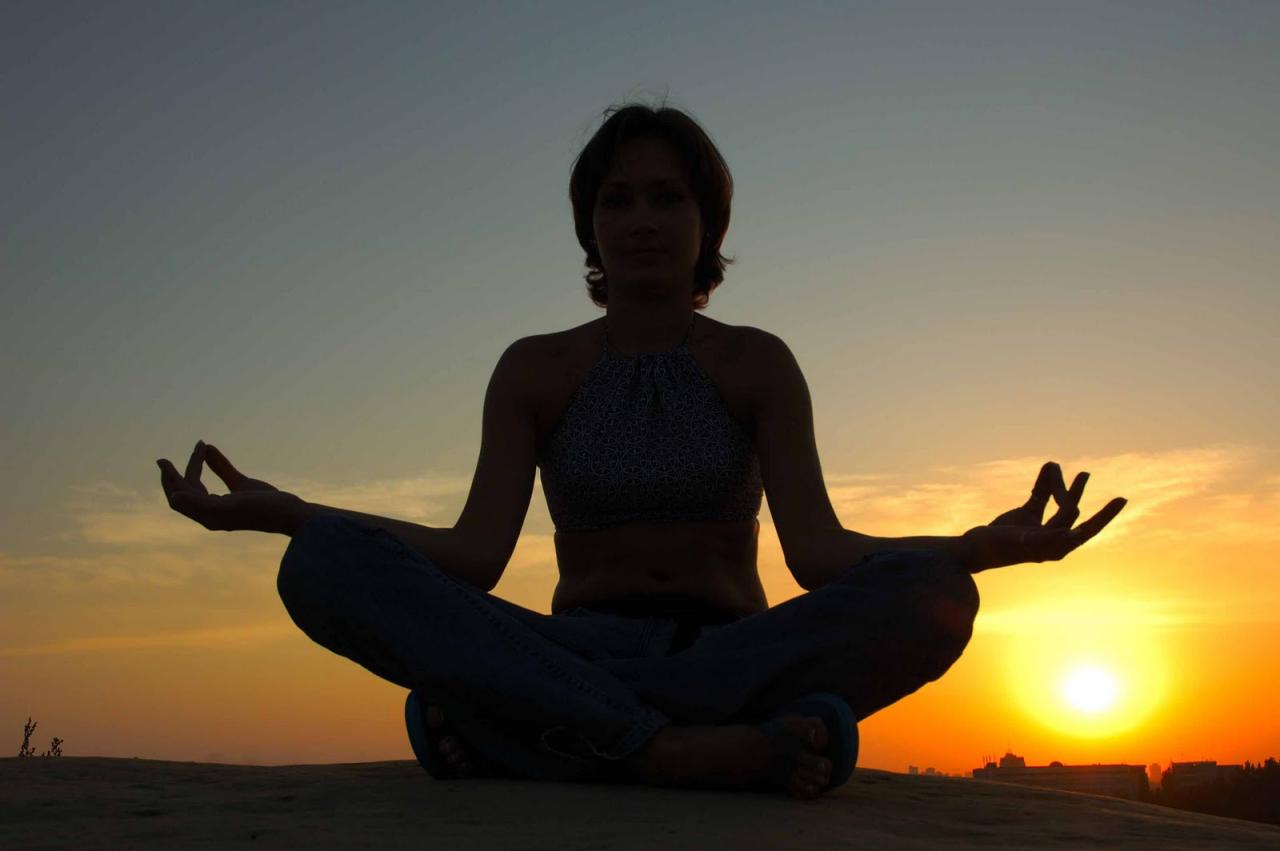
These guided meditation scripts offer structured frameworks for preparing your mind and body for exercise. By focusing your attention and intentions, you can enhance your motivation, energy, and performance during your workouts. These scripts can be adapted to fit various workout styles and individual needs.
Strength Training Meditation Script
This script is designed to build confidence and focus for a challenging strength training session. It emphasizes your inner strength and resilience, empowering you to push past perceived limitations.
“I am strong. I am capable. My body is responsive. I embrace the challenge. I feel the power within me, coursing through my veins. Each rep is a testament to my dedication. I visualize myself conquering each set with precision and control. I am focused and determined. I am powerful.”
Cardio Meditation Script
This script cultivates endurance and stamina, preparing you for a cardio workout. It focuses on maintaining consistent effort and sustaining your energy levels throughout the session.
“My breath flows smoothly, a rhythm mirroring my heart’s beat. My energy is abundant. I feel the strength of my body, resilient and capable. I am enduring. I am powerful. My legs move with grace and ease. I am present in the moment, pushing my limits with grace. My body is resilient and strong. I am capable of maintaining a steady pace.”
Yoga Meditation Script
This script promotes flexibility, mindfulness, and a deep connection with your body during a yoga practice. It emphasizes flexibility, focus, and finding inner peace.
“My body is supple and strong. I feel the stretch in every muscle, releasing tension and stress. I am present in this moment. I am calm. I breathe deeply and feel my body aligning with the flow. My mind is clear and focused. I am one with my breath. I feel grounded and centered. I am flexible and at peace. My body is open to receiving and releasing energy.”
Tips for Beginners Starting a Pre-Workout Meditation Routine

Embarking on a pre-workout meditation routine can be a transformative experience, enhancing your performance and well-being. However, for beginners, starting this practice can feel daunting. This section provides practical guidance to ease you into this beneficial habit.
Finding a Quiet Space
Establishing a dedicated space for meditation is crucial for creating a conducive atmosphere. This doesn’t necessarily mean a large, elaborate room. A quiet corner of your home, a park bench, or even a dedicated space in your gym can suffice. The key is to find a location free from distractions, where you can feel safe and comfortable.
The more comfortable you are in this space, the more you will be able to fully benefit from the meditation.
Overcoming Initial Discomfort or Resistance
Resistance to meditation is a common experience, especially for beginners. This could manifest as a feeling of restlessness, boredom, or difficulty focusing. It’s essential to approach meditation with patience and understanding. Recognize that it’s a skill that develops over time. Instead of striving for perfection, focus on consistency.
Even a few minutes of daily practice can yield significant benefits. Remember, each session is a step towards building your capacity for mental clarity and focus.
Creating a Supportive Environment
Cultivating a supportive environment plays a significant role in your meditation journey. This involves setting aside dedicated time for your practice, free from interruptions. Inform those around you about your meditation schedule to minimize disruptions. Creating a serene atmosphere through soft lighting, calming music, or a pleasant aroma can also contribute to a more positive and receptive experience.
Consider using a timer to track your meditation duration. This will help you maintain consistency and build a routine. A comfortable posture, free from physical discomfort, is also key to enjoying the practice.
Closing Summary
In conclusion, this exploration of meditation for pre-workout motivation provides a roadmap for transforming your approach to exercise. By integrating these techniques into your routine, you’ll experience improved focus, reduced anxiety, and a heightened sense of purpose before your workout. Embrace the power of meditation to enhance your physical and mental well-being and experience a more fulfilling and effective workout.