Unlocking peak performance in sports often involves more than just physical training. This guide delves into the powerful practice of meditation, specifically tailored for athletes. We’ll explore the profound benefits of mindfulness and other techniques, equipping you with 20 actionable strategies to enhance focus, reduce stress, and ultimately improve athletic performance.
By understanding the mind-body connection and integrating meditation into your training routines, athletes can navigate the pressures of competition and optimize their mental and physical well-being. This comprehensive approach provides a practical framework for incorporating meditation into your daily life, regardless of your current level of experience.
Introduction to Meditation for Athletes
Meditation offers a powerful toolkit for athletes seeking to enhance their performance and well-being. By cultivating mental clarity and emotional regulation, athletes can significantly improve focus, reduce stress, and ultimately achieve peak performance. The practice of meditation provides a unique opportunity to quiet the mind, allowing athletes to connect with their inner selves and develop a deeper understanding of their physical and mental capabilities.Mindfulness meditation, in particular, is highly relevant for athletes.
It encourages athletes to become more aware of their thoughts, feelings, and bodily sensations in the present moment, without judgment. This heightened awareness translates to improved focus during training and competition, allowing athletes to respond to challenges with greater composure and resilience. Other types of meditation, such as focused attention or loving-kindness meditation, also contribute to overall well-being and mental fortitude, but mindfulness meditation is often cited as particularly beneficial for the demands of athletic performance.
Benefits of Meditation for Athletes
Meditation offers a range of benefits directly applicable to athletic performance. These advantages extend beyond the physical realm, addressing the mental and emotional aspects that often contribute to success in sport. Meditation techniques are not merely relaxation exercises; they can be powerful tools for enhancing concentration, reducing anxiety, and fostering mental resilience.
Mindfulness Meditation and Athlete Performance
Mindfulness meditation cultivates the ability to observe thoughts and feelings without judgment. This allows athletes to navigate challenging situations with greater composure and focus. This detachment from negative thought patterns can lead to improved decision-making under pressure, and greater emotional control. By practicing mindfulness, athletes can learn to stay present in the moment, enhancing their performance in competition and training.
Examples of Meditation Techniques and Their Benefits
| Meditation Technique | Benefit for Athletes |
|---|---|
| Mindfulness Meditation | Enhanced focus and concentration during training and competition, improved stress management, and greater emotional regulation. |
| Focused Attention Meditation | Improved attention span and concentration, allowing for greater precision and efficiency during physical activities. |
| Loving-Kindness Meditation | Reduced anxiety and stress, fostering a sense of inner peace and well-being, contributing to a positive mental attitude during training and competition. |
Understanding the Mind-Body Connection in Sports
The human mind and body are intricately linked, and this connection profoundly influences athletic performance. Understanding this intricate relationship is crucial for athletes seeking to optimize their physical and mental capabilities. This interplay extends beyond simple physical exertion; it encompasses the psychological factors that can either enhance or hinder athletic success.The mind-body connection in sports is a dynamic interplay where mental states significantly impact physical performance.
Positive mental states like focus and confidence can amplify physical abilities, while negative mental states like anxiety and stress can impede performance. This intricate connection underscores the importance of mental well-being in athletic achievement.
The Impact of Stress and Anxiety on Athletic Performance
Stress and anxiety are prevalent in the high-pressure environment of competitive sports. These emotions can significantly hinder athletic performance by disrupting the delicate balance between the mind and body. Stress hormones, like cortisol, can negatively affect muscle function, reaction time, and cognitive processes, ultimately diminishing performance on the field or court.
Stress Levels, Physical and Mental Responses
The following table illustrates how different stress levels can trigger varying physical and mental responses in athletes:
| Stress Level | Physical Response | Mental Response |
|---|---|---|
| Low (eustress) | Increased alertness, heightened focus, improved blood flow. | Motivation, excitement, enhanced concentration. |
| Moderate | Increased heart rate, elevated blood pressure, slight muscle tension. | Increased focus, heightened awareness, anticipatory preparation. |
| High (distress) | Significant muscle tension, rapid heart rate, difficulty breathing, decreased coordination. | Racing thoughts, difficulty concentrating, anxiety, fear of failure. |
| Extreme | Panic attacks, nausea, dizziness, impaired motor skills, potential for injury. | Overwhelming fear, loss of control, disorientation, and inability to perform. |
Understanding these responses is vital for athletes to develop coping mechanisms and strategies to manage stress effectively. Appropriate stress management techniques can help athletes navigate the pressures of competition and maintain optimal performance.
20 Smart Tips for Athletes
Embarking on a meditation practice can significantly enhance athletic performance and well-being. This structured approach equips athletes with valuable tools for managing stress, improving focus, and fostering mental resilience. Consistent practice can translate into a noticeable edge in training and competition.
Foundation for Meditation
Meditation, when integrated into an athlete’s routine, provides a robust foundation for improved performance. By cultivating mindfulness and self-awareness, athletes can better understand their physical and mental responses to stress and pressure. This knowledge is pivotal for adapting training and competition strategies. Effective meditation practice necessitates a structured approach and commitment.
| Tip Number | Description |
|---|---|
| 1 | Establish a Dedicated Meditation Space. |
| 2 | Create a Relaxing Environment. |
| 3 | Set Realistic Expectations. |
| 4 | Choose a Suitable Time for Meditation. |
| 5 | Start with Short Sessions. |
| 6 | Incorporate Mindfulness into Daily Activities. |
| 7 | Practice Proper Posture. |
| 8 | Focus on the Breath. |
| 9 | Embrace Imperfection. |
| 10 | Use Guided Meditations. |
| 11 | Cultivate Self-Compassion. |
| 12 | Connect with Your Inner Athlete. |
| 13 | Maintain Consistency. |
| 14 | Journal Your Experiences. |
| 15 | Explore Different Meditation Techniques. |
| 16 | Integrate Meditation into Training. |
| 17 | Visualize Success. |
| 18 | Address Negative Thoughts. |
| 19 | Seek Professional Guidance. |
| 20 | Practice Gratitude. |
These tips, when implemented consistently, foster a deep connection with one’s mental and physical self. Athletes can use these techniques to navigate the pressures of training and competition with greater resilience and focus. Practicing mindfulness and self-awareness allows athletes to adapt more effectively to the demands of their sport.
Examples of Application:
- Tip 1: A dedicated corner of a room, free from distractions, can be an ideal meditation space.
- Tip 4: Early mornings, before the daily grind begins, provide a tranquil time for meditation.
- Tip 10: Guided meditations can help athletes focus on specific aspects of their performance, such as maintaining composure during a crucial match point.
Practical Meditation Techniques for Athletes
Unlocking the power of mental focus and resilience is crucial for peak athletic performance. Meditation techniques, when integrated effectively, can significantly enhance an athlete’s ability to manage stress, improve concentration, and foster a deeper connection with their body. These techniques go beyond simply relaxing; they equip athletes with tools to navigate the mental landscape of competition and training.Understanding the intricacies of various meditation approaches allows athletes to tailor their practice to specific needs and sports contexts.
This section delves into practical techniques, providing concrete examples of how to apply them in different athletic scenarios.
Core Meditation Techniques for Athletes
Meditation techniques are diverse and offer a range of benefits. Choosing the right approach is essential for optimal effectiveness. Different athletes may find varying levels of success with different techniques, but the core principle of mindfulness remains the same. By practicing these techniques regularly, athletes can cultivate a stronger mind-body connection, leading to improved performance and a more fulfilling athletic experience.
| Technique | Description | Example Application in Sports |
|---|---|---|
| Mindful Breathing | This technique focuses on the sensation of breath entering and leaving the body. By paying attention to the physical act of breathing, the mind is anchored in the present moment. | During a high-pressure basketball game, an athlete can use mindful breathing to regain composure. Deep, slow breaths can help regulate heart rate and reduce anxiety, allowing for more focused decision-making. |
| Body Scan Meditation | In this technique, attention is systematically directed to different parts of the body. By noticing sensations without judgment, the body becomes a focal point of awareness. | Before a marathon, a runner can use body scan meditation to identify any physical tension. By releasing this tension, they can improve flexibility and reduce the risk of injury during the race. |
| Loving-Kindness Meditation | This technique involves cultivating feelings of compassion and kindness toward oneself and others. It fosters a sense of interconnectedness and empathy. | In a team sport like volleyball, players can use loving-kindness meditation to foster camaraderie and support amongst teammates. This creates a positive and supportive environment, boosting morale and performance. |
| Walking Meditation | This technique combines mindfulness with physical movement. Attention is focused on the sensations of walking, such as the contact of feet with the ground. | A golfer can use walking meditation to focus on the rhythmic movements of walking to and from the tee, leading to a more present and focused approach to each shot. |
| Focused Attention Meditation | This technique involves concentrating on a specific object, sound, or sensation. This cultivates intense focus and mental clarity. | A marksman can use focused attention meditation to concentrate on the target and the subtle sensations of the gun in their hands, leading to increased accuracy. |
Transitioning Between Meditation Techniques
Smooth transitions between meditation techniques are crucial for optimal performance. A key aspect is understanding that different techniques serve different purposes. Mindful breathing, for example, can be a useful tool to center the mind and body before engaging in a more focused technique like focused attention. By recognizing the interconnectedness of these practices, athletes can create a personalized and effective meditation routine.
The flexibility and adaptability in transitioning between these techniques are essential for adapting to the specific demands of various athletic situations.
Integrating Meditation into Training Routines
Integrating meditation into a structured training routine can significantly enhance an athlete’s performance and well-being. It allows for mental preparation, stress management, and improved focus, all crucial elements in peak athletic performance. By weaving meditation into existing routines, athletes can optimize their training and competition strategies.Meditation practices, when incorporated strategically, can become an integral part of an athlete’s overall training regimen.
This integration acknowledges the vital role of mental acuity and emotional regulation in athletic success. The key is to tailor meditation sessions to fit the specific demands of different training phases, ensuring optimal benefits without compromising performance or recovery.
Training Phase Integration Examples
A well-structured meditation routine should be adaptable to the different stages of an athlete’s training. The intensity and focus of the training phase will dictate the appropriate type and duration of meditation. This careful consideration ensures that meditation enhances, rather than hinders, the training process.
| Training Phase | Meditation Integration |
|---|---|
| Pre-season | Short, focused meditations (5-10 minutes) focusing on setting intentions, visualizing success, and building mental resilience. These sessions can be incorporated into morning routines or immediately after light warm-up exercises. |
| In-season | Brief mindfulness practices (3-5 minutes) before competition to center the mind, manage anxiety, and enhance focus. Post-game meditation can help process emotions and facilitate mental recovery. |
| Off-season | Longer, more restorative meditations (15-20 minutes) to promote deep relaxation, reduce stress, and facilitate physical and mental recovery. These sessions can be integrated into morning or evening routines. |
| Injury Rehabilitation | Mindfulness-based meditations (10-15 minutes) to promote healing, reduce pain perception, and manage stress related to injury. Visualization techniques can help athletes imagine a successful return to play. |
Adjusting Meditation Practices
The intensity and frequency of meditation sessions should be adjusted based on the demands of the training schedule and competition calendar. During high-intensity training periods, shorter, more focused meditation sessions might be more effective than longer, more relaxed practices. Conversely, during periods of lower training intensity, longer sessions dedicated to deeper relaxation can be beneficial.For example, an athlete preparing for a crucial competition might incorporate a brief, focused meditation session before each practice and competition.
This focused attention on the present moment can help sharpen concentration and minimize pre-competition anxiety. Conversely, in the off-season, a longer meditation session dedicated to mental restoration and stress reduction might be more beneficial.
Overcoming Challenges in Meditation for Athletes
Embarking on a meditation journey, especially for athletes, often presents unique hurdles. The demanding schedules, intense focus required in training, and the pressure to perform can make maintaining a consistent practice challenging. This section delves into common obstacles and practical strategies to navigate them, fostering a sustainable meditation routine.Athletes face a myriad of distractions, both internal and external.
From the constant stream of thoughts about upcoming competitions to the physical demands of training, maintaining a focused state during meditation can be difficult. Strategies to overcome these challenges and cultivate a more effective practice are crucial for athletes seeking to harness the benefits of meditation.
Common Challenges in Meditation for Athletes
The rigorous demands of athletic training often clash with the quiet introspection required for meditation. Athletes frequently experience difficulties focusing, maintaining stillness, and finding time for practice.
- Time Constraints: Athletes often face packed schedules, making dedicated time for meditation a significant challenge. Balancing training, recovery, and other commitments can leave little room for a daily practice.
- Mental Fatigue: The intense mental focus required for athletic performance can lead to mental fatigue. This can make it challenging to quiet the mind during meditation, leading to restlessness and distraction.
- Physical Discomfort: Finding a comfortable posture for extended periods can be difficult for athletes accustomed to dynamic movement. Muscle tension, aches, and pains can hinder the ability to fully relax and focus during meditation.
- Performance Anxiety: The pressure to perform well can manifest as anxiety and stress, which can interfere with the meditative state. The mind may race with thoughts about upcoming competitions or past failures.
Strategies for Overcoming Challenges
Addressing the specific obstacles faced by athletes in meditation is vital. Implementing effective strategies can significantly improve the likelihood of success.
- Prioritize and Schedule: Treat meditation like any other essential aspect of training. Schedule dedicated time for meditation in your daily routine, just as you would for workouts or recovery sessions. Use a calendar or planner to block out time for this activity, and treat it with the same importance as other commitments.
- Short, Frequent Sessions: Begin with shorter meditation sessions (e.g., 5-10 minutes) and gradually increase the duration as your practice evolves. Consistency is key; even short sessions can yield benefits.
- Mindful Movement: If physical discomfort is a challenge, incorporate mindful movement practices, such as yoga or tai chi, into your routine. These can help improve flexibility, reduce muscle tension, and prepare the body for meditation.
- Positive Self-Talk: Cultivate positive self-talk to manage performance anxiety. Focus on past successes and build confidence in your abilities. Remind yourself that meditation is a process of self-discovery and improvement, not a test of perfection.
Building a Consistent Meditation Practice
Consistency is paramount in building any habit, including meditation. Developing a sustainable practice involves establishing clear goals and strategies for maintaining momentum.
- Find a Supportive Environment: Choose a quiet space free from distractions where you can focus on your practice. Create a dedicated meditation area with calming elements, such as soft lighting or calming music. Creating a positive atmosphere can increase the likelihood of successful sessions.
- Set Realistic Expectations: Understand that meditation is a journey, not a destination. There will be days when you find it more challenging than others. Focus on progress, not perfection. Acknowledge and accept the fluctuations in your practice.
- Seek Guidance and Support: Consider joining a meditation group or working with a qualified instructor. Having support and guidance can provide valuable insight and motivation.
- Reward Yourself: Acknowledge your efforts and celebrate milestones in your meditation practice. This can help reinforce positive habits and maintain motivation. Simple rewards, such as a relaxing bath or listening to calming music, can boost your positive feelings about the practice.
Maintaining Motivation and Consistency
Consistent meditation practice, like any new habit, requires dedication and a proactive approach. This is particularly true for athletes, whose demanding schedules and intense focus on performance can sometimes make it challenging to integrate mindfulness into their routine. Understanding the importance of consistency and implementing strategies for maintaining motivation are key to reaping the benefits of meditation.Maintaining a regular meditation practice, while beneficial, is often challenging.
The rewards of meditation, such as improved focus, stress reduction, and enhanced self-awareness, are often delayed. This can make it difficult to sustain motivation, especially for athletes accustomed to immediate feedback and results from their training. Strategies that foster a positive relationship with meditation are crucial for long-term success.
Strategies for Maintaining Motivation
Sustaining motivation for a regular meditation practice hinges on establishing clear goals and finding intrinsic motivation. Athletes often thrive when they connect their practice to specific performance goals, such as enhancing concentration or managing pre-game anxiety. This connection provides a tangible link between the practice and desired outcomes.
Five Tips for Maintaining Consistency
Consistent practice is crucial for experiencing the full benefits of meditation. Developing a sustainable routine requires strategic planning and mindful adjustments.
- Establish a Dedicated Time and Space: Designating a specific time and location for meditation creates a routine that the mind can readily associate with relaxation and mindfulness. This dedicated space becomes a sanctuary for introspection and mental preparation, cueing the body and mind to transition into a meditative state. Consistency in this aspect is vital. For example, scheduling 15 minutes each morning before breakfast, or 10 minutes before training sessions, can create a sustainable habit.
- Start Small and Gradually Increase Duration: Begin with shorter meditation sessions, perhaps 5-10 minutes, and gradually increase the duration as comfort and focus develop. Rushing into longer sessions can be demotivating. A gradual increase allows the body and mind to adapt to the practice without feeling overwhelmed.
- Incorporate Meditation into Your Routine: Integrating meditation into pre-existing routines makes it more accessible and less of an added task. For example, use meditation during a break from training or while traveling to games. Making it a seamless part of your daily or weekly schedule fosters consistency and makes it easier to integrate.
- Seek Support and Accountability: Connecting with a meditation partner or joining a group can provide valuable support and encouragement. Sharing experiences and celebrating progress with others can make the journey more enjoyable and sustainable. Athletes often benefit from support networks for their training, and a similar approach to meditation practice can be very helpful.
- Focus on the Process, Not Just the Outcome: Shifting focus from the expected outcome of meditation to the process of engaging in the practice itself can foster a more positive and sustainable approach. Recognize and appreciate the effort put into each session, rather than solely concentrating on the perceived benefits.
Breathing Techniques for Athletes
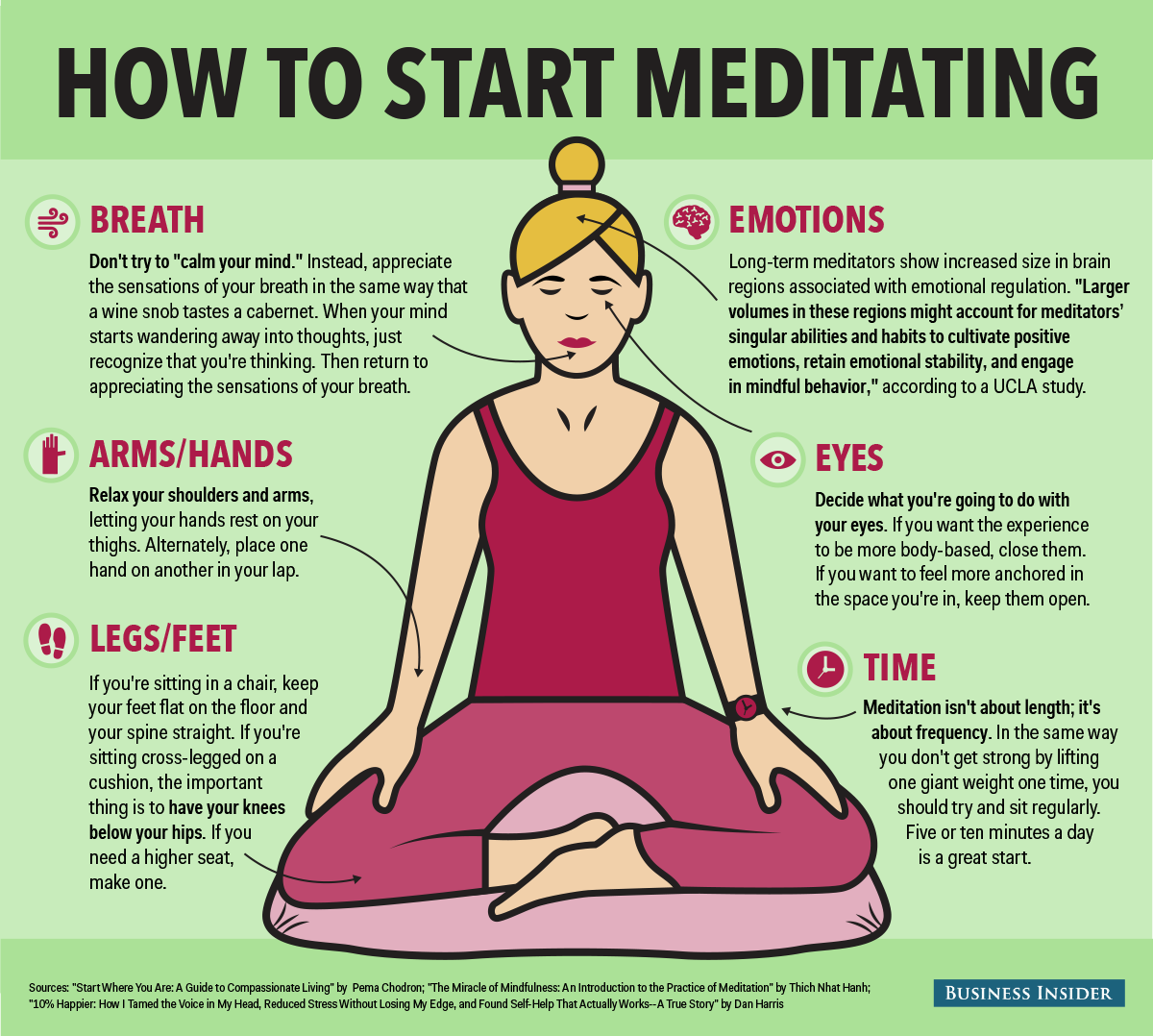
Proper breathing techniques are fundamental to athletic performance and stress management. Conscious control of breath can significantly impact both physical and mental well-being, leading to improved focus, reduced anxiety, and enhanced physical endurance during training and competition. By integrating mindful breathing into their routines, athletes can cultivate a deeper understanding of their bodies and optimize their performance.Breathing, often overlooked, is intrinsically linked to the body’s physiological responses to stress.
When stressed, the body shifts into a fight-or-flight response, characterized by shallow, rapid breathing. Mindful breathing techniques, in contrast, promote relaxation and reduce the physiological effects of stress, thereby enabling athletes to perform at their best. Understanding and practicing these techniques can equip athletes with a valuable tool for managing stress and maximizing performance.
Significance of Proper Breathing Techniques in Meditation
Proper breathing techniques are crucial in meditation as they anchor the mind and body. Controlled breathing acts as an anchor, bringing focus to the present moment and calming the nervous system. This focused attention is essential for achieving a state of mental clarity and relaxation. By regulating the breath, individuals can quiet the internal chatter and create space for introspection.
Examples of Breathing Techniques for Athletes
Effective breathing techniques can be integrated into various athletic contexts. The table below provides examples of breathing techniques and their application in sports.
| Breathing Technique | Description | Application in Sports |
|---|---|---|
| Diaphragmatic Breathing | This technique involves deep, slow breaths that engage the diaphragm, the primary muscle of respiration. Air is drawn deeply into the lungs, expanding the abdomen, and then slowly exhaled. | Diaphragmatic breathing can enhance oxygen intake, improve endurance, and promote relaxation before competition. It can be used during periods of rest and recovery between sets of high-intensity exercises. |
| Box Breathing | This technique involves inhaling for a count of four, holding the breath for a count of four, exhaling for a count of four, and holding the breath again for a count of four. This rhythm is repeated. | Box breathing can help regulate heart rate and breathing during high-intensity activities like sprinting or weightlifting. It can also provide a sense of calm and focus during periods of high stress, like when performing critical plays in a game. |
| Alternate Nostril Breathing (Nadi Shodhana) | This ancient yogic practice involves alternately inhaling and exhaling through one nostril at a time. | This technique can promote balance and calm the mind, aiding in focus and concentration during training sessions or competition. It is especially beneficial for athletes who experience anxiety or pre-performance jitters. |
Relationship Between Breathing and Stress Management
The connection between breathing and stress management is well-documented. Stress triggers a physiological response, often resulting in shallow, rapid breathing. This heightened breathing pattern contributes to increased heart rate, muscle tension, and feelings of anxiety. In contrast, slow, deep breathing activates the parasympathetic nervous system, which promotes relaxation and reduces the physiological effects of stress. This process is fundamental to stress reduction and recovery for athletes.
By controlling their breathing, athletes can regulate their stress response and maintain a calm state of mind, thereby improving their performance.
Visualization and Mental Imagery
Visualization and mental imagery are powerful tools for athletes seeking to enhance their performance and manage stress. By creating vivid mental pictures of successful outcomes, athletes can build confidence, reduce anxiety, and improve focus. This process allows athletes to rehearse skills, overcome obstacles, and ultimately, achieve their goals.Visualization techniques, when integrated with meditation, can significantly improve performance in sports.
Athletes can use mental imagery to practice movements, anticipate opponent actions, and maintain composure during critical moments. Furthermore, positive self-talk and imagery play a crucial role in bolstering confidence and resilience.
Visualization Exercises for Athletes
Visualization exercises are valuable tools for athletes to enhance performance and manage mental states. These exercises involve creating detailed mental images of successful performances, visualizing the execution of specific skills, and envisioning favorable outcomes in competitions. By regularly practicing these exercises, athletes can improve their mental preparedness and achieve peak performance.
| Exercise | Description | Example |
|---|---|---|
| Mental Rehearsal of a Skill | This exercise involves vividly imagining yourself executing a specific skill, such as a golf swing, a tennis serve, or a basketball jump shot. Focus on the precise movements, the feel of the equipment, and the overall execution. Pay attention to the sequence of actions and any cues or sensations that accompany successful execution. | A gymnast might visualize themselves executing a perfect back handspring, focusing on the precise movements, body position, and the feeling of graceful momentum. |
| Successful Competition Visualization | This exercise involves imagining yourself competing successfully. Visualize the entire competition, from pre-game warm-up to the final outcome. Focus on feeling confident, composed, and in control throughout the competition. Include positive affirmations and successful strategies. | A swimmer might visualize themselves completing a race with strong strokes and a focused mindset, picturing the finish line and celebrating their achievement. |
| Overcoming Obstacles Visualization | This exercise focuses on visualizing how you would overcome a potential challenge or obstacle during a competition. Imagine yourself facing the challenge with resilience, maintaining composure, and successfully navigating the obstacle. Focus on your coping strategies and the positive outcome. | A runner might visualize themselves overcoming a tough stretch during a marathon, picturing their determination and maintaining their pace, imagining a successful finish. |
Importance of Positive Self-Talk and Imagery
Positive self-talk and mental imagery are essential components of successful visualization exercises. By consistently using positive affirmations and focusing on successful outcomes, athletes can cultivate a strong sense of self-belief and confidence. Positive self-talk reinforces positive mental imagery, fostering a strong link between mental preparation and athletic performance.
“Positive self-talk and mental imagery are powerful tools for athletes to build confidence, reduce anxiety, and enhance focus.”
Addressing Stress and Anxiety in Sports
Stress and anxiety are inherent parts of the competitive landscape in sports. Athletes experience pressure from various sources, including expectations from coaches, teammates, and themselves, as well as the intense physical and mental demands of training and competition. Effectively managing these emotions is crucial for optimal performance and well-being.Understanding the physiological responses to stress, and employing techniques to counteract these reactions, is paramount to achieving peak performance.
Meditation, in its various forms, can be a powerful tool for athletes seeking to navigate these emotional challenges. By cultivating a calm and focused mind, athletes can improve their ability to concentrate, make sound decisions, and maintain resilience under pressure.
The Role of Stress in Athletic Performance
Stress, while a natural human response, can negatively impact athletic performance if not managed effectively. Elevated stress hormones like cortisol can lead to increased heart rate, muscle tension, and a decrease in cognitive function, all of which hinder athletic performance. For instance, heightened anxiety might manifest as a loss of focus during critical moments of a game or competition.
Chronic stress can also have long-term detrimental effects on physical and mental health.
Meditation for Managing Stress and Anxiety During Competition
Meditation techniques provide athletes with a structured approach to managing stress and anxiety. Through focused attention and mindfulness, athletes can learn to observe their thoughts and feelings without judgment, thereby reducing their reactivity to stressors. This process fosters emotional regulation, allowing athletes to maintain composure during high-pressure situations.
Comparison of Stress Management Techniques
| Technique | Description | Potential Benefits | Potential Drawbacks |
|---|---|---|---|
| Progressive Muscle Relaxation | Systematic tensing and releasing of muscle groups. | Reduces physical tension, promotes relaxation. | Can be time-consuming, may not be suitable for all situations. |
| Deep Breathing Exercises | Controlled breathing patterns to regulate the nervous system. | Calms the mind, lowers heart rate. | Requires practice to master, may not be effective for severe anxiety. |
| Mindfulness Meditation | Focusing on the present moment without judgment. | Develops awareness of thoughts and feelings, reduces reactivity. | Requires consistent practice, may not immediately alleviate intense anxiety. |
| Guided Imagery | Creating vivid mental images to evoke feelings of calm and control. | Promotes relaxation, enhances focus. | Effectiveness depends on individual visualization skills. |
Note: This table provides a brief overview of various stress management techniques. Individual responses may vary. Professional guidance is recommended for severe or persistent stress or anxiety.
Mindfulness in Action
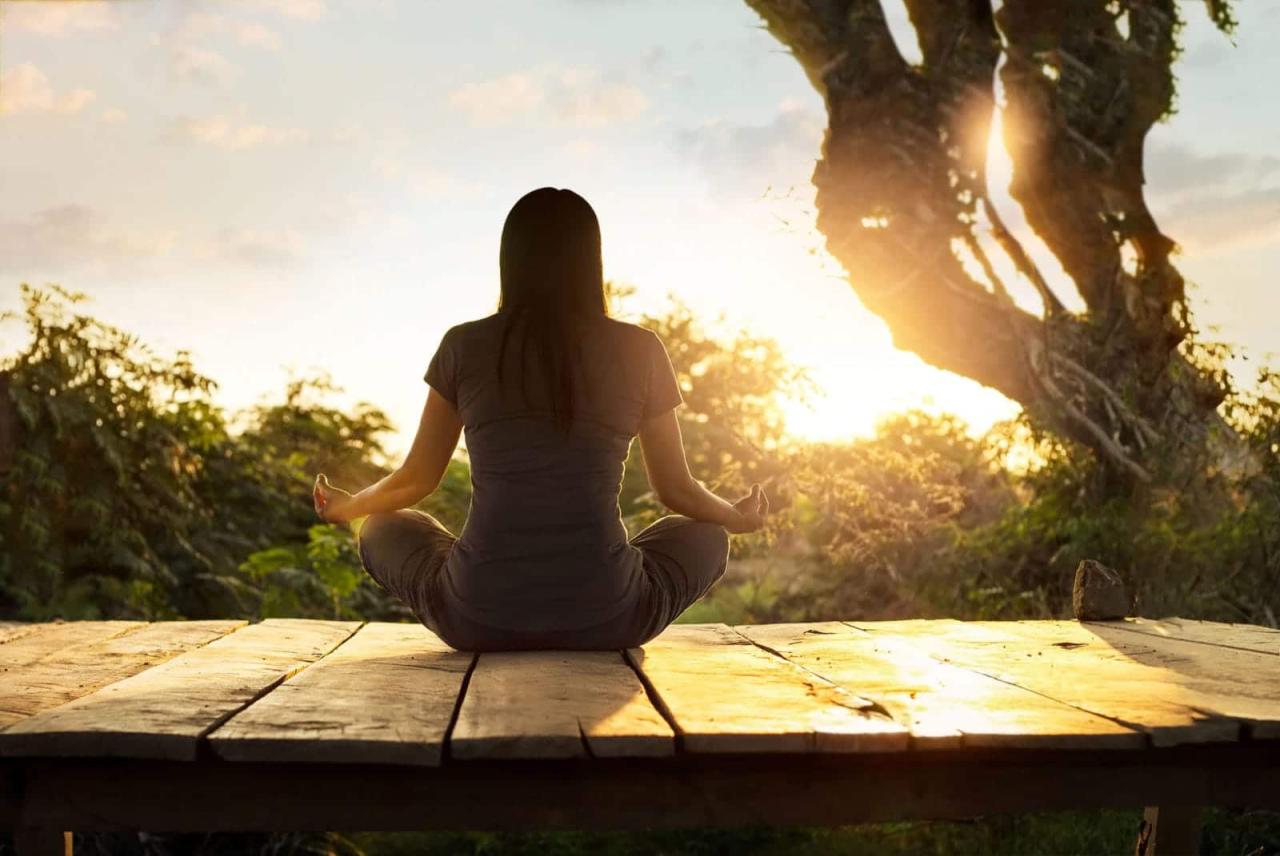
Mindfulness, a core component of meditation, transcends the practice itself and translates into tangible improvements in various aspects of life, including athletic performance. By cultivating present-moment awareness, athletes can enhance their focus, reduce stress, and improve their overall game strategy. This practical application of mindfulness involves actively engaging with the current experience without judgment, leading to more effective responses and improved decision-making.Applying mindfulness techniques during sporting events allows athletes to connect with their bodies and minds in a more profound way.
This connection translates to improved awareness of their physical sensations, emotional responses, and the subtle cues of their environment. It is this heightened awareness that fosters a more deliberate and responsive approach to the game.
Practical Examples During a Game
Mindfulness can be effectively applied to various situations during a sporting event, allowing athletes to stay present and react optimally. These situations span pre-game, in-game, and post-game scenarios.
- Pre-game Routine: Before a crucial match, athletes can employ mindfulness to calm their nerves and focus their minds. This might involve a few minutes of deep breathing, paying attention to the sensations of their body, and acknowledging any anxieties without judgment. By centering themselves in the present moment, athletes can approach the game with a sense of calm and clarity, setting the stage for optimal performance.
Mindfulness techniques can help manage pre-game jitters and create a more positive mental state, leading to more focused preparation.
- In-game Focus: During a high-stakes game, mindfulness can be used to maintain focus on the current play. Instead of dwelling on past mistakes or worrying about future outcomes, athletes can concentrate on the present moment. This might involve paying attention to the feel of the ball in their hand, the positioning of teammates, or the movement of opponents. Maintaining focus on the immediate actions allows athletes to react more effectively and make sound decisions.
- Responding to Mistakes: If an athlete makes a mistake during a game, mindfulness can help them recover quickly and avoid dwelling on the error. By acknowledging the mistake without judgment, the athlete can accept the situation and focus on the next play. This acceptance is crucial; it allows for a more constructive approach to the situation. It fosters resilience and allows athletes to learn from mistakes and move forward with renewed focus.
Mindfulness practices can teach athletes to view mistakes as opportunities for learning and growth.
Resources for Further Learning
Delving deeper into the practice of meditation can significantly enhance its benefits for athletes. Expanding your knowledge base beyond these 20 tips can provide a richer understanding and more personalized approach to incorporating meditation into your training and life. This section offers valuable resources to further your exploration of this powerful tool.
Recommended Resources for Athletes
To deepen your understanding of meditation and its application in sports, accessing various resources can be highly beneficial. These resources offer different perspectives and approaches, catering to diverse learning styles and preferences.
| Resource Type | Link |
|---|---|
| Books | https://www.amazon.com/s?k=meditation+for+athletes |
| Articles | https://www.ncbi.nlm.nih.gov/pmc/articles/?term=meditation+sports |
| Websites | https://www.mindful.org/ |
| Online Courses | https://www.coursera.org/search?query=meditation |
| Meditation Apps | https://apps.apple.com/us/app/insight-timer/id352425693 |
Finding a Qualified Meditation Instructor
Seeking guidance from a qualified meditation instructor can significantly accelerate your progress and ensure you develop safe and effective practices. Certified instructors possess the expertise to tailor meditation techniques to individual needs and offer personalized support, crucial for navigating the nuances of meditation in the context of athletic performance.Several avenues exist for locating qualified instructors. Online directories, community centers, and fitness studios often list certified meditation teachers or practitioners.
Additionally, recommendations from trusted sources such as coaches, teammates, or healthcare professionals can be valuable. Look for certifications from reputable organizations in meditation and mindfulness practices. Instructors with experience working with athletes are especially beneficial, as they understand the specific demands and pressures athletes face.
Ending Remarks
In conclusion, this exploration of meditation techniques provides athletes with a toolkit to manage stress, enhance focus, and unlock their full potential. By incorporating the 20 smart tips and practical techniques, athletes can cultivate a stronger mind-body connection and achieve greater success in their chosen sports. Remember consistency is key to reaping the full rewards of meditation.