Unlock inner peace and cultivate clarity with this comprehensive guide to meditation. Discover 30 distinct techniques, from foundational mindfulness practices to guided visualizations, each designed to foster balance and well-being. This exploration provides practical tools to navigate daily challenges and cultivate a deeper connection with yourself.
This guide offers a structured approach to meditation, starting with the fundamentals and progressing to more advanced techniques. Each section is supported by clear explanations, practical examples, and actionable strategies to help you integrate these practices into your daily life.
Introduction to Meditation for Balance and Clarity
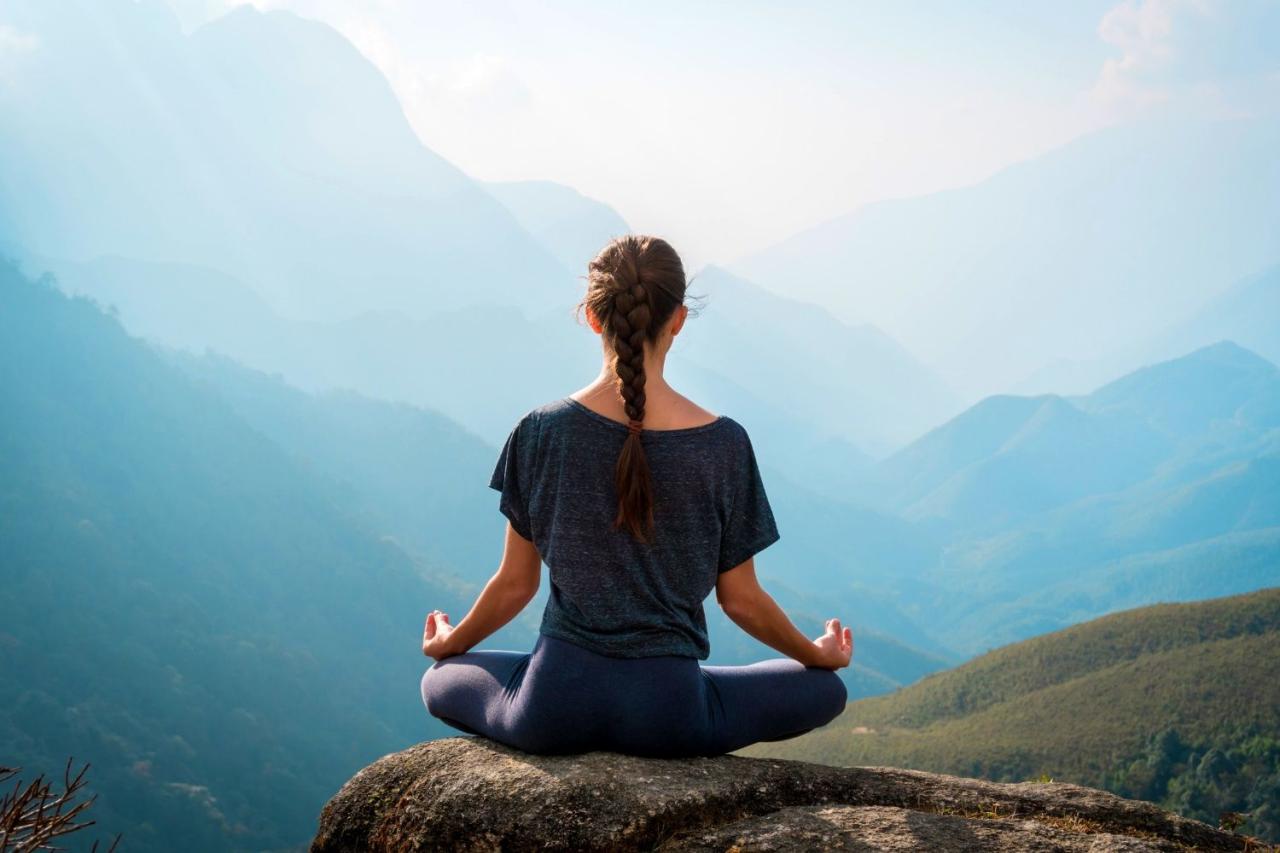
Meditation is a practice that involves focusing the mind on a specific object, thought, or activity to achieve a state of mental clarity and emotional balance. It’s a powerful tool for cultivating inner peace and resilience, allowing individuals to navigate life’s challenges with greater composure and focus. Through consistent practice, meditation cultivates a deeper understanding of oneself and fosters a more harmonious relationship with the world.The benefits of meditation extend far beyond a calm mind.
Regular practice promotes mental and emotional well-being by reducing stress, anxiety, and depression. It enhances self-awareness, improves focus and concentration, and fosters emotional regulation, leading to greater resilience and a more positive outlook on life. Meditation also contributes to physical health by lowering blood pressure and promoting relaxation.
Different Types of Meditation
Various meditation techniques cater to different needs and preferences. Each approach employs unique methods to achieve a state of mental clarity and emotional equilibrium. Understanding the different types can help individuals select a practice that resonates with their personality and goals.
Overview of Meditation Types
| Meditation Type | Brief Description | Key Benefits |
|---|---|---|
| Mindfulness Meditation | Focuses on observing thoughts and sensations without judgment. This practice involves paying attention to the present moment, acknowledging thoughts and feelings as they arise without getting carried away by them. | Reduces stress, improves focus, enhances self-awareness, and promotes emotional regulation. |
| Loving-Kindness Meditation | Cultivates feelings of compassion and loving-kindness towards oneself and others. It involves generating positive emotions towards various individuals, including loved ones, neutral acquaintances, and even challenging figures. | Promotes empathy, reduces negativity, fosters feelings of connection, and enhances emotional well-being. |
| Transcendental Meditation | Involves the use of personally assigned mantras to induce a state of deep relaxation and inner peace. This technique focuses on transcending everyday thoughts and emotions. | Reduces stress, improves concentration, promotes physical and mental well-being, and enhances creativity. |
| Yoga Meditation | Combines physical postures (asanas) with breath control (pranayama) and focused attention to cultivate a state of inner peace and balance. Yoga meditation is a holistic practice that integrates physical, mental, and spiritual well-being. | Increases flexibility, improves physical health, enhances focus, and fosters a sense of calm and centeredness. |
| Walking Meditation | Focuses on the physical sensations of walking, paying close attention to each step, breath, and movement. It blends the practice of mindfulness with the activity of walking. | Improves focus and awareness, reduces stress and anxiety, and promotes a mindful connection with the environment. |
Foundational Meditation Techniques (30 Ways)
Embarking on a journey of self-discovery and inner peace, meditation offers a diverse array of techniques. These methods, rooted in ancient practices and modern adaptations, provide a structured path to cultivating balance and clarity within. This exploration delves into 30 distinct meditation techniques, detailing their unique approaches to achieving these goals.Understanding the nuances of each method is key to selecting the practice that best resonates with your individual needs and aspirations.
This structured approach allows for a personalized experience, facilitating a deeper understanding of the self and the world around us.
30 Distinct Meditation Techniques
Various meditation techniques exist, each with its own focus and methodology. By exploring these different approaches, individuals can discover the style most conducive to their personal needs and goals. This exploration aims to provide a comprehensive overview of these diverse techniques.
- Mindfulness Meditation: This foundational technique involves focusing on the present moment, observing thoughts and sensations without judgment. Practitioners cultivate awareness of their breath, body posture, and surrounding environment. Mindfulness meditation fosters a non-reactive stance toward internal experiences, promoting calmness and clarity. It emphasizes the importance of being fully present in the current moment, without getting caught up in past regrets or future anxieties.
- Loving-Kindness Meditation: This practice cultivates feelings of love, compassion, and kindness toward oneself and others. Individuals cultivate positive emotions through directed thoughts and affirmations, extending goodwill to family, friends, acquaintances, and even adversaries. This technique cultivates empathy and promotes emotional well-being.
- Transcendental Meditation: This technique involves silently repeating a mantra, a specific sound or phrase. This allows the mind to settle into a state of profound relaxation, leading to mental clarity and reduced stress. The repetition of the mantra fosters deep relaxation and promotes a sense of calm.
- Guided Meditation: This technique employs verbal instructions to guide the meditator through a visualization or focused imagery. This aids in reducing stress and anxiety by directing the mind toward positive outcomes and calm states.
- Walking Meditation: This practice integrates mindfulness into physical activity. By focusing on the sensations of walking, practitioners develop a deeper awareness of their body and environment. This practice promotes both physical and mental well-being.
- Body Scan Meditation: This technique involves systematically bringing awareness to different parts of the body, noticing any sensations or tensions without judgment. This practice cultivates physical awareness and relaxation.
- Progressive Muscle Relaxation: This method involves tensing and releasing different muscle groups in the body. By focusing on the physical sensations of tension and relaxation, practitioners can achieve deep physical and mental relaxation.
- Yoga Nidra: This practice is a form of deep yogic sleep. It involves guided relaxation, allowing the body and mind to rest deeply.
- Vipassana Meditation: This technique focuses on the observation of internal experiences, including thoughts, emotions, and bodily sensations.
- Zazen Meditation: This practice emphasizes a seated posture, focused breathing, and mindful awareness of the present moment.
Comparison of Techniques
| Technique Name | Description | Key Steps | Potential Challenges |
|---|---|---|---|
| Mindfulness Meditation | Focus on present moment | Observe thoughts, sensations, and breath without judgment | Maintaining focus, dealing with distracting thoughts |
| Loving-Kindness Meditation | Cultivate compassion | Direct positive emotions toward self and others | Overcoming resistance to feelings, maintaining consistency |
| Transcendental Meditation | Repeating a mantra | Quietly repeating a mantra, achieving a relaxed state | Finding a suitable mantra, dealing with initial discomfort |
| Guided Meditation | Following verbal instructions | Visualizing, focusing on sensations, following prompts | Finding a suitable guide, maintaining focus during guidance |
Mindfulness-Based Meditation Practices
Mindfulness meditation, a cornerstone of many meditation traditions, focuses on cultivating present moment awareness. This practice involves observing thoughts, feelings, and sensations without judgment, fostering a deeper understanding of oneself and the world around you. It’s a powerful tool for developing emotional regulation, reducing stress, and increasing clarity. By engaging with the present, rather than getting caught up in the past or future, individuals can gain a more balanced and insightful perspective.Mindfulness meditation encourages a non-reactive approach to the inner landscape.
It’s not about trying to eliminate thoughts or feelings, but rather about observing them as they arise and pass. This detached observation allows for a more objective understanding, enabling individuals to respond to experiences with greater composure and clarity. This non-judgmental awareness is key to fostering emotional well-being and achieving a sense of inner balance.
Mindfulness Techniques
Various techniques are employed in mindfulness meditation, each with unique benefits. These methods encourage a focused engagement with the present moment, fostering a more balanced and clear perspective.
- Body Scan Meditation: This technique involves systematically bringing awareness to different parts of the body, noticing sensations without judgment. By paying attention to physical sensations, individuals can develop a greater sense of grounding and connection to their physical self, which is often helpful in managing stress and anxiety. This method can be particularly beneficial for individuals experiencing physical discomfort or tension.
- Mindful Breathing: Focusing on the breath is a fundamental mindfulness technique. Paying attention to the sensation of the breath entering and leaving the body helps anchor the mind in the present moment. Regular practice can calm the nervous system, reduce stress, and increase overall awareness.
- Mindful Walking: This practice involves paying attention to the sensations of walking – the contact of the feet with the ground, the movement of the body, and the surrounding environment. It fosters a deeper connection with the present moment and can be particularly helpful for individuals seeking stress reduction or increased body awareness.
- Mindful Eating: This technique involves paying attention to the sensory experience of eating. Noticing the taste, texture, and smell of food, without judgment, allows for a more appreciative and mindful relationship with food. This can lead to healthier eating habits and a greater appreciation for the nourishment we receive.
- Mindful Listening: This involves fully engaging in listening to a conversation or piece of music without judgment or interruption. It cultivates a deeper connection to the speaker or the source of the sound, fostering empathy and understanding. This technique is particularly useful in social situations.
Cultivating Awareness Without Judgment
A crucial aspect of mindfulness meditation is the cultivation of awareness without judgment. This involves observing thoughts and emotions as they arise, recognizing their presence without reacting or getting caught up in them. This non-judgmental stance allows for a more objective understanding of the inner landscape, fostering a sense of balance and clarity. It’s important to understand that judgment is not inherently bad; however, a continual state of judgment can lead to suffering and prevents objectivity.
Comparing Mindfulness Exercises
| Mindfulness Exercise | Benefits | Challenges |
|---|---|---|
| Body Scan Meditation | Increased body awareness, stress reduction, improved physical well-being | Potential for discomfort or intense sensations, requiring patience and persistence |
| Mindful Breathing | Calming of the nervous system, improved focus, reduced anxiety | Maintaining focus on the breath, potentially triggering distracting thoughts |
| Mindful Walking | Grounding, increased physical awareness, stress relief | Maintaining focus while walking, potentially disruptive external stimuli |
| Mindful Eating | Improved relationship with food, increased awareness of hunger and fullness cues, appreciation of nourishment | Requires consistent practice, potentially challenging for those with disordered eating patterns |
| Mindful Listening | Improved empathy, deeper connection, increased understanding in social situations | Difficulty silencing internal thoughts, potential for distraction from external stimuli |
Guided Meditation for Specific Needs
Guided meditations provide a structured approach to cultivate specific mental states, offering a supportive framework for managing various challenges. They offer a personalized pathway to inner peace, emotional well-being, and enhanced focus, allowing individuals to tailor their practice to their unique needs.These guided meditations serve as a powerful tool for navigating life’s complexities, offering practical techniques and supportive language to promote self-awareness and positive change.
They can help individuals develop coping mechanisms and strategies for managing stress, regulating emotions, and achieving a sense of inner peace.
Guided Meditations for Stress Reduction
Guided meditations for stress reduction employ various techniques to calm the mind and body. They often incorporate elements of deep breathing, visualization, and positive affirmations. These practices help to activate the body’s relaxation response, lowering cortisol levels and promoting a sense of calm. Stress reduction practices can be integrated into daily routines for proactive stress management.
- A guided meditation for stress reduction might begin with a grounding exercise, focusing on the sensations of the body in the present moment. This is followed by deep breathing techniques to slow the heart rate and regulate the nervous system. Finally, the meditation concludes with visualizations of peaceful scenes or positive affirmations, encouraging a shift in perspective.
- Another technique involves progressive muscle relaxation, where individuals systematically tense and release different muscle groups. This practice promotes physical relaxation and reduces muscle tension, a common contributor to stress.
Guided Meditations to Promote Emotional Regulation and Self-Compassion
These guided meditations help individuals develop a deeper understanding of their emotions, fostering self-awareness and compassion. Techniques include mindfulness practices, emotional labeling, and cultivating self-acceptance. They create space for emotional processing and acceptance, promoting emotional resilience.
- Guided meditations for emotional regulation often begin with a mindful body scan to connect with the present moment. This is followed by identifying and labeling emotions as they arise, without judgment. The practice progresses to cultivating self-compassion by treating oneself with kindness and understanding.
- These guided meditations can involve visualization exercises, where individuals imagine themselves responding to challenging situations with kindness and understanding. This visualization helps create a mental blueprint for emotional regulation in daily life.
Guided Meditations for Improving Focus and Concentration
Guided meditations designed for focus and concentration typically involve techniques like mindful awareness of the breath, sound, or bodily sensations, combined with techniques that promote mental clarity. They help to train the mind to stay present and resist distractions.
- A guided meditation for focus and concentration might begin with a simple awareness of the breath. Then, the focus is shifted to sounds in the environment, noting them without judgment. Gradually, the meditation guides the mind to a chosen object, such as a mantra or a visual image, to maintain focus and concentration.
- Another approach uses mindful awareness of bodily sensations, bringing attention to subtle physical cues while practicing mental stability. These sensations, rather than being distracting, are used as anchors to ground attention and foster concentration.
Guided Meditations for Cultivating Inner Peace and Tranquility
Guided meditations for inner peace and tranquility are aimed at cultivating a sense of calm and serenity. They frequently involve visualizations, affirmations, and mindful awareness techniques to foster a deeper connection with oneself and a sense of inner harmony.
- Guided meditations for inner peace and tranquility frequently incorporate visualizations of peaceful scenes, such as serene landscapes or tranquil environments. These visualizations are combined with affirmations that reinforce a sense of calm and well-being.
- Mindful awareness of the present moment, particularly the breath, can lead to a deeper sense of groundedness and inner stillness, contributing to a state of tranquility.
Comparison of Guided Meditation Scripts
| Meditation Script | Structure | Expected Outcomes |
|---|---|---|
| Stress Reduction | Grounding, deep breathing, visualization, affirmations | Reduced stress levels, improved relaxation response, increased calm |
| Emotional Regulation | Mindful body scan, emotional labeling, self-compassion | Improved emotional awareness, increased self-compassion, enhanced emotional resilience |
| Focus & Concentration | Mindful awareness of breath, sounds, sensations, focus on an object | Improved focus, reduced distractions, increased mental clarity |
Breathing Techniques and Meditation
Breathing is fundamental to life, and its role in meditation is equally significant. Consciously directing breath allows us to cultivate a connection with our physical and mental state. By paying attention to the rhythm and quality of our breath, we can quiet the mind, reduce stress, and foster a sense of calm and clarity. This connection between breath and inner peace is a cornerstone of many meditative traditions.Proper breathing techniques, when integrated into a meditation practice, can significantly enhance the experience, promoting a deeper sense of balance and clarity.
Different breathing patterns affect the nervous system, influencing our emotional state and cognitive function. Through mindful awareness of the breath, we can create a pathway to inner peace and greater self-awareness.
The Role of Breathing in Meditation
Breathing is more than just a physiological process; it’s an integral aspect of our emotional and mental well-being. In meditation, it serves as an anchor, a focal point for the mind to return to when thoughts arise. By focusing on the breath, we cultivate present moment awareness, reducing the tendency to get caught up in worries or anxieties.
This mindful awareness of the breath fosters a sense of calm and clarity.
Various Breathing Exercises
Mindful breathing techniques offer a range of tools to enhance meditation practice. Each exercise targets specific physiological responses, impacting the mind and body in unique ways. By exploring different patterns, individuals can discover techniques that best support their personal needs and goals.
Specific Breathing Techniques and Their Effects
Different breathing techniques can elicit distinct responses within the body and mind. The following exercises illustrate how specific patterns influence the nervous system, promoting relaxation or focus.
| Breathing Exercise | Effects | Suitable Situations |
|---|---|---|
| Diaphragmatic Breathing (Belly Breathing) | Calming, stress reduction, promoting relaxation, improved oxygen intake. | Stressful situations, anxiety, difficulty sleeping. |
| Alternate Nostril Breathing (Nadi Shodhana) | Calming, balance of the mind and emotions, focus enhancement. | Need for focus, stress relief, improving concentration. |
| Box Breathing | Calming, grounding, reducing anxiety, increasing focus. | Panic attacks, anxiety, improving focus during tasks. |
| Circular Breathing | Relaxation, promoting body awareness, energizing, improving focus. | Feeling sluggish, improving concentration, or needing a boost. |
| 4-7-8 Breathing Technique | Relaxing, reducing stress, inducing sleep. | Difficulty falling asleep, stress, and anxiety. |
“Mindful breathing is a powerful tool for regulating the mind and body. By focusing on the breath, we can cultivate a sense of calm and clarity that extends beyond the meditation session.”
Body Scan Meditation for Stress Relief
Body scan meditation is a powerful technique for stress reduction and cultivating self-awareness. By systematically bringing attention to different parts of the body, practitioners can identify and release physical tension, fostering a deeper connection with their physical sensations and promoting a sense of calm. This mindful exploration of the body’s physical state can lead to a reduction in stress and anxiety, promoting overall well-being.Body scan meditation works by gently directing your attention to various parts of your body, one by one.
This focused awareness allows you to notice physical sensations without judgment. As you become more attuned to these sensations, you may discover areas of tension or discomfort. By consciously releasing that tension, you can experience a sense of relaxation and ease. This practice helps you to understand the connection between your body and your mind, recognizing that physical sensations often mirror emotional states.
Steps in a Basic Body Scan Meditation
This structured approach allows you to systematically explore your body, promoting a sense of grounding and calm. Begin by finding a comfortable seated or lying position. Close your eyes gently and bring your attention to your breath. Notice the sensation of the air entering and leaving your body. Gradually shift your attention to different parts of your body, starting with your toes and moving upward.
Observe any sensations—tingling, warmth, coolness, pressure, or pain—without judgment. Allow yourself to fully experience the sensations present in each part of your body, without trying to change or control them.
Identifying and Releasing Physical Tension
Recognizing physical tension is a crucial part of the body scan. Notice any areas of tightness, discomfort, or pain. When you encounter tension, gently bring your awareness to that specific area. Breathe into the area, allowing your breath to gently relax the muscles. Visualize the tension releasing, like melting ice.
This conscious awareness and release can help to alleviate physical stress and promote a sense of relaxation. Persistent tension might indicate underlying stress or emotional concerns. When this happens, consider exploring these issues through other techniques or mental health resources.
Connecting with the Body Through Body Scan Meditation
Body scan meditation provides a unique opportunity to connect with your physical self. By attending to your body’s sensations, you gain a deeper understanding of your physical needs. You can notice how your body responds to different situations, whether it’s physical discomfort or a subtle shift in energy. You may begin to identify patterns or correlations between your body’s responses and your emotional state.
This increased awareness fosters a greater sense of embodiment and self-compassion. For example, noticing that tension in your shoulders often accompanies feelings of stress can inform your approach to managing those feelings.
Examples of Body Scan Meditation
| Body Part | Sensations | Examples |
|---|---|---|
| Toes | Warmth, pressure, tingling | Feeling the ground beneath you, noticing the sensation of your toes against the floor |
| Feet | Pressure, weight, warmth | Feeling the pressure of your feet on the floor, noticing the weight of your body |
| Calves | Tension, relaxation, firmness | Identifying any tension in your calves and releasing it with each exhale |
| Legs | Heaviness, lightness, tingling | Noticing the feeling of your legs supporting your body |
Using Visualizations in Meditation
Visualization techniques offer a powerful tool for enhancing the meditative experience. By creating vivid mental images, we can cultivate a sense of calm and clarity, promoting relaxation and self-care. This approach allows us to tap into our inner resources and foster a deeper connection with our inner selves. Through the conscious use of imagery, we can effectively navigate stress and cultivate a sense of inner peace.Visualization is a valuable technique within meditation, allowing practitioners to cultivate specific mental states.
By focusing on positive and calming images, meditators can effectively reduce stress and anxiety, while also promoting feelings of peace and well-being. This process allows the mind to detach from distracting thoughts and anxieties, fostering a state of tranquility and awareness.
Specific Visualization Techniques
Visualization techniques are designed to facilitate a state of focused relaxation. They allow the meditator to engage in a structured process of visualization, directing their attention towards specific mental images. This controlled visualization helps to reduce stress and promote a sense of calm and clarity, essential for a fulfilling meditative practice.
Creating Vivid Mental Images
To effectively use visualizations in meditation, it is crucial to create vivid mental images. This involves employing sensory details such as color, shape, texture, and sound to make the imagery as realistic as possible. Imagine the warmth of the sun on your skin, the gentle breeze rustling through leaves, or the comforting scent of lavender. These detailed sensory experiences will strengthen the connection between the mind and the visualization.
Visualizing in detail will also help the mind to stay focused during meditation.
Incorporating Visualizations for Relaxation and Self-Care
Visualizing serene environments, calming colors, or positive affirmations can significantly enhance relaxation and self-care. Imagine a peaceful beach, a lush forest, or a tranquil garden. Focus on the details of the scene, and allow the imagery to envelop you. The use of positive affirmations during visualization can reinforce self-compassion and bolster self-esteem. These techniques can aid in stress reduction and overall well-being.
Table of Visualization Techniques
| Visualization Topic | Description | Example |
|---|---|---|
| Peaceful Place | Visualize a calming environment, such as a serene beach, a lush forest, or a tranquil garden. | Imagine soft, white sand beneath your feet, gentle waves lapping against the shore, and the sound of seagulls. |
| Healing Light | Visualize a warm, golden light surrounding your body, healing and energizing you. | See the light enveloping you, radiating warmth and soothing energy. |
| Positive Affirmations | Visualize yourself repeating positive affirmations, reinforcing self-compassion and self-esteem. | Visualize yourself saying, “I am strong,” “I am capable,” or “I am worthy.” |
Practical Application and Integration
Integrating meditation into daily life is a journey, not a destination. Consistent practice, coupled with understanding and patience, leads to profound benefits. This section provides practical advice to help you seamlessly incorporate meditation into your routine and overcome common challenges. It also emphasizes strategies for maintaining a consistent practice for long-term well-being.Effective meditation is not about achieving perfection but about cultivating a practice that works for you.
The key is finding methods and approaches that resonate with your lifestyle and preferences, adapting them as needed. This approach ensures the practice remains engaging and sustainable over time.
Strategies for Daily Integration
Meditation, like any new habit, requires intentional effort and a supportive environment. Successful integration depends on creating a structure that aligns with your daily schedule and lifestyle.
- Scheduling Meditation Sessions: Allocate specific times for meditation, treating them as important appointments. Consistency is key. Scheduling meditation sessions, like any other appointment, demonstrates commitment and prioritization. Whether it’s first thing in the morning, during your lunch break, or before bed, a dedicated time slot helps establish a routine. This consistent schedule reinforces the habit and makes it an integral part of your day.
- Creating a Dedicated Meditation Space: Designate a quiet, comfortable space where you can practice without distractions. This space can be a corner of your room, a balcony, or even a park bench. The key is to create a calming and conducive atmosphere. A dedicated space signals your brain that this is a time for rest and reflection.
- Incorporating Meditation into Existing Routines: Weave meditation into existing routines. For example, meditate while waiting in line at the grocery store, during a commute, or before starting a challenging task. This integration allows meditation to become an ingrained part of your daily life.
Overcoming Challenges in Meditation
Meditation is a personal journey, and challenges are inevitable. Understanding and addressing these challenges is essential for maintaining a consistent practice.
- Dealing with Distractions: Distractions are a common hurdle in meditation. Acknowledge the distractions without judgment. Gently redirect your attention to your breath or chosen focus. This process strengthens your ability to maintain focus over time. Recognizing and accepting distractions as a natural part of the process is crucial for building resilience in meditation.
- Maintaining Motivation: Motivation can fluctuate. Focus on the positive effects of meditation, such as reduced stress and improved clarity. Keeping a journal or reflecting on your experiences can help reinforce your motivation. Regular self-reflection is vital for identifying the reasons for maintaining or altering your meditation practice.
- Adjusting to Different Meditation Styles: Experiment with different meditation techniques until you find styles that work for you. There are numerous types of meditation, each with unique benefits and approaches. Exploring different styles ensures that you discover techniques that resonate with your needs and preferences.
Maintaining a Consistent Practice
Consistency is crucial for reaping the long-term benefits of meditation. Developing a sustainable routine is vital for experiencing the transformative power of meditation.
- Setting Realistic Goals: Start with short meditation sessions and gradually increase the duration as you become more comfortable. This approach ensures that the practice is enjoyable and sustainable in the long run. Setting realistic goals helps to avoid burnout and maintain enthusiasm for the practice.
- Finding a Meditation Buddy: A meditation buddy can provide support and accountability. Regular discussions and shared experiences can help you stay motivated and consistent. Support from a friend or fellow meditator can provide encouragement and guidance.
- Integrating Meditation into Your Daily Schedule: Consider incorporating meditation into various aspects of your daily routine, such as before meals, after work, or during commutes. Integrating meditation into your daily routine makes it a seamless and natural part of your life.
Simple Tips for Everyday Integration
Implementing these simple tips can make meditation a more accessible and enjoyable part of your life.
- Start Small: Begin with just 5-10 minutes of meditation each day. Gradually increase the duration as you become more comfortable. This gradual approach allows for adaptation and consistent practice.
- Find a Quiet Space: Choose a quiet, comfortable space where you can relax and focus without distractions. A dedicated space reinforces the association of this time with calm and reflection.
- Be Patient and Kind to Yourself: Meditation is a process, not a destination. Acknowledge that there will be days when you find it difficult to focus. This self-compassion is vital for long-term practice.
- Use Meditation Apps or Resources: Explore meditation apps or guided meditations to support your practice. Guided meditations provide structure and support for beginners.
- Reflect on Your Experiences: Take time to reflect on how meditation affects your mood, thoughts, and overall well-being. Self-reflection is a key component in understanding the benefits of meditation and adjusting your practice as needed.
Addressing Potential Challenges in Meditation
Embarking on a meditation journey can be incredibly rewarding, yet it’s essential to acknowledge the potential obstacles that may arise. Understanding these challenges and developing strategies to navigate them is crucial for sustaining a consistent and fulfilling practice. Many individuals experience difficulties, but with awareness and the right approach, these obstacles can be transformed into stepping stones toward greater inner peace and clarity.Common hurdles often encountered during meditation include distractions, restlessness, and discomfort.
These are perfectly normal experiences, and understanding their nature allows for a more compassionate and effective approach to overcoming them. By recognizing these potential challenges and employing suitable strategies, practitioners can cultivate a deeper connection with themselves and experience the profound benefits of meditation.
Identifying Common Obstacles
Meditation, while seemingly simple, can present various obstacles. These obstacles are often internal and related to the practitioner’s state of mind, body, and environment. Distractions, restlessness, and discomfort are common issues that many individuals face. Recognizing these obstacles as normal and manageable is the first step toward overcoming them.
Strategies to Overcome Distractions
Distractions are a frequent challenge during meditation. These distractions can be internal, such as racing thoughts, or external, like noises or physical sensations. Developing strategies to manage these distractions is key to maintaining focus and experiencing the benefits of meditation. Practicing mindfulness and cultivating a sense of presence can help to redirect attention back to the breath or chosen focus.
Techniques to Manage Restlessness and Discomfort
Restlessness and physical discomfort can significantly impede a successful meditation practice. Physical tension, fidgeting, and an inability to settle into a comfortable posture can lead to a feeling of unease and prevent deeper engagement with the practice. Adjusting posture, employing mindful movement, or engaging in gentle stretching before meditation can alleviate some of this discomfort. Additionally, acknowledging the sensation without judgment can help to integrate and accept the experience.
Managing Distractions and Maintaining Mindfulness
Maintaining mindfulness amidst distractions requires conscious effort. The ability to gently redirect attention back to the breath or chosen focus is a key skill in meditation. Practicing mindfulness exercises throughout the day, such as mindful walking or eating, can strengthen this ability and enhance focus during meditation.
Table of Common Meditation Challenges and Solutions
| Challenge | Potential Solution |
|---|---|
| Racing Thoughts | Acknowledge the thoughts without judgment, gently redirecting attention to the breath or chosen focus. Consider using a mantra or visualization to anchor the mind. |
| Physical Discomfort | Adjust posture, use props (e.g., cushions), or engage in gentle stretching before meditation. Acknowledge the discomfort without judgment, allowing it to pass. |
| Restlessness | Practice mindful movement before meditation to release tension. Employ deep breathing techniques to calm the nervous system. Consider a shorter meditation session if needed. |
| External Distractions | Choose a quiet environment for meditation. Use noise-canceling headphones or white noise. Practice focusing on the breath or chosen object to anchor attention. |
| Lack of Patience | Acknowledge that meditation is a practice, not a performance. Be kind to yourself and celebrate small victories. Focus on the present moment rather than expecting immediate results. |
Final Review
This exploration of 30 meditation techniques provides a roadmap for achieving balance and clarity. By understanding the diverse approaches and incorporating them into your routine, you can develop a sustainable meditation practice that fosters mental and emotional well-being. Remember that consistency is key to reaping the full benefits of these powerful practices.