Unlocking peak performance in sports often involves more than just physical training. Mindfulness and mental fortitude play a crucial role in achieving optimal focus and resilience. This comprehensive guide delves into the powerful techniques of meditation, demonstrating how it can significantly enhance sports performance. We’ll explore various meditation types, their benefits, and practical applications, ultimately empowering athletes to harness the mental edge that meditation provides.
From high-intensity sports to endurance challenges, meditation offers adaptable strategies to improve concentration, manage stress, and cultivate a positive mindset. We will explore how different meditation practices can be tailored to specific sports and individual needs, ensuring that athletes can seamlessly integrate meditation into their training routines.
Introduction to Meditation for Sports Focus
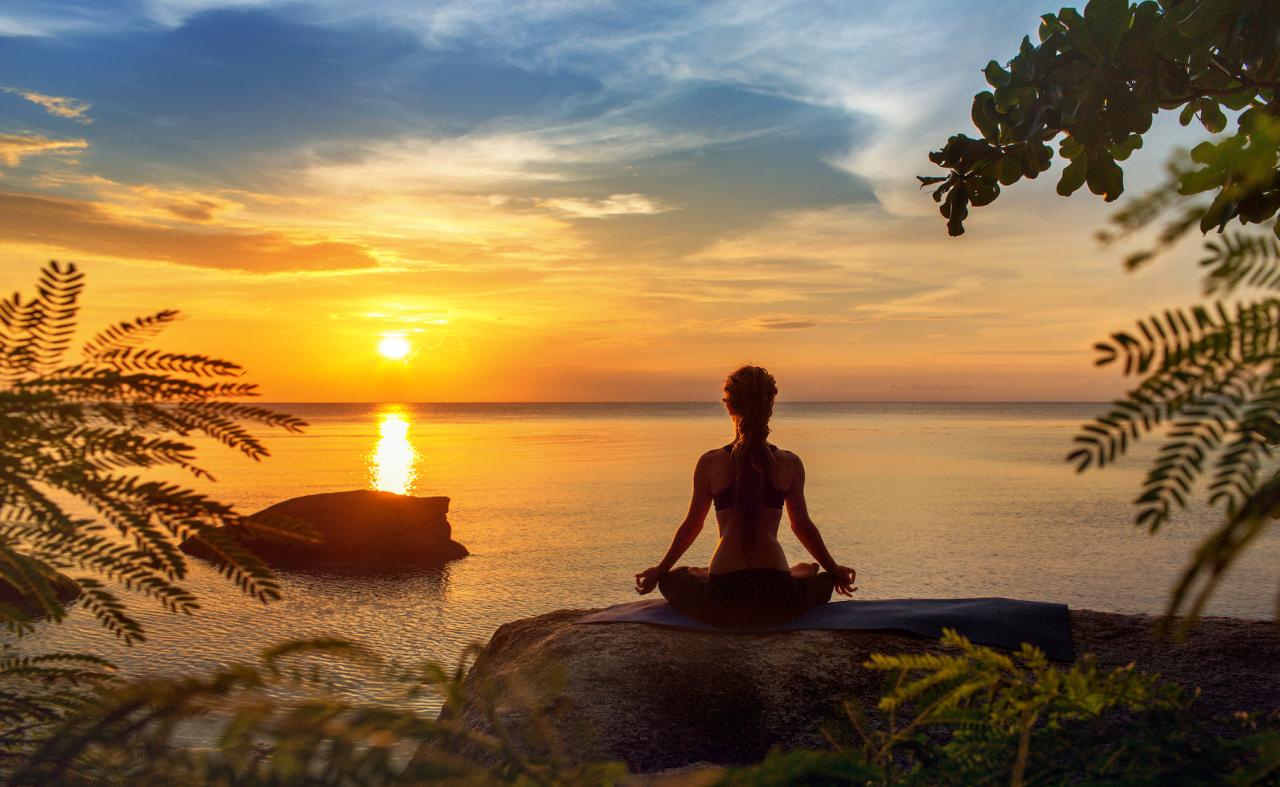
Mindfulness meditation, a cornerstone of various practices, offers athletes a powerful tool to enhance their performance and well-being. This practice cultivates a present-moment awareness, allowing athletes to focus on their bodies, thoughts, and emotions without judgment. This focus is directly applicable to athletic performance, improving concentration, reducing anxiety, and fostering resilience.Meditation, at its core, involves training the mind to focus and observe thoughts and sensations without getting carried away by them.
This cultivates a greater understanding of internal states, enabling athletes to respond more effectively to the demands of competition and training. The principles of calmness, concentration, and self-awareness developed through meditation directly translate to improved athletic performance.
Mindfulness Meditation for Sports
Mindfulness meditation is a technique focused on observing thoughts and sensations without judgment. It involves bringing attention to the present moment, acknowledging thoughts and feelings without getting entangled in them. This practice cultivates awareness of bodily sensations, such as breathing and muscle tension, enabling athletes to better understand their physical responses during training and competition. This awareness leads to improved control over physical actions and reactions, crucial for optimal performance.
Core Principles of Meditation and Sports Performance
Meditation cultivates core principles essential for sports performance. These include heightened concentration, reduced anxiety, and enhanced self-awareness. Athletes can harness these principles to achieve a deeper understanding of their physical and mental state, facilitating better control and response to various situations in their sport. For example, athletes can apply these principles to manage pre-game anxiety, focus during critical moments of the game, and recover more effectively from strenuous training sessions.
Different Meditation Techniques for Athletes
Various meditation techniques can benefit athletes, each addressing different needs and goals. The techniques, from mindfulness to focused attention and loving-kindness, can be tailored to suit individual preferences and athletic demands.
Comparison of Meditation Types and Sports Benefits
| Meditation Type | Description | Potential Benefits for Sports |
|---|---|---|
| Mindfulness Meditation | Focuses on observing thoughts and sensations without judgment, promoting present-moment awareness. | Improved focus during competition, reduced anxiety before and during games, enhanced body awareness leading to better control of movements. |
| Focused Attention Meditation | Cultivates concentration by focusing on a single point, such as the breath or a mantra. | Improved concentration during drills and games, increased ability to maintain focus under pressure, enhanced reaction time. |
| Loving-Kindness Meditation | Cultivates feelings of compassion and kindness towards oneself and others. | Improved emotional regulation, reduced stress, increased resilience, and better team dynamics. |
Benefits of Meditation for Sports Focus
Meditation, a practice rooted in ancient traditions, offers a powerful toolkit for athletes seeking to enhance their performance and well-being. By cultivating mental clarity, emotional resilience, and physical composure, athletes can unlock a deeper level of focus and control on the field, court, or track. This translates into improved performance and a more fulfilling athletic experience.Meditation’s profound impact on sports performance stems from its ability to influence key cognitive and emotional factors.
Through regular practice, athletes can train their minds to manage distractions, enhance concentration, and regulate their emotional responses, ultimately leading to improved athletic outcomes. The benefits extend beyond immediate performance, fostering long-term mental strength and resilience.
Improved Attention Span and Concentration
Meditation cultivates focused attention by training the mind to resist distractions. Regular practice strengthens the ability to maintain concentration, which is crucial in high-performance sports. This heightened focus allows athletes to remain fully present during crucial moments of competition, reacting swiftly and effectively. Improved attention span also contributes to enhanced learning and skill acquisition, as athletes can absorb and process information more efficiently.
Reduced Anxiety and Stress in High-Pressure Situations
High-pressure situations, inherent in competitive sports, can induce anxiety and stress, potentially hindering performance. Meditation techniques, such as mindfulness and loving-kindness meditation, equip athletes with tools to manage these emotions effectively. By developing a greater awareness of their internal state, athletes can learn to observe feelings of anxiety or stress without judgment, promoting a more balanced and composed response.
This emotional regulation is key to maintaining peak performance under pressure.
Enhanced Self-Awareness and Emotional Regulation
Meditation fosters self-awareness by encouraging athletes to observe their thoughts, feelings, and bodily sensations without judgment. This heightened introspection allows athletes to understand their emotional triggers and responses, improving their ability to regulate emotions in challenging situations. Enhanced self-awareness is a critical component in building emotional intelligence, allowing athletes to understand their own motivations and reactions more deeply, leading to more effective strategies for coping with setbacks and achieving peak performance.
Boosted Resilience and Recovery from Setbacks
The world of competitive sports is filled with setbacks, injuries, and losses. Meditation practices can significantly boost resilience by fostering a more adaptable mindset. By cultivating a sense of acceptance and non-judgment towards these challenges, athletes can approach setbacks with greater composure and a determination to learn and grow. This, in turn, accelerates recovery from setbacks, as athletes are better equipped to bounce back from disappointments and maintain a positive outlook.
Examples of Athletes Benefitting from Meditation
Numerous athletes have reported positive experiences incorporating meditation into their training routines. Professional athletes in various disciplines, from tennis and basketball to golf and swimming, have embraced meditation to enhance their mental game. The anecdotal evidence and growing research supporting meditation’s effectiveness in sport highlights its potential as a valuable tool for peak performance. While specific examples of athletes and their specific meditation practices are numerous, and the data can be found in various credible sources, maintaining confidentiality is essential for those who choose to engage in such practices.
It is important to remember that results may vary based on individual practice and dedication.
Techniques for Meditation in Sports
Developing a consistent meditation practice can significantly enhance sports performance by fostering mental clarity, focus, and emotional regulation. Integrating these techniques into training routines can empower athletes to navigate the mental challenges inherent in competitive sports. This section Artikels practical methods for incorporating various meditation styles into athletic preparation.
Mindfulness Meditation for Sports
Mindfulness meditation cultivates present-moment awareness, reducing distractions and enhancing focus. This approach is particularly valuable for athletes needing to stay grounded during high-pressure situations.
- Finding a Quiet Space: Select a quiet, comfortable location free from interruptions. This could be a dedicated meditation corner in a home gym or a secluded outdoor area.
- Posture and Breath Awareness: Sit comfortably, either on a cushion or chair, with your spine straight but not rigid. Focus on your natural breath, observing the sensation of the air entering and leaving your body. Notice the rise and fall of your chest or abdomen.
- Acknowledging Thoughts and Sensations: Thoughts and sensations will inevitably arise. Acknowledge them without judgment, gently redirecting your attention back to your breath. This process helps cultivate a non-reactive awareness.
- Applying to Sports: Visualize yourself executing key skills or strategies in a competition. Notice the details of your body’s movements and your mental state, fostering a deep understanding of your performance potential.
Incorporating Meditation into Pre-Game Routines
Establishing a pre-game meditation routine can help athletes calm their nerves and optimize focus before competition.
- Setting a Specific Time: Schedule 10-15 minutes for meditation immediately before a match or practice session. Consistency is key to building a positive routine.
- Choosing a Meditation Style: Mindfulness meditation is ideal for grounding your thoughts and emotions. Choose a method that resonates with your individual needs.
- Focusing on the Task at Hand: During your meditation, visualize yourself performing the essential elements of the game. Focus on specific actions, techniques, and strategies.
- Positive Self-Talk: Use this time to encourage positive self-talk, reminding yourself of your abilities and previous successes.
Focused Attention Meditation During Practice
Focused attention meditation enhances concentration during training sessions, improving skill acquisition and reaction time.
- Setting a Specific Time: Dedicate 10-15 minutes during practice to focused attention meditation.
- Selecting a Focus Point: Choose a specific aspect of your training, such as executing a particular technique or responding to a specific opponent’s move.
- Maintaining Concentration: As you practice, consciously direct your attention to the selected focus point. Continuously refine your attention, resisting distractions.
- Relating to Sport: This practice strengthens the neural pathways responsible for rapid decision-making and reaction time, skills crucial in many sports.
Loving-Kindness Meditation for Positive Mental States
Cultivating loving-kindness meditation fosters positive emotions and emotional resilience. This approach is especially helpful in reducing anxiety and promoting a supportive mindset.
- Expanding Compassion: Direct feelings of goodwill and compassion towards yourself, loved ones, and even neutral or challenging individuals.
- Cultivating Gratitude: Reflect on your strengths, positive qualities, and the support system around you.
- Reducing Self-Criticism: Practice self-compassion, recognizing that everyone experiences moments of struggle.
- Application in Sports: This method reduces self-doubt and anxiety, creating a more positive and supportive mental environment during practice and competition.
Adjusting Meditation Practices for Different Sports and Athletes
The intensity and focus required in different sports necessitate adapting meditation techniques.
- Team Sports: Focus on cultivating shared mindfulness and maintaining positive team dynamics. This could involve guided group meditation exercises.
- Individual Sports: Focus on individual self-awareness and skill development. This might involve visualization exercises to reinforce techniques.
- Varying Needs: Athletes with different needs may require different meditation techniques. Individualized approaches should consider factors such as personality, training style, and stress levels.
- Adapting to Sports: Modify the focus of meditation to match the specific demands of the sport. For instance, a basketball player may concentrate on ball-handling skills, while a runner might focus on maintaining pace and endurance.
Practical Application of Meditation in Sports
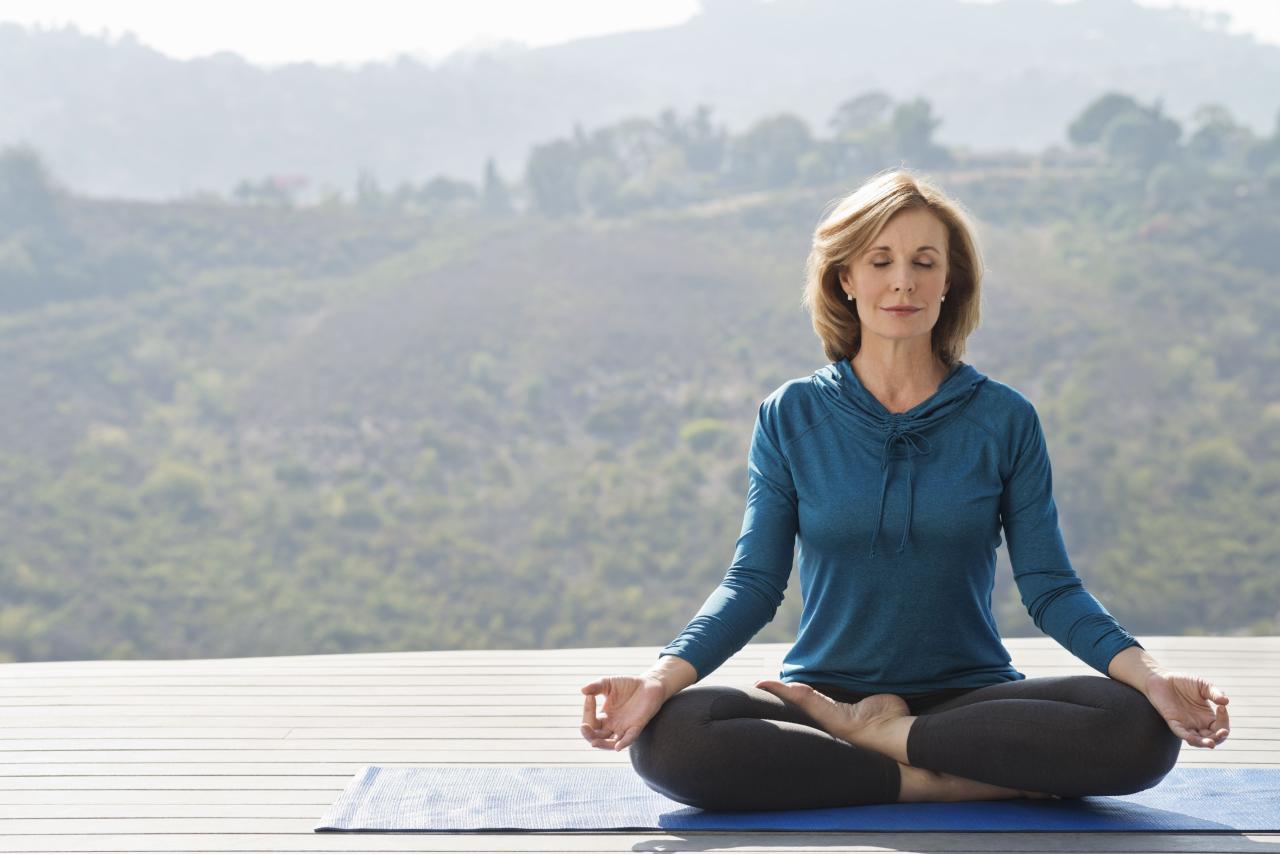
Integrating meditation into an athlete’s routine can significantly enhance performance and well-being. By cultivating mental focus and emotional regulation, athletes can optimize their performance both on and off the field. This section explores practical strategies for incorporating meditation into existing training schedules, addressing potential challenges, and demonstrating its application before crucial competitions.Effective meditation integration requires a thoughtful approach that respects the demands of a demanding training schedule.
Finding pockets of time for practice is crucial, and the approach should be tailored to individual needs and preferences. This often involves strategic scheduling, utilizing downtime between sessions or during travel time, or incorporating meditation into pre-existing routines.
Integrating Meditation into Training Schedules
A well-structured training schedule should accommodate dedicated meditation time. This can be achieved by strategically incorporating meditation breaks into existing routines. For instance, athletes could incorporate a 10-minute meditation session before their morning workout, or utilize travel time to engage in mindful breathing exercises. This proactive approach ensures that meditation becomes a habitual part of the training regimen.
Overcoming Challenges in Incorporating Meditation
Maintaining consistency in a demanding training schedule is paramount. Time constraints, travel schedules, and competition demands can sometimes make it challenging to fit in meditation sessions. Strategies for overcoming these obstacles include setting realistic goals, prioritizing meditation sessions as non-negotiable appointments, and finding creative ways to integrate meditation into existing routines. Scheduling meditation during downtime, such as before or after practice, or even during travel, can prove effective.
Practical Tips for Overcoming Challenges
- Setting Realistic Goals: Begin with shorter meditation sessions (e.g., 5-10 minutes) and gradually increase the duration as comfort and consistency develop.
- Prioritizing Meditation: Treat meditation sessions as non-negotiable appointments in your schedule. Similar to training sessions, prioritize these moments.
- Finding Creative Integration: Explore opportunities to incorporate mindfulness into existing routines. Mindful breathing exercises can be incorporated during warm-up, cool-down, or travel time.
Potential Obstacles to Meditation Practice
Several factors can hinder an athlete’s meditation practice. Distractions, lack of focus, or negative self-talk can disrupt the meditative state. Athletes might find it difficult to quiet the mind amidst the pressures of competition and training. Strategies for addressing these issues include identifying and acknowledging potential distractions, developing coping mechanisms to manage distractions, and practicing mindfulness throughout the day.
Sample Meditation Session Before a Crucial Game
This structured session focuses on calming the mind and centering the athlete before a high-stakes game.
| Time | Activity | Description |
|---|---|---|
| 5 minutes | Mindful Breathing | Focus on the sensation of each breath entering and leaving the body, observing the rise and fall of the chest or abdomen. This anchors the mind in the present moment. |
| 5 minutes | Body Scan Meditation | Bring awareness to different parts of the body, noticing any tension or discomfort. Release any physical tension through conscious relaxation. |
| 5 minutes | Positive Affirmations | Repeat positive affirmations related to the athlete’s strengths, skills, and potential for success. This cultivates a positive mindset. |
| 5 minutes | Visualization | Visualize the athlete performing their best, successfully executing their skills and strategies. Focus on a positive and confident outcome. |
Importance of Consistency and Regular Practice
Consistent meditation practice is key to experiencing its full benefits. Regularity fosters mental clarity, emotional regulation, and improved focus. Like any skill, meditation requires consistent effort to develop mastery. The benefits of meditation accrue over time with consistent practice, allowing athletes to harness its power to enhance their performance. Just as consistent training builds physical strength, consistent meditation builds mental resilience and focus.
Specific Examples of Meditation for Different Sports
Meditation, when tailored to the specific demands of different sports, can significantly enhance focus, composure, and performance. Understanding the unique mental challenges associated with each discipline allows for the development of targeted meditation practices that optimize athletes’ mental readiness. This section explores various meditation strategies across diverse sports categories, highlighting how adapting techniques can optimize performance.
High-Intensity Sports: Basketball and Soccer
High-intensity sports like basketball and soccer require rapid decision-making, explosive bursts of energy, and maintaining focus under pressure. Meditation in these contexts emphasizes cultivating mental clarity and emotional regulation. Mindfulness-based techniques are particularly useful. Focusing on the present moment, whether during a game or practice, helps athletes avoid dwelling on past mistakes or worrying about future outcomes.
Visualization exercises can also be beneficial, allowing athletes to mentally rehearse successful plays and strategies.
Endurance Sports: Running and Cycling
Endurance sports, such as running and cycling, demand sustained mental fortitude and resilience. Meditation in these contexts focuses on building mental stamina and cultivating a sense of calm amidst physical exertion. Progressive relaxation techniques are often employed to manage muscle tension and reduce stress. Meditation can also aid in maintaining motivation and preventing mental fatigue as the athlete pushes their physical limits.
The ability to focus on the present moment and stay connected with the breath is paramount for sustained performance.
Sports with Complex Mental Demands: Gymnastics and Diving
Sports like gymnastics and diving involve intricate movements and demanding mental calculations, requiring a high level of precision and composure. Meditation in these sports aids in building confidence and reducing anxiety. Centering meditation, which involves focusing on a single point of reference, can aid in maintaining mental clarity and reducing distractions during demanding routines. Visualization exercises, visualizing successful execution of moves, play a key role in building confidence and enhancing performance.
Team Sports: Emphasizing Mental Unity
Team sports, such as volleyball, hockey, and football, require mental unity and cohesion among players. Team meditation sessions can cultivate shared focus and synchronized mental states. Mindfulness-based exercises, encouraging players to be present and aware of their actions and those of teammates, are valuable. Techniques focused on collective visualization and shared intention can strengthen team spirit and coordination.
The emphasis is on shared mental focus and harmony.
Comparison Across Sports Categories
| Sport Category | Key Meditation Focus | Example Techniques |
|---|---|---|
| High-Intensity | Mental clarity, emotional regulation, present moment awareness | Mindfulness, visualization, focused breathing |
| Endurance | Mental stamina, resilience, stress management | Progressive relaxation, breath awareness, mental imagery |
| Complex Mental Demands | Confidence building, anxiety reduction, precision | Centering meditation, visualization, self-compassion |
| Team Sports | Shared focus, synchronized mental states, mental unity | Collective visualization, mindfulness, shared intention |
The table above provides a concise overview of how meditation strategies can be adapted across various sports categories. While techniques may overlap, the primary focus and application of meditation differ based on the specific demands of each sport.
Resources and Further Exploration
Expanding your knowledge and practice of meditation for sports focus can significantly enhance your performance and well-being. This section provides valuable resources to further your exploration of this powerful tool.Delving deeper into meditation techniques and their application in various sports will equip you with the tools needed to cultivate mental clarity and resilience.
Recommended Reading and Resources
A wide array of books, articles, and websites offer insights into meditation and its application in sports. These resources can provide deeper understanding and alternative perspectives on the practices discussed.
- Books on mindfulness and meditation, such as “Wherever You Go, There You Are” by Jon Kabat-Zinn, can offer a broader understanding of the principles behind meditation and its impact on mental focus.
- Articles published in sports psychology journals often explore the connection between mental training, including meditation, and athletic performance. These can offer more specific insights into how meditation affects different sports.
- Websites dedicated to sports psychology and performance enhancement frequently feature articles and blog posts about meditation techniques tailored to athletes. This information can be highly beneficial for understanding the specific applications of meditation in various sports.
Online Meditation Resources and Apps
Numerous online resources and apps are designed to support meditation practices, particularly for athletes. These tools provide structured programs and guidance, making the process more accessible and manageable.
- Headspace and Calm are popular meditation apps that offer guided meditations for various purposes, including sports focus. They often feature different types of meditations, from beginner to advanced levels.
- Apps specifically designed for athletes, such as Mindvalley, provide programs focusing on mental toughness and performance enhancement through guided meditation and other mental training techniques. They can be tailored to specific sports.
- YouTube channels dedicated to meditation and mindfulness often feature free guided meditations that can be helpful for individuals seeking to integrate meditation into their training routine. These resources offer diverse perspectives and approaches.
Seeking Guidance from Qualified Professionals
Working with a qualified meditation instructor or sports psychologist can significantly enhance the effectiveness and safety of your practice.
- Certified meditation instructors can provide personalized guidance and support, tailoring techniques to individual needs and preferences.
- Sports psychologists can integrate meditation into a broader sports performance program, considering factors such as training schedules, competition pressures, and mental health.
- Working with qualified professionals can help prevent potential risks and ensure the practice is integrated safely and effectively.
Potential Risks and Limitations
Meditation, while generally safe, can present potential risks or limitations for certain individuals. It’s crucial to be aware of these factors and proceed with caution.
- Meditation can sometimes trigger emotional responses or memories that might be challenging to process. It’s important to be mindful of these potential triggers and to approach meditation practices with a supportive mindset.
- Certain pre-existing mental health conditions might require additional considerations when integrating meditation. Consulting a healthcare professional is crucial before starting any new meditation practice.
- Insufficient preparation or inappropriate application of techniques can lead to discomfort or hinder progress. Careful guidance and a gradual approach are key to effective and safe integration.
Comparison of Meditation Apps for Sports
The table below provides a comparison of popular meditation apps specifically designed for athletes, highlighting their features, and pricing.
| App Name | Features | Pricing |
|---|---|---|
| Calm | Guided meditations, sleep stories, breathing exercises, and mindfulness activities. Offers various programs and a user-friendly interface. | Free with in-app purchases |
| Headspace | A comprehensive meditation app with guided meditations, mindfulness exercises, and sleep programs. Includes beginner-friendly options and expert-led sessions. | Free with in-app purchases |
| Mindvalley | Focuses on mental toughness and performance enhancement. Provides personalized programs tailored to athletes, including guided meditations, visualization techniques, and mental training tools. | Subscription-based |
Last Recap
In conclusion, this guide has highlighted the transformative potential of meditation in enhancing sports focus. By understanding different meditation techniques, their benefits, and practical applications, athletes can gain a powerful tool to improve concentration, manage stress, enhance self-awareness, and ultimately boost their performance. Consistency and a thoughtful approach to integrating meditation into training routines are key to experiencing its full potential.
We encourage athletes to explore these methods and discover how meditation can elevate their game to new heights.