Team sports demand peak performance, not just physical prowess, but mental fortitude as well. This guide delves into the powerful practice of meditation, exploring its potential to enhance focus, reduce stress, and foster team cohesion. We’ll examine how different meditation techniques can be tailored to the unique demands of team environments, from intense training sessions to high-pressure game situations.
From mindfulness practices that cultivate presence to concentration techniques that sharpen focus, this exploration provides practical strategies for integrating meditation into your team’s routines. We’ll examine the psychological and physiological benefits, offering concrete examples of how meditation can translate into tangible improvements in team performance. The guide also addresses potential challenges and offers solutions for creating a supportive and effective meditation environment within a team setting.
Introduction to Meditation in Team Sports
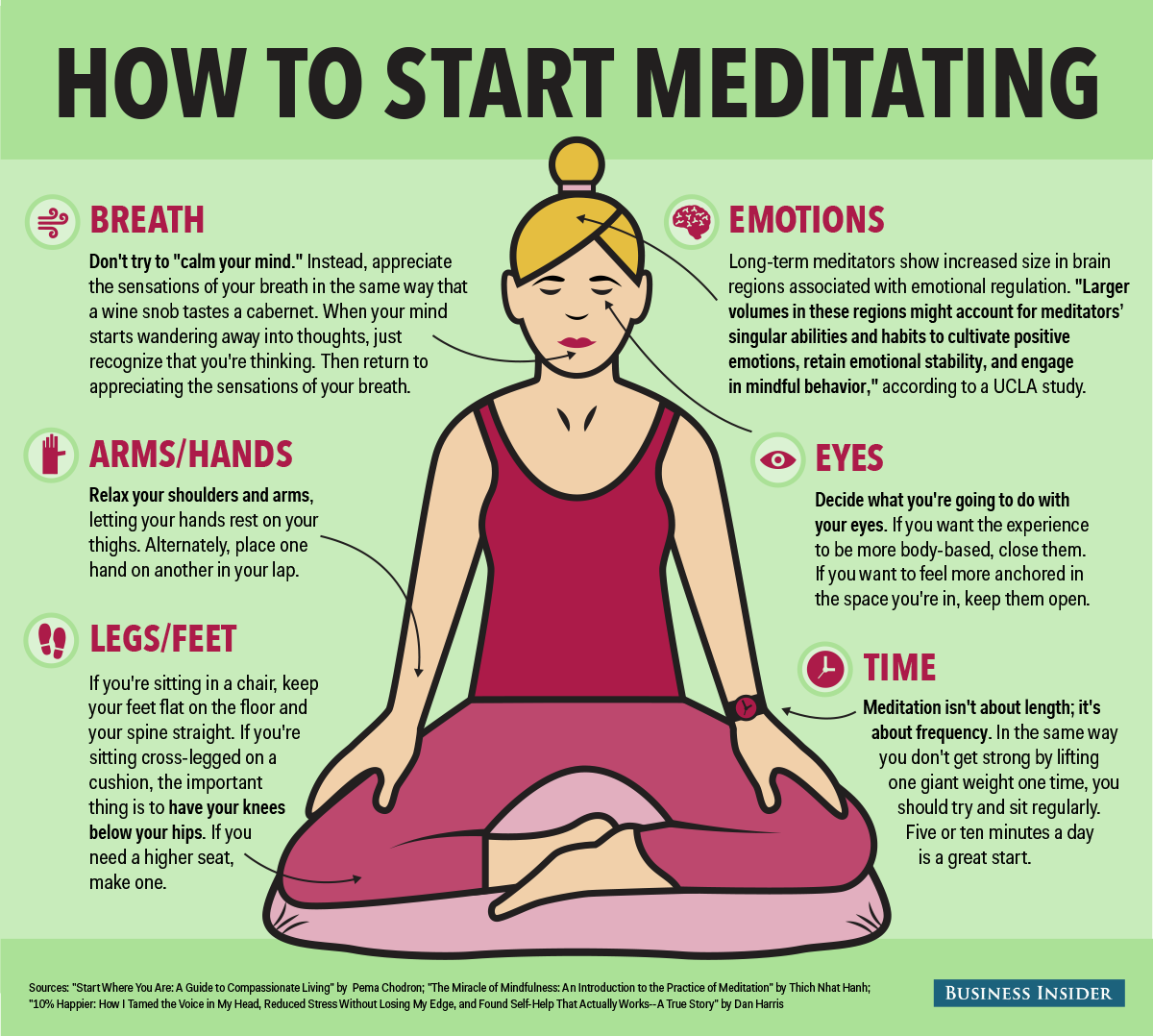
Meditation, a practice focused on training the mind, offers significant potential benefits for team athletes. It fosters mental clarity, emotional regulation, and improved focus, all crucial elements for peak performance and successful team dynamics. By incorporating meditation into their training regimen, athletes can enhance their ability to manage stress, improve concentration, and build resilience, ultimately leading to better performance outcomes.Meditation techniques, including mindfulness and concentration practices, can be tailored to enhance specific skills required in team sports.
Mindfulness, which involves observing thoughts and feelings without judgment, promotes present-moment awareness, vital for reacting effectively to changing game situations. Concentration, focusing on a single point of attention, enhances mental acuity during critical plays. These techniques provide athletes with tools to cultivate mental strength and resilience, essential for maintaining focus and composure under pressure.
Definition and Benefits of Meditation
Meditation, at its core, is a practice that cultivates a state of focused awareness. It involves training the mind to be present in the moment, observing thoughts and feelings without judgment. This practice offers numerous benefits, including stress reduction, improved focus, increased self-awareness, and enhanced emotional regulation. In a team sports context, these benefits translate to better concentration during drills, improved composure during high-pressure situations, and stronger communication and teamwork.
Mindfulness and Concentration Meditation
Mindfulness meditation encourages athletes to observe their thoughts and feelings without getting carried away by them. This fosters a sense of calm and awareness, allowing for more thoughtful responses to challenges and opportunities. In team sports, mindfulness can be applied to improve focus during drills, maintain composure during pressure situations, and cultivate empathy for teammates.Concentration meditation, on the other hand, involves focusing the mind on a single point of attention, such as the breath, a mantra, or a visual image.
This enhances mental clarity and resilience, allowing athletes to maintain focus during critical plays and build mental strength. In team sports, this approach can be valuable for staying focused on strategy during complex game scenarios, and for building mental resilience to handle setbacks.
History of Meditation in Sports Performance
The use of meditation in performance enhancement, particularly in sports, has a growing history. Early adopters recognized the link between mental fortitude and physical prowess. The practice has been adopted by elite athletes in various sports, demonstrating its potential to improve focus, reduce anxiety, and boost overall performance. This demonstrates that meditation is not just a philosophical concept but a tangible tool for enhancing athletic performance.
Different Types of Meditation and Their Applications
| Meditation Type | Description | Potential Application in Team Sports |
|---|---|---|
| Mindfulness Meditation | Focuses on the present moment without judgment, observing thoughts and feelings as they arise. | Improving focus during drills, maintaining composure during pressure situations, and enhancing empathy towards teammates. |
| Concentration Meditation | Focuses on a single point, like breath or a mantra, to cultivate mental clarity and resilience. | Enhancing focus during critical plays, building mental resilience to handle setbacks, and improving mental acuity for strategy execution. |
Benefits of Meditation for Team Performance
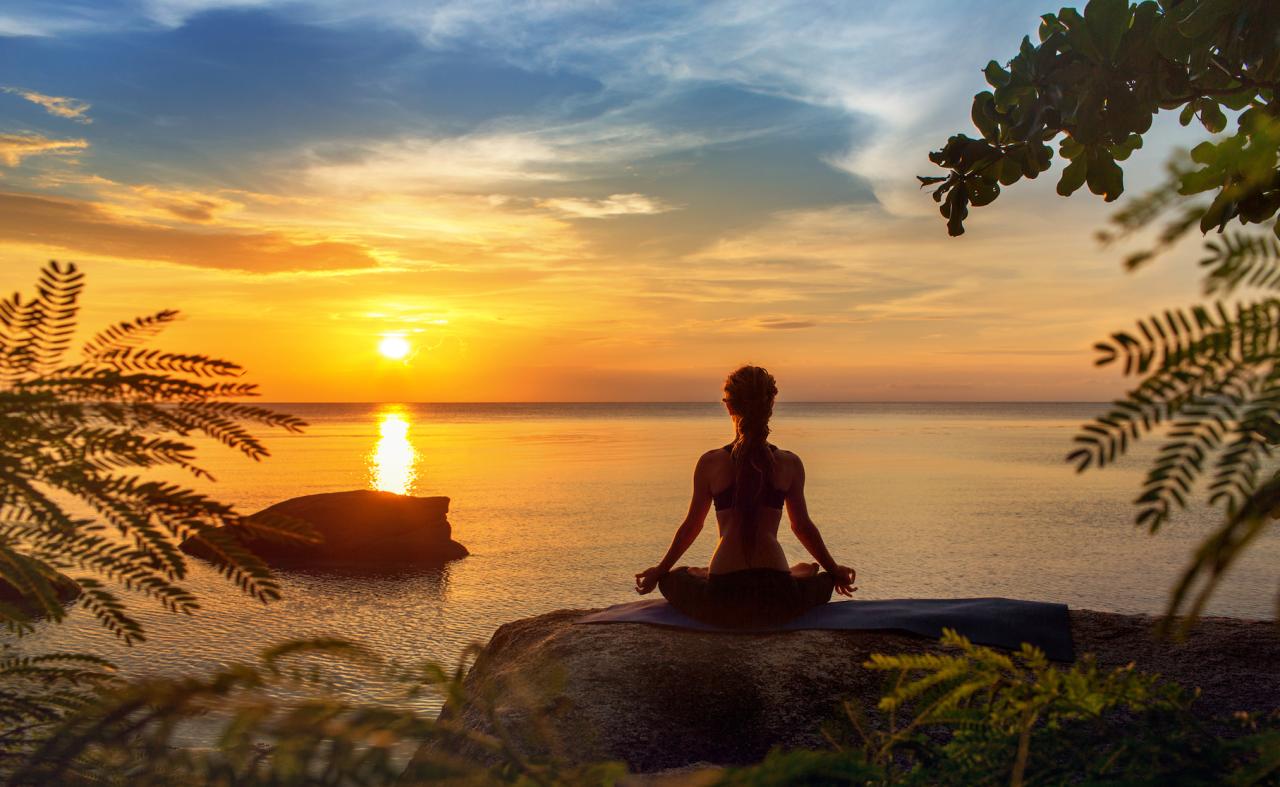
Meditation, a practice involving focused attention and mindfulness, offers a wealth of benefits that extend beyond personal well-being. By cultivating mental clarity and emotional stability, athletes can significantly enhance their team performance. This heightened awareness translates into improved communication, focus, and resilience, fostering a stronger and more effective team dynamic.Cultivating a consistent meditative practice can foster a sense of mental equilibrium and self-awareness, contributing to a more cohesive and unified team environment.
These qualities are crucial for effective teamwork and performance in demanding athletic contexts.
Psychological Benefits for Team Cohesion and Communication
Meditation cultivates emotional regulation and self-awareness, directly impacting team dynamics. Improved emotional intelligence leads to more constructive communication and conflict resolution within the team. Athletes become more attuned to their own emotions and those of their teammates, fostering empathy and understanding. This heightened sensitivity facilitates better communication, leading to a more supportive and collaborative team environment. Open communication and mutual understanding are essential for effective teamwork, and meditation significantly contributes to these aspects.
Improved Focus and Concentration During Practices and Games
Meditation strengthens focus and concentration. The practice involves training the mind to stay present and avoid distractions. This improved focus translates directly into better performance during practices and games. Athletes can maintain concentration on the task at hand, executing plays with greater precision and effectiveness. This improved mental clarity allows athletes to stay present in the moment, which is crucial for executing strategies and responding effectively to changing game situations.
Reduced Anxiety and Stress Levels for Athletes
Meditation is a powerful tool for managing anxiety and stress. By promoting a sense of calm and reducing racing thoughts, athletes can approach practices and games with a more relaxed and focused mindset. This reduction in stress translates into more effective performance, as the athlete is not hampered by anxious thoughts and physical tension.
Enhanced Emotional Regulation and Resilience in Athletes
Meditation enhances emotional regulation, allowing athletes to manage stress and setbacks more effectively. This resilience is crucial for navigating the pressures and challenges of competitive sports. Athletes who can regulate their emotions more effectively are better equipped to cope with difficult situations and bounce back from losses or setbacks. This resilience directly translates into better performance during moments of high pressure.
Potential Physiological Benefits on Athletic Performance
Meditation can have positive physiological effects on athletic performance. Some studies suggest that regular meditation can lead to improved heart rate variability (HRV). Reduced HRV often correlates with improved physical performance, as it suggests a more efficient autonomic nervous system response. This improved regulation can translate to better recovery, increased endurance, and a reduced risk of injuries.
Specific Examples of Improved Team Sports Performance
- Enhanced Communication: Meditative practices can improve athletes’ ability to listen attentively and respond thoughtfully, fostering clearer communication on the field. This results in better understanding and execution of plays, leading to a more effective and cohesive team dynamic.
- Improved Decision-Making: Meditation enhances the ability to stay present and focused during high-pressure situations. Athletes can make clearer and more informed decisions under pressure, leading to more effective game strategies and improved outcomes.
- Increased Resilience to Pressure: Meditation fosters resilience, enabling athletes to bounce back from setbacks and challenges more effectively. This ability to maintain composure under pressure is critical in team sports, where setbacks are inevitable.
Practical Meditation Techniques for Team Sports
Integrating mindfulness into team sports practices can significantly enhance performance and resilience. By incorporating structured meditation, athletes can cultivate mental clarity, emotional regulation, and focus, ultimately leading to improved team dynamics and performance outcomes. This approach fosters a more holistic development of athletes, recognizing the vital role of mental well-being in achieving peak performance.
Incorporating Mindfulness into Team Practices
Mindfulness meditation, when implemented systematically, can foster a more focused and resilient team. Introducing short, guided meditations during team practices allows athletes to develop present moment awareness, reducing distractions and improving concentration. These practices can also be used to address specific team challenges or improve communication skills. For example, a 5-minute guided meditation session focused on deep breathing and body awareness can be incorporated before a particularly challenging practice drill.
Short Meditation Breaks in Game Schedules
Strategic breaks throughout a game schedule can be crucial for maintaining focus and composure. A 2-minute mindful breathing exercise during a timeout can be instrumental in regaining focus and composure. These brief breaks, strategically placed, can be invaluable in managing stress and improving performance. In the midst of a critical point, a short moment of grounding, perhaps by focusing on the breath or the sensations in the feet, can help athletes stay in the present moment and make sound decisions.
Focusing on the Present Moment During Critical Game Situations
During high-pressure moments, athletes can use mindfulness techniques to maintain focus. By anchoring their attention on their breath, they can ground themselves and reduce the impact of external pressures. Practicing this technique in training scenarios can translate into tangible improvements in decision-making and performance during crucial game situations. For instance, focusing on the rhythm of the breath can create a mental anchor that helps athletes remain calm under pressure, allowing them to react more effectively and strategically.
Managing Anxiety and Stress Before, During, and After Games
Effective strategies for managing anxiety and stress are crucial for athletes’ well-being and performance. Before a game, guided imagery techniques, focusing on a positive outcome, can be employed. During the game, athletes can use mindful awareness of their body sensations to manage anxiety and stay focused. After a game, practicing gratitude and reflecting on the performance can help in processing emotions and reducing stress.
Comparison of Meditation Techniques
| Technique | Description | Advantages | Disadvantages |
|---|---|---|---|
| Guided Meditation | Guided by a voice or audio, providing structure and direction. | Easier to follow, creates a structured environment, and helps beginners. | Requires audio, might not be suitable for all individuals, and can become dependent on the guide. |
| Silent Meditation | Self-directed, focusing on internal awareness without external guidance. | Promotes self-reliance, independence, and deeper introspection. | Requires significant discipline and practice to maintain focus, potentially challenging for beginners. |
Integrating Meditation into Team Practices
Integrating mindfulness practices into team training can significantly enhance performance and foster a more cohesive team dynamic. This approach goes beyond simply adding a new activity; it’s about strategically weaving meditation into existing routines to maximize its benefits without disrupting the overall training schedule. Careful planning and a supportive environment are key to successful integration.This process requires a thoughtful approach, ensuring that meditation sessions complement, not detract from, the team’s training objectives.
By incorporating meditation into pre-game routines and team practices, athletes can develop mental fortitude, improve focus, and foster a deeper understanding of their teammates.
Methods for Introducing Meditation into Team Practices
Introducing meditation into team practices requires a phased approach that respects the existing training schedule. It’s essential to avoid disrupting the core elements of the training program.
- Gradual Integration: Begin with brief, 5-10 minute meditation sessions, integrated into existing warm-up or cool-down routines. Gradually increase the duration as the team adapts. This approach allows the team to become accustomed to the practice without overwhelming them.
- Pre-Game Routine Integration: Establish specific meditation segments within the pre-game routine. These sessions can be tailored to specific needs, such as focusing on team cohesion or individual performance enhancement.
- Time Management: Schedule meditation sessions during downtime or between training drills. For example, a 10-minute meditation break between drills can help athletes recover and refocus without significantly impacting the overall practice schedule.
Practical Examples of Pre-Game Meditation
Pre-game meditation sessions can be designed to prepare athletes mentally and emotionally for competition.
- Focused Breathing Exercises: Guide the team through focused breathing exercises to calm nerves and improve concentration. These exercises can help athletes achieve a state of mental clarity.
- Team Cohesion Meditation: Facilitate a guided meditation focused on team unity and shared goals. This fosters a sense of collective purpose and support among teammates.
- Visualization Exercises: Incorporate visualization techniques to help athletes imagine successful plays and outcomes. This mental rehearsal can enhance confidence and reduce anxiety.
Creating a Supportive Team Environment
A supportive environment is crucial for fostering a positive attitude toward meditation.
- Open Communication: Encourage open communication about the benefits and challenges of meditation. Addressing any concerns proactively can help build trust and understanding within the team.
- Individualized Support: Recognize that individuals may have different preferences and needs. Offer various meditation techniques to accommodate different personalities and preferences.
- Normalization of Meditation: Normalize meditation as a healthy and beneficial practice. Lead by example and create an atmosphere where seeking mental clarity is valued.
Creating a Conducive Meditation Environment
A dedicated, peaceful environment can significantly enhance the effectiveness of meditation.
- Designated Space: Establish a quiet, comfortable space within the training facility or locker room for meditation. Minimize distractions and ensure privacy for individual practice.
- Soft Music/Nature Sounds: Play calming background music or nature sounds to further enhance the meditative atmosphere. This can help create a serene environment for practice.
- Minimal Distractions: Minimize external noise and visual distractions during meditation sessions to ensure a focused and tranquil experience.
Addressing Individual Preferences and Needs
Individual differences in preferences and needs must be accommodated.
- Flexible Approaches: Offer various meditation techniques, including guided meditations, silent practices, and body scans, to cater to different preferences. This ensures each athlete can find a technique that resonates with them.
- Individual Guidance: Provide individual guidance and support for athletes to ensure they are comfortable and confident in their practice. Adjust the meditation sessions to individual needs.
- Accessibility: Make meditation accessible to all team members by providing clear instructions and support, ensuring no one feels excluded.
Measuring Effectiveness of Meditation on Team Performance
Assessing the impact of meditation on team performance requires careful evaluation.
- Performance Metrics: Track key performance indicators such as game statistics, training progress, and team cohesion scores before, during, and after implementing meditation. Look for improvements in these areas.
- Qualitative Feedback: Gather qualitative feedback from team members on their experiences with meditation and its impact on their performance and well-being. Use surveys and interviews to gather insights.
- Post-Game Analysis: Analyze post-game discussions to gauge the impact of meditation on team communication and decision-making during critical moments of the game.
Addressing Potential Challenges and Considerations
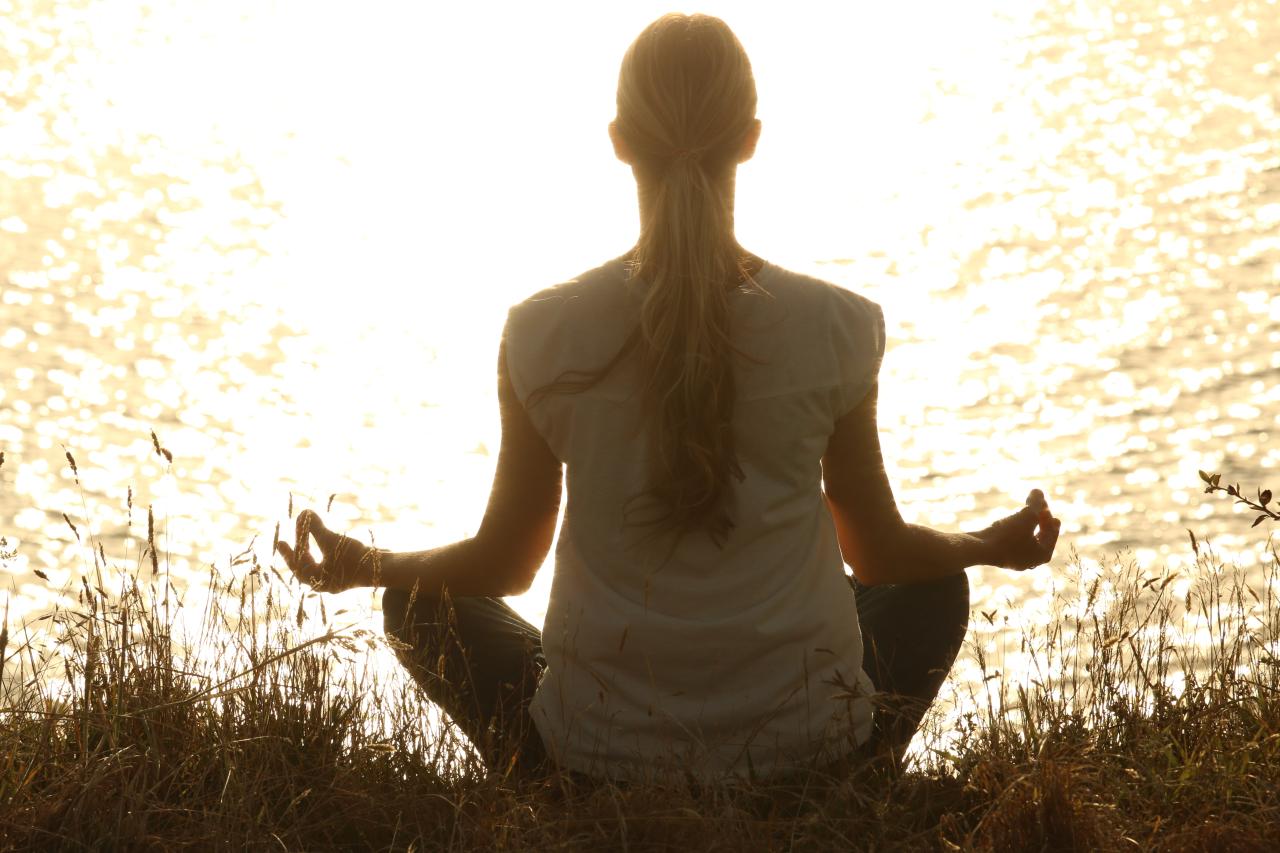
Integrating meditation into a team sport environment requires careful consideration of potential obstacles. Athletes may encounter various hurdles, from personal resistance to practical logistical issues. This section Artikels common challenges and provides strategies for fostering a supportive and consistent practice.
Potential Challenges Faced by Athletes
Navigating the introduction of meditation into athletic routines requires understanding the potential obstacles athletes might encounter. These range from personal doubts and preconceptions to the practical demands of balancing meditation with demanding training schedules. Addressing these challenges directly fosters a more welcoming and successful integration of meditation into team practice.
- Resistance to New Practices: Some athletes may initially resist incorporating meditation due to unfamiliarity, skepticism, or a perceived lack of time. This resistance can stem from a lack of understanding about the benefits of meditation or from a perceived conflict with their current training regimen. Addressing these concerns with open communication and demonstrating the benefits is crucial.
- Time Constraints: Balancing rigorous training schedules, recovery, and other commitments can make finding time for meditation challenging. Athletes may feel that meditation will further reduce the time available for essential training and preparation.
- Distractions During Meditation: The mental quietude required for meditation can be difficult to achieve in high-pressure environments, especially in team settings. External factors such as teammates’ conversations, coaches’ instructions, or even personal thoughts can easily disrupt focus.
- Lack of Individual Motivation: Some athletes might not be individually motivated to meditate and therefore will struggle with consistency. Individual motivations need to be addressed with a shared understanding of the team goals and the individual benefits of meditation.
Strategies for Overcoming Challenges
Addressing these obstacles effectively requires a multi-faceted approach. Emphasizing the benefits of meditation, providing practical guidance, and fostering a supportive team environment are key strategies for success. Creating a supportive atmosphere encourages participation and consistency.
- Open Communication and Education: Explain the benefits of meditation, including stress reduction, improved focus, and enhanced self-awareness, in a way that resonates with the team’s needs. Educate the athletes on the different techniques and how they can integrate meditation into their lives. This could include sharing personal experiences or testimonials from other successful athletes.
- Flexible Scheduling: Incorporate meditation into the team’s routine in a way that doesn’t disrupt existing training schedules. This could involve short, focused sessions before or after practices, or during downtime. Short, regular sessions are more manageable and sustainable than long, infrequent ones.
- Addressing Distractions: Establish clear guidelines for minimizing distractions during meditation sessions. For example, encourage teammates to communicate respectfully and use headphones during quiet meditation time. This will create a calmer atmosphere that enhances focus and allows for deep relaxation.
- Encouraging Team Buy-in: Promote the collective benefits of meditation through team discussions and group activities. Highlight how meditation can enhance teamwork, communication, and mental resilience. Emphasize the shared goal of improving performance and well-being.
Addressing Resistance from Team Members
Understanding and addressing resistance to meditation is crucial for its successful integration. A supportive and empathetic approach is paramount in helping team members feel comfortable and confident in their participation.
- Individualized Support: Provide individualized guidance and support for team members who express hesitation. Offer alternative techniques or modifications to meditation practices that better suit individual needs and preferences. This ensures a personalized experience and fosters confidence in the practice.
- Building Consensus: Engage team members in a dialogue to build a shared understanding of the benefits of meditation. Highlight successful examples from other athletes and teams. Involve team members in shaping the meditation program to create a sense of ownership and shared responsibility.
- Emphasizing Mental Wellness: Frame meditation as an integral component of overall mental and physical wellness, rather than a separate or additional task. By integrating it into the routine, it becomes a natural part of the training process.
Illustrations of Meditation in Team Sports
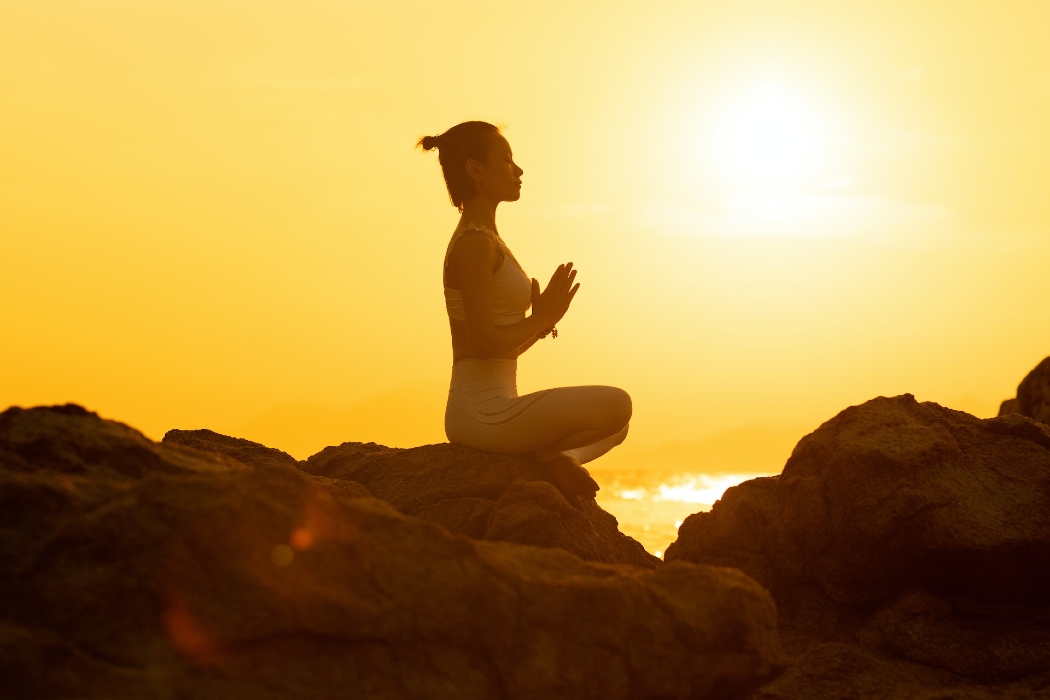
Integrating mindfulness practices into team sports can significantly enhance performance and camaraderie. These techniques, when properly implemented, can foster a deeper understanding and connection among team members, leading to improved communication, reduced stress, and ultimately, better results. This section provides illustrative examples of how meditation can be integrated into various team dynamics.
Mindfulness Meditation Before a Crucial Match
A team practicing mindfulness before a crucial match can foster a sense of calm and focus. Players might gather in a quiet area, away from distractions. A coach, or a designated team member trained in mindfulness, could guide them through a brief meditation session, focusing on deep breathing and present-moment awareness. Players would be encouraged to observe their thoughts and feelings without judgment, focusing on the sensations of their bodies and the rhythm of their breath.
This practice cultivates mental clarity and emotional regulation, helping players stay grounded amidst the pressure of the game. Visualization techniques, such as picturing themselves executing key plays successfully, can further enhance performance.
Impact of Meditation on Team Training Schedule
Incorporating meditation into a team’s training schedule can have profound positive effects. Consider a hockey team, for instance. Instead of a typical 15-minute warm-up, they dedicate 10 minutes to a guided mindfulness meditation. This brief period allows players to calm their minds and bodies, promoting focus and concentration during subsequent drills. The team’s coach observes a noticeable reduction in pre-game jitters and an increase in precision during practices.
Team members report improved focus and better communication during team activities.
Coach-Led Pre-Game Meditation Session
An effective coach can guide a team through a pre-game meditation session by creating a calm and welcoming atmosphere. The coach might start by reminding players of the importance of mental preparedness, emphasizing that their minds are as important as their bodies. The coach could then lead the team through a series of guided breathing exercises, emphasizing slow, deep breaths.
Visualization exercises, where players imagine themselves successfully executing plays, can further enhance focus. The coach would ensure a comfortable posture, allowing players to relax and focus on the present moment.
Case Study: Overcoming Performance Anxiety
The “Phoenix Flyers,” a basketball team known for their intense pre-game anxiety, experienced significant improvements after incorporating mindfulness meditation into their training routine. Before each game, the team practiced a 10-minute guided meditation focusing on grounding and present-moment awareness. The result was a noticeable reduction in pre-game jitters and an improvement in their decision-making during crucial moments of the game.
This case study demonstrates how meditation can be a powerful tool for overcoming performance anxiety, promoting mental resilience, and improving overall performance.
Improving Communication and Trust
Team meditation sessions can be instrumental in fostering better communication and trust. A team practicing mindful communication exercises can cultivate empathy and understanding. For instance, after a particularly challenging practice, the team could engage in a short meditation session focusing on active listening and expressing their feelings in a non-judgmental manner. This fosters an environment of open communication, where players feel comfortable sharing their thoughts and concerns, strengthening trust and camaraderie.
Recovery from a Significant Loss
A significant loss can profoundly impact a team’s morale and emotional state. A team, experiencing the aftermath of a disappointing match, could utilize guided meditation to promote emotional processing. The meditation could focus on acknowledging and accepting the feelings of disappointment, sadness, or frustration. By acknowledging these emotions, players can begin the healing process, facilitating a smoother transition to the next game and preventing the negative emotions from impacting future performances.
This practice allows the team to move forward, drawing strength from the experience and preparing for future challenges.
Outcome Summary
In conclusion, incorporating meditation into team sports offers a powerful pathway to unlocking peak performance and fostering a stronger, more resilient team. By understanding the various meditation techniques, recognizing their benefits, and addressing potential challenges, teams can cultivate mental and emotional well-being while achieving enhanced athletic success. This guide provides a comprehensive framework for integrating meditation into team practices, equipping athletes and coaches with the knowledge and tools needed to thrive.