Discover the transformative power of a brief, yet profound, meditation session before your yoga practice. This guide meticulously details a 17-minute meditation designed to calm the mind, center the body, and prepare you for a deeper connection with your yoga practice. By incorporating mindfulness and relaxation techniques, you’ll experience enhanced focus, reduced stress, and a more fulfilling yoga experience.
This comprehensive guide covers everything from choosing the right posture and environment to detailed meditation scripts focusing on relaxation, mindfulness, stress release, breath connection, and visualization. Practical tips and considerations, including adjusting duration, addressing potential challenges, and comparing breathing techniques, will help you tailor your practice to your individual needs. The guide also integrates this meditative practice into a sample 17-minute yoga flow, highlighting the seamless transition and benefits of combining these two powerful disciplines.
Furthermore, frequently asked questions and diverse sample scripts (walking, loving-kindness, gratitude, body scan, sound, and compassion) will provide a comprehensive resource for those seeking to integrate meditation into their daily routine.
Introduction to Meditation Before Yoga
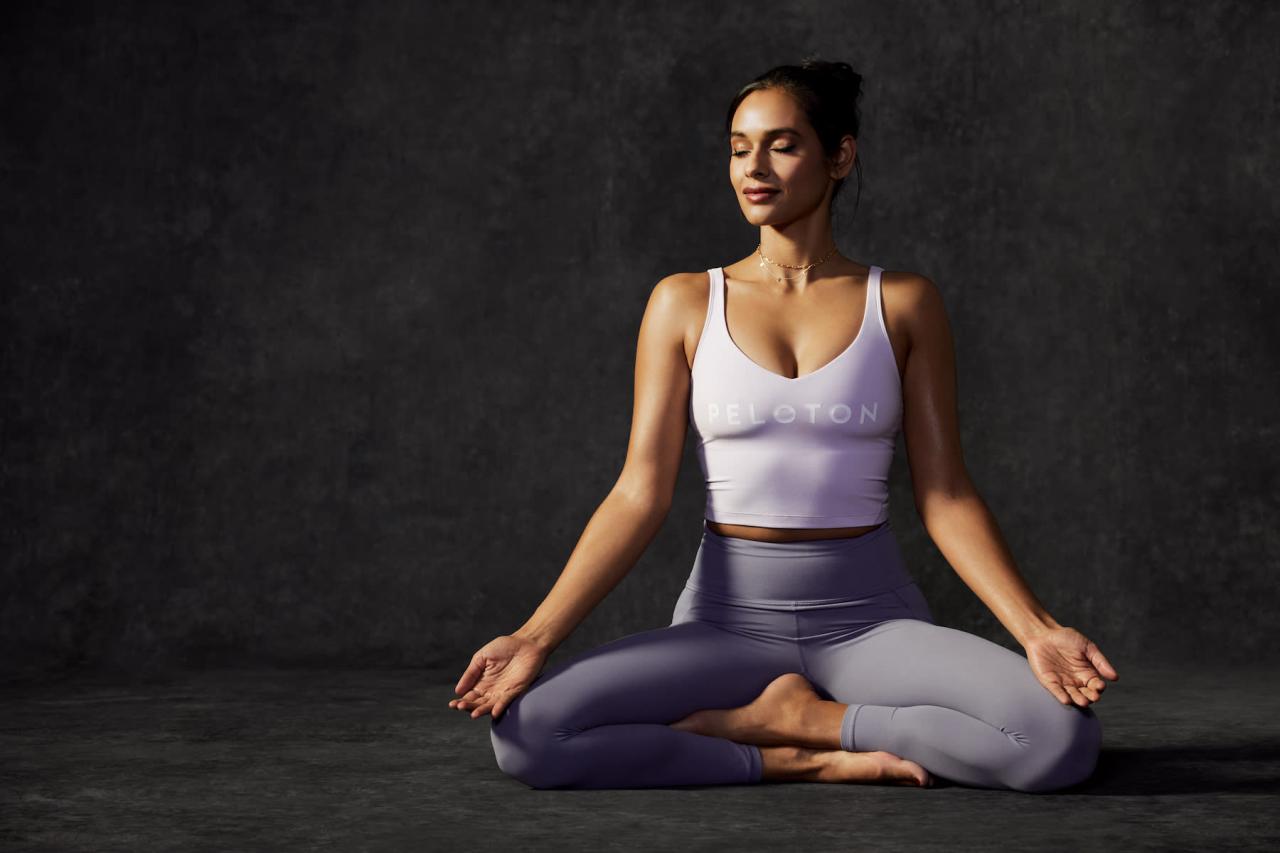
Meditation, a practice rooted in various traditions, involves focusing the mind to achieve a state of mental clarity and emotional balance. Its benefits extend beyond relaxation, encompassing improved focus, reduced stress, and enhanced self-awareness. Incorporating meditation into a yoga routine provides a powerful synergy, preparing the practitioner for the physical postures with a calm and centered mind.The advantages of integrating meditation before yoga extend beyond simply feeling good.
A quiet mind allows for a deeper connection with the body, enabling a greater understanding of its limits and capabilities. This focused state enhances the effectiveness of the asanas (yoga postures), promoting better alignment, balance, and overall well-being. The combined practice fosters a sense of interconnectedness and mindful engagement with the present moment.
Historical Context of Meditation in Yoga
Meditation practices have ancient roots, intertwined with the evolution of yoga. The practice of mindfulness, a core element in many meditation traditions, is deeply embedded in the yogic philosophy. The aim of achieving a tranquil mind aligns with the fundamental principles of yoga, which emphasizes the integration of mind, body, and spirit. Historically, meditation was viewed as a crucial preparatory step for engaging in the more physically demanding aspects of yoga.
Early texts and traditions underscore the necessity of mental stillness before embarking on physical postures.
Importance of a Calm Mind for Yoga Practice
A calm and focused mind is crucial for a successful yoga practice. It allows for a more conscious and mindful approach to the physical postures. This heightened awareness facilitates proper alignment, reduces the risk of injury, and enhances the overall experience. Furthermore, a clear mind enables a deeper connection with the breath, which is fundamental to yoga’s practice.
This connection enhances the effectiveness of each posture and fosters a greater sense of well-being.
Different Meditation Types Suitable for Yoga
Various meditation techniques can be beneficial before a yoga session, each offering a unique approach to mental preparation. The choice of technique often depends on personal preference and the specific needs of the practitioner. The table below Artikels some common types of meditation suitable for yoga practice.
| Meditation Type | Description | Suitable for Yoga | Example Focus |
|---|---|---|---|
| Mindfulness Meditation | Focuses on observing thoughts and sensations without judgment. | Highly suitable; enhances present moment awareness. | Breathing, body sensations, sounds. |
| Concentrative Meditation | Focuses on a single point of attention, such as a mantra or a visual object. | Useful for grounding and focus during asanas. | A specific word or image. |
| Loving-Kindness Meditation | Cultivates feelings of compassion and loving-kindness towards oneself and others. | Promotes emotional balance and reduces stress before practice. | Wishing well-being to oneself and others. |
| Transcendental Meditation | Utilizes a personally assigned mantra to achieve a state of deep relaxation. | Potentially beneficial for calming the mind before a physical practice. | A specific sound or word. |
Choosing the most suitable meditation type depends on individual needs and preferences. Practitioners can explore different techniques to discover which method best complements their yoga practice.
Preparing for the 17-Minute Meditation
Embarking on a 17-minute meditation session requires careful preparation to optimize its effectiveness. This stage sets the foundation for a focused and peaceful experience, allowing you to fully benefit from the practice. A well-structured approach ensures a smooth transition into the meditative state.
Ideal Physical Posture
Maintaining a comfortable and stable posture is crucial for a successful meditation session. The seated position is often preferred, as it allows for a relaxed spine and an alert mind. Sit on a cushion or a firm surface, ensuring your back is straight but not rigid. Your hips should be slightly higher than your knees, and your feet can be flat on the floor or crossed comfortably.
The hands can rest gently on your lap or knees. This posture promotes a sense of groundedness and stability, supporting the meditative state.
Creating a Quiet and Peaceful Environment
Establishing a serene environment is essential for effective meditation. This involves minimizing external distractions and cultivating a sense of tranquility. Choose a quiet room free from interruptions. Close the door, turn off the phone, and inform others of your need for uninterrupted time. Soft lighting and calming colors can further enhance the peaceful atmosphere.
Adding natural elements like plants or a small water feature can create a more tranquil space.
Setting the Mind and Body
A systematic approach to settling the mind and body is vital before commencing a meditation session. Begin by taking slow, deep breaths, focusing on the sensation of the air entering and leaving your body. Consciously release any physical tension you may be holding, starting from your toes and working your way up to your head. This progressive relaxation prepares the body for a meditative state.
Engage in a brief body scan, noticing any sensations without judgment. This helps to anchor your awareness in the present moment.
Choosing Appropriate Music or Sounds
Selecting the right music or sounds can significantly influence the meditative experience. For a guided meditation, choose calming instrumental music, nature sounds, or white noise. The music should not be distracting or stimulating, but rather provide a subtle backdrop for focus. A guided meditation script will often provide the necessary sounds or music. Avoid music with lyrics or strong rhythms, as these can interfere with concentration.
Common Distractions and Strategies
Distractions are a natural part of daily life, and recognizing and managing them is key to a successful meditation session. Common distractions include thoughts, sounds, physical sensations, and external interruptions. Acknowledge the distraction without judgment, and gently redirect your attention back to your breath or the guided meditation instructions. If a thought arises, acknowledge it, and let it pass without getting entangled in its details.
Maintain a consistent practice to build resilience to these distractions.
Grounding Before the Session
Grounding oneself before meditation is a practice of connecting with the present moment and the physical world. Engage in a few grounding exercises before starting your session. Focus on the sensations of your body in contact with the surface beneath you. Notice the weight of your body on the chair or cushion. Visualize roots extending from your body into the earth, anchoring you in the present moment.
This grounding technique helps to cultivate a sense of stability and presence.
Guided Meditation for 17 Minutes
This section provides detailed scripts for various guided meditations, each designed to enhance relaxation and focus before yoga practice. These meditations offer structured pathways to cultivate inner peace and prepare the body and mind for the physical postures to follow.
Relaxation Meditation (17 Minutes)
This guided meditation focuses on deep relaxation, releasing physical tension and promoting a sense of calm. It utilizes progressive muscle relaxation techniques to systematically release tension throughout the body. This approach is ideal for individuals seeking a tranquil experience before their yoga session.
Instructions: Find a comfortable seated position, close your eyes gently, and begin to focus on your breath. Inhale deeply, feeling the air fill your lungs, and exhale slowly, releasing any tension you may be holding. With each exhale, imagine letting go of any stress or worry. Bring awareness to your body, noticing any physical sensations without judgment.
Start with your toes, and systematically relax each muscle group, from your toes to the top of your head. Visualize the tension leaving your body with each exhale. Repeat this process for approximately 17 minutes, allowing yourself to fully immerse in the feeling of relaxation.
Mindfulness Meditation (17 Minutes)
This meditation guides you through a mindful awareness of the present moment. It emphasizes non-judgmental observation of thoughts, feelings, and sensations. This practice fosters a greater sense of presence and awareness, enabling a deeper connection with the body and mind during yoga.
Instructions: Find a comfortable position, close your eyes, and bring your attention to your breath. Notice the sensation of the air entering and leaving your nostrils. Observe your thoughts as they arise and pass without judgment. If your mind wanders, gently redirect your attention back to your breath. Extend this awareness to your body, noticing the subtle sensations and movements without getting carried away by them.
Observe your surroundings, if you are in a quiet environment. This process cultivates a sense of presence and reduces reactivity. Repeat this process for approximately 17 minutes, allowing yourself to fully immerse in the present moment.
Stress and Tension Release Meditation (17 Minutes)
This meditation is designed to release accumulated stress and tension. It uses visualization techniques and positive affirmations to promote emotional release and cultivate a sense of calm. This practice is especially beneficial for individuals experiencing heightened stress levels.
Instructions: Find a comfortable position, close your eyes, and bring your attention to your breath. Visualize a place where you feel safe and peaceful. Imagine the stress and tension leaving your body as you breathe deeply. Repeat positive affirmations to yourself, such as “I am calm,” “I am strong,” or “I am capable.” Allow yourself to fully immerse in the experience for approximately 17 minutes.
As you exhale, visualize releasing stress and tension with each breath. This helps foster a sense of emotional well-being.
Connecting with Breath Meditation (17 Minutes)
This guided meditation emphasizes the importance of breath awareness. It focuses on deepening the connection with the breath, fostering a sense of stability and grounding. This practice is crucial for both preparing for and integrating the physical postures of yoga.
Instructions: Find a comfortable position, close your eyes, and bring your attention to your breath. Notice the rhythm of your inhales and exhales. Focus on the sensation of the air entering and leaving your body. Gradually lengthen your inhales and exhales, creating a deeper connection with the breath. With each inhale, imagine drawing in energy and vitality.
With each exhale, release any tension or negativity. Repeat this process for approximately 17 minutes, focusing on the rhythmic quality of your breath. This practice strengthens the mind-body connection.
Transitioning from Meditation to Yoga
A smooth transition between meditation and yoga is essential for maximizing the benefits of both practices. This involves gently bringing your awareness back to your body and preparing for the physical postures that follow.
Instructions: As the meditation concludes, gently begin to bring awareness to your body. Take a few deep breaths, feeling the air filling your lungs. Slowly wiggle your fingers and toes, bringing movement into your limbs. Gently open your eyes, taking a few moments to adjust to the surroundings. This helps to gradually shift from the introspective state of meditation to the active state of yoga.
Visualization Techniques
Visualization plays a significant role in meditation, fostering a deeper connection with the desired state. By creating vivid mental images, you can enhance your experience and achieve a greater sense of peace and well-being.
Instructions: When visualizing, use all your senses. Imagine the details of your chosen scene—the colors, the textures, the sounds. Feel the emotions associated with the image. Engage in the visualization with your full attention. Visualization can aid in relaxation, stress reduction, and promoting positive mental states.
Practical Tips and Considerations
Integrating meditation into your pre-yoga routine can significantly enhance your practice. This section provides practical guidance on adapting meditation duration, navigating potential challenges, understanding different breathing techniques, fostering consistency, and exploring resources to deepen your understanding. By addressing these considerations, you can optimize your meditation experience and reap its full benefits.Understanding the nuances of meditation practice allows you to tailor your experience to individual needs and preferences.
This section provides tools to navigate challenges and optimize your pre-yoga meditation practice.
Adjusting Meditation Duration
Meditation duration should be tailored to individual needs and goals. Beginners may find shorter sessions (e.g., 5-10 minutes) more manageable and conducive to establishing a consistent routine. As your practice progresses, you can gradually increase the duration to enhance focus and relaxation. A longer meditation may be beneficial for deeper relaxation and exploration of inner states. Consider experimenting to find a duration that suits your schedule and allows you to fully engage with the practice without feeling rushed or overwhelmed.
Potential Challenges During Meditation
Several challenges can arise during meditation. These may include wandering thoughts, restlessness, discomfort, and difficulty focusing. Acknowledge these challenges as a natural part of the process. A key approach is to gently redirect your attention back to your chosen focus, whether it’s your breath, a mantra, or a visualization. Regular practice helps to build resilience and improve your ability to manage these distractions.
Developing a compassionate and non-judgmental attitude toward these distractions is also important.
Comparison of Breathing Techniques
Different breathing techniques can offer varying effects during meditation. For example, alternate nostril breathing (Nadi Shodhana) is often associated with calming the mind and balancing energy flow. Diaphragmatic breathing, or belly breathing, can promote relaxation and reduce stress by engaging the deep muscles of the abdomen. Observing your breath in a natural, non-judgmental way can be a powerful technique for beginners.
Experiment with different techniques to find one that resonates with you and supports your overall well-being.
Importance of Consistency
Consistency is crucial for reaping the benefits of meditation. Daily practice, even in short durations, reinforces positive neural pathways associated with mindfulness and mental well-being. Establishing a regular schedule, such as meditating at the same time each day, can significantly aid in building a habit. Be patient with yourself and celebrate small victories along the way. Consistency allows the mind and body to adapt and integrate the benefits of meditation into daily life.
Resources for Learning More About Meditation
Numerous resources are available for deepening your understanding of meditation. Books, apps, online courses, and workshops provide diverse perspectives and guidance. Look for reputable sources that offer practical instruction and support. Consider joining a meditation group or community for peer support and shared experiences. These resources can provide structured learning and encourage continued exploration of the practice.
Breath Awareness and Body Connection
Breath awareness plays a vital role in connecting with the body during meditation. By paying attention to the sensations of the breath entering and leaving the body, you cultivate a greater awareness of bodily sensations. This awareness can extend to other physical sensations, promoting a deeper understanding of your body’s needs and responses. As you become more attuned to your breath, you can more readily access and integrate the mind-body connection in yoga and other physical practices.
Integrating Meditation into Yoga Practice
Integrating meditation into your yoga practice enhances the experience by fostering a deeper connection between mind and body. This profound connection allows for a more profound understanding of your physical and mental state, resulting in improved flexibility, strength, and overall well-being. By incorporating mindful awareness during your yoga postures, you can transform each movement into a moment of self-discovery and growth.
Yoga Poses Following Meditation
After the 17-minute meditation, a gentle sequence of yoga poses can be implemented to build upon the calm and awareness cultivated during the meditative practice. This transition from stillness to movement facilitates a smooth flow of energy and encourages a conscious engagement with the body.
- Child’s Pose (Balasana): This restorative pose gently stretches the hips, thighs, and ankles, allowing the body to relax and unwind after the meditation. The forward fold fosters a sense of release and calm, facilitating a seamless transition into subsequent postures.
- Cat-Cow Pose (Bitilasana Marjaryasana): This dynamic sequence warms up the spine, promoting flexibility and fluidity. The gentle flowing movements between cat and cow encourage a mindful awareness of the breath and the body’s natural rhythm.
- Downward-Facing Dog (Adho Mukha Svanasana): This foundational pose strengthens the arms, legs, and core, while stretching the hamstrings and calves. Maintaining a mindful connection with the breath during this posture can create a sense of grounding and stability.
Incorporating Mindfulness into Yoga Postures
Mindful awareness is crucial in transforming simple yoga postures into profound experiences. This involves paying close attention to the sensations in your body, noticing the subtle shifts and nuances of each pose.
- Body Awareness: Notice the subtle sensations of your muscles engaging, stretching, or relaxing. Observe how your body responds to the posture without judgment.
- Breath Awareness: Maintain a steady and conscious breath throughout each posture. Feel the air moving in and out of your body, connecting your breath to your movements.
- Gentle Adjustments: Make small adjustments to your posture to find the most comfortable and effective alignment. This allows for a deeper connection with your body’s unique needs.
Connecting Breath with Movement in Yoga
The connection between breath and movement is fundamental to yoga. Each breath guides the movement, and each movement influences the breath. This interplay creates a harmonious flow of energy throughout the body.
- Inhale and Exhale: As you move into a posture, breathe in. As you hold or release the posture, breathe out. This rhythmic connection synchronizes your breath with your body’s natural rhythm.
- Flowing Movements: With mindful breath, allow the movements to flow seamlessly from one posture to another. The breath guides the transitions, promoting a sense of fluidity and ease.
- Awareness of Tension: Become aware of any tension in your body and consciously release it with your exhale. This cultivates a deeper understanding of how your breath can influence your physical state.
Sample 17-Minute Yoga Flow
This flow incorporates the principles of meditation and mindfulness into a sequence of yoga poses, creating a harmonious integration of mind and body. This sample sequence is a starting point and can be adjusted to suit individual needs and abilities.
- (0-5 minutes): Child’s Pose, Cat-Cow Pose, Downward-Facing Dog.
- (5-10 minutes): Warrior I, Warrior II, Triangle Pose, and Extended Side Angle Pose, focusing on breath awareness and mindful movement.
- (10-15 minutes): Chair Pose, Plank Pose, and Cobra Pose, connecting breath to strength and flexibility.
- (15-17 minutes): Savasana (corpse pose), focusing on relaxation and reflection.
Benefits of Yoga Poses
| Yoga Pose | Benefits |
|---|---|
| Child’s Pose | Stretches hips, thighs, and ankles; promotes relaxation and calm. |
| Cat-Cow Pose | Warms up the spine, improves flexibility, and fosters mindful awareness. |
| Downward-Facing Dog | Strengthens arms, legs, and core; stretches hamstrings and calves; promotes grounding and stability. |
| Warrior I & II | Strengthens legs and core; improves balance and stability. |
| Triangle Pose | Stretches hips, thighs, and shoulders; improves balance and posture. |
| Extended Side Angle Pose | Stretches side body; improves flexibility and balance. |
| Chair Pose | Strengthens legs and core; improves balance. |
| Plank Pose | Strengthens core, arms, and shoulders; improves posture. |
| Cobra Pose | Stretches chest and shoulders; strengthens back muscles. |
| Savasana | Promotes deep relaxation and stress reduction. |
Importance of Listening to Your Body
Throughout your yoga practice, it is crucial to listen to your body and respect its limits. Pushing yourself beyond your capabilities can lead to injury. Recognizing your body’s signals is vital for a safe and effective practice.
- Recognizing Pain: If you experience pain during a posture, stop immediately. Listen to your body and modify the posture or move to a different one.
- Respecting Limitations: Recognize that your body may not be able to achieve the same level of flexibility or strength as others. Focus on your own progress and personal growth.
- Adjusting as Needed: Adjust your practice as needed to suit your physical capabilities and comfort level. Modify postures or take breaks when necessary.
Frequently Asked Questions
This section addresses common queries about meditation, its integration with yoga, and its potential benefits. Understanding these nuances can help you confidently embark on your meditation journey.
Common Misconceptions about Meditation
Meditation is often misunderstood as a technique for achieving an empty mind, or a path to instant enlightenment. However, these are misconceptions. A more accurate perspective is that meditation is a practice aimed at cultivating awareness and presence. It’s a process of training the mind, not eliminating thoughts altogether. Many individuals believe that meditation requires a specific posture or environment, but the reality is that it can be practiced in various positions and settings, including while seated, standing, or even walking.
The key is finding a comfortable and quiet space that supports focus.
Safety and Effectiveness of Meditation
Meditation, when practiced correctly, is generally safe and effective for most individuals. However, it’s crucial to be aware of potential sensitivities and adjust the practice as needed. For instance, individuals with pre-existing mental health conditions should consult with a healthcare professional before incorporating meditation into their routine. The effectiveness of meditation varies from person to person, depending on factors like the individual’s commitment, consistency, and chosen methods.
Meditation’s positive effects on well-being, though, are well-documented in various studies.
The Role of Intention in Meditation
Intention plays a significant role in shaping the experience of meditation. A clear intention can provide focus and direction, enhancing the benefits of the practice. For example, intending to cultivate patience or reduce stress can help direct the meditative process towards these goals. The intention is not to eliminate thoughts, but rather to observe them without judgment, and to redirect focus as needed.
Therefore, setting a clear intention can empower you to actively participate in your meditative journey.
Impact of Meditation on Physical Health
Meditation has been linked to a range of physical health benefits, although more research is still needed to fully understand the mechanisms. Studies suggest that regular meditation can contribute to reduced blood pressure, improved sleep quality, and potentially decreased symptoms of chronic pain. Furthermore, the practice of mindfulness, often intertwined with meditation, can promote healthier lifestyle choices, including better dietary habits and stress management.
Importance of a Teacher for Meditation and Yoga
While self-guided meditation and yoga are possible, a qualified teacher can provide valuable guidance and support. A teacher can offer personalized instruction, tailored to individual needs and goals. They can help you develop proper techniques, identify potential pitfalls, and guide you in integrating meditation into your overall lifestyle. They can also provide insights into how to overcome challenges and obstacles during the practice.
Experienced teachers can help you navigate the path more effectively.
Dealing with Mental Distractions During Meditation
Mental distractions are a common experience during meditation. Instead of fighting these distractions, acknowledge them and gently redirect your attention back to your chosen focus. This is an integral part of the process. Treat distractions as a normal part of the meditation process, and redirect your attention without judgment. By accepting distractions as a natural part of the practice, you can learn to navigate them more effectively, ultimately leading to a deeper connection with yourself.
Sample Meditation Scripts (Different Styles)
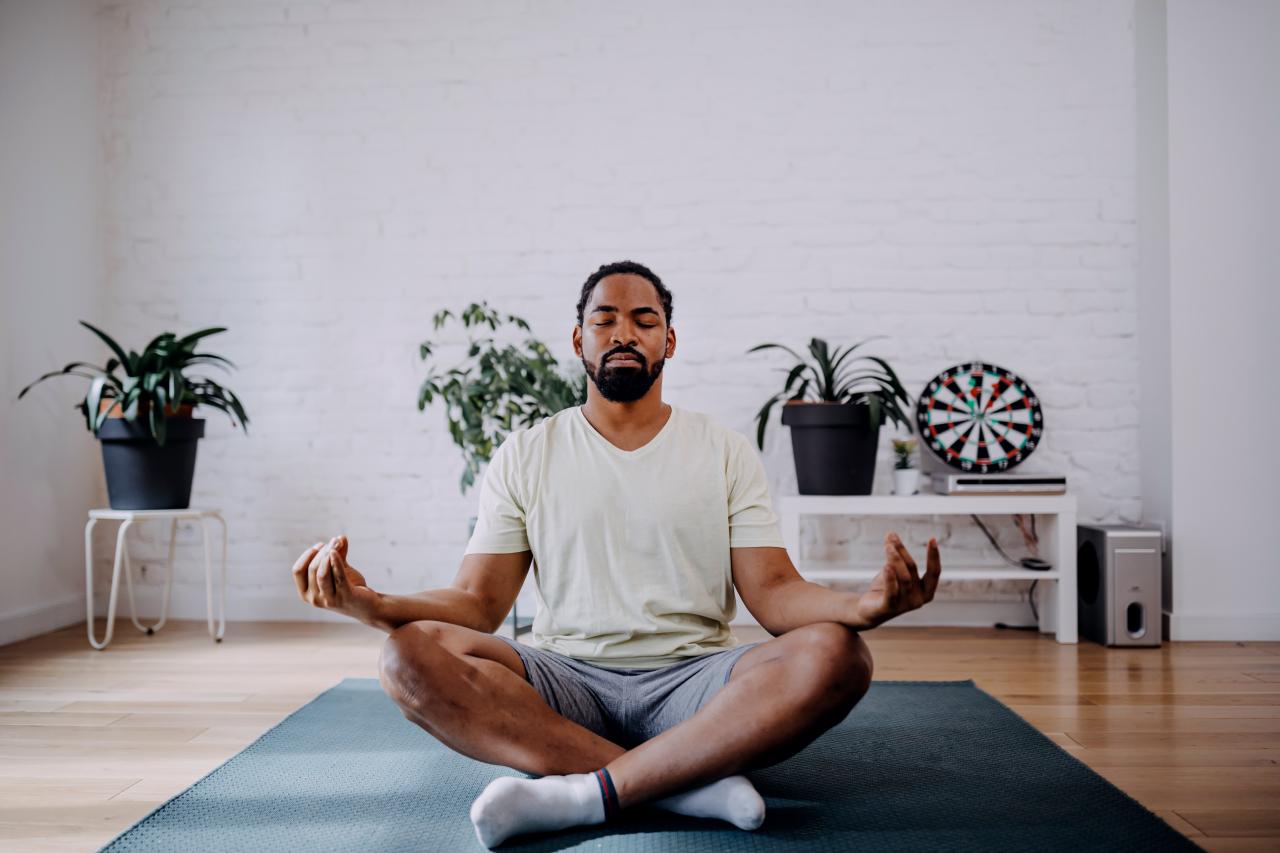
These sample meditation scripts offer frameworks for various types of meditation. Remember, these are starting points; feel free to adapt and personalize them to suit your individual needs and preferences. Each script highlights key elements of a specific meditation style.These scripts provide a structured approach to meditation, guiding your focus and awareness. They are designed to be adaptable and can be tailored to fit your specific needs and intentions.
They are not prescriptive; rather, they are meant to serve as a starting point for your own exploration and practice.
Walking Meditation Script
Walking meditation cultivates awareness of the present moment while engaging in a simple activity. It fosters mindfulness in daily life and can be practiced anywhere.
“Bring your awareness to the sensation of your feet touching the ground. Feel the subtle shifts in weight as you move. Notice the rhythm of your breath, inhaling and exhaling with each step. Observe the sensations in your body—the subtle tension or relaxation in your muscles. Notice the sights, sounds, and smells around you without judgment. Continue this practice for [duration], returning your attention to your breath and body whenever your mind wanders. When you complete the walk, take a moment to reflect on your experience.”
Loving-Kindness Meditation Script
This script focuses on cultivating feelings of love and compassion for yourself and others. It promotes emotional well-being and fosters positive connections.
“Bring your awareness to your breath. Now, extend loving-kindness to yourself. Repeat a phrase like, ‘May I be happy. May I be healthy. May I be peaceful.’ Feel the intention behind these words. Next, extend this loving-kindness to a loved one, repeating similar phrases. Then, extend this to a neutral person, and finally, to someone you find challenging. Feel the energy and compassion within you expand. Continue to focus on these intentions for a few minutes. End with a feeling of gratitude for these positive emotions.”
Gratitude Meditation Script
This script encourages appreciation for the positive aspects of your life. It fosters a sense of contentment and enhances overall well-being.
“Take a few deep breaths and bring your attention to your body. Now, think of something you are grateful for in your life. It can be big or small. Reflect on the positive feeling that arises. Continue this process, identifying other things you are grateful for. Let these feelings of gratitude wash over you. With each item you focus on, acknowledge the feeling and the gratitude it evokes. Conclude with a feeling of appreciation for the abundance in your life.”
Body Scan Meditation Script
This script guides you through a systematic exploration of your body, promoting awareness of physical sensations without judgment.
“Bring your awareness to your breath. Start by focusing on your toes, noticing any sensations—tingling, warmth, or pressure. Move your attention gradually up your body, to your feet, ankles, calves, knees, thighs, hips, and so on, noticing the sensations in each area. Pay attention to any tension or discomfort, but don’t try to change it. Continue this process until you reach the top of your head. End by resting in the awareness of your entire body.”
Sound Meditation Script
This script helps you connect with the sounds around you. It enhances sensory awareness and promotes a sense of grounding.
“Close your eyes gently. Bring your attention to the sounds around you—the sounds of the room, the sounds of nature if you are outdoors, the sounds of the city if you are in a city. Listen to the sounds without trying to analyze them. Notice the different tones, pitches, and volumes of the sounds. Continue listening to the sounds for a few minutes. End by bringing your attention back to your breath.”
Compassion Meditation Script
This script guides you through a process of cultivating compassion for yourself and others, fostering empathy and understanding.
“Bring your attention to your breath. Begin by considering your own experiences and challenges. Acknowledge these experiences with compassion, recognizing that everyone has struggles. Then, extend this compassion to others. Consider those who may be experiencing hardship or suffering. Visualize their situations and imagine the emotions they might be feeling. Continue to send compassionate energy to these individuals, allowing yourself to feel connected to their experiences. End by reflecting on the feelings of compassion that have arisen.”
Final Wrap-Up
This in-depth exploration of meditation before yoga offers a structured approach to enhancing your yoga practice. By mastering the techniques presented, you’ll develop a personalized routine that seamlessly integrates meditation into your yoga flow. The guide’s comprehensive approach, from preparation and guided meditation to practical tips and a sample yoga sequence, empowers you to cultivate a consistent and fulfilling practice.
Whether you’re a seasoned yogi or a beginner, this guide equips you with the tools to experience the profound benefits of meditation and yoga in harmony.