Post-workout muscle relaxation meditation offers a powerful approach to recovery, allowing you to transition smoothly from intense physical activity to deep relaxation. This practice can significantly enhance your post-exercise well-being by addressing muscle soreness and promoting overall physical and mental restoration.
By incorporating mindful techniques, you can effectively manage muscle tension, reduce stress, and improve your overall recovery process. The following guide will delve into the different types of meditation, techniques, and environmental considerations to help you seamlessly integrate this practice into your post-workout routine.
Introduction to Post-Workout Muscle Relaxation Meditation
Post-workout muscle relaxation meditation is a mindful practice designed to soothe and rejuvenate muscles after physical exertion. By focusing on the body’s sensations and releasing tension, individuals can experience a profound sense of calm and recovery. This practice can be a valuable addition to any post-workout routine, fostering a holistic approach to well-being.This practice leverages the physiological responses associated with meditation to promote muscle relaxation.
The process involves consciously shifting attention from physical exertion to internal sensations, effectively reducing stress hormones and promoting a state of deep rest. This distinct approach complements other relaxation techniques by focusing specifically on the post-workout recovery process, targeting the muscles’ need for repair and restoration.
Benefits of Incorporating Post-Workout Muscle Relaxation Meditation
This practice offers a multitude of benefits, enhancing both physical and mental well-being. By integrating mindful relaxation into the post-workout routine, individuals can experience improved muscle recovery, reduced soreness, and enhanced overall performance. Furthermore, the meditative state promotes mental clarity and reduces stress, which can have a positive ripple effect on daily life.
Physiological Responses During Meditation and Muscle Relaxation
Meditation triggers a cascade of physiological responses that directly contribute to muscle relaxation. These responses include a reduction in heart rate, blood pressure, and cortisol levels. This physiological shift creates an environment conducive to muscle repair and recovery. The conscious focus on the body’s sensations during meditation also helps release tension and promote a sense of calm, easing muscle stiffness and soreness.
Distinguishing Post-Workout Muscle Relaxation Meditation from Other Relaxation Techniques
Post-workout muscle relaxation meditation differentiates itself from other relaxation techniques through its specific focus on the post-exercise recovery process. While other methods might address general stress or anxiety, this technique directly targets the muscle tissue’s need for repair and restoration following physical exertion. This targeted approach allows for more effective recovery and reduces the risk of delayed-onset muscle soreness (DOMS).
Key Techniques in Post-Workout Muscle Relaxation Meditation
A key aspect of this practice is the focused awareness on the body’s sensations. Through guided imagery and gentle stretching, individuals can consciously release tension held in the muscles. This process fosters a deeper state of relaxation and allows the body to fully recover. For example, imagine focusing on the sensation of your breathing as your muscles gradually release tension.
Comparison with Other Relaxation Methods
| Feature | Post-Workout Muscle Relaxation Meditation | Other Relaxation Techniques (e.g., Deep Breathing) ||——————-|—————————————-|————————————————|| Focus | Post-exercise muscle recovery | General stress reduction || Target Area | Muscles, mind, and body | Mind and body || Physiological effect | Reduced heart rate, blood pressure, and cortisol, enhanced muscle repair | Reduced heart rate, blood pressure, and stress hormones |
Types of Post-Workout Meditation for Muscle Relaxation
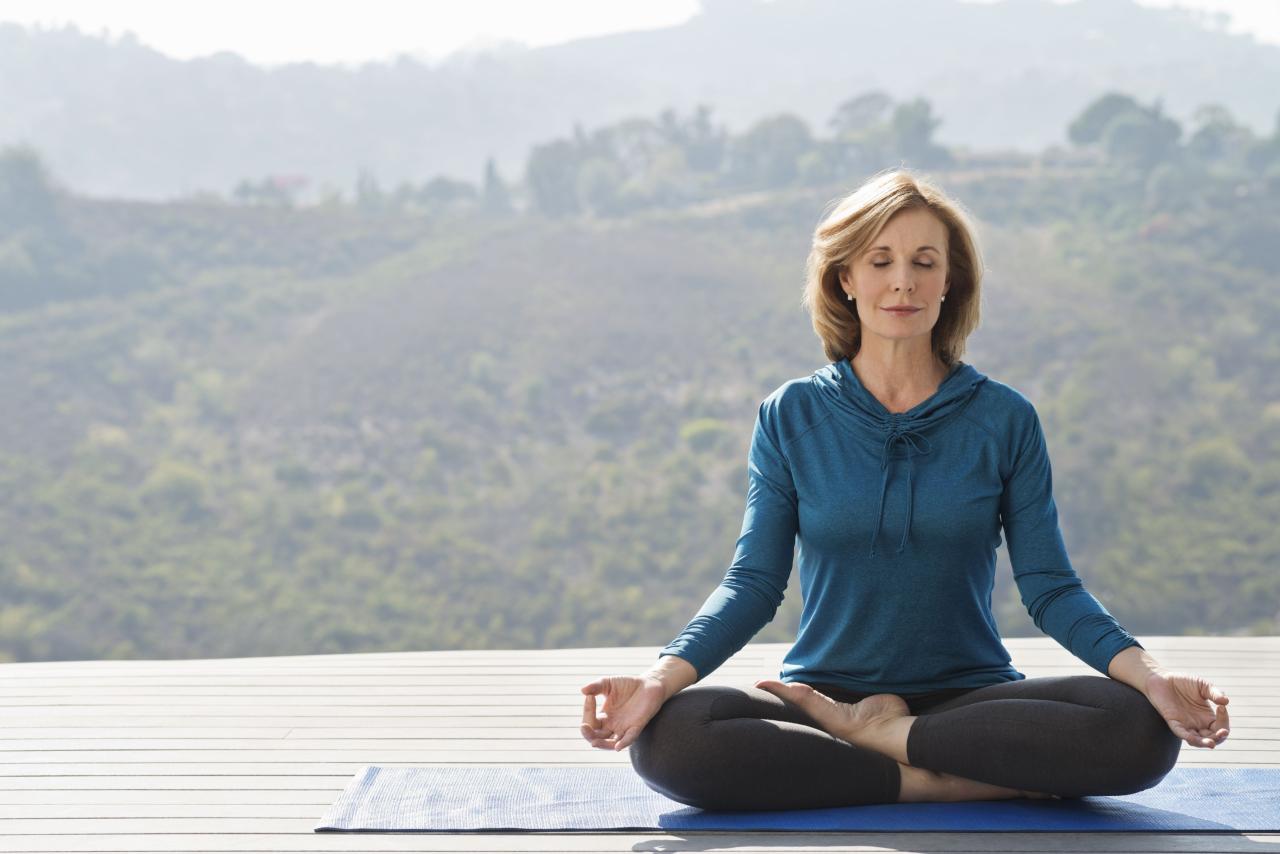
Post-workout recovery is crucial for athletes and fitness enthusiasts, and meditation plays a vital role in this process. Different types of meditation offer unique approaches to muscle relaxation, allowing individuals to tailor their practice to their specific needs and preferences. This section explores various meditation styles, highlighting their distinct characteristics and benefits for post-exercise muscle recovery.Various meditation techniques can effectively reduce muscle tension and promote relaxation after physical exertion.
By understanding the nuances of each approach, individuals can choose the method that best complements their workout routine and overall well-being.
Body Scan Meditation
Body scan meditation involves systematically directing attention to different parts of the body, observing sensations without judgment. This mindful awareness helps to identify areas of tension and promotes a sense of relaxation. Starting at the toes and gradually moving upward, practitioners focus on the sensations in each body part, acknowledging any tightness or discomfort without trying to change it.
This gentle approach allows the body to release tension naturally. The practice cultivates a deep awareness of physical sensations, which can be especially beneficial for athletes experiencing muscle soreness or stiffness.
Progressive Muscle Relaxation
Progressive muscle relaxation (PMR) is a technique that involves systematically tensing and releasing different muscle groups. By consciously tensing a muscle group, practitioners become aware of the physical sensations associated with tension. Subsequently, releasing the tension allows the body to experience the contrast and promotes relaxation. This process enhances body awareness and reduces muscle tension. This approach is particularly effective in releasing physical stress accumulated during intense workouts, leading to improved sleep quality and reduced muscle soreness.
PMR can be practiced lying down, sitting, or standing. For example, clenching and releasing the fists, tightening and relaxing the shoulders, and contracting and releasing the quadriceps are common exercises.
Mindfulness Meditation for Muscle Relaxation
Mindfulness meditation encourages present moment awareness without judgment. During this practice, individuals focus on the sensations in the body without trying to change them. By observing the physical sensations of exertion and recovery, athletes can become more attuned to their body’s signals. This awareness fosters a greater sense of control over their physical response to exercise. This approach is well-suited for athletes who want to incorporate a mindful awareness into their recovery routine.
For example, a mindful walk after a run can be a form of this practice.
Guided Meditations for Muscle Relaxation
Numerous guided meditations are specifically designed for muscle relaxation after exercise. These guided practices provide clear instructions and prompts to guide practitioners through a structured relaxation process. Often, these recordings provide gentle music and soothing voices to enhance the overall relaxation experience. Many resources are available online, offering a diverse range of guided meditations tailored to various needs and preferences.
For instance, apps and websites offer curated collections of guided meditations focused on post-workout muscle relaxation.
The Role of Mindfulness in Post-Workout Muscle Relaxation
Mindfulness plays a significant role in post-workout muscle relaxation. By cultivating present moment awareness, individuals can become more attuned to the sensations in their bodies. This heightened awareness allows them to recognize and release tension without judgment. This approach helps to create a space for relaxation and recovery, promoting overall well-being.
Summary Table of Meditation Types
| Meditation Type | Description | Focus | Benefits |
|---|---|---|---|
| Body Scan Meditation | Focusing attention on different parts of the body, noticing sensations. | Mindfulness, physical sensations | Reduces muscle tension, promotes relaxation. |
| Progressive Muscle Relaxation | Tensing and releasing different muscle groups. | Physical sensations, awareness | Releases physical tension, promotes relaxation. |
| Mindfulness Meditation | Focusing on the present moment without judgment. | Present moment awareness | Reduces stress, promotes physical relaxation. |
| Guided Meditations | Structured relaxation process guided by a facilitator. | Relaxation, body awareness | Enhanced relaxation, improved focus. |
Techniques for Effective Post-Workout Muscle Relaxation Meditation
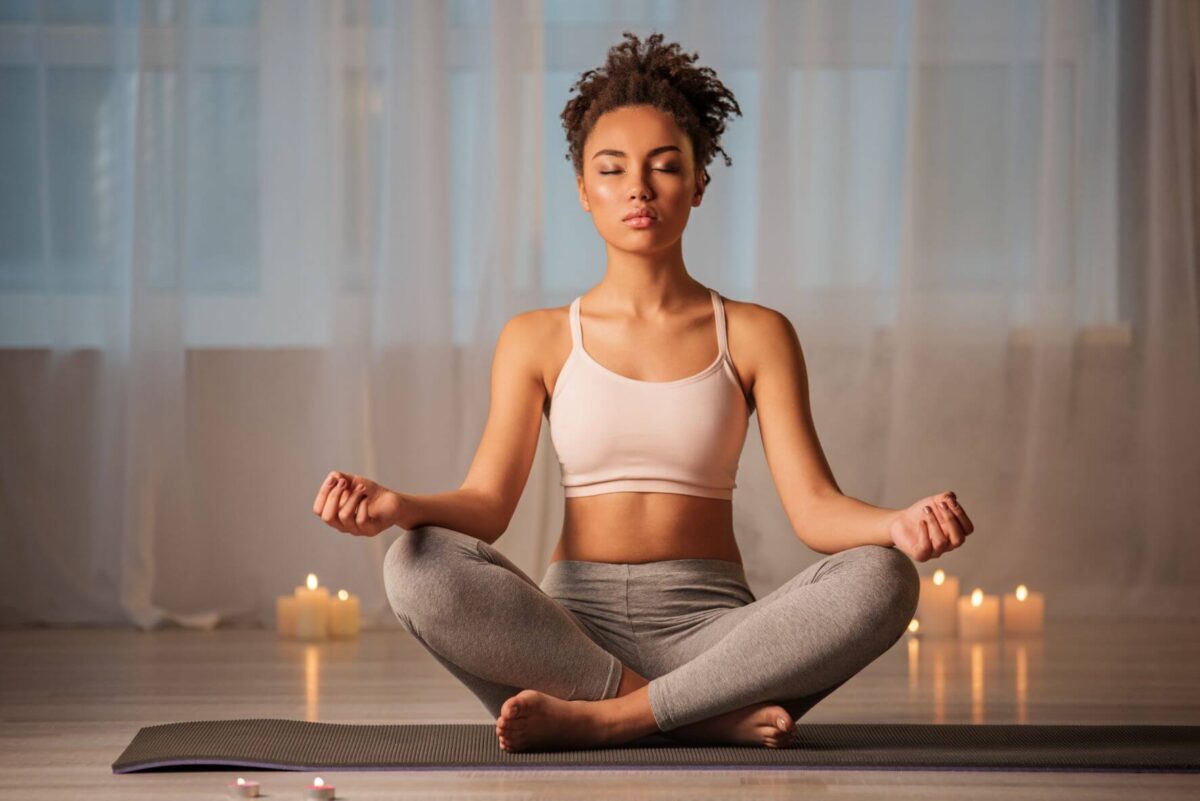
Post-workout muscle relaxation meditation offers a powerful complement to your exercise routine. It allows your body to transition from the exertion of physical activity to a state of deep rest and recovery, promoting healing and reducing muscle soreness. By integrating mindful techniques into your post-workout routine, you can significantly enhance the benefits of your exercise regimen.Effective post-workout meditation involves a mindful approach to easing tension and promoting recovery.
This involves a conscious effort to shift your focus from the physical demands of exercise to the internal sensations of your body, fostering a sense of calm and well-being.
Transitioning from Exercise to Meditation
A smooth transition is crucial for maximizing the benefits of post-workout meditation. Rushing from intense physical activity to a meditative state can be jarring. Instead, gradually reduce your activity level, allowing your heart rate and breathing to normalize. A few minutes of gentle stretching or light walking can help bridge the gap. This gradual shift eases your body and mind into the meditative state, making it more receptive to relaxation.
Importance of Proper Posture During Meditation
Maintaining proper posture during meditation is essential for optimal relaxation and comfort. A straight spine, but not rigid, allows for free breathing and prevents undue strain on the muscles. Sit comfortably with your back straight, your shoulders relaxed, and your head aligned with your spine. This posture encourages proper blood flow and reduces physical discomfort, allowing you to focus more effectively on your meditation practice.
Avoid slouching or leaning, as this can hinder relaxation and potentially cause discomfort.
Focusing on Specific Muscle Groups
Consciously focusing on specific muscle groups is a powerful technique for post-workout muscle relaxation. As you meditate, scan your body from head to toe, noticing any areas of tension. Mentally release any tightness in your muscles, visualizing the tension dissolving. For example, if you feel tension in your quadriceps, bring your awareness to that area, and consciously release the tension.
By directing your attention to specific muscle groups, you actively promote relaxation and ease the discomfort associated with post-workout soreness.
Step-by-Step Post-Workout Meditation
This structured approach can help you integrate meditation into your post-workout routine seamlessly.
- Preparation: Find a quiet and comfortable space. Wear loose-fitting clothing and remove any restrictive items. Ensure you have a cushion or a comfortable surface to sit on.
- Gentle Transition: Reduce your activity level. Engage in gentle stretches or a short walk to gradually slow your heart rate and breathing.
- Posture Alignment: Sit comfortably with your back straight, but not rigid. Relax your shoulders and keep your head aligned with your spine. Close your eyes gently.
- Body Scan: Bring your awareness to your body, starting with your toes and moving upward. Notice any tension or discomfort in your muscles. Mentally release any tension you find, visualizing the tension dissolving.
- Deep Breathing: Focus on your breath. Inhale deeply and exhale slowly, feeling your body relax with each breath. This can be aided by counting your breaths or using a guided meditation app.
- Mindful Awareness: Maintain a non-judgmental awareness of your thoughts and sensations. If your mind wanders, gently redirect your attention back to your breath or body scan.
- Release and Reflection: Continue the body scan, and gradually return your awareness to the present moment. Acknowledge any physical sensations and thoughts that arise. Allow these to be without judgment.
- Completion: Slowly open your eyes and gently stretch your body to reintegrate with the environment. Take a few moments to reflect on the experience.
Preparing Your Environment for a Post-Workout Meditation Session
Creating a conducive environment is paramount for a successful post-workout muscle relaxation meditation session. A calm and peaceful space allows your mind and body to fully unwind, maximizing the benefits of your practice. This involves thoughtful consideration of the physical space, minimizing distractions, and setting a soothing atmosphere.Optimal environmental conditions facilitate deep relaxation and promote mental clarity. By carefully preparing your space, you create an environment conducive to releasing physical tension and promoting mental well-being, making the most of your post-workout recovery.
Optimal Environmental Conditions
A quiet and secluded space free from external disturbances is crucial. Consider factors such as lighting, temperature, and noise levels when designing your ideal meditation spot. A comfortable seating position, such as a cushion or chair, is also essential for maintaining posture and promoting relaxation.
Factors for a Peaceful and Conducive Space
Several factors contribute to a peaceful and conducive space for meditation. Natural light, if available, can be very calming. If not, soft, diffused lighting can create a serene ambiance. Maintaining a comfortable room temperature is also important. Avoid extremes of heat or cold, as they can hinder relaxation.
Finally, ensuring the space is free from clutter and visual distractions is critical for a focused and tranquil atmosphere.
Minimizing Distractions During the Session
Distractions can disrupt the meditative state and impede the benefits of the practice. Turn off electronic devices, including phones and televisions, to eliminate potential interruptions. Inform household members or roommates about your meditation schedule to minimize disruptions. Consider using white noise machines or nature sounds to mask unwanted background noise. These measures create a more focused and tranquil environment.
Creating a Calming Atmosphere
Using visual and auditory cues can further enhance the calming atmosphere. Soft, calming colors, such as blues, greens, and lavenders, can promote a sense of peace and tranquility. Natural elements, such as plants or flowers, can also contribute to a calming atmosphere. Nature sounds, such as flowing water or gentle rain, can create a soothing auditory backdrop.
Soft instrumental music or calming nature sounds can further enhance the relaxing atmosphere.
Checklist for Creating a Conducive Meditation Environment
- Choose a quiet space: Select a location free from noise, interruptions, and distractions. Consider a dedicated meditation room or a corner of a room specifically designated for meditation.
- Control the lighting: Use soft, diffused lighting, such as lamps or candles, rather than harsh overhead lighting. Natural light, if available, is also ideal.
- Maintain a comfortable temperature: Ensure the room temperature is neither too hot nor too cold. A comfortable temperature promotes relaxation.
- Minimize visual clutter: Remove any unnecessary items or decorations that may distract you. Keep the space clean and organized.
- Eliminate external noise: Use earplugs, white noise machines, or nature sounds to block out unwanted noises. Inform household members of your meditation schedule to minimize interruptions.
- Ensure comfortable seating: Use a comfortable cushion, chair, or mat to support your body during meditation. Proper posture is key to relaxation.
- Introduce calming elements: Incorporate natural elements like plants or flowers, or use calming colors to further enhance the environment.
Integrating Meditation into Your Post-Workout Routine
Consistent practice of post-workout muscle relaxation meditation yields significant benefits. Integrating this practice into your daily routine requires careful planning and mindful adjustments. This section will guide you through strategies for incorporating meditation seamlessly into your existing schedule, ensuring it becomes a sustainable part of your wellness routine.Integrating meditation into your post-workout routine can be a powerful tool for maximizing the benefits of your exercise regimen.
By incorporating this practice into your daily schedule, you can enhance your physical and mental recovery, reducing muscle soreness, promoting relaxation, and fostering a greater sense of well-being.
Importance of Consistency
Consistent practice of post-workout meditation is crucial for experiencing its full benefits. Regular practice fosters a deeper connection between your mind and body, enabling you to more effectively manage stress and improve your overall well-being. The benefits of consistency extend beyond immediate physical relief, influencing your overall stress response and promoting long-term mental health.
Integrating Meditation into Your Existing Routine
Successful integration depends on understanding your current schedule and making thoughtful adjustments. Identify potential time slots for meditation, ideally immediately after your workout. If this isn’t feasible, explore other opportunities for incorporating it into your day. Consider a morning session, for instance, if you’re not comfortable meditating after every workout.
Examples of Daily Schedules
Several daily schedules can accommodate post-workout meditation. Flexibility is key.
- Morning Routine: If your workout is in the evening, consider meditating first thing in the morning. This sets a positive tone for the day, promoting mental clarity and focus. Example: Wake up, 5 minutes of meditation, breakfast, workout, lunch, work, evening meditation.
- Evening Routine: Immediately following your workout, allocate a dedicated 10-15 minutes for meditation. This allows your body to fully relax and prepares you for a peaceful night’s sleep. Example: Workout, shower, dinner, meditation, relaxation time, bedtime.
- Mid-Day Routine: If your schedule allows, a short meditation session during your lunch break can significantly reduce stress and improve focus. Example: Workout, lunch, meditation, afternoon work tasks.
These examples are just starting points. The key is to find a time that works best for you and your schedule.
Motivational Strategies
Maintaining consistency in this practice requires motivation and self-discipline.
- Setting Realistic Goals: Begin with shorter meditation sessions and gradually increase the duration as you become more comfortable. Aim for consistency over perfection.
- Tracking Progress: Keep a journal or use a digital tracker to record your meditation sessions. Seeing your progress can be a powerful motivator.
- Finding a Meditation Buddy: Sharing your practice with a friend can foster accountability and support.
- Rewarding Yourself: Acknowledge and reward yourself for consistent practice. This reinforces positive behavior and helps maintain motivation.
Comparison of Daily Schedules
The table below illustrates how incorporating post-workout meditation can positively impact your daily routine.
| Schedule Type | Description | Benefits |
|---|---|---|
| Schedule with Post-Workout Meditation | Includes a 10-15 minute meditation session immediately after each workout. | Reduced muscle soreness, improved relaxation, enhanced mental clarity, increased focus, better sleep quality. |
| Schedule without Post-Workout Meditation | Does not include a dedicated meditation session after workouts. | May experience delayed muscle recovery, increased stress levels, potential for reduced focus, and potentially poorer sleep quality. |
These examples represent simplified scenarios. Your own schedule will be unique and adaptable. Finding a balance that allows you to fully experience the benefits of exercise while supporting your mental well-being is paramount.
Addressing Common Challenges and Considerations
Integrating post-workout muscle relaxation meditation into your routine can be rewarding, yet challenges may arise. Understanding these potential obstacles and having strategies to navigate them is crucial for sustained practice. This section explores common difficulties and offers practical solutions for maintaining your meditation journey.
Potential Challenges in Integration
Successfully incorporating meditation into your post-workout routine requires careful consideration. Time constraints, a lack of motivation, and inconsistent routines are frequently encountered obstacles. Addressing these head-on can lead to a more consistent and rewarding experience.
Strategies for Overcoming Obstacles
Overcoming hurdles is a crucial part of the journey. Developing strategies to tackle common roadblocks is essential. These include prioritizing the practice, establishing realistic goals, and seeking support.
- Prioritizing the Practice: Schedule dedicated time slots for meditation, treating it as an important part of your post-workout recovery, similar to stretching or showering. Schedule this time block like any other important appointment in your day.
- Establishing Realistic Goals: Begin with short meditation sessions (e.g., 5-10 minutes) and gradually increase the duration as your comfort level grows. This avoids feeling overwhelmed and allows for consistent progress.
- Seeking Support: Connecting with friends, family, or a meditation group can provide encouragement and accountability. Consider joining a community that shares similar goals.
Listening to Your Body During Meditation
Paying attention to your physical sensations during meditation is paramount. This involves acknowledging any discomfort, tension, or pain without judgment. This awareness fosters a deeper connection with your body and its needs.
- Acknowledging Discomfort: If you experience pain or discomfort, pause the meditation. Gentle movement or stretching may alleviate the sensation. If the discomfort persists, consult a healthcare professional.
- Respecting Your Body’s Signals: Recognize that your body’s needs fluctuate. One day, a longer meditation might feel restorative; another day, a shorter session might be more beneficial. Adjust your practice accordingly.
The Importance of Self-Compassion
Self-compassion plays a vital role in maintaining a consistent meditation practice. Treating yourself with kindness and understanding during moments of struggle is essential for continued engagement.
- Practicing Self-Kindness: If you miss a session or find it challenging to focus, acknowledge these moments without harsh self-criticism. Treat yourself with the same empathy and understanding you would offer a friend facing a similar situation.
- Understanding Imperfection: Meditation is a journey, not a destination. There will be days when you feel more connected and others when you feel less focused. Accept this as part of the process.
Adjusting the Practice Based on Individual Needs
Adapting your meditation practice to accommodate individual needs and preferences is crucial for long-term engagement. Consider factors such as physical limitations, current emotional state, and available resources.
- Modifying Techniques: If certain techniques feel overwhelming, adjust them to better suit your needs. For example, if a particular posture causes discomfort, try a different position.
- Adjusting Duration: Shorten or lengthen your meditation sessions based on your current energy levels and preferences. Consistency is more important than duration.
- Seeking Professional Guidance: Consult a healthcare professional or certified meditation instructor if you have specific concerns or needs related to your post-workout routine or health.
Examples of Post-Workout Meditation Scripts
Guided meditation scripts can significantly enhance the post-workout muscle relaxation process. They provide a structured framework for focusing on specific muscle groups and promoting a sense of calm and well-being. These scripts can be adapted to various levels of experience and tailored to individual needs.
Beginner-Level Scripts
These scripts are designed for individuals new to meditation, focusing on gentle relaxation and awareness. They use simple language and clear instructions to guide the meditator through the process.
- Focusing on the Feet: Begin by noticing the sensations in your feet. Feel the contact with the floor or the support of your chair. Allow your weight to settle evenly. Slowly bring your attention to each toe, noticing any tension or discomfort. Gently release that tension, imagining it flowing away like water.
Continue this awareness through your ankles, calves, and thighs, releasing any accumulated tension with each breath. Repeat the process, moving up through your body, to the crown of your head.
- Breath-Based Relaxation: Sit comfortably and close your eyes. Bring your attention to your breath. Notice the sensation of the air entering and leaving your body. As you inhale, feel your body expanding; as you exhale, feel it releasing. Continue this awareness, focusing on the rhythm of your breath.
If your mind wanders, gently guide it back to your breath. Continue for 5-10 minutes, repeating this process, feeling the calm wash over your body.
Intermediate-Level Scripts
These scripts offer more detailed instructions and explore deeper relaxation techniques. They introduce visualization and body scan techniques to target specific muscle groups.
- Targeted Muscle Relaxation: Bring your awareness to your shoulders and neck. Notice any tension there. Take a deep breath in, and as you exhale, imagine the tension melting away with the breath. Visualize warmth spreading through your shoulders and neck, releasing any tightness. Continue this process with your arms, hands, chest, abdomen, back, hips, legs, and feet.
Feel each part of your body becoming increasingly relaxed and at ease.
- Progressive Muscle Relaxation: Close your eyes and bring your attention to your toes. Tighten your toes for a few seconds, then release. Notice the difference between the tense and relaxed state. Repeat this process with your feet, ankles, calves, thighs, hips, abdomen, chest, shoulders, neck, and face. Notice the release of tension with each muscle group.
Continue with your awareness on the breath, noticing the feeling of calm and relaxation spreading throughout your body.
Advanced-Level Scripts
These scripts delve into more sophisticated techniques, such as mindful movement and visualization. They are designed for individuals with prior meditation experience and a desire for deeper relaxation.
- Mindful Movement Meditation: Begin by gently moving your fingers and toes, feeling the sensations in each joint. Slowly increase the movement, bringing awareness to your arms, legs, and torso. Notice the connection between your body and the movement, allowing your awareness to be fully present in the moment. Continue this mindful movement for a few minutes, allowing your body to feel more relaxed and grounded.
- Visualization for Muscle Recovery: Imagine your muscles as a soft, pliable material. Visualize each muscle group as you breathe deeply, releasing any remaining tension. Visualize a soothing light flowing through your body, rejuvenating and replenishing your muscles. Focus on the feeling of deep relaxation and renewal as you let go of any remaining stress or discomfort.
Script Modification
Scripts can be adapted to specific needs or situations. For instance, if someone is experiencing pain in a particular muscle group, the script can be modified to focus on that area. The duration of the script can also be adjusted depending on the time available. Adding specific affirmations related to healing or recovery can also be helpful.
Final Thoughts
In conclusion, integrating post-workout meditation into your routine offers a holistic approach to recovery. By understanding the various meditation types, techniques, and environmental factors, you can personalize your practice to maximize its benefits. Remember consistency is key to experiencing the full spectrum of physical and mental restoration. This guide provides the tools and knowledge to make meditation an integral part of your post-workout routine and enhance your overall well-being.