Unlock the transformative power of mindful breathing through a structured approach to meditation. This guide offers a comprehensive exploration of various breathing techniques, emphasizing their profound impact on both physical and mental well-being. Discover how to integrate these practices into your daily routine for a more peaceful and focused life.
The guide delves into the science of breath awareness, exploring how controlled breathing can calm the mind and reduce stress. You will learn a range of breathing exercises, from simple deep breaths to more complex techniques like alternate nostril breathing. Each exercise is explained in detail, accompanied by step-by-step instructions and practical applications.
Introduction to Meditation
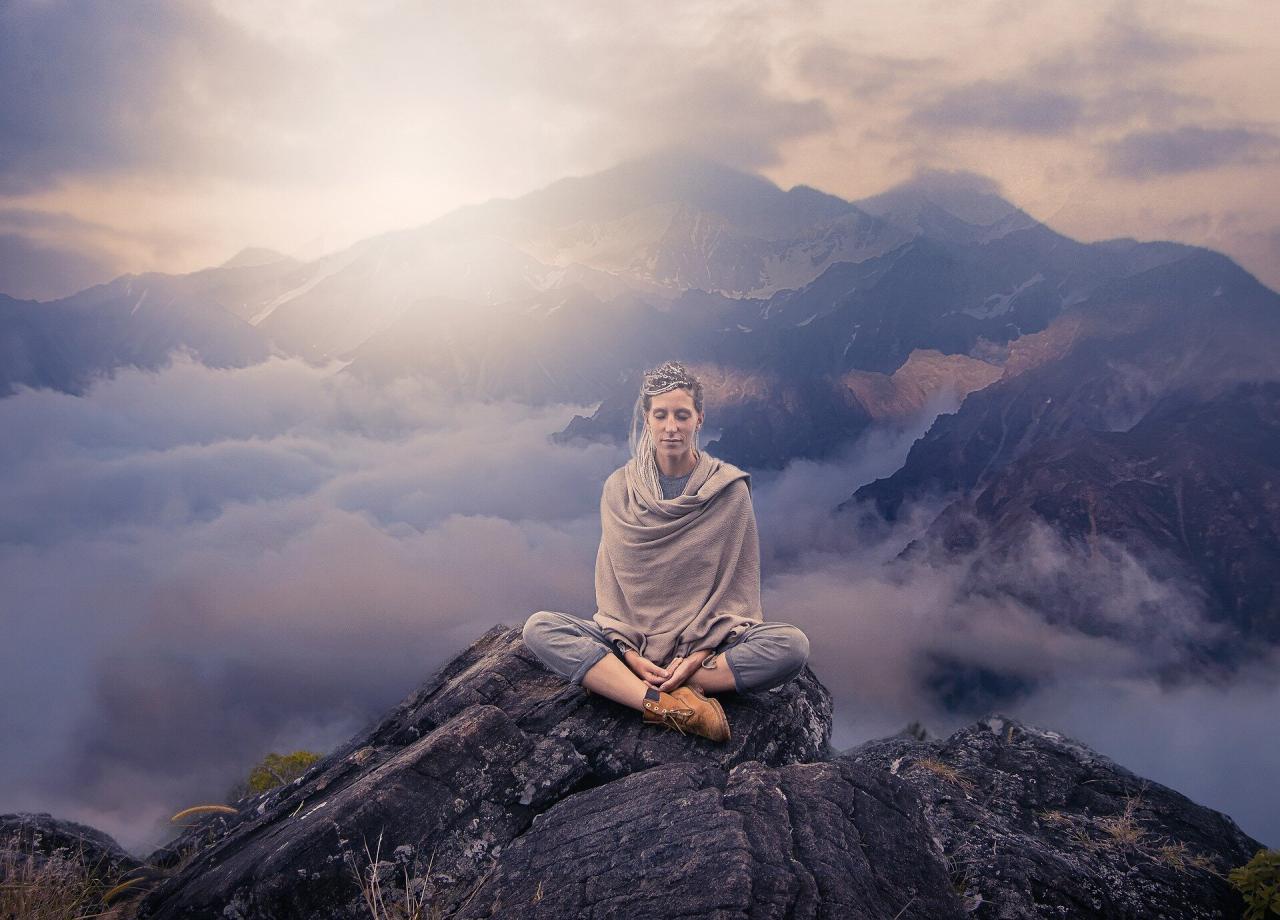
Meditation is a practice where an individual trains the mind to focus and achieve a mentally clear and emotionally calm state. It’s a powerful tool for self-discovery and personal growth, fostering inner peace and reducing stress. Through regular practice, individuals can cultivate a deeper understanding of themselves and their thoughts, leading to improved focus, emotional regulation, and overall well-being.Various techniques and approaches exist, each with unique focuses and benefits.
Understanding the different types of meditation can help practitioners select a style that resonates with their personal needs and goals. A supportive environment, free from distractions, is essential for maximizing the benefits of meditation. A quiet and comfortable space, conducive to introspection, allows the mind to settle and the practice to unfold effectively. Meditation’s history spans various cultures and traditions, with ancient roots in Eastern philosophies like Buddhism and Hinduism.
Over time, these practices have evolved and spread globally, enriching the spiritual and mental health landscapes of diverse communities.
Different Types of Meditation
Meditation encompasses a range of practices, each with its own unique approach. Understanding these differences allows individuals to choose the style that best suits their needs and preferences.
- Mindfulness Meditation: This practice focuses on present moment awareness. Individuals observe their thoughts and feelings without judgment, allowing them to cultivate a sense of calm and acceptance. This type of meditation promotes a deeper understanding of one’s mental processes and fosters a non-reactive approach to daily challenges.
- Concentration Meditation: This technique involves focusing on a single point of attention, such as the breath, a mantra, or a visual object. The goal is to cultivate sustained focus and minimize distracting thoughts. This practice helps build mental clarity and stability.
- Loving-Kindness Meditation: This form of meditation cultivates feelings of compassion and loving-kindness towards oneself and others. Individuals cultivate positive emotions and extend these feelings to various individuals in their lives, including friends, family, and even strangers. This practice fosters a sense of interconnectedness and reduces feelings of isolation or negativity.
- Transcendental Meditation: This practice involves the use of personally assigned mantras, which are specific sounds or phrases, to induce a state of deep relaxation and promote mental clarity. The aim is to achieve a state of effortless awareness and experience inner peace. This practice is known for its potential to reduce stress and improve focus.
Importance of a Quiet Environment
A quiet and comfortable environment is crucial for effective meditation. Distractions can hinder the ability to focus and achieve a state of mental clarity. Minimizing external stimuli allows the mind to settle into a more receptive state, making the practice more profound and beneficial.
Historical Context of Meditation
Meditation has deep roots in various cultures throughout history. Ancient practices, often intertwined with spiritual and philosophical traditions, have evolved over time, adapting to different contexts and needs. The practice of meditation has spread globally, enriching diverse communities with its potential for personal growth and well-being.
Meditation Types Summary
| Meditation Type | Description | Benefits | Techniques |
|---|---|---|---|
| Mindfulness Meditation | Focuses on present moment awareness, observing thoughts and feelings without judgment. | Increased self-awareness, reduced stress, emotional regulation. | Paying attention to sensations, thoughts, and emotions as they arise; practicing non-judgmental observation. |
| Concentration Meditation | Involves focusing on a single point of attention, such as the breath or a mantra. | Improved focus, mental clarity, reduced anxiety. | Sustained attention on a chosen object or sensation; gently redirecting the mind back to the focus when it wanders. |
| Loving-Kindness Meditation | Cultivates feelings of compassion and loving-kindness towards oneself and others. | Increased empathy, reduced negativity, improved relationships. | Generating feelings of love and kindness towards oneself and others, mentally extending these feelings. |
| Transcendental Meditation | Uses personally assigned mantras to induce deep relaxation and mental clarity. | Stress reduction, improved focus, enhanced creativity. | Repeating a personally assigned mantra, typically silently; maintaining awareness without judgment. |
Understanding Breathing Techniques
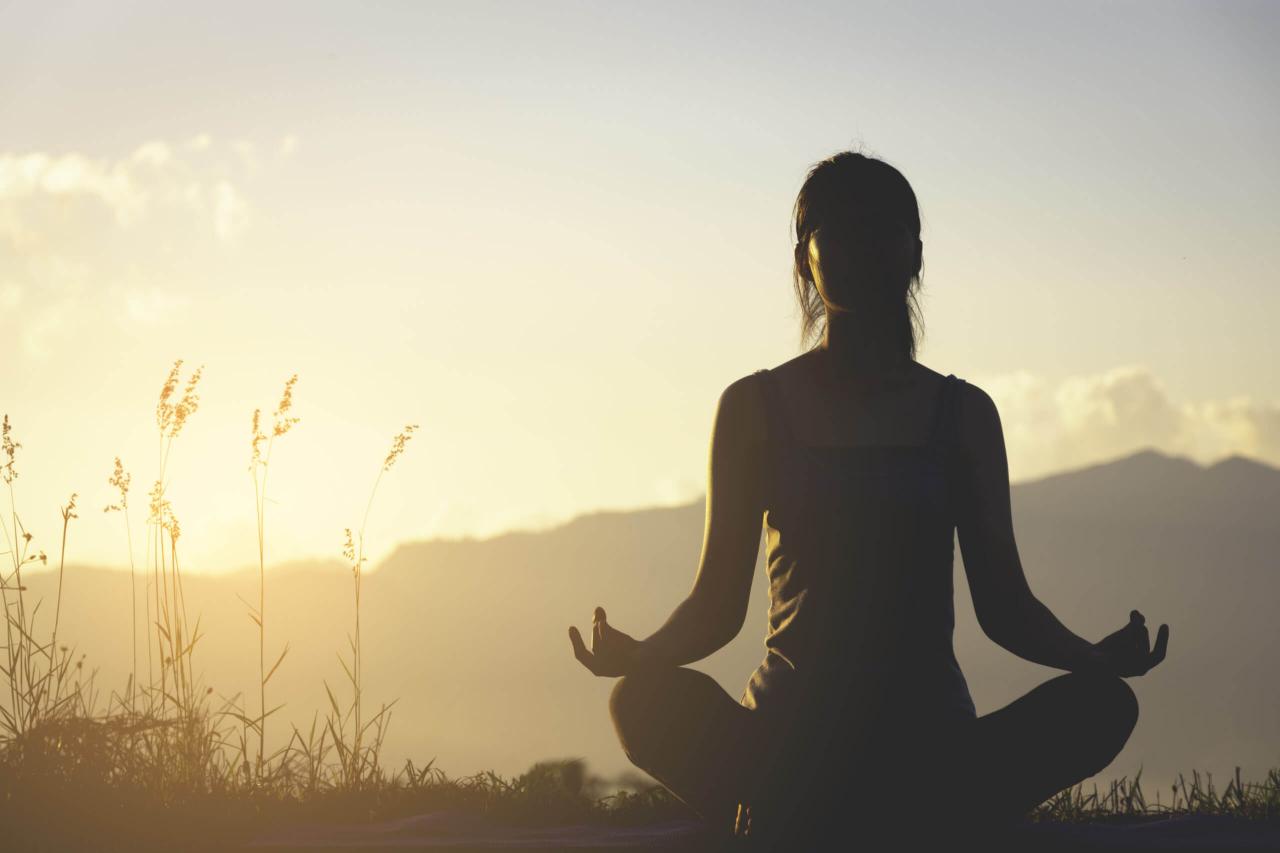
Breathing is fundamental to life, and its conscious control is crucial in meditation. Proper breathing techniques not only calm the body but also quiet the mind, facilitating a deeper connection with the present moment. This section delves into the significance of breath awareness and various breathing exercises, providing a practical guide for integrating them into your meditation practice.Controlled breathing significantly impacts the physiological response of the body.
By regulating the intake and expulsion of air, we can influence heart rate, blood pressure, and the release of stress hormones. This modulation creates a more relaxed and focused state, enabling a deeper meditative experience.
Importance of Breath Awareness
Breath awareness is the cornerstone of mindful meditation. Paying attention to the natural rhythm of inhalation and exhalation anchors us in the present moment. This awareness quiets the incessant chatter of thoughts, allowing us to observe them without judgment. Through focused breath awareness, we develop a stronger sense of presence and connection with ourselves.
Different Breathing Exercises
Various breathing techniques offer unique benefits. Deep breathing, box breathing, and alternate nostril breathing are effective tools for regulating the breath and achieving a calm state.
Deep Breathing
Deep breathing, also known as diaphragmatic breathing, involves drawing air deeply into the lungs, engaging the diaphragm muscle. This process promotes relaxation and reduces stress.
- Find a comfortable seated position.
- Place one hand on your chest and the other on your abdomen.
- Inhale slowly and deeply through your nose, feeling your abdomen expand as your diaphragm moves downward.
- Exhale slowly and completely through your mouth, noticing your abdomen return to its normal position.
- Repeat this process for several minutes, focusing on the sensation of the breath.
Box Breathing
Box breathing, also known as square breathing, is a technique that involves inhaling, holding the breath, exhaling, and holding the breath for equal durations. This rhythmic pattern creates a sense of stability and focus.
- Assume a comfortable seated position.
- Inhale slowly and evenly through your nose for a count of four.
- Hold your breath for a count of four.
- Exhale slowly and evenly through your mouth for a count of four.
- Hold your breath for a count of four.
- Repeat this cycle for several minutes.
Alternate Nostril Breathing (Nadi Shodhana Pranayama)
Alternate nostril breathing is a practice that involves inhaling through one nostril, exhaling through the other, and repeating the process. This technique is believed to balance the energies of the body and mind.
- Sit comfortably with your spine erect.
- Place your right hand on your right knee.
- Close your right nostril with your right thumb.
- Inhale deeply through your left nostril.
- Close your left nostril with your ring finger and exhale through your right nostril.
- Inhale through your right nostril, close it, and exhale through your left nostril.
- Continue alternating the nostrils in this manner for several minutes.
Physiological Effects of Controlled Breathing
Controlled breathing techniques can significantly impact the body and mind. By regulating the breath, we can influence the autonomic nervous system, promoting relaxation and reducing stress. This, in turn, can lower heart rate, blood pressure, and cortisol levels, leading to a calmer and more focused mental state.
Breathing Techniques Summary
| Breathing Technique | Description | Steps | Benefits |
|---|---|---|---|
| Deep Breathing | Diaphragmatic breathing for relaxation | See detailed steps above | Reduces stress, promotes relaxation, improves focus |
| Box Breathing | Equal inhalation, holding, exhalation, and holding | See detailed steps above | Increases focus, promotes calmness, enhances mental clarity |
| Alternate Nostril Breathing | Inhaling and exhaling through alternating nostrils | See detailed steps above | Balances energies, reduces stress, promotes mental clarity |
Setting Intentions and Focus
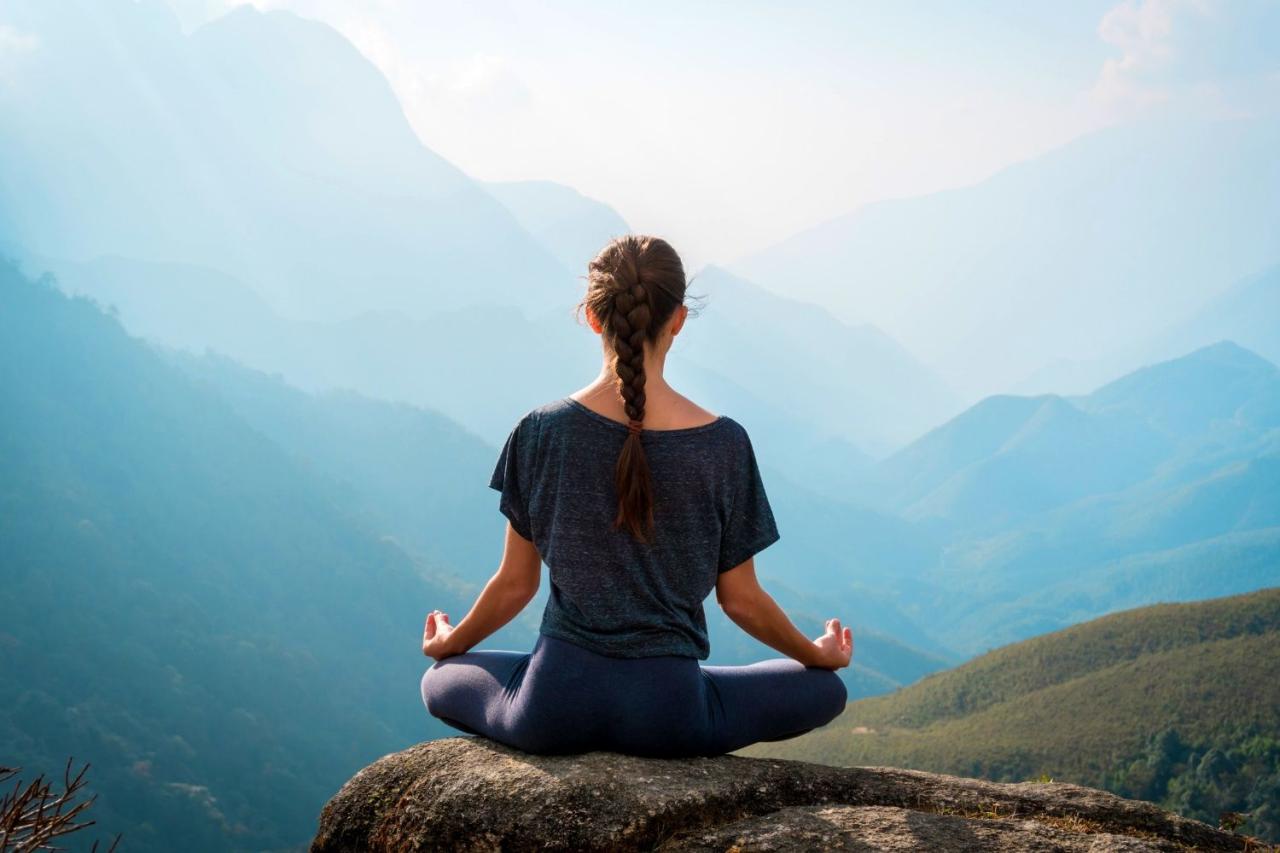
Setting intentions and focusing the mind are crucial aspects of a successful meditation practice. They provide direction and purpose, helping to cultivate a deeper connection with the present moment. By consciously setting intentions, meditators can consciously steer their practice toward specific goals, whether it be reducing stress, improving focus, or cultivating compassion. This intentional focus can significantly enhance the overall benefits of meditation.Focusing techniques are essential tools in meditation, helping to direct the mind towards a specific object or concept.
These techniques range from using mantras to visualizing peaceful scenes, and employing sensory awareness. The consistent application of such techniques strengthens the mind’s ability to maintain focus and reduces the likelihood of wandering thoughts.
Setting Intentions for Meditation
Defining clear intentions before a meditation session provides a framework for the practice. Intentions can vary from general goals, such as reducing anxiety, to more specific objectives, such as cultivating patience or improving self-awareness. These intentions can act as guiding principles throughout the session, helping to maintain focus and purpose. Specific intentions create a structured approach, fostering deeper engagement and meaningful outcomes.
Focusing Techniques
Various techniques can be used to focus the mind during meditation. These techniques can range from using a mantra, to visualizing a calming scene, to observing sensory experiences. These methods help anchor the mind, preventing it from drifting into distracting thoughts or worries. Consistent application of these techniques can increase focus and deepen the meditative experience.
- Mantras: Using a mantra, a repeated word or phrase, can be an effective technique for anchoring the mind. The repetitive nature of the mantra helps to quiet the mind’s chatter and cultivate a sense of calm and focus. A well-chosen mantra can have a profound effect on the meditative state. Examples include “peace,” “love,” or a specific religious or spiritual phrase.
- Visualizations: Visualizing a calming or peaceful scene can also help to focus the mind. This technique involves mentally creating and observing a serene image, such as a tranquil garden or a sunlit beach. This process helps to evoke feelings of relaxation and serenity, and can lead to a more profound meditative experience. Examples include visualizing a soft, warm light, or a flowing river.
- Sensory Awareness: Focusing on sensory experiences, such as the breath, body sensations, or sounds, can be a powerful technique for grounding the mind. This method involves observing these sensations without judgment or reaction, allowing the mind to rest in the present moment. The experience of sensory awareness can lead to a deeper understanding of the body and mind, promoting greater self-awareness.
Non-Judgmental Observation
A crucial aspect of meditation is non-judgmental observation. This involves observing thoughts and feelings as they arise without evaluating them as good or bad, positive or negative. This practice allows for a detached perspective, fostering a greater understanding of the nature of thoughts and emotions. By avoiding judgment, the mind becomes less reactive to these experiences, leading to a more peaceful and stable mental state.
Managing Distractions
Distractions are inevitable during meditation. They may take the form of physical sensations, external sounds, or internal thoughts. Developing strategies to manage these distractions is crucial for maintaining focus. One strategy involves gently redirecting the attention back to the chosen focus, whether it’s the breath, a mantra, or a visualization. Another strategy is to acknowledge the distraction without getting entangled in it, returning to the intended focus.
By practicing these techniques, meditators can build resilience to distractions and maintain a focused state of mind.
Examples of Intentions
- Reducing stress: To cultivate a sense of calm and reduce stress responses during the day.
- Improving focus: To sharpen attention and enhance concentration abilities.
- Increasing self-awareness: To gain a deeper understanding of thoughts, emotions, and behaviors.
- Cultivating compassion: To develop empathy and kindness toward oneself and others.
Focusing Techniques Comparison
| Technique | Description | Application |
|---|---|---|
| Mantras | Repeating a word or phrase | Quieting the mind, promoting focus |
| Visualizations | Mentally creating a scene | Eliciting relaxation, calming emotions |
| Sensory Awareness | Observing sensations | Grounding the mind, increasing self-awareness |
10 Steps to Improve Breathing During Meditation
Embarking on a meditation journey often involves more than just sitting still. Mastering your breath is crucial for a deeper, more enriching experience. The following ten steps provide a structured approach to refining your breathing techniques within the context of meditation, enabling a smoother and more profound connection with yourself.Effective breathing is a cornerstone of meditation. It is not merely an ancillary aspect but rather a vital instrument for cultivating inner peace and tranquility.
By consciously integrating these ten steps into your practice, you can elevate your breathing to a more refined and controlled state, facilitating a deeper meditative experience.
Detailed Breathing Exercises
Consciously focusing on your breath is the cornerstone of effective meditation. This section Artikels ten steps designed to enhance your breathing and refine your meditative journey. Each step provides a specific breathing pattern to practice, along with potential challenges and solutions to assist you on your path.
- Diaphragmatic Breathing: Begin by focusing on your diaphragm. Inhale deeply, feeling your abdomen expand. Exhale slowly, allowing your abdomen to contract. This technique anchors your breath, promoting relaxation and calmness. This initial step is fundamental for developing a more mindful connection with your breath.
Examples include slow, deliberate inhales and exhales, and noticing the physical sensation of your diaphragm moving. Potential challenges include difficulty identifying the diaphragm’s movement; solutions include practicing in front of a mirror or using your hands on your abdomen to feel the expansion and contraction.
- Counting Breaths: Track your breaths by counting each inhale and exhale. This adds a layer of awareness to your breathing process. Start with counting to one for each inhale and exhale, gradually increasing the count as you become more comfortable. This practice cultivates mental focus and awareness of the present moment. Example: Count one inhale, one exhale.
Challenge: Difficulty focusing on the count; Solution: Use a gentle reminder or a guided meditation app to keep track of the counts.
- Controlled Inhales and Exhales: Practice consciously controlling the duration of your inhales and exhales. Aim for a consistent rhythm, allowing a smooth transition between each phase. This step builds upon the previous two by adding control to the breathing process. Example: Inhale for four seconds, exhale for four seconds. Challenge: Difficulty maintaining a consistent rhythm; Solution: Practice in front of a clock or a timer to track your timing.
- Nasal Breathing: Focus on breathing through your nose. This technique is believed to facilitate a more natural and balanced flow of breath. This step encourages a more natural breathing pattern, drawing attention to the nuances of the nasal passage. Example: Inhale and exhale entirely through your nose. Challenge: Difficulty breathing solely through your nose; Solution: Practice nasal breathing exercises to develop control over nasal airflow.
- Alternating Nostril Breathing (Nadi Shodhana): Practice alternating the flow of breath between your nostrils. This ancient technique is known to balance the energy channels in the body. This advanced technique encourages a deeper connection with the breath and promotes a sense of equilibrium. Example: Inhale through the right nostril, exhale through the left nostril, and repeat the sequence. Challenge: Difficulty coordinating the breathing; Solution: Use a mirror to visually guide the process and observe your nostril positioning.
- Ujjayi Breath: Incorporate a slight constriction in the throat during both inhalation and exhalation. This creates a gentle humming sound, generating a sense of warmth and relaxation. This technique is known for its calming effect. Example: Inhale and exhale with a gentle, controlled restriction in the throat. Challenge: Difficulty producing the humming sound; Solution: Listen to guided meditations focusing on Ujjayi breath to help you develop the correct technique.
- Deep Abdominal Breathing: Focus on deep, conscious breaths that extend to your abdomen. This technique encourages deep relaxation and promotes a sense of grounding. This practice helps to expand the lung capacity and improve oxygen intake. Example: Inhale deeply, feeling your abdomen expand; exhale slowly, allowing your abdomen to contract. Challenge: Difficulty feeling the abdominal expansion; Solution: Place a hand on your abdomen to feel the expansion and contraction.
- Breath Awareness: Focus on the sensation of the breath as it enters and exits your body. Pay attention to the coolness of the air on your nostrils during inhalation and the warmth on your nostrils during exhalation. This step promotes a deeper connection with the physical sensations of breathing. Example: Notice the coolness of the air as it enters and the warmth as it leaves.
Challenge: Difficulty maintaining focus; Solution: Practice mindfulness techniques to help stay focused on the breath.
- Breath Retention (Kumbhaka): Briefly hold your breath after inhalation and exhalation. This technique, when practiced appropriately, enhances focus and energy levels. This step requires careful practice and should be approached gradually. Example: Hold your breath for a few seconds after inhaling and exhaling. Challenge: Difficulty holding your breath; Solution: Consult with a qualified instructor or health professional to ensure proper technique.
- Progressive Breathing: Gradually increase the duration and depth of your breaths. This step builds on previous practices to enhance the effectiveness of your breathing in meditation. This process allows for a more robust and powerful meditation experience. Example: Gradually increase the duration of your inhales and exhales over time. Challenge: Feeling overwhelmed; Solution: Start with short durations and gradually increase them over time, ensuring your body is comfortable with the changes.
Maintaining Consistency and Patience
Embarking on a meditation journey requires dedication and a long-term perspective. Consistency is key to unlocking the profound benefits of meditation, and patience is crucial for navigating the inevitable challenges along the way. Understanding how to maintain a consistent practice and approach setbacks with resilience will greatly enhance your meditation experience.Consistent practice is not merely about regular sessions; it also involves integrating mindful awareness into daily life.
This integrated approach fosters a deeper connection with the present moment, leading to improved focus, emotional regulation, and overall well-being. The journey toward mastery of meditation is a gradual process, requiring perseverance and a willingness to learn from both successes and setbacks.
Strategies for Maintaining Motivation and Consistency
Consistency in meditation, like any new habit, requires intentional effort. Strategies for maintaining motivation and consistency include setting realistic goals, finding a supportive environment, and incorporating meditation into a daily routine.
- Setting Realistic Goals: Begin with short, achievable goals. Aim for 5-10 minutes of meditation daily, rather than aiming for longer sessions immediately. Gradually increase the duration as you become more comfortable and motivated.
- Finding a Supportive Environment: Creating a dedicated space for meditation can significantly enhance the experience. This space should be free from distractions, promoting a sense of calm and tranquility. Consider joining a meditation group or finding a meditation buddy for support and encouragement.
- Integrating Meditation into a Daily Routine: Schedule meditation as a non-negotiable appointment in your day, similar to how you would schedule a work meeting or a workout. Consistency in timing, like meditating first thing in the morning or before bed, can help establish a routine.
The Importance of Patience and Acceptance
The path to mastering meditation is not always smooth. Patience and acceptance are essential for navigating setbacks and maintaining a positive outlook. Understanding that progress takes time, and that occasional lapses in practice are normal, is crucial for maintaining motivation.
- Understanding the Process: Meditation is a practice, not a performance. There will be days when you feel more focused and days when you find it challenging to maintain concentration. Accept these fluctuations as part of the process.
- Acceptance of Imperfection: Don’t get discouraged by occasional distractions or moments of restlessness. Acknowledge these moments without judgment and gently redirect your focus back to your breath or chosen meditation technique.
Techniques for Overcoming Setbacks
Meditation practice may face occasional challenges, such as difficulty focusing or feeling frustrated. Developing techniques to overcome these obstacles is vital to sustaining the practice.
- Self-Compassion: Treat yourself with the same kindness and understanding you would offer a friend facing a similar challenge. Avoid self-criticism and focus on gently redirecting your attention back to the present moment.
- Experimentation with Techniques: If you find a particular technique challenging, explore different approaches. Experiment with various types of meditation, such as walking meditation or loving-kindness meditation, to discover what resonates most with you.
- Seeking Support: Don’t hesitate to seek guidance from a qualified meditation instructor or mentor. A supportive community can provide valuable insights and encouragement during challenging times.
Creating a Sustainable Meditation Routine
Establishing a sustainable meditation routine involves careful planning and consistent effort. This routine must be tailored to individual needs and preferences, ensuring it aligns with daily life.
- Choosing a Suitable Time: Find a time of day when you’re most likely to be consistent. Consider factors like energy levels, commitments, and personal preferences.
- Creating a Dedicated Space: Designate a quiet and comfortable space for meditation. This space should be free from distractions and promote a sense of calm.
- Tracking Progress: Maintain a journal or use a meditation app to track your progress. This can help you identify patterns, celebrate achievements, and maintain motivation.
Addressing Common Challenges
Embarking on a meditation practice can be a rewarding journey, yet it’s crucial to acknowledge that challenges are often encountered. Understanding these common hurdles and developing strategies to navigate them is essential for sustained progress and a positive experience. Beginners often face unexpected obstacles, and recognizing these issues is the first step towards overcoming them.Common obstacles can range from physical discomfort to mental distractions.
By understanding the reasons behind these challenges and employing effective strategies, individuals can cultivate resilience and maintain a consistent meditation practice. Addressing these challenges head-on fosters a stronger connection with the mind and body, ultimately enhancing the benefits of meditation.
Common Challenges in Meditation
A multitude of challenges can arise during meditation. Understanding these obstacles empowers individuals to proactively address them, ensuring a more fulfilling and less frustrating experience. These challenges are often interconnected and can manifest in various forms.
- Restlessness: A common issue for beginners, restlessness can manifest as fidgeting, an inability to remain still, or an overwhelming urge to move. This discomfort can stem from physical tension or mental anxieties. Techniques like gentle stretching before meditation can help alleviate physical restlessness. Similarly, focusing on the breath can anchor the mind and reduce mental agitation.
- Boredom: Meditation, especially in the initial stages, can feel monotonous for some. A lack of engagement can lead to drifting thoughts and difficulty maintaining focus. Addressing boredom often involves exploring different types of meditation techniques, such as mindful walking or loving-kindness meditation, to inject novelty and interest into the practice. This variety can make meditation more engaging and less monotonous over time.
- Mental Chatter: The mind is constantly active, and thoughts can easily arise and distract from the present moment. This mental chatter, a natural occurrence, can be overwhelming for beginners. Techniques like observing thoughts without judgment and returning focus to the breath or a chosen object can help navigate this common hurdle. Cultivating awareness of the thoughts’ presence without getting caught up in them is key.
Strategies for Dealing with Challenges
Developing strategies for managing challenges during meditation is crucial for building resilience and maintaining a consistent practice. These techniques empower individuals to navigate difficulties effectively.
- Self-Compassion: Acknowledging that challenges are a natural part of the learning process is vital. Practicing self-compassion means treating oneself with kindness and understanding, rather than judgment or criticism. Self-compassion allows individuals to approach setbacks with a supportive and forgiving attitude. This positive self-regard is instrumental in maintaining a long-term commitment to meditation.
- Mindfulness in Daily Life: Mindfulness is not limited to meditation. Incorporating mindful awareness into daily activities, such as eating, walking, or interacting with others, can enhance the benefits of meditation. This approach helps cultivate a present-moment awareness that extends beyond the formal meditation practice. Practicing mindfulness in daily life can significantly improve focus and reduce stress levels.
Summary Table: Common Challenges and Solutions
| Challenge | Solution |
|---|---|
| Restlessness | Gentle stretching, focusing on the breath |
| Boredom | Exploring different meditation techniques, mindful activities |
| Mental Chatter | Observing thoughts without judgment, returning focus to breath |
Variations and Adaptations
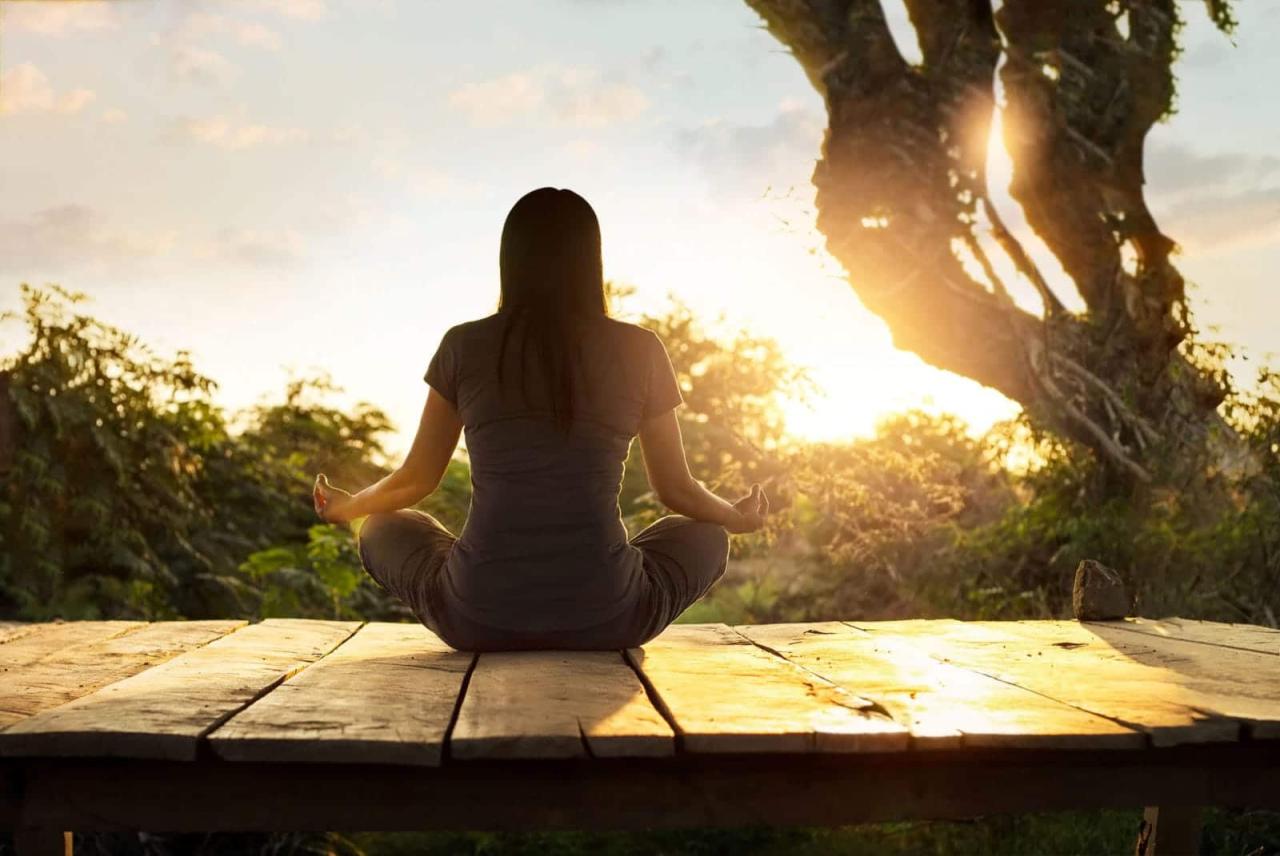
Meditation, with its focus on breathwork, offers a wide array of variations and adaptations to cater to diverse needs and preferences. These modifications allow individuals to tailor their practice to specific physical conditions, time constraints, and emotional states, making meditation accessible and beneficial for a broader audience. Adjusting techniques can enhance engagement and maintain motivation in the long run.
Different Meditation Styles Incorporating Breathing
Various meditation styles incorporate breathing exercises, each with its unique approach and emphasis. Mindfulness meditation, for instance, often emphasizes the awareness of breath as an anchor to the present moment. Transcendental Meditation (TM) employs specific, personally-guided mantras alongside breathwork. These diverse approaches cater to individual preferences and needs.
Adapting for Physical Conditions
Individuals with physical limitations or disabilities can adapt meditation practices to accommodate their needs. For example, individuals with limited mobility might find seated meditation more accessible. Alternatively, modifications to poses can accommodate specific physical conditions, ensuring comfort and safety. Simple modifications, like sitting on a cushion or using props, can significantly improve the experience for individuals with mobility challenges.
Adjusting for Busy Schedules
Incorporating meditation into a busy schedule is achievable through shorter sessions. A few minutes of focused breathwork throughout the day can still yield significant benefits. Moreover, mobile meditation apps or guided meditations can be invaluable resources for those with limited time. These tools provide structure and support, ensuring a consistent practice even within demanding schedules.
Adjusting for Stressful Situations
Techniques like progressive muscle relaxation can be combined with breathwork to alleviate stress. Focusing on the breath during stressful moments can anchor the individual to the present, reducing anxiety and promoting emotional regulation. Regular practice helps individuals develop coping mechanisms for stressful situations.
Variations and Adaptations of Breathing Techniques
- Modified Breathing Patterns: Instead of a simple inhale-exhale cycle, try box breathing (equal durations for each phase) or alternate nostril breathing (Nadi Shodhana). These variations can add complexity and deepen the focus.
- Guided Meditations: Utilize apps or recordings to structure the practice. Guided meditations can introduce visualizations, affirmations, or specific breathing exercises to enhance the experience.
- Movement-Based Meditation: Integrate breathwork with gentle movement practices like yoga or tai chi. The combination of physical movement and focused breathing can create a holistic approach to stress reduction.
- Mindful Walking Meditation: Practice mindfulness while walking. Focus on the sensations of each step and the breath, grounding yourself in the present moment.
- Breath Awareness Meditation: This approach emphasizes simply observing the breath without judgment, noticing its rhythm and sensations.
- Progressive Muscle Relaxation: Combine breathwork with progressive muscle relaxation to reduce physical tension, thus facilitating relaxation.
Illustrations and Visual Aids
Visual aids play a crucial role in understanding and applying meditation techniques. Illustrations and diagrams can effectively convey complex concepts, making the learning process more accessible and engaging. These visual representations aid in visualizing the postures, breathing patterns, and mindfulness processes, enhancing the overall comprehension of meditation.
Meditation Postures
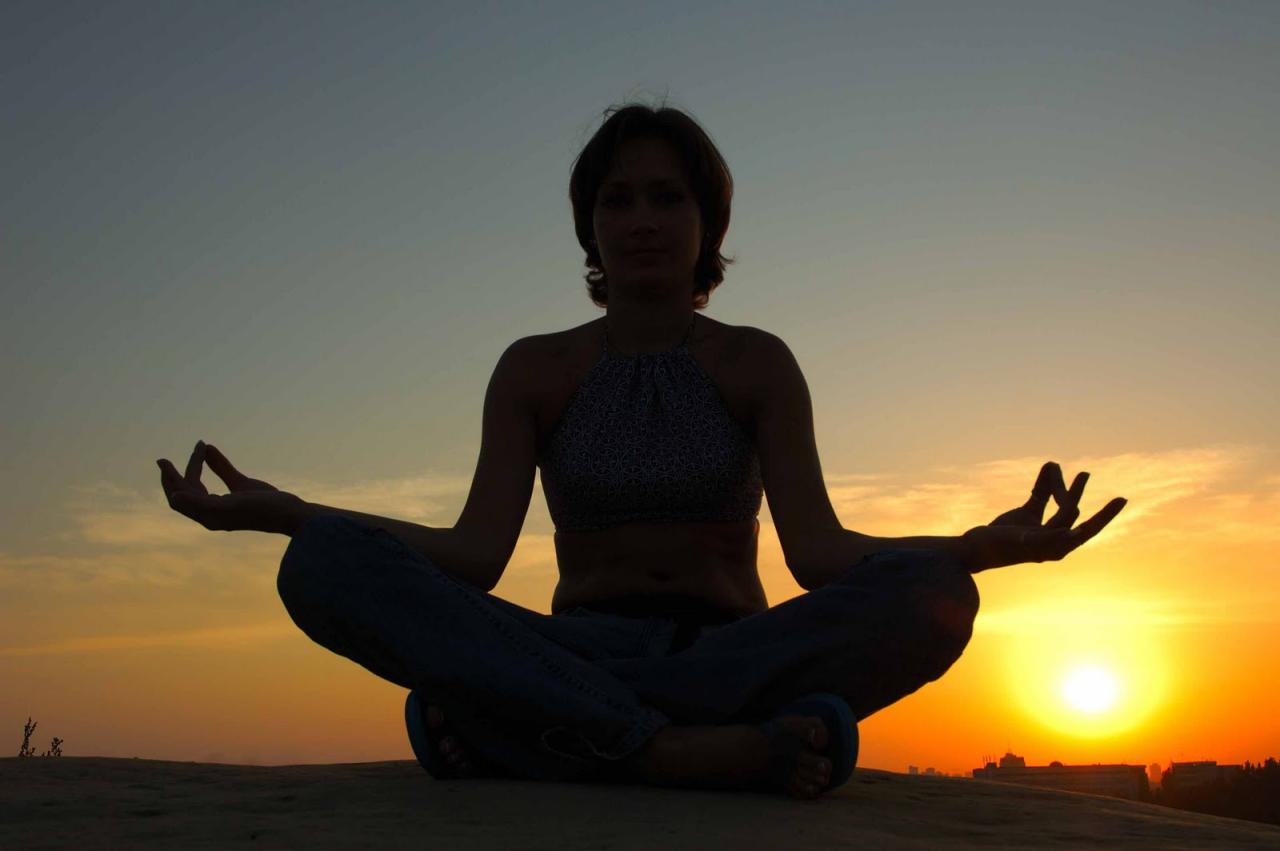
Visual aids for meditation postures are essential for proper alignment and comfort. Accurate depictions of various positions, such as the traditional seated posture (e.g., Sukhasana, Padmasana), standing postures, and lying down postures, enable practitioners to understand the correct alignment of the spine, limbs, and head. Understanding these postures is vital for maintaining stability and reducing discomfort during meditation.
- Sukhasana (Easy Pose): This seated posture involves crossing the legs comfortably with the soles of the feet facing upwards. A visual aid would show the natural alignment of the spine, shoulders relaxed, and the head balanced. Proper alignment promotes relaxation and reduces strain, creating a stable foundation for meditation.
- Padmasana (Lotus Pose): This posture involves placing the soles of the feet on the opposite thighs. Visual representation should clearly illustrate the correct positioning of the hips and knees to maintain a stable and comfortable posture. It requires flexibility and practice to achieve, but the benefits include a more profound sense of grounding.
- Standing Posture: Visual aids for standing postures should demonstrate the correct alignment of the spine, shoulders, and head, maintaining a balanced stance. The feet should be shoulder-width apart, and the weight should be distributed evenly. This posture promotes alertness and mindfulness, especially beneficial for those who prefer to meditate standing.
- Reclining Posture: Visual aids should illustrate a comfortable and supportive position for lying down, with the spine aligned. This posture is suitable for those who experience discomfort in seated postures. The positioning of the head and limbs should be relaxed and natural, promoting deep relaxation.
Breathing Techniques
Visual aids depicting different breathing techniques are valuable for understanding the flow of breath. Diagrams and illustrations of various breathing patterns, including deep belly breathing, alternate nostril breathing, and ujjayi breath, facilitate the visualization of the breath’s movement within the body.
- Diaphragmatic Breathing (Belly Breathing): A visual aid would demonstrate the movement of the diaphragm during inhalation and exhalation. The illustration should show how the belly expands during inhalation and contracts during exhalation. This visualization can help practitioners focus on the natural rhythm of their breath.
- Alternate Nostril Breathing (Nadi Shodhana): A visual aid would clearly illustrate the process of closing one nostril at a time and breathing through the other, highlighting the rhythmic alternation between nostrils. This visual aid will aid in understanding the technique’s precise steps.
- Ujjayi Breath (Victorious Breath): A diagram illustrating the constriction of the throat during inhalation and exhalation can visually depict the smooth, controlled nature of this breathing technique. This technique is known for its calming and energizing effects.
Mindfulness and Focus
Visual representations of mindfulness and focus are essential for understanding the process of directing attention. Diagrams illustrating the concept of bringing awareness to the present moment, without judgment, can help visualize the state of being present.
- Mindfulness Process Visualization: A visual representation can illustrate the process of observing thoughts and sensations without getting entangled in them. The visualization should show the mind’s ability to detach from distracting thoughts and return to the present moment.
- Focus Visualization: A diagram showcasing a clear boundary or a point of focus can illustrate the concept of narrowing attention to a specific object, sound, or sensation. This visualization can help practitioners identify the techniques for directing focus to a singular point of attention.
Breath and Posture
The relationship between breath and posture in meditation is deeply intertwined. A visual aid showing the alignment of the spine, the positioning of the limbs, and the connection between the breath’s movement and the body’s alignment can be helpful.
The posture influences the breath, and the breath influences the posture, creating a harmonious connection in meditation.
- Posture and Breath Interplay: A diagram illustrating how a correct posture supports a natural breath pattern can emphasize the positive feedback loop. The visual should showcase the interplay between physical alignment and respiratory function, highlighting the stability and ease of the breath.
Final Thoughts
This comprehensive guide provides a roadmap to mastering the art of meditation through mindful breathing. By incorporating the 10-step approach, you can cultivate a deeper connection with your breath and experience the profound benefits of meditation. The journey toward inner peace begins with a single breath, and this guide empowers you to take that first step with confidence and clarity.