Navigating the emotional and physical rollercoaster after a football game is crucial for optimal performance and well-being. This comprehensive guide, “How to Meditate After Football with 33 Effective Tips,” provides athletes with a structured approach to harnessing the power of meditation to manage stress, improve focus, and enhance recovery. From understanding post-game stress to integrating meditation into a daily routine, this resource offers practical strategies for athletes at all levels.
This guide delves into the science behind post-game stress, exploring how adrenaline and cortisol impact the body and mind. It provides a detailed breakdown of various meditation techniques, including mindfulness, focused attention, and loving-kindness meditation, tailored to the specific needs of athletes. Furthermore, it details how to create a conducive meditation environment, offering practical tips for physical preparation, and provides examples of incorporating these techniques into a consistent daily routine.
Understanding Post-Game Stress and Tension
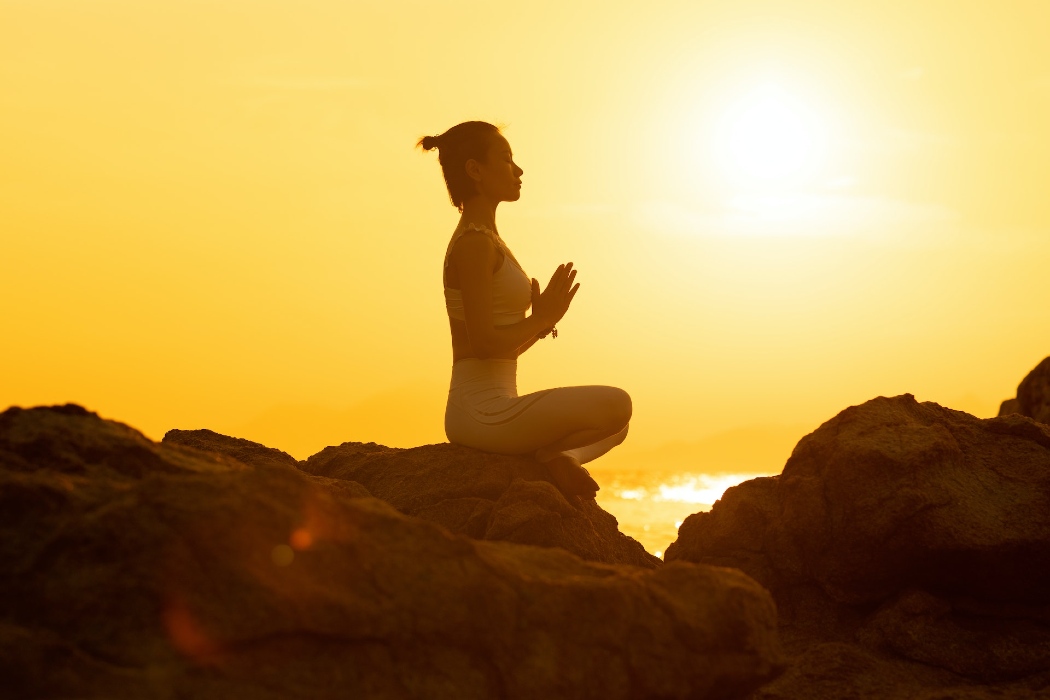
Football, a sport demanding intense physical and mental exertion, often leaves athletes grappling with a complex cocktail of emotions and physiological responses after the final whistle. Understanding these post-game reactions is crucial for athletes to effectively manage stress and optimize their recovery, both physically and mentally. A well-structured post-game routine, incorporating techniques like meditation, can significantly aid in this process.
The intense physical demands of the game, coupled with the high-stakes pressure, trigger a surge of adrenaline and cortisol. These hormones, while essential for performance during the game, can persist in the body and mind after the contest. This lingering hormonal response can contribute to feelings of tension, anxiety, and even physical discomfort, making it difficult to transition to a relaxed state.
Effective management of these hormonal fluctuations is key to facilitating optimal post-game recovery.
Physiological Responses to Win vs. Loss
The emotional and physical responses following a win or a loss differ significantly. The physiological effects of each outcome can impact recovery and subsequent mental states. A detailed comparison highlights the importance of a structured post-game routine.
| Factor | Win | Loss |
|---|---|---|
| Adrenaline/Cortisol Levels | High, initially, but gradually decrease. Often associated with a feeling of exhilaration. | High, initially, and may linger, often leading to disappointment, frustration, or dejection. |
| Emotional Response | Exhilaration, pride, and satisfaction are common. | Disappointment, frustration, and potentially anger or sadness are common. There may be feelings of injustice. |
| Physical Symptoms | Muscle tension, possibly less pronounced due to positive emotional state, but still requiring recovery. | Increased muscle tension, potentially leading to headaches, and possible sleep disturbances. |
| Mental State | Motivation and enthusiasm may remain high, although a sense of calm is still necessary for recovery. | Potential difficulty in adjusting to the outcome, potentially impacting subsequent practices and future games. |
Impact of Adrenaline and Cortisol
Adrenaline and cortisol, the body’s primary stress hormones, play a critical role in the body’s fight-or-flight response. During a game, these hormones elevate to prepare the body for action. However, after the game, their presence can persist, contributing to the post-game stress response. A significant drop in these hormones may lead to a feeling of emptiness or a sudden decrease in energy.
Common Emotional Responses
Athletes experience a range of emotions after a game. These include exhilaration and pride after a victory, or disappointment and frustration after a loss. Relief is also a common emotion after high-pressure matches. These emotional responses, regardless of the outcome, can influence the effectiveness of post-game recovery methods. For example, intense disappointment can make it harder to engage in relaxation techniques.
Potential Physical Symptoms
The physical toll of a football game can manifest in various ways after the match. Muscle tension, headaches, and sleep disturbances are common symptoms. Proper post-game recovery, including meditation, can help alleviate these symptoms and promote faster recovery. Effective management of post-game stress through techniques like meditation can minimize these physical effects and facilitate a smoother transition to recovery.
Preparing for Meditation
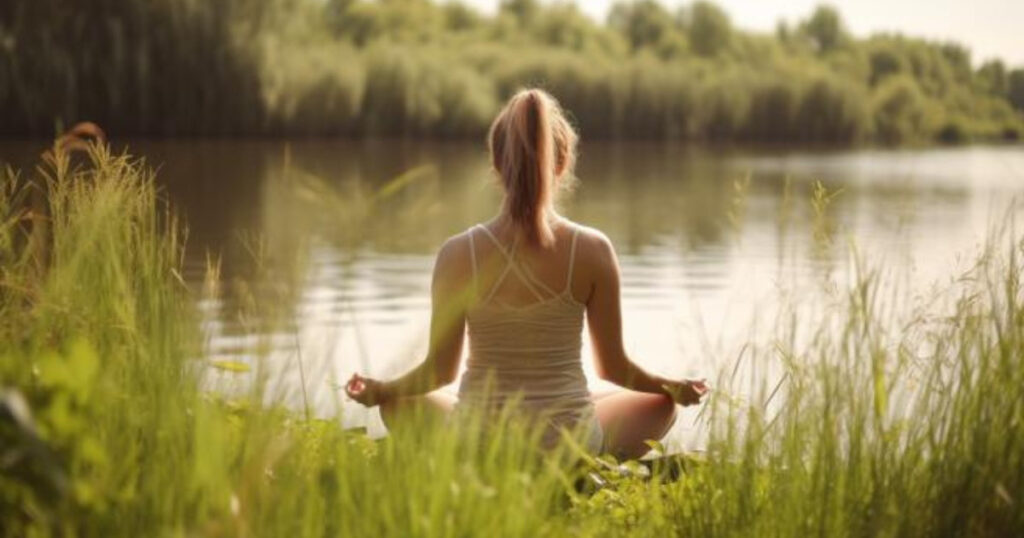
Post-game stress and tension can be effectively mitigated through a well-structured meditation practice. A crucial aspect of this process is preparation. Careful planning and execution of pre-meditation steps create a conducive environment for deep relaxation and mental clarity, optimizing the benefits of the meditation session.
Effective preparation sets the stage for a successful meditation experience. It involves more than just finding a quiet space; it encompasses physical and mental preparation, creating a truly optimal environment for introspection and peace.
Physical Preparation
Physical well-being directly impacts mental state. Cooling down the body after an intense game and ensuring proper hydration are vital for facilitating a smooth transition to meditation.
- Stretching: Gentle stretching helps release muscle tension accumulated during the game, promoting physical relaxation and easing any discomfort. This allows for a more comfortable and focused meditation session. Examples include static stretches targeting major muscle groups, held for 15-30 seconds each.
- Cooling Down: Cooling down after strenuous activity is essential to reduce heart rate and body temperature, allowing the body to return to a calmer state. This transition prepares the mind for the meditative state.
- Hydration: Maintaining adequate hydration is critical for optimal physical and mental function. Dehydration can lead to fatigue, which can hinder the meditative process. Ensure sufficient fluid intake before, during, and after the game to optimize performance and post-game recovery.
Creating a Conducive Environment
A calm and distraction-free environment significantly enhances the meditative experience. A quiet space is key to fostering inner peace and concentration.
- Finding a Quiet Space: Identify a quiet room or a secluded outdoor area where you can minimize external noise and visual distractions. This provides an environment conducive to introspection and mindfulness.
- Minimizing Distractions: Turn off electronic devices, close doors, and inform others of your intention to meditate. These measures minimize interruptions and promote a serene atmosphere. Consider using white noise or nature sounds to mask unwanted background noise.
Essential Items for Post-Game Meditation
Having the right tools and resources enhances the meditative experience, making it more comfortable and conducive to deep relaxation.
- Comfortable Clothing: Loose, comfortable clothing that allows for free movement promotes relaxation and prevents discomfort. Choose fabrics that are breathable and soft.
- Blanket: A soft blanket or a comfortable cushion can add to the sense of coziness and support during the meditation. This can promote a sense of warmth and security, aiding in relaxation.
- Meditation Cushion or Mat: A dedicated meditation cushion or mat provides a stable and comfortable base for sitting. This can enhance posture and promote a sense of groundedness, contributing to the meditative experience.
Meditation Environment Comparison
| Environment | Peacefulness | Distractions |
|---|---|---|
| Quiet Room at Home | High | Low |
| Park Bench | Medium | Medium |
| Busy Coffee Shop | Low | High |
| Forest Path | High | Low |
The table above illustrates the impact of various environments on meditation. Consider factors such as noise levels, visual stimuli, and personal preferences when choosing a location for your post-game meditation session.
Types of Meditation for Athletes
Post-game recovery for athletes often involves more than just physical restoration. Mental and emotional well-being play a crucial role in performance and long-term health. Meditation provides a powerful tool for athletes to manage stress, anxiety, and improve focus, crucial for peak performance and injury prevention. This section explores various meditation techniques, highlighting their effectiveness for athletes and their specific benefits.Different meditation approaches cater to distinct needs and preferences, offering a personalized pathway for mental restoration and well-being.
By understanding the nuances of each technique, athletes can choose the method best suited to their individual circumstances and goals.
Mindfulness Meditation
Mindfulness meditation encourages present moment awareness, fostering a non-judgmental observation of thoughts and feelings. It involves focusing on the breath, bodily sensations, or external stimuli without getting carried away by them. This technique is particularly valuable for athletes as it promotes a deeper understanding of their physical and emotional responses during and after competition.By becoming more attuned to the present, athletes can manage stress and anxiety triggered by competitive pressure.
They can better identify and regulate their physiological responses to stress, promoting a sense of calm and control. This heightened awareness also helps in improving focus and concentration, enhancing decision-making abilities in critical moments of the game.
Focused Attention Meditation
Focused attention meditation centers on a specific object, sound, or sensation. This could include the breath, a mantra, a visual image, or a specific body part. This technique trains the mind to resist distractions and cultivate concentration. It is particularly helpful for athletes in maintaining focus during high-intensity training and competition.By improving concentration, athletes can enhance their ability to execute complex movements, make precise decisions, and maintain composure under pressure.
This heightened focus minimizes the impact of distractions and allows for optimal performance. While maintaining focus can be a challenge, athletes often find that the benefits outweigh the initial difficulty.
Loving-Kindness Meditation
Loving-kindess meditation cultivates feelings of compassion and goodwill towards oneself and others. It involves generating positive emotions such as love, kindness, compassion, and joy towards oneself, loved ones, neutral individuals, and even challenging individuals. This technique is useful in fostering a sense of interconnectedness and empathy, often helpful in handling the social and emotional pressures of competition.The act of cultivating positive emotions can help athletes manage stress, anxiety, and emotional reactivity, fostering a sense of well-being and support, both internally and externally.
The practice can also improve interpersonal relationships, promoting positive interactions with teammates, coaches, and opponents.
Summary Table of Meditation Techniques
| Meditation Type | Core Principles | Techniques | Typical Duration |
|---|---|---|---|
| Mindfulness | Present moment awareness, non-judgmental observation | Focusing on breath, bodily sensations, or external stimuli | 5-20 minutes |
| Focused Attention | Cultivating concentration, resisting distractions | Focusing on a specific object, sound, or sensation | 5-20 minutes |
| Loving-Kindness | Cultivating compassion and goodwill | Generating positive emotions towards oneself and others | 10-30 minutes |
Specific Post-Game Meditation Techniques
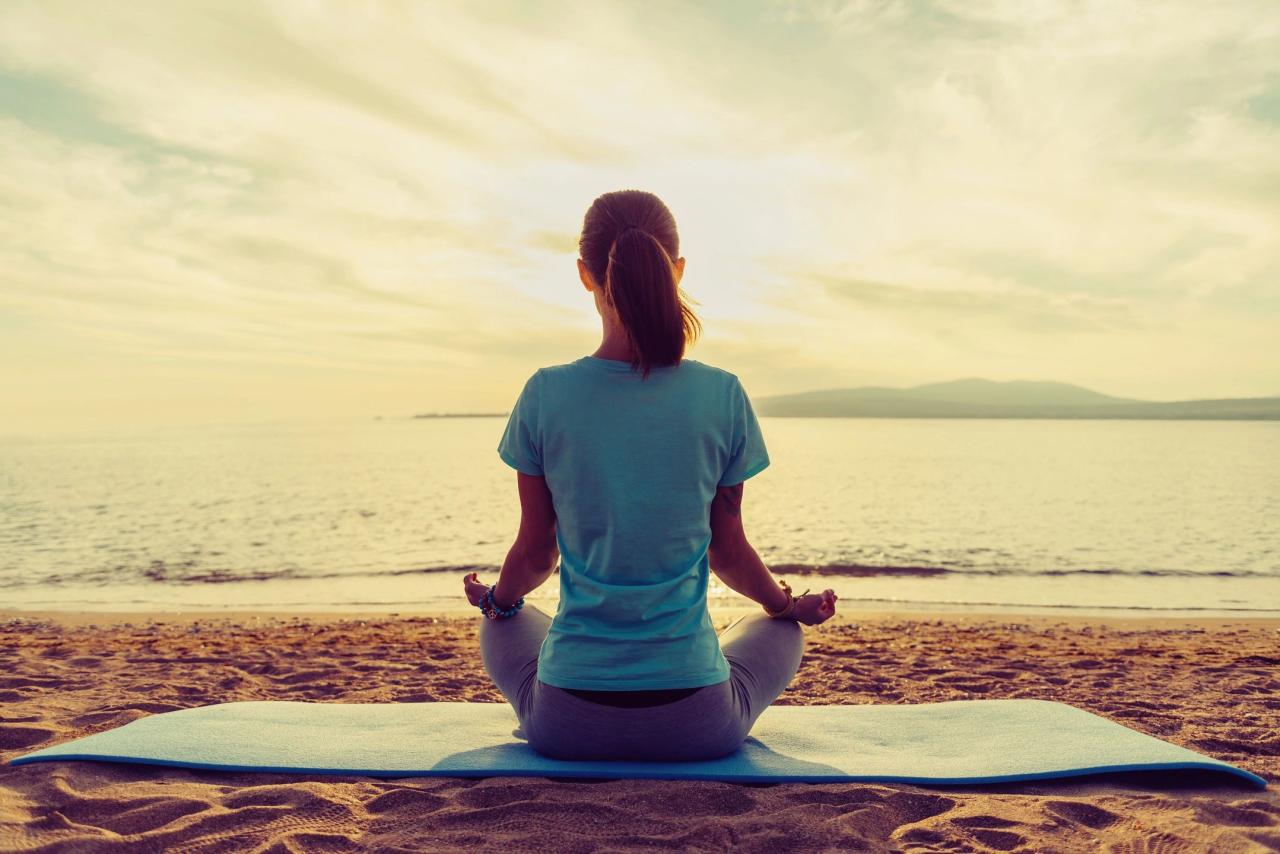
Post-game recovery is crucial for athletes, extending beyond physical restoration. Effective mental strategies, like meditation, play a vital role in managing the emotional rollercoaster of competition. These techniques can help athletes process emotions, reduce stress, and prepare for future challenges. This section delves into specific meditation methods tailored to the unique demands of a football game.Post-game meditation isn’t just about relaxation; it’s about harnessing the power of the present moment to release tension and cultivate a sense of calm.
Understanding and applying the following techniques can significantly improve an athlete’s overall recovery and performance.
Breathing Exercises for Calming the Body and Mind
Effective breathing techniques are fundamental to managing post-game stress. Controlled breathing directly impacts the autonomic nervous system, promoting relaxation and reducing anxiety. Consciously focusing on the breath anchors the individual in the present moment, reducing rumination on the game’s outcome. Deep, slow breaths bring oxygen to the body, releasing physical tension and promoting a sense of calm.
- Diaphragmatic Breathing: This technique involves deep inhalations that expand the diaphragm, drawing air deep into the lungs. Exhaling slowly and completely releases tension. This method promotes relaxation and reduces feelings of anxiety. Practicing this type of breathing for 5-10 minutes after a game can be highly effective in calming the body.
- Box Breathing: Inhale for a count of four, hold for a count of four, exhale for a count of four, and hold for a count of four. This rhythmic pattern creates a sense of calm and control. Box breathing is particularly useful for managing sudden spikes in anxiety or stress, common after intense competition.
- Alternate Nostril Breathing (Nadi Shodhana): This ancient technique involves inhaling through one nostril and exhaling through the other, creating a rhythmic flow of breath. This method fosters a sense of balance and promotes relaxation, facilitating a shift from a heightened state to a calmer one.
Guided Meditation Scripts Tailored to Specific Emotional States
Specific scripts can address the unique emotional landscape of a football game. For instance, a script focusing on gratitude can help players shift their focus from the outcome to the positive aspects of the experience. A script aimed at releasing frustration might encourage athletes to visualize the release of negative energy through their breath.
- Focusing on Gratitude: A guided meditation could prompt athletes to reflect on specific moments of the game that they are grateful for, such as the support of teammates or the opportunity to play. Focusing on the positive aspects of the experience helps shift the focus from potential disappointments to appreciation.
- Releasing Frustration: A script could encourage visualization of negative energy leaving the body with each exhale. The athlete could be guided to acknowledge the frustration without judgment, then to let it go, allowing a sense of peace to emerge.
Anchoring in the Present Moment
Techniques for anchoring in the present moment are vital for releasing lingering anxieties or frustrations. Mindfulness practices, such as paying attention to the sensations of the body, can help athletes ground themselves in the present. This is crucial for releasing any anxieties or frustrations associated with the game’s outcome.
- Mindful Body Scan: This involves systematically bringing awareness to different parts of the body, noticing any sensations without judgment. This technique helps athletes to connect with the present moment and release physical tension.
- Sensory Awareness: Focusing on the immediate environment – the sounds, smells, and textures around – helps to shift attention away from stressful thoughts and anchor the athlete in the present moment.
Incorporating Gratitude into Post-Game Meditation
Cultivating gratitude can shift the focus from the outcome of the game to the overall experience. Focusing on the positive aspects of the game – teamwork, personal effort, or even the experience of competition – fosters a more positive outlook.
- Reflecting on Positives: Encourage athletes to identify specific moments during the game where they felt proud of their performance, their teamwork, or their resilience. Focusing on these positive experiences helps cultivate gratitude.
- Prioritize consistency over duration. Aim for shorter, more frequent sessions (e.g., 5-10 minutes) rather than infrequent, lengthy ones. Short, regular practice sessions are more sustainable.
- Incorporate meditation into existing routines. If a morning run is part of the schedule, add a 5-minute meditation session before or after the run. If the athlete has a set time for relaxation, incorporate meditation during that period.
- Consider the athlete’s sleep schedule. Avoid meditating too close to bedtime, as it might interfere with sleep quality. Morning meditation can be beneficial for setting a calm and focused tone for the day.
- Flexibility is essential. Adjust the schedule as needed to accommodate unforeseen events or variations in the athlete’s daily routine.
- Establish a clear purpose for meditation. Understanding the benefits and linking meditation to desired outcomes (e.g., improved focus, reduced stress) can boost motivation.
- Use positive self-talk and affirmations. Remind oneself of the positive impact of meditation on physical and mental well-being. Positive self-talk can be a powerful motivator.
- Create a dedicated meditation space. A quiet, comfortable space can foster a sense of calm and encourage consistent practice. This dedicated space can be a small corner of a room or even a spot outdoors.
- Track progress and celebrate achievements. Note the positive changes in mood, focus, and stress levels. Recognizing these improvements can strengthen commitment to the practice.
- Time management techniques can be used to allocate time for meditation. Prioritize meditation as a non-negotiable part of the daily routine. Time blocking, scheduling, and task prioritization are effective tools.
- Find a meditation partner or join a group. Sharing the experience and supporting each other can enhance motivation and accountability. This can be a group of teammates, friends, or coaches.
- Experiment with different meditation styles. If one style isn’t working, try another. There are various types of meditation, and finding a style that resonates with the athlete is key.
- Schedule a regular check-in with a coach or therapist to discuss progress and address challenges. Regular support can be beneficial.
- Improved Attention Span: Meditation directly trains the mind to resist distractions, leading to a noticeable improvement in attention span. This enhanced focus translates into better learning and retention of training strategies and tactical insights.
- Enhanced Cognitive Flexibility: Meditation promotes mental flexibility, allowing athletes to adapt more readily to changing game situations. This adaptable mindset is critical for responding effectively to unexpected events and maintaining composure under pressure.
- Increased Creativity: By quieting the mental chatter, meditation can foster a more creative and innovative approach to problem-solving. Athletes can unlock new strategies and approaches by tapping into their inner resources.
- Stress Reduction: Meditation techniques, such as mindfulness and loving-kindness meditation, have been scientifically proven to reduce stress hormones in the body. This translates to a calmer and more focused state, improving performance and reducing the risk of injury.
- Emotional Regulation: By cultivating awareness of emotions without judgment, athletes can develop better emotional regulation skills. This crucial skill allows athletes to respond to challenging situations with greater composure and maintain a healthy emotional equilibrium.
- Enhanced Coping Mechanisms: Meditation helps athletes develop more effective coping mechanisms for dealing with adversity, frustration, and disappointment. This strengthens their ability to bounce back from setbacks and maintain motivation.
- Improved Self-Awareness: Meditation fosters a deeper understanding of one’s own emotions, motivations, and thought patterns. This heightened self-awareness allows athletes to identify potential triggers and manage their responses more effectively.
- Enhanced Empathy: Through practices like loving-kindness meditation, athletes can cultivate empathy and compassion, improving their ability to connect with and understand teammates and opponents.
- Better Communication: Increased self-awareness and emotional regulation contribute to improved communication skills. Athletes are better equipped to articulate their needs and concerns, fostering a more positive and productive team environment.
Breathing Exercise Table
| Breathing Exercise | Description | Benefits | Duration (approx.) |
|---|---|---|---|
| Diaphragmatic Breathing | Deep inhalations expanding the diaphragm | Relaxation, reduced anxiety | 5-10 minutes |
| Box Breathing | Inhale/hold/exhale/hold, each for 4 counts | Calmness, stress management | 5-10 minutes |
| Alternate Nostril Breathing | Inhaling/exhaling through alternating nostrils | Balance, relaxation | 5-10 minutes |
Integrating Meditation into a Routine
Integrating meditation into a daily routine is crucial for athletes seeking consistent mental and physical well-being. A structured approach, tailored to the athlete’s unique schedule and recovery needs, maximizes the benefits of meditation. This section provides practical strategies for incorporating post-game meditation into a regular routine, ensuring sustained practice and motivation.Effective integration hinges on recognizing the importance of meditation as an integral part of the recovery process.
Consistency, not intensity, is key to experiencing the transformative effects of meditation. By scheduling dedicated time and proactively addressing potential obstacles, athletes can seamlessly incorporate meditation into their daily routine.
Scheduling Meditation Time
A well-structured schedule, considering the athlete’s training regimen and recovery needs, is paramount. Time slots should be chosen that minimize distractions and maximize focus. Evening meditation, immediately after a game, can be ideal for addressing immediate stress and tension.
Maintaining Consistency and Motivation
Maintaining consistency and motivation are vital for reaping the long-term benefits of meditation. Athletes should develop strategies to overcome potential challenges and maintain their commitment to the practice.
Dealing with Obstacles to Consistent Practice
Recognizing and addressing potential obstacles to consistent meditation practice is critical for long-term success. These obstacles may include time constraints, lack of motivation, or distractions.
Sample Daily Schedules
The following table provides examples of daily schedules that incorporate post-game meditation, adapting to different training demands.
| Schedule | Morning | Afternoon | Evening | Post-Game |
|---|---|---|---|---|
| Schedule A | Workout, breakfast, meditation | Practice, lunch | Dinner, study/rest | Game, cool-down, meditation |
| Schedule B | Light workout, breakfast, meditation | Rest, light exercise, lunch | Dinner, team meeting | Game, cool-down, meditation |
| Schedule C | Workout, breakfast, meditation | Practice, lunch, recovery session | Dinner, homework, light exercise | Game, cool-down, meditation |
Addressing Specific Post-Game Challenges
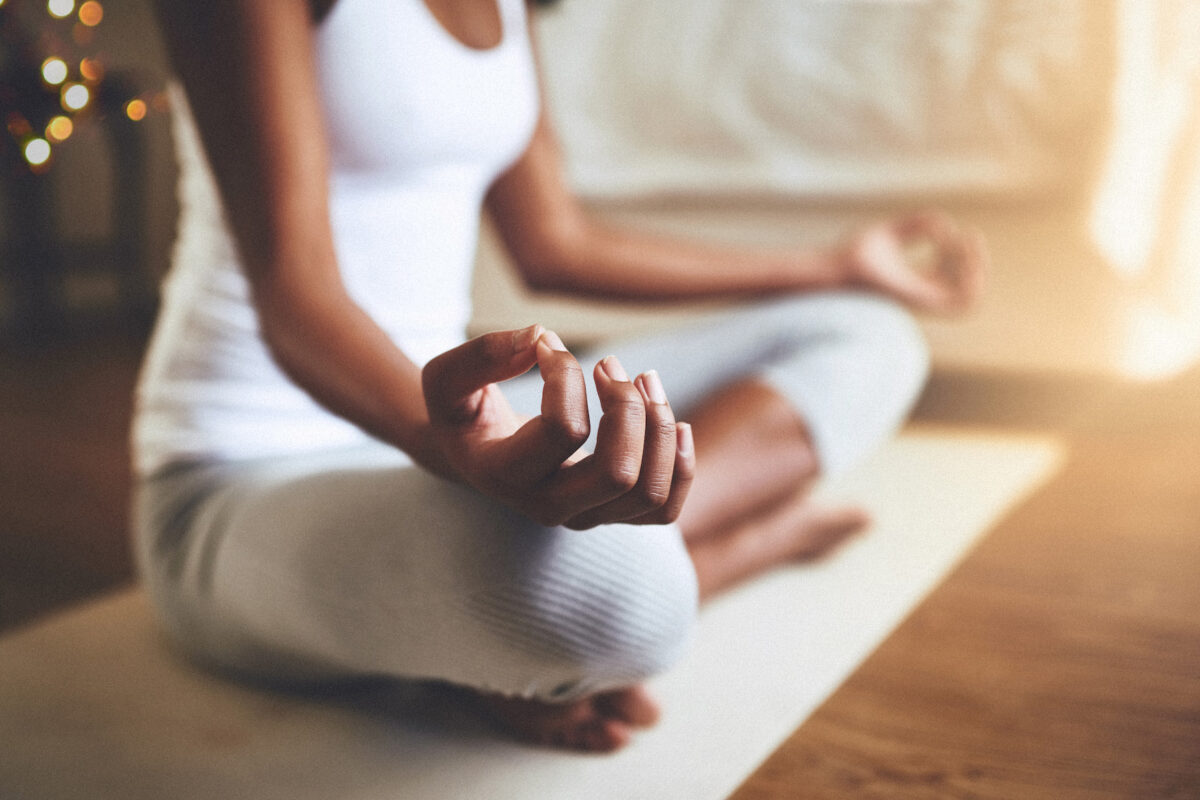
Navigating the emotional landscape of a competitive sporting event, whether victory or defeat, requires careful consideration. Post-game feelings can range from elation and pride to disappointment and frustration. Understanding these responses and developing effective strategies for managing them is crucial for athlete well-being and continued performance. This section will detail techniques for effectively managing diverse post-game emotions, from the sting of a loss to the exhilaration of a win.The post-game experience is a unique opportunity for growth and learning.
The strategies Artikeld here can help athletes process their emotions constructively, fostering resilience and a positive outlook, irrespective of the outcome.
Managing Disappointment and Frustration After a Loss
A loss, especially in a highly competitive environment, can evoke a powerful range of negative emotions. Learning to process these feelings constructively is key to moving forward. Meditation, with its emphasis on self-awareness and acceptance, provides a powerful tool for this process.Focusing on the aspects of the game that were within their control, rather than dwelling on external factors or blaming teammates, can be a crucial step in managing disappointment.
Acknowledging the effort expended and the lessons learned, even from setbacks, is critical.
Maintaining Composure and Positivity After a Win
Victory, while exhilarating, can also present its own set of challenges. Maintaining composure and preventing an over-celebration, or conversely, a lack of appreciation, is crucial for sustained motivation. Meditation can help to ground athletes in the present moment, preventing excessive elation from clouding judgment or perspective.Recognizing the team’s collective efforts and the importance of preparation and hard work is key to fostering a sustainable sense of accomplishment and motivation.
Maintaining a balanced perspective, acknowledging the challenges overcome, and crediting the contributions of others, all contribute to a positive, sustainable mindset.
Managing the Emotional Rollercoaster of a Highly-Competitive Game
Highly-competitive games often involve intense pressure and fluctuating emotions. These games can be characterized by periods of high excitement, intense focus, and sudden shifts in momentum. Athletes may experience periods of exhilaration followed by moments of frustration or anxiety.Meditation provides a valuable tool for managing these fluctuations. Practicing techniques that promote mindfulness and self-regulation can help athletes navigate these emotional peaks and valleys with greater ease.
The ability to stay present and respond rather than react to external stimuli is crucial.
How Meditation Helps Athletes Cope with Pressure and Expectations
Pressure and expectations are inherent in competitive sports. The potential for failure or disappointment can be a significant source of stress. Meditation provides a powerful mechanism to counteract this stress. Through consistent practice, athletes can cultivate inner calm and resilience.Meditation allows athletes to approach challenges with a sense of composure and focus. By developing a stronger understanding of their own internal states, athletes can respond to pressure with greater clarity and control, rather than reacting impulsively.
A deeper understanding of one’s inner landscape can help to manage the external pressures more effectively.
Common Post-Game Emotions and Meditation Strategies
| Common Post-Game Emotion | Corresponding Meditation Strategy |
|---|---|
| Disappointment (Loss) | Focus on self-compassion, acknowledging effort and learning. Mindfulness meditation to accept the outcome and move forward. |
| Exhilaration (Win) | Grounding meditation to appreciate the moment and team effort without losing focus. Mindfulness to prevent over-celebration and maintain perspective. |
| Anxiety (High-Pressure Game) | Mindfulness breathing exercises to calm the nervous system. Body scan meditation to release physical tension. |
| Frustration (Loss or setbacks) | Acceptance meditation, focusing on what is within control and acknowledging the experience. Visualization meditation to imagine a positive outcome. |
| Elation (Win) | Gratitude meditation to acknowledge the team’s efforts. Mindfulness meditation to maintain focus and prevent emotional swings. |
Long-Term Benefits of Meditation
Embarking on a regular meditation practice offers a wealth of advantages for athletes, extending far beyond the immediate post-game period. The consistent cultivation of mindfulness and self-awareness fosters a profound impact on mental and physical well-being, ultimately enhancing performance and resilience. These benefits are not fleeting; they are foundational to long-term athletic success.
Mental Benefits for Enhanced Focus and Concentration
Regular meditation cultivates mental clarity and focus, essential for athletes in high-pressure situations. Sustained attention and concentration are significantly improved through consistent practice. This enhancement translates to sharper decision-making, better tactical awareness, and improved performance under pressure. The ability to maintain focus during demanding training sessions or high-stakes competitions becomes more attainable.
Resilience and Stress Management
Meditation plays a crucial role in developing mental resilience. It equips athletes with the tools to navigate challenges and setbacks with greater composure. Regular practice builds a stronger foundation for coping with stress, anxiety, and pressure, ultimately contributing to enhanced performance and reduced risk of burnout.
Emotional Intelligence and Performance
Meditation cultivates emotional intelligence, enabling athletes to understand and manage their emotions effectively. This translates to better communication with teammates, improved leadership skills, and enhanced rapport with coaches. Ultimately, emotional intelligence positively influences teamwork, cooperation, and motivation.
Impact on Performance and Well-being
Numerous case studies demonstrate the positive impact of meditation on athletes’ performance and well-being. In one study, a group of professional basketball players who incorporated meditation into their routine reported a significant improvement in their ability to focus and perform under pressure. Other studies have shown a correlation between meditation practice and a reduction in anxiety and improved sleep quality.
These examples underscore the potential for meditation to enhance both mental and physical performance.
Correlation between Meditation Frequency and Improvements
| Meditation Frequency | Stress Response Improvement | Emotional Intelligence Improvement |
|---|---|---|
| Daily | Significant reduction in stress hormones, improved stress response | Higher levels of self-awareness, empathy, and emotional regulation |
| Weekly | Moderate reduction in stress hormones, improved stress response | Improved emotional awareness, improved interpersonal skills |
| Monthly | Slight reduction in stress hormones, potential for improved stress response | Limited improvement in emotional awareness, slight improvement in interpersonal skills |
Wrap-Up
In conclusion, incorporating meditation into post-game recovery is a powerful strategy for athletes to manage stress, enhance emotional regulation, and ultimately improve performance and overall well-being. By understanding the science behind post-game stress, practicing various meditation techniques, and integrating them into a structured routine, athletes can cultivate mental resilience and optimize their recovery process. This guide provides a roadmap to navigate the complexities of post-game emotions and achieve lasting benefits.