Unlocking the power of mindfulness for enhanced workout discipline is the focus of this guide. Meditation, often associated with relaxation, can surprisingly become a potent tool for optimizing physical performance. By harnessing the mental clarity and focus that meditation cultivates, individuals can experience improved motivation, resilience, and pain management during workouts. Consistent practice, therefore, is key to transforming your approach to exercise.
This exploration will delve into various meditation techniques, from focused attention to loving-kindness meditation, highlighting their unique benefits for workout focus. We will also examine practical applications, showing you how to integrate meditation into your pre-workout, in-workout, and post-workout routines. The guide will also address potential challenges and strategies for maintaining consistency, making meditation an integral part of your overall fitness journey.
Introduction to Meditation for Workout Discipline
Meditation, at its core, is a practice of training the mind to focus and achieve a state of mental clarity and calmness. This focus can be applied to various aspects of life, including improving workout discipline. The benefits extend beyond simply feeling relaxed; meditation can enhance concentration, reduce stress, and improve emotional regulation, all crucial elements in maintaining a consistent workout routine.
By cultivating mindfulness, meditation can empower individuals to approach their workouts with greater focus and intention, leading to more effective and enjoyable training sessions.Meditation’s impact on workout discipline stems from its ability to foster mindfulness. Mindfulness is the present-moment awareness of one’s thoughts, feelings, and sensations without judgment. During workouts, this heightened awareness allows athletes to fully engage with the physical sensations of their bodies, enabling them to better gauge their exertion levels and make necessary adjustments.
Furthermore, by quieting the mental chatter, meditation reduces distractions, enabling individuals to focus on the task at hand – performing the workout with intention and discipline. This enhanced focus translates directly into improved performance. Mental preparation is fundamental to physical performance, and meditation serves as a powerful tool to prepare the mind for the demands of exercise.
The Link Between Mindfulness and Workout Focus
Mindfulness, cultivated through meditation, plays a pivotal role in maintaining focus during workouts. When the mind is attuned to the present moment, distractions are minimized, allowing for a deeper engagement with the exercise. This heightened awareness can lead to more efficient form, increased intensity, and ultimately, better results. For instance, a runner practicing mindfulness during a training session can be more attuned to their body’s signals, preventing injuries and optimizing their pace.
By recognizing and acknowledging the physical sensations without judgment, they can adjust their exertion levels accordingly, leading to improved performance.
Importance of Mental Preparation for Physical Performance
Mental preparation is an essential component of achieving optimal physical performance. A clear mind allows for a more focused approach to the workout, leading to improved technique, increased endurance, and greater motivation. Meditation serves as a valuable tool to cultivate this mental preparedness. By reducing stress and anxiety, meditation helps to create a calm and centered state of mind, enabling individuals to approach their workouts with a greater sense of control and confidence.
A study by the American Psychological Association, for example, found a correlation between stress reduction and improved physical performance. By establishing a pre-workout routine incorporating meditation, athletes can enhance their mental and physical readiness.
Strategies for Incorporating Meditation into Workouts
Developing a routine that combines meditation with workouts can enhance the effectiveness of both practices. A structured pre-workout meditation can help prepare the mind for the physical demands of the session, while a post-workout meditation can aid in recovery and relaxation. The duration and technique of meditation can be adjusted based on individual needs and preferences.
- Pre-Workout Meditation: This brief session, ideally 5-10 minutes long, can help set the tone for the workout. Focus on deep breathing and bringing awareness to your body’s sensations. This practice can reduce anxiety, improve focus, and increase your determination to push through challenges during your workout.
- Post-Workout Meditation: A post-workout meditation can promote relaxation and aid in muscle recovery. It allows for reflection on the session and helps to integrate the experience into your overall well-being.
Types of Meditation for Workout Focus
Meditation offers a powerful toolkit for enhancing workout discipline. Beyond simply relaxing, various meditation techniques can cultivate focus, mental resilience, and emotional regulation, all crucial for consistent and effective workouts. By understanding these techniques, individuals can tailor their practice to optimize their performance and experience.
Focused Attention Meditation
Focused attention meditation involves directing your awareness to a single point, such as your breath, a mantra, or a visual object. This technique strengthens the ability to maintain concentration and resist distractions. Practicing this form of meditation can improve the capacity to stay present during workouts, helping you to execute exercises with greater precision and consistency. For example, an athlete focusing on their breath during a high-intensity interval training (HIIT) workout can maintain a steady pace and avoid getting overwhelmed by exertion.
Open Monitoring Meditation
Open monitoring meditation involves observing your thoughts, feelings, and sensations without judgment. This non-reactive approach cultivates awareness of your internal experience, allowing you to identify and manage mental chatter or distractions that can derail your workout. During a challenging weightlifting session, an individual practicing open monitoring can notice feelings of fatigue or discomfort without getting discouraged, enabling them to push through to completion.
Loving-Kindness Meditation
Loving-kindness meditation, also known as metta meditation, involves cultivating feelings of loving-kindness and compassion towards oneself and others. This practice can foster a sense of inner peace and emotional stability, contributing to a more positive and resilient approach to workouts. This approach can be beneficial for individuals who struggle with self-criticism or negative self-talk during workouts, fostering a more supportive and compassionate inner dialogue.
Developing a feeling of compassion towards oneself and others during a demanding workout can provide a sense of support and encouragement, helping to sustain motivation and perseverance.
Comparison of Techniques
| Meditation Technique | Focus | Potential Benefits for Workout Discipline |
|---|---|---|
| Focused Attention | Maintaining concentration on a single point (e.g., breath, mantra) | Improved focus during exercises, reduced distraction, enhanced precision and consistency. |
| Open Monitoring | Observing thoughts and sensations without judgment | Enhanced awareness of internal states (e.g., fatigue, discomfort), improved ability to manage distractions, greater resilience. |
| Loving-Kindness | Cultivating feelings of compassion and loving-kindness towards oneself and others | Increased emotional stability, reduced self-criticism, fostering a supportive inner dialogue during challenging workouts. |
Practical Application of Meditation During Workouts

Integrating meditation into your workout routine can significantly enhance your experience, fostering greater focus, resilience, and pain management. By consciously connecting with your mind and body during exercise, you can unlock a deeper level of performance and well-being. This approach transcends simple physical exertion; it cultivates a holistic approach to fitness.
Pre-Workout Meditation
Pre-workout meditation establishes a mental and emotional foundation for your workout. It allows your mind to transition from daily anxieties to a focused state conducive to physical activity. A calm and centered mind will lead to a more effective and enjoyable workout.
- Setting the Intention: Begin by setting a clear intention for your workout. Whether it’s building strength, improving endurance, or simply enjoying the process, consciously defining your goal anchors your mind to the task at hand. This intention-setting process can be achieved through a few moments of reflection, visualizing the desired outcome, or repeating a short affirmation.
- Mindful Body Scan: A mindful body scan before exercise can help you connect with your physical sensations. Gently bring your awareness to different parts of your body, noticing any tension or discomfort without judgment. This process helps you tune into your body’s needs and signals, optimizing your workout for your current state.
- Focusing on the Breath: Several deep, conscious breaths can help to calm the nervous system and prepare the body for physical exertion. Concentrate on the sensation of the air entering and leaving your lungs, creating a sense of grounding and focus. This technique can be a powerful way to transition into a more receptive state.
Meditation During Exercise
Maintaining focus during exercise is crucial for optimal performance. Meditation techniques can be adapted to help manage distractions and maintain concentration throughout your workout.
- Anchoring to the Movement: As you exercise, consciously anchor your attention to the physical sensations of your movements. Pay attention to the feeling of your muscles contracting and relaxing, the rhythm of your breathing, and the flow of your body’s energy. This focus prevents your mind from wandering to external distractions.
- Responding to Distractions: When your mind wanders, gently redirect your attention back to your chosen focus, whether it’s the rhythm of your running or the sensation of your muscles working. This process, often described as “returning to the breath,” is a crucial aspect of maintaining mental clarity and focus during exercise.
- Cultivating Present Moment Awareness: Practice staying fully present in the experience of the workout. Let go of past anxieties and future worries, allowing yourself to immerse in the current moment. This awareness of the present moment allows you to fully appreciate the experience and stay engaged.
Managing Pain and Discomfort
Meditation can be an invaluable tool for managing pain and discomfort during workouts. By cultivating awareness and acceptance, you can navigate physical challenges with greater resilience.
- Mindful Observation of Pain: When pain arises, acknowledge its presence without judgment. Observe the sensations in your body, recognizing the physical experience without getting carried away by negative emotions. This mindful observation can help you develop a more balanced perspective.
- Mindfulness as a Pain Reliever: Focusing on your breath and the sensations in your body can help shift your attention away from the discomfort. By redirecting your focus to something neutral and calming, the perceived intensity of the pain may decrease. This practice can help to lessen the impact of physical sensations.
- Acceptance and Compassion: Acknowledge that pain is a natural part of the process. Treat yourself with kindness and compassion, remembering that you are doing your best. This perspective allows you to move through the discomfort more effectively and appreciate the effort you are putting into your workout.
Increasing Motivation and Resilience
Meditation fosters a strong sense of self-awareness and inner strength. This translates to greater motivation and resilience during workouts.
- Cultivating Self-Compassion: Develop a sense of self-compassion, recognizing that setbacks and challenges are part of the process of growth. Meditation encourages a kinder, more supportive inner dialogue, motivating you to push through difficult moments.
- Building Mental Toughness: Meditation builds mental strength, allowing you to handle challenging situations during your workouts with greater ease. The ability to focus and stay present in difficult moments translates to a more resilient attitude, empowering you to continue working towards your goals.
- Harnessing Intrinsic Motivation: Meditation encourages you to connect with your inner drive and purpose. Understanding your values and motivations fosters a deeper sense of intrinsic motivation, helping you to maintain your commitment to your workout routine.
Integrating Meditation into a Workout Routine
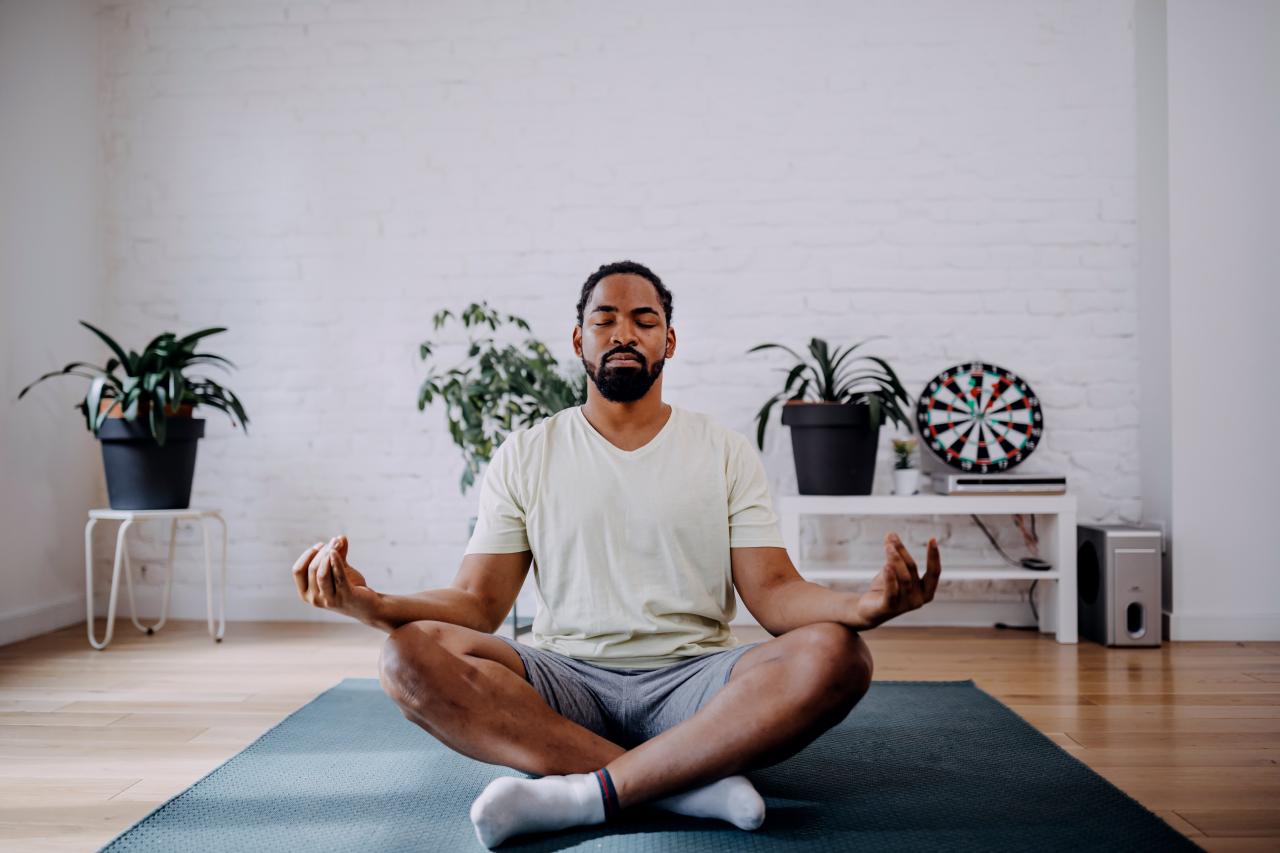
Integrating mindful meditation into your workout routine can significantly enhance your performance and overall well-being. By cultivating mental clarity and focus, meditation fosters a deeper connection with your body, leading to more effective workouts and a greater appreciation for the process. This connection allows you to listen to your body’s signals and adjust your workouts accordingly.Consistent practice of meditation before, during, and after workouts creates a holistic approach to fitness, nurturing both physical and mental strength.
This holistic approach is particularly beneficial for individuals seeking to develop lasting workout discipline.
Methods for Integrating Meditation into a Daily Workout Schedule
Integrating meditation into your daily workout schedule requires careful planning and consistent effort. The key is to make meditation a natural part of your routine, not an additional task. Start with short sessions and gradually increase the duration as you become more comfortable. Consider incorporating meditation into your existing workout structure, making it an integral part of your fitness journey.
- Pre-Workout Meditation: Setting a focused mindset before a workout is crucial for optimal performance. A few minutes of pre-workout meditation can help you center yourself, reduce anxiety, and improve focus. This mental preparation allows you to approach your workout with intention and clarity, leading to a more effective and enjoyable experience.
- In-Workout Meditation: During your workout, especially during high-intensity periods, meditation can help you stay grounded and present. It can help you maintain awareness of your body’s sensations and adjust your pace accordingly. Focusing on your breath during challenging moments can help regulate your heart rate and reduce feelings of strain.
- Post-Workout Meditation: Post-workout meditation promotes recovery and relaxation. This period is crucial for allowing your body to return to a state of equilibrium. Post-workout meditation can help you reflect on your performance, process any feelings of accomplishment or frustration, and prepare for your next workout.
Sample Workout Routine Incorporating Meditation
A sample workout routine incorporating meditation demonstrates the practicality of integrating meditation into your daily workout schedule. This routine is adaptable and can be tailored to your specific needs and preferences.
| Time | Activity | Duration | Description |
|---|---|---|---|
| 7:00 AM | Pre-Workout Meditation | 5 minutes | Focus on breath and body awareness. Visualize a positive workout experience. |
| 7:05 AM | Warm-up (Light cardio, stretching) | 10 minutes | Prepare your body for the main workout. |
| 7:15 AM | Strength Training (3 sets of 8-12 repetitions per exercise) | 45 minutes | Focus on controlled movements and proper form. |
| 8:00 AM | In-Workout Meditation | 2 minutes | Focus on your breath during high-intensity exercises. |
| 8:05 AM | Cool-down (Stretching and light cardio) | 10 minutes | Bring your body back to a resting state. |
| 8:15 AM | Post-Workout Meditation | 5 minutes | Reflect on your workout. Acknowledge your efforts and celebrate your progress. |
| 8:20 AM | Hydration and nutrition | 10 minutes | Replenish your body with essential nutrients. |
Strategies for Overcoming Challenges and Maintaining Consistency
Maintaining consistent meditation practice requires commitment and patience. Challenges are inevitable, but strategies exist to overcome them and foster long-term consistency.
- Consistency is Key: Establish a regular schedule and stick to it as closely as possible. Consistency builds a habit, making meditation an integral part of your routine. Even short, daily sessions are more effective than infrequent, lengthy ones.
- Finding a Supportive Environment: Find a quiet space conducive to meditation and eliminate distractions. Creating a dedicated space helps you associate meditation with a calming environment. If possible, consider practicing with a friend or in a group to increase motivation and accountability.
- Patience and Self-Compassion: Meditation is a journey, not a destination. Be patient with yourself and accept that there will be days when you may not feel motivated. Practice self-compassion, acknowledge your efforts, and focus on progress rather than perfection.
Overcoming Challenges in Meditation for Workout Discipline

Cultivating a consistent meditation practice, particularly during workouts, can be challenging. External distractions and internal struggles can disrupt focus and hinder progress. However, understanding these obstacles and employing effective strategies can significantly improve your ability to integrate meditation into your routine for enhanced workout discipline. This section explores common hurdles and actionable techniques for overcoming them.
Identifying Common Obstacles
Maintaining focus during a workout session can be difficult, even for experienced meditators. External factors like noisy environments or distractions from other people or activities can be disruptive. Internal challenges such as racing thoughts, physical discomfort, or emotional fluctuations further complicate the process. Recognizing these potential pitfalls is the first step toward mitigating their impact.
Strategies for Managing Distractions
Distractions are inevitable, but they don’t have to derail your meditation. Developing strategies to manage them is crucial. A quiet space, if possible, can minimize environmental interruptions. Furthermore, employing mindfulness techniques to acknowledge and release distractions without judgment is beneficial. This involves consciously redirecting attention back to the breath or chosen focus point.
Managing Negative Thoughts and Feelings
Negative thoughts and feelings can arise during meditation, especially during workouts when physical exertion and mental focus are heightened. Acknowledging these thoughts and feelings as passing mental events, without getting caught up in them, is key. Visualization exercises, where you imagine a calm and peaceful scene, can also help shift your perspective and cultivate a more positive inner state.
It’s important to remember that these moments of negativity are normal and part of the process of self-discovery.
Maintaining Consistent Practice
Consistency is key to reaping the benefits of meditation for workout discipline. Establishing a regular meditation schedule, even if it’s just for a few minutes each day, helps build a routine. Pairing meditation with specific workouts or time slots can further reinforce the habit. Tracking progress, whether through journaling or a simple checklist, can provide motivation and demonstrate tangible results.
Additionally, finding a supportive community or mentor can offer encouragement and accountability.
Meditation for Specific Workout Disciplines

Cultivating a mindful approach to exercise can significantly enhance your workout experience and overall fitness journey. By integrating meditation techniques tailored to specific workout types, you can optimize focus, manage intensity, and foster a deeper connection with your body’s responses during various activities. This approach extends beyond simply preparing for a workout; it’s about becoming more attuned to your body’s needs and limits throughout the entire process.Meditation, when adapted to different workout styles, becomes a powerful tool for achieving workout discipline.
By adjusting focus and breathwork, practitioners can experience increased mental clarity and physical control, leading to more effective and satisfying workouts. This section delves into how to tailor meditation for strength training, cardio, and yoga, highlighting the unique benefits and techniques associated with each.
Strength Training
Meditation for strength training focuses on building mental resilience and maintaining concentration throughout challenging sets. The mind-body connection is crucial here; visualizing the muscles contracting and releasing, and maintaining a steady breath, creates a sense of control and power. This allows you to push your limits without succumbing to fatigue or mental distractions.
- Mindful Muscle Engagement: Instead of rushing through sets, focus on the specific muscles you’re working. Feel the tension and release in each repetition, bringing your awareness to the precise movement. This awareness enhances the effectiveness of the exercise, fostering a deeper connection with your body.
- Visualization Techniques: Visualize the muscles growing stronger with each rep. Imagine the desired form and the weight or resistance you are lifting. This technique builds confidence and mental fortitude, pushing you beyond perceived limitations.
- Breath Control: Maintain a consistent breath throughout the workout, matching the rhythm of your movements. Inhale as you initiate the lift, exhale as you release. This synchronicity between breath and action enhances focus and control, helping you maintain proper form.
Cardio
Meditation for cardio helps regulate intensity and manage perceived exertion. This approach enhances endurance by promoting a calm, focused mind amidst physical exertion. Focusing on the rhythm of your breath, coupled with visualizing a positive mental state, can greatly improve your stamina and overall cardio performance.
- Breath-Based Focus: Focus on the rhythm of your breath as you run, cycle, or swim. This helps regulate your pace and maintain a steady rhythm. Counting breaths can be a helpful technique.
- Mental Imagery: Visualize yourself effortlessly sustaining your chosen pace. Positive self-talk and visualizations of smooth, powerful movements can increase motivation and endurance.
- Acceptance of Effort: Acknowledge the effort required, without judgment. Focus on the present moment, the sensation of your body moving, and the flow of your breath. This acceptance helps prevent mental fatigue and allows for consistent effort.
Yoga
Meditation in yoga goes beyond the physical postures. It’s about connecting with your breath, enhancing flexibility, and cultivating a deep sense of stillness. By merging meditation with the physical movements of yoga, you can enhance the mindfulness aspect of the practice and achieve deeper relaxation and mental clarity.
- Mindful Movement: As you move through asanas (postures), bring awareness to the sensations in your body. Feel the stretch and flexibility as you hold each pose, observing without judgment.
- Breath Awareness: Coordinate your breath with your movements, paying close attention to how your breath changes with each pose. This heightened awareness creates a deeper connection between mind and body.
- Mindfulness during Restorative Poses: In restorative poses, cultivate a sense of stillness and stillness. Allow yourself to completely relax into the pose, focusing on the present moment without judgment.
Long-Term Benefits of Meditation for Workout Discipline

Incorporating meditation into your workout routine offers profound long-term advantages, extending far beyond immediate physical benefits. Consistent practice cultivates a deeper connection with your body and mind, leading to lasting improvements in motivation, stress management, and overall well-being. This, in turn, fosters a stronger commitment to your fitness goals.Consistent meditation practice fosters a stronger mind-body connection, which is crucial for sustaining long-term fitness routines.
This connection allows you to better understand your body’s signals, listen to your inner voice, and make informed choices about your workouts.
Increased Motivation and Reduced Stress
Regular meditation cultivates a sense of inner peace and clarity, which significantly impacts motivation. By quieting the mental chatter and reducing stress hormones, meditation allows you to approach your workouts with a renewed sense of purpose and enthusiasm. This increased motivation translates to a higher likelihood of sticking to your workout schedule, even when faced with challenges. Stress reduction also positively influences your physical performance, allowing you to push your limits without the hindering effects of anxiety.
Individuals who regularly meditate often report a more positive outlook on their workouts, making the process more enjoyable and sustainable.
Positive Impact on Overall Well-being and Physical Performance
Meditation’s positive effects extend beyond workout discipline, impacting overall well-being. Studies have shown a correlation between regular meditation and improved sleep quality, reduced anxiety, and increased emotional regulation. These benefits positively influence your ability to recover from workouts and maintain a healthy lifestyle. Furthermore, meditation enhances focus and concentration, allowing you to execute workouts with greater precision and efficiency.
Improved mental clarity during workouts can lead to better form, improved technique, and enhanced results.
Improved Long-Term Commitment to Workout Routines
Meditation plays a pivotal role in fostering long-term commitment to workout routines. By developing self-awareness and a greater understanding of your inner motivations, meditation empowers you to make conscious choices that align with your fitness goals. The ability to manage stress and stay focused on your objectives significantly reduces the likelihood of abandoning your routine. This translates to sustained progress and the achievement of long-term fitness goals.
Meditation equips you with the mental tools necessary to overcome plateaus and maintain momentum in your workout journey.
Summary
In conclusion, this guide has presented a comprehensive approach to using meditation to enhance workout discipline. By understanding different meditation techniques, incorporating them into your workout routine, and addressing potential challenges, you can significantly improve your focus, motivation, and overall well-being during your fitness journey. This holistic approach emphasizes the interconnectedness of mind and body, providing a framework for achieving long-term fitness goals with enhanced mental clarity and resilience.