Embark on a journey to discover the harmonious blend of mindfulness and physical exertion through the practice of meditation while jumping rope. This innovative approach combines the ancient wisdom of meditation with the invigorating rhythm of jumping rope, offering a unique pathway to enhance both physical and mental well-being. Exploring the potential benefits of this integrated practice promises a rewarding experience for individuals seeking a holistic approach to self-improvement.
This comprehensive guide delves into the historical context of meditation and exercise, examining the philosophical underpinnings of merging mindfulness with physical activity. We’ll explore diverse techniques for integrating meditation into your jumping rope routine, providing practical applications for focusing on physical sensations, rhythm, and thoughts without judgment. Addressing potential challenges and offering variations and adaptations, this guide empowers you to personalize your journey toward a more balanced and fulfilling life.
Introduction to the Practice
Meditation, a practice rooted in ancient traditions, involves focusing the mind to achieve a state of mental clarity and emotional calmness. Jumping rope, a dynamic form of exercise, enhances cardiovascular health and improves physical coordination. Combining these two seemingly disparate activities creates a unique practice, “Jumping Rope Meditation,” which integrates mindfulness with physical exertion. This approach promises a holistic enhancement of well-being, offering both mental and physical benefits.This innovative approach draws upon the established wisdom of meditation while incorporating the physical engagement of jumping rope.
The integration of these two practices leverages the synergistic effect of combining mental focus with physical activity. By synchronizing breath with movements, practitioners cultivate a deeper connection between mind and body.
Overview of Meditation and Jumping Rope
Meditation, in its various forms, has been practiced for millennia. From Buddhist mindfulness to Hindu yoga practices, meditation aims to quiet the mind’s chatter, fostering a sense of inner peace and self-awareness. Jumping rope, a simple yet effective exercise, has been a staple in physical training for centuries. Its repetitive movements, when combined with a focused mind, provide an exceptional physical workout.
Potential Benefits of Combining the Two Activities
The combination of meditation and jumping rope yields a unique set of benefits. The physical exertion of jumping rope, coupled with the mental focus of meditation, can lead to improved cardiovascular health, enhanced physical coordination, and a heightened sense of well-being. It can foster a deeper connection between the mind and body, promoting a more balanced approach to overall health and wellness.
This approach has the potential to become a powerful tool for stress reduction and improving mental clarity.
Historical Context of Meditation and Exercise
The practice of meditation has a rich history, spanning various cultures and traditions. Ancient yogic texts and Buddhist scriptures provide detailed accounts of meditation techniques. Similarly, exercise, in its various forms, has been integral to human health and well-being throughout history. From ancient athletic competitions to modern fitness routines, physical activity has always been valued for its physical and mental benefits.
Philosophical Underpinnings
The integration of mindfulness and physical activity in Jumping Rope Meditation draws upon the philosophical concept of unity between mind and body. The act of focusing on the present moment during meditation aligns with the focused exertion of jumping rope. This approach fosters a sense of presence and awareness, both in the physical movements and in the mental state.
Comparison of Meditation Methods
| Method | Description | Benefits |
|---|---|---|
| Traditional Meditation | Various techniques, including focused attention on breath, visualization, or mantras, to calm the mind and achieve a state of mental clarity. | Reduced stress, improved focus, emotional regulation, increased self-awareness. |
| Jumping Rope Meditation | Combines the physical exertion of jumping rope with the mental focus of meditation. Practitioners synchronize their breath with the rhythmic movements of the rope, fostering a deep connection between mind and body. | Improved cardiovascular health, enhanced physical coordination, reduced stress, improved mental clarity, and deeper body awareness. |
Techniques for Integrating Meditation with Jumping Rope
Integrating meditation with jumping rope offers a powerful synergy, enhancing both physical and mental well-being. This practice combines the cardiovascular benefits of jumping rope with the mindfulness techniques of meditation, leading to a holistic approach to fitness and mental clarity. This approach cultivates focus, reduces stress, and fosters a deeper connection with the body and mind.This section explores diverse techniques for seamlessly integrating meditation into a jumping rope routine, focusing on breathing, movement, and mindful awareness.
By thoughtfully combining these elements, practitioners can achieve a more profound and enriching experience.
Breathing Techniques for Jumping Rope Meditation
Proper breathing is crucial for both physical performance and mental focus during jumping rope meditation. Different breathing techniques can be tailored to specific needs and preferences. A consistent rhythm in breathing and movement synchronizes the mind and body, fostering a sense of calm and control.
- Diaphragmatic Breathing: This technique involves deep, slow inhalations and exhalations, focusing on the expansion and contraction of the diaphragm. By consciously engaging the diaphragm, practitioners can enhance oxygen intake, promoting a sense of calmness and reducing stress. For example, during each jump, inhale deeply, and exhale as you land.
- Alternate Nostril Breathing (Nadi Shodhana): This ancient yogic practice involves alternating the flow of breath through the nostrils. By focusing on the breath transitioning between nostrils, practitioners can cultivate a sense of tranquility and balance. Incorporate this technique by inhaling through one nostril and exhaling through the other, coordinating with the rhythm of the jumps.
- Counting Breaths: A simple yet effective technique, counting breaths during jumping rope helps maintain focus and awareness. Counting each inhale and exhale can anchor the mind, preventing it from wandering and promoting a sense of grounded presence.
Mindful Movements During Jumping Rope
Mindful movement during jumping rope involves paying attention to the sensations and actions associated with the exercise. This technique enhances awareness of the body in motion, creating a profound connection between the mind and the physical practice.
- Awareness of Body Posture: Pay close attention to the alignment of your spine, shoulders, and core during each jump. A stable posture ensures efficient movement and prevents unnecessary strain. For example, maintain a neutral spine throughout the exercise to avoid back pain and to optimize the benefits of the exercise.
- Feel the Rope: Notice the feeling of the rope passing through your hands, its weight, and the resistance it offers. This awareness deepens the connection with the physical activity, adding a meditative dimension. For instance, feel the rhythm and the resistance of the rope as it connects with your hands.
- Sensing the Impact: Pay attention to the impact of your feet on the ground with each jump. By noticing the sensations, practitioners can develop a greater awareness of their physical presence and the flow of energy.
Styles of Meditation and their Application to Jumping Rope
Various meditation styles can be adapted to jumping rope, each with its own unique benefits.
- Mindfulness Meditation: Mindfulness meditation focuses on present-moment awareness. By directing attention to the sensations of jumping, rope, and breathing, practitioners can cultivate a sense of presence and reduce stress. This style enhances awareness of the present moment during each jump.
- Vipassanā Meditation: Vipassanā meditation emphasizes observing the reality of experience without judgment. Applying this style to jumping rope involves observing the thoughts, emotions, and sensations arising during the exercise without reacting to them. This can help practitioners develop detachment from mental chatter.
- Transcendental Meditation (TM): TM utilizes a specific mantra to quiet the mind. Integrating TM with jumping rope can lead to a deeper state of relaxation and focus, enhancing the benefits of both practices. This approach is a more advanced technique and may take some time to integrate into the jumping rope routine.
Step-by-Step Guide for Beginners
This guide provides a structured approach for beginners to integrate meditation and jumping rope.
- Find a Quiet Space: Choose a calm environment free from distractions.
- Warm-up: Perform light cardio exercises for 5-10 minutes to prepare the body.
- Establish a Breathing Pattern: Choose a breathing technique and practice it for a few minutes.
- Begin Jumping Rope: Start with a moderate pace and focus on your breathing.
- Incorporate Mindful Movements: Pay attention to your body posture, the rope, and the impact.
- Gradually Increase Intensity: Increase the pace and duration of jumping rope as you become more comfortable.
- Cool-down: Finish with gentle stretching.
Mindful Jumping Rope
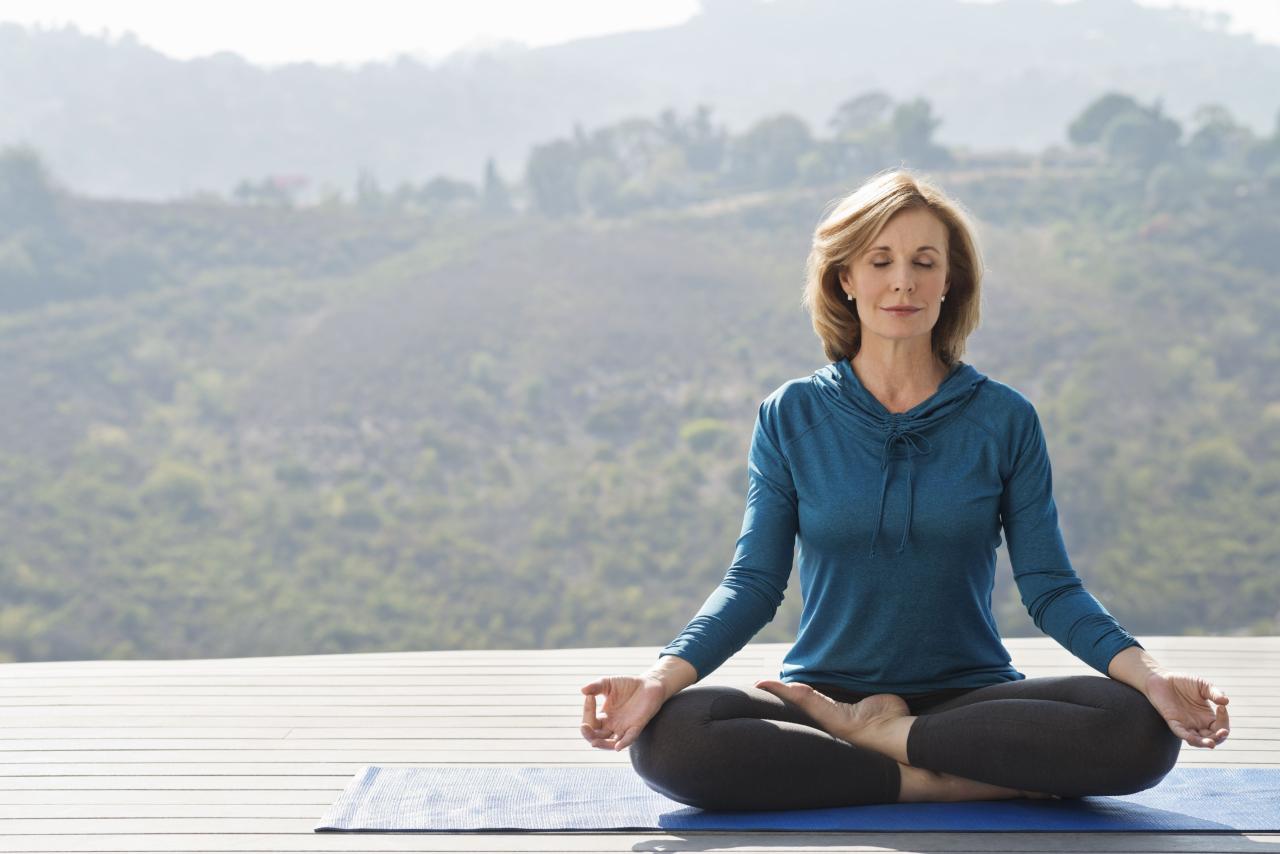
Embarking on a mindful jumping rope practice allows you to cultivate a deeper connection with your body and mind. This approach goes beyond the physical exertion, enabling a profound sense of awareness and presence. By integrating mindfulness into your jumping rope routine, you can transform the activity from a mere exercise into a powerful tool for self-discovery and well-being.
Focusing on Physical Sensations
Paying attention to the physical sensations during jumping rope is crucial for establishing a mindful practice. Notice the rhythm of your feet hitting the ground, the feeling of the rope against your hands, and the subtle shifts in your posture as you move. Observe the warmth developing in your muscles, the gentle pressure on your joints, and the interplay between your breath and your movements.
This heightened awareness of physical sensations grounds you in the present moment, preventing your mind from wandering. For example, a mindful jumper might note the slight tingling in their fingertips as they grip the rope or the subtle vibration in their legs with each jump.
Anchoring Attention to Rhythm and Flow
The rhythm and flow of the jumping rope movements offer a powerful anchor for your attention. Try to synchronize your movements with the rope’s rhythm, focusing on the consistent pattern of the jumps. Allow yourself to be guided by the natural flow of the exercise, rather than trying to force or control it. This process fosters a deeper understanding of the body’s natural rhythms and encourages a sense of effortless movement.
A common technique is to count each jump silently to maintain awareness of the rhythm.
Bringing Awareness to Thoughts and Emotions
Mindful jumping rope allows you to observe your thoughts and emotions without judgment. Recognize that thoughts and feelings are simply passing phenomena, like clouds drifting across the sky. Allow them to arise and pass without getting entangled in their content. For example, if a negative thought enters your mind, simply acknowledge its presence and gently redirect your attention back to the physical sensations and rhythm of the rope.
This practice fosters emotional regulation and promotes mental clarity.
Cultivating Patience and Acceptance
Patience and acceptance are essential components of mindful jumping rope. Recognize that progress takes time, and there will be moments of frustration or difficulty. Instead of striving for perfection, focus on the present moment and the process of the practice. Embrace imperfections and challenges as opportunities for growth and understanding. Accept that some days you may feel more focused than others; this is part of the natural ebb and flow of the practice.
Establishing a Consistent Routine
Developing a consistent routine for mindful jumping rope is vital for cultivating lasting benefits. Consistency allows your mind and body to adapt to the practice, and you’ll notice the positive effects build over time. Set aside a specific time each day or week for your jumping rope sessions, even if it’s just for a short duration. This regular practice reinforces your commitment and creates a positive feedback loop.
Consider incorporating mindful jumping rope into your daily schedule to maximize its impact.
Potential Challenges and Solutions
Integrating meditation with jumping rope, while offering numerous benefits, can present certain challenges. Understanding these potential difficulties and developing strategies to overcome them is crucial for a positive and sustainable practice. This section Artikels common obstacles and provides practical solutions to enhance your experience.Effective meditation, whether combined with physical activity or not, hinges on maintaining focus. Jumping rope, with its rhythmic movements and physical demands, can present specific distractions.
By acknowledging these potential obstacles and implementing appropriate strategies, you can navigate these challenges and cultivate a richer meditative experience.
Distractions and Focus
Maintaining focus during jumping rope meditation requires active engagement and a proactive approach. Distractions, both internal and external, can easily disrupt the meditative state. Addressing these distractions proactively will help maintain concentration.
- External Distractions: External noises, visual stimuli, or other environmental factors can interrupt the flow of the practice. To mitigate this, find a quiet space free from distractions. If necessary, use earplugs or noise-canceling headphones. A dedicated meditation space can foster a conducive atmosphere, promoting a sense of calm and detachment from the outside world. Consistent practice in the same location can also reinforce a mental association with meditation and focus.
- Internal Distractions: Racing thoughts, anxieties, or other internal chatter can be equally disruptive. Recognizing these distractions as fleeting mental events is a vital step. Gentle redirection of attention back to the breath or the rhythm of the rope can help re-establish focus. Mindfulness techniques, practiced independently or integrated into the jumping rope meditation, can cultivate a heightened awareness of internal experiences without judgment, enabling a more resilient focus.
- Physical Discomfort: Physical sensations, like slight pain or fatigue, can disrupt focus. Practicing awareness of these sensations without judgment is key. Acknowledging the sensation and gently returning to the breath or the rhythmic movements of the rope can help you maintain composure. If discomfort persists, adjust the intensity or duration of the practice. Start with shorter sessions and gradually increase the time and effort as your body adapts.
Adjusting the Practice
Adapting the practice to individual needs and limitations is essential for maintaining motivation and avoiding burnout. Understanding your body’s response to the practice is key to ensuring a positive experience.
- Modifying Intensity: Adjust the intensity of the jumping rope to suit your current physical condition. Begin with a slower pace and gradually increase the speed as your endurance improves. If you experience significant fatigue, reduce the duration or intensity of your practice. Listening to your body and adjusting accordingly is vital for avoiding injury and promoting long-term well-being.
- Modifying Duration: Start with shorter sessions and gradually increase the duration of your practice. This approach allows your body and mind to adapt to the combined demands of jumping rope and meditation. Listen to your body and avoid pushing yourself beyond your limits, especially when beginning. Adjust the duration of the session based on your physical capabilities and personal goals.
- Addressing Pain or Discomfort: If you experience pain or discomfort during the session, stop immediately. Listen to your body’s signals. Rest and address the source of the pain or discomfort. Modify the exercise, use different equipment, or consult a healthcare professional if necessary. Prioritizing your well-being over the exercise is essential.
Managing Discomfort or Pain
Physical discomfort during jumping rope meditation can stem from various factors. Effective management requires understanding the source of the discomfort and employing appropriate strategies to alleviate it.
- Recognizing Pain Signals: Recognize the signals your body is sending. Slight discomfort is often a natural part of physical activity. However, persistent or severe pain requires immediate attention. Pay close attention to the location, intensity, and nature of the pain.
- Progressive Adjustments: Gradual increases in intensity and duration of the practice will help your body adapt and minimize discomfort. Start with shorter sessions and gradually increase the duration and intensity of the practice. Listen to your body’s response and adjust as needed.
- Rest and Recovery: Adequate rest and recovery are crucial for managing discomfort. Allow your body time to recover between sessions. Restorative practices, like stretching or gentle movement, can support recovery and reduce the risk of injury. Prioritizing rest and recovery can enhance the effectiveness of your practice and prevent potential issues.
Variations and Adaptations
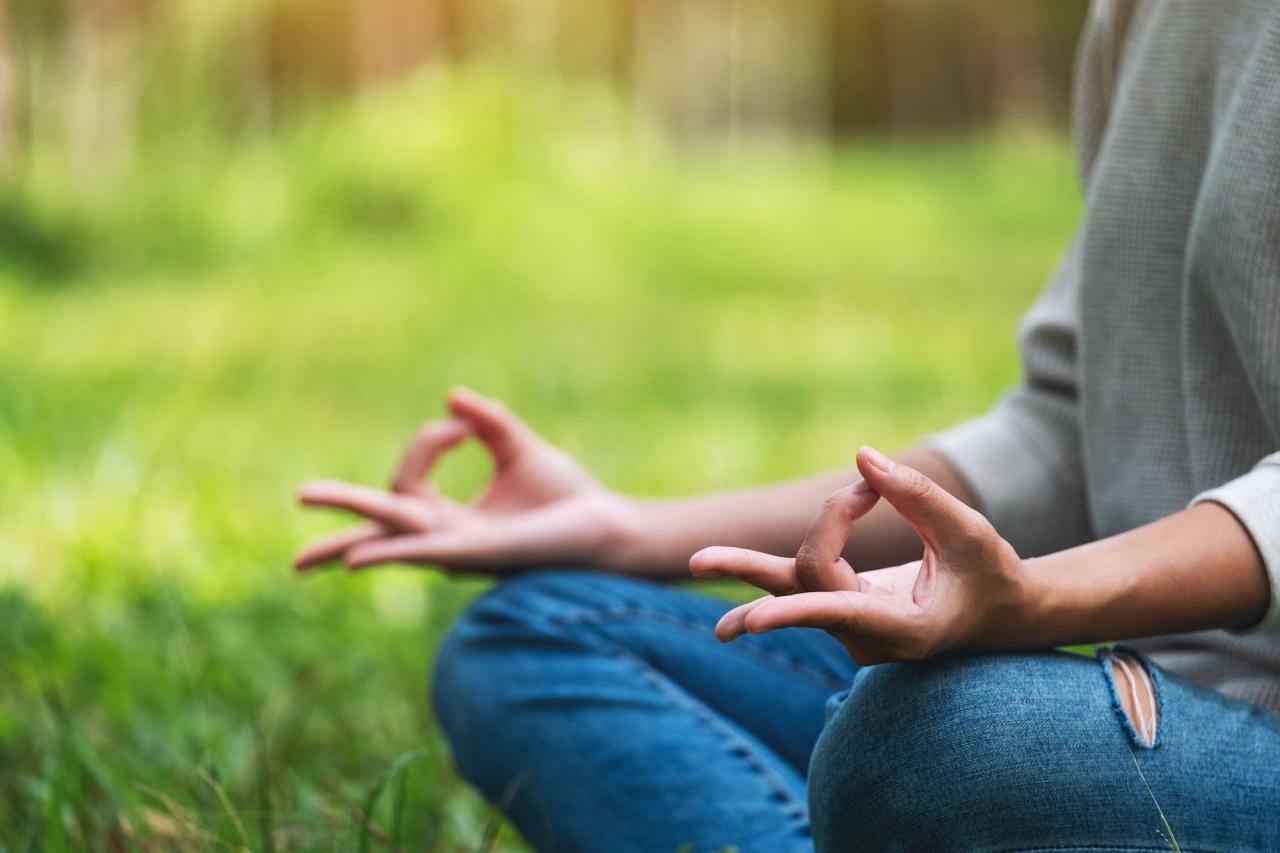
Enhancing the jumping rope meditation experience involves exploring various modifications and adaptations. This allows practitioners to personalize the technique to better suit their individual needs, preferences, and circumstances. By understanding the diverse approaches, practitioners can unlock a deeper connection with their bodies and minds.Expanding upon the core principles of jumping rope meditation, this section delves into tailored adaptations for different individuals and preferences, while maintaining the core elements of mindful movement and focused attention.
This provides a holistic and flexible approach to the practice, making it accessible and effective for a wider audience.
Different Variations of the Technique
The core jumping rope meditation technique can be modified to suit diverse preferences and physical conditions. Varying the pace, the type of jump, or the focus of attention can significantly alter the experience. For instance, incorporating a variety of jumps, such as single-leg jumps or double-unders, can introduce different levels of physical challenge and mental focus.
- Slow-motion Jumping Rope Meditation: This variation emphasizes the conscious awareness of each movement, slowing the rope’s rhythm to a deliberate pace. This can help practitioners become deeply attuned to the subtle sensations in their body, allowing for a greater focus on breath and body awareness.
- Alternating Jumps with Different Movements: This variation allows for a more dynamic experience. For example, practitioners could alternate between high knees, butt kicks, or jump squats. This variation enhances cardiovascular health while fostering mindful movement.
- Focus on Specific Body Parts: Practitioners can focus their attention on specific body parts during the jump. This might involve consciously engaging the core muscles or focusing on the sensations in the feet as they make contact with the floor. This can aid in building body awareness and improving physical posture.
Adaptations for Physical Limitations
Modifying the jumping rope meditation technique for individuals with physical limitations is crucial to ensure inclusivity and accessibility. Adjustments can range from modifying the intensity of the jumps to incorporating alternative movements entirely. The key is to find a level of activity that challenges the mind without compromising physical well-being.
- Reduced Intensity: For those with joint pain or other limitations, decreasing the number of jumps or lowering the rope’s speed can maintain the benefits of the meditation without putting undue strain on the body. The goal is to achieve mindful movement, not strenuous exertion.
- Alternative Exercises: Individuals with limitations might find alternative exercises, such as mindful walking or chair yoga, beneficial. These exercises can provide similar mental benefits while accommodating physical limitations.
- Modified Jumping Patterns: Instead of traditional jumping rope, consider modified patterns. For example, skipping rope while standing still or lightly tapping the rope with the feet can help maintain the rhythmic focus without the strain of continuous jumping.
Suitable Environments
The environment significantly influences the effectiveness of the jumping rope meditation. Choosing a calm and quiet space is ideal for focused attention. However, the benefits can also extend to more dynamic environments, such as a park.
- Quiet Spaces: A dedicated room or corner in a home, a quiet park bench, or a calm meditation room are excellent for deep focus and minimizing distractions. The absence of noise and visual stimulation promotes a profound connection with oneself.
- Outdoor Spaces: A park or a forest trail can offer a refreshing change of scenery and the opportunity to connect with nature. The gentle sounds of nature can deepen the meditative state.
- Structured Settings: A dedicated yoga studio or fitness center can provide a structured and supportive environment for the practice.
Personalizing the Experience
Tailoring the jumping rope meditation to individual preferences can enhance its effectiveness and appeal. This includes integrating personal preferences into the practice, such as specific music, affirmations, or mantras.
- Personal Music: Using calming or inspiring music during the practice can set a positive tone and enhance focus. The music should be a personal preference and help maintain the flow of the meditation.
- Mantras or Affirmations: Incorporating personal mantras or affirmations can deepen the meditation by directing attention to positive statements or repetitive words. This can help enhance self-awareness and emotional regulation.
- Visual Aids: Using visual aids, such as a calming landscape image or a motivational quote, can help keep the mind focused and engaged.
Combining with Other Exercises
Integrating jumping rope meditation with other exercises can create a holistic approach to well-being. The combined benefits can include improved cardiovascular health, increased energy levels, and enhanced mental clarity.
- Yoga: Combining jumping rope meditation with yoga sequences can enhance flexibility and balance. The mindful movement and focused attention of both practices can create a powerful synergy.
- Tai Chi: The slow, flowing movements of Tai Chi can complement the rhythmic nature of jumping rope meditation, fostering a deeper sense of body awareness. This combination can be beneficial for individuals seeking stress reduction.
- Mindful Walking: Integrating mindful walking with jumping rope meditation can enhance physical well-being and mental clarity. Mindful walking can be used to transition from one practice to another, providing a smooth and holistic approach.
Deep Dive into Benefits
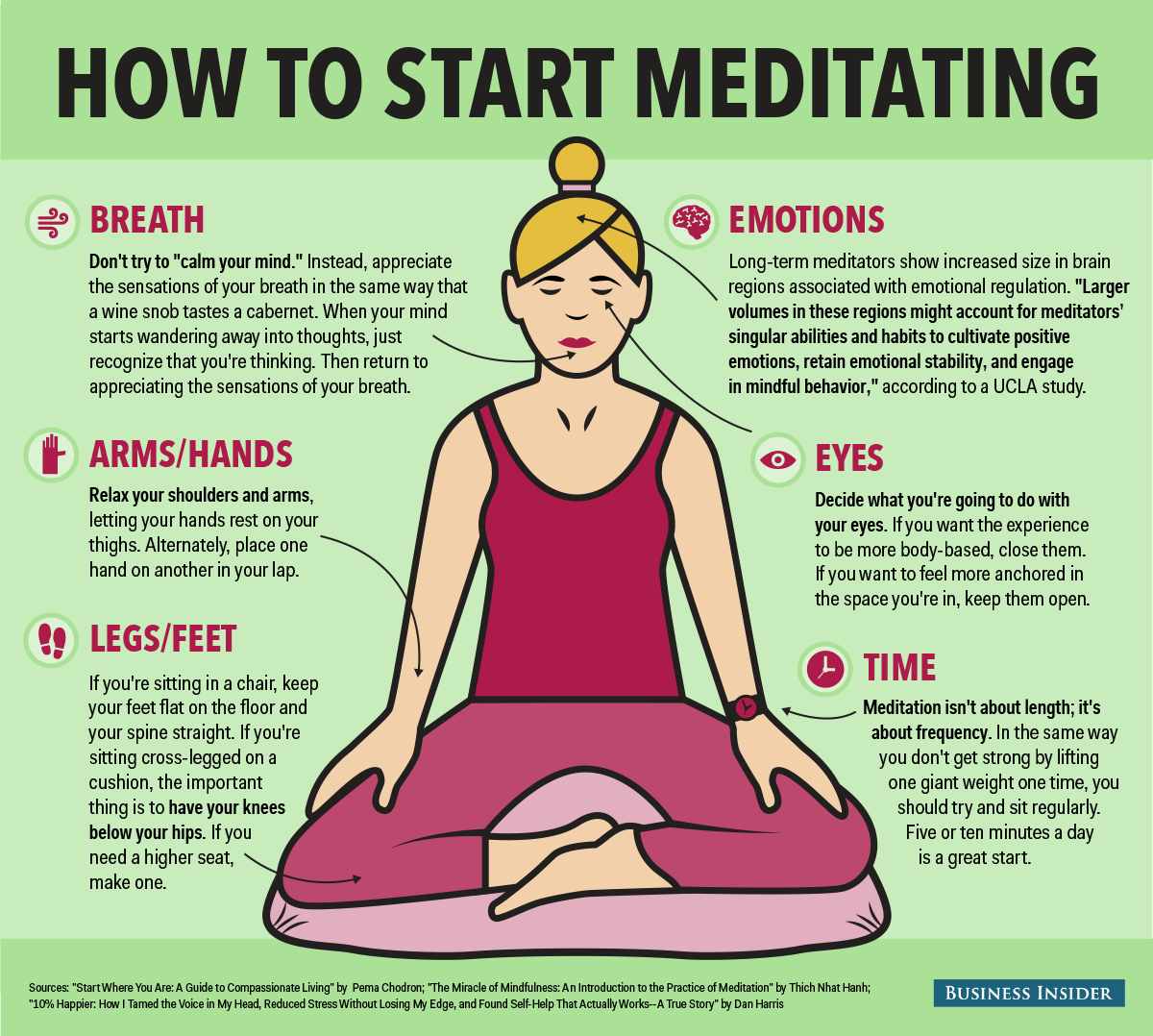
Combining meditation and jumping rope offers a unique pathway to holistic well-being, fostering both physical and mental strength. This practice transcends the limitations of traditional exercise routines by integrating mindfulness, promoting a deeper connection between body and mind. The synergistic effects of these two practices can yield remarkable results, leading to enhanced physical health, improved mental clarity, and a greater sense of overall well-being.
Physiological Benefits
This combined practice provides a multitude of physiological advantages. Jumping rope, a dynamic cardiovascular exercise, strengthens the heart, improves lung capacity, and enhances blood circulation. The rhythmic nature of the activity, coupled with the focused attention required in meditation, contributes to a more efficient cardiovascular system. Simultaneously, the practice strengthens bones, improves balance and coordination, and burns calories effectively.
Mental Health Benefits
The mental health advantages of this practice are equally profound. Meditation cultivates mindfulness, allowing individuals to become more aware of their thoughts and emotions without judgment. This heightened awareness can alleviate stress and anxiety, fostering emotional regulation. Integrating this practice with jumping rope enhances focus and concentration, crucial elements for managing daily challenges. The rhythmic movements of jumping rope and the meditative state can create a positive feedback loop, boosting self-esteem and promoting a sense of accomplishment.
Scientific Research
Numerous studies have highlighted the positive effects of combining mindfulness practices with physical activity. Research demonstrates that exercise, particularly aerobic activities, can reduce symptoms of depression and anxiety. Similarly, studies show that mindfulness practices enhance emotional regulation and stress reduction. While specific research directly linking meditation and jumping rope is limited, the existing evidence strongly suggests that the combination would likely yield benefits similar to those found in separate practices.
Long-Term Benefits
The long-term benefits of combining meditation and jumping rope are significant. By fostering a healthy lifestyle that encompasses both physical and mental well-being, individuals can improve their resilience to stress and develop coping mechanisms for challenging situations. Consistent practice can enhance cognitive function, improve sleep quality, and lead to a more balanced and fulfilling life. Imagine an individual who, through consistent practice, experiences reduced stress and anxiety levels, leading to increased productivity and improved relationships.
Illustrative Examples
Consider a person who experiences chronic stress. By incorporating this combined practice into their daily routine, they might observe reduced feelings of overwhelm and increased ability to manage daily stressors. Another example involves an individual struggling with focus and concentration. By integrating mindful jumping rope, they might experience enhanced clarity and improved productivity. These are just two illustrative examples; the potential benefits are vast and vary based on individual needs and circumstances.
A regular practitioner could experience improved sleep quality, greater emotional resilience, and enhanced overall well-being.
Potential Illustration
Imagine a graph with two lines. The first line represents the typical stress levels of an individual experiencing high stress. The second line represents the stress levels of an individual who practices mindful jumping rope regularly. The second line would demonstrate a noticeable decrease in stress levels over time, highlighting the positive impact of this practice on stress management.
Closing Summary
In conclusion, this exploration of “How to Meditate While Jumping Rope” has illuminated the multifaceted benefits of combining meditation and exercise. By integrating mindfulness into the rhythmic movements of jumping rope, practitioners can cultivate a deeper connection to their physical and mental selves. This practice offers a pathway to improved focus, stress reduction, and overall well-being. We hope this guide inspires you to embark on this transformative journey.