Post-workout recovery is crucial for optimal performance and well-being. This guide explores how meditation can enhance your recovery process, offering practical techniques and insights. By integrating mindful practices into your routine, you can experience a profound shift in how you approach physical and mental restoration after exercise.
This comprehensive guide details a six-step process for incorporating meditation into your post-workout routine. We’ll explore various meditation types, techniques for setting up your space, and essential tips for maintaining a consistent practice. Furthermore, we address common challenges and offer solutions to ensure long-term success.
Introduction to Post-Workout Meditation
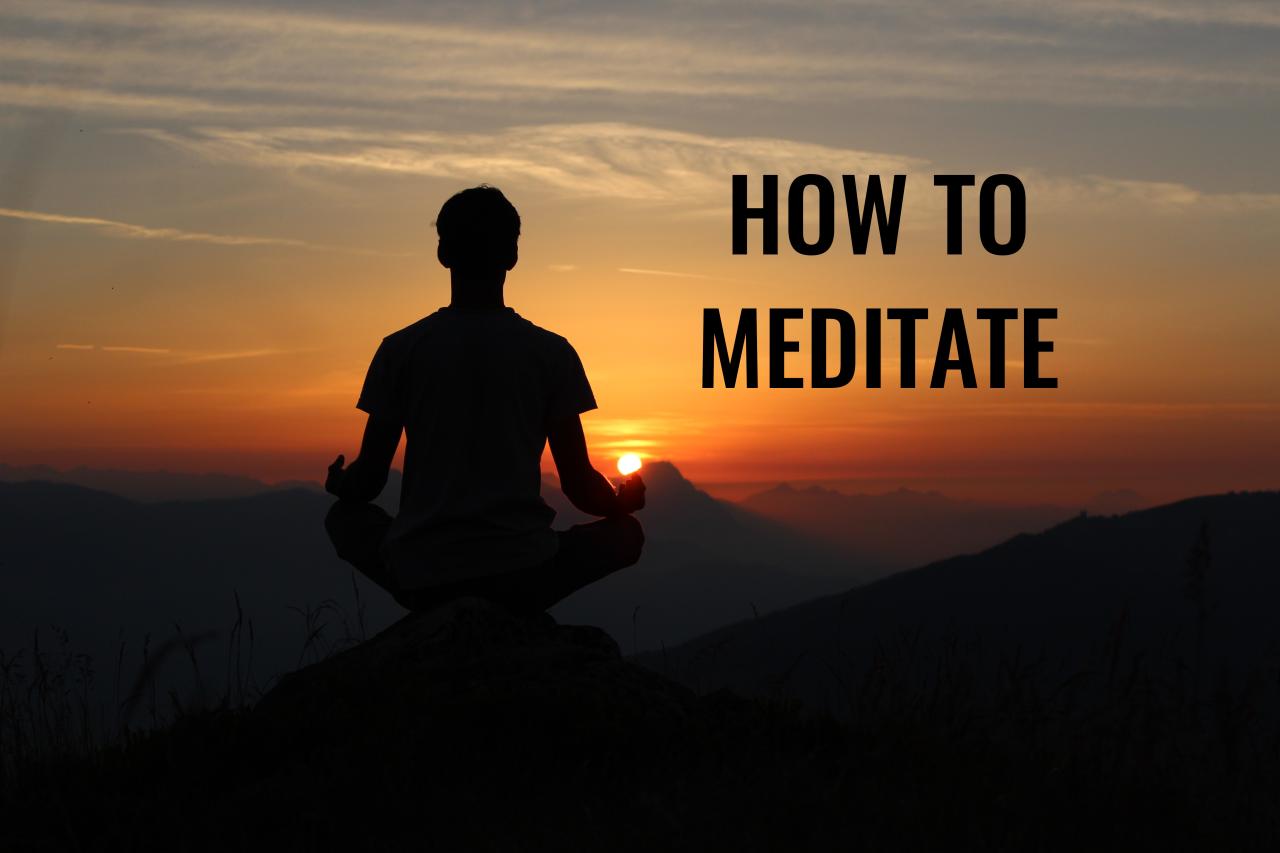
Post-workout recovery is crucial for optimizing performance and preventing injury. Beyond stretching and nutrition, incorporating meditation can significantly enhance the restorative process. This approach allows the body and mind to transition from the heightened state of physical exertion to a state of calm and rejuvenation. Meditation, when practiced mindfully after a workout, can aid in muscle recovery, reduce stress hormones, and promote a sense of well-being.
This, in turn, sets the stage for better future workouts and overall health.Meditation, when integrated into a post-workout routine, complements the physical recovery process by addressing the mental and emotional aspects of exertion. It allows the body to relax, regulate the nervous system, and promote healing on a deeper level. By focusing on the present moment, practitioners can reduce anxiety, manage stress, and cultivate a sense of inner peace.
This holistic approach to recovery is vital for athletes and fitness enthusiasts seeking optimal performance and long-term well-being. Different meditation types offer varying benefits, allowing individuals to tailor their practice to their specific needs and preferences.
Meditation Types for Post-Workout Recovery
Meditation practices encompass a diverse range of techniques, each with its unique benefits. Understanding the nuances of these approaches allows individuals to select a style that aligns with their personal needs and preferences. The following table provides an overview of several meditation types commonly employed for post-workout recovery.
| Meditation Type | Benefits for Post-Workout Recovery |
|---|---|
| Mindfulness Meditation | Mindfulness meditation fosters present-moment awareness, enabling practitioners to observe their physical sensations without judgment. This practice can aid in recognizing and managing muscle soreness, fatigue, and stress responses, thereby promoting relaxation and efficient recovery. |
| Body Scan Meditation | In a body scan meditation, practitioners systematically direct attention to different parts of their body, identifying and acknowledging any sensations or tensions. This systematic approach can help release physical tension accumulated during exercise, promoting muscle relaxation and easing post-workout discomfort. |
| Loving-Kindness Meditation | Loving-kindness meditation involves cultivating feelings of compassion and kindness toward oneself and others. This practice can foster a sense of well-being, reduce stress, and promote emotional regulation, all contributing to the overall recovery process. |
| Yoga Nidra | Yoga Nidra, or yogic sleep, is a guided relaxation technique that combines deep relaxation with conscious awareness. This technique can promote deep rest and rejuvenation, facilitating muscle recovery and mental restoration following intense physical activity. |
| Transcendental Meditation | Transcendental Meditation (TM) is a technique that involves silently repeating a mantra. This practice can help quiet the mind, reduce stress, and promote relaxation. In the context of post-workout recovery, TM can assist in calming the nervous system, promoting better sleep, and potentially reducing muscle soreness. |
Choosing the Right Meditation Technique
Post-workout recovery isn’t just about stretching and refueling; it’s also about effectively managing the physical and mental strain. Meditation offers a powerful tool to aid this process, and selecting the right technique can significantly enhance the experience. Different techniques target various aspects of stress response and relaxation, leading to a more personalized and effective recovery journey.
Identifying Beneficial Meditation Techniques
Various meditation techniques can facilitate post-workout recovery by promoting relaxation and reducing stress. These techniques, tailored to the specific needs of athletes and individuals, can help in muscle relaxation and stress reduction.
- Mindful Body Scan Meditation: This technique involves systematically bringing awareness to different parts of the body, noticing any sensations without judgment. By focusing on physical sensations, particularly those in the muscles, this technique helps to release tension and promote deep relaxation, especially helpful in easing muscle soreness after a strenuous workout.
- Progressive Muscle Relaxation: This technique involves tensing and releasing different muscle groups, fostering awareness of tension and its release. This method is particularly beneficial for targeting muscle tightness and promoting a sense of physical calmness, which can help to accelerate post-workout recovery.
- Loving-Kindness Meditation: This practice cultivates feelings of compassion and loving-kindness towards oneself and others. While seemingly focused on emotional well-being, it can indirectly reduce stress hormones and promote a sense of peace and calm, positively influencing recovery by reducing overall stress levels. The reduction in stress response can aid in quicker muscle recovery.
- Yoga Nidra: This technique is a guided form of deep relaxation. The combination of physical postures, breathwork, and mental imagery helps to induce a state of deep rest, leading to significant muscle relaxation. The guided nature of Yoga Nidra can also be comforting and conducive to post-workout recovery, easing the transition to a relaxed state.
Comparing and Contrasting Techniques
Different meditation techniques offer varying approaches to stress reduction. Mindful Body Scan, for example, focuses directly on physical sensations, while Progressive Muscle Relaxation addresses the source of tension in the muscles. Loving-Kindness Meditation focuses on emotional well-being, indirectly influencing stress levels. Yoga Nidra combines physical relaxation with mental imagery. The choice of technique should be based on an individual’s preferences and goals for recovery.
Determining the Best Technique
The best technique for post-workout recovery depends on individual preferences and needs. Someone who prefers a focused, physical approach might find Mindful Body Scan or Progressive Muscle Relaxation most beneficial. Those seeking emotional balance might find Loving-Kindness Meditation or Yoga Nidra more suitable. The key is to experiment and find the technique that best suits one’s needs and promotes a sense of deep relaxation and calm.
Technique Comparison Table
| Technique Name | Description | Post-Workout Benefits |
|---|---|---|
| Mindful Body Scan | Systematically bringing awareness to different parts of the body, noticing sensations without judgment. | Deep muscle relaxation, reduction of tension, easing muscle soreness. |
| Progressive Muscle Relaxation | Tensing and releasing different muscle groups to become aware of tension and its release. | Targeted muscle relaxation, promoting physical calmness, accelerated recovery. |
| Loving-Kindness Meditation | Cultivating feelings of compassion and loving-kindness towards oneself and others. | Indirect stress reduction, promoting peace and calm, aiding overall recovery. |
| Yoga Nidra | Guided form of deep relaxation combining physical postures, breathwork, and mental imagery. | Deep muscle relaxation, reduced stress, ease in transitioning to a relaxed state. |
Setting Up Your Meditation Space

A dedicated meditation space fosters a sense of calm and tranquility, crucial for effective post-workout recovery. This environment becomes a sanctuary where you can release tension and reconnect with your body, promoting healing and rejuvenation. Creating a conducive space is key to maximizing the benefits of your meditation practice.A well-designed space encourages focus and minimizes distractions, allowing you to fully immerse yourself in the present moment.
This is especially beneficial after physical exertion, when your mind and body need time to recover and integrate the workout’s effects. The atmosphere you cultivate can significantly impact your ability to unwind and rejuvenate.
Ideal Environment for Post-Workout Meditation
A dedicated meditation space should ideally be a quiet and comfortable area, free from external interruptions. Natural light, soft colors, and calming scents can further enhance the relaxing atmosphere. The space should be readily accessible and easily transformable into a serene retreat. The post-workout environment should ideally be free from harsh lighting, loud noises, and visual clutter.
These elements can make it challenging to achieve the mental clarity needed for deep relaxation.
Importance of Comfort and Minimizing Distractions
Comfort is paramount in post-workout meditation. An uncomfortable posture can impede relaxation and increase stress levels. Ensure your seating or lying position is supportive and allows for easy breathing. Minimizing distractions is equally important. Minimize interruptions from technology, household chores, or external noises.
This allows your mind to fully detach from daily stressors and focus on the present moment. Uninterrupted focus promotes deeper relaxation and recovery.
Creating a Calming Atmosphere
A calming atmosphere enhances the meditative experience. Soft lighting, such as warm-toned lamps or candles, can set a serene mood. Incorporating natural elements like plants or a water feature can introduce a sense of tranquility and harmony. Soft, calming music or nature sounds can also create a soothing environment. The atmosphere should evoke feelings of peace and serenity, encouraging the mind and body to relax and recover.
Essential Items for Your Meditation Space
Creating a supportive space is important. Having essential items readily available can enhance your experience.
- A comfortable cushion or mat: A supportive surface is essential for comfortable and proper posture during meditation.
- A blanket or shawl: Maintaining a warm and comfortable temperature is crucial for promoting relaxation and preventing stiffness.
- A timer or guided meditation app: A timer helps maintain focus and structure, while guided meditations provide support and direction.
- Essential oils or incense (optional): Calming scents can create a soothing atmosphere, promoting relaxation.
- A water bottle: Staying hydrated is vital for overall well-being and can help maintain focus during meditation.
Elements of a Meditation Space and Their Importance
This table highlights the importance of each element in creating a conducive post-workout meditation environment.
| Element | Importance in Post-Workout Meditation |
|---|---|
| Comfort | Promotes relaxation, reduces stress, and allows the body to fully unwind after physical exertion. |
| Quiet | Minimizes distractions, allowing for focused attention and deeper relaxation. |
| Calm Atmosphere | Enhances the meditative state, promoting a sense of peace and serenity, aiding in recovery. |
| Organization | Reduces mental clutter, fostering a clear and focused state of mind. |
| Support Items | Facilitates a comfortable and conducive environment, enhancing the overall meditation experience. |
6 Essential Tips for Post-Workout Meditation
Post-workout meditation offers a powerful opportunity for recovery and rejuvenation. Integrating mindful practices after physical exertion can enhance muscle repair, reduce stress, and foster a deeper sense of well-being. This section details six essential tips to maximize the benefits of post-workout meditation.Post-workout meditation isn’t just about relaxation; it’s a holistic approach to recovery. By focusing on specific techniques and mindful awareness, you can cultivate a more profound and effective recovery process.
This process involves incorporating practices that address physical, mental, and emotional aspects of your post-workout state.
Importance of Consistent Practice
Consistent post-workout meditation practice is crucial for experiencing its full benefits. Regularity allows your body and mind to adapt to the practice, fostering a stronger connection between physical and mental states. The consistency aids in the process of muscle recovery and stress reduction. A regular practice establishes a routine, allowing the body to anticipate and prepare for recovery, promoting a sense of calm and control.
Significance of Proper Posture
Maintaining proper posture during meditation is essential for both physical and mental well-being. A correct posture not only promotes comfort but also optimizes energy flow throughout the body. This includes aligning the spine, ensuring shoulders are relaxed, and maintaining a neutral neck position. Proper posture helps to release physical tension accumulated during exercise and aids in establishing a calm and focused mental state.
A straight posture helps the breath flow more easily.
Methods for Focusing Attention
Effective focusing techniques are essential for maximizing the benefits of post-workout meditation. Methods such as focusing on the breath, body sensations, or a specific mantra can help to quiet the mind and promote a sense of calm. Post-workout, the mind can be particularly active, making these techniques even more important for anchoring the attention. Visualizing a peaceful scene or focusing on a soothing sound can also aid in directing attention away from the physical sensations of the workout and towards a state of relaxation.
Importance of Breathing Techniques
Breathing techniques play a vital role in post-workout muscle relaxation. Deep, conscious breathing helps to calm the nervous system and promotes oxygen flow throughout the body. Incorporating controlled breathing exercises, like the box breathing technique, can significantly reduce muscle tension and promote a sense of calm. This relaxation of the muscles can also reduce any pain or soreness.
Significance of Mindfulness
Mindfulness in the post-workout period involves paying attention to the present moment without judgment. This includes acknowledging physical sensations, thoughts, and emotions without getting carried away by them. By observing these aspects of the experience, you can gain insight into your body’s needs and adjust your recovery approach accordingly. Mindfulness can help reduce any lingering stress or anxiety associated with the workout.
Techniques for Incorporating Gratitude
Incorporating gratitude into your post-workout meditation can enhance your overall well-being. Focusing on the positive aspects of your workout, your body, or the experience itself can cultivate a sense of appreciation and contentment. Recognizing and acknowledging the positive aspects of your life and physical ability can create a positive mental state that aids in recovery. This can include appreciating the effort put in during the workout or recognizing the strength and resilience of your body.
6 Tips for Post-Workout Meditation
- Consistent Practice: Dedicate a specific time each day or multiple times per week for post-workout meditation to establish a routine and reap its full benefits.
- Posture: Maintain a comfortable and upright posture, ensuring your spine is aligned and shoulders relaxed. This promotes better blood circulation and reduces physical tension.
- Focus: Utilize techniques like mindful breathing or focusing on a calming mantra to direct your attention and quiet the mind, especially helpful after an intense workout.
- Breathing: Employ deep, conscious breathing exercises, such as box breathing, to calm the nervous system, reduce muscle tension, and promote oxygen flow to the body.
- Mindfulness: Observe your thoughts, emotions, and physical sensations without judgment. This helps you understand your body’s needs and adjust your recovery approach accordingly.
- Gratitude: Take a moment to reflect on the positive aspects of your workout, your body, and the experience itself. This fosters a sense of appreciation and contentment.
Incorporating Meditation into Your Routine

Integrating post-workout meditation into your daily life is a key factor in maximizing its benefits. Consistency is crucial for experiencing the full range of physical and mental advantages. This section provides a framework for seamlessly incorporating this practice into your existing routine, ensuring it becomes a sustainable and valuable part of your wellness journey.Establishing a consistent meditation practice is facilitated by strategically integrating it into your weekly schedule.
This integration is not about forcing a new activity into a tight schedule, but about optimizing your existing routines to make time for a practice that can significantly improve your well-being.
Sample Weekly Schedule
A structured weekly schedule can help you establish a consistent post-workout meditation practice. The schedule below is a template, and you can adapt it to your specific workout and lifestyle. Adjusting the duration of your meditation based on your individual needs and preferences is crucial for long-term adherence.
| Day | Activity | Meditation Duration |
|---|---|---|
| Monday | Strength Training | 10 minutes |
| Tuesday | Cardio | 15 minutes |
| Wednesday | Yoga | 10 minutes |
| Thursday | Strength Training | 12 minutes |
| Friday | Cardio & Core | 15 minutes |
| Saturday | Rest/Active Recovery | 5 minutes |
| Sunday | Rest/Active Recovery | 5 minutes |
Integrating into Existing Routines
Integrating post-workout meditation into your existing routines is more effective than trying to add it as a separate, isolated activity. It’s about finding the natural flow and seamlessly incorporating the practice into your daily activities.
- Pre-bed Routine Integration: If you already have a pre-bed routine, incorporating 5-10 minutes of meditation before sleep can be a valuable addition. This can help transition your mind from the day’s activities and promote relaxation before rest.
- Post-Workout Routine: After your workout, while your body is still active, take a few minutes to focus on your breath and body. The heightened body awareness can be a great opportunity for meditation.
- Commuting Integration: If your commute involves travel by car or public transport, you can use this time for a brief meditation session, focusing on your breath and the present moment.
- Break Time: During your work or study breaks, consider incorporating a short meditation session to help clear your mind and increase focus.
Adjusting Meditation Duration
The duration of your post-workout meditation should be adjusted based on your individual needs and preferences. A good starting point is 5-15 minutes, and you can gradually increase or decrease the time based on your experience and personal preferences. Start with a manageable duration and gradually increase the time as you become more comfortable with the practice.
Importance of Consistency
Consistency in post-workout meditation is paramount for reaping the full benefits. Regular practice helps to establish a mental and physical routine that promotes overall well-being. Regularity is key for developing the mental discipline and awareness required for meditation.
Potential Benefits
Integrating post-workout meditation into a daily or weekly routine can yield significant benefits. Improved stress management, enhanced focus, increased body awareness, and better sleep quality are all potential outcomes. This routine also aids in managing physical recovery and mental clarity.
Addressing Common Challenges
Embarking on a new practice, like post-workout meditation, can present hurdles. Understanding potential obstacles and developing strategies to overcome them is crucial for maintaining consistency and reaping the benefits of this restorative practice. This section will explore common challenges and provide practical solutions to ensure a smooth integration of meditation into your post-workout routine.Successfully integrating meditation into a busy post-workout schedule requires proactive planning and a flexible approach.
Recognizing the potential difficulties and having strategies to address them empowers you to navigate these challenges effectively.
Identifying Potential Obstacles
Maintaining a consistent post-workout meditation practice is often hampered by various factors. These obstacles can range from a lack of motivation to distractions, and time constraints. Recognizing these challenges is the first step towards overcoming them. Acknowledging these factors allows for proactive solutions and strategies for improvement.
Overcoming Lack of Motivation
A common obstacle is the lack of immediate motivation to meditate following a strenuous workout. The physical and mental fatigue can make the idea of sitting still and focusing seem daunting. Addressing this involves linking the benefits of post-workout meditation to the immediate need for recovery and restoration.
Strategies for Managing Stress and Anxiety
Post-workout stress and anxiety can be detrimental to recovery. Post-workout stress and anxiety can be significant impediments to post-workout meditation. Recognizing and managing these feelings is crucial. Strategies include progressive muscle relaxation techniques, mindfulness practices, and deep breathing exercises integrated with the meditation itself. These techniques can help ease tension and prepare the mind for a focused meditative state.
Addressing Distractions During Meditation
Distractions are inevitable in any meditation practice. During post-workout meditation, distractions can arise from lingering physical sensations, thoughts about the workout, or external noise. These distractions can interrupt the flow of meditation and hinder the restorative benefits. Strategies include acknowledging the distractions without judgment, gently redirecting attention back to the chosen focus, and employing techniques like focusing on the breath to counteract them.
Maintaining Consistency Despite Busy Schedules
Maintaining consistency in a busy schedule is essential for reaping the rewards of any practice. Time constraints can easily disrupt the consistency of post-workout meditation. Planning ahead and incorporating meditation into the daily schedule, using the 10-15 minutes of downtime after a workout, can help overcome this obstacle. Creating a dedicated space for meditation can also promote consistency.
This space, set aside specifically for meditation, fosters a dedicated and consistent practice.
Advanced Meditation Practices
Elevating your post-workout meditation practice can unlock deeper levels of relaxation and recovery. By incorporating advanced techniques, you can tailor your experience to address specific needs and enhance the benefits of mindfulness. These methods can be particularly valuable for individuals seeking more profound stress reduction, improved focus, or a heightened sense of well-being.
Incorporating Visualization Techniques
Visualization, a powerful tool in meditation, involves creating mental images to enhance focus and emotional regulation. During post-workout meditation, visualization can be particularly effective in promoting muscle recovery and reducing feelings of soreness. Imagine your muscles relaxing, releasing tension, and replenishing with energy. Visualize a cool, soothing sensation spreading through your body, easing any lingering discomfort. This process can facilitate a deeper sense of calm and promote a quicker return to homeostasis.
Visualizing a calming environment, like a serene forest or a tranquil beach, can further enhance the relaxation response.
Integrating Guided Meditations
Guided meditations, led by a voice or audio recording, can provide structure and direction for a more focused practice. Post-workout, guided meditations can be particularly helpful in managing stress and promoting relaxation. They can guide you through specific visualizations or relaxation exercises tailored to your needs, enhancing the effectiveness of your recovery process. Choose guided meditations specifically designed for relaxation, stress reduction, or recovery.
These sessions often incorporate elements of deep breathing and mindfulness, ensuring a well-rounded experience.
Adapting Meditation for Different Post-Workout Needs
The benefits of meditation extend beyond simple relaxation. Adjusting your meditation practice can target specific post-workout needs. If experiencing muscle soreness, visualize the healing process, and incorporate body scan meditations to release tension. For athletes seeking enhanced focus, guided meditations focusing on mental clarity can be beneficial. If feeling overwhelmed or stressed after a challenging workout, consider a guided meditation emphasizing grounding and stress reduction.
Tailor the duration and content to align with your specific needs.
Adjusting for Physical Limitations or Conditions
Individuals with physical limitations can still benefit from post-workout meditation. Adaptations may involve using different postures, such as lying down if sitting is difficult. Modifications can include shorter sessions or incorporating mindful movement techniques. For example, someone with back pain may find that lying down and focusing on gentle, conscious breaths helps them release tension. Those with mobility issues can utilize guided meditations that encourage conscious awareness of their bodies without demanding specific physical postures.
Transitioning to Other Mindfulness Practices
Post-workout meditation can serve as a springboard for other mindfulness practices. Mindful movement, such as yoga or tai chi, can enhance the relaxation response. Mindful eating can further integrate the awareness cultivated during meditation into daily life. These practices, while distinct, share the core principle of present moment awareness, allowing you to carry the sense of calm and focus from your meditation into other aspects of your day.
Practicing mindfulness throughout the day reinforces the benefits of your post-workout meditation.
Conclusion
Post-workout meditation offers a powerful and multifaceted approach to recovery, extending far beyond the physical benefits of stretching or massage. By integrating mindfulness into your routine, you can cultivate a deeper sense of well-being and enhance your overall performance. This practice transcends the immediate relief of muscle soreness, delving into the mental and emotional aspects of recovery, promoting long-term resilience and a more balanced approach to physical activity.Integrating mindfulness into your recovery process is not just a trend; it’s a significant investment in your physical and mental health.
The benefits of post-workout meditation extend beyond the immediate post-exercise period, impacting your overall life. This holistic approach to recovery allows you to address stress, anxiety, and even improve sleep quality, which are crucial for optimal performance and long-term health.
Key Takeaways for Post-Workout Meditation
Post-workout meditation provides a comprehensive strategy for enhancing recovery. Key takeaways include a heightened awareness of the body’s response to exercise, improved stress management, and a strengthened connection to your inner self. These elements combine to create a more holistic approach to recovery, moving beyond physical repair to encompass mental and emotional restoration.
Sustaining the Practice of Post-Workout Meditation
Sustaining the practice of post-workout meditation requires consistency and a tailored approach. Consistency is crucial; establishing a regular schedule, even if it’s just a few minutes each day, will solidify the habit. Furthermore, flexibility is key. Adjusting the duration and technique based on individual needs and preferences can enhance engagement and maintain motivation. Experimentation with different meditation styles and techniques, coupled with a positive mindset, can ensure that the practice remains enjoyable and effective.
Mindful Recovery: A Holistic Approach
Mindful recovery goes beyond the immediate relief of muscle soreness, addressing the psychological and emotional well-being that is often neglected. By incorporating mindful practices into your recovery routine, you are essentially prioritizing a holistic approach to wellness, recognizing that physical and mental health are inextricably linked. Mindful recovery empowers you to cultivate a deeper understanding of your body and mind, fostering resilience and overall well-being.
This approach is not merely a supplementary technique but a foundational element in a balanced and fulfilling life.
Final Wrap-Up
In conclusion, integrating meditation into your post-workout recovery strategy can lead to significant benefits. By understanding different techniques, creating a conducive environment, and following practical tips, you can enhance your physical and mental restoration. Consistent practice is key to experiencing the full potential of mindful recovery. This approach offers a pathway to achieving greater well-being and sustained performance.