Preparing for a sports match demands not only physical training but also mental fortitude. This comprehensive guide delves into the art of pre-match meditation, exploring its profound impact on sports performance. We’ll examine various meditation techniques, from mindfulness to loving-kindness, and equip you with the tools to optimize your mental state before competition. Understanding the connection between physical and mental preparation is crucial for peak performance.
This guide provides a structured approach to pre-match meditation, offering practical techniques and insights for athletes of all levels. It addresses common challenges and emphasizes the importance of consistent practice for achieving optimal results. By understanding the nuances of different meditation styles, athletes can tailor their approach to enhance their performance and overall well-being.
Introduction to Pre-Match Meditation
Meditation, a practice encompassing various techniques for focusing and quieting the mind, plays a crucial role in sports performance. It’s more than just relaxation; it’s a tool for enhancing mental acuity, managing stress, and improving focus. Effectively utilized before a sporting event, meditation can significantly impact an athlete’s ability to perform at their peak.By cultivating a calm and centered state of mind, athletes can reduce pre-match anxiety and enhance their ability to concentrate on the task at hand.
This improved mental clarity allows for better decision-making, quicker reaction times, and increased confidence, all contributing to a more successful outcome. The benefits extend beyond immediate performance; regular practice can build resilience and mental fortitude, leading to long-term improvements in athletic ability.
Benefits of Pre-Match Meditation
Meditation’s positive effects on mental clarity, focus, and stress reduction are well-documented. These benefits translate directly into improved athletic performance. Reduced anxiety allows athletes to approach the game with a sense of calm confidence, leading to more precise movements and better decision-making under pressure. Enhanced focus allows athletes to concentrate on their strategies and techniques, minimizing distractions and maximizing their performance potential.
Different Types of Pre-Match Meditation
Numerous meditation techniques can be effectively employed before a sporting event. Each technique offers a unique approach to achieving mental clarity and focus, and athletes can experiment to find what works best for them.
| Meditation Type | Brief Description | Benefits |
|---|---|---|
| Mindfulness Meditation | Focusing on the present moment, observing thoughts and sensations without judgment. | Promotes awareness of body sensations, reduces racing thoughts, and enhances concentration. |
| Focused Attention Meditation | Concentrating on a specific object, sound, or sensation to train the mind to stay present. | Improves attention span, reduces distractions, and strengthens focus. |
| Loving-Kindness Meditation | Cultivating feelings of compassion and loving-kindness towards oneself and others. | Reduces stress and anxiety, fosters positive emotions, and builds resilience. |
| Body Scan Meditation | Bringing awareness to different parts of the body, noting sensations without judgment. | Reduces physical tension, promotes relaxation, and enhances body awareness. |
| Transcendental Meditation | Using a personally assigned mantra to quiet the mind and access a state of deep rest. | Induces deep relaxation, reduces stress hormones, and improves cognitive function. |
Techniques for Pre-Match Meditation
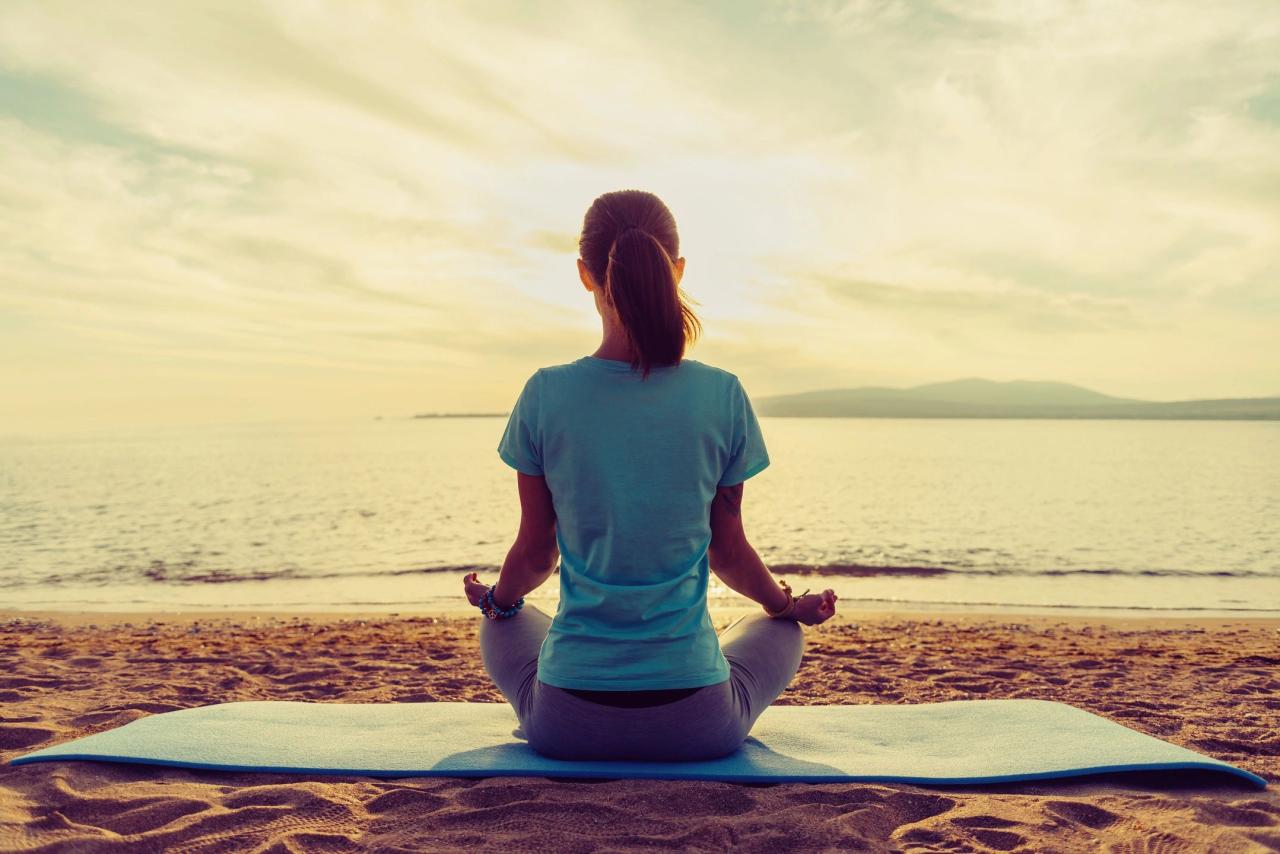
Pre-match meditation offers athletes a valuable opportunity to prepare mentally and emotionally for competition. By cultivating a state of calm focus, athletes can enhance their performance and resilience. This approach allows them to manage anxiety, improve concentration, and develop a stronger sense of self-awareness. These techniques are particularly useful in high-pressure situations, such as competitive sports.Effective pre-match meditation techniques are crucial for athletes aiming to optimize their performance.
Understanding and applying these methods can significantly impact an athlete’s mental game, contributing to better decision-making and execution during a match. Different techniques cater to various needs and preferences, allowing athletes to find a style that resonates with them.
Mindfulness Meditation
Mindfulness meditation is a practice that cultivates awareness of the present moment without judgment. It involves focusing on sensations, thoughts, and emotions as they arise, observing them without getting carried away by them. For athletes, this involves noticing bodily sensations like breathing, muscle tension, and heart rate without reacting to them.Steps for athletes include:
- Find a quiet space where you won’t be disturbed.
- Assume a comfortable posture, either sitting or lying down.
- Bring your attention to your breath, noticing the sensation of air entering and leaving your body.
- Acknowledge any thoughts or feelings that arise without judgment, gently redirecting your attention back to your breath.
- Gradually expand your awareness to include other sensations in your body, such as the feeling of your feet on the ground or the clothes on your skin.
The potential benefits of mindfulness meditation include improved focus, reduced anxiety, and enhanced self-awareness. It can help athletes become more attuned to their physical and mental states, enabling them to respond effectively to the demands of a match. However, mindfulness meditation may not be as effective for athletes who require immediate, focused attention during a game.
Focused Attention Meditation
Focused attention meditation involves concentrating on a single point of reference, such as a mantra, an image, or a physical sensation. This technique trains the mind to stay present and resist distractions. For athletes, this can involve focusing on a specific aspect of their game, such as the rhythm of their movements or the feeling of the ball in their hands.Steps for athletes include:
- Choose a focal point, such as your breath, a specific body part, or a word.
- Establish a comfortable posture.
- Direct your attention to your chosen point, noting any thoughts or sensations that arise.
- Gently redirect your attention back to the focal point.
- Practice maintaining focus for increasingly longer periods.
This technique is particularly beneficial for athletes requiring heightened concentration and sharp focus during a match. It can also help athletes manage impulsive reactions. However, maintaining consistent focus can be challenging, especially during high-pressure situations.
Loving-Kindness Meditation
Loving-kindness meditation cultivates feelings of compassion, warmth, and goodwill towards oneself and others. It involves sending loving thoughts and wishes to oneself, loved ones, neutral parties, and even challenging individuals. For athletes, this involves extending compassion to teammates, opponents, and even oneself.Steps for athletes include:
- Find a quiet space and assume a comfortable posture.
- Focus on cultivating feelings of love and kindness toward yourself.
- Extend these feelings to a loved one, a neutral acquaintance, and eventually to a challenging person.
- Visualize sending loving thoughts and wishes to these individuals.
- Continue directing loving-kindness toward all beings.
This technique fosters emotional regulation and promotes a sense of connection and empathy. It can aid in reducing feelings of stress and hostility, leading to a more positive mindset. However, the practice might not directly improve performance on the field if not connected to specific game strategies.
Comparison of Techniques
| Meditation Technique | Steps | Potential Benefits | Potential Challenges |
|---|---|---|---|
| Mindfulness Meditation | Focus on breath, body sensations | Improved focus, reduced anxiety | Less effective for immediate focus |
| Focused Attention Meditation | Concentrate on a single point | Heightened concentration | Maintaining focus in high-pressure situations |
| Loving-Kindness Meditation | Cultivate compassion for self and others | Emotional regulation, empathy | Indirect impact on performance |
Preparing the Mind and Body
Optimal athletic performance hinges on a harmonious blend of mental and physical readiness. A pre-match meditation routine, while primarily focused on mental preparation, must also include physical preparation to ensure the body is optimally functioning. This synergistic approach will maximize the benefits of the meditation practice.Physical relaxation is crucial for mental focus. A tense body often translates to a racing mind, making it difficult to achieve the necessary mental clarity for peak performance.
Preparing the body through physical relaxation techniques is therefore a vital step in optimizing the meditative state. This preparation allows the athlete to enter the meditative state more effectively and experience its benefits fully.
Physical Preparation Techniques
Effective pre-match meditation requires a relaxed and focused body. Deep breathing and progressive muscle relaxation are key techniques to achieve this. These techniques work in tandem, easing tension and promoting a state of calm alertness.
Deep Breathing Exercises
Deep breathing exercises are fundamental for physical relaxation. They help to regulate the nervous system, reducing stress hormones and promoting a sense of calm. By focusing on controlled, slow, and deep breaths, athletes can create a physiological state conducive to mental clarity.
- Diaphragmatic Breathing: This technique involves inhaling deeply into the abdomen, allowing the diaphragm to expand. Exhaling slowly and completely, the athlete releases tension and promotes relaxation. Regular practice can significantly improve the body’s ability to manage stress. For example, a consistent diaphragmatic breathing practice can help an athlete remain calm during pressure-filled moments in a game, allowing them to maintain their composure.
- Box Breathing: This involves inhaling for a count of four, holding the breath for four, exhaling for four, and holding again for four. This rhythmic pattern helps to regulate the breath and synchronize the body’s natural rhythm. Box breathing can be used as a quick tool to calm the nervous system before a match, enabling athletes to remain focused.
Progressive Muscle Relaxation
Progressive muscle relaxation is a technique that systematically relaxes different muscle groups in the body. By tensing and releasing each muscle group, athletes can become aware of physical tension and consciously release it. This awareness of physical tension and its release helps in creating a calm and focused state, preparing the mind for meditation.
- Identify Tense Muscles: Begin by identifying any areas of tension in the body, such as shoulders, neck, or jaw. Awareness of these areas is the first step to releasing the tension.
- Tense and Relax: Concentrate on a specific muscle group, tensing it for a few seconds. Hold the tension, then release it slowly, noticing the difference between the tense and relaxed state. This process allows athletes to feel the physical sensations of tension and relaxation, promoting a greater awareness of their bodies.
- Repeat: Repeat this process for each muscle group, moving systematically from the toes to the head. This systematic approach helps athletes gain control over their physical sensations, improving their ability to relax.
Step-by-Step Guide for Preparing the Body and Mind for Meditation
This step-by-step guide Artikels a practical approach to preparing for pre-match meditation.
- Find a Quiet Space: Choose a quiet and comfortable space where you can relax and focus without distractions.
- Comfortable Posture: Assume a comfortable seated posture, either on a chair or on the floor, ensuring your spine is straight but not rigid.
- Deep Breathing Exercises: Begin with a few rounds of deep breathing exercises, focusing on the rhythm and sensation of your breath. This step helps to calm the nervous system.
- Progressive Muscle Relaxation: Employ progressive muscle relaxation techniques to systematically release tension from different muscle groups.
- Mindfulness Meditation: Transition into a mindfulness meditation practice, focusing on the present moment and observing your thoughts and sensations without judgment.
Setting the Stage for Meditation
Creating a conducive environment is crucial for a successful pre-match meditation. A calm and focused atmosphere helps to transition the mind and body into a state of readiness, minimizing distractions and promoting a positive mindset. This preparation is essential for athletes to achieve optimal performance and manage stress effectively before a crucial sporting event.A well-structured environment allows the mind to focus on the present moment, letting go of anxieties and pre-game jitters.
This, in turn, can lead to improved concentration, reduced tension, and enhanced physical performance during the match.
Optimal Environment for Meditation
The environment plays a significant role in facilitating a meditative state. A quiet space free from interruptions is paramount. This could be a dedicated meditation room, a quiet corner in a home, or even a secluded area in a park. The key is to find a location that minimizes external disturbances. Comfortable posture is also vital for maintaining focus.
A supportive cushion or chair that allows for a relaxed and upright position promotes physical comfort, reducing the likelihood of physical discomfort interfering with the meditation process. Appropriate attire that allows for ease of movement and comfort is also important. Loose-fitting, breathable clothing that doesn’t restrict movement is ideal.
Minimizing Distractions
Minimizing distractions is essential for effective meditation. This involves turning off electronic devices, silencing notifications, and ensuring that the environment is free from potential disturbances. If external noises are unavoidable, consider using ambient sounds like nature sounds or white noise to create a calming atmosphere. The aim is to create a space where the athlete can fully immerse themselves in the present moment without any external interruptions.
Maintaining a clear and focused mind is essential to prepare the body and mind for optimal performance.
Creating a Positive Mindset
Cultivating a positive mindset before meditation can significantly influence the overall experience. Visualizing success, focusing on personal strengths, and acknowledging past achievements are beneficial techniques. This can involve imagining a positive outcome, remembering previous successful performances, or reminding oneself of past accomplishments. A positive mindset acts as a powerful catalyst for motivation and self-belief, setting the stage for optimal performance during the match.
Preparing the Environment: A Practical Guide
| Factors to Consider | Recommended Actions |
|---|---|
| Location | Choose a quiet, secluded space free from interruptions. Consider a designated meditation area, a quiet corner at home, or a peaceful outdoor spot. |
| Posture | Select a comfortable posture, whether seated on a cushion or chair, that allows for a relaxed but upright position. |
| Attire | Wear loose-fitting, breathable clothing that promotes comfort and freedom of movement. |
| Distractions | Turn off electronic devices, silence notifications, and ensure the environment is free from potential disturbances. Use ambient sounds, if needed, to create a calming atmosphere. |
| Mindset | Focus on positive affirmations, visualizing success, and acknowledging past achievements. |
Focusing on the Match
Mastering focus during a pre-match meditation session is crucial for optimal performance. This stage involves directing mental energy towards the upcoming game, visualizing successful outcomes, and managing potential anxieties. By practicing these techniques, athletes can establish a clear mental picture of the match, fostering confidence and reducing pre-game jitters.Effective pre-match meditation allows athletes to mentally prepare for the challenges and opportunities of the game.
It involves harnessing the power of visualization and positive self-talk to enhance concentration and reduce stress. This focused mental state translates into improved decision-making and execution on the field, thus boosting athletic performance.
Visualization Techniques
Visualization exercises are powerful tools for mental preparation. They allow athletes to mentally rehearse the game, anticipate challenges, and imagine successful outcomes. By vividly picturing themselves performing at their best, athletes can build confidence and reduce anxiety. This mental rehearsal, deeply ingrained in meditation practice, enhances their ability to react effectively under pressure.
- Mental Rehearsal: Athletes can visualize themselves successfully executing plays, managing pressure situations, and achieving their desired outcomes. This mental practice helps build confidence and familiarity with the match scenario, making the actual game feel less daunting. For example, a basketball player might visualize a successful free throw sequence, focusing on the feel of the ball in their hand, the trajectory of the shot, and the satisfaction of the successful outcome.
This rehearsal reduces the chance of errors during the actual game by familiarizing the body with the movements mentally.
- Success Visualization: This technique involves focusing on a specific positive outcome, such as winning the game or scoring a crucial goal. Athletes visualize the entire process leading to the desired outcome, experiencing the emotions associated with victory. A soccer player, for instance, might visualize the moment of scoring the winning goal, celebrating with teammates, and experiencing the joy of triumph.
This visualization builds positive mental associations with the game’s successful completion.
- Specific Skill Visualization: Athletes can visualize specific skills or actions that are vital to their performance, such as a tennis player visualizing their serve, a golfer visualizing their putting stroke, or a gymnast visualizing their routine. This technique focuses on the technical aspects of the performance, helping athletes refine their movements and increase precision.
Managing Pre-Match Anxiety and Fear
Pre-match anxiety and fear are common experiences for athletes. Meditation techniques can help athletes manage these emotions effectively. By calming the mind and focusing on the present moment, athletes can reduce feelings of worry and fear. Through meditation, athletes can learn to observe these emotions without judgment, fostering acceptance and control over their reactions. For example, a swimmer might use meditation to acknowledge feelings of anxiety before a race without getting carried away by them.
Visualization Techniques and Their Benefits
| Visualization Technique | Description | Benefits for Sports |
|---|---|---|
| Mental Rehearsal | Mentally practicing the game, anticipating challenges, and visualizing successful outcomes. | Builds confidence, reduces anxiety, improves familiarity with game scenarios, and enhances performance under pressure. |
| Success Visualization | Focusing on a specific positive outcome and visualizing the entire process leading to it, including emotions. | Creates positive mental associations with success, fosters a winning mindset, and boosts motivation. |
| Specific Skill Visualization | Visualizing specific skills or actions crucial to performance, focusing on technical aspects. | Improves skill execution, enhances precision, and refines technique. |
Integrating Meditation into Routine
Consistent practice is key to reaping the benefits of pre-match meditation. Establishing a regular routine helps solidify the mental and physical preparation, allowing athletes to develop a deeper connection with their bodies and minds. This consistent practice fosters a sense of calm and control, crucial for peak performance. By integrating meditation into their daily lives, athletes can effectively manage stress and anxiety, leading to improved focus and resilience.Integrating meditation into an athlete’s schedule before a match requires careful planning and consideration of the athlete’s individual needs and preferences.
A structured approach, tailored to the athlete’s schedule, is essential for ensuring the routine’s effectiveness. It’s not about squeezing meditation into an already packed schedule, but rather about strategically incorporating it as a vital component of the overall preparation process.
Importance of Consistency
Consistency in pre-match meditation is vital for building mental resilience and performance. Regular practice reinforces positive mental patterns and reduces the impact of pre-game anxiety. This consistent practice establishes a predictable pattern for the body and mind, leading to a more relaxed and focused state during competition. A consistent routine provides athletes with a reliable anchor during high-pressure situations.
The mind learns to navigate stressful situations with greater ease, leading to improved performance.
Practical Advice for Integration
To effectively integrate meditation into an athlete’s schedule, a phased approach is recommended. Initially, allocate a shorter duration for meditation sessions, gradually increasing the time as the athlete becomes more comfortable and proficient. Choosing a time when the athlete feels most receptive and focused is crucial. This could be in the morning, during a break in the training schedule, or just before bedtime.
Consider the athlete’s personal preferences and energy levels to determine the most effective time.
- Start small: Begin with shorter meditation sessions (5-10 minutes) and gradually increase the duration as the athlete’s practice improves.
- Find a quiet space: Designate a quiet, comfortable space where the athlete can practice without distractions.
- Establish a routine: Schedule meditation sessions at the same time each day or before each match, if possible.
- Consistency over intensity: Prioritize consistency in the routine over intense sessions initially.
Gradual Integration and Finding the Right Time
Gradual integration ensures the athlete doesn’t feel overwhelmed or pressured. A gradual introduction allows the body and mind to adapt to the new practice. Finding the right time for meditation is a crucial aspect of the process. The athlete should identify a time in their schedule where they can dedicate uninterrupted time to the practice. This may involve waking up earlier, taking advantage of downtime between training sessions, or scheduling meditation before bed.
Understanding the athlete’s energy levels throughout the day can aid in selecting the most effective time.
- Start with shorter durations: Begin with short meditation sessions to avoid feeling overwhelmed and to gradually build the practice.
- Listen to the body: Pay attention to the athlete’s energy levels and find a time when they feel most receptive to the practice.
- Consider personal preferences: Incorporate meditation into a pre-existing routine or at a time that aligns with the athlete’s personal preferences.
- Explore different times: Experiment with different times of the day to determine the most effective period for the athlete.
Sample Weekly Schedule
The following table provides a sample weekly schedule incorporating pre-match meditation. This is a template, and the athlete should tailor it to their specific needs and preferences.
| Day | Time | Activity |
|---|---|---|
| Monday | 7:00 AM | Morning meditation (10 minutes) |
| Tuesday | 6:00 PM | Pre-training meditation (15 minutes) |
| Wednesday | 7:00 AM | Morning meditation (10 minutes) |
| Thursday | 6:00 PM | Pre-training meditation (15 minutes) |
| Friday | 7:00 AM | Morning meditation (10 minutes) |
| Saturday | 7:00 AM | Morning meditation (10 minutes) |
| Sunday | 6:00 PM | Pre-match meditation (20 minutes) |
Addressing Potential Challenges
Embarking on a pre-match meditation practice can present various hurdles. Understanding these potential challenges and developing strategies to navigate them is crucial for athletes to optimize their performance and mental well-being. This section will delve into common obstacles and provide actionable solutions to ensure a smooth and productive meditation experience.
Distractions
Maintaining focus during meditation, especially in the high-pressure environment of a sporting event, can be difficult. External distractions, such as noisy surroundings, anxious thoughts, or even the anticipation of the upcoming match, can disrupt the meditative state. To counter this, athletes can employ techniques to minimize these disruptions.
- Mindful Awareness: Recognizing and acknowledging distractions without judgment is a powerful technique. Instead of trying to suppress the thoughts, acknowledge their presence and gently redirect attention back to the chosen focus, be it the breath, a mantra, or the present moment.
- Environmental Control: If possible, choose a quiet and secluded space for meditation. Earplugs or noise-canceling headphones can be effective in minimizing environmental distractions. Creating a consistent and calming atmosphere can also help establish a more conducive environment for meditation.
- Mental Rehearsal: Practicing visualization and mental rehearsal of the match can help athletes prepare mentally for the anticipated distractions. This can help build resilience and a sense of control in dealing with disruptions during meditation.
Restlessness and Impatience
Restlessness and a lack of patience are common obstacles in meditation. The mind may wander, and the body might feel fidgety, making it challenging to maintain stillness. Several strategies can help manage these issues.
- Gentle Movement: Before beginning a meditation session, consider a short period of gentle movement, such as stretching or light exercise, to release physical tension. This can help the body and mind feel more grounded and receptive to stillness.
- Mindful Breathing: Focus intensely on the breath. Notice the sensation of the breath entering and leaving the body. Each inhale and exhale can anchor the mind and help cultivate a sense of presence.
- Progressive Relaxation: Systematic relaxation of different muscle groups can help reduce physical tension and promote mental calmness. This practice can be integrated into the meditation routine to address feelings of restlessness.
Lack of Focus
Maintaining focus during meditation can be challenging, especially when the mind is prone to wandering. The ability to sustain focus is essential for the effectiveness of the practice.
- Anchoring Techniques: Using an anchor, such as the breath, a mantra, or a specific visualization, can help the mind return to the focus when it wanders. Consistent practice strengthens the ability to redirect attention to the chosen anchor.
- Gradual Progression: Begin with shorter meditation sessions and gradually increase the duration as focus improves. This approach allows the mind to adapt and strengthen its capacity for sustained attention.
- Consistent Practice: Regular practice is key to developing focus. Even short, daily sessions can significantly improve the ability to stay present and mindful.
Adapting Techniques
Recognizing individual needs and preferences is essential for tailoring meditation practices. Individual needs and preferences can influence how effectively meditation techniques are implemented.
- Personalized Approaches: Different individuals respond differently to various techniques. Experiment with different meditation styles, including walking meditation, loving-kindness meditation, or visualization, to find methods that resonate with personal preferences.
- Guided Meditation: Utilizing guided meditation sessions can provide structure and direction, especially for beginners. Guided sessions can assist in navigating potential challenges and fostering a deeper connection with the practice.
- Seeking Guidance: Consulting with a qualified meditation instructor or therapist can provide tailored advice and support for overcoming specific challenges.
Examples of Athlete Experiences
The practice of pre-match meditation has shown remarkable results in various athletic domains. Understanding how athletes have personally benefited from this practice can provide valuable insight into its effectiveness and potential for enhancing performance and well-being. The following examples illustrate the positive impact of pre-match meditation on a range of athletes.
Fictional Athlete Experiences
To illustrate the diverse benefits of pre-match meditation, consider the following fictional examples. These stories highlight the emotional and performance-related advantages experienced by athletes incorporating meditation into their routines.
- Sarah, a professional tennis player: Sarah struggled with pre-match anxiety, often leading to missed shots and poor focus. She began incorporating a 10-minute meditation routine before matches, focusing on deep breathing and visualizing successful points. As a result, Sarah noticed a significant reduction in her anxiety and a marked improvement in her concentration. Her serve accuracy increased, and she reported feeling more confident and composed during matches, ultimately leading to improved performance and several victories.
- David, a marathon runner: David used to experience significant pre-race jitters, often impacting his pacing and stamina. He adopted a pre-race meditation technique that involved focusing on his breath and the rhythm of his running. By visualizing a smooth and effortless run, he developed greater mental resilience and felt more in control of his body during the race. This resulted in faster finishing times and a more positive race experience.
- Emily, a field hockey player: Emily, a field hockey player, felt overwhelmed by the pressure of competitive matches. She practiced a pre-match meditation focused on the present moment and releasing negative thoughts. She found that this practice allowed her to better focus on the immediate task at hand, enabling her to execute plays more efficiently and with greater composure. This resulted in a more positive match experience and enhanced team performance.
Impact on Emotional Well-being
Pre-match meditation offers athletes a valuable tool for managing pre-game stress and anxiety. This mental calmness translates into improved emotional regulation, allowing athletes to remain focused and composed during the match.
Impact on Sports Performance
The positive impact of pre-match meditation extends to sports performance. By quieting the mind and fostering mental clarity, athletes can improve concentration, decision-making, and execution during the match. This often results in improved physical coordination and performance.
Athlete Experiences: Specific Examples
The following list highlights the experiences of five athletes who have incorporated pre-match meditation into their routines:
- Athlete 1: A basketball player, reported reduced pre-game anxiety and improved decision-making under pressure.
- Athlete 2: A swimmer, noted enhanced focus and concentration during races, leading to faster times.
- Athlete 3: A gymnast, reported improved mental resilience and reduced fear of failure, allowing for more precise execution of routines.
- Athlete 4: A soccer player, demonstrated enhanced composure during high-pressure match situations, leading to more effective passing and scoring opportunities.
- Athlete 5: A volleyball player, experienced reduced pre-match anxiety and improved communication with teammates, resulting in a more cohesive and effective team performance.
End of Discussion
In conclusion, mastering pre-match meditation empowers athletes to transcend the pressures of competition. By cultivating mental clarity, focus, and emotional resilience, athletes can unlock their full potential. This guide provides a comprehensive roadmap for integrating meditation into your pre-match routine, enabling you to approach every game with confidence and preparedness. Consistent practice will lead to significant improvements in sports performance and overall well-being.