Unlocking peak performance in football often hinges on mental fortitude. This comprehensive guide delves into the transformative power of pre-game meditation, offering practical strategies for athletes to harness mental clarity and emotional control before stepping onto the field. By incorporating these 11 steps, players can cultivate a focused and resilient mindset, setting the stage for success.
This guide will cover everything from understanding the fundamental principles of meditation to choosing the right technique for your needs, creating a calming pre-game environment, setting intentions, and using powerful breathing exercises. We’ll also explore body scan meditation for relaxation, guided imagery for mental preparation, and even the significance of mindfulness during the game and post-game reflection. Finally, we’ll discuss how to seamlessly integrate these practices into a daily routine for sustained benefits.
Introduction to Pre-Game Meditation
Meditation, in its simplest form, is a practice of focusing the mind to achieve a state of mental clarity and emotional equilibrium. For athletes, this translates into enhanced concentration, reduced anxiety, and improved self-awareness – crucial components of peak performance, especially in high-pressure situations like a football game. By quieting the mental chatter and fostering a sense of inner calm, athletes can unlock their full potential.The benefits of meditation before a football game extend beyond simply feeling relaxed.
It promotes mental clarity, enabling players to process complex strategies and react effectively to changing game dynamics. Furthermore, it aids in emotional regulation, allowing athletes to manage pressure, frustration, and disappointment with greater resilience. This mental fortitude is essential for maintaining composure under duress and performing at a high level throughout the game. A historical perspective reveals meditation practices across various cultures and traditions, emphasizing their enduring impact on mental well-being and performance.
These practices, refined over centuries, now find a significant place in modern sports psychology, recognizing the profound link between inner peace and athletic excellence. Mindfulness, a key aspect of meditation, is increasingly recognized as a critical component in sports psychology. By cultivating awareness of the present moment, athletes can reduce distractions and improve focus.
Benefits of Pre-Game Meditation
Meditation’s positive impact on athletic performance is multifaceted. The following table illustrates some key advantages.
| Benefit | Explanation |
|---|---|
| Enhanced Focus and Concentration | Meditation cultivates mental stillness, reducing distractions and enhancing the ability to concentrate on the task at hand. This improved focus allows athletes to process information more efficiently and react effectively during the game. |
| Reduced Anxiety and Stress | By calming the mind and regulating the body’s response to stress, meditation helps athletes manage pre-game jitters and anxieties. This emotional regulation leads to improved composure and a more balanced state of mind. |
| Improved Emotional Regulation | Meditation techniques equip athletes with tools to manage emotions such as frustration, disappointment, and pressure. This resilience is crucial for maintaining composure and performance levels throughout the game, regardless of the outcome. |
| Increased Self-Awareness | Through meditation, athletes gain a deeper understanding of their thoughts, emotions, and physical sensations. This self-awareness allows them to better recognize their strengths and weaknesses, adjust their strategies, and optimize their performance. |
| Improved Physical Recovery | Meditation has been shown to positively influence physiological processes, such as heart rate and blood pressure. This can contribute to faster recovery and reduced muscle tension, ultimately improving physical performance. |
Choosing the Right Meditation Technique

Selecting an appropriate meditation technique is crucial for maximizing its benefits before a football game. Different methods cater to various needs and preferences, influencing focus, relaxation, and overall performance. Understanding the nuances of different approaches allows athletes to tailor their practice to optimize their pre-game mental state.Finding a meditation style that resonates with the individual is paramount. A technique that feels forced or unnatural will likely prove less effective than one that feels intuitive and comfortable.
This personal connection fosters a deeper engagement with the practice, leading to greater benefits. Consider individual preferences and past experiences when choosing a method.
Different Meditation Techniques for Athletes
Various meditation techniques offer unique approaches to mental preparation. Understanding their distinctions allows athletes to select the style best suited for their individual needs. Consideration of the specific goals for pre-game mental preparation is essential in choosing the right approach.
- Mindfulness Meditation: This technique focuses on present-moment awareness. Athletes cultivate a non-judgmental awareness of their thoughts, feelings, and bodily sensations. This fosters a sense of calm and centeredness, reducing anxiety and promoting focus. Mindfulness is particularly useful for managing racing thoughts and negative self-talk, common pre-game anxieties.
- Focused Attention Meditation: This method involves directing attention to a specific object, such as the breath, a mantra, or a visual image. By sustaining focus, athletes train their minds to resist distractions and enhance concentration. This can be valuable in honing the focus required for executing plays.
- Loving-Kindness Meditation: This practice cultivates feelings of compassion, kindness, and goodwill towards oneself and others. By fostering positive emotions, athletes can reduce stress and improve their emotional well-being. This approach can be particularly helpful in promoting a positive mindset and reducing feelings of isolation.
- Transcendental Meditation: This technique involves the use of personally assigned mantras. Practitioners achieve a state of profound relaxation and mental clarity. This method is known for its ability to quiet the mind and reduce stress, promoting a deeper sense of calm before a game.
Comparing and Contrasting Techniques
Careful consideration of each technique’s strengths and weaknesses is vital. Understanding these differences will guide athletes in choosing the method best suited for their individual needs and the demands of the sport.
| Technique | Description | Suitability for Football |
|---|---|---|
| Mindfulness Meditation | Focuses on present-moment awareness, reducing anxiety and promoting focus. | High; Effective for managing pre-game anxiety and improving focus during play. |
| Focused Attention Meditation | Directs attention to a specific object to enhance concentration. | High; Valuable for honing focus and improving execution of plays. |
| Loving-Kindness Meditation | Cultivates compassion and positive emotions, reducing stress. | Medium; Can help foster a positive mindset and reduce emotional isolation, but may not be as directly focused on game performance. |
| Transcendental Meditation | Utilizes personally assigned mantras to achieve profound relaxation and mental clarity. | High; Known for promoting relaxation and mental clarity, which are essential for pre-game preparation. |
Selecting a Meditation Method
Individual needs and preferences play a significant role in selecting a meditation technique. Consider the individual’s personality, past experiences, and specific goals for pre-game preparation. Athletes should experiment with different techniques to determine which resonates most effectively with their individual needs.
Creating a Meditation Space
A conducive environment significantly impacts the effectiveness of pre-game meditation. A well-designed space fosters a sense of calm and tranquility, allowing athletes to focus on their breath and intentions without distractions. This, in turn, prepares them mentally and emotionally for the challenges of the game ahead.A thoughtfully prepared space for meditation is more than just a location; it’s a carefully curated atmosphere designed to enhance focus and mental clarity.
This is crucial for athletes aiming to maximize their performance. Elements like lighting, temperature, and sounds can profoundly influence the meditator’s state of mind. Personal comfort and minimizing distractions are equally important for achieving a deep meditative state.
Optimizing the Physical Environment
A suitable meditation space should be free from external disturbances. Consistent elements like lighting, temperature, and sounds contribute significantly to the overall experience. Minimizing sensory input allows the mind to settle into a state of quietude, promoting deeper concentration.
Elements of a Calming Space
- Lighting: Soft, diffused lighting, such as warm incandescent or LED lamps, creates a gentle and welcoming atmosphere. Harsh fluorescent lights can be jarring and stimulating, disrupting the meditative process. Dim lighting is ideal to promote a sense of calm and relaxation.
- Temperature: Maintaining a comfortable room temperature is essential. Neither excessively hot nor cold temperatures can be conducive to relaxation. A slightly cool or neutral temperature is generally optimal for most individuals.
- Sounds: Minimizing disruptive noises is critical. Consider using white noise machines or nature sounds to mask external sounds and create a calming auditory environment. A completely silent space may be unsettling for some.
- Personal Comfort: Providing comfortable seating is essential. A soft cushion or a supportive chair allows the body to relax, which promotes mental relaxation. Comfortable clothing also contributes to a sense of ease.
- Minimizing Distractions: Eliminate any visual or auditory distractions. Turn off electronic devices, close the door, and ensure the space is free from clutter.
Essential Items for a Calming Pre-Game Space
The following items can help to create a peaceful and focused pre-game meditation space:
- A comfortable cushion or chair.
- A soft blanket or shawl.
- Essential oils or incense (used cautiously).
- A calming music playlist (instrumental or nature sounds).
- A timer or stopwatch.
- A journal or notepad (optional).
A Table of Essential Elements
| Element | Description | Importance | Example |
|---|---|---|---|
| Lighting | Soft, diffused light | Creates a calming atmosphere, avoiding harsh stimulation. | Warm incandescent lamps, soft LED lights |
| Temperature | Comfortable room temperature | Allows the body to relax, minimizing physical discomfort. | Neutral temperature range (not too hot or cold) |
| Sounds | Minimizing disruptive noises | Reduces distractions, promoting mental focus. | White noise machine, nature sounds |
| Comfort | Comfortable seating and clothing | Encourages physical relaxation, supporting mental calmness. | Soft cushion, supportive chair, comfortable attire |
Setting Intentions and Focus
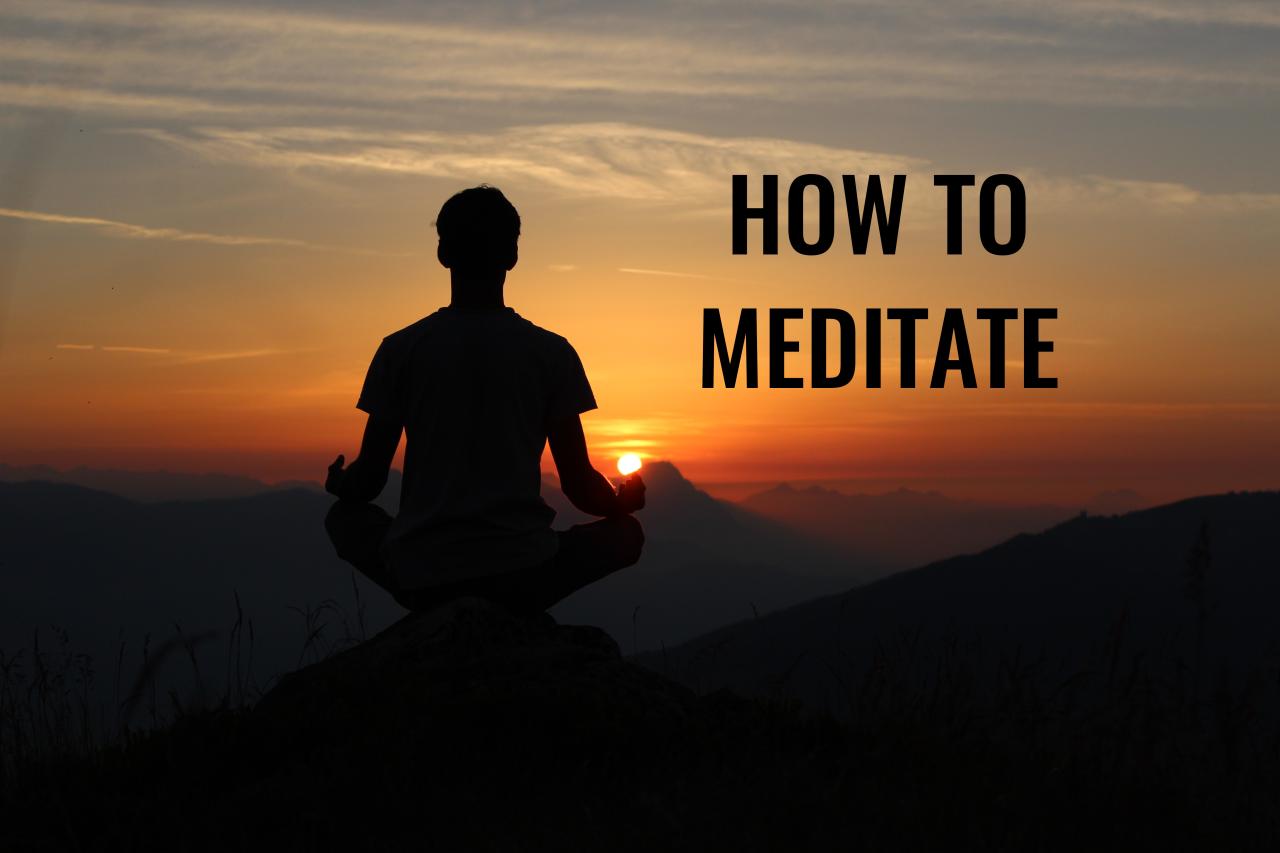
Setting clear intentions and focusing on specific aspects of the game are crucial for a successful pre-game meditation session. A focused mind, centered on positive outcomes, can significantly impact performance on the field. This process empowers athletes to harness their inner resources and approach the game with heightened awareness and confidence.
Importance of Clear Intentions
A pre-game meditation session allows athletes to establish clear intentions, directing their mental energy towards specific goals and desired outcomes. This intentional focus can reduce anxiety and enhance concentration during the game. Defining specific intentions provides a mental roadmap for the athlete, allowing them to maintain focus and composure throughout the match. Vague intentions, on the other hand, can lead to diffused mental energy and decreased performance.
Focusing on Specific Aspects of the Game
Focusing on particular aspects of the game, such as individual skills, strategic plays, or specific opponents, allows athletes to mentally rehearse and prepare for those scenarios. This focused mental preparation can lead to improved performance and confidence in execution. By visualizing successful outcomes, athletes can enhance their belief in their ability to execute effectively under pressure. This mental rehearsal is a vital component of peak performance.
Positive Affirmations and Visualizations
Positive affirmations and visualizations are powerful tools to reinforce positive mental states. Affirmations are positive statements about one’s capabilities and potential, while visualizations involve mentally picturing oneself successfully performing desired actions. For instance, an affirmation could be, “I am confident in my ability to execute my game plan.” A visualization might involve mentally picturing a successful play. These techniques help athletes cultivate a strong sense of self-belief and positive anticipation.
Centering Oneself Before the Game
Centering oneself before the game involves creating a state of mental calm and clarity. This state of mental equilibrium allows athletes to approach the game with a balanced perspective and reduced stress. This process helps athletes access their inner resources and manage emotions effectively. Maintaining composure under pressure is vital for consistent performance.
Setting Game-Day Intentions: A Step-by-Step Method
This method Artikels a step-by-step approach to setting game-day intentions:
- Identify Key Goals: Begin by identifying the most crucial aspects of the game. These could be individual skill execution, strategic plays, or specific opponents. This allows for a more focused and effective meditation session.
- Visualize Success: Mentally picture yourself successfully executing the identified key goals. Focus on the positive sensations and emotions associated with achieving these goals. This positive visualization helps reinforce confidence and motivation.
- Affirm Positive Outcomes: Use positive affirmations to reinforce your confidence and belief in your ability to succeed. Examples include: “I am focused and composed,” “I am confident in my abilities,” or “I will execute my game plan effectively.” These affirmations can help cultivate a positive mental attitude.
- Center Yourself: Take deep breaths and focus on your breath to calm your mind and center your body. This allows for a clearer state of mind to fully engage with the intentions.
- Repeat Affirmations and Visualizations: Repeat the affirmations and visualizations throughout the meditation session, reinforcing the desired mental states.
- Release Negative Thoughts: Recognize any negative thoughts or doubts that may arise and gently redirect your focus back to your positive affirmations and visualizations. This practice allows for a more constructive approach to mental preparation.
Breathing Techniques for Focus
Mastering breath control is a cornerstone of effective pre-game meditation. Controlled breathing techniques can significantly reduce anxiety, enhance focus, and improve overall performance on the field. By incorporating these practices into your pre-game routine, athletes can cultivate a calm and centered state of mind, crucial for peak performance.
Various Breathing Exercises for Athletes
Controlled breathing exercises are not just for relaxation; they are powerful tools for enhancing athletic performance. Different techniques cater to specific needs, from calming nerves to sharpening concentration. Understanding and practicing these techniques can significantly improve an athlete’s ability to manage stress and optimize their mental state during crucial moments.
- Diaphragmatic Breathing: This technique involves engaging the diaphragm, the primary muscle of respiration, to create a fuller, more expansive breath. By focusing on deep, slow inhalations and exhalations, athletes can promote relaxation and reduce feelings of anxiety.
- Box Breathing: A structured breathing pattern, box breathing involves inhaling for a count of four, holding the breath for a count of four, exhaling for a count of four, and holding the breath again for a count of four. This rhythm fosters mental clarity and stability, particularly beneficial for athletes needing to maintain composure under pressure.
- Alternate Nostril Breathing (Nadi Shodhana): This ancient yogic technique involves alternately breathing through each nostril. This practice is known to calm the mind and promote a sense of balance, providing athletes with a sense of groundedness during high-pressure situations.
Benefits of Controlled Breathing
The benefits of controlled breathing extend far beyond the realm of relaxation. Controlled breathing directly impacts the body’s physiological responses, leading to a cascade of positive effects. By reducing heart rate and blood pressure, controlled breathing helps athletes manage anxiety and promote mental clarity, allowing for enhanced concentration and improved decision-making. This heightened focus translates to better performance on the field.
Examples of Simple Breathing Techniques
These techniques are designed to be easily integrated into daily routines and pre-game preparation.
- Diaphragmatic Breathing: Imagine your belly expanding as you inhale, and gently contracting as you exhale. Practice this technique for several minutes, focusing on slow, deep breaths.
- Box Breathing: Use a timer or a mental count to maintain the four-count rhythm for each phase of inhalation, hold, exhalation, and hold. Consistency in practice is key to mastering this technique.
- Alternate Nostril Breathing: Gently close one nostril with your finger and inhale through the other. Then, close the open nostril and exhale through the opposite one. Continue this pattern, gradually increasing the duration of the breaths.
Integrating Breathing Exercises into Meditation
Integrating breathing techniques into a pre-game meditation routine enhances its effectiveness. By consciously focusing on the breath, athletes can cultivate a sense of calm and control, promoting mental clarity and focus.
| Technique | Description | Benefits for Football |
|---|---|---|
| Diaphragmatic Breathing | Deep, slow breaths engaging the diaphragm. | Reduces anxiety, promotes relaxation, improves focus. |
| Box Breathing | Structured breathing pattern (inhale, hold, exhale, hold). | Enhances mental clarity, improves composure under pressure. |
| Alternate Nostril Breathing | Alternating inhalations and exhalations through nostrils. | Promotes mental balance, reduces stress, fosters a sense of groundedness. |
Body Scan Meditation for Relaxation
A crucial component of pre-game preparation is achieving physical relaxation. Body scan meditation is a powerful technique for identifying and releasing tension in the body, fostering a sense of calm and well-being. By systematically bringing awareness to different parts of the body, practitioners can release physical stress and improve focus, ultimately enhancing performance.Body scan meditation involves systematically bringing awareness to different parts of the body, noticing sensations without judgment.
This process helps to identify and release physical tension, promoting a state of physical calmness that complements mental focus. By recognizing tension in a specific area, athletes can consciously relax that area, allowing a more overall relaxed state. This mindful approach allows for a more holistic approach to pre-game preparation.
Process of Bringing Awareness to Different Body Parts
This method involves a systematic exploration of the body, starting from the top and moving down. Begin by focusing on the sensations in your head, noticing any tension in your forehead, temples, or jaw. Continue this awareness down your neck, shoulders, and arms, paying attention to any tightness or discomfort. Gradually, bring your attention to your torso, noticing any tension in your back, chest, or abdomen.
Finally, move your awareness to your legs and feet, acknowledging any sensations present. This systematic approach helps identify and address any areas of physical stress.
Techniques for Relaxing Tense Muscles
Various techniques can be used to release tension in specific muscle groups. Deep, slow breaths can help to relax muscles by increasing blood flow and promoting oxygenation. Gentle stretching or massage can also alleviate tension and promote physical calmness. For instance, if you feel tension in your shoulders, gently rolling your shoulders forward and backward can help to release the tension.
Similarly, gentle stretching exercises targeting specific muscle groups can release tension.
Importance of Releasing Physical Tension
Physical tension can significantly impact an athlete’s performance. A tense body often leads to a tense mind, hindering concentration and decision-making. By releasing physical tension through meditation, athletes can create a more conducive environment for optimal performance. Mental and physical harmony are closely linked.
Table of Body Parts and Relaxation Techniques
| Body Part | Techniques for Relaxation |
|---|---|
| Forehead | Deep breathing, gentle forehead massage, visualization of relaxation |
| Neck | Gentle neck stretches, slow, controlled rotations |
| Shoulders | Shoulder rolls, gentle stretches, focusing on the sensation of releasing tension |
| Back | Gentle back stretches, focusing on releasing tension with each exhale |
| Legs | Gentle leg stretches, focusing on the sensation of relaxation in the muscles |
| Feet | Rolling feet, wiggling toes, focusing on the sensation of weightlessness |
Guided Imagery for Mental Preparation
Guided imagery, a powerful tool for mental preparation, involves creating vivid mental pictures to enhance focus and performance. This technique taps into the subconscious mind, allowing athletes to rehearse successful plays and outcomes, fostering a sense of confidence and control before competition. It is a vital component of a comprehensive pre-game routine, enhancing concentration and reducing anxiety.
Benefits of Guided Imagery in Sports
Guided imagery offers several advantages in sports performance. It allows athletes to mentally rehearse successful strategies and techniques, reducing pre-game anxiety and promoting a calm, focused state of mind. By visualizing positive outcomes, athletes can build confidence and increase their belief in their abilities. Furthermore, this technique aids in the development of optimal mental strategies and helps manage potential stressors associated with competition.
Examples of Imagery Scripts for Pre-Game Visualization
Imagery scripts are personalized mental exercises designed to guide athletes through specific scenarios. They are powerful tools for reinforcing desired behaviors and outcomes. A script for a football quarterback, for instance, might include the player visualizing a perfect pass, seeing the receiver’s hands catch the ball, and feeling the team’s excitement in response.
Visualizing Successful Plays and Outcomes
A crucial aspect of imagery is visualizing successful plays and outcomes. This process strengthens neural pathways associated with the desired action, making the execution of the play feel more natural and automatic during the actual game. For example, a defensive lineman might visualize their opponent losing balance and falling to the ground under their pressure, leading to a successful tackle.
By repeatedly visualizing these successful plays, athletes reinforce the desired outcome and gain a mental advantage.
Impact of Positive Visualization on Performance
Positive visualization has a significant impact on athletic performance. By repeatedly visualizing success, athletes enhance their confidence, reduce self-doubt, and develop a more resilient mindset. This mental rehearsal process can improve reaction time, decision-making, and overall execution, leading to improved on-field performance. This is a powerful tool to mitigate pre-game anxiety and enhance focus.
Imagery Scripts Table
| Scenario | Imagery Script |
|---|---|
| Quarterback completing a crucial pass | Imagine yourself in the huddle, feeling the energy of the team. See the receiver running a precise route, your arm extending to deliver the perfect pass. Visualize the receiver’s hands catching the ball, a perfect connection. Hear the cheers of the crowd, feel the team’s exhilaration. |
| Defensive back intercepting a pass | Visualize the receiver making a move to throw the ball, your eyes locked on the ball. See the ball come towards you, feel the anticipation. Picture yourself smoothly intercepting the pass, and feeling the relief of the team. Hear the cheers and see the recognition from your coach. |
| Lineman making a key block | Visualize the opposing lineman coming towards you. Feel your stance, your power, and the strength of your muscles. See yourself powerfully pushing the lineman backward, creating space for your running back. Feel the team’s relief and the crowd’s applause. |
Practicing Mindfulness During the Game
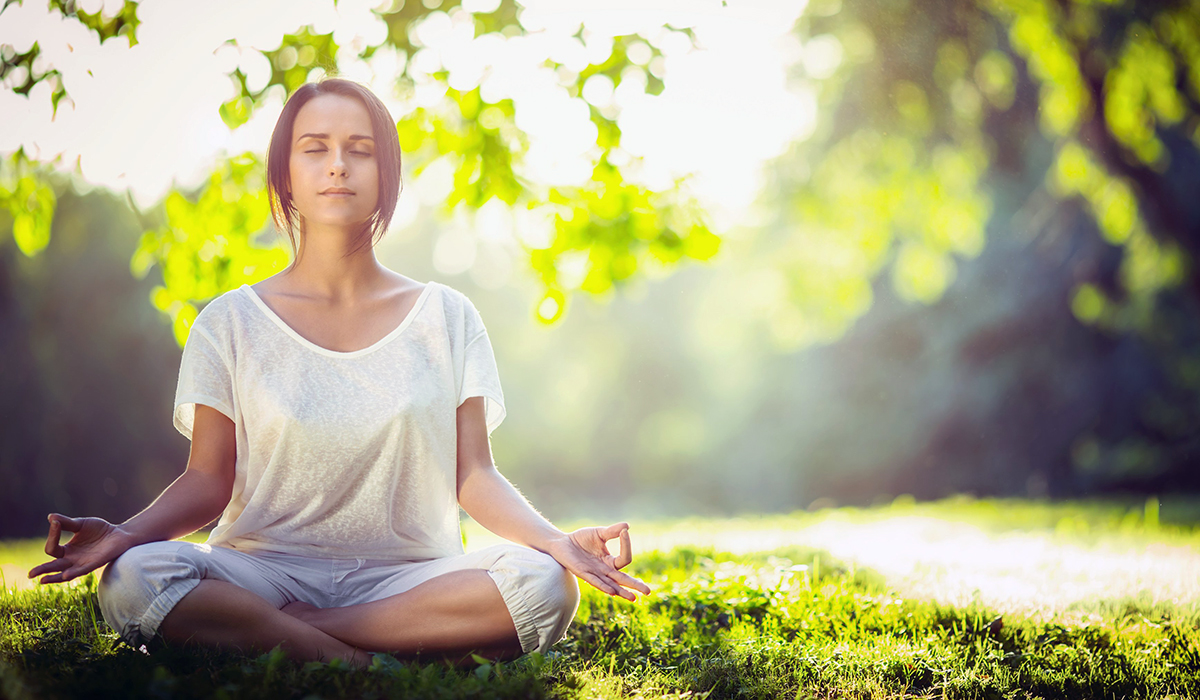
Applying mindfulness during a football game is crucial for maintaining focus and composure under pressure. It’s not about eliminating all thoughts, but rather about acknowledging them without judgment and redirecting attention back to the present moment. This heightened awareness can significantly impact performance by reducing anxiety and improving decision-making.Mindfulness during gameplay is not a passive state but an active engagement with the present moment.
Staying present allows athletes to react more effectively to the dynamic and unpredictable nature of the game. It enhances awareness of body sensations, environmental cues, and the flow of the game. By focusing on the immediate task, players can improve their reaction time, decision-making, and overall performance.
Applying Mindfulness Techniques During Gameplay
Mindfulness techniques can be seamlessly integrated into a player’s approach during a game. These techniques focus on cultivating awareness of the present moment, allowing for more effective responses to changing situations. These techniques do not require elaborate preparation and can be applied in a matter of seconds, providing immediate benefits.
Importance of Staying Present
Staying present in the moment during a football game is vital for optimal performance. This allows athletes to react more effectively to the game’s unpredictable nature, making better decisions and reducing the impact of pressure. The ability to focus on the immediate task at hand, without getting distracted by past mistakes or future anxieties, enhances concentration and improves overall performance.
This heightened awareness of the present moment helps athletes navigate the game’s challenges with more composure and efficiency.
Examples of Mindfulness Techniques During Gameplay
Several mindfulness techniques can be utilized during a game. These techniques focus on bringing awareness to the present moment, enabling players to respond more effectively to the dynamic demands of the game. These techniques can be easily incorporated into a player’s routine.
- Focusing on Sensory Input: Players can actively notice the sensations of their body, such as the feel of the ball, the position of their feet, the sound of the crowd, and the wind. This grounded awareness can provide valuable feedback about their body’s readiness and the environment around them.
- Acknowledging Thoughts and Emotions: Recognize thoughts and feelings without judgment. When a player experiences anxiety or frustration, acknowledge these emotions as passing sensations, allowing the focus to return to the task at hand. This helps prevent these feelings from dominating the player’s attention.
- Mindful Breathing: Take a few slow, deep breaths to regain composure. Focusing on the sensation of the breath can anchor the player in the present moment and calm racing thoughts.
Mindfulness and Maintaining Focus Under Pressure
Mindfulness plays a significant role in maintaining focus amidst the pressures of a football game. By training the mind to stay present, players can better manage stress and anxiety, enabling them to react more effectively and make better decisions. This mental fortitude is crucial in high-pressure situations, allowing athletes to perform at their best. Consistent practice of mindfulness enhances the ability to withstand the emotional and physical demands of competition.
Situational Mindfulness in Gameplay
| Situation | Mindfulness Technique | Explanation |
|---|---|---|
| Opponent’s aggressive play | Focusing on the present moment | By focusing on the present moment, the player can better react to the opponent’s actions without getting overwhelmed by past plays or future concerns. |
| Facing a crucial play | Mindful breathing | Taking a few slow, deep breaths centers the player in the present moment, allowing for more calculated decisions and a more composed approach to the play. |
| Experiencing pressure from the crowd | Acknowledging emotions | Acknowledging the emotional sensations without judgment helps the player maintain focus and avoid getting swept away by the atmosphere. |
Post-Game Meditation for Reflection
Post-game reflection is a crucial component of any athlete’s development. It’s not merely about analyzing the outcome; it’s about understanding the process, learning from both victories and defeats, and preparing for future challenges. Meditation offers a powerful tool for this introspection, allowing athletes to process emotions, identify areas for improvement, and cultivate a sense of peace and well-being.Post-game meditation provides a structured environment to process the intense emotions and experiences of competition.
By quieting the mind and focusing on the present moment, athletes can gain clarity and insight into their performance, fostering growth and resilience. This introspective practice can lead to a deeper understanding of strengths and weaknesses, allowing for more effective preparation and strategies in subsequent games.
Importance of Post-Game Reflection
Post-game reflection allows athletes to objectively assess their performance and identify areas for improvement. This includes evaluating strategies, technique, and mental fortitude. Reflecting on both successes and failures provides valuable data for future game planning and development. Without this essential step, athletes may miss key opportunities for progress and growth.
Processing the Game Through Meditation
Meditation can be a powerful tool for processing the game’s emotions. The controlled state of awareness allows athletes to objectively analyze the events, both positive and negative, without being overwhelmed by emotional responses. By detaching from the immediate experience, athletes can gain a fresh perspective on their performance, leading to clearer insights and actionable strategies.
Learning from Successes and Failures
Meditation promotes a mindful approach to evaluating both wins and losses. Successes can be analyzed to understand what contributed to the positive outcome, enabling the athlete to replicate those factors in future games. Failures, while difficult, can be viewed as opportunities for growth. Meditation can help athletes identify weaknesses, develop coping mechanisms, and adjust strategies to prevent similar errors in the future.
Significance of Gratitude and Acceptance
Cultivating gratitude for the opportunity to compete and accepting the outcome, regardless of the result, are crucial elements of post-game reflection. Gratitude fosters a positive mindset and appreciation for the process. Acceptance, on the other hand, allows for emotional release and prevents dwelling on past events, promoting mental well-being and resilience. This perspective allows for a smoother transition to the next challenge.
A Post-Game Meditation Script Example
“Close your eyes and take a few deep breaths. Bring your attention to your body, noticing any sensations without judgment. Now, visualize the game, focusing on specific moments, both positive and negative. Observe your thoughts and feelings without getting carried away by them. Acknowledge your successes with gratitude.
Acknowledge your failures with acceptance. Identify what you can learn from each experience. Visualize yourself preparing for the next challenge, confident and focused. Finally, let go of any lingering thoughts and emotions. Feel a sense of calm and peace.
Open your eyes when you’re ready.”
Incorporating Meditation into a Routine
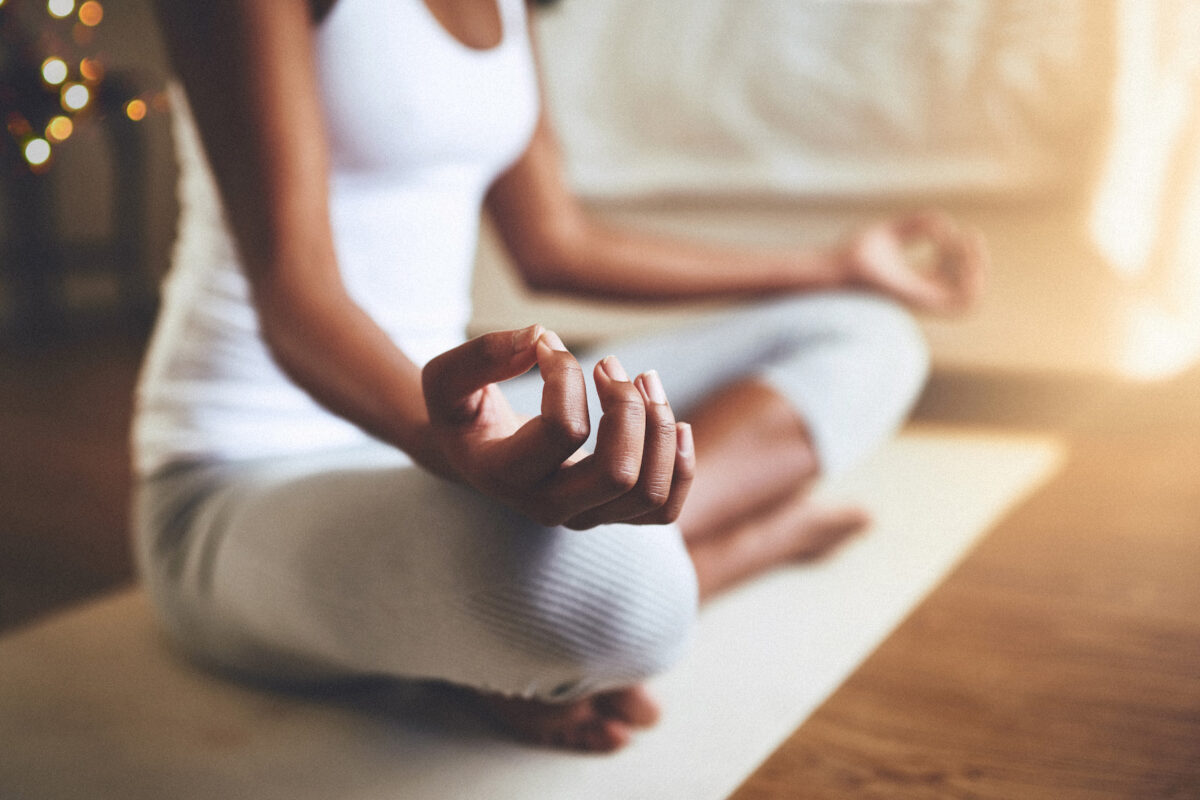
Establishing a consistent meditation practice is crucial for maximizing its benefits. Regular practice strengthens the neural pathways associated with mindfulness and emotional regulation, leading to greater mental clarity and emotional resilience. This, in turn, enhances focus, reduces stress, and promotes overall well-being, all of which translate to improved performance on the field.
Importance of Regular Practice
Meditation’s profound effects are often amplified through consistent daily practice. Just as physical training requires regular exercise to build strength and endurance, mental training through meditation benefits from consistent practice to cultivate mental focus and resilience. This regular practice helps to establish a baseline of mental calm and clarity, which athletes can draw upon during high-pressure situations.
Benefits of Integrating Meditation into a Daily Routine
Integrating meditation into a daily routine offers a multitude of benefits. It fosters a sense of calm and control, allowing athletes to manage stress more effectively. This can lead to improved sleep quality, enhanced concentration, and reduced anxiety, all factors contributing to better overall performance and well-being. Moreover, the discipline of meditation translates into a greater sense of self-awareness, which is vital for understanding one’s emotional responses and improving emotional intelligence.
Tips for Maintaining Consistency in Meditation
Consistency in meditation is paramount. To ensure continued practice, establish a specific time and location for meditation, and adhere to this schedule as diligently as possible. This creates a routine that integrates meditation into daily life without requiring undue effort.
- Choose a Dedicated Time: Designate a specific time each day, even if it’s just 5-10 minutes, to dedicate to meditation. Consistency is key; choosing a time that aligns with your daily schedule will help ensure you stick to the routine.
- Create a Meditation Space: Dedicate a quiet, comfortable space where you can practice meditation without distractions. This space becomes associated with relaxation and mindfulness, aiding in the transition to meditation.
- Start Small and Gradually Increase Duration: If you’re new to meditation, begin with shorter sessions (5-10 minutes) and gradually increase the duration as you develop a routine and experience the benefits.
- Find a Meditation Partner or Group: A partner or group can provide support and accountability, fostering a sense of community and shared practice.
- Use Reminders: Set alarms or reminders on your phone or calendar to help you remember to meditate. This is especially useful for maintaining consistency, especially in the initial stages of establishing a routine.
Schedule Template for Incorporating Meditation into a Daily Routine
A well-structured schedule can significantly improve the chances of consistently incorporating meditation into daily life.
| Day | Time | Duration | Notes |
|---|---|---|---|
| Monday | 6:00 AM | 10 minutes | Morning quiet time |
| Tuesday | 12:00 PM | 5 minutes | Lunch break meditation |
| Wednesday | 6:00 PM | 15 minutes | Evening reflection |
| Thursday | 6:00 PM | 10 minutes | Evening calm before sleep |
| Friday | 12:00 PM | 5 minutes | Lunch break meditation |
| Saturday | 10:00 AM | 15 minutes | Morning quiet time |
| Sunday | 9:00 AM | 10 minutes | Morning reflection |
Method for Tracking Meditation Progress
Tracking your meditation progress can be highly motivating. It allows you to see your growth and identify areas where you can improve.
- Use a Journal: Note the date, time, duration, and how you felt before, during, and after each session. Record any thoughts or insights you gain during meditation.
- Use a Meditation App: Many meditation apps offer features for tracking progress, providing insights into your practice over time.
- Set Goals: Establish realistic goals for your meditation practice, such as increasing the duration of your sessions or practicing daily for a specific number of weeks.
Ending Remarks
In conclusion, mastering pre-game meditation provides a powerful tool for athletes to enhance their performance and overall well-being. By understanding the different techniques, creating a supportive environment, and consistently practicing, players can cultivate mental resilience and unlock their full potential. This guide equips you with the knowledge and tools to transform your pre-game routine and experience the profound benefits of meditation in the context of competitive sports.
The key is to find what works best for you and to make it a regular part of your preparation.