Post-cardio meditation offers a powerful approach to recovery, combining the benefits of physical exertion with the tranquility of mindful practice. This comprehensive guide, “How to Meditate After Cardio with 20-Point Checklist,” provides a structured and detailed approach to enhance your post-workout experience. It explores the physiological effects of cardio, the mental and emotional advantages of meditation, and the practical steps to integrate this practice into your daily routine.
By following this 20-point checklist, you’ll discover a systematic way to transition from intense physical activity to a state of deep relaxation and rejuvenation. This approach fosters a balanced and holistic recovery process, ultimately improving overall well-being.
Introduction to Post-Cardio Meditation
Post-cardio meditation is a practice that integrates mindfulness techniques with the physiological effects of cardiovascular exercise. This approach allows for a smooth transition from the heightened state of physical exertion to a state of calm and restoration. It promotes mental clarity, reduces stress, and facilitates a deeper sense of well-being.Cardiovascular exercise, while beneficial for physical health, can sometimes leave individuals feeling energized and restless.
Post-cardio meditation helps to manage this residual energy, promoting relaxation and recovery. This is crucial for allowing the body to repair and rebuild tissues efficiently, maximizing the benefits of the workout.
Physiological Effects of Cardio and Meditation
Cardiovascular exercise elevates heart rate, increases blood flow, and raises adrenaline levels. This physiological response can leave individuals feeling stimulated and agitated. Post-cardio meditation helps to counteract these effects by calming the nervous system, reducing heart rate, and promoting a sense of peace. The mind-body connection is strengthened, enabling individuals to manage stress and anxiety more effectively.
Importance of Mindful Recovery
Mindful recovery is essential after intense physical activity. It allows the body to replenish energy stores, repair muscle tissue, and regulate hormone levels. Post-cardio meditation, by calming the mind and body, facilitates this recovery process. Neglecting mindful recovery can lead to fatigue, muscle soreness, and an increased risk of injury.
Types of Meditation Suitable for Post-Cardio Recovery
Several types of meditation can be beneficial for post-cardio recovery. Mindful breathing, a core practice in most meditation techniques, is particularly effective. It allows individuals to regulate their breath, slowing down the heart rate and calming the nervous system. Progressive muscle relaxation is another useful technique, focusing on releasing tension in different muscle groups. Body scan meditation, which involves bringing awareness to various parts of the body, can also help with recovery by identifying and releasing physical tension.
Introduction to the 20-Point Checklist
The 20-point checklist provides a structured framework for incorporating post-cardio meditation into daily routines. It encompasses various aspects, from preparing the environment to understanding the subtle nuances of the practice. The checklist’s purpose is to offer a comprehensive guide, ensuring a seamless integration of meditation into the post-workout recovery process. The checklist serves as a roadmap for beginners and a refresher for experienced practitioners.
Benefits of Post-Cardio Meditation
Post-cardio meditation offers a unique opportunity to maximize the benefits of your workout, extending beyond physical recovery to encompass mental and emotional well-being. By integrating this practice into your routine, you can enhance your overall fitness and wellness journey.Engaging in meditation immediately following a cardiovascular workout allows for a more profound integration of mind and body. This focused mental state can facilitate a smoother transition into relaxation, mitigating the lingering effects of exertion and promoting overall well-being.
Mental and Emotional Advantages
Meditation after cardio can effectively reduce feelings of stress and anxiety, a common response to intense physical activity. This is particularly valuable for individuals experiencing high-pressure environments or demanding schedules. By quieting the mind, post-cardio meditation can foster a sense of calm and clarity, which can positively impact decision-making and emotional regulation. This mindful approach allows individuals to better manage stress triggers, thereby promoting mental resilience.
Physical Benefits
The physical benefits of post-cardio meditation extend to improved heart rate recovery. Meditation, with its focus on breathwork and present moment awareness, can contribute to a faster return of the heart rate to baseline levels following exercise. This efficient recovery process can reduce the strain on the cardiovascular system, leading to better overall physical health. Furthermore, meditation can effectively reduce levels of stress hormones like cortisol.
Cortisol elevation can have adverse effects on the body, including increased blood pressure and reduced immune function. Post-cardio meditation can help counteract these effects by promoting a calmer physiological state.
Comparison to Other Recovery Methods
While other recovery methods such as stretching and light walks can also be beneficial, meditation offers a unique advantage in its ability to address both mental and physical recovery simultaneously. Stretching primarily focuses on physical recovery, while light walks may not always address the emotional aspects of post-workout recovery. Meditation’s holistic approach provides a more comprehensive recovery strategy, addressing both physical and psychological needs.
Improved Sleep Quality
The calming effects of post-cardio meditation can contribute significantly to improved sleep quality. By reducing stress and anxiety, meditation helps to create a more relaxed state of mind, which is conducive to falling asleep and maintaining a restful sleep. Studies have shown that regular meditation practice can lead to increased sleep duration and reduced sleep disturbances. This improved sleep quality translates to better physical and mental restoration, contributing to a more effective fitness routine.
Long-Term Benefits
Incorporating post-cardio meditation into a regular fitness routine can lead to a multitude of long-term benefits. This mindful practice cultivates mental resilience, enabling individuals to manage stress more effectively and maintain a positive outlook on their fitness journey. Furthermore, the long-term reduction in stress hormones and improved heart rate recovery can contribute to a more robust cardiovascular system, ultimately promoting longevity and well-being.
The 20-Point Checklist
Post-cardio meditation offers a powerful opportunity for both physical and mental restoration. This structured approach helps integrate the benefits of your workout with focused relaxation, enhancing overall well-being. By systematically addressing various aspects of your physical and mental state, you can create a truly holistic recovery process.This 20-point checklist provides a framework for deepening your post-cardio meditation practice.
Each point offers a structured approach, guiding you through various techniques to maximize your experience. Adaptability is key; adjust the duration and intensity of each step to suit your individual needs and preferences.
Structure of the 20-Point Checklist
This structured checklist provides a comprehensive approach to post-cardio meditation, encompassing physical and mental aspects of recovery. The sequence of points is designed to promote a smooth transition from intense physical activity to deep relaxation.
| Point | Description | Methods | Mindfulness Exercises |
|---|---|---|---|
| 1 | Acknowledge the physical exertion. | Body scan, breath awareness | Notice the warmth, tension, and sensations in your muscles. Focus on the rhythmic rise and fall of your breath. |
| 2 | Gentle stretching. | Static stretches, dynamic stretches | Hold each stretch for 15-30 seconds, focusing on the sensation of the stretch in your muscles. Move through a series of gentle dynamic stretches. |
| 3 | Hydration and nourishment. | Water intake, light snacks | Drink a glass of water and consume a small, healthy snack. Pay attention to the feeling of the water as it moves through your body. |
| 4 | Grounding techniques. | Mindful walking, body scan | Slowly walk to a comfortable location, focusing on the contact of your feet with the ground. |
| 5 | Deep breathing exercises. | Diaphragmatic breathing, alternate nostril breathing | Practice diaphragmatic breathing, feeling your belly rise and fall with each breath. |
| 6 | Mindful awareness of senses. | Sensory observation, guided imagery | Notice sounds, smells, and sights around you. Bring your attention to each sense. |
| 7 | Emotional regulation. | Mindfulness of thoughts, guided meditation | Notice thoughts and emotions without judgment. Allow them to pass through you like clouds in the sky. |
| 8 | Setting intentions. | Affirmations, visualization | Set intentions for the rest of the day. Visualize yourself accomplishing your goals. |
| 9 | Release physical tension. | Progressive muscle relaxation, gentle massage | Release tension in your muscles through progressive muscle relaxation, tightening and releasing different muscle groups. |
| 10 | Mindful movement. | Yoga poses, gentle stretches | Perform a few gentle yoga poses or stretches, focusing on the flow of energy through your body. |
| 11 | Self-compassion. | Self-affirmations, self-encouragement | Acknowledge your effort and be kind to yourself. Remind yourself of your strengths. |
| 12 | Sensory exploration. | Body scan, mindful eating | Explore textures, tastes, and smells with mindfulness. Notice the sensations of food as you eat. |
| 13 | Positive self-talk. | Affirmations, positive reframing | Use positive affirmations to encourage yourself. |
| 14 | Focus on gratitude. | Journaling, mindfulness exercises | Reflect on things you are grateful for. |
| 15 | Visualize calm. | Guided imagery, visualization | Visualize a peaceful and serene place. |
| 16 | Release negativity. | Letting go, mindfulness | Let go of any negative thoughts or emotions. |
| 17 | Mindful posture. | Body awareness, posture adjustments | Ensure your posture is aligned and comfortable. |
| 18 | Mindful listening. | Active listening, mindful conversation | Listen attentively to others without judgment. |
| 19 | Emotional self-regulation. | Deep breathing, self-soothing techniques | Use deep breathing or self-soothing techniques to regulate emotions. |
| 20 | Reflect and integrate. | Journaling, reflection | Reflect on your experience and integrate the lessons learned. |
Adapting the Checklist
The checklist is a flexible tool. Adjust the duration and intensity of each point to fit your personal needs and preferences. Prioritize the points that resonate most strongly with you in any given session.
Methods and Techniques for Post-Cardio Meditation
Post-cardio meditation offers a unique opportunity for deep relaxation and recovery. By integrating specific meditation techniques with the physiological changes induced by exercise, you can enhance the benefits of both activities. This section will explore various methods and techniques, emphasizing their application after a cardio session.The post-cardio period is a time of transition, where the body is shifting from exertion to rest.
Meditation, particularly tailored techniques, can gently guide this transition, fostering a sense of calm and well-being. Careful selection of a meditation method is crucial to maximize the benefits and ensure a smooth return to a relaxed state.
Mindfulness Meditation After Cardio
Mindfulness meditation involves focusing on the present moment without judgment. After cardio, this practice allows you to observe the sensations in your body—your heartbeat, breath, and muscle tension—without getting carried away by them. This non-judgmental awareness promotes a sense of groundedness and emotional regulation. The focus on the physical sensations is especially beneficial after a workout, as it helps your body to return to a state of equilibrium.
This technique fosters a greater connection with your physical self, promoting recovery and relaxation.
Loving-Kindness Meditation for Post-Cardio Recovery
Loving-kindness meditation cultivates feelings of compassion and kindness towards oneself and others. After a cardio session, this practice is particularly helpful in promoting a sense of self-acceptance and appreciation for your body’s strength and resilience. By extending loving-kindness to yourself, you acknowledge the effort you put into your workout and appreciate the positive impact on your well-being. This practice can promote emotional regulation and reduce feelings of stress or anxiety that might arise after a strenuous activity.
Body Scan Meditation for Post-Cardio Relaxation
Body scan meditation involves systematically bringing awareness to different parts of the body, noticing any sensations without judgment. After cardio, this technique helps to release physical tension that may have accumulated during the workout. By gently focusing on each part of the body, you can identify and release any areas of tightness or discomfort. This practice promotes relaxation and reduces stress, allowing the body to fully unwind after exertion.
It can be especially helpful in managing muscle soreness or stiffness that sometimes follows intense cardio sessions.
Breathing Exercises for Post-Cardio Meditation
Specific breathing exercises can be incorporated into post-cardio meditation to facilitate a smoother transition to relaxation. Deep, conscious breathing is key. The exercises below can be tailored to your needs and are effective in reducing stress and promoting relaxation.
- Diaphragmatic Breathing: Inhale deeply through your nose, feeling your diaphragm expand. Exhale slowly through your mouth, releasing any tension. This technique helps calm the nervous system and promotes a sense of peace. Practicing this type of breathing can also reduce feelings of anxiety.
- Box Breathing: Inhale for a count of four, hold for a count of four, exhale for a count of four, and hold for a count of four. This rhythmic breathing pattern can regulate your heart rate and calm your mind. Repeating this cycle can help regulate emotions and bring a sense of balance.
Guided Meditations for Post-Cardio Recovery
Guided meditations specifically designed for post-cardio recovery can offer structured support and guidance. These recordings often incorporate elements of mindfulness, body scan, and/or breathing techniques, tailored to the unique needs of post-exercise recovery. The structure and verbal cues in these recordings can assist in focusing and maintaining a state of relaxation. They can help to guide you through the transition from physical activity to rest and recovery.
Choosing the Right Technique
The optimal meditation technique after cardio depends on individual needs and preferences. Consider your typical response to exercise and any specific needs or challenges. Mindfulness is beneficial for observing sensations, loving-kindness fosters compassion, and body scan helps to release tension. Experiment with different techniques to discover which one best aligns with your needs and preferences. The right technique will support your individual recovery process, leaving you feeling calm and restored.
Practical Application and Integration
Integrating post-cardio meditation into your daily routine can significantly enhance its benefits. This section provides a structured approach to seamlessly incorporate this practice, addressing common challenges, and fostering consistent engagement. Understanding how to weave this valuable activity into your existing schedule is crucial for long-term success.Post-cardio meditation, when properly integrated, can become an integral part of your wellness routine.
This structured approach allows you to capitalize on the physical and mental benefits, making it a powerful tool for overall well-being.
Creating a Daily Routine
A well-structured daily routine is key to incorporating post-cardio meditation. Consistency is crucial for realizing the full potential of this practice. The following steps Artikel how to seamlessly weave this into your existing schedule.
- Identify Your Ideal Time Slot: Choose a time after your cardio session that allows for a dedicated 10-15 minute period. This ensures a focused practice without feeling rushed or rushed to meet other obligations. Consistency is crucial. Finding a time that fits your schedule is critical to the practice’s success.
- Establish a Dedicated Space: Creating a quiet, comfortable, and dedicated space for meditation enhances focus and promotes a sense of mindfulness. This space should be free from distractions and encourage relaxation.
- Incorporate into Your Workout Schedule: Schedule post-cardio meditation as part of your workout routine. Treating it like any other workout component helps maintain consistency and momentum. This ensures that you treat it as an integral part of your routine.
- Be Flexible: Life happens. If you miss a session, don’t beat yourself up. Simply reschedule it for another time. This flexibility prevents feelings of guilt or failure and allows for consistent practice over the long term.
Overcoming Challenges
Maintaining any new practice can present challenges. Understanding potential obstacles and developing strategies to overcome them are crucial for long-term success.
- Lack of Time: Prioritizing post-cardio meditation requires a conscious effort. Even 5-10 minutes can be beneficial. This can be accomplished by shortening the duration of the workout itself or shifting the schedule slightly.
- Distractions: External distractions can disrupt the meditative state. Find a quiet space, and minimize interruptions during your session. If necessary, use noise-canceling headphones or earplugs.
- Maintaining Motivation: Remembering the benefits of post-cardio meditation can help sustain motivation. Reflect on how this practice enhances your overall well-being. Keeping a journal to track progress and record experiences can be beneficial.
- Finding Consistency: Consistency is key to experiencing the full benefits. Treat post-cardio meditation as an important part of your self-care routine. Scheduling it into your day as a priority is a practical step.
Strategies for Staying Motivated
Developing strategies to stay motivated and consistent is vital for long-term success. This involves recognizing the value of the practice and finding ways to maintain engagement.
- Visualize Benefits: Regularly visualize the physical and mental benefits of post-cardio meditation. This positive reinforcement can help maintain motivation. Consider the improvement in focus, relaxation, and overall well-being.
- Reward Yourself: Acknowledge and reward yourself for maintaining consistent practice. This reinforces positive behavior and strengthens the association between post-cardio meditation and positive outcomes.
- Find a Meditation Partner: Meditating with a friend or group can provide support and accountability. Sharing the experience with others can foster motivation and encouragement.
- Track Progress: Keeping a log or journal to track your progress can be helpful. Notice improvements in focus, stress reduction, and overall well-being. Record how these changes make you feel.
Integrating into a Busy Lifestyle
Incorporating post-cardio meditation into a busy lifestyle requires careful planning and prioritization. This involves adjusting existing routines to accommodate this practice.
- Shorten Your Workouts: If needed, adjust your workout schedule to accommodate the post-meditation time slot. Even shorter workouts are better than skipping the entire routine.
- Prioritize Self-Care: View post-cardio meditation as a form of self-care. This emphasizes the importance of taking time for yourself, even in a busy schedule.
- Combine with Other Activities: Combine post-cardio meditation with other self-care activities, such as reading or listening to calming music. This helps create a routine that feels more manageable and enjoyable.
Illustrations and Visual Aids
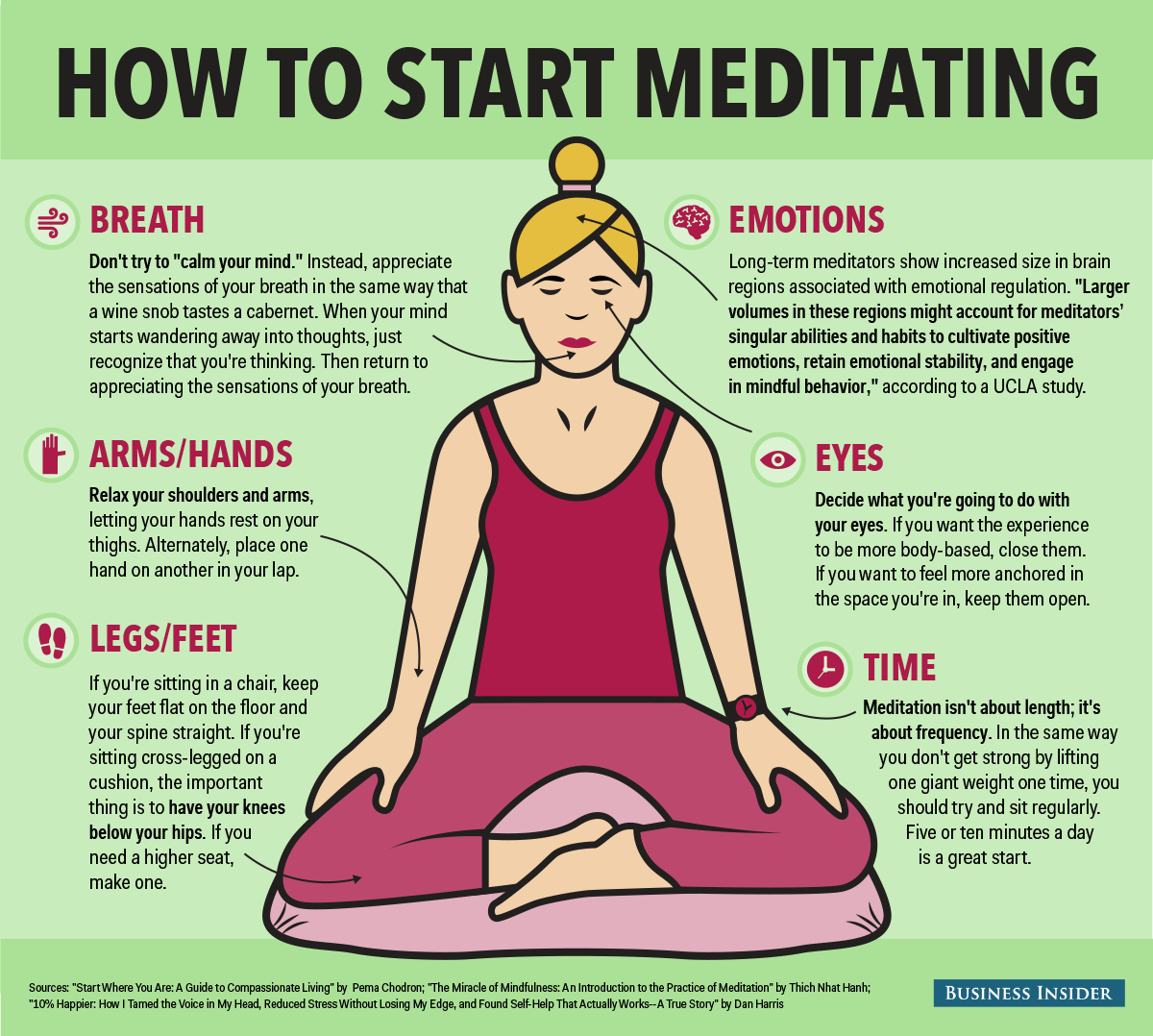
Visual aids play a crucial role in enhancing understanding and retention of information related to post-cardio meditation. They transform abstract concepts into tangible representations, making complex procedures more accessible and relatable. These illustrations and diagrams serve as valuable tools for learners to visualize the various aspects of this practice.Clear and accurate visualizations support a deeper comprehension of the different meditation postures, breathing techniques, and environmental considerations.
This improved comprehension aids in the successful implementation of the techniques learned.
Meditation Postures
Understanding appropriate postures is vital for a comfortable and effective meditation session after cardio. Postures should facilitate a relaxed and mindful state without putting undue stress on the body.
| Posture | Description | Suitability after Cardio |
|---|---|---|
| Seated on a cushion | Sitting upright with a straight back, legs crossed or uncrossed, spine aligned. | Generally suitable, allows for easy control of breathing and body awareness. |
| Supported Reclining | Lying on a firm surface with support for the head and neck. | Ideal for those who find prolonged seated postures challenging, especially after vigorous exercise. |
| Standing | Standing with feet apart, maintaining balance and a grounded posture. | Potentially suitable for individuals comfortable with standing meditation; may require greater focus to maintain balance and composure after exertion. |
Steps of the 20-Point Checklist
A clear flowchart visually guides users through the 20-point checklist. This graphical representation makes it easy to follow the steps in sequence and ensure all aspects are addressed.(A detailed flowchart depicting the 20-point checklist is best represented visually, as it’s difficult to accurately describe it in text format. It would consist of boxes representing each point, connected by arrows to indicate the order of steps.)
Breathing Techniques
Visual representations of various breathing techniques, such as diaphragmatic breathing and alternate nostril breathing, are essential for practical application. Visual aids provide a clear understanding of the body’s movement during these techniques, enhancing the ability to execute them correctly.(Visuals depicting the breath cycles and body movement during different breathing techniques are highly recommended. This would include diagrams illustrating the process of inhaling and exhaling, along with images of the diaphragm’s movement, if applicable.)
Calming Environments
Creating a calming environment is a key element in effective meditation. Visuals illustrating various aspects of creating a serene space can include images of natural elements like plants and water, soft lighting, and muted colors. These images will reinforce the importance of the environment in creating a peaceful atmosphere for meditation.(Visuals depicting different calming environments are crucial. These could include images of a room with soft lighting, a garden with plants, or a space with flowing water.
The images would highlight the visual and atmospheric elements that contribute to a calming space.)
Physiological Effects of Cardio and Meditation
Illustrative images showing the physiological effects of cardio and meditation can be powerful learning tools. These could include images of increased blood flow, reduced heart rate, and decreased stress hormone levels. Such visuals demonstrate the positive impact of these practices on the body.(Visual representations of these effects would be most effective. This could include graphs illustrating changes in heart rate and blood pressure, alongside images depicting the relaxation response in the body.
The images would help to translate the abstract benefits into tangible changes.)
Troubleshooting and Common Mistakes
Embarking on a new practice, such as post-cardio meditation, can present various challenges. Understanding potential pitfalls and developing strategies to overcome them is crucial for sustained success. This section will address common obstacles, offering practical solutions for a smoother meditative journey.
Distractions and Negative Thoughts
Maintaining focus during meditation, especially immediately after physical exertion, can be difficult. The mind, still energized from the cardio session, may wander, leading to distractions. Negative thoughts, anxieties, or unresolved issues from the day may also arise. Addressing these proactively is essential.
- Recognizing and Labeling Distractions: Acknowledging the presence of a wandering mind without judgment is the first step. Note the thought or sensation that pulled your focus away from your breath or chosen point of focus. Labeling it (e.g., “thinking about work,” “physical discomfort”) helps detach from the distraction.
- Gentle Return to Focus: Gently redirect your attention back to your chosen focal point. This might involve returning to your breath, a mantra, or a visualization. Don’t judge yourself for the distraction, simply acknowledge it and return.
- Mindfulness of Thoughts: Recognize negative thoughts as mental events, transient and not necessarily reflective of reality. Observe them without engaging with them, allowing them to pass like clouds in the sky. Remind yourself that these thoughts are not permanent.
Physical Discomfort
Post-cardio, the body might experience some muscle tension, aches, or even light pain. These sensations can interrupt the meditative state. Addressing these physical discomforts proactively is essential for a comfortable and effective practice.
- Adjusting Posture: Ensure your posture is comfortable and supportive. Slight adjustments might alleviate tension in your body. Consider using a cushion or bolster to elevate your hips for better spinal alignment.
- Gentle Movement: If a specific body part feels tense, very gently move it. A few mindful stretches might help alleviate discomfort without disrupting the meditative state.
- Mindful Body Scan: Integrate a body scan into your meditation practice. Direct attention to any areas of discomfort, acknowledging the sensation without judgment. Focus on the breath flowing through the body, bringing a sense of relaxation.
Maintaining Focus and Presence
Maintaining consistent focus and presence throughout the meditation is a skill that develops with practice. Regularity is key.
- Establish a Routine: Scheduling a dedicated time for post-cardio meditation, even if it’s just 5-10 minutes, helps build consistency and integrate it into your daily routine.
- Gradual Increase in Duration: Start with shorter meditation sessions and gradually increase the duration as you gain experience and comfort.
- Anchoring to the Present Moment: Regularly check in with your breath and physical sensations. Anchor yourself to the present moment, acknowledging the now without dwelling on the past or anticipating the future.
Potential Negative Side Effects
While generally beneficial, post-cardio meditation might occasionally cause mild side effects, such as lightheadedness or a feeling of overwhelm. Understanding these potential side effects and how to manage them can be helpful.
- Lightheadedness: If lightheadedness occurs, stop the meditation, sit upright, and take slow, deep breaths. Ensure you’re in a safe environment.
- Overwhelm: If you feel overwhelmed during or after meditation, acknowledge the feeling without judgment. Engage in a grounding practice, such as deep breathing or progressive muscle relaxation. If the feeling persists, consider consulting a healthcare professional.
- Hypersensitivity: Some individuals might find themselves more sensitive to sensory input after a vigorous workout. In such cases, a shorter meditation session or adjusting the environment might be helpful.
Conclusive Thoughts
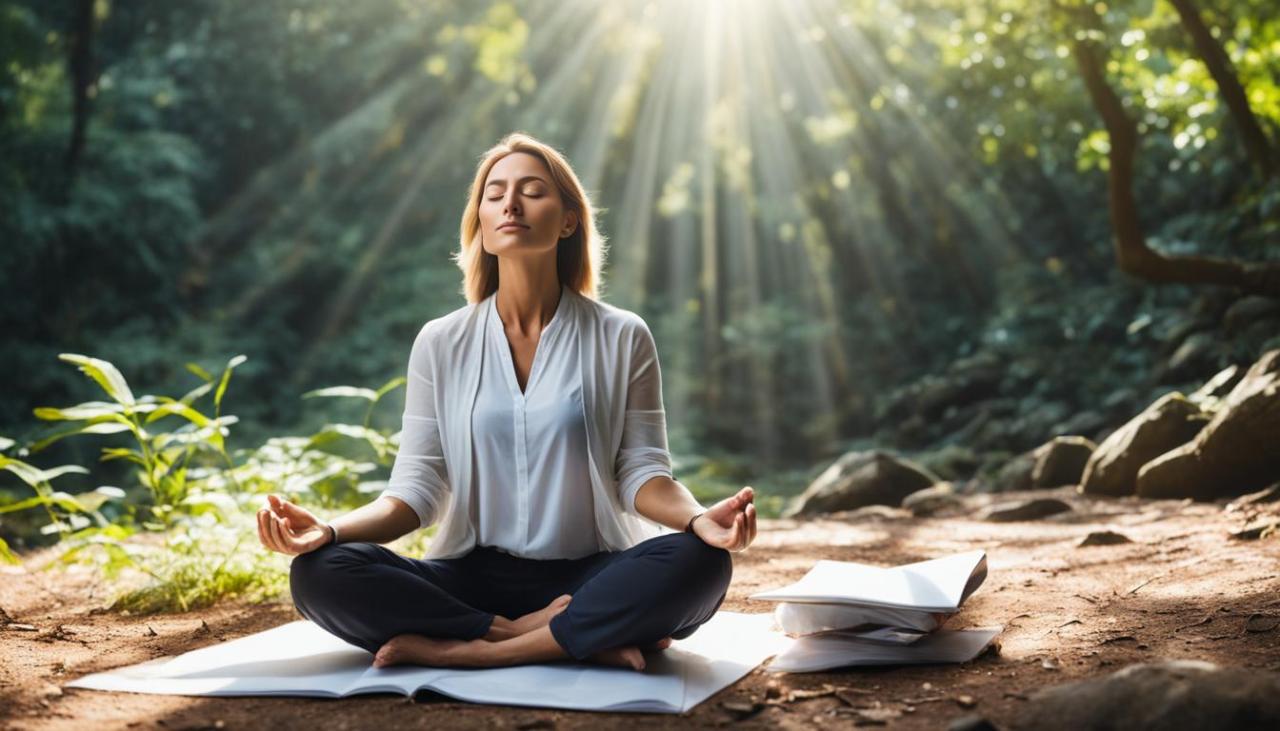
In conclusion, this guide provides a structured and comprehensive approach to post-cardio meditation, empowering you to optimize your recovery process. The 20-point checklist serves as a practical roadmap, guiding you through each step with specific techniques and considerations. Integrating these techniques into your routine will promote mental clarity, physical restoration, and overall wellness. The detailed illustrations and visual aids further enhance understanding and application, making this a valuable resource for anyone seeking to elevate their post-workout experience.