Unlock your gym potential with the power of meditation. This guide provides a practical, nine-step approach to harnessing the mental clarity and focus that meditation offers. Learn how to integrate mindfulness into your workouts, from pre-workout preparation to post-workout recovery. Discover the transformative impact of meditation on athletic performance and unlock your inner athlete.
By incorporating meditation into your gym routine, you can significantly improve your concentration, manage stress and anxiety, and enhance your overall experience. This comprehensive guide delves into the specific benefits and techniques of meditation for athletes, offering actionable strategies and practical exercises for optimal results.
Introduction to Meditation for Gym Focus
Meditation, at its core, is a practice that cultivates mental clarity and focus. It involves training the mind to quiet distracting thoughts and emotions, allowing for a heightened awareness of the present moment. This heightened awareness, coupled with the ability to regulate attention, translates directly into improved mental performance. The benefits extend far beyond the mental realm, influencing physical performance and well-being.By quieting the mental chatter, meditation fosters a profound connection between the mind and body, leading to a greater sense of calm and control during physical activity.
This mental stillness and focus can be a powerful asset in optimizing athletic performance, enabling athletes to achieve peak physical potential. A calm mind allows for better concentration on form, technique, and the demands of the workout, leading to improved performance and a more satisfying experience.
The Connection Between Meditation and Athletic Performance
Meditation, by its very nature, enhances mental focus. This improved focus directly translates to enhanced performance in physical activities. Athletes often find that their ability to concentrate on the task at hand improves significantly, allowing for more precise movements and a deeper understanding of their body’s responses. A calm mind allows for more effective strategizing and decision-making during high-pressure situations.
Examples of Enhanced Athletic Performance through Meditation
Numerous studies suggest that meditation can significantly improve athletic performance. Elite athletes across various disciplines, including runners, swimmers, and gymnasts, have reported enhanced focus, reduced anxiety, and improved reaction time through consistent meditation practice. Meditation can help athletes manage stress and pressure effectively, leading to more consistent and controlled performance under demanding conditions. For instance, a study on tennis players showed that those who practiced meditation had a noticeable reduction in errors due to mental lapses.
This demonstrates a direct correlation between mental clarity achieved through meditation and improved athletic performance.
How Meditation Improves Gym Focus
Meditation provides a valuable tool for athletes seeking to enhance their gym focus. By quieting the mind and improving concentration, meditation allows athletes to better focus on the task at hand, improving form, technique, and overall performance. This focused attention translates into a more effective workout, leading to better results and a more enjoyable experience. The enhanced mental clarity allows athletes to push their physical limits while maintaining control and awareness.
Key Benefits of Meditation for Gym Focus
- Improved Concentration: Meditation quiets the mind, allowing for a more focused attention span during workouts. This enhanced focus translates to more precise movements, better form, and improved technique.
- Reduced Anxiety and Stress: Meditation practices can effectively reduce pre-workout anxiety and stress. This calm mental state promotes a more positive and productive workout experience.
- Enhanced Self-Awareness: Through meditation, athletes develop a heightened awareness of their bodies’ responses during exercise. This heightened awareness allows for better adjustments and greater control over their performance.
- Improved Emotional Regulation: Meditation helps manage emotional responses during challenging workouts, fostering a more composed and consistent approach to physical activity. This improved regulation is vital for maintaining composure during intense training sessions.
Understanding the Benefits of Meditation for Gym Focus
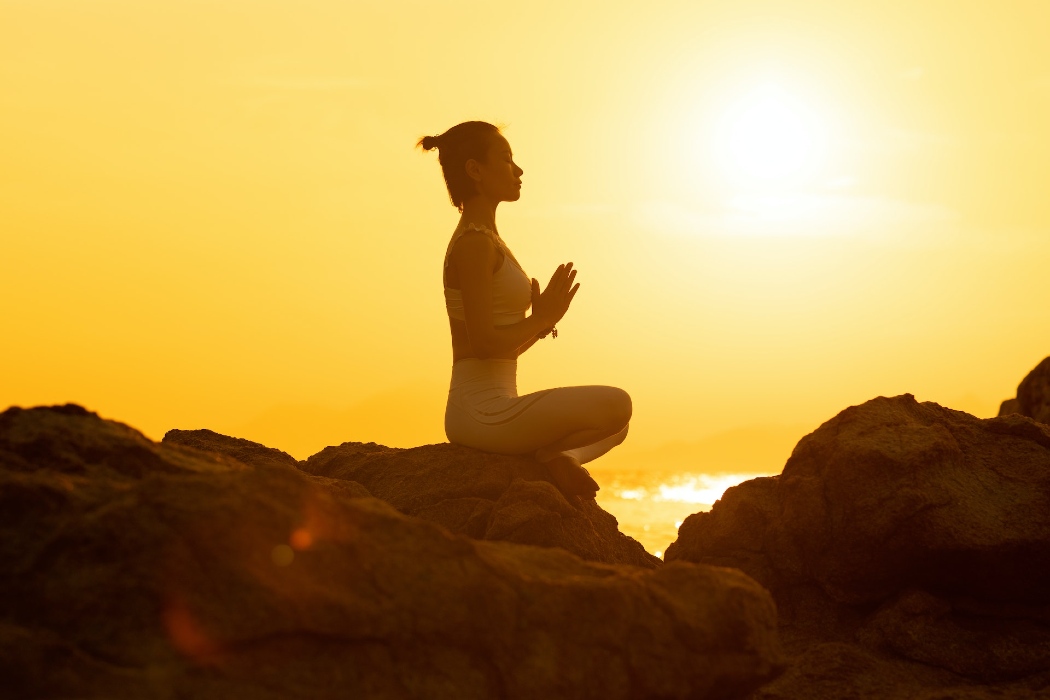
Meditation, a practice of focusing the mind, offers a multitude of benefits that extend beyond the realm of relaxation. For athletes, particularly those seeking enhanced gym performance, meditation can be a powerful tool for optimizing mental and physical preparedness. By quieting the mind and fostering a state of focused awareness, meditation can significantly improve concentration, stress management, and ultimately, athletic output.
Mental and Emotional Benefits for Athletes
Meditation cultivates a sense of mental clarity and emotional regulation, which are crucial for athletes. Regular practice can lead to a reduction in anxiety and stress, allowing athletes to approach workouts with a more composed and focused mindset. This mental calmness translates into a more effective approach to training, leading to better performance and improved recovery. Furthermore, meditation fosters emotional resilience, enabling athletes to handle setbacks and challenges with greater equanimity.
Improved Concentration and Attention During Workouts
Meditation cultivates focused attention. Through consistent practice, athletes can enhance their ability to concentrate on the task at hand, whether it’s lifting weights, executing a complex routine, or pushing their physical limits. This heightened concentration allows for better form, increased precision, and improved overall performance during workouts. The ability to maintain focus during demanding physical exertion is a key advantage in athletic performance.
Stress and Anxiety Management Before and After Workouts
Pre-workout anxiety and post-workout stress are common experiences for many athletes. Meditation provides a valuable tool for managing these emotions. Before a workout, meditation can help athletes calm their nerves, reduce anxiety, and focus on the present moment. Post-workout, meditation aids in processing the physical and mental demands of the training session, promoting a sense of calm and well-being.
This proactive approach to stress management contributes significantly to overall recovery and performance.
Reduced Muscle Tension Through Meditation
A strong correlation exists between mental state and physical tension. Meditation, by reducing stress and promoting relaxation, can lead to a decrease in muscle tension. This relaxation can improve posture, enhance flexibility, and increase the efficiency of muscle movements. Lower muscle tension can also contribute to better sleep and overall physical recovery. Studies have shown that meditation techniques can lead to a significant decrease in muscle activity, measured through electromyography (EMG), during periods of rest.
Types of Meditation Suitable for Gym Focus
Different types of meditation can be tailored to various stages of a workout routine, enhancing focus and performance. Understanding the nuances of each technique allows for strategic application, optimizing your experience and results. This section will explore the suitable meditation types for pre-workout, during workout, and post-workout phases.
Meditation Techniques for Pre-Workout Focus
Various meditation practices can prime your mind for optimal performance before hitting the gym. These techniques focus on mental clarity and a calm, focused state, essential for preparing for physical exertion.
- Mindfulness Meditation: This technique encourages present moment awareness, allowing you to observe your thoughts and feelings without judgment. By focusing on your breath and bodily sensations, mindfulness can help quiet the mental chatter and reduce pre-workout anxiety. In a gym setting, this involves observing your body’s sensations as you prepare to work out. This could include noticing the feeling of your clothes, the air on your skin, and your heart rate.
- Focused Attention Meditation: This involves concentrating on a specific object, sound, or sensation. For a pre-workout routine, you could focus on your breath or a specific mantra. This enhances concentration, crucial for executing exercises with precision and maintaining focus.
Meditation Techniques During the Workout
Certain meditation techniques can be integrated into your workout routine to maintain focus and mental resilience.
- Mindful Movement Meditation: This combines mindfulness with physical activity. It involves paying close attention to the sensations of each movement during exercises, fostering a deeper connection between your mind and body. You can focus on the stretch of your muscles during a set or the rhythmic pattern of your movements, like in yoga.
- Loving-Kindness Meditation (Metta): This meditation technique involves cultivating feelings of compassion and goodwill toward yourself and others. During a workout, you can focus on your own well-being, accepting your body’s sensations and effort. This can be adapted to a gym environment by mentally wishing yourself strength and endurance as you perform each exercise. This can be particularly beneficial in challenging workouts to maintain motivation.
Meditation Techniques for Post-Workout Recovery
Post-workout meditation aids in muscle recovery, stress reduction, and mental restoration.
- Body Scan Meditation: This technique involves systematically bringing awareness to different parts of your body, noticing any tension or discomfort. This is excellent for post-workout recovery. You can lie down or sit comfortably and focus on releasing tension from your muscles after your workout. It aids in relaxation and reduces muscle soreness.
- Progressive Muscle Relaxation: This method involves tensing and releasing different muscle groups, bringing awareness to the physical sensations of relaxation. This can be practiced after a workout session to aid in physical recovery and promote a state of tranquility.
Comparison of Meditation Types
| Meditation Type | Pre-Workout | During Workout | Post-Workout |
|---|---|---|---|
| Mindfulness | Reduces anxiety, enhances focus | Promotes awareness of body sensations during exercise | Promotes relaxation, awareness of physical recovery |
| Focused Attention | Enhances concentration, sharpens focus | Maintains focus on movements and breathing | Promotes a calming state after the workout |
| Loving-Kindness | Cultivates positive feelings, reduces stress | Fosters compassion and motivation during challenging sets | Promotes acceptance of body’s state after workout |
| Mindful Movement | Reduces anxiety, connects mind-body | Enhances awareness of body movements | Promotes flexibility, awareness of post-workout recovery |
| Body Scan | N/A | N/A | Reduces muscle soreness, promotes relaxation |
| Progressive Muscle Relaxation | N/A | N/A | Reduces muscle tension, promotes relaxation |
Adapting Meditation for a Gym Environment
Adapting meditation for a gym environment requires mindful implementation. Finding quiet spaces, using headphones with calming sounds, and focusing on the sensations of the workout itself are effective strategies. Consider using apps or guided meditations to provide structure, especially for beginners. These methods create a smooth transition from a meditative state to a physical one, enhancing the overall gym experience.
Practical Steps for Meditating Before a Workout

Preparing for a workout with a focused and calm mind is crucial for optimal performance and injury prevention. Pre-workout meditation can help achieve this mental and physical readiness by reducing stress, enhancing concentration, and promoting a sense of centeredness. This section will detail the preparation steps for a pre-workout meditation session, providing a step-by-step guide for a 5-minute routine, and outlining appropriate physical and mental postures.
Examples of positive affirmations will also be included.A pre-workout meditation session acts as a bridge between your daily life and your workout, preparing your body and mind for the physical demands ahead. This focused practice helps to regulate your nervous system, allowing for a smoother transition into your workout.
Preparing for Your Pre-Workout Meditation
Effective meditation requires a conducive environment. Ensure a quiet space free from distractions, allowing you to fully immerse yourself in the practice. A comfortable, supportive posture is also essential. Having comfortable clothing and a clean space are also important for a positive experience. Find a place where you feel comfortable and undisturbed, ideally a spot where you can consistently practice your pre-workout meditation.
A 5-Minute Pre-Workout Meditation Routine
This routine provides a structured framework for a 5-minute pre-workout meditation, easily adaptable to fit your needs.
- Setting the Stage (1 minute): Find a comfortable seated position. Close your eyes gently and bring your awareness to your breath. Take a few deep, conscious breaths, focusing on the sensation of the air entering and leaving your body. This initial step grounds you in the present moment.
- Body Scan (1 minute): Bring your attention to different parts of your body, noticing any tension or discomfort. Gently release any tightness you find, visualizing relaxation spreading through your body. This mindful awareness of your physical state helps you release physical stress and promotes relaxation.
- Focus on Intent (1 minute): Shift your focus to your workout goals. Visualize yourself successfully performing the exercises, feeling strong and energized. This mental rehearsal helps you cultivate a positive mindset and prepare you mentally for the workout.
- Positive Self-Talk (1 minute): Engage in positive self-talk. Use affirmations to boost your confidence and remind yourself of your capabilities. For example, “I am strong and capable,” or “I am focused and determined.” Repeating these affirmations cultivates a positive internal dialogue.
- Concluding the Session (1 minute): Slowly bring your awareness back to your surroundings. Take a few more deep breaths, feeling the energy and focus building. Open your eyes slowly and gently stretch your body.
Physical and Mental Posture for Meditation
Maintaining a comfortable posture is key to a successful meditation session. A straight spine, with shoulders relaxed, promotes a sense of openness and clarity. Sitting on a cushion or a chair with a straight back is recommended. Similarly, a relaxed facial expression and a gentle, open gaze further contribute to a calm and receptive state. Maintaining this posture throughout the meditation session facilitates mental clarity and reduces physical tension.
Affirmations for Pre-Workout Meditation
Affirmations are positive statements that can help to reframe your mindset and promote a sense of confidence and capability.
- I am strong and capable.
- I am focused and determined.
- I am capable of achieving my fitness goals.
- I am energized and ready for my workout.
- My body and mind are prepared for this workout.
- I am resilient and can overcome any challenges.
Meditation During a Workout
Integrating mindful meditation into your workout routine can significantly enhance your performance and overall well-being. By focusing on the present moment during exercise, you can cultivate greater body awareness and control, leading to a deeper connection with your physical self. This heightened awareness can also help you push your limits safely and effectively.Short meditation breaks strategically placed throughout your workout can foster a sense of calm amidst the physical exertion.
This can be especially beneficial for maintaining focus and preventing burnout. Moreover, these moments of introspection can help you adjust your pace and intensity based on your body’s needs, allowing for a more personalized and effective workout.
Incorporating Short Meditation Breaks
Strategic pauses during your workout are vital for maintaining focus and preventing burnout. Incorporate short meditation breaks, ideally lasting 30-60 seconds, between sets or during rest periods. These brief moments of stillness can help regulate your breathing and heart rate, allowing you to approach the next set with renewed energy and focus.
Enhancing Body Awareness and Control
Meditation during exercise can significantly enhance your body awareness. By paying close attention to the sensations in your muscles and joints, you can gain a deeper understanding of your body’s responses to different movements and intensities. This awareness allows for greater control and precision in your form, minimizing the risk of injury and maximizing the effectiveness of your workout.
Moreover, by noticing the subtle shifts in your body, you can adjust your technique to optimize your performance and achieve your fitness goals more efficiently.
Focusing on the Present Moment During Exercise
Focusing on the present moment during exercise is key to maximizing your experience. This involves paying close attention to the sensations of your body moving, the rhythm of your breath, and the sounds around you. Avoid dwelling on past performances or anxieties about future workouts. By anchoring your attention in the present, you create a deeper connection with your physical self and cultivate a more fulfilling workout experience.
For example, when lifting weights, focus on the feeling of the weight in your hands, the contraction of your muscles, and the rhythm of your breath, rather than worrying about the number of repetitions or your progress.
Meditation Exercises During a Workout
| Exercise | Body Position | Movement | Focus |
|---|---|---|---|
| Mindful Breathing | Standing or seated | Maintain a relaxed posture, close your eyes, and focus on the sensation of your breath entering and leaving your body. | Breathing rhythm, body sensations. |
| Body Scan | Standing or seated | Gradually bring your attention to different parts of your body, noticing any sensations without judgment. Focus on the feeling of the ground beneath your feet or the resistance of the weight in your hands. | Body awareness, muscle tension. |
| Mindful Walking | Walking | Pay attention to the sensation of your feet hitting the ground, the movement of your legs, and the rhythm of your steps. | Body movement, grounding. |
| Mindful Lifting | Lifting weights | As you lift weights, focus on the feeling of the weight in your hands, the contraction of your muscles, and the rhythm of your breath. | Muscle engagement, control, rhythm. |
Post-Workout Meditation for Recovery
Post-workout recovery is crucial for maximizing gains and minimizing potential injury. Beyond physical restoration, mental rejuvenation plays a vital role in overall well-being. Meditation, particularly focused on post-workout recovery, provides a powerful tool to achieve both physical and mental restoration. This structured approach helps to manage stress, promote relaxation, and enhance the body’s natural healing processes.
Importance of Post-Workout Meditation
Post-workout meditation is more than just a relaxing activity; it’s a proactive approach to recovery. It helps the body and mind transition smoothly from the exertion of exercise to a state of rest and repair. The benefits extend beyond simple relaxation, contributing significantly to muscle recovery, reducing inflammation, and fostering a positive mental state. By quieting the mind, post-workout meditation can effectively manage stress hormones and promote the release of endorphins, natural mood boosters.
Stress Relief and Relaxation
The physiological response to exercise can include elevated heart rate and stress hormones. Post-workout meditation provides a gentle transition to a calmer state, allowing the body to naturally regulate its functions. Techniques like deep breathing and mindfulness help lower heart rate and blood pressure, fostering a sense of calm and relaxation. These techniques also allow for the release of tension accumulated during the workout, contributing to overall physical and mental well-being.
Incorporating Gratitude into Post-Workout Meditation
Cultivating gratitude during meditation is a powerful way to enhance post-workout recovery. Focusing on positive aspects of the workout experience, such as personal strength, resilience, or the joy of accomplishment, helps create a positive mental space. Acknowledging the body’s ability to endure physical exertion, and expressing gratitude for the workout’s positive effects on mood and well-being, can boost overall satisfaction and motivation for future workouts.
Guided Meditation Script for Post-Workout Relaxation
This guided meditation script is designed for post-workout relaxation. Find a comfortable seated or lying position. Close your eyes gently.
“Take a few deep breaths, inhaling deeply and exhaling slowly. Notice the rise and fall of your chest or abdomen with each breath. Allow your body to settle into this comfortable position.Now, bring your attention to your muscles. Starting with your toes, gently scan your body, noticing any areas of tension or discomfort. Release that tension with each exhale. Continue this process, moving upwards through your legs, hips, torso, arms, and neck.Bring your attention to your thoughts. Allow them to drift by like clouds in the sky. Don’t judge them, simply observe them. As you focus on your breath, let go of any worries or anxieties related to the workout. Instead, focus on the feeling of peace and calm.Now, turn your attention to things you are grateful for. Perhaps you are grateful for the opportunity to exercise, for the strength in your body, or for the positive impact the workout has on your mind. Feel the warmth and contentment of this gratitude filling you up. Hold this feeling of gratitude within you as you continue your breathwork.Continue breathing deeply and slowly for a few more moments. As you feel ready, gently bring your awareness back to the room. Wiggle your fingers and toes, and slowly open your eyes.”
Creating a Consistent Meditation Practice
Cultivating a consistent meditation practice is crucial for reaping its full benefits. It’s not about achieving perfection, but rather about establishing a routine that supports your overall well-being and enhances your gym focus. Consistency builds neural pathways in the brain associated with mindfulness and mental clarity, making it easier to access these states during your workouts.Establishing a regular meditation practice takes time and effort, but the rewards are substantial.
Understanding potential challenges and implementing effective strategies can significantly increase the likelihood of success. A dedicated space and strategic scheduling can further optimize your practice, making it an integral part of your fitness journey.
Establishing a Regular Routine
Consistency is key to experiencing the full benefits of meditation. Developing a regular schedule, similar to other important daily routines, helps your mind and body anticipate and integrate meditation into your daily rhythm. Scheduling it at the same time each day, whether it’s first thing in the morning or before bed, can help solidify it as a crucial part of your routine.
Start with short sessions, such as 5-10 minutes, and gradually increase the duration as you feel more comfortable.
Overcoming Challenges in Maintaining Consistency
Maintaining a consistent meditation practice can be challenging, especially with busy schedules. Common obstacles include lack of time, distractions, and a perceived lack of motivation. Addressing these head-on can significantly increase the likelihood of success. Planning your meditation time, creating a dedicated space, and reminding yourself of the benefits can help overcome these challenges. If you miss a session, don’t beat yourself up.
Simply resume your practice on the next scheduled day.
Creating a Dedicated Meditation Space
A dedicated space can significantly enhance your meditation experience. This space should be quiet, comfortable, and free from distractions. It could be a corner of your bedroom, a designated area in your home, or even a quiet spot outdoors. The key is to create an environment conducive to focus and relaxation. This space becomes an anchor, a symbol of your commitment to your practice.
It’s a sanctuary for mindfulness.
Incorporating Meditation into a Busy Schedule
Integrating meditation into a busy schedule requires planning and prioritization. Consider incorporating shorter meditation sessions throughout your day, such as 5-minute breaks between tasks or during commutes. Using a meditation app or a timer can aid in structure and consistency. If possible, try to meditate before or after your gym workouts. This allows for a seamless transition between activities.
By integrating meditation into various parts of your day, you make it more accessible and manageable, regardless of how busy your schedule may be.
Advanced Techniques for Enhancing Focus
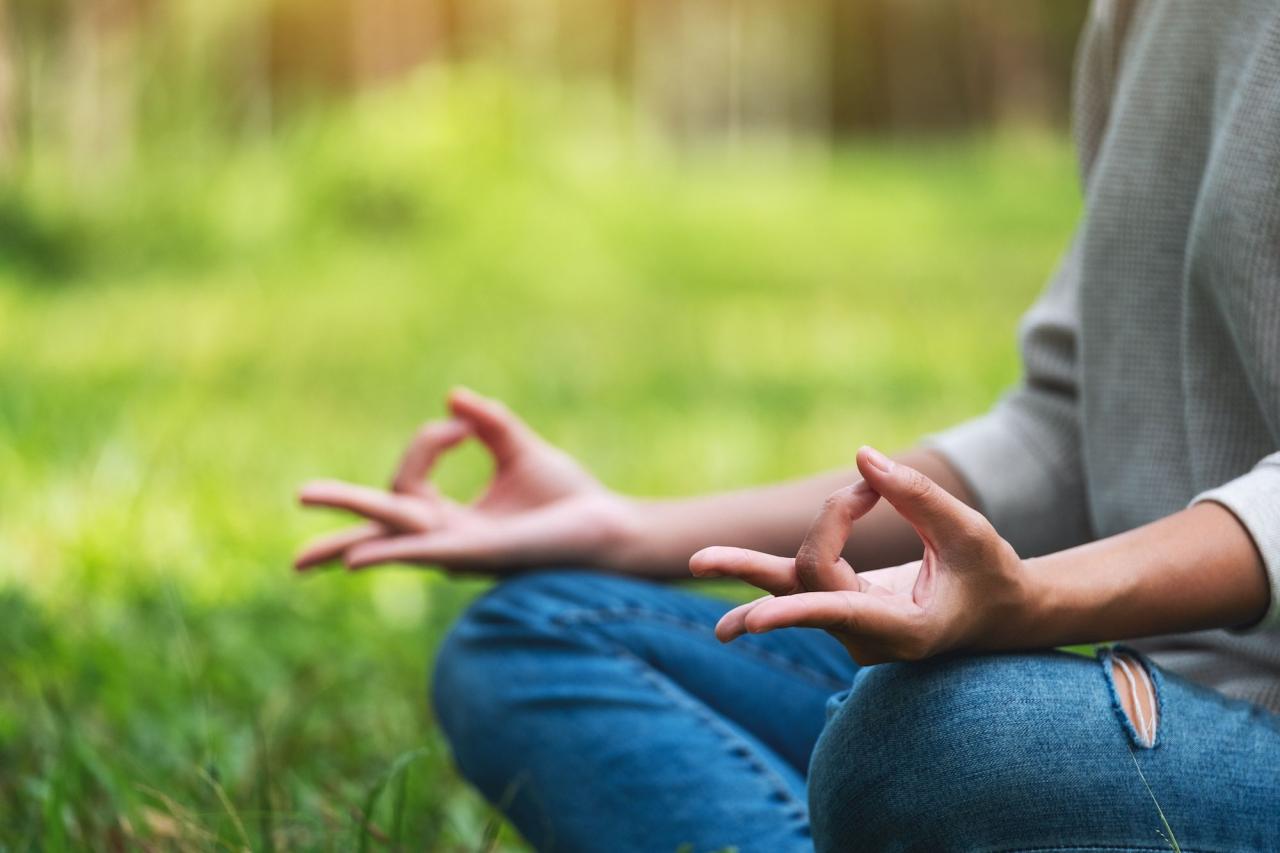
Cultivating a deeper connection with your mind and body through advanced meditation techniques can significantly elevate your focus and concentration during workouts. These techniques go beyond basic mindfulness, empowering you to navigate the demands of high-intensity exercise with greater mental clarity and resilience.Advanced practices often involve integrating visualization, specific breathing patterns, and a heightened awareness of your physical sensations, enabling you to channel your energy more effectively and experience a deeper connection with your athletic performance.
Visualization for Enhanced Athletic Performance
Visualization is a powerful tool for athletes to enhance their performance. Through mental imagery, individuals can rehearse movements, visualize successful outcomes, and build confidence. This mental preparation can lead to improved execution and reduced anxiety.By vividly imagining successful lifts, powerful sprints, or precise movements, athletes can strengthen their mental connection with their physical capabilities, fostering a sense of mastery and control.
The brain treats imagined experiences similarly to real experiences, which can translate to tangible improvements in physical performance.
Integrating Breathing Techniques with Meditation
Breathing exercises, when integrated with meditation, can profoundly impact focus and concentration. Controlled breathing techniques can calm the nervous system, reducing anxiety and promoting a sense of inner peace.Specific breathing patterns, such as alternate nostril breathing or box breathing, can help to regulate the body’s physiological responses, leading to greater mental clarity and focus. The rhythm of the breath becomes an anchor, providing a foundation for maintaining concentration during challenging workouts.
This, in turn, can enhance athletic performance and reduce the likelihood of fatigue.
Mindfulness in High-Intensity Workouts
Mindfulness is a cornerstone of advanced meditation techniques, allowing individuals to cultivate an awareness of the present moment without judgment. During high-intensity workouts, mindfulness can help athletes navigate the physical and mental demands of the exercise.By focusing on the sensations in their bodies – the rhythm of their breath, the tension in their muscles, the flow of energy – athletes can develop a heightened awareness of their limits and maintain focus on the task at hand.
This awareness, in turn, can prevent mental distractions and enable athletes to push their boundaries more effectively and safely.
Troubleshooting Common Meditation Challenges
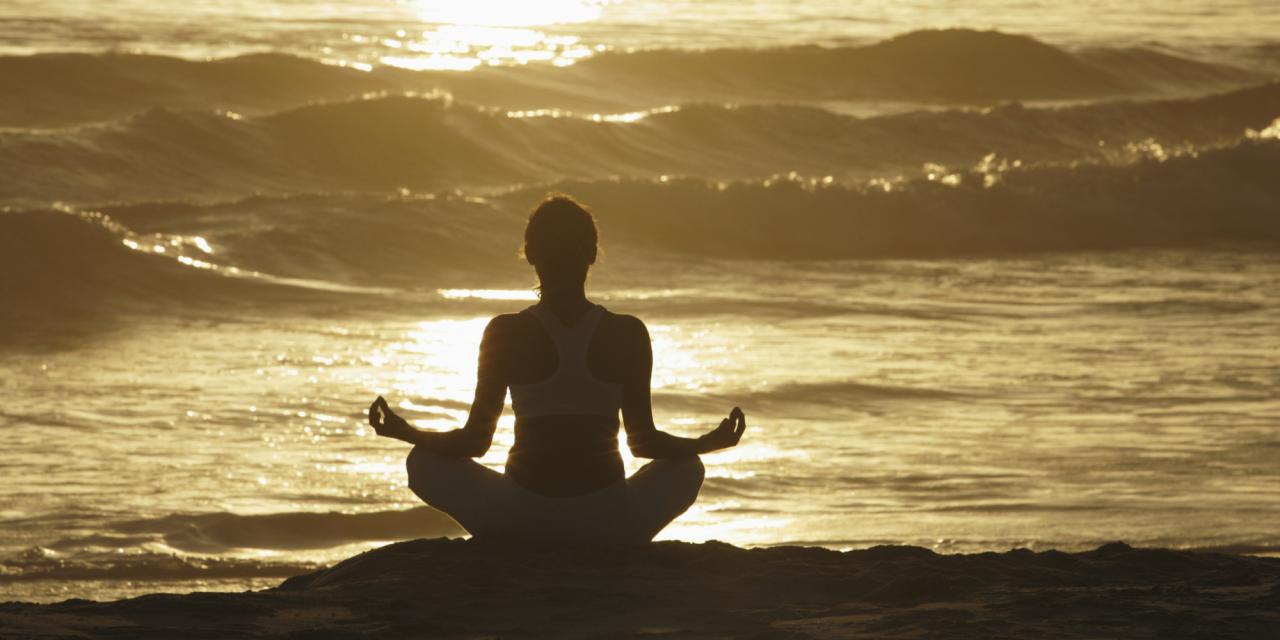
Embarking on a meditation journey can be rewarding, yet it’s essential to acknowledge that challenges may arise. Understanding these hurdles and developing strategies to overcome them is crucial for maintaining a consistent and beneficial practice. Difficulties like distractions, restlessness, negative thoughts, and fatigue are common experiences, and with the right approach, they can be managed effectively.Successfully navigating these obstacles is a key part of developing a sustainable meditation practice, especially for those aiming to enhance their gym focus.
By recognizing these potential roadblocks and implementing suitable solutions, you can cultivate a stronger mental and emotional resilience, ultimately enhancing your overall experience.
Identifying and Addressing Distractions
Distractions are a common hurdle in meditation, stemming from internal or external sources. Internal distractions include racing thoughts, worries, or even fleeting memories. External distractions can arise from environmental noises, physical sensations, or even the urge to check your phone. Recognizing these distractions as temporary mental events is the first step toward overcoming them. Acknowledge the distraction without judgment and gently redirect your attention back to your chosen focus point, whether it’s your breath, a mantra, or a visual image.
If the distraction is persistent, consider adjusting your environment or employing techniques like mindful awareness to help reduce its impact.
Managing Restlessness and Physical Discomfort
Restlessness during meditation can manifest as fidgeting, shifting positions, or an inability to settle into a comfortable posture. This is often linked to underlying physical tension or discomfort. A key strategy is to consciously relax specific muscle groups. Start by noticing any areas of tension and slowly release that tension. This process, combined with mindful adjustments to your posture, can significantly reduce restlessness.
Using props like cushions or blankets to support your body can also contribute to physical comfort and reduce the need to adjust.
Handling Negative Thoughts and Emotions
Negative thoughts and emotions can intrude on meditation, disrupting focus and generating feelings of unease or inadequacy. The key is not to fight these thoughts, but to acknowledge them as fleeting mental events. Recognize the thought or emotion without judgment, observe its nature, and gently redirect your attention back to your chosen focus point. Consider using self-compassion and acceptance as tools to navigate these experiences.
Overcoming Mental Fatigue During Extended Sessions
Extended meditation sessions can lead to mental fatigue, making it challenging to maintain focus and awareness. Shortening the duration of your sessions and incorporating breaks can significantly alleviate this issue. Gradually increasing the length of your meditation sessions over time can help your mind adapt to longer periods of focused attention. Another strategy is to use a timer and adhere to it strictly to ensure that you aren’t meditating for excessively long periods, which can cause exhaustion.
Combining meditation with other practices like mindful movement can also help in managing mental fatigue.
Techniques for Managing Difficult Meditation Experiences
| Challenge | Strategies |
|---|---|
| Distractions | Acknowledge, redirect attention, adjust environment, mindful awareness |
| Restlessness | Relax muscle groups, adjust posture, use props |
| Negative thoughts/emotions | Acknowledge without judgment, observe, redirect attention, self-compassion |
| Mental fatigue | Shorten sessions, incorporate breaks, gradually increase duration, use timer |
Resources and Further Exploration
Embarking on a journey of mindful practice requires access to reliable resources and support. This section provides avenues for deepening your understanding and solidifying your meditation practice, especially as it relates to enhancing your gym focus. Explore these resources to enrich your experience and sustain your commitment to this valuable tool.Furthering your exploration of meditation will not only enhance your gym focus but also cultivate a broader understanding of its multifaceted benefits.
Relevant Articles, Books, and Websites
Numerous articles, books, and websites offer insights into meditation for athletes and its benefits. These resources often provide detailed explanations of specific techniques, research findings, and practical applications for athletes.
- Websites dedicated to mindfulness and meditation, such as Mindful.org and UCLA Mindful Awareness Research Center, frequently publish articles and research papers on the subject.
- Books like “Wherever You Go, There You Are” by Jon Kabat-Zinn offer comprehensive explorations of mindfulness and meditation practices.
- Numerous sports psychology websites and publications discuss the integration of meditation into athletic training regimens.
Recommended Meditation Apps and Online Resources
Guided meditations can significantly support your practice. Apps and online resources provide structured sessions, leading you through different techniques. Selecting the right app or resource depends on your individual needs and preferences.
- Apps like Calm, Headspace, and Insight Timer offer a vast library of guided meditations, catering to diverse needs and skill levels. These often incorporate various types of meditation, from focused attention to loving-kindness.
- Online platforms like YouTube also feature a wealth of free guided meditations from various instructors. Be sure to choose channels with a reputation for providing high-quality and trustworthy information.
- Some apps and resources offer specialized meditations designed specifically for athletes. Look for these options to find meditations geared towards improving focus and performance.
Finding a Meditation Coach or Instructor
Engaging a qualified coach or instructor can offer personalized guidance and support. This can be invaluable for overcoming challenges and optimizing your practice.
- Look for certified meditation instructors or coaches who have experience working with athletes. They can offer tailored guidance and strategies to integrate meditation into your training routine.
- Explore local yoga studios or wellness centers. Many offer meditation classes or workshops led by certified instructors.
- Online platforms sometimes feature meditation coaches or instructors who provide virtual sessions. These can be an accessible option for those seeking personalized guidance.
Further Research Resources
Delving deeper into the science behind meditation and its benefits can significantly enhance your understanding. Research-backed information can solidify your practice and empower you to use meditation effectively.
- Academic databases like PubMed and Google Scholar provide access to research articles on meditation and its effects on various aspects of human performance, including athletic performance.
- Journals dedicated to sports psychology and performance enhancement often publish articles exploring the integration of mindfulness and meditation in athletic training.
- Reputable books and publications on neuroscience and psychology can provide insights into the mechanisms through which meditation affects the brain and body.
Closing Notes
This comprehensive guide has provided a roadmap to enhance your gym focus through the power of meditation. From preparing for your workout to recovering afterward, you now possess the knowledge and techniques to optimize your performance and well-being. By cultivating a consistent meditation practice, you can unlock a new level of mental clarity, emotional resilience, and physical prowess, ultimately transforming your gym experience.