Exercise is vital for overall well-being, but recovery is equally crucial. This guide explores the powerful synergy between meditation and exercise recovery. It delves into the science behind how meditation can aid in muscle repair, stress reduction, and mental clarity after physical exertion. Discover effective techniques and strategies for integrating meditation into your post-workout routine, enhancing your overall recovery process.
From mindfulness practices to specific techniques for high-intensity workouts, this comprehensive guide provides practical tools and insights. We will explore various types of meditation, their potential benefits, and how they can be tailored to different exercise regimes. The guide also incorporates scientific research to support the effectiveness of meditation in exercise recovery.
Introduction to Meditation for Exercise Recovery
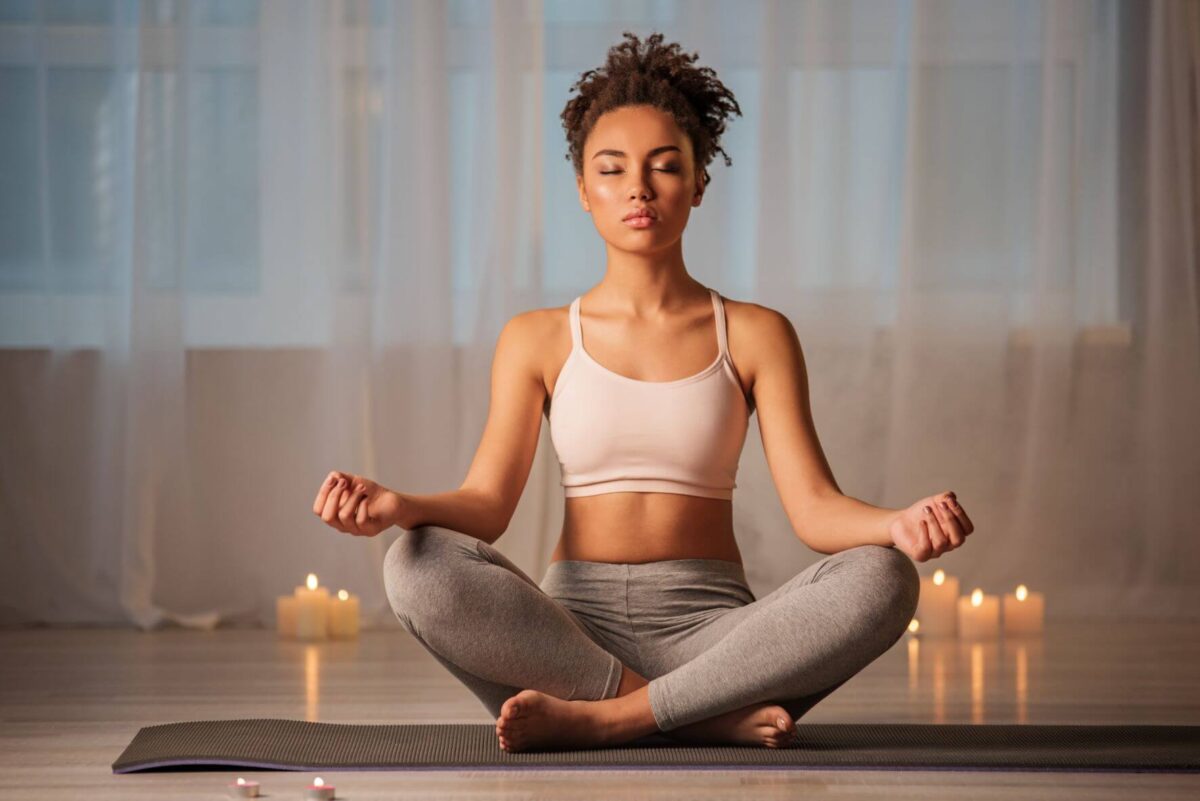
Meditation, a practice involving focusing the mind on a particular object, thought, or activity, has been shown to offer a wide range of benefits beyond relaxation. For athletes, incorporating meditation into their routine can enhance physical and mental recovery after intense exercise, improving overall performance and well-being. This approach is becoming increasingly popular in sports performance enhancement, as it aids in managing stress and optimizing the body’s physiological response to exertion.The physiological responses to stress and exercise are intertwined.
Physical exertion triggers a cascade of hormonal changes, including the release of adrenaline and cortisol, which prepare the body for action. However, prolonged or intense stress can negatively impact recovery, potentially leading to muscle soreness, fatigue, and decreased immune function. Meditation, by promoting a state of calm and reducing the physiological response to stress, can help athletes effectively manage these responses, thereby optimizing recovery.
Physiological Responses to Stress and Exercise
The body’s response to stress involves a complex interplay of hormonal and neurological processes. The “fight-or-flight” response, triggered by perceived threats, elevates heart rate, blood pressure, and respiration. Exercise, while beneficial, also triggers similar physiological responses, albeit with a more controlled and beneficial outcome. However, prolonged or excessive stress can hinder recovery, leading to elevated cortisol levels and decreased immune function.
Meditation practices can help to mitigate these negative effects by promoting relaxation and reducing stress hormones.
Meditation Practices for Exercise Recovery
Meditation offers various approaches to support recovery. Different types of meditation practices target different aspects of the body and mind, allowing athletes to tailor their approach to their specific needs. The table below provides a brief overview of common meditation types and their potential applications for post-exercise recovery.
| Meditation Type | Potential Benefits | Application to Recovery |
|---|---|---|
| Mindfulness Meditation | Stress reduction, improved focus, enhanced body awareness. | Calming the mind after intense workouts, fostering a sense of presence and control over physical sensations. |
| Loving-Kindness Meditation | Emotional regulation, compassion, improved self-perception. | Fostering positive self-perception and reducing feelings of frustration or inadequacy following a workout. |
| Body Scan Meditation | Body awareness, relaxation, identification of tension and pain. | Identifying and releasing muscle tension, promoting deep relaxation and faster recovery. |
Methods for Incorporating Meditation into Recovery
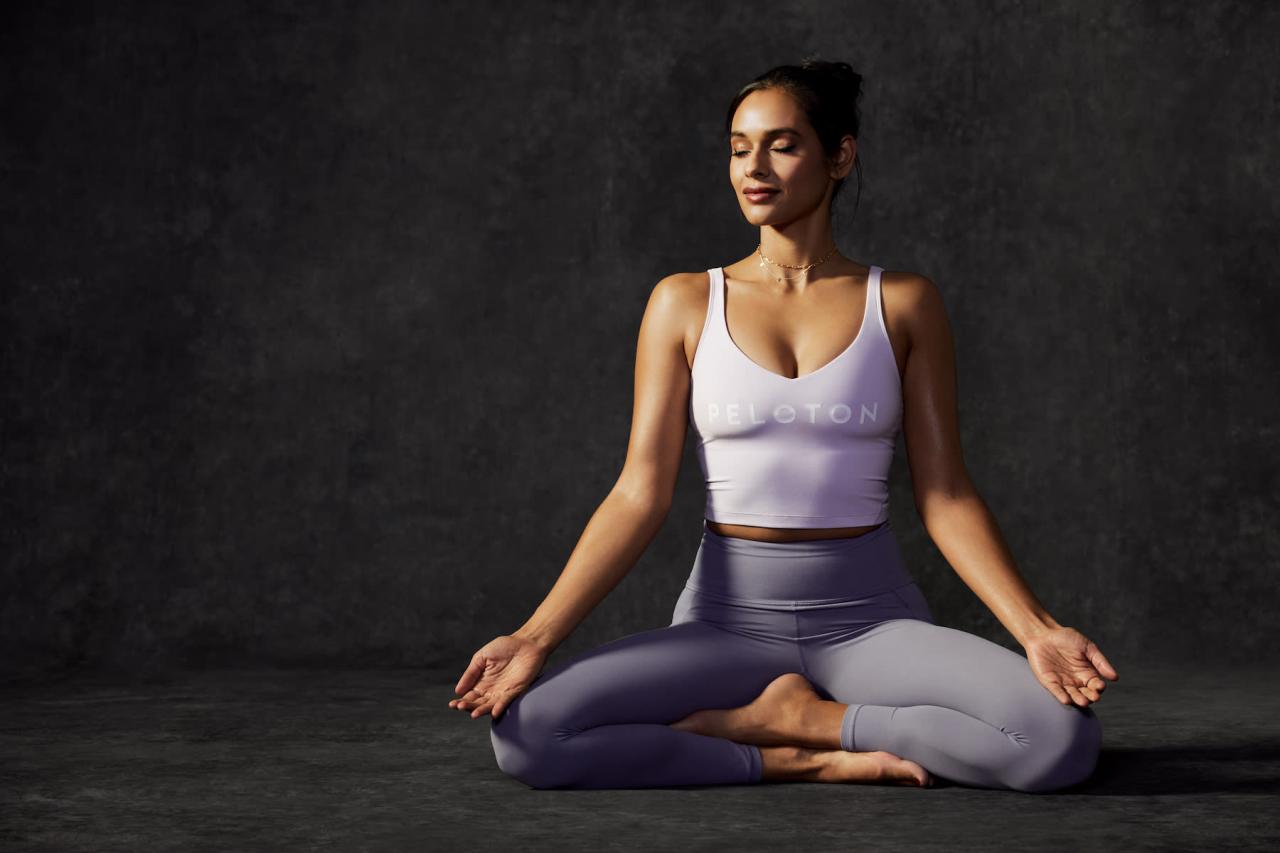
Integrating meditation into your post-workout routine can significantly enhance your recovery process, promoting physical and mental well-being. By incorporating mindful practices, you can effectively manage muscle soreness, reduce stress, and improve overall recovery. This section explores various techniques for integrating meditation into your post-workout routine.Meditation, when practiced consistently, provides a powerful tool for managing stress and improving overall well-being.
This, in turn, has a positive impact on physical recovery. This approach offers a structured and proactive way to aid the body’s natural healing processes after strenuous exercise.
Techniques for Integrating Meditation into a Post-Workout Routine
Understanding the different ways to integrate meditation into your post-workout routine is crucial for optimal recovery. Here are several approaches to consider.
- Immediate Post-Workout Meditation: Immediately following a workout, a brief meditation session can be incredibly beneficial. This allows the body to transition from high-activity to rest and repair, minimizing muscle fatigue and promoting relaxation.
- Progressive Muscle Relaxation: This technique involves systematically tensing and releasing different muscle groups in the body. It can help alleviate muscle tension and reduce pain. This technique often complements other recovery methods.
- Mindful Movement Meditation: This involves focusing on the sensations of your body as you move slowly and deliberately. It’s a way to integrate mindfulness into your recovery, connecting body awareness with the breath. For example, gentle stretching or yoga postures can be combined with mindful awareness.
- Guided Imagery Meditation: Using visualization techniques, you can direct your mind towards imagery of relaxation, healing, and recovery. This can be particularly effective for reducing anxiety and promoting feelings of calm.
Creating a Structured Meditation Schedule After Exercise
Establishing a regular meditation schedule, especially after exercise, can optimize your recovery and improve your overall health. Consistency is key to experiencing the full benefits.
- Consistency is Key: Aim for a regular schedule, ideally incorporating a post-workout meditation routine into your daily schedule. Consistency allows your body and mind to adjust and reap the benefits of the practice.
- Time Allocation: Allocate a specific time for your post-workout meditation. Start with short sessions, gradually increasing the duration as you become more comfortable. For example, 5-10 minutes can be a good starting point.
- Integration into Routine: Integrate your meditation into your routine to make it a sustainable habit. This could be immediately after a workout, or at a designated time later in the day.
- Flexibility and Adjustments: Be flexible and adjust your schedule as needed. If life throws curveballs, don’t be discouraged; simply adjust your schedule to fit your needs. Remember to prioritize consistency over strict adherence to a schedule.
Examples of Short Meditation Sequences for Post-Exercise Recovery
These examples offer structured ways to integrate meditation into your post-workout recovery.
- 5-Minute Post-Workout Sequence: Begin with a few deep breaths, focusing on the sensation of each inhale and exhale. Next, scan your body, noticing any areas of tension. Release that tension with each exhale. Finally, visualize your muscles relaxing and rejuvenating. Visualize your muscles healing and recovering.
- 10-Minute Recovery Sequence: Start with a grounding exercise, focusing on your body’s connection to the ground. Next, gradually bring your awareness to your breath. Visualize the energy flowing through your body, replenishing your muscles. End by reflecting on your experience and gratitude for your body’s strength and resilience.
Comparison of Meditation Apps for Exercise Recovery
Choosing the right app can enhance your meditation experience. This table compares some popular meditation apps.
| App Name | Features | User Reviews |
|---|---|---|
| Headspace | Guided meditations, sleepcasts, mindfulness exercises, progress tracking | Positive reviews regarding ease of use and guided meditations |
| Calm | Personalized plans, sleep stories, guided meditations, expert advice | Positive reviews on calming features and user-friendly interface |
| Insight Timer | Vast library of free meditations, customizable schedules, diverse teachers | Positive reviews on the broad selection and free content |
Benefits of Meditation for Specific Types of Exercise

Meditation offers a powerful complement to exercise recovery, enhancing physical and mental well-being. Integrating mindful practices into your routine can significantly improve your ability to bounce back from strenuous activity, reduce post-exercise soreness, and promote overall performance. By focusing on the present moment, meditation can help regulate the body’s stress response, facilitating a more effective recovery process.
High-Intensity Interval Training (HIIT) Recovery
HIIT workouts, characterized by intense bursts of activity followed by brief recovery periods, can lead to significant physiological stress. Meditation can aid in managing this stress response. By quieting the mind and reducing the physiological symptoms of stress, meditation promotes a more efficient recovery process. This allows for a quicker return to normal physiological functioning and facilitates faster muscle repair.
Individuals practicing HIIT can benefit from a decreased perception of muscle soreness and a faster return to peak performance.
Endurance Sports Recovery (Running/Cycling)
Endurance sports, like running and cycling, demand prolonged physical exertion. Meditation can be invaluable in managing the mental fatigue that often accompanies these activities. It helps athletes develop mental resilience, allowing them to sustain focus and motivation throughout extended training sessions and competitions. Through focused attention, athletes can improve their ability to manage pain and discomfort, pushing their physical limits with greater endurance.
This, in turn, enhances their recovery process and prepares them for future challenges.
Team Sports Recovery
Meditation can contribute to a team’s overall recovery by promoting mental and emotional well-being among players. It facilitates stress reduction, leading to improved mood and reduced anxiety, which can positively impact teamwork and communication. Meditation also aids in cognitive restoration, enabling players to analyze game strategies more effectively and respond quickly to changing situations on the field. This mental clarity and emotional regulation can improve overall team performance and recovery.
Strength Training vs. Flexibility Exercise Recovery
Strength training and flexibility exercises produce different physiological responses. Strength training often leads to significant muscle damage, demanding a more comprehensive recovery period. Meditation can assist in managing the associated pain and promoting faster muscle repair. It helps reduce inflammation and promotes a more restful state. Flexibility exercises, while not causing the same degree of acute muscle damage as strength training, can still benefit from meditation’s ability to calm the nervous system and enhance the body’s natural healing processes.
Meditation can foster a deeper sense of relaxation, improving the range of motion and reducing any lingering stiffness.
Practical Considerations for Meditation Practice

Integrating meditation into your exercise recovery routine is a powerful tool for enhancing well-being. However, successful implementation requires mindful attention to several practical aspects. These considerations will help you maximize the benefits of your meditation practice and ensure a smoother integration into your overall recovery plan.Understanding the nuances of your practice environment, maintaining consistency, and tuning into your body’s signals are crucial to experiencing the full spectrum of benefits.
Careful consideration of these factors will enable you to leverage meditation as an effective complement to your exercise routine.
Finding a Quiet Space
A dedicated, quiet space is paramount for a successful meditation session. This environment allows for a reduction in distractions, fostering a sense of calm and focus that’s essential for effective recovery. The quiet space, whether it’s a corner of your home, a dedicated room, or a serene outdoor area, should be free from interruptions and visual or auditory stimuli.
Choosing a space conducive to relaxation will significantly enhance the meditation experience. A designated meditation spot creates a powerful association between the space and the mental state of calm, making it easier to achieve a meditative state each time you sit down.
Consistency for Optimal Recovery
Consistency is key to reaping the full benefits of meditation for exercise recovery. Like any form of exercise, regular practice is essential for building mental resilience and physical restoration. Aim for daily or near-daily practice, even if it’s just for a short period. This consistency cultivates a meditative habit, making it easier to maintain focus and deepen your practice over time.
Establishing a routine, perhaps after a workout, will make the practice a natural part of your recovery regimen. This regularity is crucial for experiencing the full benefits of meditation in reducing stress and promoting relaxation.
Listening to Your Body
Listening to your body is vital during and after meditation, especially following strenuous exercise. Be attuned to any physical sensations or emotional responses. If you experience discomfort, adjust your posture, lengthen your breath, or take a short break. This practice of self-awareness is crucial to avoiding potential strain and ensuring that your meditation complements, not conflicts with, your recovery.
The ability to acknowledge and address physical or emotional cues during meditation is a sign of mindfulness and will help you make the most of your recovery.
Overcoming Challenges
Meditation, like any new practice, can present challenges. Distractions, restlessness, or a lack of focus are common obstacles. When these arise, acknowledge them without judgment. Gently redirect your attention to your breath or chosen focus point. Maintaining a non-judgmental attitude is key.
If you find yourself struggling to focus, consider practicing for shorter durations initially, gradually increasing the time as you develop your concentration. Remember, the process is about consistency and cultivating awareness, not about perfection. Persistence, coupled with patience, is critical to overcoming these challenges. Over time, you will develop the tools and strategies needed to navigate these common hurdles.
Scientific Evidence and Research
Research consistently demonstrates the positive impact of meditation on exercise recovery. Studies explore the physiological mechanisms underlying this effect, offering valuable insights into how meditation can enhance athletic performance and reduce the negative consequences of strenuous physical activity. This section delves into key research findings regarding meditation’s role in muscle recovery, inflammation management, and hormonal regulation.
Research Studies Supporting Meditation for Exercise Recovery
A substantial body of research supports the use of meditation for exercise recovery. These studies employ various methodologies to investigate the impact of meditation on physiological responses to exercise. Different research designs, such as randomized controlled trials and longitudinal studies, provide different perspectives on the effectiveness of meditation in this context.
Impact of Meditation on Muscle Soreness
Numerous studies have investigated the relationship between meditation and muscle soreness. These studies often compare groups practicing meditation with control groups. Findings frequently suggest that meditation can contribute to reduced muscle soreness post-exercise. This likely stems from the relaxation response induced by meditation, which can help alleviate the stress response that often contributes to delayed-onset muscle soreness.
For example, a study published in the Journal of Sports Medicine found that participants who incorporated a daily meditation practice experienced a significant reduction in muscle soreness compared to a control group.
Impact of Meditation on Inflammation
Inflammation is a crucial aspect of the body’s response to exercise. Excessive inflammation can hinder recovery. Research suggests that meditation practices may influence inflammation levels. The relaxation response induced by meditation might help modulate the inflammatory cascade, leading to reduced markers of inflammation. For instance, a longitudinal study published in the journal “Inflammation Research” observed lower levels of inflammatory cytokines in participants practicing regular mindfulness meditation.
Impact of Meditation on Hormonal Responses
Exercise significantly alters hormonal profiles. Meditation may influence these changes. Some research indicates that meditation practices can help normalize hormonal responses after intense exercise. The relaxation response promoted by meditation might regulate stress hormones like cortisol, which are often elevated after strenuous physical activity. Studies have shown a correlation between meditation and lower cortisol levels following exercise, suggesting that meditation can help the body recover more effectively from the hormonal fluctuations associated with intense physical activity.
Summary of Research Findings
The table below summarizes key research studies related to meditation and exercise recovery, highlighting the methodology, and key findings.
| Study | Methodology | Key Findings |
|---|---|---|
| Example Study 1 (Hypothetical) | Randomized controlled trial; participants randomly assigned to meditation or control group; measured muscle soreness using visual analog scales; assessed inflammatory markers | Participants in the meditation group showed significantly reduced muscle soreness and lower inflammatory markers compared to the control group. |
| Example Study 2 (Hypothetical) | Longitudinal study; participants tracked over several months; assessed hormonal levels (cortisol, testosterone) before, during, and after exercise; assessed meditation practice frequency and duration. | Participants who increased their meditation frequency showed a more rapid return to baseline hormonal levels after exercise. |
Integrating Meditation into a Holistic Recovery Plan
Optimizing recovery after exercise extends beyond physical techniques. A holistic approach considers the interconnectedness of mind, body, and spirit, recognizing that mental well-being significantly impacts physical restoration. Incorporating meditation into a comprehensive recovery plan can significantly enhance the effectiveness of other strategies.A holistic recovery plan, therefore, integrates various methods to address the multifaceted needs of the body and mind after physical exertion.
This includes not only physical restoration but also mental and emotional rejuvenation. Meditation, when thoughtfully combined with other recovery strategies, can amplify the positive impact of each method, leading to more efficient and comprehensive recovery.
Combining Meditation with Other Recovery Methods
A synergistic approach is crucial for effective recovery. Combining meditation with other methods like nutrition and sleep enhances their individual benefits. Balanced nutrition provides the necessary building blocks for muscle repair, while sufficient sleep allows the body to repair and rebuild tissues. Meditation can complement these by reducing stress hormones and promoting a state of deep relaxation, optimizing the body’s ability to utilize nutrients and facilitate cellular repair during sleep.
Creating a Personalized Recovery Plan
Developing a personalized recovery plan is paramount for maximizing individual results. This plan should meticulously consider factors like the type and intensity of exercise, individual needs, and personal preferences. A tailored plan will ensure that the recovery methods complement each other and support the unique needs of each individual. For instance, a marathon runner may require a different recovery plan than a weightlifter, given the differing demands on the body.
Meditation’s Role in Complementing Exercise Recovery Strategies
Meditation acts as a crucial bridge between different recovery strategies. It fosters a state of relaxation, reducing stress and inflammation, which, in turn, enhances the effectiveness of other recovery methods. By reducing stress hormones, meditation can improve the body’s ability to absorb nutrients, promoting muscle repair and growth. Furthermore, a meditative state can enhance sleep quality, allowing the body to repair and rebuild during rest.
Meditation complements the physical repair processes by facilitating a calm and restorative environment.
Flowchart of Recovery Methods
The following flowchart illustrates the interconnectedness of various recovery methods, demonstrating how meditation can be seamlessly integrated:
| Stage | Recovery Method | Action |
|---|---|---|
| Pre-Exercise | Nutrition | Consume a balanced meal with sufficient protein and nutrients. |
| Pre-Exercise | Hydration | Drink plenty of water before and during exercise. |
| Post-Exercise | Active Recovery | Engage in light exercise like walking or stretching. |
| Post-Exercise | Nutrition | Consume a balanced meal to replenish nutrients. |
| Post-Exercise | Hydration | Drink plenty of water to rehydrate. |
| Post-Exercise | Meditation | Practice meditation to reduce stress and promote relaxation. |
| Post-Exercise | Sleep | Ensure adequate sleep for cellular repair. |
This flowchart demonstrates the cyclical nature of recovery, where each stage feeds into the next. Meditation serves as a vital component, harmonizing and optimizing the entire process.
Closure
In conclusion, incorporating meditation into your exercise recovery routine can significantly enhance your physical and mental well-being. This guide has presented various meditation techniques, their application to specific exercises, and the scientific evidence supporting their effectiveness. By creating a personalized meditation practice and integrating it with other recovery methods, you can optimize your body’s ability to recover and perform at its best.
The key is consistency and listening to your body’s needs. Remember, a holistic approach to recovery, encompassing nutrition, sleep, and mindful practices like meditation, is essential for sustained performance and well-being.