Embark on a journey of self-discovery and well-being with “How to Meditate for Daily Exercise Routine.” This comprehensive guide unveils the transformative power of meditation, offering practical strategies to integrate this ancient practice seamlessly into your daily schedule. Discover how incorporating meditation can enhance your physical and mental fitness, fostering a sense of calm and clarity amidst the demands of modern life.
This guide provides a structured approach, starting with an introduction to the core principles of meditation and its diverse forms. It will detail the process of setting up a personal meditation space, and exploring various meditation techniques. Furthermore, you’ll learn how to create a sustainable schedule, overcome common challenges, and effectively integrate meditation into your existing routines, whether it’s during travel, work, or exercise.
Finally, the guide will cover monitoring progress and adapting practices for optimal results, and provide valuable resources for further learning.
Introduction to Meditation in Daily Routine
Meditation, when integrated into a daily routine, can be a powerful tool for enhancing well-being and overall health. It’s not about escaping reality, but rather about cultivating a deeper connection with the present moment, fostering emotional regulation, and promoting a sense of calm amidst the demands of daily life. This conscious practice can significantly improve focus, reduce stress, and enhance overall mental clarity.Incorporating meditation into a daily schedule can lead to numerous benefits, impacting various aspects of life.
It can reduce anxiety and promote emotional resilience, improving sleep quality, and boosting overall mood. These benefits extend beyond the mind, contributing to physical health by lowering blood pressure and improving cardiovascular function. By establishing a consistent meditation practice, individuals can cultivate a stronger sense of self-awareness and inner peace.
Types of Meditation and Their Benefits
Different types of meditation offer various benefits. A structured approach to understanding these types can empower individuals to select a practice aligned with their needs and preferences.
| Type of Meditation | Description | Benefits |
|---|---|---|
| Mindfulness Meditation | Focuses on present-moment awareness, observing thoughts and sensations without judgment. Often involves focusing on the breath or bodily sensations. | Improved focus, reduced stress, increased self-awareness, and emotional regulation. |
| Loving-Kindness Meditation | Cultivates feelings of compassion and loving-kindness towards oneself and others. Involves sending positive wishes and well-being to various individuals, including oneself. | Enhanced empathy, increased compassion, reduced feelings of isolation, and improved interpersonal relationships. |
| Walking Meditation | Mindfulness practice integrated with walking. Attention is focused on the physical sensations of walking, such as the movement of the feet, the feeling of the ground beneath, and the breath. | Improved focus, reduced stress, increased body awareness, and a sense of groundedness. |
| Transcendental Meditation | A specific technique involving the use of a personally guided mantra, usually practiced twice a day for 20 minutes. | Studies show potential benefits including reduced stress, improved sleep quality, and increased cognitive function. |
Importance of Consistency in Meditation Practice
The benefits of meditation are often realized through consistent practice. Regularity fosters a deeper connection with the mind and body, leading to sustained improvements in mental and emotional well-being.
“Consistency is key to unlocking the full potential of meditation. A regular practice, even if it’s just for a few minutes each day, can have a profound impact over time.”
Consistency in meditation practice, like any new habit, requires commitment and dedication. Starting with shorter durations and gradually increasing the time spent meditating can make it easier to incorporate into a daily routine. Creating a dedicated space and establishing a specific time for meditation can reinforce the practice and make it a non-negotiable part of the daily schedule.
Setting Up a Meditation Space
Establishing a dedicated meditation space, whether at home or in a public setting, significantly enhances the practice’s effectiveness. A calm and comfortable environment fosters focus and relaxation, making meditation more enjoyable and conducive to deep introspection. This dedicated space acts as a sanctuary, a quiet retreat where you can regularly disconnect from the daily hustle and reconnect with yourself.A well-designed meditation space is more than just a place; it’s a mindful environment that supports your practice.
The careful selection of location, atmosphere, and essential items contributes to a profound and enriching experience. By thoughtfully arranging your space, you’re creating an atmosphere that actively promotes tranquility and mental clarity.
Choosing a Suitable Location
A suitable meditation space should prioritize quietude and minimal distractions. Consider locations with consistent privacy, free from interruptions, and readily accessible. A designated corner in your home, a quiet room, or even a park bench can serve as a suitable spot. Factors such as natural light, temperature, and overall comfort play a vital role in setting the mood.
For example, a sun-drenched balcony might be ideal for those who enjoy the natural light, while a cozy, well-lit room can offer a sense of security and calm.
Creating a Calm and Comfortable Atmosphere
Creating a calm and comfortable atmosphere is crucial for a successful meditation practice. Soft lighting, such as warm-toned lamps or candles, can evoke a sense of serenity. Consider incorporating calming scents, like lavender or sandalwood, through essential oil diffusers or incense. Natural elements like plants can bring a sense of grounding and peacefulness. Soft, textured fabrics, such as throws or cushions, can add to the overall comfort and relaxation.
For example, a soft blanket draped over a meditation cushion adds a touch of comfort and warmth, enhancing the overall atmosphere.
Essential Items for a Meditation Space
A well-equipped meditation space can significantly enhance your practice. Essential items provide comfort and support, allowing you to fully immerse yourself in the experience.
- Meditation Cushions or Cushions: These provide support for your spine and promote a comfortable seated posture during meditation. Various materials, from soft foam to firm cushions, cater to different preferences. Choose a cushion that allows you to sit comfortably without discomfort.
- Blankets or Throws: These are essential for warmth and comfort, especially in cooler environments. Blankets offer an extra layer of support and a sense of security, promoting a calming atmosphere.
- Candles or Lamps: Soft, warm lighting sets a peaceful mood. Candles create a unique ambiance, while lamps offer consistent lighting. The gentle glow can create a soothing atmosphere conducive to meditation.
- Incense or Essential Oils: Subtle scents, like lavender or sandalwood, can evoke a sense of calm and relaxation. Essential oil diffusers or incense sticks can create a soothing sensory experience.
- Journal and Pen: A journal and pen can be useful for recording reflections or insights that arise during meditation. This provides a way to document your experiences and insights.
Setting Up a Meditation Space in Public Settings
Finding a suitable meditation space in a public setting requires careful consideration of your surroundings. Parks, libraries, or quiet corners of cafes can offer serene spaces for meditation. Consider the surrounding environment, ensuring the chosen spot is relatively free from distractions. For example, a park bench with a view of a tranquil pond can be a perfect location for meditation.
Be mindful of the surroundings and avoid disrupting other people’s activities.
Choosing a Meditation Technique
Selecting a suitable meditation technique is a crucial step in establishing a consistent daily practice. Different techniques cater to various needs and preferences, and understanding their unique benefits can help you choose the one that best aligns with your goals. Exploring various approaches allows you to discover the most effective method for promoting relaxation, focus, and overall well-being.
Different Meditation Techniques
Various meditation techniques are available, each offering unique benefits. Mindfulness meditation, focused attention meditation, loving-kindness meditation, and transcendental meditation are popular choices. Understanding the nuances of each technique can help you make an informed decision about which method is most suitable for your personal needs. The choice often depends on the desired outcome – whether it’s stress reduction, improved concentration, or cultivating compassion.
Mindfulness vs. Focused Attention Meditation
A key distinction lies between mindfulness and focused attention meditation. These techniques differ in their focus and approach.
| Characteristic | Mindfulness Meditation | Focused Attention Meditation |
|---|---|---|
| Focus | Observing thoughts, feelings, and sensations without judgment. | Concentrating on a specific object, such as the breath or a mantra. |
| Goal | Develop awareness and acceptance of present-moment experience. | Enhance concentration and mental clarity. |
| Typical Benefits | Stress reduction, emotional regulation, improved self-awareness. | Improved focus, enhanced creativity, better attention span. |
| Suitable for | Individuals seeking stress relief and a deeper understanding of their inner world. | Individuals aiming to improve concentration, learning, or perform tasks requiring focused attention. |
Consistency in Technique
Maintaining consistency in your chosen meditation technique is vital for reaping its benefits. Regular practice, regardless of the technique, strengthens the mind’s ability to focus and manage thoughts and emotions. By committing to a regular schedule and adhering to the chosen technique, you cultivate a deeper connection with your inner self and enhance your mental well-being. The benefits of consistent practice compound over time, fostering a more resilient and balanced approach to daily life.
Developing a Meditation Schedule
Integrating meditation into your daily routine requires careful planning and consideration of your existing schedule. A well-structured schedule allows you to make meditation a consistent and rewarding part of your day, fostering its benefits over time. Consistency is key to reaping the full advantages of meditation.A crucial aspect of successful meditation integration is setting realistic goals. Overambitious targets can lead to disappointment and ultimately hinder your progress.
Instead, start with a manageable duration and gradually increase the time spent meditating as you build momentum and experience. This approach fosters a sustainable practice that complements your lifestyle rather than becoming a burden.
Realistic Goals for Daily Meditation
Setting realistic goals is vital for maintaining a consistent meditation practice. Begin with a duration that fits comfortably into your schedule and gradually increase the time as you become more accustomed to the practice. This allows your body and mind to adjust to the new routine, promoting long-term adherence.
Example Daily Meditation Schedules
Crafting a schedule that aligns with your personal needs and lifestyle is crucial for long-term success. Below are several examples of daily meditation schedules tailored to different preferences. Adjust these examples to fit your unique daily routine and preferences.
| Schedule Type | Time Slot | Duration |
|---|---|---|
| Morning Meditation | 6:00 AM – 6:30 AM | 30 minutes |
| Morning Meditation | 7:00 AM – 7:15 AM | 15 minutes |
| Evening Meditation | 7:30 PM – 8:00 PM | 30 minutes |
| Evening Meditation | 8:00 PM – 8:15 PM | 15 minutes |
| Mid-day Meditation | 12:00 PM – 12:15 PM | 15 minutes |
| Mid-day Meditation | 1:00 PM – 1:15 PM | 15 minutes |
| Intermittent Meditation | 7:00 AM – 7:15 AM, 12:00 PM – 12:15 PM, 7:30 PM – 8:00 PM | 15 minutes each session |
These examples illustrate how various meditation schedules can be integrated into a daily routine. Remember to select a schedule that aligns with your personal preferences and lifestyle, ensuring it fits comfortably into your daily routine. The goal is to establish a sustainable practice, not to overwhelm yourself with too much meditation at once.
Overcoming Challenges in Daily Meditation
Embarking on a daily meditation practice is a rewarding journey, yet it’s crucial to acknowledge and address potential obstacles. This section details common hurdles and provides practical strategies to navigate them effectively, fostering a sustainable and fulfilling meditation routine.Maintaining a consistent daily meditation practice requires proactive strategies and understanding. Challenges are inevitable, but with the right approach, these obstacles can be transformed into stepping stones toward deeper self-awareness and inner peace.
Common Obstacles to Daily Meditation
Consistent daily meditation practice, while beneficial, can face numerous obstacles. Understanding these challenges is the first step towards overcoming them.
- Distractions: External and internal distractions are frequent impediments to a focused meditation session. These distractions range from noisy environments to racing thoughts, and can significantly disrupt the meditative state. Addressing these interruptions requires conscious effort and proactive strategies.
- Lack of Time: Finding time in a busy schedule can be challenging. Fitting meditation into an already packed daily routine can seem impossible. However, incorporating even short meditation sessions—as little as 5 to 10 minutes—can still provide substantial benefits.
- Discomfort or Physical Ailments: Physical discomfort, such as back pain or restlessness, can make it difficult to maintain a meditative posture for extended periods. This can lead to frustration and a sense of failure. However, adapting the posture or finding alternative meditation styles can help alleviate this issue.
- Mental Resistance: Resistance to meditation, including feelings of boredom, impatience, or difficulty concentrating, is another hurdle. Acknowledging these feelings as a natural part of the process and adopting a compassionate approach to oneself can help to overcome them.
Strategies for Overcoming Challenges
Developing effective strategies to overcome these hurdles is essential to maintain a consistent meditation practice.
- Addressing Distractions: Identify common distractions, such as noises or intrusive thoughts. Choose a quiet space for meditation, use white noise, or employ mindfulness techniques to manage intrusive thoughts. Gradual exposure and consistent practice can help train the mind to focus.
- Maximizing Time: Prioritize meditation as an essential part of the daily routine. Schedule short meditation sessions throughout the day or combine them with other activities. A morning meditation, for example, can set a positive tone for the day. Even 5 minutes of focused meditation can yield significant results.
- Adjusting Posture and Techniques: Experiment with different postures, such as sitting on a cushion or using a chair. Explore various meditation techniques, such as walking meditation or body scan meditation, to find what best suits your needs. If physical discomfort persists, consider consulting a healthcare professional for guidance.
- Cultivating Patience and Compassion: Acknowledge that meditation is a journey, not a destination. Embrace the process, and be patient with yourself. Recognize that mental resistance is normal and don’t judge your thoughts or feelings. Instead, cultivate compassion for yourself.
Inspirational Stories
Numerous individuals have successfully integrated meditation into their daily routines, demonstrating its transformative power.
- [Example 1]: A busy executive, struggling with stress and anxiety, incorporated 10 minutes of daily meditation into his routine. He reported significant improvements in his ability to manage stress and make clearer decisions. This illustrates the positive impact meditation can have on professional life.
- [Example 2]: A student, overwhelmed with coursework, found that a daily meditation practice helped them manage stress, improve focus, and enhance their academic performance. This exemplifies the positive impact meditation can have on academics.
Potential Challenges and Solutions
A table outlining potential challenges and corresponding solutions is provided below:
| Challenge | Solution |
|---|---|
| Distractions | Find a quiet space, use noise-canceling headphones, or employ mindfulness techniques. |
| Lack of Time | Schedule short meditation sessions, combine with other activities, or prioritize. |
| Discomfort | Adjust posture, explore alternative meditation techniques, or consult a healthcare professional. |
| Mental Resistance | Acknowledge resistance as normal, practice compassion, and maintain consistency. |
Integrating Meditation into Different Activities
Integrating meditation into your daily routine allows you to cultivate mindfulness and awareness in various aspects of your life. This seamless integration fosters a deeper connection with yourself and your surroundings, enhancing overall well-being. This section will Artikel practical strategies for incorporating meditation into your daily travel, work, and exercise routines.Integrating meditation into your daily life is not about finding extra time, but about recognizing opportunities to cultivate present moment awareness.
This proactive approach can transform seemingly mundane activities into opportunities for self-discovery and stress reduction.
Incorporating Meditation into Travel
Travel, often a source of stress, can become a time for mindful exploration. Mindful travel involves paying close attention to your surroundings and the sensations of the journey.
- On Public Transportation: Instead of passively scrolling through your phone, notice the sights, sounds, and sensations of the journey. Feel the movement of the vehicle, the weight of your body, and the breath flowing in and out. This heightened awareness can help you detach from the external pressures of travel and focus on the present moment.
- During Flights or Drives: Use this time to practice body scan meditation. Bring awareness to each part of your body, from your toes to the top of your head. Notice any tension and release it, focusing on the present moment. Even a few minutes of mindful awareness can greatly reduce stress.
Incorporating Meditation into Work
Incorporating brief meditation sessions into your workday can boost focus and productivity.
- Breaks: Schedule short meditation breaks throughout the day. Even 5-10 minutes can make a significant difference. Find a quiet space, close your eyes, and focus on your breath. This can refresh your mind and improve concentration during work tasks.
- Mindful Tasks: Instead of mindlessly performing tasks, such as typing or answering emails, pay attention to the sensations and actions. Bring awareness to the physical sensations of your fingers on the keyboard, the movement of your mouse, and the sounds around you. This mindful approach can increase efficiency and reduce mental fatigue.
Incorporating Meditation into Exercise
Meditation can complement your workout routine by enhancing focus and reducing stress.
- Before Exercise: Use a few minutes before your workout to connect with your body. This will help you prepare mentally for the physical activity, allowing you to fully engage in the exercise.
- During Exercise: Bring awareness to the physical sensations of movement. Focus on the connection between your breath and your body’s movements. This can improve your performance and enjoyment of the workout.
- After Exercise: Use meditation to cool down and reflect on the physical experience. This can enhance recovery and improve overall well-being.
Structured Process for Integrating Meditation into Daily Routines
A structured process can help you seamlessly integrate meditation into your daily routines.
| Activity | Meditation Technique | Duration | Location |
|---|---|---|---|
| Travel (Public Transport) | Mindful Observation | 5-10 minutes | Seat on the vehicle |
| Work (Breaks) | Breath Awareness | 5-10 minutes | Quiet office corner or designated break area |
| Exercise (Pre-Workout) | Body Scan | 3-5 minutes | Change room or quiet area before exercising |
This structured approach can be tailored to your specific needs and preferences. Experiment with different techniques and durations to find what works best for you.
Monitoring Progress and Adapting Practices
Cultivating a consistent meditation practice requires ongoing evaluation and adjustment. Simply starting a routine is not enough; understanding how to monitor progress and adapt to personal experience is crucial for long-term success and deeper benefits. This section explores the importance of tracking progress, methods for monitoring personal growth, the need for practice adjustments, and a structured method for tracking and analyzing your progress.Regularly assessing your meditation journey allows for targeted improvements and a more rewarding experience.
By tracking your practice, you can identify patterns, understand your responses to different techniques, and refine your approach to achieve optimal results. This iterative process leads to a more personalized and effective meditation practice.
Importance of Tracking Meditation Progress
Tracking meditation progress is essential for identifying areas of strength and weakness, understanding personal responses to different techniques, and tailoring your approach for maximum effectiveness. It enables a more conscious and deliberate engagement with the practice, fostering a deeper understanding of individual needs and preferences.
Methods for Monitoring Personal Growth in Daily Meditation
Various methods can be used to monitor personal growth in daily meditation. These methods offer insight into the evolution of your practice, enabling informed adjustments and a deeper appreciation for the process.
- Self-Reflection Journaling: Maintain a daily or weekly journal to record your experiences. Note your feelings before, during, and after meditation, including physical sensations, mental clarity, and emotional state. Describe the specific technique used, duration, and any challenges encountered. This reflective approach can reveal subtle patterns and provide valuable insights into your progress.
- Meditation App Tracking: Numerous meditation apps provide tools to track the duration of your sessions, identify patterns, and monitor changes in your focus and well-being. Many also offer progress reports and insights based on your data.
- Objective Metrics: Utilize measurable metrics like the duration of your meditation sessions and the consistency of your practice. Track the number of days you successfully meditate each week. Note the frequency of challenges, such as distractions or restlessness. These objective measures can highlight consistency and patterns in your practice.
Adjusting Practices Based on Personal Experience
Understanding your personal responses to different meditation techniques is paramount to adaptation. Recognizing patterns and preferences through consistent monitoring will lead to adjustments that cater to your individual needs.
- Experimentation with Techniques: Experiment with different meditation techniques to discover what resonates with you best. If one technique proves challenging or ineffective, consider switching to another. This exploratory approach allows for a personalized practice that aligns with your unique characteristics.
- Duration Adjustments: Regularly evaluate the duration of your meditation sessions. If a 10-minute session feels too short or overwhelming, consider adjusting the duration accordingly. Conversely, if a longer session is easily achieved, gradually increase the duration to enhance benefits.
- Time of Day Adjustments: Identify the optimal time of day for your meditation practice. If you find your focus wavering during a specific time, try shifting your practice to a more conducive period. Consistency and focus are key.
Structured Method for Tracking and Analyzing Personal Meditation Progress
A structured approach to tracking and analyzing meditation progress can enhance your practice and provide valuable insights.
| Date | Technique | Duration (minutes) | Pre-Meditation State | Post-Meditation State | Challenges Encountered | Notes |
|---|---|---|---|---|---|---|
| 2024-10-27 | Mindfulness | 15 | Restless, anxious | Calm, focused | Distractions from thoughts | Noticed a pattern of intrusive thoughts, will explore techniques to manage them. |
| 2024-10-28 | Loving-Kindness | 10 | Neutral | Peaceful, compassionate | None | Excellent practice, continued this approach. |
The structured approach allows for detailed recording and analysis of your practice. This table provides a template; feel free to adjust it to incorporate relevant elements of your personal journey.
Resources for Further Learning
Embarking on a daily meditation practice is a journey of self-discovery and growth. To deepen your understanding and experience, exploring various resources can be invaluable. This section offers a curated selection of books, articles, websites, and apps to further enhance your meditation practice.
Recommended Books
Delving deeper into the philosophy and techniques of meditation through well-researched books can significantly enhance your understanding. These resources offer insights from experienced practitioners and scholars, providing a more comprehensive perspective.
- Wherever You Go, There You Are by Jon Kabat-Zinn: This book explores mindfulness meditation, offering practical guidance and insights into cultivating awareness in daily life. It provides a solid foundation for understanding mindfulness principles.
- The Mind Illuminated by Bhante Henepola Gunaratana: This comprehensive guide delves into the Buddhist tradition of meditation, offering detailed instructions and practical exercises for developing focused awareness. It is a detailed, comprehensive resource for advanced practitioners.
- Full Catastrophe Living by Jon Kabat-Zinn: This book provides a practical guide to applying mindfulness meditation to manage stress and improve overall well-being, making it a helpful resource for incorporating mindfulness into a busy life.
Recommended Articles and Websites
Numerous online resources provide valuable information and perspectives on meditation. These platforms offer a diverse range of insights and practical tips to enrich your practice.
- Mindful.org: A comprehensive online platform dedicated to mindfulness and meditation, featuring articles, guided meditations, and resources for cultivating mindfulness in various aspects of life.
- Greater Good Magazine: Published by the University of California, Berkeley, this magazine offers insightful articles on the science of happiness, well-being, and the practice of mindfulness. It provides scientific evidence and research related to meditation.
- Psychology Today: This platform features articles by psychologists and mental health professionals on various aspects of mental health, including meditation, offering diverse perspectives and insights into the practice.
Guided Meditation Resources
Guided meditations can be a powerful tool for beginners and experienced practitioners alike. They provide structure and support, enabling focused practice and enhancing the experience.
- YouTube Channels: Many YouTube channels offer a wide variety of guided meditations, from beginner-friendly sessions to advanced practices. These can be accessed anytime and are easily accessible.
- Meditation Apps: Apps like Calm, Headspace, and Insight Timer provide a curated selection of guided meditations tailored to various needs and experience levels.
Meditation Apps and Websites
Several apps and websites offer structured platforms for meditation practice. These platforms offer a convenient and engaging approach to cultivating mindfulness and enhancing well-being.
- Calm: Provides a comprehensive collection of guided meditations, sleep stories, and relaxation exercises designed to support stress reduction and improve sleep quality.
- Headspace: Known for its user-friendly interface and beginner-friendly guided meditations, Headspace offers a structured program for cultivating mindfulness and reducing stress.
- Insight Timer: This platform features a vast library of guided meditations from diverse practitioners, allowing users to discover and explore various styles and traditions.
Resource Summary
| Resource | Focus Area |
|---|---|
| Wherever You Go, There You Are | Mindfulness Meditation |
| The Mind Illuminated | Buddhist Meditation Techniques |
| Full Catastrophe Living | Mindfulness for Stress Management |
| Mindful.org | Mindfulness and Meditation Practices |
| Greater Good Magazine | Science of Happiness and Well-being |
| Psychology Today | Mental Health and Meditation |
Last Word
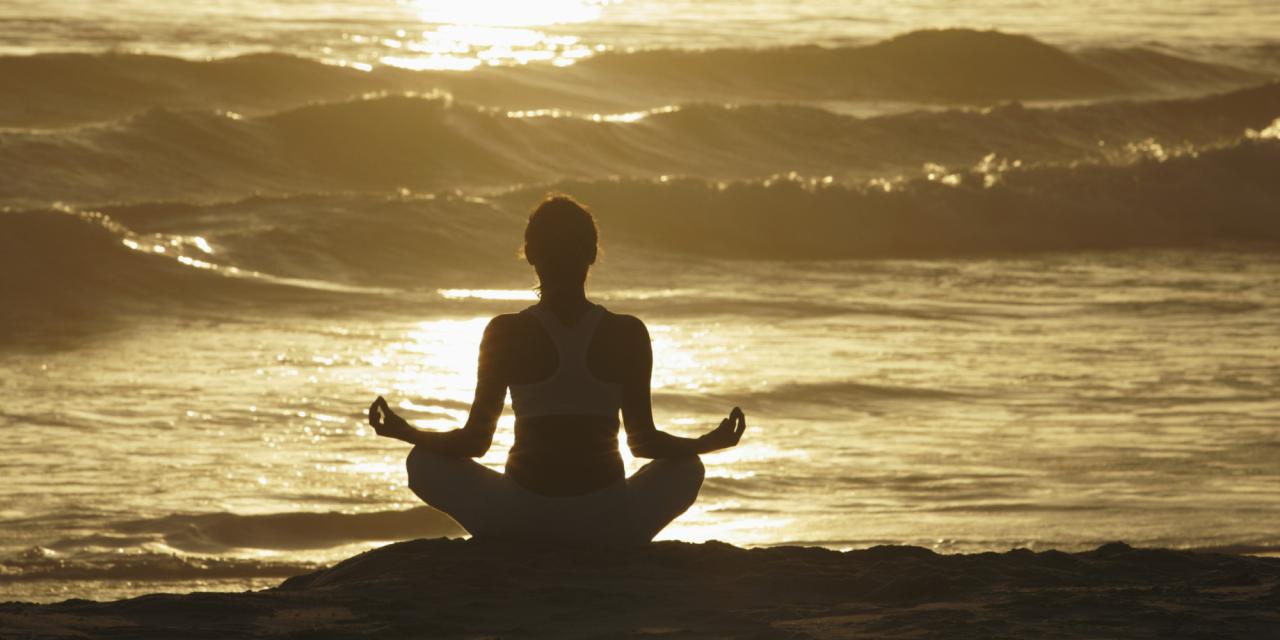
In conclusion, this guide offers a complete roadmap for incorporating meditation into your daily exercise routine. By following the Artikeld steps, you can develop a personalized meditation practice that enhances your overall well-being and promotes a healthier, more mindful lifestyle. From establishing a dedicated space to selecting the right technique and creating a schedule, this guide empowers you to unlock the transformative benefits of meditation, empowering you to navigate the demands of daily life with greater ease and resilience.
Embrace the opportunity to cultivate inner peace and discover the profound benefits of meditation for your overall well-being.