Unlock the power of mindfulness for runners with this guide to a one-minute meditation before your run. Discover how these brief, focused practices can enhance your performance and well-being, from improved focus to stress reduction. Prepare to integrate this valuable technique into your pre-run routine.
This comprehensive guide explores various techniques, from breath awareness to guided imagery, to help you harness the benefits of meditation in a concise timeframe. It offers practical application advice, discussing optimal postures, integration into your pre-run routine, and how to adjust the technique for diverse running goals. Furthermore, the guide will explore the connection between mindfulness and running performance, discussing how this simple practice can boost focus, reduce anxiety, and improve mental resilience.
Introduction to Quick Meditation
Mindfulness meditation, a practice rooted in ancient traditions, involves focusing on the present moment without judgment. It cultivates awareness of thoughts, feelings, and bodily sensations as they arise. This conscious attention fosters a deeper understanding of ourselves and our experiences.Incorporating short meditation sessions before a run can significantly enhance the overall running experience. By calming the mind and body, runners can experience a greater sense of focus and control during their workout, leading to improved performance and a more enjoyable run.
This focused attention also contributes to stress reduction and a deeper connection with the physical act of running.
Benefits of Pre-Run Meditation
Focusing on the present moment is crucial for runners. A distracted mind can lead to poor form, inefficient movements, and ultimately, a less satisfying and effective workout. Pre-run meditation, even in its briefest form, can help to cultivate a heightened awareness of the body’s sensations, improving running form and enjoyment. It can also reduce anxiety and improve overall mental well-being, allowing for a more positive and mindful experience during the run.
Formal vs. Informal Meditation
Formal meditation practices often involve structured techniques, specific postures, and designated time slots. Informal meditation, conversely, can be integrated into daily activities, such as walking, eating, or, in this case, running. This flexible approach involves maintaining present moment awareness during ordinary tasks. The key difference lies in the structure and intentionality of the practice. For runners, informal meditation practices, like the one-minute technique, are often more easily incorporated into their routine.
The 1-Minute Meditation Technique for Runners
This technique provides a simple framework for incorporating mindfulness into a pre-run routine. The focus is on cultivating present moment awareness, acknowledging bodily sensations, and observing thoughts and feelings without judgment. A runner can easily implement this approach by focusing on their breath, noticing the sensations of their feet hitting the ground, or paying attention to the feeling of the wind on their skin.
This mindful awareness of the present moment allows for a more mindful and fulfilling running experience.
Techniques for a 1-Minute Meditation Before Running
A brief meditation before a run can significantly enhance your experience. It allows you to center yourself, reduce pre-run anxiety, and set a positive intention for your workout. These techniques focus on breath awareness, a crucial element for both mental and physical preparation.These techniques are designed to be easily integrated into your routine, taking only a minute to complete.
They can be practiced anywhere, anytime, before a run.
Breath Awareness Techniques
This method prioritizes mindful breathing as a primary focus. By directing your attention to the natural rhythm of your breath, you create a sense of calm and grounding. This technique is highly effective for reducing pre-run anxiety and promoting a focused mindset.
- Deep, Slow Breathing: Inhale deeply through your nose, feeling your abdomen expand. Hold the breath for a moment, then exhale slowly through your mouth, visualizing any tension releasing with each breath. Repeat this cycle several times, focusing solely on the sensation of your breath.
- Counting Breaths: Inhale, and silently count “one.” Exhale, count “two.” Continue this process, counting each inhale and exhale until you reach ten. Return to one and repeat the cycle, maintaining a steady rhythm. This technique helps to anchor your attention and create a sense of order.
- Diaphragmatic Breathing: Place one hand on your chest and the other on your abdomen. Inhale deeply, allowing your abdomen to rise while your chest remains relatively still. Exhale slowly, feeling your abdomen fall. Focus on the movement of your diaphragm. This technique promotes relaxation and reduces feelings of stress.
Body Scan Meditation
A body scan meditation, even within a minute, can be highly beneficial before a run. By bringing awareness to different parts of your body, you can release physical tension and promote a sense of calm.
- Brief Scan: Begin by noticing the sensations in your feet. Gradually move your awareness up your body, noticing any tension or discomfort in your ankles, calves, thighs, and so on, up to your head. Acknowledge each sensation without judgment, and gently release any tension. For each part of the body, take a few deep breaths and let the area relax.
This should take less than 30 seconds.
Guided Imagery
Guided imagery uses vivid mental pictures to create a calming and focused state of mind. This technique is particularly useful for setting a positive intention for the run.
- Visualizing a Positive Run: Close your eyes and visualize yourself running smoothly and effortlessly. Imagine yourself in a beautiful location, surrounded by nature. See yourself maintaining a consistent pace, feeling strong and energized. Feel the rhythm of your body moving with grace. Allow this visualization to occupy your mind for the entire minute.
One-Minute Meditation Script: Release Tension
“Take a few moments to settle into a comfortable position. Notice the natural rhythm of your breath. Bring your awareness to your shoulders, releasing any tension you may be holding there. Now, focus on your hands and feet, letting go of any tightness. Continue this process, scanning your body, releasing tension in each part. Take three deep breaths, and focus on the calm space within you. Now, prepare to run.”
One-Minute Meditation Script: Setting Intentions
“Close your eyes and take a deep breath. Visualize your run. Imagine yourself enjoying the scenery, feeling the rhythm of your body. Set an intention for your run. It might be to push your limits, or simply to enjoy the experience. Focus on this intention with each breath. Feel the energy building within you. Now, open your eyes and begin your run.”
Practical Application & Implementation
Implementing a one-minute meditation before your run can significantly enhance your performance and overall experience. This structured approach provides a simple yet effective way to prepare mentally and physically for your workout. By incorporating these practices into your routine, you’ll experience the benefits of mindfulness in a way that aligns seamlessly with your active lifestyle.A well-structured one-minute meditation session can serve as a crucial bridge between your daily activities and your run, promoting a calm and focused state of mind.
This mental clarity can lead to improved running form, reduced stress, and a more enjoyable experience.
Step-by-Step Procedure for a 1-Minute Meditation
This structured approach will guide you through a one-minute meditation, tailored for runners. Begin by finding a quiet space where you can comfortably sit or stand without distractions.
- Centering (15 seconds): Find a comfortable posture, either sitting on a chair or the floor, or standing tall. Close your eyes gently, and bring your awareness to your breath. Notice the natural rhythm of your inhales and exhales. Allow your body to settle into a relaxed state.
- Focusing on the Run (30 seconds): Shift your attention to the upcoming run. Visualize the route, the feeling of your feet hitting the ground, and the sensations you anticipate experiencing during your run. Imagine yourself moving with ease and grace, maintaining a steady pace. Focus on the positive energy and anticipation of the activity. Visualizing positive outcomes can improve confidence and motivation.
- Grounding (15 seconds): Bring your attention back to your breath. Take a few slow, deep breaths. Ground yourself in the present moment, releasing any lingering thoughts or anxieties about the run. Feel the connection between your body and the environment.
Postures Suitable for Runners
Different postures can be suitable for runners, catering to individual preferences and physical conditions. A flexible approach allows you to choose a posture that best supports your comfort level.
- Standing Posture: Standing tall with your feet shoulder-width apart, can be suitable for those who prefer a dynamic and active posture. Ensure your weight is distributed evenly on both feet.
- Seated Posture: Sitting upright on a chair or cushion is ideal for maintaining a relaxed yet focused posture. Keep your spine straight and avoid slouching. Consider using a chair with good back support for enhanced comfort.
- Kneeling Posture: This posture allows for a stable and grounded position. It’s important to maintain a comfortable and balanced position for this posture.
Integrating Meditation into a Pre-Run Routine
Integrating this one-minute meditation into your pre-run routine is straightforward. Simply allocate this time before you start your running preparation, allowing for a seamless transition.
- Time Allocation: Incorporate the one-minute meditation into your pre-run routine. For example, if you usually start your warm-up 10 minutes before running, incorporate the meditation 5 minutes prior to your warm-up.
- Transition: Smoothly transition from the meditation to your pre-run warm-up exercises.
Importance of Consistency
Consistency is key to experiencing the full benefits of this one-minute meditation. Regular practice reinforces the positive mental and physical benefits of this technique. Consistency helps establish a routine and create a positive feedback loop.
Consistent practice leads to improved focus, reduced stress, and enhanced physical performance.
Adjusting for Different Running Goals
Adjusting this technique to different running goals is possible by modifying the focus of the visualization. This allows you to align your mental preparation with your specific objectives.
- Improving Speed: Focus on visualizing a fast and efficient running motion, visualizing yourself achieving a specific time target. Visualize each step with precision and power.
- Increasing Endurance: Visualize yourself covering long distances with ease, maintaining a steady pace. Picture yourself maintaining a consistent rhythm throughout the run.
- Injury Prevention: Focus on your body’s mechanics, maintaining proper form and posture. Visualize each movement with controlled and smooth transitions. This mental preparation can improve awareness and help prevent injuries.
Mindfulness & Running Performance
A 1-minute meditation, integrated into your pre-run routine, can significantly enhance your running experience. By cultivating a state of focused awareness, you can improve your performance, manage stress, and enhance your overall well-being. This connection between mindfulness and running performance is well-documented, and incorporating these techniques can make a noticeable difference.Mindfulness, in essence, involves paying attention to the present moment without judgment.
This focused awareness is directly transferable to your running, allowing for improved concentration and reduced mental distractions. A well-executed 1-minute meditation can create a strong foundation for a more effective and enjoyable run.
Correlation Between Mindfulness and Improved Running Performance
Mindfulness practices foster a heightened awareness of your body’s sensations and your breath. This awareness can lead to improved running form, enabling you to adjust your posture, stride, and breathing to optimize performance. Runners who practice mindfulness often experience better pacing, enabling them to avoid unnecessary exertion.
How a 1-Minute Meditation Enhances Focus and Concentration During a Run
A 1-minute meditation can help to cultivate a sense of calm focus. This focus, achieved through mindful awareness, can help to keep your mind centered on the present moment, minimizing distractions that might arise during a run, whether physical or mental. This sustained focus can translate to improved endurance and better performance.
Managing Stress Before a Run with a 1-Minute Meditation
A 1-minute meditation can be an effective stress management tool. By focusing on your breath and bodily sensations, you can effectively quiet the racing thoughts and anxieties that often accompany pre-run stress. This allows for a calmer and more focused approach to the run, preventing stress from negatively impacting performance. For example, imagine a runner feeling overwhelmed by pre-race jitters.
A short mindfulness meditation can help ground them in the present moment, reducing anxiety and allowing them to focus on the run itself.
Reducing Anxiety and Enhancing Mental Resilience
Mindfulness, as practiced through a 1-minute meditation, can build mental resilience. Regular practice helps you develop a greater capacity to observe and respond to anxieties and challenges without being overwhelmed. This translates into a greater ability to cope with the stresses of training and competition, allowing you to approach running with a more balanced and less anxious mindset.
This, in turn, builds a greater sense of control over your mental state.
Comparison of Meditation Types for Runners
Different types of meditation can be beneficial to runners. Mindfulness meditation, the focus of our 1-minute technique, centers on present-moment awareness. While other forms like transcendental meditation or loving-kindness meditation can also prove beneficial, the key to finding the most effective technique is identifying what resonates most with you as an individual runner.
- Mindfulness meditation, the technique highlighted in this guide, is particularly well-suited for focusing on the present moment during a run.
- Other forms, like transcendental meditation, may offer benefits for stress reduction, but their impact on immediate running performance might vary.
Variations & Adaptations
Adapting a one-minute meditation practice to suit individual needs and situations is crucial for consistent engagement and effectiveness. This section explores modifications for various runner profiles, busy environments, and specific running goals. By understanding these adaptations, runners can seamlessly integrate meditation into their routine, regardless of their experience level or external pressures.
Adapting for Different Experience Levels
Different levels of meditation experience necessitate varying approaches. Beginners may find a structured, guided meditation more beneficial, providing clear instructions and prompts. Experienced meditators can leverage their existing skills to create a more personalized and intuitive practice. For instance, a beginner might benefit from a 1-minute guided meditation focusing on deep, controlled breathing, while an experienced meditator could use the same timeframe to explore specific visualizations related to their running goals.
Modifications for Busy Environments
Busy environments present unique challenges for meditation. To address this, practitioners can focus on techniques that minimize distractions. These include:
- Utilizing auditory cues: Employing a simple, repetitive sound, such as a bell or a mantra, can help ground the mind and filter out background noise.
- Minimizing external stimuli: Identifying and minimizing sources of distractions, such as turning off notifications or finding a quiet space, is paramount.
- Focusing on the present moment: Focusing solely on the breath and body sensations is a powerful technique to anchor the mind in the present, regardless of the environment.
Designing 1-Minute Meditation Techniques for Running
Specific techniques can enhance the effectiveness of a one-minute meditation for runners. These techniques can be integrated to focus on posture, energy, and the running experience.
- Posture awareness: Focusing on maintaining a tall, relaxed posture can enhance body awareness and prepare the body for the run.
- Energy visualization: Visualizing a surge of positive energy coursing through the body can foster a sense of vitality and readiness.
- Grounding technique: Connecting with the earth through mindful awareness of the feet on the ground can provide stability and focus.
Affirmations and Visualizations for Runners
Affirmations and visualizations can be incorporated into the meditation for targeted results. Runners can utilize affirmations to enhance their confidence and motivation. Visualization techniques can aid in building mental resilience and conquering challenges. Examples include:
- Affirmations: “I am strong. I am capable. I am ready.” These positive statements can build mental fortitude.
- Visualizations: Visualizing a successful race, smooth strides, and a strong finish can improve mental preparedness and performance.
1-Minute Meditation for Injury Recovery
Meditation can play a role in the recovery process from running injuries. A focused, mindful approach can aid in managing pain and promoting healing. Examples include:
- Mindful breathing: Focusing on the breath can help reduce pain perception and promote relaxation.
- Body scan meditation: Identifying and acknowledging areas of discomfort while gently focusing on the healing process can reduce anxiety and promote a sense of well-being.
Potential Challenges & Solutions
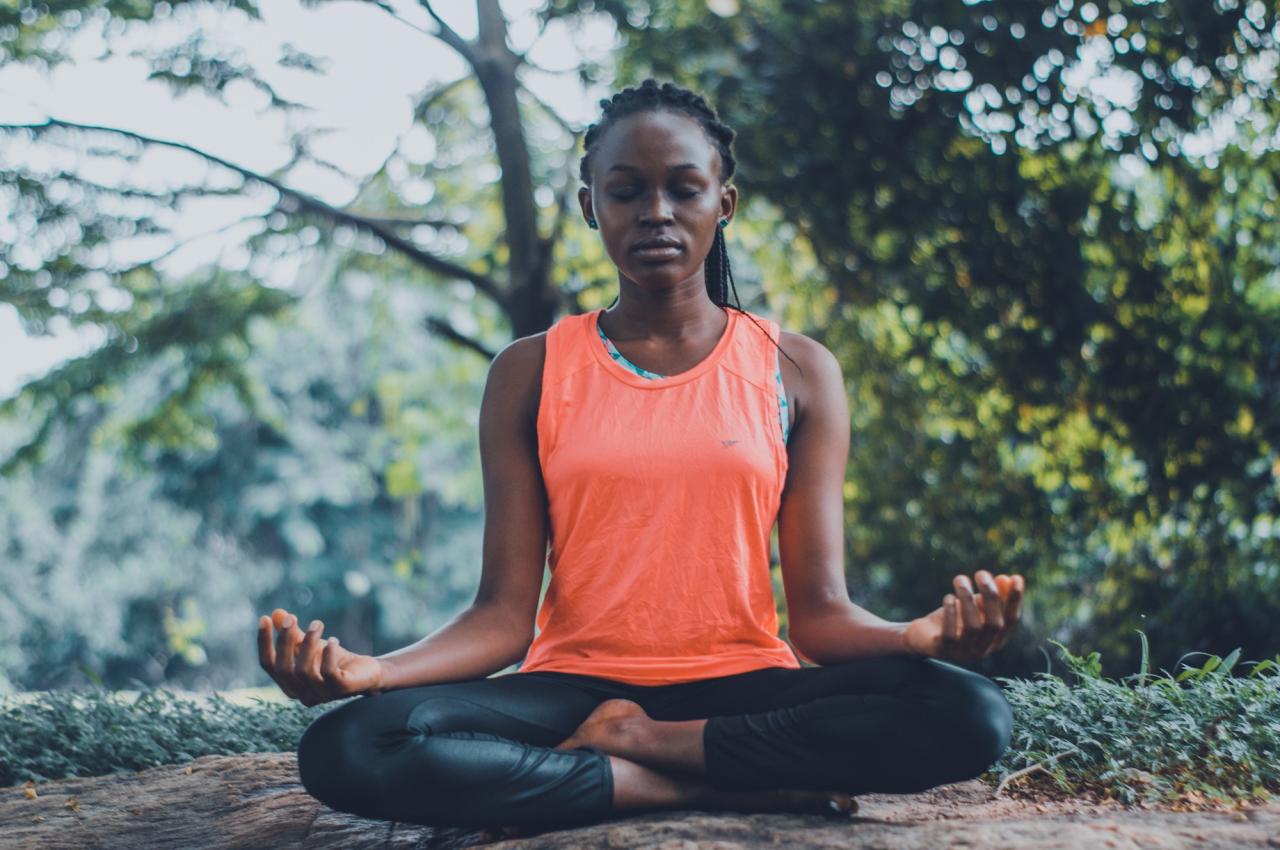
Incorporating a brief meditation practice before a run can significantly enhance performance and well-being. However, some potential challenges may arise. Understanding these obstacles and developing strategies to overcome them is crucial for consistent practice.Addressing potential hurdles is vital for sustaining the positive benefits of pre-run meditation. This section explores common challenges and provides actionable solutions to ensure a smooth and rewarding integration into your routine.
Time Constraints
Time constraints are a common barrier to incorporating any new practice. A 1-minute meditation may seem insufficient, especially for individuals already juggling busy schedules. However, this brief duration is precisely what makes it so practical and adaptable.
- Scheduling Flexibility: The key is to find pockets of time within your daily routine. Even 60 seconds can be carved out during commutes, before breakfast, or immediately after waking up. Prioritize this short meditation session as you would any other important appointment.
- Combining with Existing Activities: Integrate the meditation into existing activities. For instance, while waiting in line or during a brief commute, use this time to practice. The integration of this practice into everyday life significantly reduces the perceived barrier to entry.
Distractions
Distractions are inevitable in modern life. The mind is constantly bombarded with thoughts and external stimuli. Learning to manage these distractions during a brief meditation session is essential.
- Mindfulness Training: Cultivating mindfulness is key. Acknowledge that distractions will arise, but don’t judge them. Instead, gently redirect your attention back to your breath or chosen focus point. Consistent practice strengthens your ability to return your attention to the present moment.
- Finding a Dedicated Space: Designate a quiet, comfortable space for your 1-minute meditation. This can be your bedroom, a corner of your living room, or even a park bench. Creating this sanctuary minimizes external interruptions.
Lack of Focus
Maintaining focus during a brief meditation session can be challenging, especially for beginners. It is important to remember that lack of focus is a natural part of the process.
- Consistency is Key: Regular practice builds focus. Even if your mind wanders, gently redirect your attention back to your chosen focus point. Each session, even those with moments of distraction, contributes to developing mental discipline.
- Anchoring Techniques: Employ simple anchoring techniques. Using your breath as an anchor can ground you during distractions. If you notice your mind wandering, gently bring your attention back to the sensation of your breath.
Maintaining Motivation
Motivation can wane over time, especially when dealing with daily life stressors. Sustaining motivation is critical for any practice.
- Setting Realistic Goals: Establish achievable goals for your 1-minute meditation practice. Don’t strive for perfection; focus on consistent participation. Start small and gradually increase the frequency or duration of your practice as you become more comfortable.
- Tracking Progress: Keeping a simple log can help track your progress and reinforce your commitment. Acknowledge the positive effects of your practice, no matter how small.
Feeling Inadequate or Lack of Progress
Feeling inadequate or experiencing a perceived lack of progress is common in any new endeavor. It’s essential to acknowledge this as a normal part of the learning process.
- Self-Compassion: Practice self-compassion. Understand that progress is not linear; there will be moments of greater and lesser focus. Embrace the journey, recognizing that each session, even a seemingly unproductive one, contributes to the development of your mental capabilities.
- Focusing on Effort, Not Outcome: Shift your focus from the outcome to the effort you put in. Concentrate on the process of meditation, not the results. This fosters a more positive and sustainable approach to your practice.
Structure & Format for Presentation
Presenting information about a 1-minute meditation before running requires a clear and easily digestible format. This section details various organizational structures to effectively convey the techniques, benefits, and applications of this practice. A structured presentation enhances comprehension and retention of the material.
Responsive HTML Table for Different Aspects of Meditation
A responsive HTML table, with columns for Technique, Benefits, Application, and Variations, allows for a comprehensive overview of the practice. This structure facilitates quick comparisons and a clear understanding of how each element fits into the overall framework of a 1-minute meditation.
| Technique | Benefits | Application | Variations |
|---|---|---|---|
| Focused Breathing | Reduces stress, improves focus | Can be used before any physical activity | Incorporate visualization, count breaths |
| Body Scan Meditation | Increases body awareness, reduces tension | Especially useful for runners experiencing muscle pain or stiffness | Focus on specific areas of the body |
| Mindful Movement | Improves posture, reduces mental fatigue | Can be incorporated into stretching or dynamic warm-up | Combine with walking or light jogging |
HTML Table for Techniques, Benefits, and Application
This tabular format clearly Artikels the connection between meditation techniques, their advantages, and how they can be used in practice.
| Technique | Benefits | Application |
|---|---|---|
| Mindful Walking | Improved focus, increased awareness of body and surroundings | Can be done while warming up before a run |
| Loving-Kindness Meditation | Reduces stress, fosters compassion | Can be practiced anytime, including before a run |
| Progressive Muscle Relaxation | Reduces muscle tension, promotes relaxation | Excellent for easing physical discomfort before a run |
HTML Blockquotes for Key Takeaways
Highlighting key takeaways in blockquotes reinforces crucial points from each section.
“A 1-minute meditation before a run can significantly reduce pre-run anxiety and enhance focus.”
“Mindful breathing techniques are fundamental for stress reduction and improving focus during the run.”
“Body scan meditation can be very useful in managing muscle tension and pain.”
HTML Table Summarizing 1-Minute Meditation Techniques
This table concisely summarizes various 1-minute meditation techniques and their potential impacts.
| Technique | Impact on Running Performance |
|---|---|
| Focused Breathing | Improved focus, reduced anxiety |
| Mindful Movement | Enhanced body awareness, improved posture |
| Loving-Kindness Meditation | Increased compassion, reduced stress |
HTML Table Contrasting Meditation Types
This table contrasts different types of meditation and their potential benefits for runners.
| Meditation Type | Potential Benefits for Runners |
|---|---|
| Focused Breathing | Improved focus, reduced pre-run anxiety |
| Mindfulness Meditation | Increased awareness of body sensations, reduced pain perception |
| Body Scan Meditation | Reduced muscle tension, improved body awareness |
Illustrative Examples
This section provides visual representations to enhance understanding of the various meditation techniques and their application before running. Visual aids can significantly improve comprehension and retention of complex concepts, making them more accessible to learners.
Breath Awareness Meditation
Visualizing breath awareness involves a clear, focused image of the breath. Imagine a gentle wave rising and falling in the chest and abdomen, or the sensation of air entering and exiting the nostrils. The image should evoke a calm and peaceful feeling. Think of a serene ocean, with each wave representing an inhale and exhale. This visual representation promotes a connection with the present moment, allowing the runner to focus on the rhythm of their breath without distraction.
The image could include a simple graphic of a person inhaling and exhaling, with arrows indicating the flow of air.
Body Scan Meditation
A body scan meditation visualization is best represented as a series of different colors or shaded areas corresponding to different body parts. Begin with a gentle focus on the toes, imagine a light pink color or a gradient from light to dark pink, and visualize the sensation in your toes. Gradually move upward through each part of the body: feet, calves, thighs, abdomen, chest, arms, hands, neck, and head.
The color or shading could shift to reflect the sensation of each part. A darker shade might represent areas with tension, and a lighter shade might represent areas of relaxation. The visualization should create a sense of awareness and relaxation throughout the entire body. The image could show a person lying down, with different parts of the body highlighted in different colors to indicate the progression of the scan.
Benefits of Meditation for Running
Illustrating the benefits of meditation for running can be represented by a runner before and after the meditation. Before the meditation, the runner might be shown with a stressed facial expression, a tense posture, and perhaps a racing heart. After the meditation, the runner could be depicted with a calm expression, relaxed posture, and a slower heart rate.
The image could also include an image of a calm, peaceful trail, representing the enhanced focus and mental clarity the meditation provides. A before-and-after visual comparison effectively illustrates the mental and physical benefits of meditation before a run.
Meditation Session Visual Representation
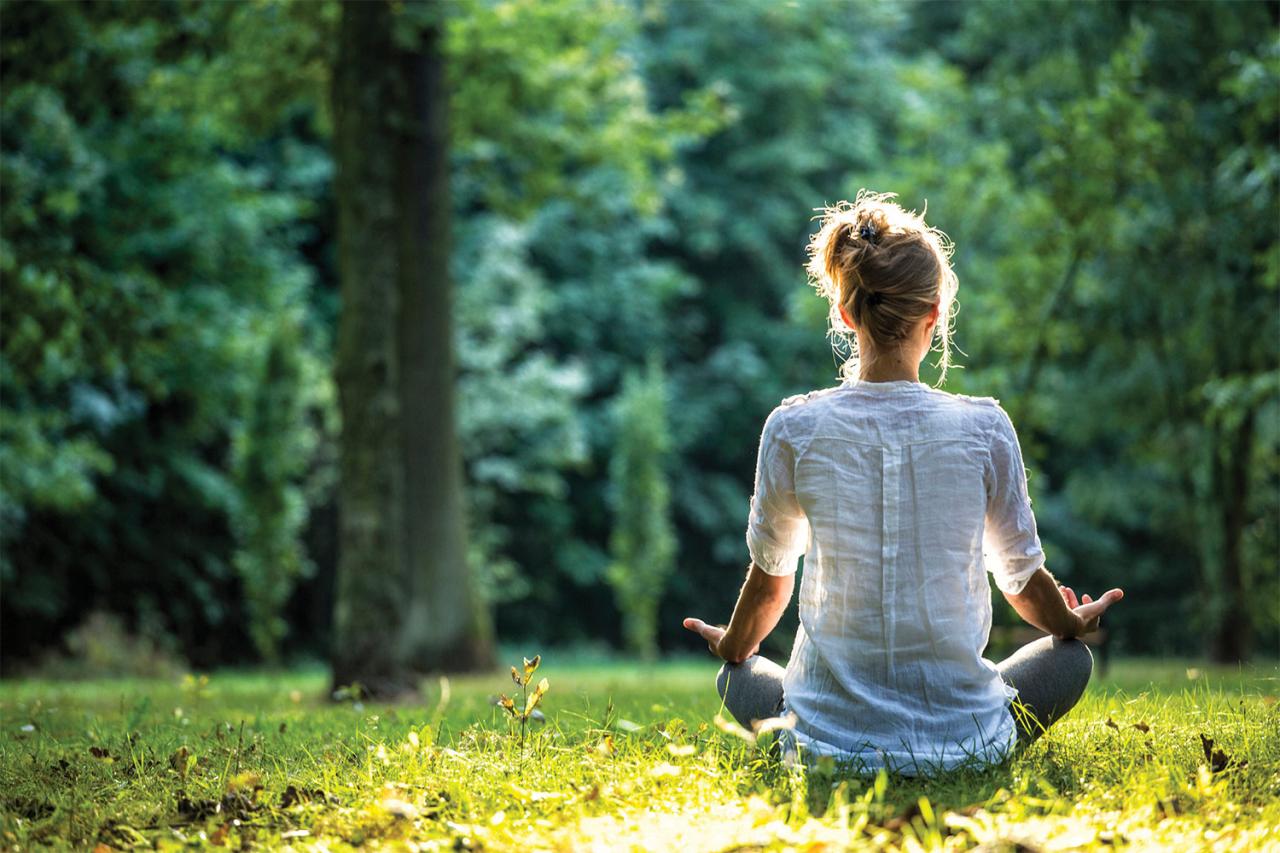
Visualize a runner in a quiet, peaceful environment, such as a park or a serene room. The runner is seated or lying down in a comfortable position, eyes closed, and focused on their breath. A soft, ambient light could surround the runner, symbolizing the calming atmosphere of the session. The image could also include elements that represent the runner’s awareness of their surroundings, such as a slight awareness of the sounds and the gentle feeling of the ground beneath them.
A soft background image like trees or clouds could be used to further symbolize the tranquility.
Runner Performing a 1-Minute Meditation
A visual representation of a runner performing a 1-minute meditation would show the runner in a relaxed position, possibly seated or standing. Their hands might be gently resting on their knees or thighs. The focus should be on the runner’s facial expression, which should reflect calmness and concentration. The runner’s posture should also convey relaxation. The runner’s gaze should be directed inward, suggesting a focused mind.
The image could show a close-up of the runner, emphasizing the details of their posture and expression.
Ending Remarks
In conclusion, this guide has provided a thorough exploration of how to effectively incorporate a one-minute meditation into your pre-run routine. By utilizing various techniques and understanding the practical applications, runners can unlock a range of benefits. The exploration of mindfulness and running performance, combined with practical advice and adaptable techniques, empower runners to achieve their personal best, both physically and mentally.