Preparing for a jog with a calm and focused mind can significantly enhance your experience. Pre-jog meditation, with its emphasis on mental clarity and stress reduction, can lead to improved performance, reduced anxiety, and a more enjoyable workout. This guide provides three simple rules to help you incorporate meditation into your pre-jog routine.
This article will delve into the practical application of meditation before jogging, offering clear steps and examples for effective implementation. We’ll explore various techniques to quiet the mind, reduce distractions, and transition smoothly into your run. Furthermore, we’ll discuss the benefits of this practice and common pitfalls to avoid, ensuring you can develop a consistent and rewarding pre-jog meditation routine.
Introduction to Pre-Jog Meditation
Meditation, at its core, is a practice of focusing the mind to achieve a state of mental clarity and emotional calmness. This focused attention can offer numerous benefits, particularly when integrated into a routine like jogging. Benefits extend beyond mental well-being, impacting physical performance and overall stress management. By quieting the mind before physical exertion, you enhance your ability to perform at your best and recover more efficiently.A calm and focused mind before a jog is crucial.
Pre-jog meditation sets the stage for a more effective and enjoyable workout. It helps to regulate the body’s stress response, allowing for a smoother transition into the physical activity and facilitating better physical performance. Furthermore, this practice aids in reducing stress and anxiety, leading to a more positive and less taxing experience overall. The physiological effects of stress reduction through meditation are profound, influencing heart rate, blood pressure, and cortisol levels, leading to a healthier and more balanced response to physical activity.
Physiological Effects of Stress Reduction
Stress, if not managed, can significantly impact physical performance and recovery. Chronic stress elevates cortisol levels, which can negatively affect muscle function, increase inflammation, and hinder the body’s ability to repair itself after exercise. Conversely, a relaxed state, achieved through meditation, reduces cortisol and promotes the release of stress-reducing hormones like endorphins. This relaxation, coupled with focused breathing techniques, can improve cardiovascular health and lead to enhanced endurance during a jog.
This process also contributes to a more efficient recovery period, making it possible to engage in more frequent or intense training sessions.
Benefits of Pre-Jog Meditation for Performance
Meditation prior to jogging can significantly enhance your performance and overall experience. By calming the mind and reducing stress, you optimize your body’s response to physical exertion. A relaxed state promotes better concentration and focus, which can lead to improved form, pace, and endurance. This translates to running longer distances or maintaining a higher intensity for a longer duration.
Furthermore, the mental clarity gained from meditation allows you to focus on your body’s signals, enabling you to gauge your effort more effectively and make adjustments as needed. This self-awareness can significantly improve your overall athletic performance and make jogging a more mindful experience.
Mental Preparation for Physical Activity
Mental preparation is just as important as physical preparation for any form of physical activity. A focused and calm mind before a jog allows you to better anticipate your body’s needs, anticipate challenges, and approach the activity with greater awareness. Meditation acts as a bridge between your mental state and physical performance, enabling you to transition from a state of rest to a state of focused activity with greater ease.
This clarity and control can also improve your recovery and reduce the risk of injuries.
Three Easy Rules for Pre-Jog Meditation
Pre-jog meditation, a simple yet powerful practice, can significantly enhance your running experience. By calming your mind and body before hitting the pavement, you can experience reduced stress, improved focus, and heightened enjoyment. These three easy rules are designed to make pre-jog meditation accessible to everyone, regardless of prior experience.These rules provide a straightforward framework for incorporating meditation into your pre-jog routine.
They are not rigid rules, but rather suggestions to help you develop a personalized approach that fits your needs and preferences. The key is consistency and a willingness to experiment to discover what works best for you.
Rule 1: Establish a Dedicated Space and Time
Consistent practice is crucial for reaping the benefits of meditation. A dedicated space and time create a mental association between that location and the practice, making it easier to transition into a meditative state. Finding a quiet corner in your home or a peaceful spot outdoors can greatly enhance your experience.This dedicated space can be as simple as a corner of your bedroom or a park bench.
The key is to create a physical and mental association between this space and your meditation practice. This dedicated space, whether at home or outdoors, acts as a signal to your brain that it’s time to relax and focus. It helps create a ritual, signaling a shift in mindset from daily activities to a meditative state. For example, if you always meditate in your living room, your body and mind will gradually associate that space with calmness and focus, making it easier to enter a meditative state each time you sit down.
Rule 2: Focus on Your Breath
Focusing on your breath is a fundamental aspect of meditation. This practice helps to anchor you in the present moment, reducing distracting thoughts and promoting a sense of calm.Begin by noticing the sensation of your breath entering and leaving your body. Feel the air as it moves through your nostrils, down your throat, and into your lungs. Pay attention to the rise and fall of your chest or abdomen.
Don’t judge or change your breathing; simply observe it. If your mind wanders, gently redirect your attention back to your breath. The regularity of the breath serves as an anchor in a constantly changing world.For example, imagine you’re about to go for a run and feel overwhelmed by your to-do list. By focusing on your breath, you’re bringing your awareness back to the present moment.
This helps to quiet the chatter in your mind and promotes a sense of calm, which can then translate into better performance during your jog.
Rule 3: Set Realistic Goals and Be Patient
Setting realistic goals and demonstrating patience are essential for building a sustainable meditation practice. Begin with short meditation sessions and gradually increase the duration as you become more comfortable. Don’t expect perfection; focus on consistency instead.Start with a few minutes of meditation each day. If you’re new to meditation, even 5 minutes can be beneficial. As you become more experienced, you can gradually increase the duration of your sessions.
Consistency is more important than length. The key is to establish a routine and stick to it. Be kind to yourself and remember that progress takes time. If you miss a session, don’t beat yourself up about it. Just get back on track the next day.
For example, aiming for 15 minutes of meditation daily is a more realistic goal than trying to meditate for an hour right away. This gradual approach allows your mind to adjust to the practice and makes it more sustainable in the long run.
Preparing the Mind for Jogging
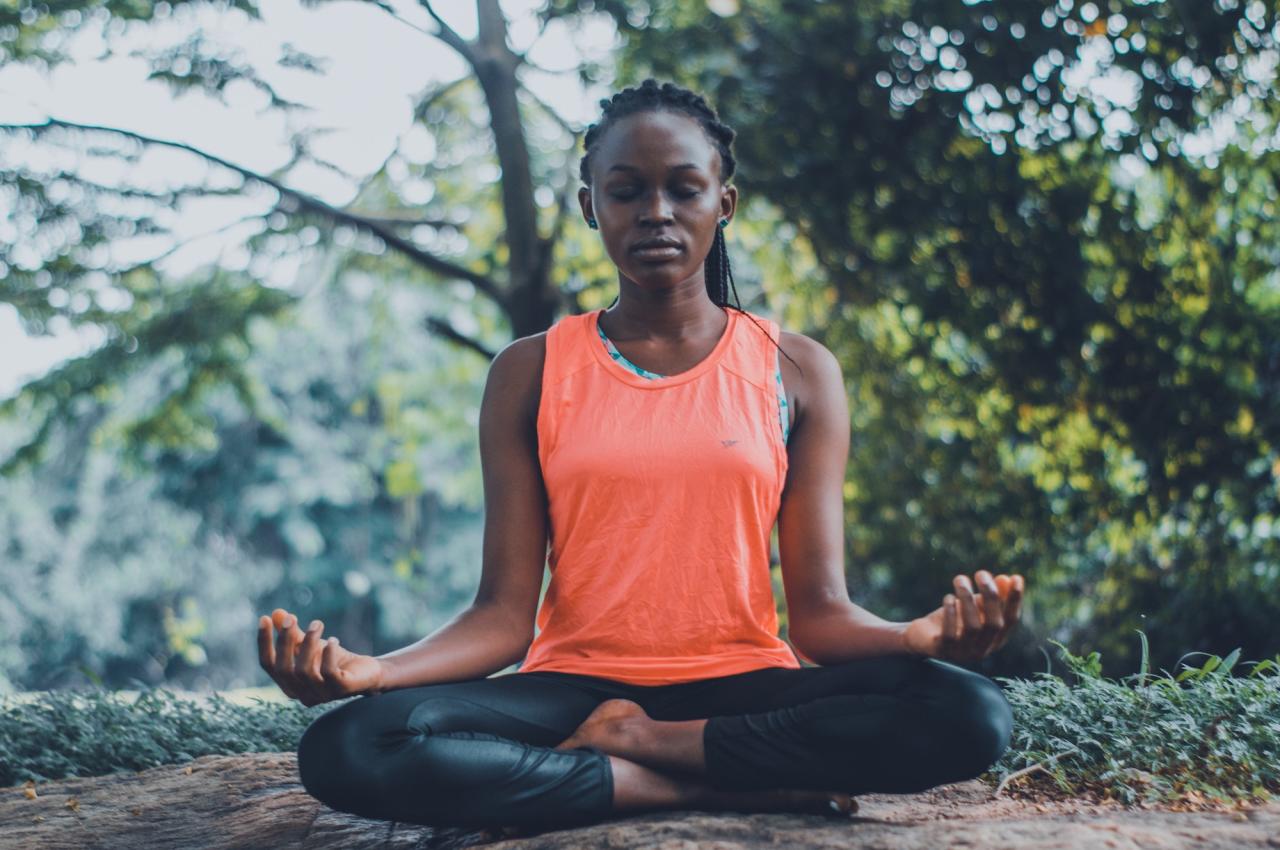
A calm and focused mind enhances your jogging experience. Pre-jog meditation sets a positive tone, promoting better concentration, reducing stress, and improving overall performance. By quieting the mental chatter and connecting with the present moment, you’ll experience a deeper connection with your body and the act of running.Preparing your mind before a run isn’t just about clearing your head; it’s about actively cultivating a state of mental readiness.
This allows you to fully engage with the physical activity, fostering a more enjoyable and effective workout.
Mental Techniques to Quiet the Mind
Cultivating mental stillness before a run requires intentional effort. Employing techniques to quiet the mind, such as deep breathing and mindfulness, can help shift your focus away from worries and anxieties. These techniques allow you to create space for a more positive and present experience during your jog.
- Deep Breathing Exercises: Deep, conscious breaths are a powerful tool for calming the mind and body. Inhale slowly and deeply through your nose, filling your lungs completely. Hold the breath for a few seconds, then exhale slowly through your mouth, releasing any tension. Repeating this process several times can significantly reduce stress and anxiety.
- Mindfulness Practices: Mindfulness involves focusing on the present moment without judgment. Pay attention to your breath, the sensations in your body, and the sounds around you. Notice the feeling of your feet hitting the ground during each step or the rhythm of your breathing. By actively engaging with the present moment, you can lessen the hold of distracting thoughts.
- Progressive Muscle Relaxation: This technique involves systematically tensing and releasing different muscle groups in your body. Starting with your toes, tense each muscle group for a few seconds, then release and relax. This process can help alleviate physical tension, which often accompanies mental stress.
Focusing on the Present Moment
Shifting your attention to the present moment is a key aspect of pre-jog meditation. This helps minimize the influence of past worries and future anxieties, enabling you to fully experience the run.
- Sensory Awareness: Pay close attention to the sensations in your body. Notice the feel of your clothes against your skin, the rhythm of your breathing, the sensation of each step. Ground yourself in the present by consciously engaging with these sensory details.
- Guided Imagery: Visualization can help you focus on the present moment by creating a mental image of a calm and serene environment. Imagine yourself running through a beautiful park, a forest trail, or along a coastline. This mental picture can help shift your attention away from distracting thoughts and towards the positive experience of the run.
Minimizing Distractions and Thoughts
Distractions and thoughts are inevitable during meditation, but you can develop strategies to minimize their impact. Understanding that thoughts are not inherently negative and simply acknowledging them without judgment is crucial.
- Thought Awareness: Instead of fighting thoughts, simply acknowledge their presence and gently redirect your attention back to your chosen focus, such as your breath or a specific image. This practice helps you cultivate a sense of detachment from distracting thoughts without getting carried away by them.
- Non-Judgmental Observation: Treat thoughts as fleeting clouds passing across the sky. Observe them without judgment, allowing them to come and go without getting entangled in their content. This detached observation helps you stay centered in the present moment.
Guided Imagery or Visualization Techniques
Guided imagery can enhance the meditative experience and set a positive tone for your jog. It creates a mental picture to help you focus on the present moment.
- Visualization of a Smooth Run: Imagine yourself effortlessly running, feeling the rhythm and flow of your body. Visualize a smooth, effortless transition between each step, a sense of grace and ease.
- Visualization of a Beautiful Landscape: Imagine running through a picturesque landscape. Focus on the sights, sounds, and sensations of your chosen environment. This imagery can enhance the enjoyment of the run and provide motivation.
Transitioning from Meditation to Jogging
A smooth transition from meditation to jogging is essential for optimal performance and enjoyment. Gradually shift your focus from the meditative state to the physical activity.
- Gradual Shift in Focus: Gradually increase the awareness of your body as you transition. Pay attention to your breathing and physical sensations. This gradual shift helps maintain a sense of calmness and focus during the run.
- Gentle Movement: Begin with a few slow, deliberate strides. This helps you bridge the gap between the meditative state and the physical activity. This gradual transition from stillness to movement minimizes any jarring effects.
Practical Application of the Rules
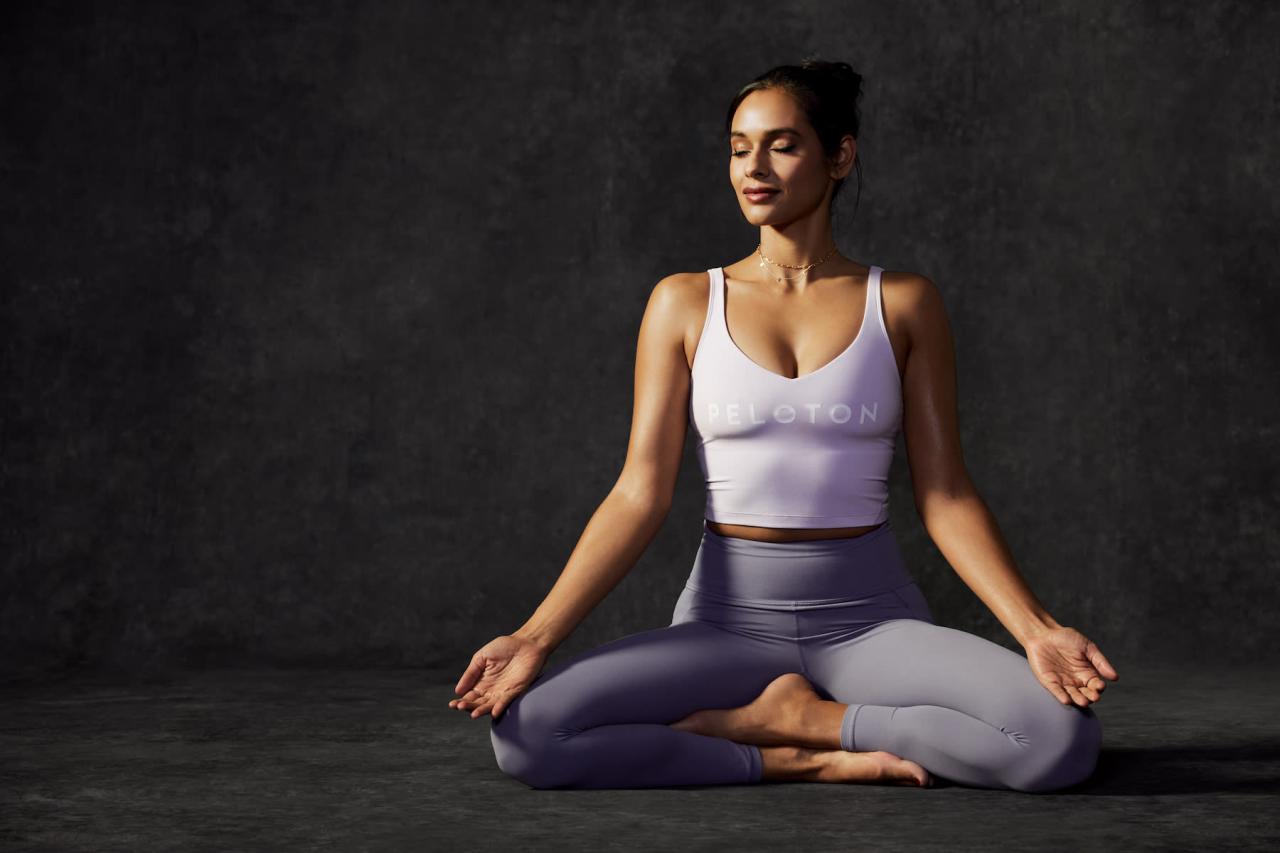
Integrating these three simple rules into your pre-jog meditation routine can significantly enhance your overall experience. By focusing on your breath, intention, and posture, you cultivate a calm and focused state of mind, setting the stage for a more enjoyable and productive jog. This improved mental state often translates to better performance and a more fulfilling exercise session.
Implementing the Rules in Practice
These rules aren’t abstract concepts; they are practical tools for cultivating mental clarity and physical preparedness. To maximize their effectiveness, you should actively incorporate them into your daily routine, not just during your pre-jog meditation. The key is to make these practices consistent and seamless parts of your daily life.
| Rule | Explanation | Application Example |
|---|---|---|
| Focus on Your Breath | Consciously paying attention to the sensation of your breath, without judgment, allows you to anchor your mind in the present moment. This cultivates a sense of groundedness and calm. | During your pre-jog meditation, notice the coolness of the air as it enters your nostrils. Feel the expansion of your chest as you inhale and the gentle contraction as you exhale. Acknowledge these sensations without trying to change them. This practice can be extended to your daily life, for instance, during a stressful work meeting or a busy commute, focusing on your breath can provide a moment of calm. |
| Set a Clear Intention | Having a specific intention for your jog, whether it’s to improve your endurance, clear your mind, or simply enjoy the outdoors, creates a purpose and focus for your exercise. | Instead of just “going for a jog,” visualize yourself effortlessly maintaining a steady pace. This visualization creates a stronger mental image, which helps you maintain your desired pace and intensity. You can use this technique in other areas of your life, for instance, when preparing for a presentation or meeting, setting an intention can help you focus on your goal. |
| Maintain a Comfortable Posture | Adopting a comfortable and stable posture during meditation helps your body relax, enabling your mind to settle into a state of calm. | Find a quiet space where you can sit comfortably, either on a cushion or a chair. Ensure your spine is straight, but not stiff. Allow your shoulders to relax and your hands to rest gently in your lap. You can practice this posture during other daily activities, like working at your desk or even waiting in line. By maintaining good posture throughout the day, you can promote relaxation and prevent physical tension, which often correlates to mental stress. |
Benefits of Pre-Jog Meditation
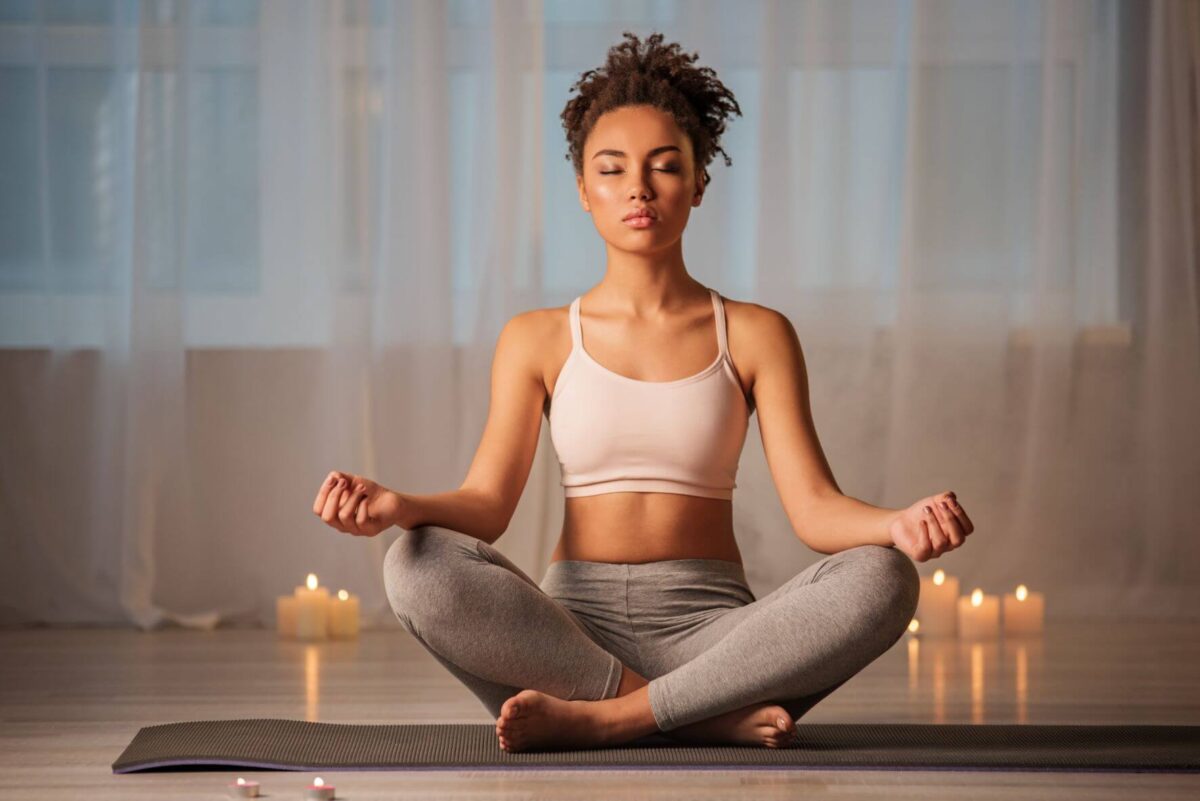
Integrating a pre-jog meditation practice can significantly enhance your overall experience and outcomes. This approach prepares your mind and body for the physical exertion of jogging, optimizing performance and promoting a more positive mental state. It’s a proactive strategy that goes beyond simply getting your body moving, fostering a deeper connection with your well-being.By calming the mind and focusing on the present moment, meditation creates a supportive foundation for a productive and enjoyable jog.
This preparatory step allows for a smoother transition into your workout, facilitating a more harmonious experience between your mental and physical states. The benefits extend beyond the immediate experience, impacting your long-term fitness journey.
Physical Benefits of Pre-Jog Meditation
Meditation before jogging can positively influence your physical performance. A calm mind leads to a more relaxed body, which can contribute to improved endurance and reduced muscle tension. This relaxation can translate into greater efficiency during your run, enabling you to push your limits further while minimizing the risk of injury.
Mental Benefits of Pre-Jog Meditation
The mental benefits of pre-jog meditation are substantial. Studies suggest that meditation can reduce anxiety and stress levels, creating a more positive mindset for your workout. This positive mental state can improve your focus and concentration during your jog, allowing you to maintain a consistent pace and overcome challenges more effectively. A clear mind can also make your workout feel less demanding, leading to a more enjoyable experience.
Enhanced Focus and Concentration
Meditation cultivates mental clarity and focus. This focused attention, achieved through mindful breathing and awareness, directly translates into enhanced concentration during your jog. You’ll be better equipped to maintain your pace and navigate obstacles, leading to a more effective workout. This heightened focus is crucial for optimizing your performance and ensuring a smooth and productive running experience.
Reduced Anxiety and Stress
Pre-jog meditation can significantly reduce feelings of anxiety and stress. By quieting the mental chatter and focusing on the present moment, meditation promotes a sense of calm and relaxation. This reduction in stress can significantly impact your physical response to exercise, leading to improved performance and a more enjoyable running experience. The positive mental state induced by meditation can help you feel more resilient and less overwhelmed during your workout.
Improved Endurance
Meditation can contribute to improved endurance during your jog. By reducing stress hormones and promoting relaxation, meditation can enhance the body’s ability to efficiently utilize oxygen and fuel. This translates to a longer and more sustained workout, enabling you to run for longer periods without feeling as fatigued. This enhanced endurance can lead to a more rewarding and productive running experience.
Comparison with Other Pre-Exercise Routines
Compared to other pre-exercise routines, such as dynamic stretching or light cardio, meditation offers a unique approach to preparation. While stretching improves flexibility and cardio warms up the muscles, meditation targets the mind, creating a mental framework for optimal performance. Meditation cultivates mental resilience and focus, enabling you to navigate the challenges of your run with greater ease.
This holistic approach to preparation provides a more comprehensive enhancement of your fitness experience.
Contributing to a Positive Jogging Experience
Meditation can significantly contribute to a more enjoyable and effective jogging experience. By calming the mind and reducing stress, meditation creates a positive mental space conducive to a more focused and rewarding workout. This enhanced focus, combined with reduced anxiety, fosters a sense of control and allows you to approach your run with greater confidence and enjoyment. This preparation empowers you to fully embrace the benefits of your workout.
Detailed List of Benefits
- Enhanced Focus and Concentration: Meditation sharpens mental clarity, allowing for sustained concentration during your run, helping you maintain a consistent pace and overcome challenges more effectively.
- Reduced Anxiety and Stress: By quieting mental chatter and promoting relaxation, meditation helps reduce anxiety and stress, making your workout feel less demanding and more enjoyable.
- Improved Endurance: Meditation can enhance the body’s oxygen and fuel utilization, resulting in longer and more sustained workouts without fatigue.
- Improved Mood and Well-being: The relaxation and focus fostered by meditation contribute to a positive mindset, creating a more enjoyable and fulfilling jogging experience.
- Reduced Risk of Injury: A calmer mind and body can translate into more controlled movements, potentially decreasing the risk of injury during exercise.
Ways to a More Enjoyable and Effective Workout
Integrating meditation into your pre-jog routine can significantly contribute to a more enjoyable and effective workout. This proactive approach prepares your mind and body for physical exertion, fostering a deeper connection with your well-being. By combining the mental benefits of meditation with the physical benefits of jogging, you can optimize your performance and experience greater satisfaction from your workout.
Common Mistakes to Avoid
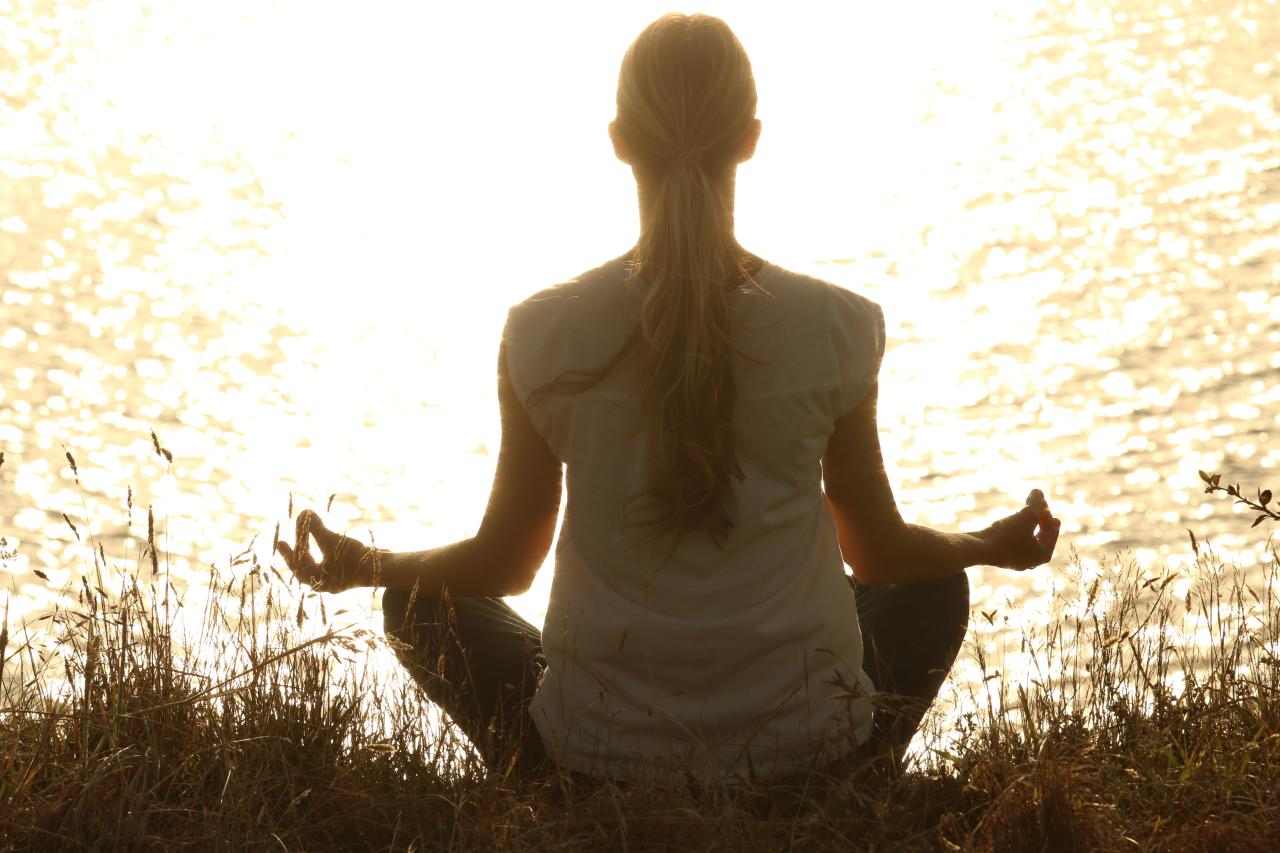
Embarking on a pre-jog meditation practice can be a rewarding experience, but like any new habit, it requires mindful attention to potential pitfalls. Understanding common mistakes can empower you to navigate these challenges and foster a consistent, positive practice. By recognizing these obstacles, you can strengthen your focus and reap the full benefits of meditation before your run.Common obstacles in pre-jog meditation often stem from a lack of understanding or consistent application of the fundamental principles.
Difficulties in maintaining focus, incorporating the rules, or managing distractions can hinder the effectiveness of your practice. Addressing these issues proactively can transform your meditation sessions from frustrating experiences into valuable tools for enhancing your run.
Maintaining Focus During Meditation
Maintaining unwavering focus during a meditation session can be challenging, particularly when the mind wanders. External stimuli, internal thoughts, or physical discomfort can disrupt the meditative state. Understanding these factors and employing strategies to counteract them is crucial.
- Allowing Thoughts to Pass: Recognize that thoughts are a natural part of the mind’s activity. Instead of resisting them, acknowledge their presence and gently redirect your attention back to your chosen focus, be it your breath, a mantra, or a visualization. This practice of non-judgmental observation strengthens your ability to maintain focus.
- Mindfulness of Distractions: Identify and acknowledge potential distractions before your meditation session. These can include the sounds of traffic, the feeling of discomfort, or the pull of unfinished tasks. Anticipating these disruptions allows you to be more prepared and to effectively redirect your attention to your chosen focus.
- Gradual Progression: Don’t expect perfection from the outset. Start with shorter meditation sessions and gradually increase the duration as your focus strengthens. Consistency is key, and a shorter, more focused session is often more beneficial than a longer, distracted one.
Incorporating the Rules Effectively
Properly incorporating the three rules into your pre-jog meditation practice is vital for maximizing its benefits. Misinterpretations or inconsistent application can diminish the effectiveness of the practice.
- Understanding Rule Application: Review the three rules regularly. Ensure you understand the specific application of each rule within the context of your pre-jog meditation. A clear understanding is the first step toward consistent application.
- Consistency in Practice: Consistency is paramount in developing a successful pre-jog meditation practice. Set aside dedicated time each day for your practice, adhering to the schedule as closely as possible. This consistency strengthens the neural pathways associated with mindfulness.
- Adapting to Individual Needs: Adjust the practice to suit your individual needs and preferences. If a particular technique doesn’t resonate with you, explore alternative approaches. Experimentation and adaptation are crucial to finding what works best for you.
Avoiding Distractions and Staying Focused
Distractions are common during meditation, and their impact on focus can be significant. Strategies for managing distractions and maintaining concentration are crucial for a successful meditation session.
- Creating a Conducive Environment: Choose a quiet and comfortable space for your meditation practice. Minimize external noise and ensure the environment is conducive to relaxation and focus. Even a simple adjustment to your seating position can significantly impact your ability to concentrate.
- Utilizing External Aids: Consider incorporating external aids, such as guided meditations or calming music, to enhance your focus. These tools can provide a framework to anchor your attention and manage wandering thoughts.
- Mindful Breathing Techniques: Deep, conscious breathing exercises can anchor your attention and provide a focus point for redirecting your mind when it wanders. Practicing these techniques regularly can strengthen your ability to manage distractions effectively.
Visualizing the Jogging Experience
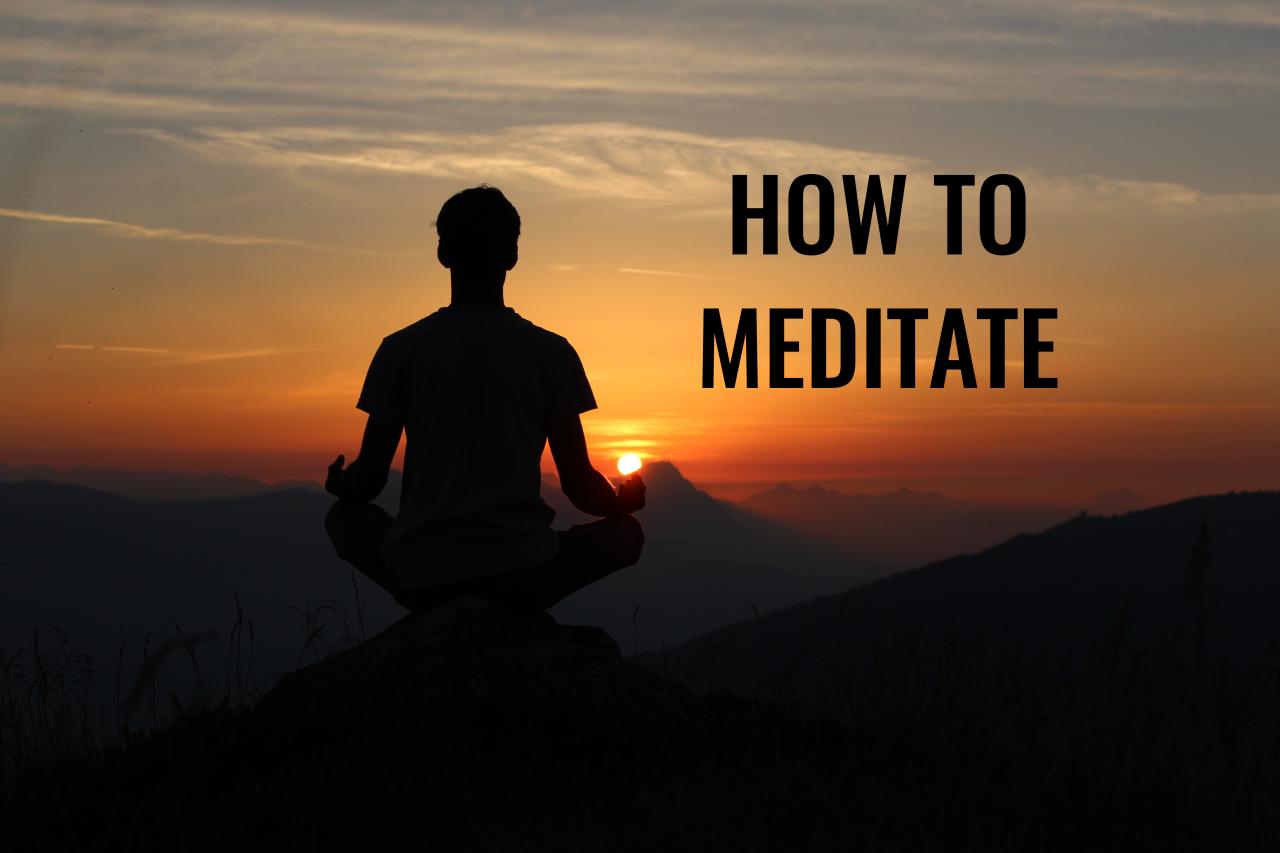
Enhancing your pre-jog meditation through visualization can significantly impact your run. By mentally rehearsing a positive and successful experience, you can cultivate a sense of calm confidence and focus, leading to a more enjoyable and effective workout. This technique is particularly powerful for building positive associations with your jogging routine.
Creating a Vivid Mental Image
Visualization is a powerful tool that allows you to mentally experience a desired outcome before it physically occurs. In the context of pre-jog meditation, visualizing a successful run involves creating a detailed mental image of the entire experience. This detailed mental imagery can enhance focus, promote positive emotions, and even improve performance.
Visualizing a Successful Run
A successful run, as visualized, is more than just the physical act of running. It incorporates the emotional and mental aspects of the experience. Imagine yourself effortlessly gliding along the path, feeling a surge of energy coursing through your body. The scenery unfolds around you, vibrant and inspiring, each breath a source of calm and focus. Visualize a strong sense of determination and joy, replacing any doubts with confidence.
Picture yourself crossing the finish line with a sense of accomplishment, a smile on your face, and a renewed sense of well-being.
Step-by-Step Visualization Guide
This structured approach to visualization can significantly enhance your pre-jog meditation:
- Preparation: Find a quiet space where you can comfortably sit or lie down. Close your eyes and take a few deep, conscious breaths to center yourself. Allow any thoughts to drift away without judgment.
- Setting the Scene: Visualize the jogging path, or the location where you intend to run. Notice the details of the environment – the colors, the sounds, the textures. Feel the sensation of the ground beneath your feet.
- Embodying the Experience: Visualize yourself starting the run. Feel the rhythm of your steps, the movement of your body, and the flow of energy within you. Notice how your body responds to the exertion and how you are effortlessly gliding through the exercise.
- Emotional Engagement: Focus on the positive emotions associated with a successful run. Feel the joy of movement, the sense of accomplishment, and the release of tension. Imagine the feeling of your body becoming energized and strong.
- Finishing Strong: Visualize yourself successfully completing the run. Notice how you feel at the end of the run, the sense of accomplishment, the satisfaction, and the renewed energy. Notice the feeling of calm satisfaction.
Imagery for Calm and Focus
Using specific imagery can deeply enhance your visualization practice. Instead of focusing solely on the physical act of running, consider incorporating elements that promote a sense of calm and focus.
- Nature’s Embrace: Visualize yourself running through a serene forest, surrounded by lush greenery and the calming sounds of nature. This imagery can evoke feelings of peace and tranquility.
- Sunlight’s Warmth: Imagine the warm sunlight gently caressing your skin as you run. This can promote feelings of warmth and comfort.
- Flowing Water: Picture yourself running beside a flowing river, feeling the cool water refresh you. This can evoke a sense of calmness and ease.
- Clear Sky: Visualize a clear, cloudless sky, symbolizing clarity and focus. This imagery can aid in creating a sense of mental sharpness and clarity.
Deep Breathing Techniques
Deep breathing is a cornerstone of pre-jog meditation, offering a powerful pathway to enhance focus, reduce stress, and prepare the body for physical activity. By consciously regulating your breath, you can calm your nervous system, promote relaxation, and improve overall well-being, setting the stage for a more enjoyable and effective jog.Controlled breathing techniques are integral to meditation, acting as a bridge between the mind and body.
By focusing on the breath, you can shift your attention away from racing thoughts and anxieties, fostering a sense of calm and control. This process is particularly beneficial before exercise, as it helps regulate heart rate and blood pressure, promoting a more balanced and prepared state for physical exertion.
Types of Deep Breathing Exercises
Different breathing techniques offer varying benefits, allowing you to tailor your practice to your specific needs and preferences. Understanding these techniques allows for a personalized approach to pre-jog meditation.
- Diaphragmatic Breathing: This technique, also known as belly breathing, involves engaging the diaphragm, the primary muscle of respiration. By consciously expanding the abdomen with each inhale and relaxing it with each exhale, you can achieve a more complete and efficient exchange of air. This technique is excellent for calming the nervous system and promoting relaxation. To practice, lie down on your back, place one hand on your chest and the other on your abdomen.
Inhale deeply, noticing your abdomen rising while your chest remains relatively still. Exhale slowly, allowing your abdomen to fall. Repeat this process several times, focusing on the sensation of the breath moving through your body.
- Box Breathing: This technique involves inhaling for a count of four, holding the breath for a count of four, exhaling for a count of four, and holding the breath again for a count of four. This rhythmic pattern creates a sense of stability and control, aiding in reducing anxiety and improving focus. It is a simple, yet powerful technique, easily adaptable for various situations, including pre-jog meditation.
Begin with a slow pace and gradually increase the count as you become more comfortable.
- Alternate Nostril Breathing (Nadi Shodhana): This ancient yogic technique involves alternately breathing through each nostril. This practice is known to balance the energy channels in the body, promoting a sense of calm and clarity. It is a meditative practice that requires a bit of practice. Begin by exhaling completely through the right nostril, then gently close the right nostril with the right thumb and inhale deeply through the left nostril.
Exhale through the right nostril, and then inhale through the right nostril, gently closing the left nostril with the ring finger and pinky. Repeat this process several times, focusing on the smooth flow of breath.
How Controlled Breathing Enhances Focus and Relaxation
Controlled breathing exercises activate the parasympathetic nervous system, which is responsible for the body’s relaxation response. This response helps lower heart rate, blood pressure, and cortisol levels, which are associated with stress. By engaging in controlled breathing, you calm your mind, improve concentration, and prepare the body for a more relaxed and efficient jog.
Specific Breathing Techniques to Reduce Stress and Anxiety
The techniques Artikeld above, such as box breathing and alternate nostril breathing, are specifically designed to calm the mind and body, effectively reducing stress and anxiety. By focusing on the rhythm and sensation of your breath, you can shift your attention away from stressful thoughts and feelings.
Connection Between Breathing and Overall Well-being
Proper breathing is essential for overall well-being. The way we breathe impacts our physical and mental states. Controlled breathing practices can help regulate emotions, reduce stress, and improve focus. This is especially beneficial before physical activity like jogging, as it prepares the body and mind for a balanced and focused experience. Deep breathing techniques promote relaxation, allowing for improved oxygenation of the body, thereby enhancing physical performance.
Structuring the Pre-Jog Meditation Session
A structured pre-jog meditation session can significantly enhance your experience. It allows you to transition smoothly from a relaxed state to focused physical activity, optimizing your performance and enjoyment. This structure provides a clear path for your mind to prepare, promoting a sense of calm and readiness.A well-structured session helps you focus on the present moment, which is essential for a successful jog.
This focused attention can reduce stress and improve concentration, allowing you to fully immerse yourself in the activity.
Sample 5-Minute Pre-Jog Meditation Script
This structured script provides a framework for a 5-minute pre-jog meditation, incorporating the previously discussed rules and exercises.
- (0:00-0:30) Settling In: Begin by finding a comfortable seated or standing position. Ensure your posture is upright and relaxed. Close your eyes gently. Take three slow, deep breaths, focusing on the sensation of the air entering and leaving your body. This grounding step sets the stage for a focused meditation.
- (0:30-1:00) Mindfulness of Body: Bring your attention to the physical sensations in your body. Notice any tension or discomfort without judgment. Scan your body from head to toe, acknowledging each part. This cultivates body awareness, enabling you to feel your body’s readiness for the upcoming jog.
- (1:00-2:00) Visualization: Visualize yourself jogging. Imagine the scenery, the feeling of your feet hitting the ground, the rhythm of your breathing. Feel the energy and excitement of the jog. This vivid visualization primes your mind for the physical activity, promoting a sense of anticipation and enjoyment.
- (2:00-3:00) Deep Breathing and Affirmations: Engage in deep, conscious breathing. Inhale deeply, filling your lungs completely, and exhale slowly, releasing any tension. Repeat positive affirmations like “I am strong,” “I am ready,” or “I am enjoying this jog.” This practice strengthens your mental fortitude and positive mindset.
- (3:00-4:00) Mindful Movement: Begin to gently move your body, like stretching or rotating your wrists and ankles. This prepares your muscles for the jog, increasing blood flow and promoting flexibility. This physical activation further aligns the mind and body for a smoother transition into the jog.
- (4:00-5:00) Gentle Release: Take a few more deep breaths, and gently bring your awareness back to the present moment. Notice the sounds and sensations around you. Slowly open your eyes. This gentle release brings you back to the present and prepares you for the upcoming jog.
Concise 5-Minute Meditation Routine Example
A streamlined approach to a 5-minute pre-jog meditation.
| Time (minutes) | Activity |
|---|---|
| 0:00-0:30 | Settle into a comfortable position, focusing on breath. |
| 0:30-1:00 | Body scan, acknowledging sensations without judgment. |
| 1:00-2:00 | Visualize jogging, focusing on positive feelings. |
| 2:00-3:00 | Deep breathing and positive affirmations. |
| 3:00-4:00 | Gentle body movements (e.g., wrist circles). |
| 4:00-5:00 | Return to present moment, opening eyes gently. |
Last Point
In conclusion, incorporating a pre-jog meditation routine can transform your running experience. By employing the three easy rules, focusing on present-moment awareness, and mastering deep breathing techniques, you can cultivate a calm and focused state of mind. This preparation not only enhances your physical performance but also contributes to a more positive and enjoyable overall experience.